
9 Stunning Birds That Pick One Yard Over Another (And The Reason They Choose Yours)
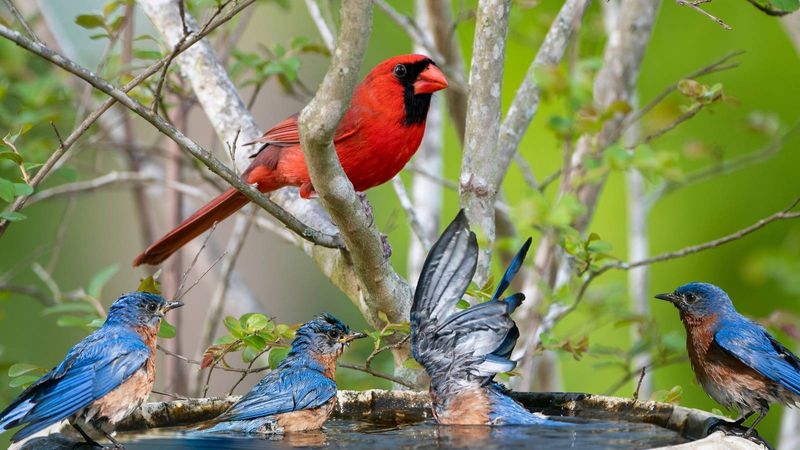
Ever notice how some yards seem to buzz with colorful birds while the one next door stays quiet? It turns out birds are picky, and they choose a yard for very real reasons like food, water, and safe places to hide.
When you know what each bird is looking for, you can turn your own backyard into a favorite hangout. Here are nine gorgeous birds and the little things that make them pick your yard over anyone else’s.
1. Northern Cardinal
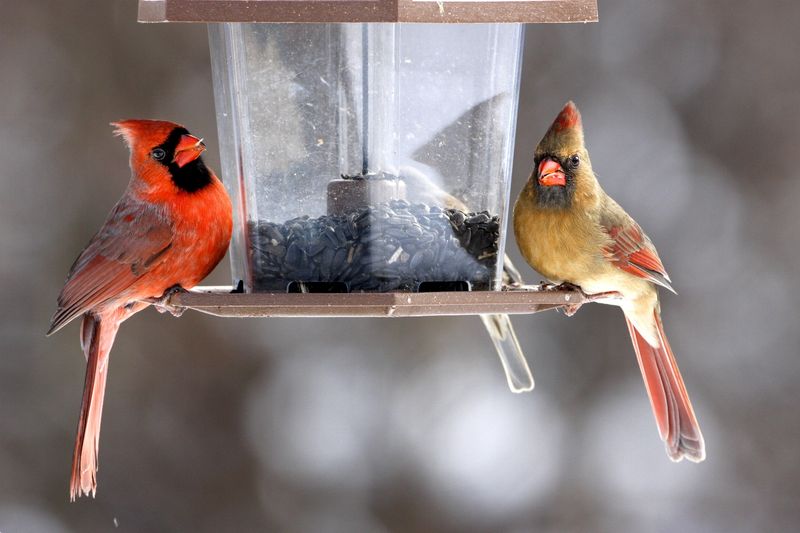
Few sights beat a bright red cardinal glowing against a snowy morning. Males wear that fiery coat year-round, and once a pair finds a yard they like, they often stick around for life.
What pulls them in is dense cover paired with reliable seed. Cardinals love shrubs and low evergreens where they can duck away from hawks and cats, and they feel safest feeding near that leafy protection rather than out in the open.
Give them black oil sunflower seeds or safflower on a sturdy platform or hopper feeder, since their strong beaks are built for cracking. A brushy corner or a tangle of viburnum near the feeder can be the deciding factor that makes your yard the one they choose.
Fun tidbit: cardinals sometimes attack their own reflection in windows and car mirrors during nesting season, mistaking it for a rival. It is not a sign of a confused bird so much as a very committed one defending its turf.
2. American Goldfinch
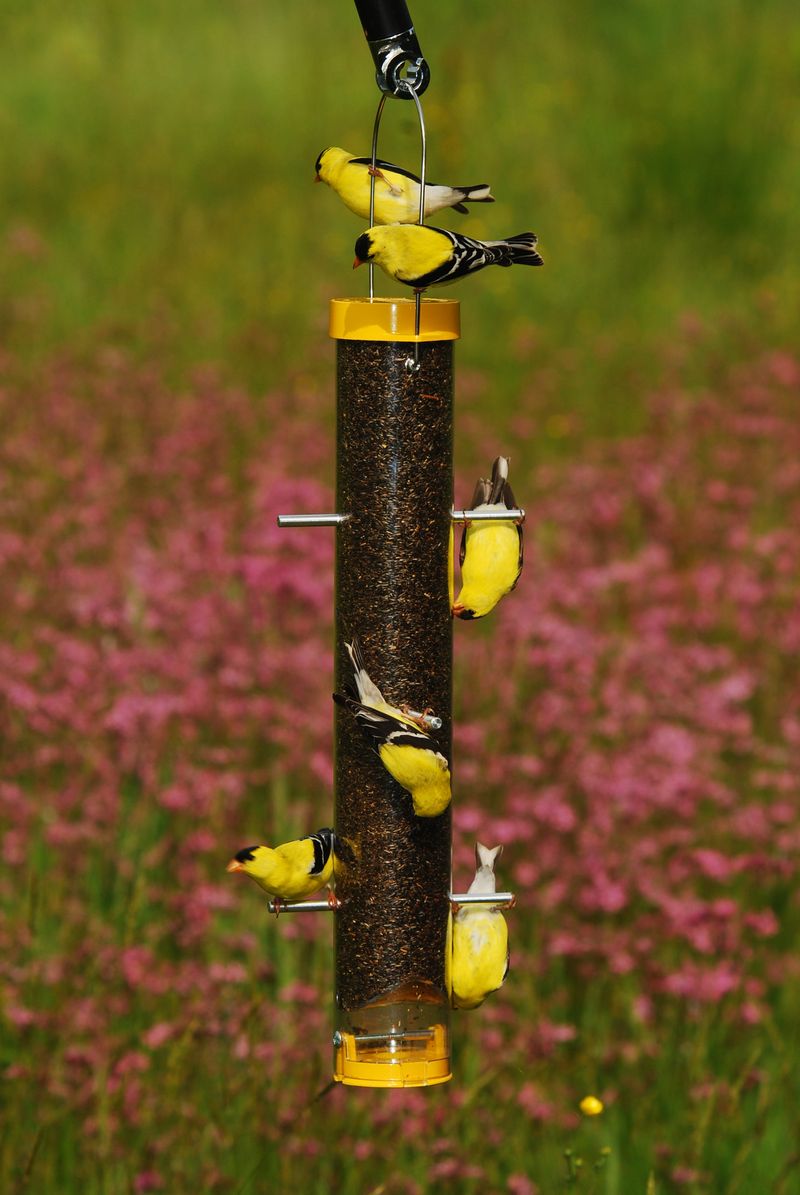
Picture a tiny splash of sunshine bouncing across your yard in July, and you have the male goldfinch in his summer gold. They travel in cheerful little flocks and chatter constantly while they feed.
Goldfinches are seed specialists, and they adore nyjer (thistle) seed and sunflower hearts. Hang a mesh or tube feeder built for tiny seeds, and you will often see several clinging on at once, sometimes upside down.
Beyond the feeder, they can not resist a yard with native flowers gone to seed. Coneflowers, cosmos, and sunflowers left standing become a natural buffet, so resisting the urge to deadhead everything actually works in your favor.
Here is something odd about them: goldfinches nest later than almost any other songbird, often waiting until midsummer when thistle and milkweed down is ready to line their nests. A yard with fluffy seed material can help convince them to raise a family nearby.
3. Ruby-throated Hummingbird
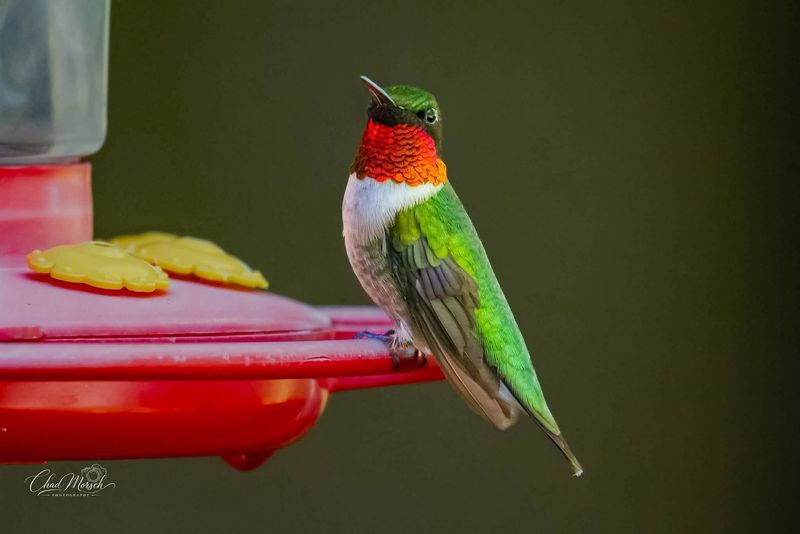
Blink and you might miss one, but the flash of a ruby-throated hummingbird zipping past is unforgettable. Weighing less than a nickel, these tiny fliers burn energy so fast they need to eat almost constantly.
Nectar is the whole story here. A simple feeder filled with four parts water to one part plain white sugar, no red dye needed, can turn your porch into a hummingbird highway during spring and summer.
They also key in on tubular red and orange flowers like bee balm, trumpet vine, and salvia. Planting a few of these near a feeder gives them both fast food and natural food, and that combination is often what makes them pick one yard over the bare one next door.
Keep the feeder clean and refill it every few days in hot weather, because spoiled nectar can drive them away or make them sick. A tidy, dependable feeder is what keeps them coming back all season.
4. Blue Jay
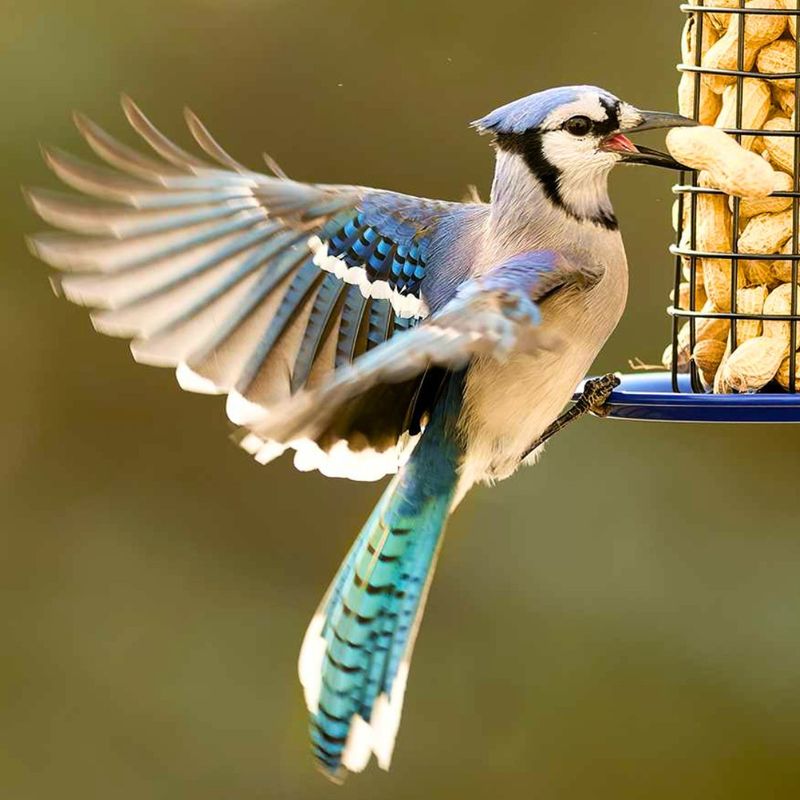
Loud, bold, and impossible to ignore, the blue jay struts into a yard like it owns the place. That brilliant blue crest and noisy call make it one of the most recognizable visitors around.
Jays have a serious weakness for peanuts, whether in the shell or out. Set out whole peanuts on a platform feeder and you will likely watch a jay stuff several into its throat pouch before flying off to hide them for later.
What really seals the deal is having oak trees or a yard near them, since acorns are a favorite food. Jays are famous for burying thousands of acorns each fall, and many sprout into oaks, meaning these birds literally plant forests.
They are also smart enough to remember which yards offer the best snacks. Be consistent with peanuts and a water source, and a jay family may put your yard on their daily route.
5. Eastern Bluebird
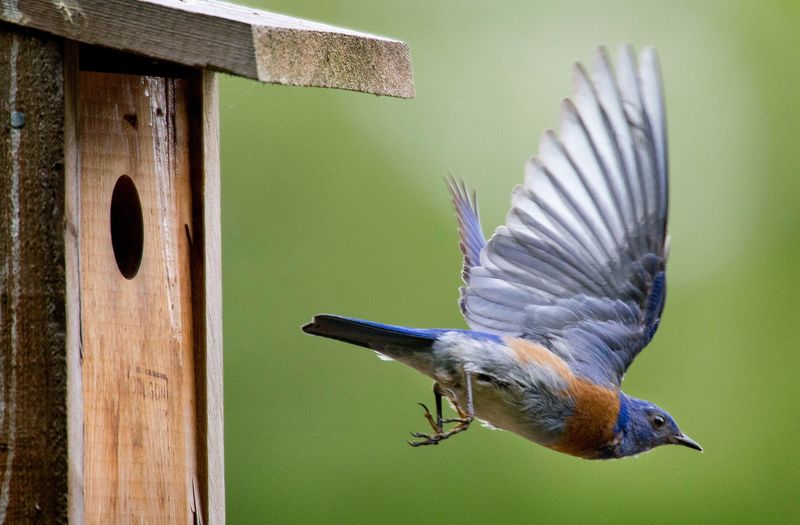
There is something almost storybook about a bluebird, with its sky-blue back and warm rusty chest perched on a fence post. Gardeners tend to get genuinely excited when one shows up.
Unlike seed lovers, bluebirds are mostly after insects and berries. A yard with open grassy space where they can spot beetles and caterpillars from a low perch is exactly what they hunt for.
The single biggest thing you can offer them is a proper nest box. Bluebirds are cavity nesters, and a well-placed box facing an open area, mounted about five feet up, can be the reason a pair settles in your yard instead of drifting on.
Want to spoil them? Live or dried mealworms in a shallow dish are practically irresistible, and bluebirds quickly learn to show up when you put them out.
Add a few berry shrubs like dogwood or holly, and you have got a yard they may return to year after year.
6. Baltimore Oriole
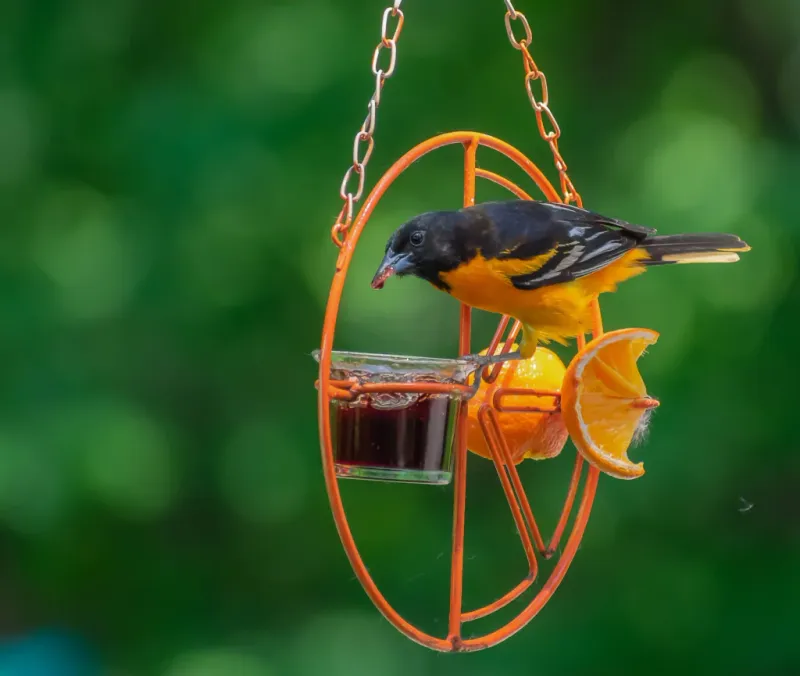
Flaming orange and jet black, the Baltimore oriole looks almost too tropical to be real when it lands in a spring yard. Their arrival in late April and May feels like a holiday for many birdwatchers.
Sweetness is the way to their heart. Orioles go wild for orange halves speared on a branch, grape jelly in a little dish, and nectar feeders made just for them.
Timing matters a lot with these birds. Put your oriole feeder out early, right as they migrate back, because if they do not find food on their first pass, they may settle in a yard down the road instead of yours.
They weave some of the most impressive nests in the bird world, long hanging pouches dangling from the tips of tall shade trees. A yard with mature elms, maples, or cottonwoods offers the kind of high, swaying branches orioles look for when it is time to nest.
7. American Robin
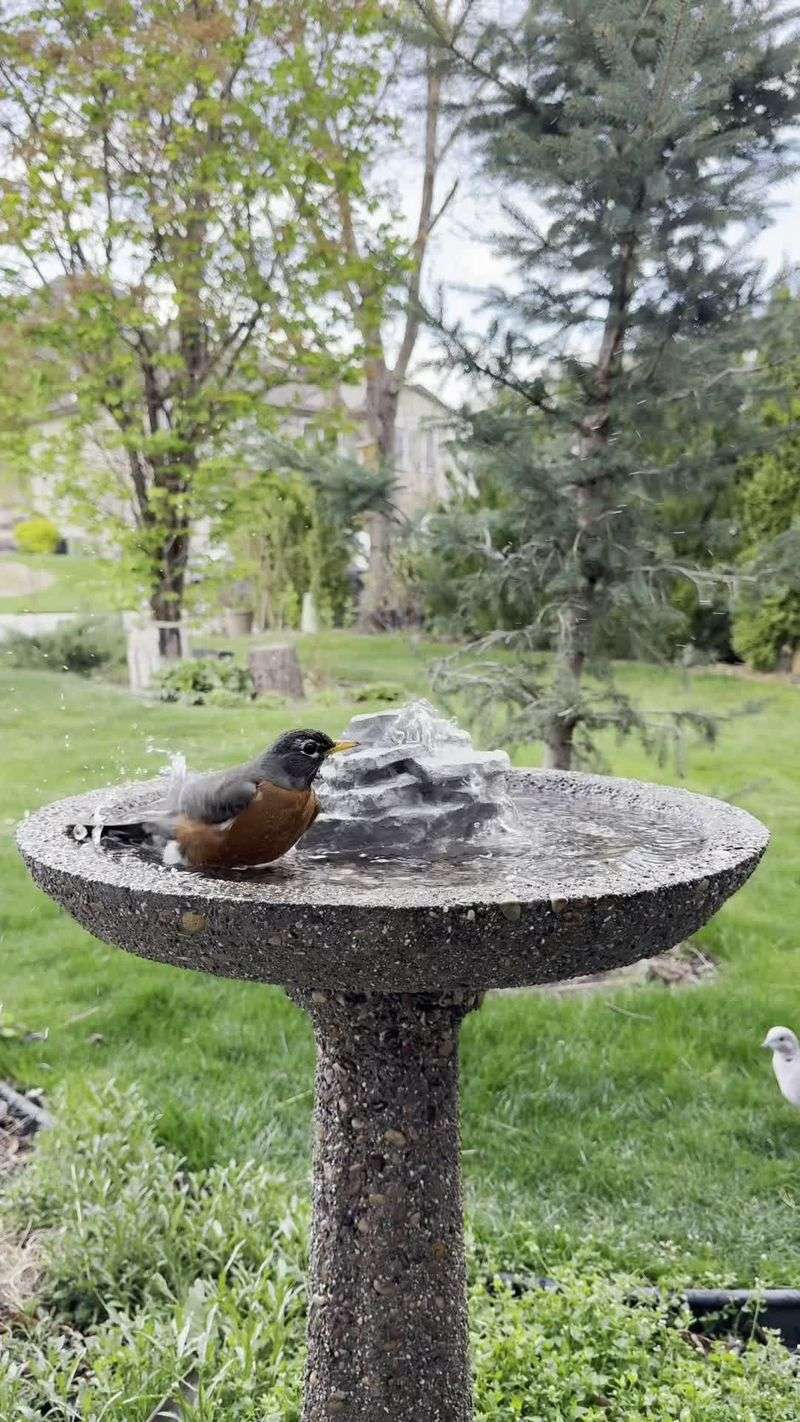
The robin might be common, but that hopping, head-tilting hunt across the lawn is a classic sign that spring has truly arrived. Their cheerful morning song is often the first one you hear at dawn.
Robins are worm and berry eaters, so they mostly skip seed feeders altogether. A healthy, chemical-free lawn where earthworms thrive is far more attractive to them than any bag of birdseed.
Water is a huge draw for robins. They love to bathe and drink, and a birdbath kept clean and full will pull them in even when yards nearby have none.
A shallow basin with a gentle drip or splash is especially tempting.
Leave a fruiting shrub or a crabapple tree standing and you will often see robins gorging on the berries in late winter. That mix of soft soil, open lawn, water, and fruit is the combination that convinces a robin your yard is worth calling home.
8. Downy Woodpecker
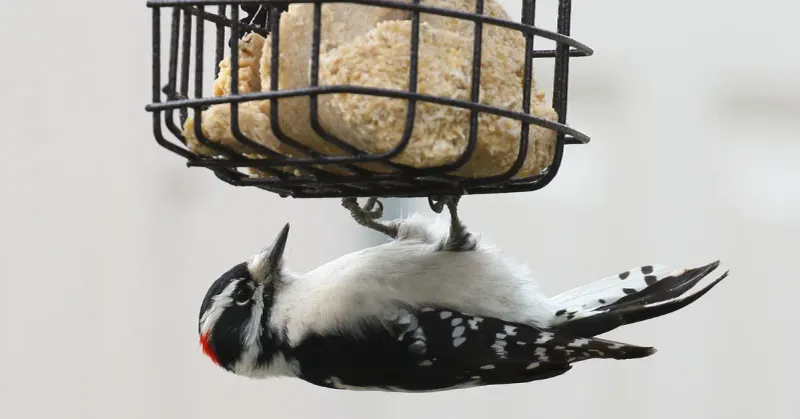
Small enough to fit in your palm yet full of personality, the downy woodpecker taps its way around trees with a bouncy energy that is fun to watch. The males sport a tiny red patch on the back of the head like a little cap.
Suet is the magic word. A block of suet in a wire cage feeder gives these birds the high-fat fuel they crave, especially through cold months, and they will visit again and again.
Downies are drawn to yards with trees, dead limbs, and even standing snags, because they dig into wood hunting insects and drum to claim territory. Leaving a safe dead branch or two can actually make your yard more appealing, not less.
They are pretty trusting little birds, often letting you watch from just a few feet away. Offer suet, keep some trees around, and this pint-sized woodpecker may become one of your most loyal regulars.
9. Cedar Waxwing
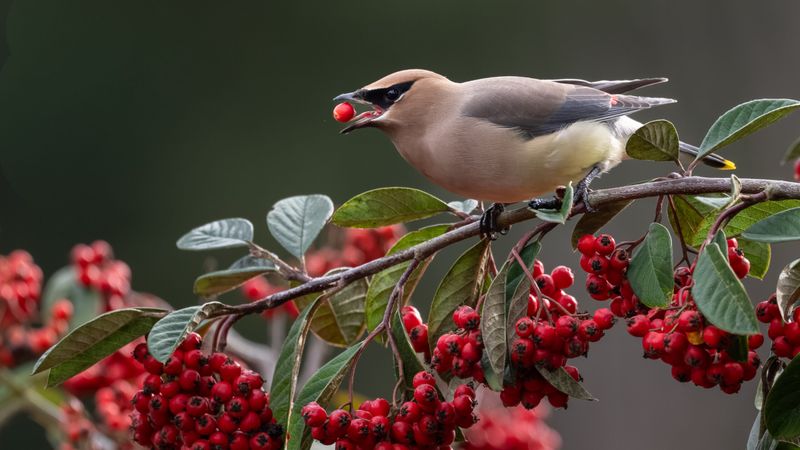
Sleek, silky, and almost fancy-looking, cedar waxwings arrive in chattering flocks and seem to appear out of nowhere. Their soft tan bodies, black masks, and bright waxy red wing tips give them a polished, elegant look.
Berries are their obsession, not seed. Waxwings feed almost entirely on small fruits, so they mostly ignore feeders and instead search out yards loaded with berry-producing trees and shrubs.
Plant serviceberry, dogwood, holly, or a crabapple, and you dramatically raise your odds of a flock swooping in to strip the branches clean in an afternoon. Where the berries are is exactly where these birds choose to be.
They are famously social and even a little silly, sometimes passing a single berry down a line of birds beak to beak. Because they wander widely in search of fruit, a well-stocked berry yard can win a visit from a whole traveling flock at once.