
5 Brilliant Tips That Turn Your Yard Into A Place Cardinals Actually Stay
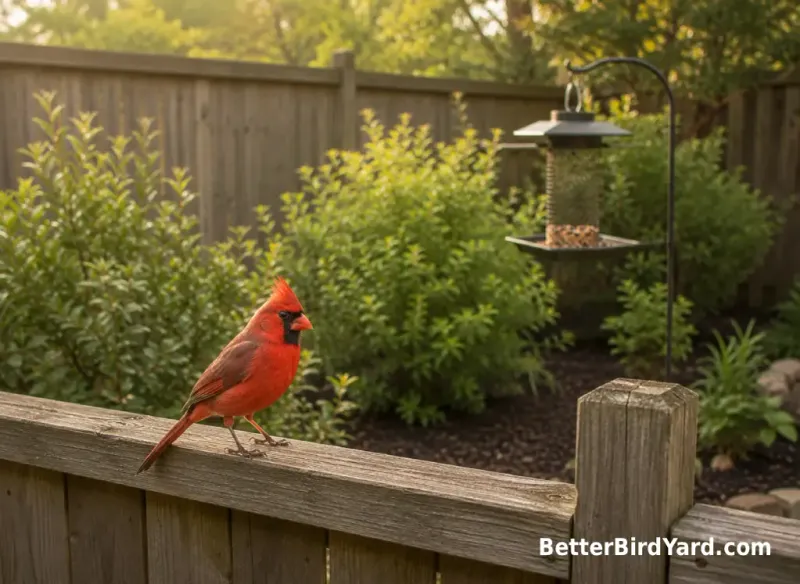
Nothing brightens a backyard quite like a flash of red darting between the branches. If cardinals swing by your yard but never seem to settle, you might be missing a few key things they need to feel at home.
The good news is that keeping these gorgeous birds around comes down to food, water, and cozy hiding spots you can set up this weekend. Try these five simple changes and watch your yard become a place cardinals want to call home.
1. Offer a Variety of Preferred Foods in Sturdy Feeders
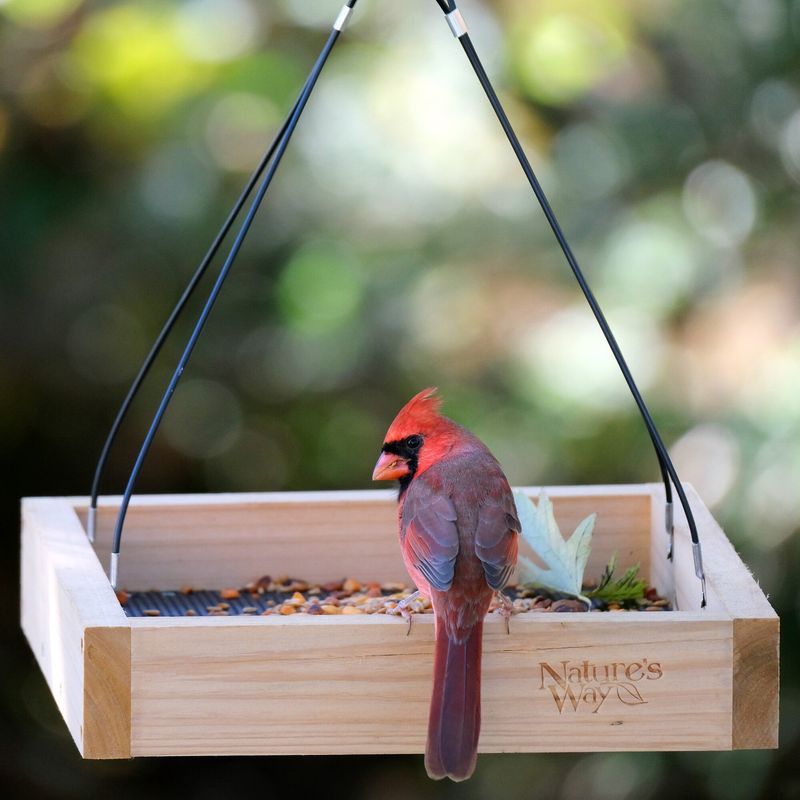
Cardinals have thick, powerful beaks built for cracking open big seeds, so the menu you set out really matters. Their all-time favorite is black oil sunflower seed, but they also go crazy for safflower seeds, crushed peanuts, cracked corn, and suet when the weather turns cold.
The feeder itself is just as important as what goes in it. A wobbly tube feeder frustrates these hefty birds, so reach for a wide platform feeder or a large hopper feeder that gives them room to perch and eat comfortably.
Timing is a quiet detail most people overlook. Cardinals like to eat during the soft light of early morning and again in the late evening, so keeping your feeders topped off around those hours makes a real difference.
Here is a fun bonus: safflower seed happens to be a favorite of cardinals but a turn-off for squirrels and grackles. Filling one feeder with it can hand the buffet right to your red visitors.
2. Provide a Reliable Water Source Year-Round
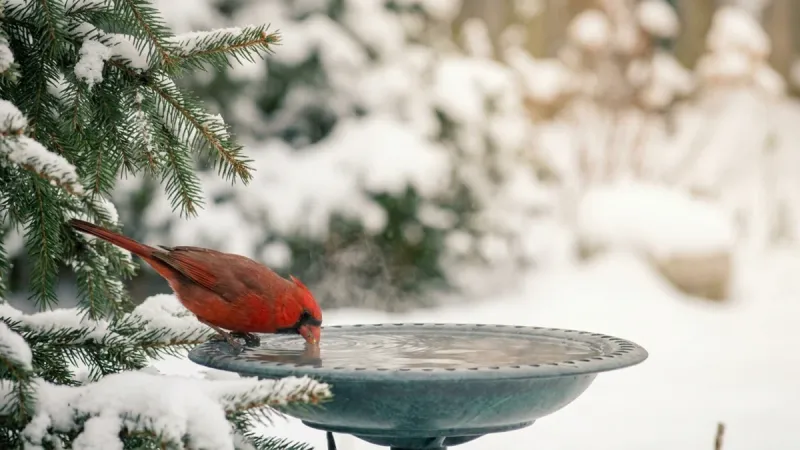
Food gets a lot of attention, but a good water source can be the thing that convinces a cardinal to stick around. They need fresh water for both drinking and splashing around to keep their feathers in top shape.
Depth is the trick here. A shallow birdbath that maxes out at about two to three inches works best, and a rough or textured bottom gives their little feet something to grip so they feel secure.
Want to grab their attention from across the yard? Cardinals are drawn to the sound of moving water, so a simple dripper or a small mister added to your birdbath acts like a dinner bell.
Winter is where most yards fall short. Since cardinals do not migrate, they stay through the freezing months, and a heated birdbath keeps water from icing over so they always have a reliable place to drink.
3. Cultivate Dense Shrubs and Trees for Shelter
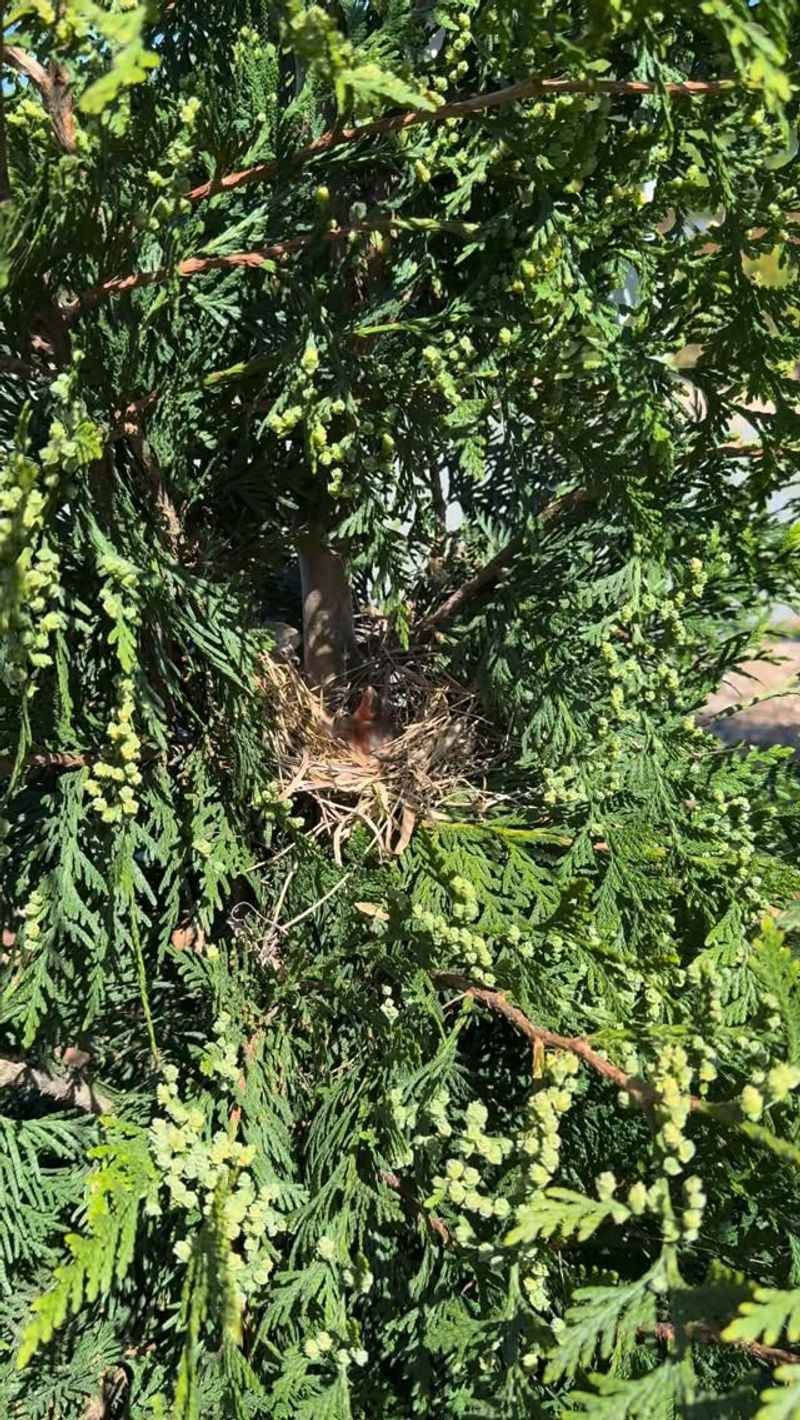
Cardinals are cautious birds, and they will only settle where they feel protected. Thick foliage, tall trees, and tangled shrub thickets give them the cover they crave for resting, hiding from hawks, and raising their young.
One thing sets cardinals apart from bluebirds and wrens: they will never use a birdhouse. Instead, they weave cup-shaped nests deep inside dense vegetation, usually somewhere between three and fifteen feet off the ground.
Evergreens are your secret weapon for keeping birds around in the lean winter months. Juniper, arborvitae, and spruce hold their needles year-round, offering shelter when bare branches leave other plants exposed.
For food and cover rolled into one, plant berry producers like dogwood, elderberry, serviceberry, viburnum, and hawthorn. Rose bushes, American beautyberry, yaupon holly, possumhaw, wax myrtle, and American holly round out a landscape cardinals find hard to leave.
4. Place Food and Water Near Protective Cover
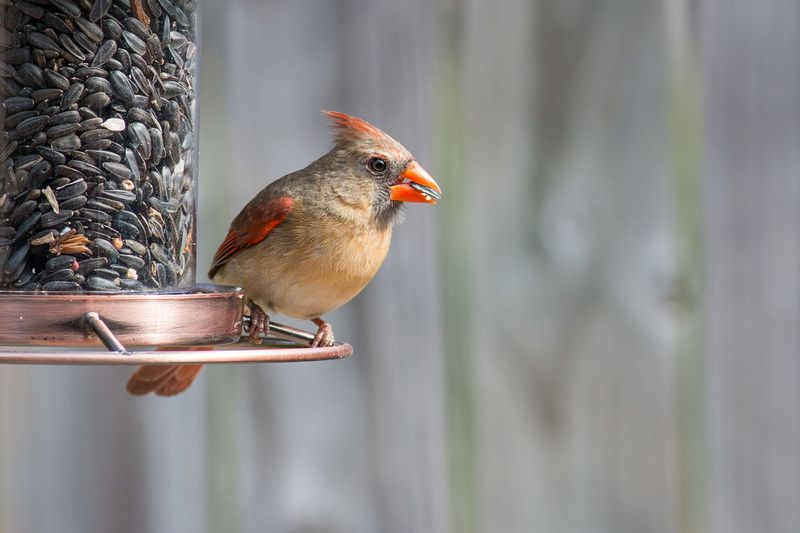
You can have the perfect feeder and the ideal birdbath, but if they sit out in the open, cardinals will hesitate to use them. These birds want a quick escape route in case a predator swoops in.
The fix is all about placement. Setting your feeders and birdbaths a short hop away from trees and shrubs gives cardinals somewhere to bolt the second they feel nervous.
There is a balance to strike, though. Position everything close to cover but not tucked directly under low branches, since that can give cats and other ambush hunters a hidden launching pad.
Get that sweet spot right and you will notice cardinals lingering longer, feeding more calmly, and returning day after day because your yard feels safe.
5. Supply Natural Nesting Materials
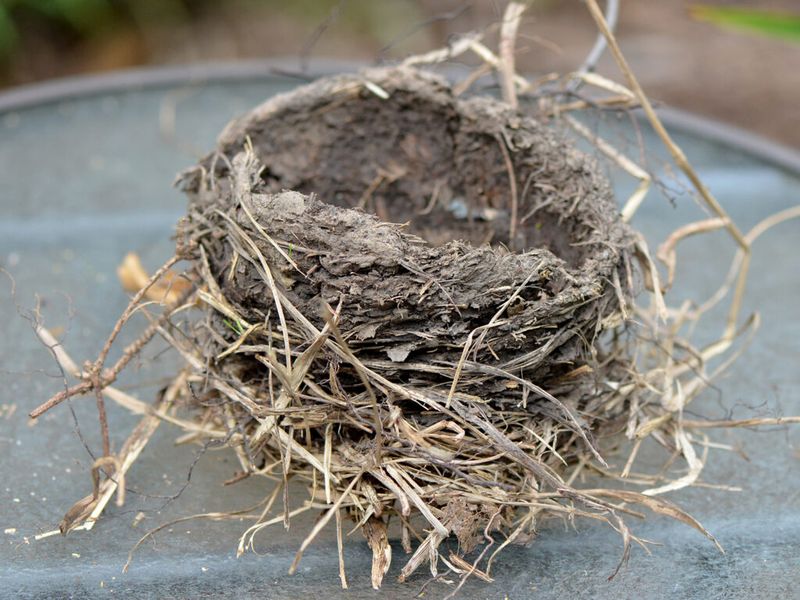
If you really want cardinals to move in rather than just visit, help them build a home. Nesting season kicks off surprisingly early, often as soon as February, and a little preparation goes a long way.
Cardinals start their nests with small twigs, then line them with softer stuff for their eggs. Leaving out pine needles, grass clippings, and tufts of clean animal fur gives them exactly what they are hunting for.
Skip the raked-up tidiness in a corner of your yard and let some natural debris collect. A small, undisturbed pile of twigs and dried grass becomes a handy building-supply station.
When a pair finds everything they need in one place, they are far more likely to nest nearby, which means you could be treated to fluffy cardinal chicks come spring.