
11 Purple Flowers Hummingbirds Simply Can’t Resist In Your Backyard
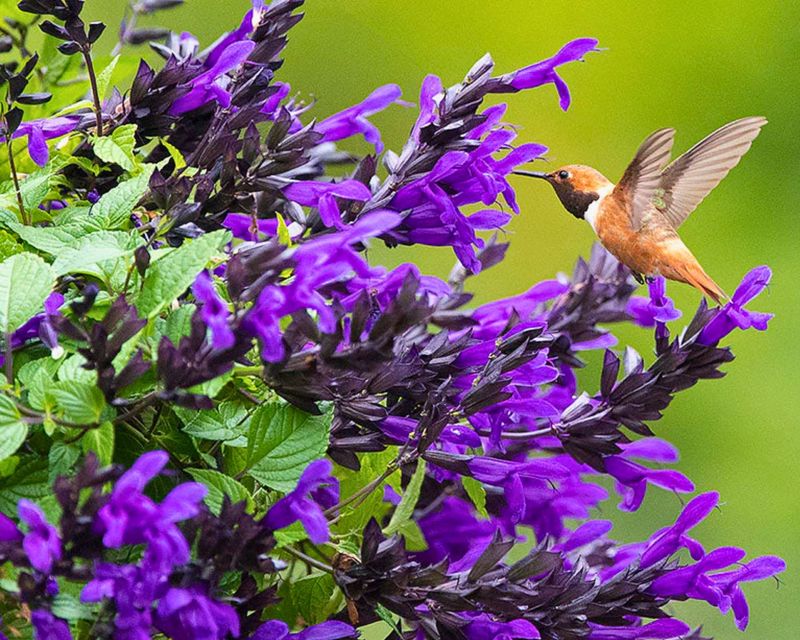
Hummingbirds get most of the credit for loving red, but purple blooms pull them in just as fast, especially the pinkish-purple shades. If you already have a backyard and want more of those tiny visitors zipping around, the right flowers make all the difference.
The good news is that many of these plants are easy to grow and forgiving if you are still learning. Here are 11 purple flowers that keep hummingbirds coming back all season long.
1. Salvia (Hummingbird Sage, Meadow Sage, Mexican Bush Sage)
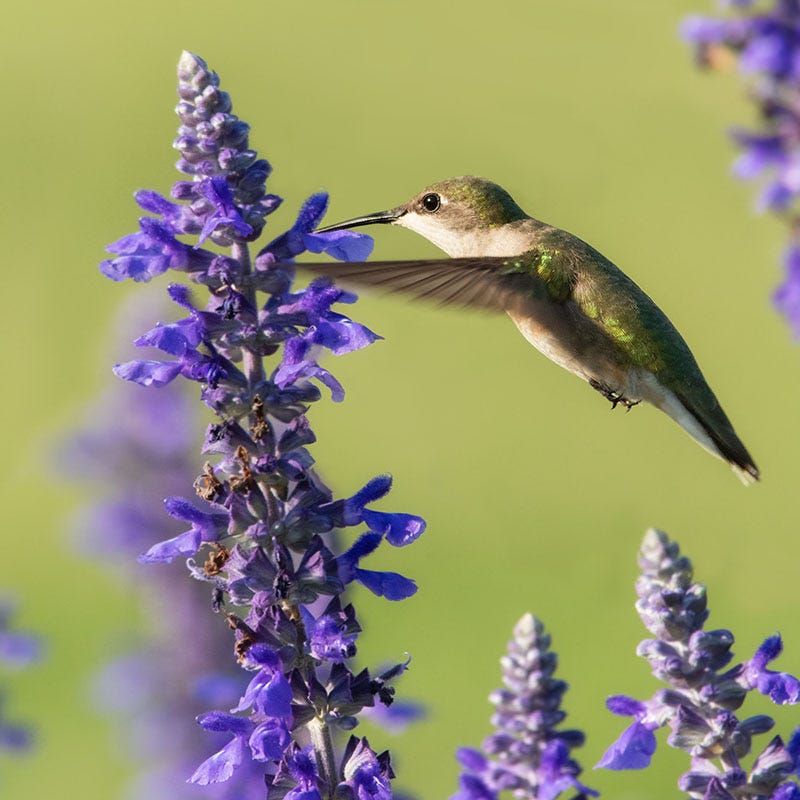
Few plants earn a hummingbird’s attention as quickly as salvia, and the long, thin spikes packed with purple blooms are the reason why. Those tubular flowers line up perfectly with a hummingbird’s slender beak, so feeding is easy and the nectar keeps flowing.
With so many species to choose from, you can find a salvia for almost any spot in your yard. Varieties like ‘Rockin’ Deep Purple’ and ‘Playin’ the Blues’ are especially good at pulling in pollinators.
If you are nervous about picking the wrong one, relax. Salvia is tough, sun-loving, and hard to mess up, which makes it a smart starting point for a hummingbird garden.
2. Bee Balm (Monarda)
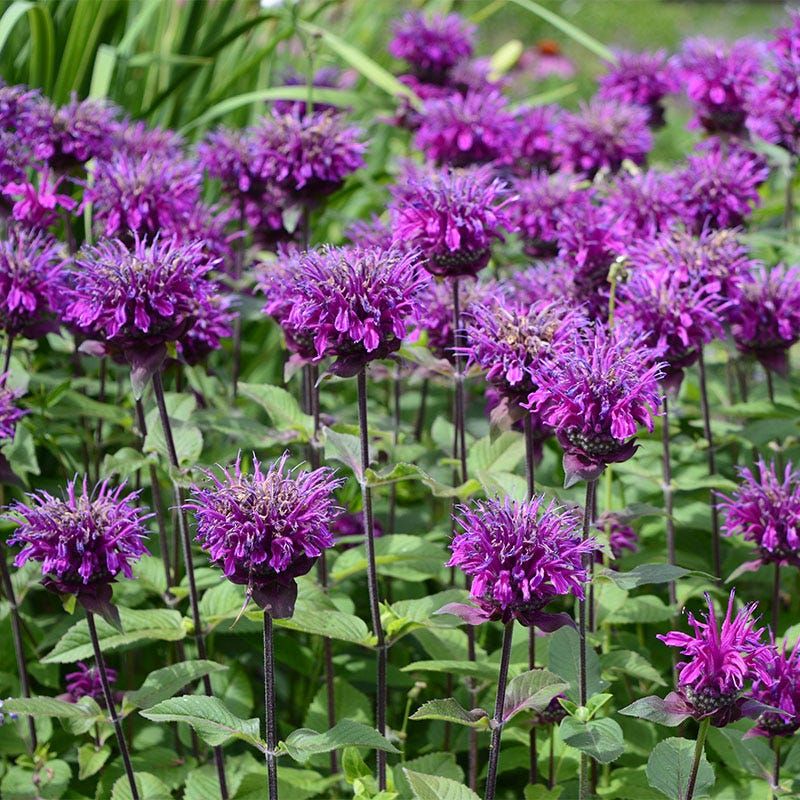
Shaggy, almost wild-looking blooms give bee balm a personality all its own, and hummingbirds treat those lilac-purple flowers like a buffet. Purple picks such as ‘Pardon My Purple’ and ‘Purple Rooster’ bloom heavily and hold nothing back.
Bee balm loves moist, rich soil, so it thrives in the damp corners where other flowers sulk. That makes it a handy fix for a spot in your yard that stays a little too wet.
One thing to watch is powdery mildew, a common headache for this plant. Newer mildew-resistant varieties can reduce that problem, so check the label before you buy and you may save yourself a frustrating summer.
3. Foxglove (Digitalis purpurea)
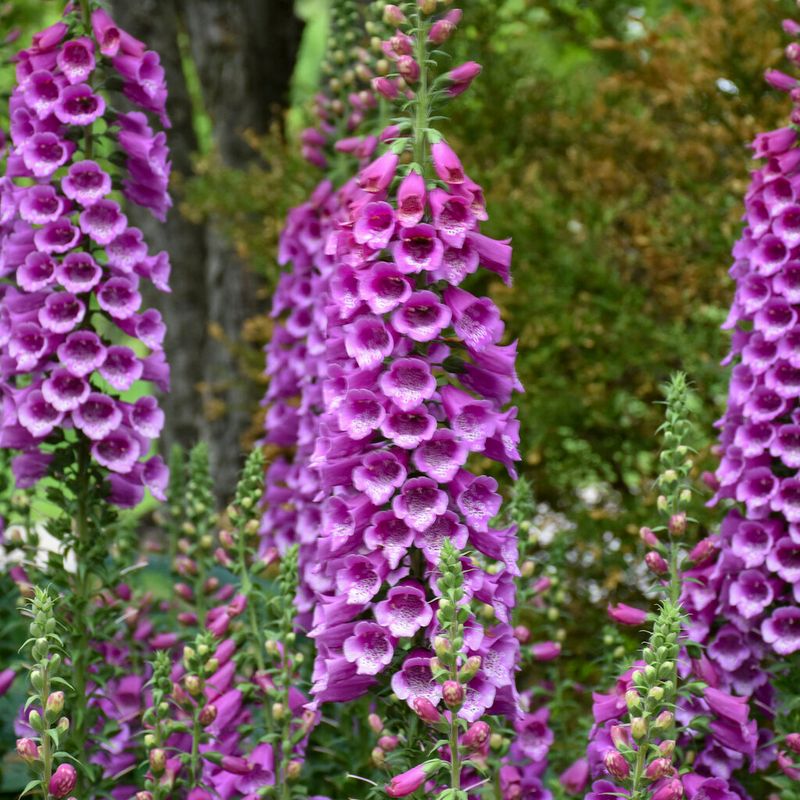
Picture a stalk of bell-shaped flowers stacked one above the other, and you have foxglove, a bloom hummingbirds dip into again and again. The tubular shape practically invites them in for nectar.
Growing foxglove is refreshingly simple, and you can find it in white, pink, and rich purple shades that stand tall at the back of a bed. It rewards you with height and drama without demanding constant babysitting.
A word of caution before you plant: foxglove is toxic to people and animals, so keep it away from curious pets and kids. Wear gloves when handling it, since the plant can irritate skin.
4. Phlox
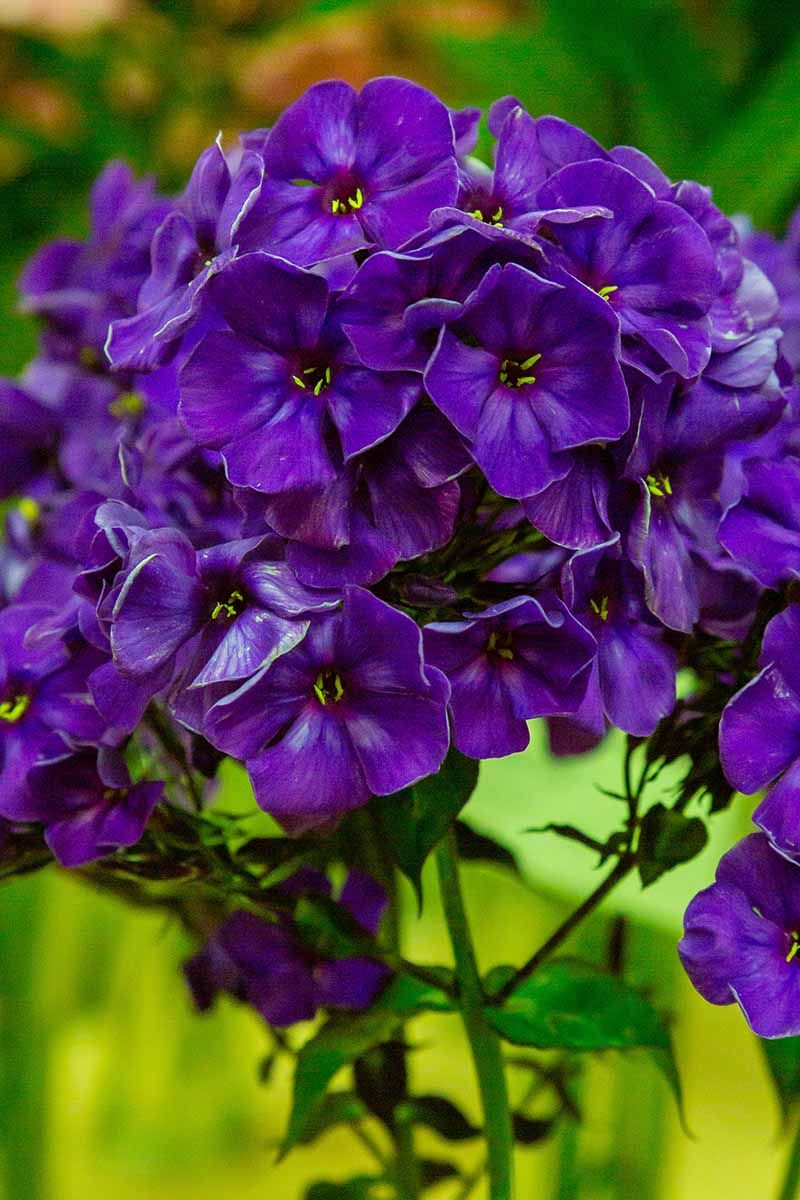
Old-fashioned charm is what phlox brings to the table, and this garden classic has been earning its keep for generations. The clusters of purple blooms add a soft, welcoming splash of color that hummingbirds happily investigate.
Timing matters with this one. Plant phlox in early fall or late spring for the best results, and you set it up to reward you with dependable color.
Because it is such a familiar staple, phlox pairs easily with almost anything else on this list. Tuck it between taller spikes and lower trailing flowers for a layered look that keeps hummingbirds moving from bloom to bloom.
5. Lupine
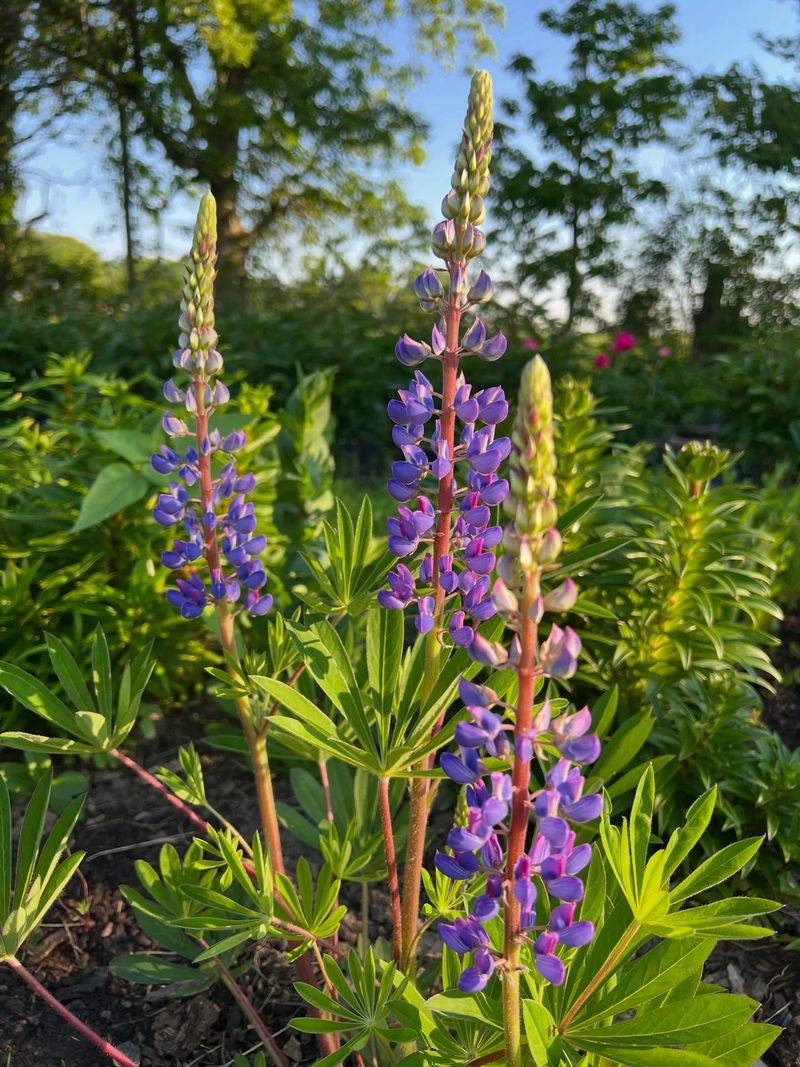
Nicknamed “bluebonnets” in some parts of the country, lupine puts on a bold vertical show that is hard to ignore. The tall, showy spikes make a statement the moment they open.
Hummingbirds are drawn to those stacked purple flowers, working their way up each spire in search of nectar. The height gives your garden structure while feeding your smallest visitors.
If your beds feel flat or a little boring, lupine is the fix. A few of these upright bloomers instantly add drama and give the yard a wilder, more natural feel.
6. Honeysuckle
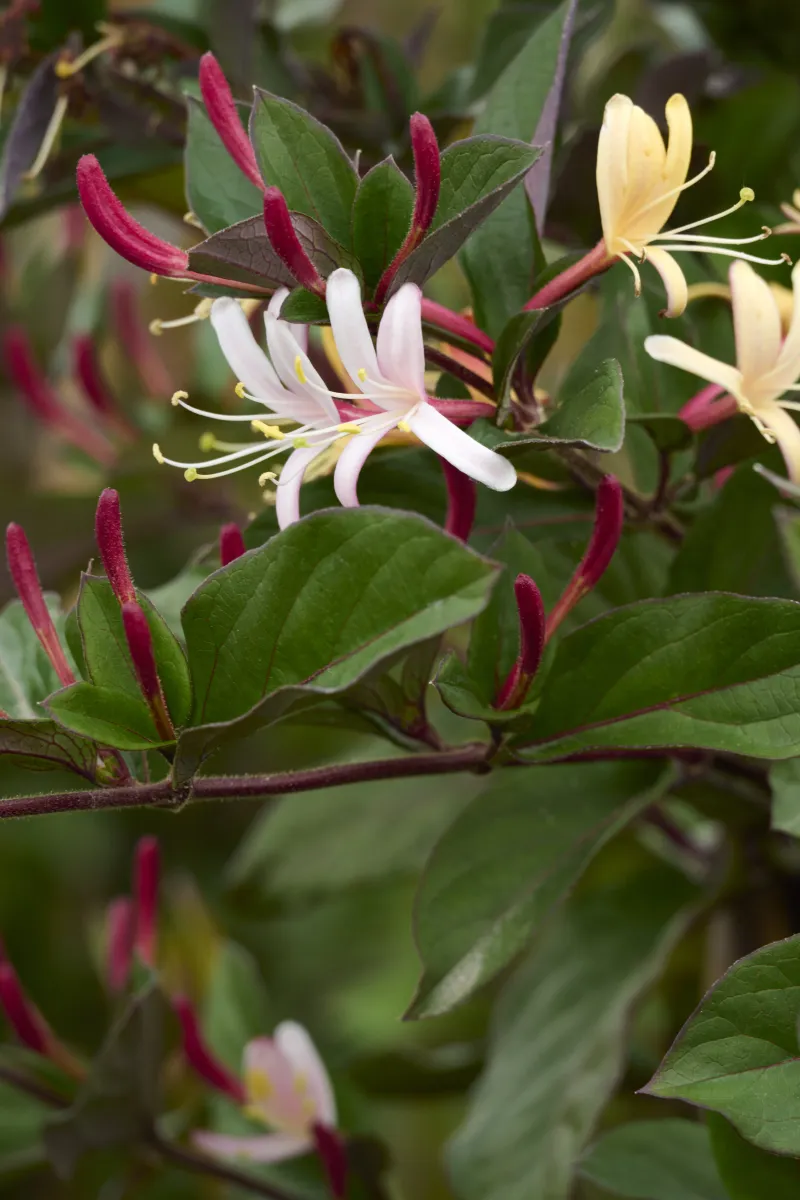
Just about every honeysuckle out there wins hummingbirds over, and the long, tube-shaped flowers explain the obsession. Purple-toned choices like purple-leaf Japanese honeysuckle and purpleflower honeysuckle bring that color into the mix.
What sets honeysuckle apart is how it grows. As a vine, it can cover a trellis, arbor, or bare fence, filling vertical space that flowers in a bed simply cannot reach.
From spring all the way through fall, the fragrant, tubular blooms keep the nectar coming. That long stretch of flowering means your hummingbirds have a reliable stop for months, not just a few short weeks.
7. Wisteria
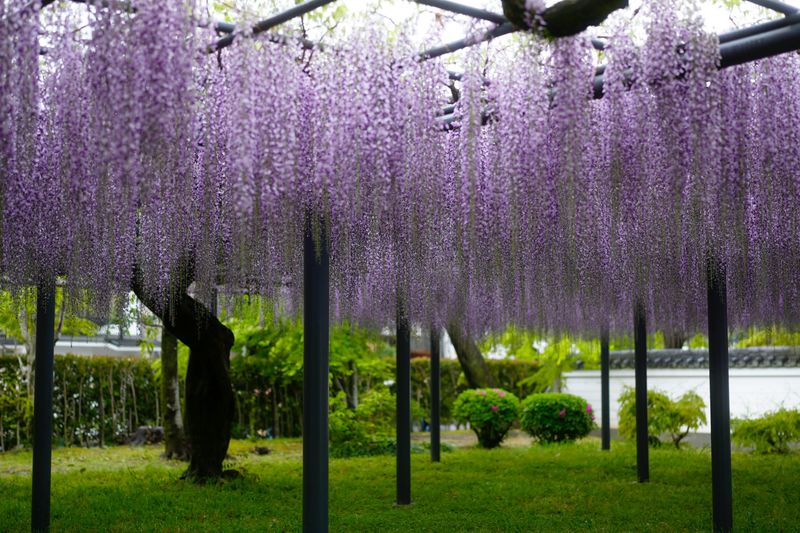
Draping like purple curtains from an arbor, wisteria turns an ordinary structure into something worth stopping for. The cascading clusters create a breathtaking effect that pulls the eye up and out.
Hummingbirds notice all that color too, and they weave through the hanging blooms in search of nectar. It is one of the most dramatic ways to bring them into your yard.
Give wisteria a strong support to climb, because it grows vigorously and can get heavy. With a sturdy arbor or pergola, you get a living canopy of purple that both you and the hummingbirds will enjoy.
8. Blazing Star (Liatris sp.)
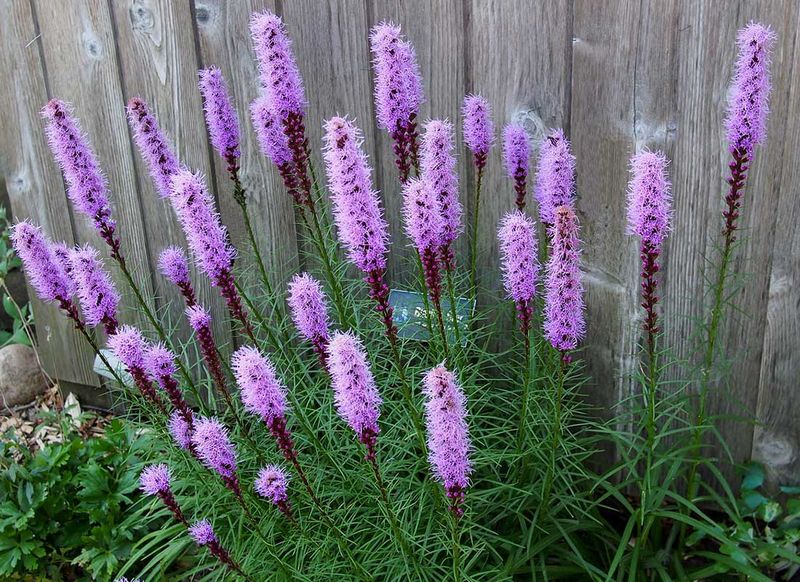
Fuzzy purple spikes shooting straight up out of the border give blazing star an unmistakable look. Those bold vertical blooms are exactly the kind of thing hummingbirds cannot pass by.
Native roots are part of the appeal here. Around 10 species grow wild across the eastern U.S., so you are often planting something that already belongs in your region.
Availability can be spotty north of Kentucky, so gardeners up there may need to hunt a little harder or shop native plant sales. When you do find it, blazing star rewards the effort with tough, low-fuss color that pollinators love.
9. Purple Coneflower (Echinacea purpurea)
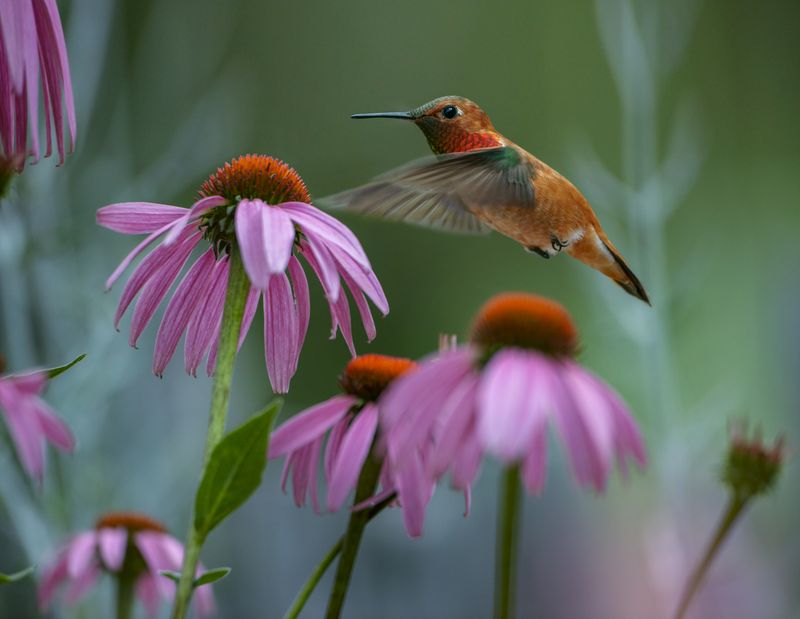
Daisy-shaped and cheerful, purple coneflower is one of the easiest wildflowers to find and grow, which makes it perfect for anyone worried about killing something delicate. The purple, daisy-like blooms bring a friendly pop of color to sunny beds.
Hummingbirds show up for two reasons here. They sip nectar from the flowers, and they also hunt the small insects that gather around the raised centers, so coneflower offers a two-course meal.
Beyond hummingbirds, this plant is a magnet for butterflies, bees, and later on, seed-eating birds. Plant a cluster and you turn one corner of your yard into a busy little wildlife hub.
10. Beardtongue (Penstemon)
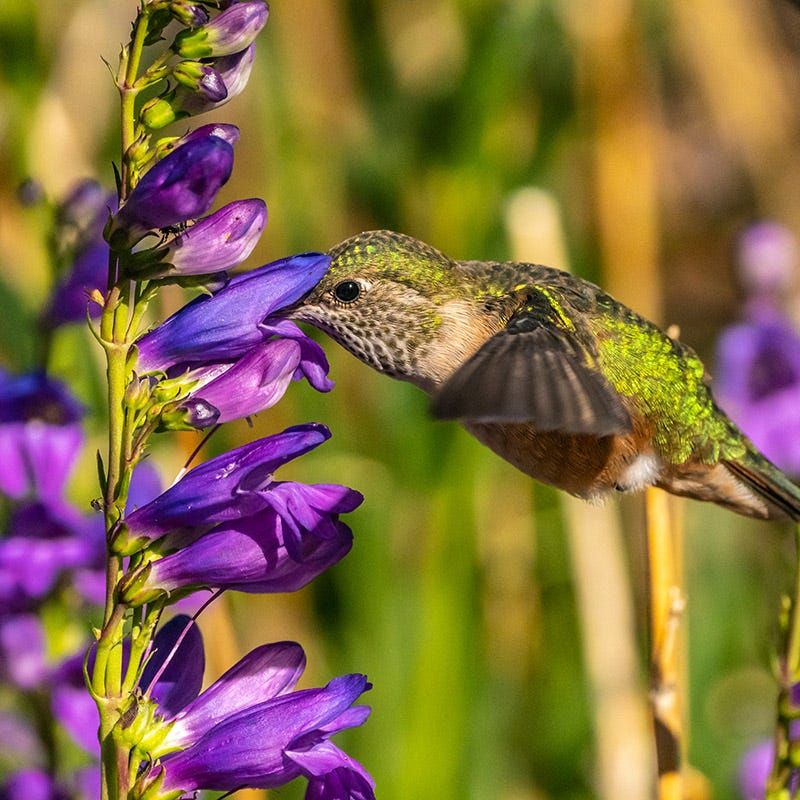
Tall spires loaded with tubular, nectar-filled blooms make beardtongue, also called penstemon, a standout hummingbird plant. The flower shape is practically designed for their beaks.
Here is where it really shines: most varieties prefer dry, well-draining soil and plenty of sun. If you have a hot, sandy spot that dries out fast, penstemon may thrive where thirstier flowers struggle.
Many species are native to North America, so you can often find an easy-to-grow option suited to your region. That native toughness means less fussing from you and more feeding for your hummingbirds.
11. Petunia (Purple Varieties)
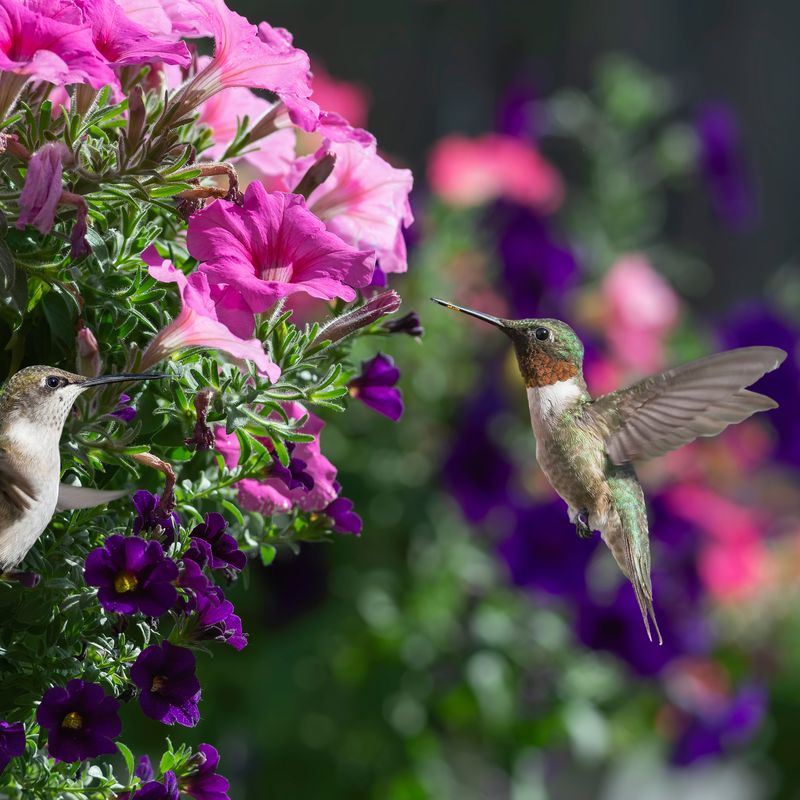
Easygoing and endlessly available, purple petunias are the annual to reach for when you want quick, reliable color all summer. They fill sunny spots without much drama and come in every shade of purple you could want.
The trick that sets them apart is placement. Let purple petunias trail from a hanging basket and you bring hummingbirds right up to eye level, turning a porch or patio into front-row seating.
If your petunias start looking leggy and sparse in the heat, do not give up on them. A good trim cuts back the straggly stems and can encourage fuller, fresh flowering, so you and the hummingbirds get a second wave of blooms.