
If These 18 Birds Show Up In Your Backyard, You’re Doing Everything Right
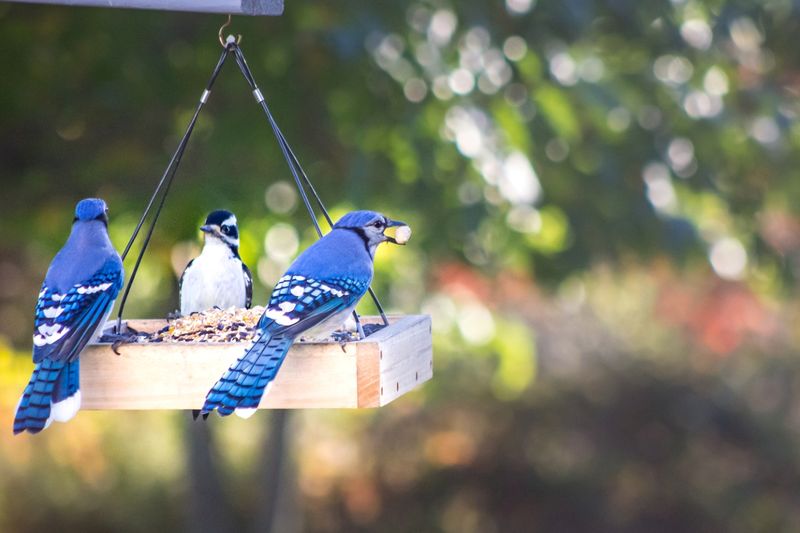
When birds start treating your yard like their favorite hangout, that is a quiet sign your garden is working the way nature intended. Each visitor tells you something: healthy soil, plenty of bugs to eat, safe places to hide, and food that lasts through the seasons.
The best part is that these birds pay you back by eating pests, spreading seeds, and helping flowers bloom. Here are 18 feathered guests whose arrival means you are getting the important stuff right.
1. Bluebirds
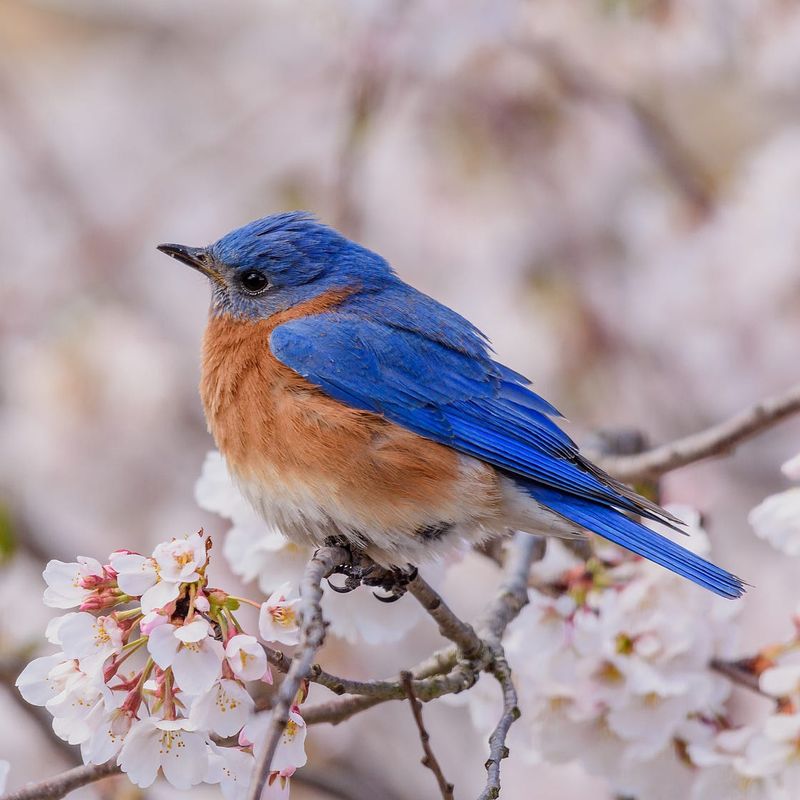
Few sights beat the flash of blue and rust when an Eastern, Mountain, or Western Bluebird drops into your yard. Their arrival is basically a report card, and yours reads well.
Bluebirds hunt down ants, beetles, caterpillars, crickets, grasshoppers, spiders, and even snails, which means they are quietly handling pests you never wanted to spray for anyway. When they show up in force, it usually signals you have skipped the harsh chemicals and let a natural balance take over.
Come fall and winter, they switch to native berries, so a bluebird that sticks around also hints your garden offers food across the seasons. Give them an open perch and a nesting box, and you may earn a returning family year after year.
2. Chickadees
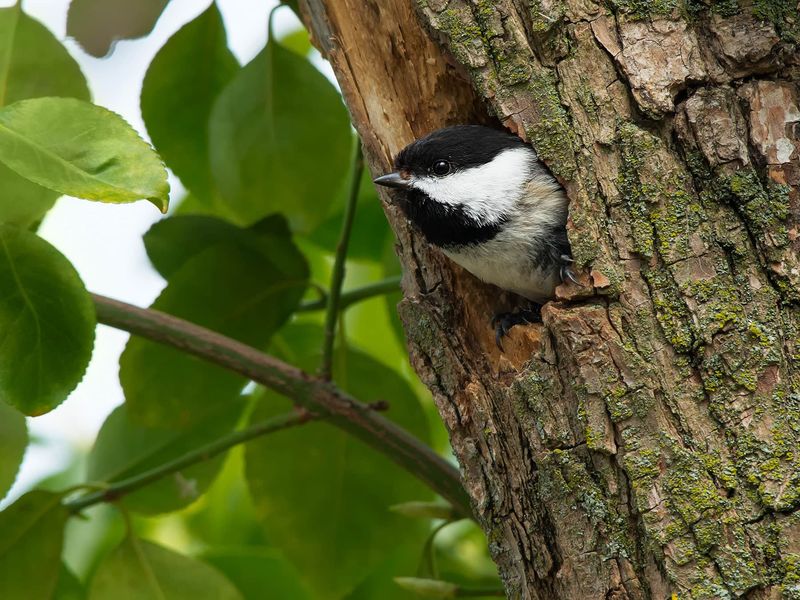
Small, round, and endlessly busy, chickadees seem to poke into every crevice they can find. Black-capped, Carolina, and Mountain Chickadees are the tireless inspectors of the bird world.
They gobble aphids, whiteflies, caterpillars, leafhoppers, earwigs, moths, and beetles, and they go a step further by searching tree bark for insect eggs and sleeping adults hiding for winter. That habit makes them one of the best signs you have a living insect population and enough shrubs and trees for cover.
A yard that welcomes chickadees is a yard with layers, from low bushes to leafy branches, exactly the kind of structure a healthy garden needs.
3. American Goldfinches
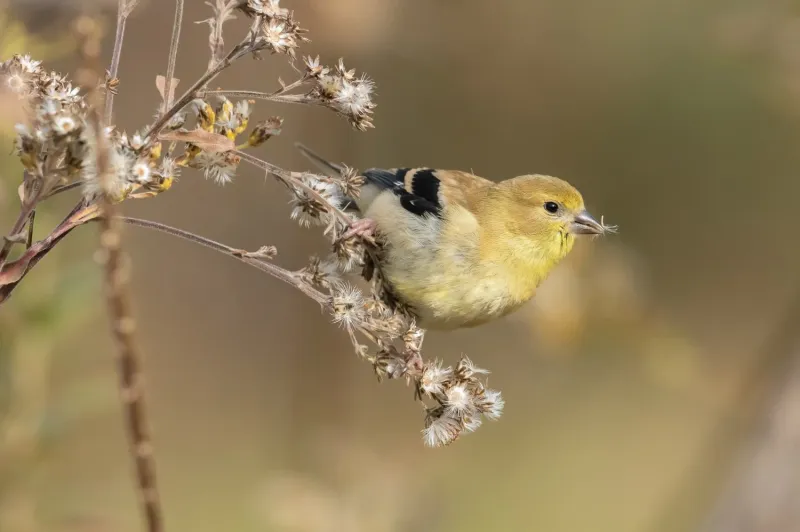
Sunshine with wings, that is the American Goldfinch in mid-summer. Their brilliant yellow feathers stand out against green foliage like little drops of paint.
Seeds make up most of their diet all year long, so they nibble away at weed seeds and help keep unwanted plants in check. They will grab the occasional insect too, but seeds are their true love.
If goldfinches are regulars, odds are you have let a few plants, maybe coneflowers or thistle, go to seed instead of deadheading everything. That small act of stepping back gives them a natural buffet and tells you your garden works with nature, not against it.
4. Nuthatches
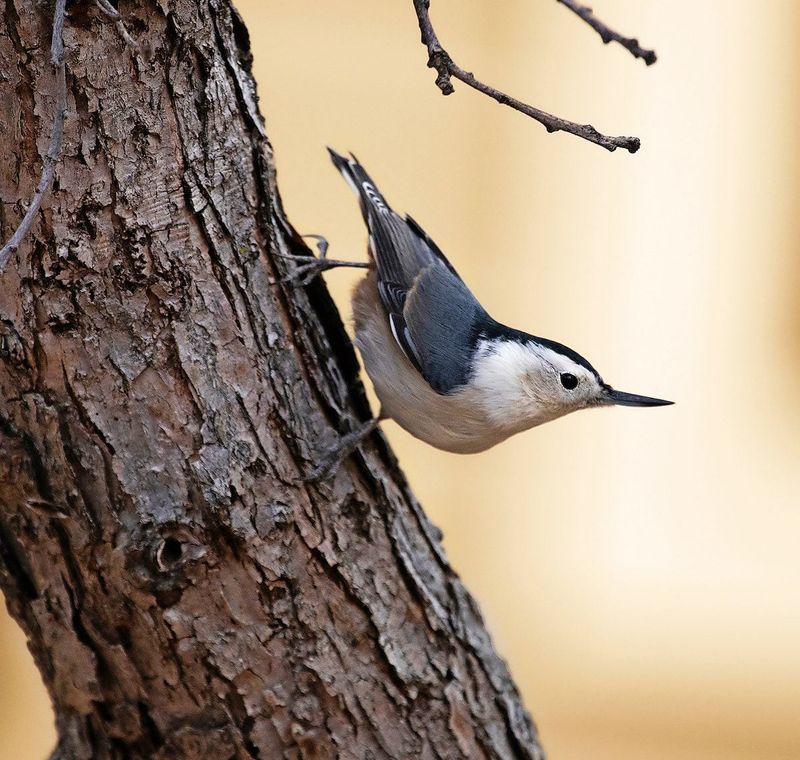
Watch a White-breasted Nuthatch and you will notice it does something almost no other bird does: it walks headfirst down the trunk. That upside-down angle lets it spot bugs other birds miss.
Digging into crevices, nuthatches pull out ants, scale insects, beetles, moth eggs, caterpillars, and cocoons. They stick around all year, so their steady presence is a strong clue that you have mature deciduous trees on your property.
Big trees take time to grow and offer shelter, nesting holes, and hunting grounds. A resident nuthatch is a little badge of honor for anyone who has protected the older trees in their yard.
5. Wrens
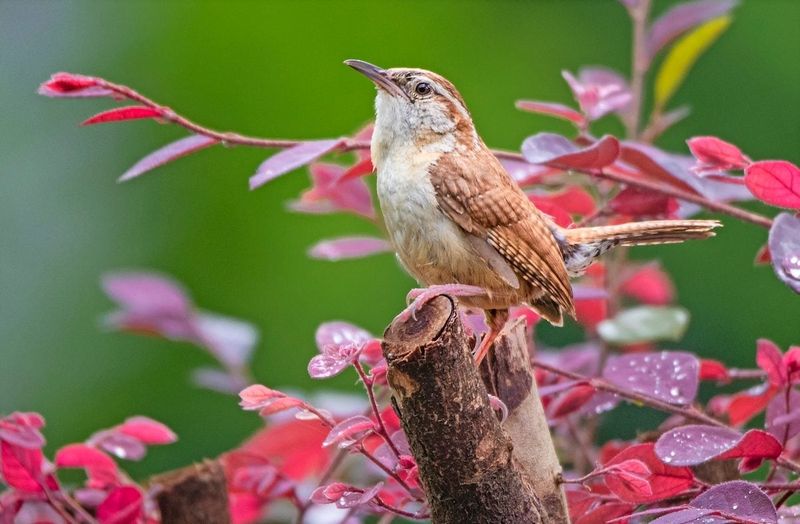
Loud voices come in tiny packages when wrens move in. Carolina, House, and Bewick’s Wrens buzz through the underbrush with energy that seems too big for their bodies.
Foraging close to the ground, they snatch ants, snails, slugs, beetles, grubs, caterpillars, spiders, and millipedes, cleaning up the pests that lurk near soil level. Their fondness for dense, tangled cover means a wren-friendly yard has plenty of low vegetation and very little insecticide.
Leave a brush pile or a thicket in the corner, and you may find a wren tucking its nest into the oddest spots, from old boots to hanging planters.
6. Owls
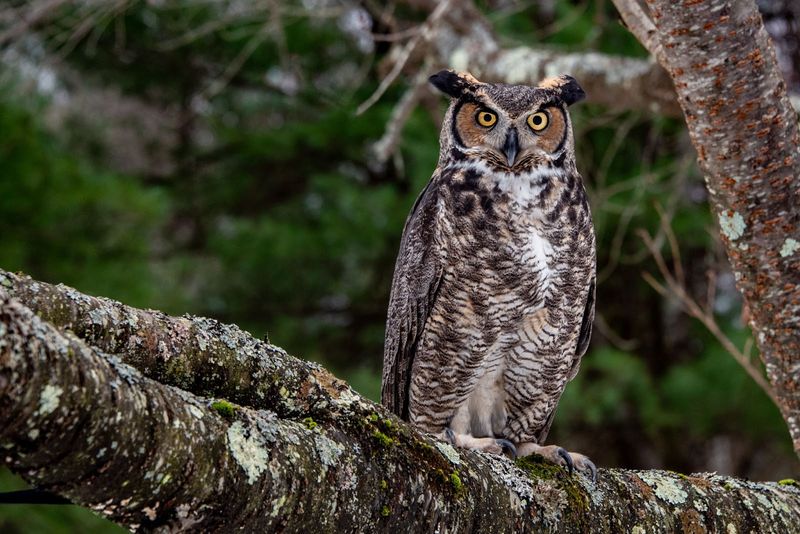
Spotting an owl feels like the yard has handed you a secret. Great Horned Owls and their cousins sit at the top of the food chain, and they only settle where dinner is plentiful.
An owl in the neighborhood points to a layered ecosystem stocked with mice, gophers, voles, and shrews. It also suggests your space stays calm and undisturbed enough for a wary hunter to feel safe.
Beyond the thrill of hearing that low hoot after dark, owls quietly keep rodent numbers down, sparing your bulbs and vegetables from midnight nibblers. Their presence is one of the clearest signs of a truly healthy backyard.
7. Sparrows
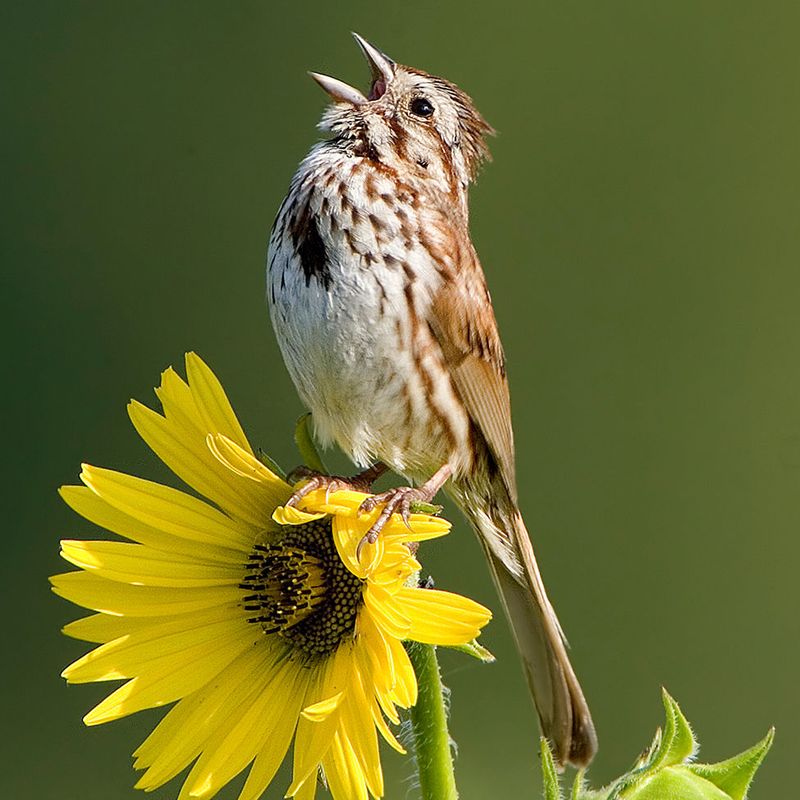
Often overlooked, native sparrows deserve more credit than they get. Song Sparrows and their relatives are workhorses that blend right into the scenery.
They pick off aphids and caterpillars during the growing season and switch to seeds the rest of the year, lending a hand with both pest and weed control. Because they adapt so easily, a yard full of sparrows is a yard offering steady food and reliable shelter.
Their cheerful songs also come free of charge. When sparrows settle in and sing, you know your garden gives them what they need to stick around.
8. Swallows
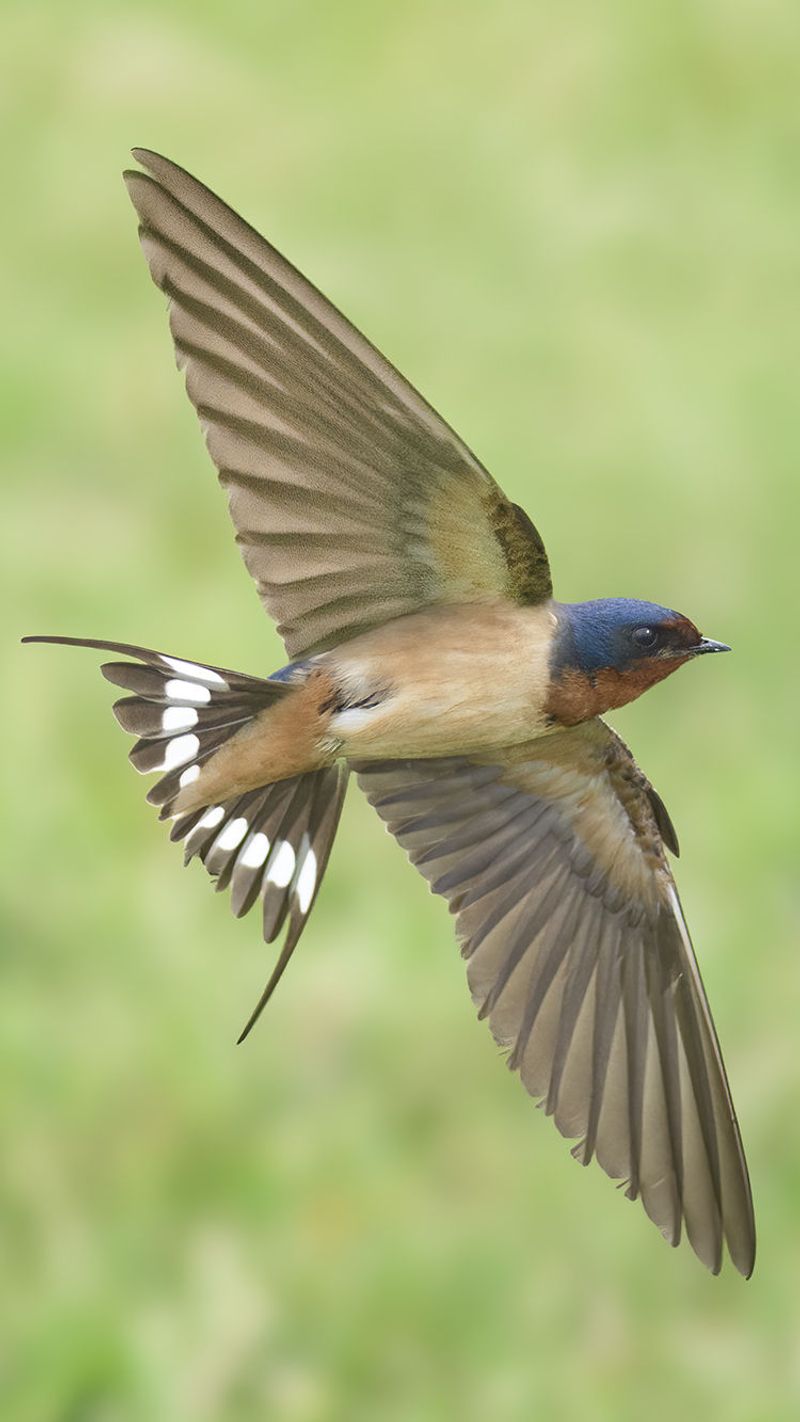
Grace in motion describes a Barn Swallow chasing bugs across an open yard. They swoop, dart, and turn on a dime, all while hunting on the wing.
A single swallow can eat hundreds of flying insects in a day, from moths and mosquitoes to beetles and grasshoppers. Watching them work is like having a natural pest patrol on constant duty.
Because they need flying insects to survive, a yard buzzing with swallows tells you the local insect population is thriving in a good way. Offer them open space to fly and a barn or eave to nest under, and they will handle the mosquitoes for you.
9. Woodpeckers
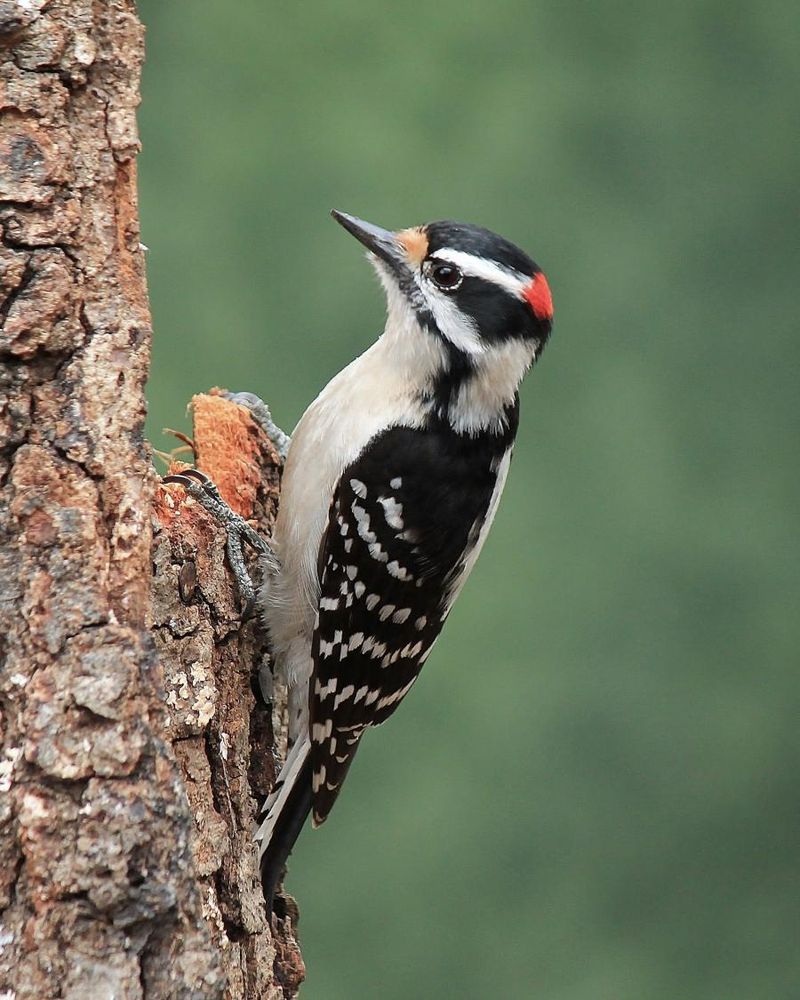
Tap, tap, tap, and you know a woodpecker is at work. Downy, Red-bellied, Northern Flicker, and Pileated Woodpeckers turn tree trunks into their personal pantries.
They dig out moth larvae, beetles, borers, weevils, caterpillars, millipedes, and ants, tackling the wood-boring pests that can weaken a tree from the inside. Their drumming does double duty, chasing off insects while announcing their turf.
Since they depend on trees, their activity often reflects the overall health of the wood in your yard. Leave a standing dead limb or two where it is safe, and you give these carpenters a place to feed and nest.
10. Northern Cardinals
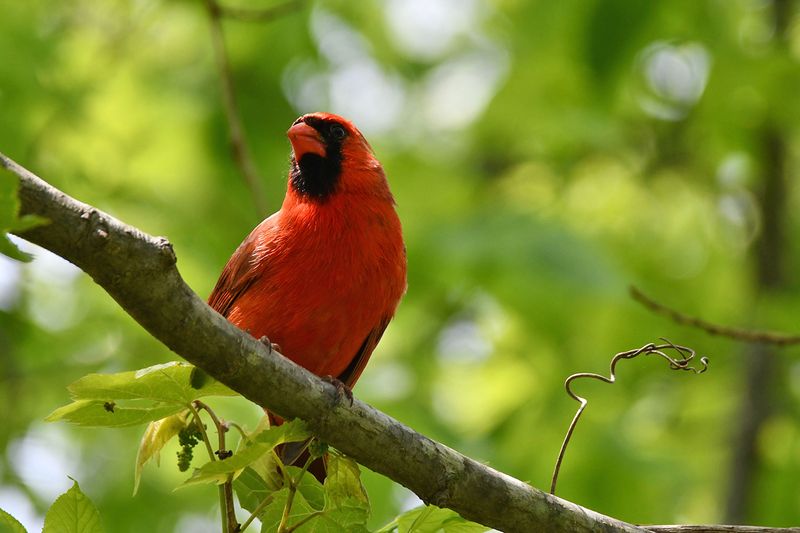
That splash of red against a hedge stops almost everyone in their tracks. The Northern Cardinal wears its color proudly and never seems to migrate far.
Its menu reads like a pest control wish list: aphids, grasshoppers, slugs, snails, cutworms, bollworms, beetles, leafhoppers, cicadas, moths, and stink bugs. Cardinals stay put through winter, so their year-round loyalty signals a stable, healthy garden.
Fun bit of trivia: cardinal pairs often mate for life, and you might catch a male feeding seeds to his partner beak to beak. When these birds nest nearby, your yard is clearly giving them plenty of reasons to stay.
11. American Robins
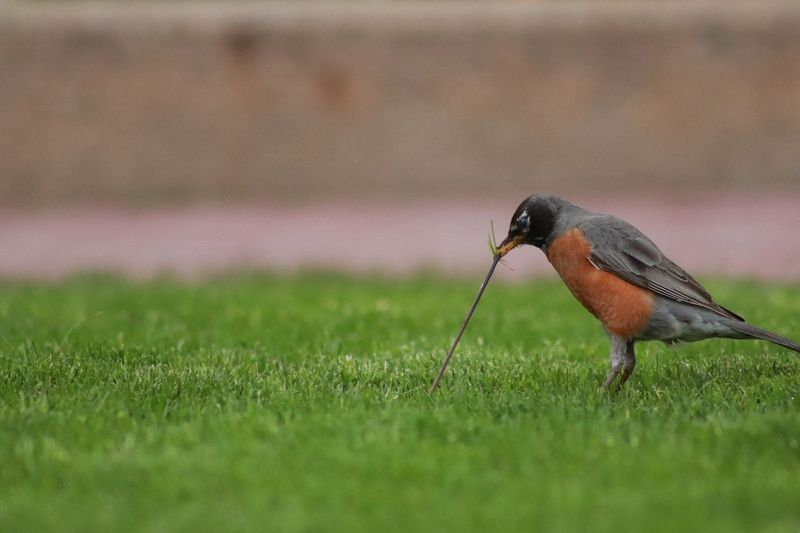
Nothing says a healthy lawn quite like a robin cocking its head and yanking a worm from the soil. That familiar orange breast is a welcome sight from early spring on.
Robins forage for worms and insects, and finding plenty of them points to rich soil that has not been drenched in chemicals. Their digging tells you life is thriving right beneath the grass.
When the weather cools, they turn to berries, showing off a garden that feeds them in more than one way. A yard full of robins is a yard with living soil, and that is worth celebrating.
12. Tufted Titmice
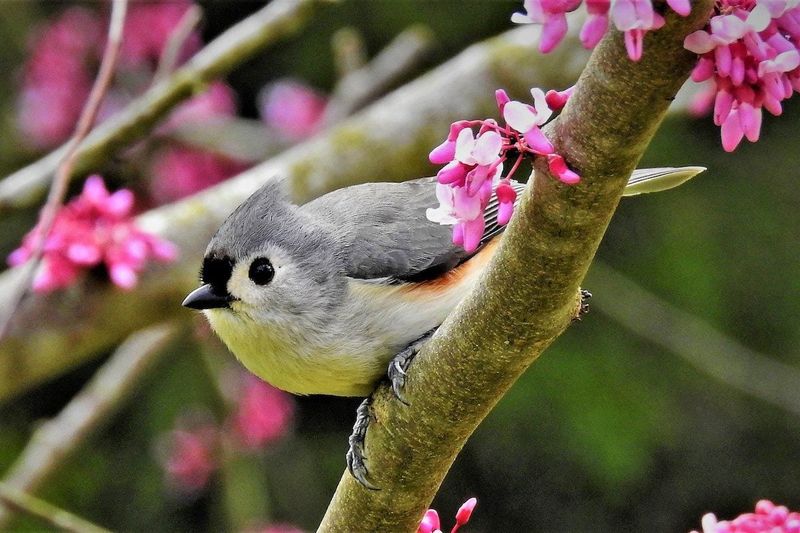
Curious and crested, the Tufted Titmouse always looks like it is asking a question. That little pointed tuft gives it a perky, alert charm.
Titmice work through aphids, caterpillars, and scale insects, keeping soft-bodied pests from getting out of hand. They often travel with chickadees, so a mixed flock can descend on your trees and go to town.
Their presence usually means your yard has a good variety of trees and shrubs for both foraging and shelter. Plant with diversity in mind, and these bright-eyed acrobats will reward you by hanging around.
13. Hummingbirds
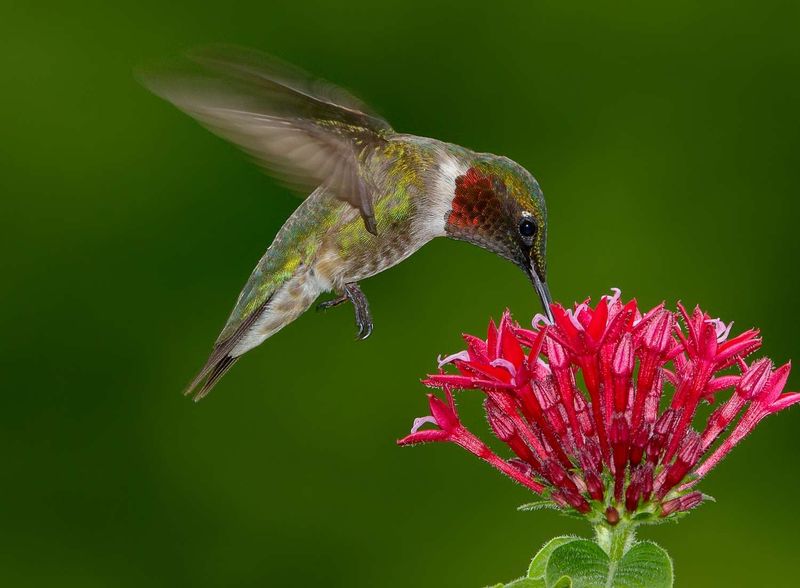
Blink and you might miss one, but the whir of a hummingbird is unforgettable. Ruby-throated and Anna’s Hummingbirds hover like tiny helicopters at your blooms.
Most people picture them sipping nectar, and they do, but they also snap up huge numbers of small insects like gnats and spiders. That combination makes them both pest controllers and pollinators in one glittering package.
When hummingbirds visit, it is a clear sign your garden includes nectar-rich, pollinator-friendly plants. Hang a feeder or plant tubular red flowers, and you may see them return like clockwork each season.
14. Blue Jays
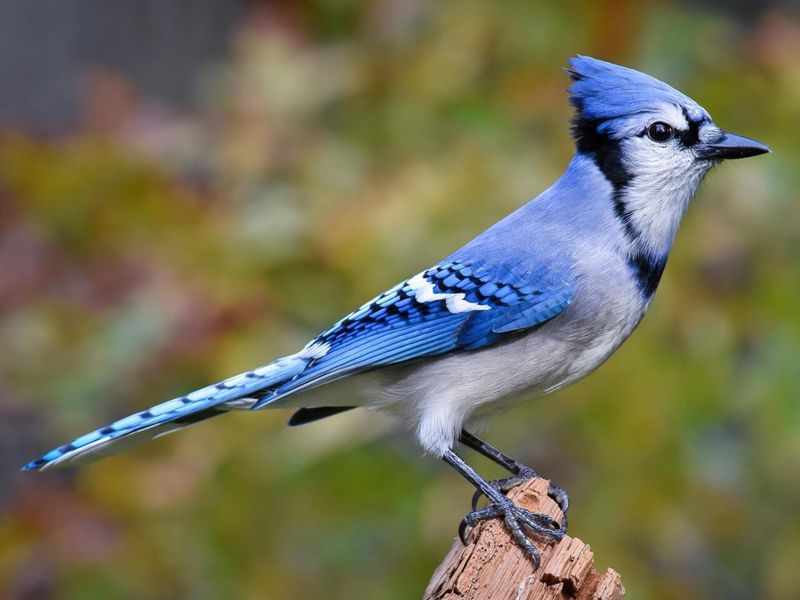
Loud, smart, and impossible to ignore, the Blue Jay struts through the yard like it owns the place. Its bright blue crest and bossy calls make it a standout guest.
Jays crack into sunflower seeds and peanuts and grab insects too, but their real gift is planting. By burying acorns and nuts they forget about, they help spread oaks and other trees far and wide.
A yard that draws jays usually has diverse food sources and native trees nearby. Think of them as gardeners with wings, quietly seeding the forests of tomorrow while snacking in yours today.
15. Dark-eyed Juncos
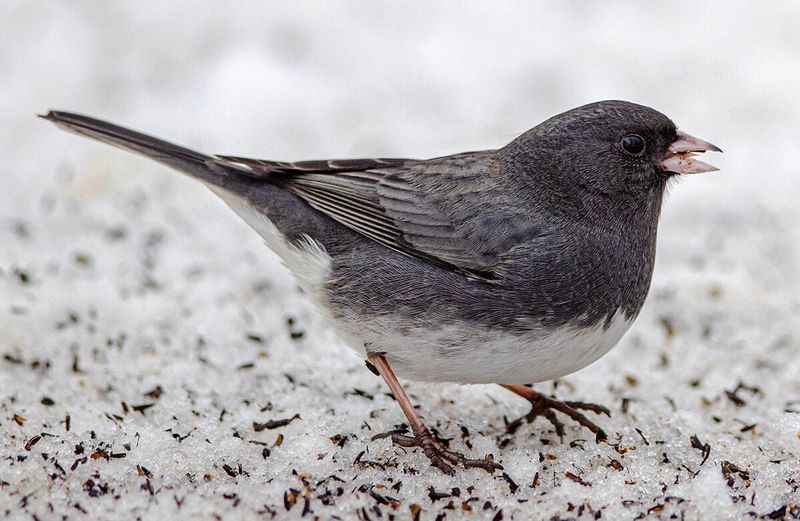
Sometimes called snowbirds, Dark-eyed Juncos seem to arrive right when the cold sets in. Their neat gray-and-white coloring blends perfectly with a frosty yard.
Hopping along the ground, they favor millet and other small seeds, especially through the lean winter months. Their arrival signals that your garden keeps offering food when most plants have gone dormant.
Juncos also want ground cover to feel safe, so a yard with fallen leaves or low shrubs suits them well. Leave a little mess for winter, and these tidy foragers will thank you by sticking around until spring.
16. Mourning Doves
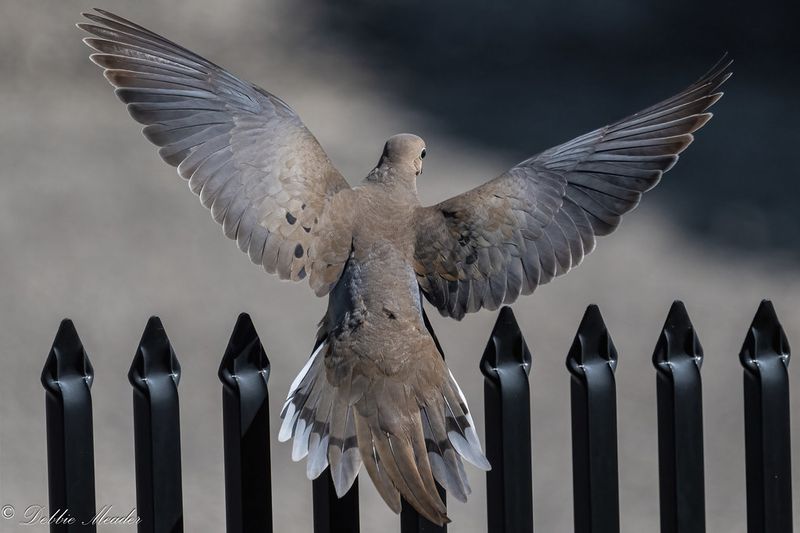
Their soft, mournful coo drifts across the yard like a gentle sigh, and once you hear it you cannot unhear it. Mourning Doves bring a calm, unhurried presence wherever they land.
Seeds are their whole world, and they gather them from the ground with steady patience. Regular dove visits often point to a well-stocked feeder or a garden rich in seed-producing plants and open patches for foraging.
They are among the most common backyard birds in the country, so their loyalty says your space suits their simple needs. Scatter a little seed on bare ground, and you will likely earn a few faithful cooing regulars.
17. House Finches
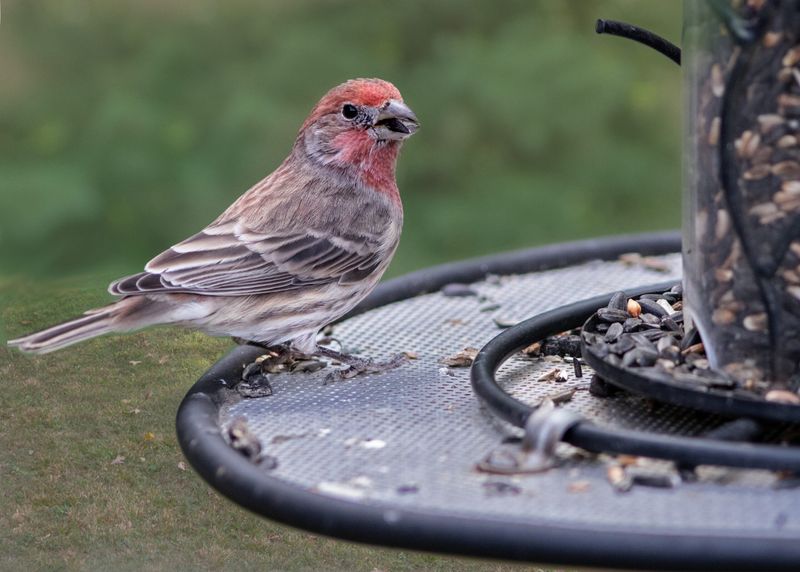
A wash of rosy red across the head and chest gives the male House Finch an unmistakable glow. These social little birds tend to arrive in chatty groups.
They thrive in settled, lived-in spaces and love a good feeder, where seeds make up nearly all their diet. Frequent finch traffic tells you your yard reliably serves up food they can count on.
Once they decide a feeder is worth their time, House Finches often bring the whole gang along. Keep the seed coming, and their bubbly songs become part of your everyday soundtrack.
18. American Crows
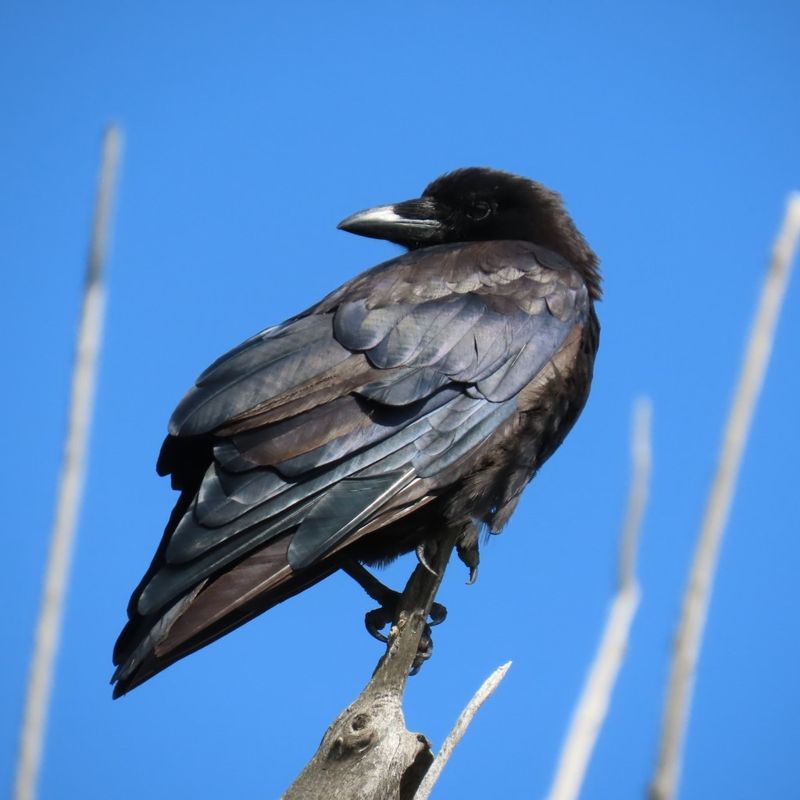
Clever enough to recognize faces and use tools, the American Crow is far more than a black bird in the yard. Their sharp minds make them fascinating to watch once you stop shooing them off.
Crows eat almost anything, from insects and fallen fruit to carrion, playing cleanup crew and pest patrol at the same time. Their willingness to visit points to a diverse food web and a garden bustling with life.
Studies show crows even remember people who treat them kindly, sometimes leaving small gifts in return. When a crew of crows adopts your yard, take it as proof your ecosystem is rich enough to feed one of nature’s smartest birds.