
12 Feeder Alternatives That Bring Hummingbirds Flocking (And 6 You Should Never Put Out)
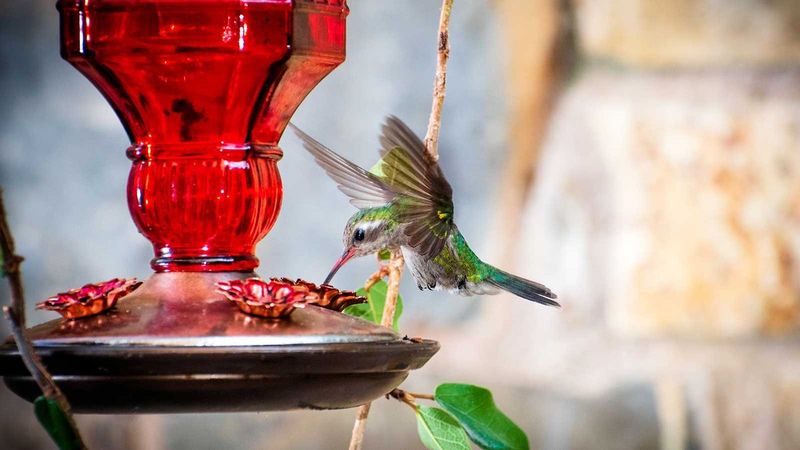
You do not need a store-bought feeder to turn your yard into a hummingbird hotspot. These tiny fliers care far more about bright colors, sweet flowers, and safe water than they do about fancy glass bottles. The trick is knowing what actually pulls them in and what quietly drives them away or even makes them sick. Below are 12 clever feeder swaps that get hummingbirds buzzing around your backyard, plus 6 things you should keep far out of reach.
1. Tubular Red Flowers Like Trumpet Vine
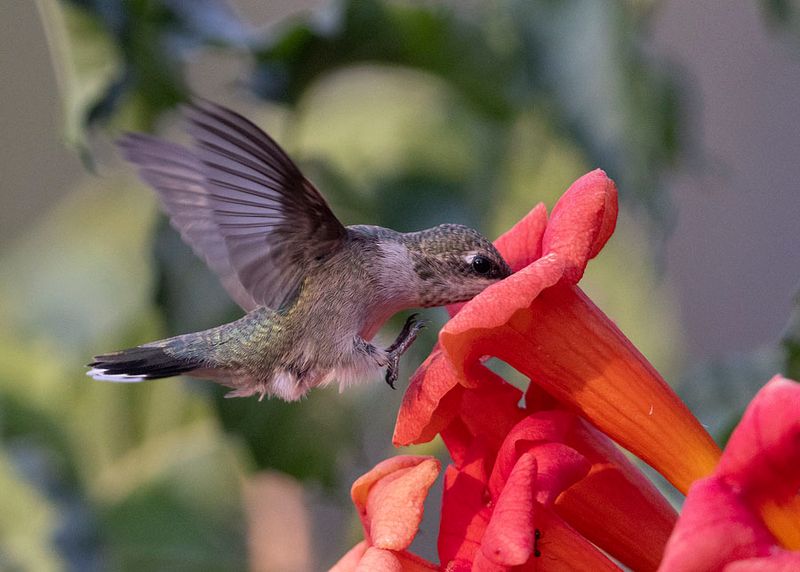
Long before anyone hung a plastic feeder, hummingbirds followed the shape of a flower. Trumpet vine, salvia, and bee balm all share that deep, tube-like bloom that fits a hummingbird’s beak like a key in a lock.
Plant a patch of these in a sunny corner and you create a living feeder that refills itself every morning. Red and orange varieties tend to draw the most attention, since hummingbirds spot warm colors from surprising distances.
The bonus is that flowers never grow moldy sugar water or attract wasps the way a neglected feeder can. Native picks such as trumpet honeysuckle also feed local pollinators, so your whole yard benefits. Fun fact: a hummingbird can visit well over a thousand flowers in a single day just to keep its racing heart fueled.
2. A Simple Saucer of Fresh Sugar Water
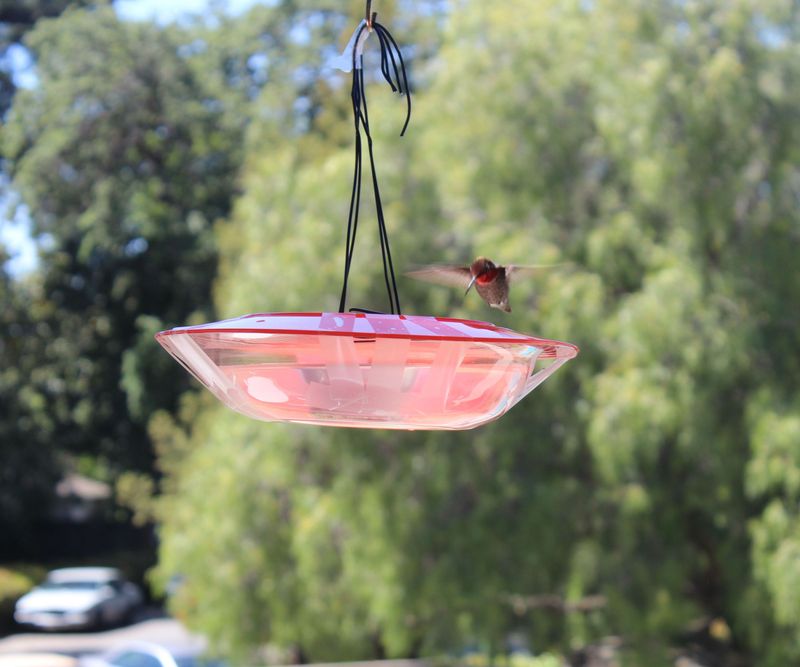
Skip the elaborate bottle and reach for a shallow dish instead. A small saucer filled with homemade nectar, set on a railing or hung with twine, does the same job a fancy feeder does without any complicated parts to scrub.
Mix one part plain white sugar into four parts water and stir until it dissolves. No dye, no honey, no shortcuts, just clean sweetness that mimics real flower nectar.
Because the dish is open and easy to reach, cleaning takes seconds, which matters more than most people realize. Sugar water spoils fast in summer heat and can grow harmful mold within a couple of days, so a quick rinse every time you refill keeps your visitors healthy and coming back.
3. Fuchsia Hanging Baskets
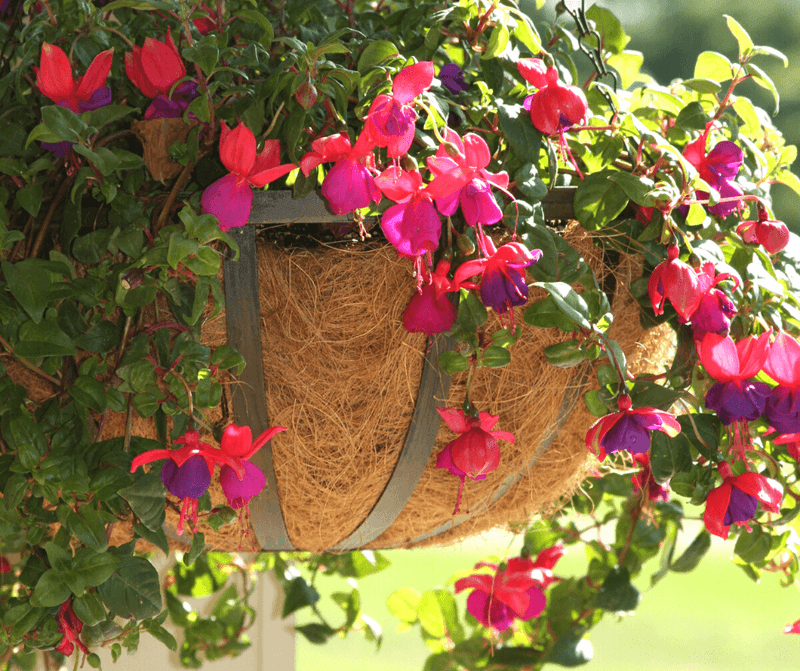
Few plants look more like a hummingbird invitation than a fuchsia basket dripping with dangling pink and purple blooms. Their shape practically begs a tiny beak to dip inside.
Hang one from a porch hook where you can watch the show from a window, and you may find the same bird returning at the same time each day. Fuchsias love the dappled shade many US porches offer, so they thrive where thirstier flowers might struggle.
Keep the soil evenly moist and pinch off spent blooms to encourage a steady parade of new ones. The reward is a portable nectar station that doubles as gorgeous decor all season long.
4. A Gentle Misting Water Feature
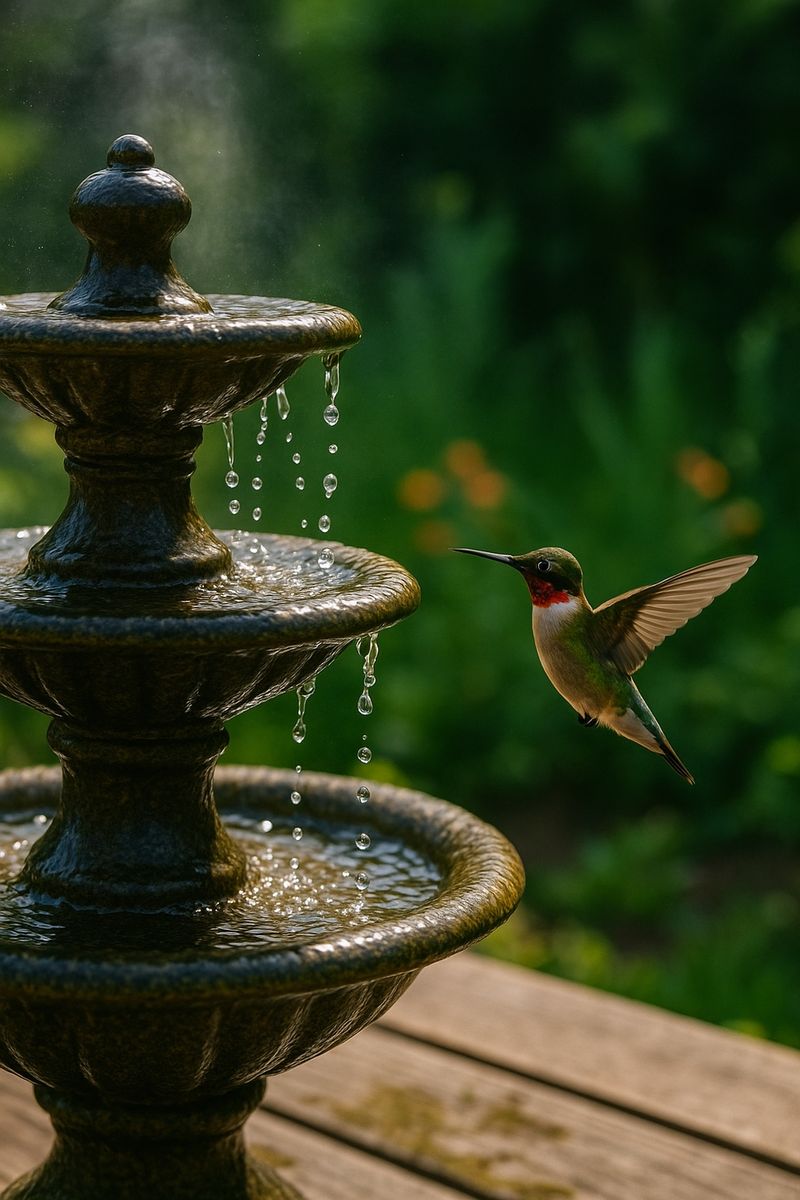
Watch a hummingbird near a fine spray of water and you will see pure joy, wings buzzing as it darts through the mist to bathe. Unlike most birds, hummingbirds rarely use a deep birdbath because they prefer to skim and flutter rather than wade.
A small mister attached to a hose or a solar fountain that sends up a light spray gives them exactly what they want. Place it near flowering plants so bathing and feeding happen in one convenient spot.
Moving water also stays cleaner than still water and helps keep mosquitoes from settling in. The gentle sound tends to pull in other songbirds too, turning one small gadget into a whole-yard attraction.
5. Native Cardinal Flower
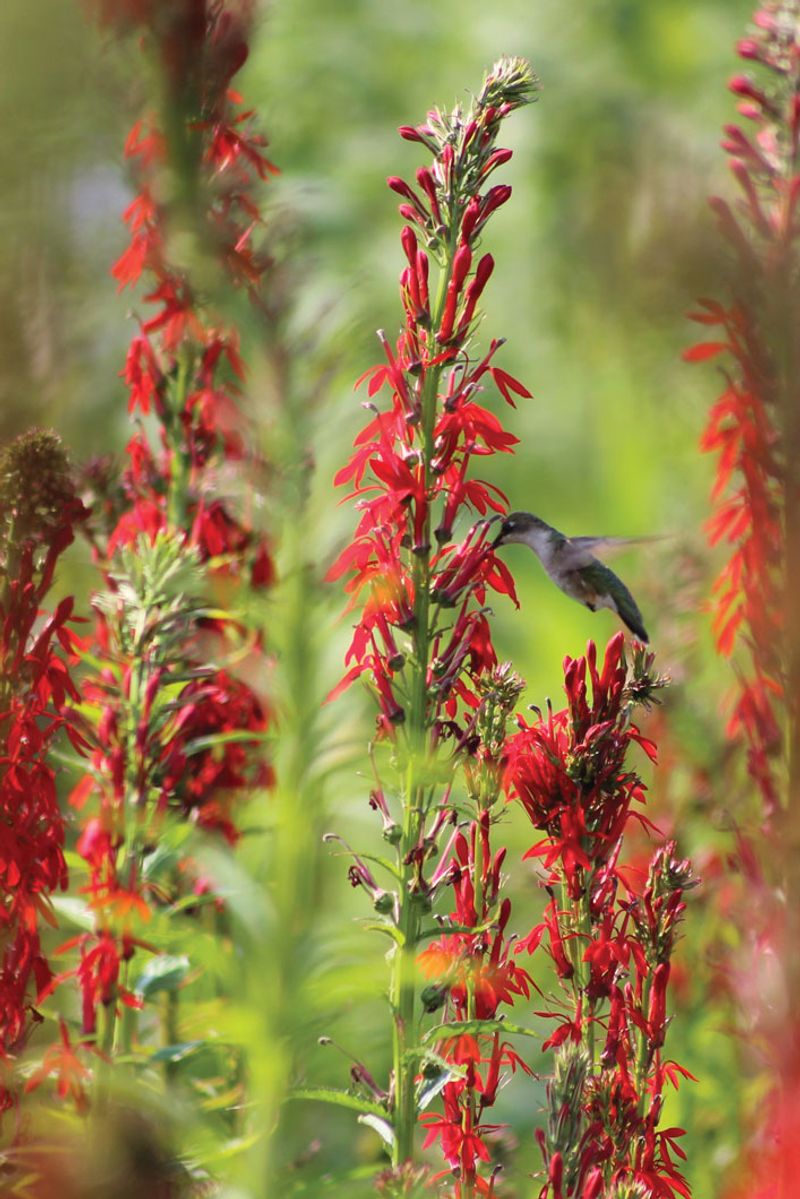
If you want a plant practically built for hummingbirds, cardinal flower is hard to beat. Its towering spikes of intense scarlet blooms flag down passing birds from across the yard.
Native across much of the eastern and central United States, it thrives in the damp, low spots where other flowers sulk, such as beside a downspout or along a pond edge. That makes it a smart pick for the soggy corner you never knew what to do with.
Hummingbirds are among the few creatures with a beak long enough to reach its deep nectar, so competition is low and the reward is high. Plant a cluster and you will have a reliable summer draw that returns year after year with almost no fuss.
6. Overripe Fruit for Fruit Flies
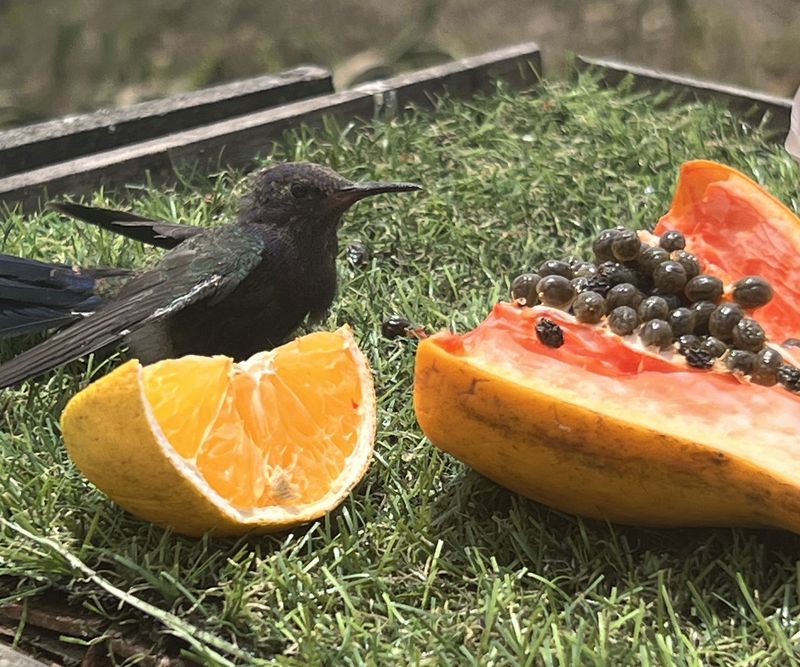
Here is a trick most backyard growers never think about: hummingbirds do not live on sugar alone. They need protein, and they get it by snapping up tiny insects, especially fruit flies and gnats.
Set out a small dish of overripe banana, melon, or orange slices in a shady spot and let it attract a cloud of fruit flies. To a hummingbird, that swarm is a floating buffet of bug protein.
Keep the fruit away from your patio table so you are not sharing your dinner with the flies too. Refresh it every couple of days and tuck it near flowers, and you may spot hummingbirds hawking insects right out of the air like tiny acrobats.
7. Zinnias in Hot Colors
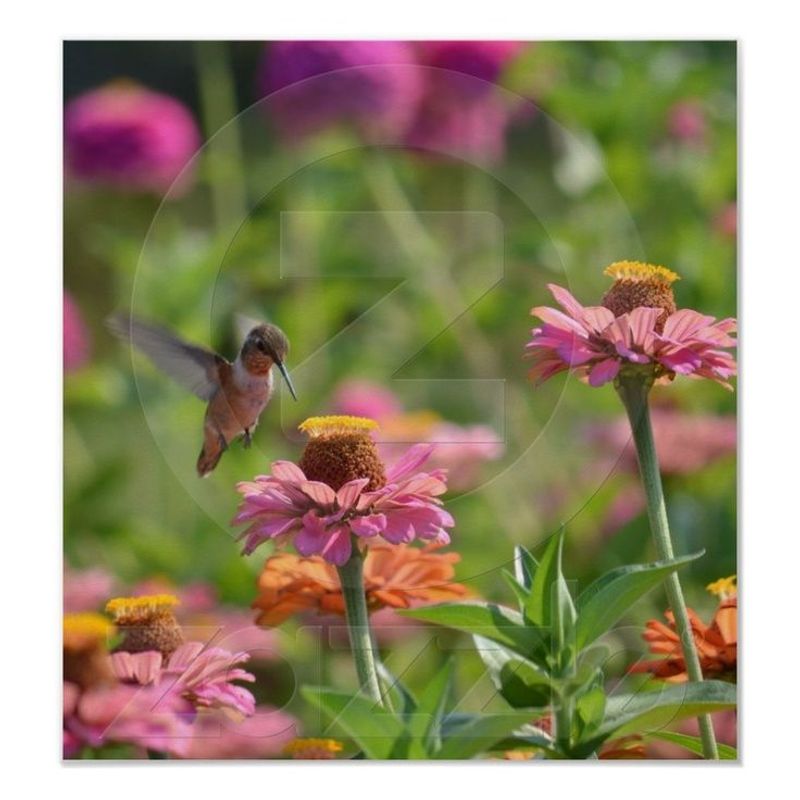
Cheap, easy, and endlessly cheerful, zinnias earn their spot with sheer reliability. Scatter a packet of seeds in late spring and by midsummer you will have a wall of red, orange, and hot pink blooms buzzing with visitors.
Hummingbirds sip their nectar while butterflies and bees crowd in around them, making the patch a highlight reel of backyard wildlife. The taller varieties give hummingbirds a natural perch height they seem to prefer.
Because zinnias keep blooming as long as you snip the fading flowers, a single row can feed birds from July straight through the first frost. For gardeners who want maximum payoff from minimum effort, few flowers compete.
8. A Bright Red Ribbon or Object
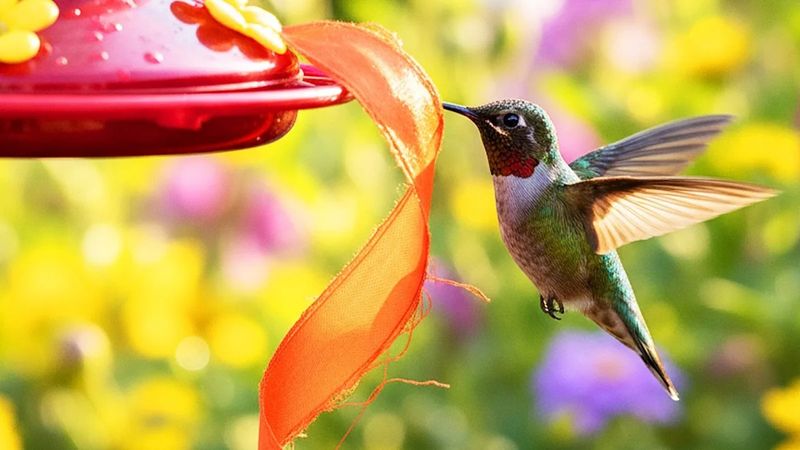
Sometimes the fastest way to get a hummingbird’s attention has nothing to do with food. Tie a strip of red ribbon, flagging tape, or a red bow near your flowers and you create a beacon that pulls curious birds in for a closer look.
Once they arrive to investigate the color, they discover the real nectar sources you have planted nearby. Gardeners often use this trick in early spring to help migrating hummingbirds notice a brand new garden before word gets around.
Move the ribbon every so often so birds keep exploring rather than tuning it out. It costs almost nothing and works surprisingly well as a temporary welcome sign.
9. Bee Balm Patch
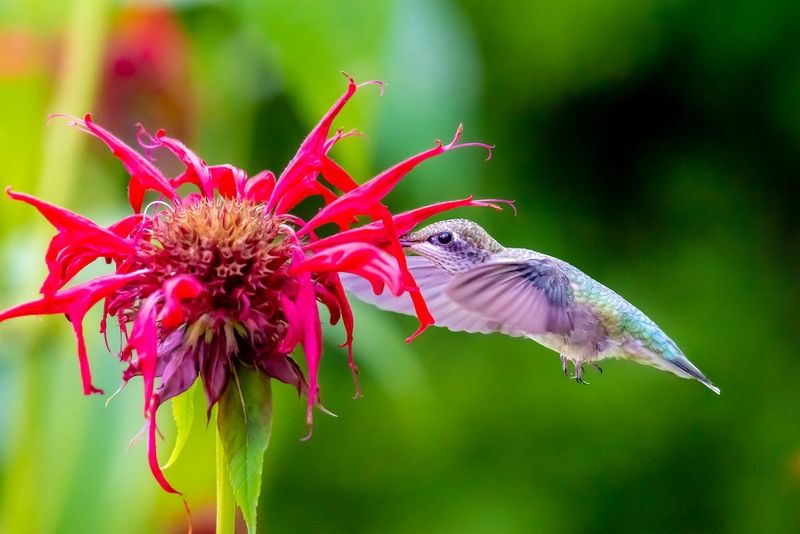
Ragged, shaggy, and impossible to ignore, bee balm looks like a firework frozen mid-burst. Its wild red and purple crowns are a magnet for hummingbirds and a favorite of many US pollinator gardeners.
Beyond the color, the plant gives off a minty scent that some backyard growers say helps keep certain nibbling pests at a distance. That makes it a double-duty pick for a busy garden bed.
Bee balm spreads happily once established, so give it room and divide it every few years to keep it healthy. Plant it in full sun near a window and you will have front-row seats to daily hummingbird visits all summer long.
10. A Small Dripper Over Broad Leaves
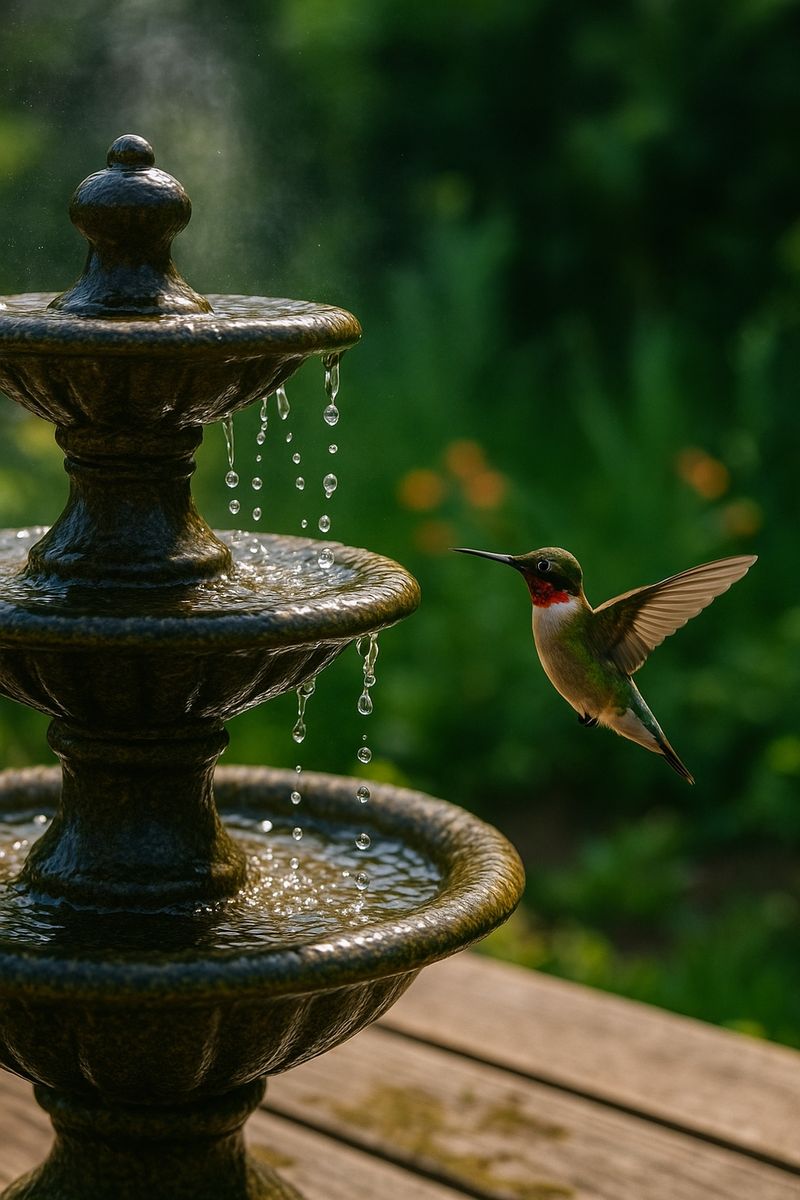
Picture a single droplet of water landing on a wide leaf, then a hummingbird swooping down to roll in the tiny puddle it leaves behind. A slow dripper set above hosta or elephant ear leaves recreates exactly that in your own garden.
The birds bathe in the shallow film of water that pools on the leaf surface, which suits them far better than a standard bath. It uses very little water and looks completely natural tucked among your plants.
Position it where morning sun catches the drips and you will spot the sparkle from across the yard. A leaky faucet effect that would annoy you indoors becomes a genuine attraction outside.
11. Coral Honeysuckle on a Trellis
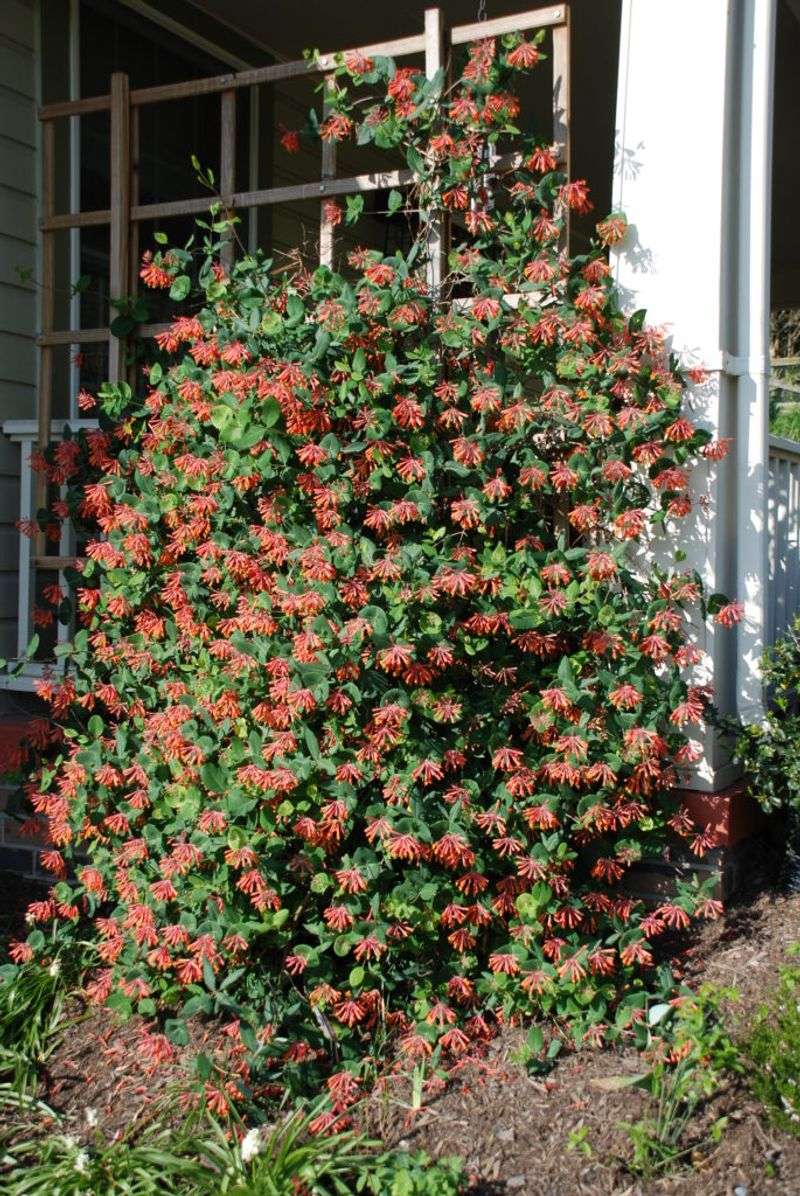
Train coral honeysuckle up a trellis or mailbox post and you build a vertical wall of nectar that hummingbirds adore. Its clustered tubular blooms in coral and red are practically designed for their long beaks.
Unlike the invasive Japanese honeysuckle that swallows fences, the native coral variety behaves itself and supports local wildlife. It leafs out early, giving spring migrants an important first meal when little else is blooming.
Give it something sturdy to climb and a spot with decent sun, then let it do its thing. Over a season or two it fills in beautifully, providing both privacy screening and a steady stream of winged visitors.
12. Thin Perches Near Nectar Plants
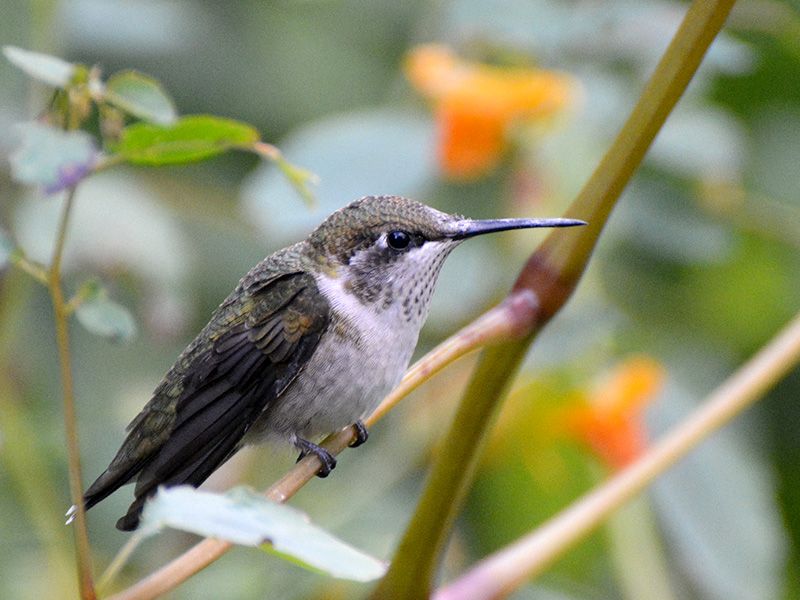
People assume hummingbirds are always in motion, but they actually spend most of the day resting and watching over their turf. Give them a thin twig, a bare branch, or a slender wire perch near your flowers and you offer a spot they will claim as a lookout.
A perched hummingbird guards its favorite blooms and returns to the same twig again and again, giving you predictable viewing. Set the perch about head height near a window and keep your camera ready.
They prefer skinny perches their little feet can wrap around, so avoid anything thick or flat. Pair a good perch with nearby nectar plants and you turn a passing visitor into a regular resident.