
These 7 pruning mistakes are quietly keeping your hydrangeas from blooming
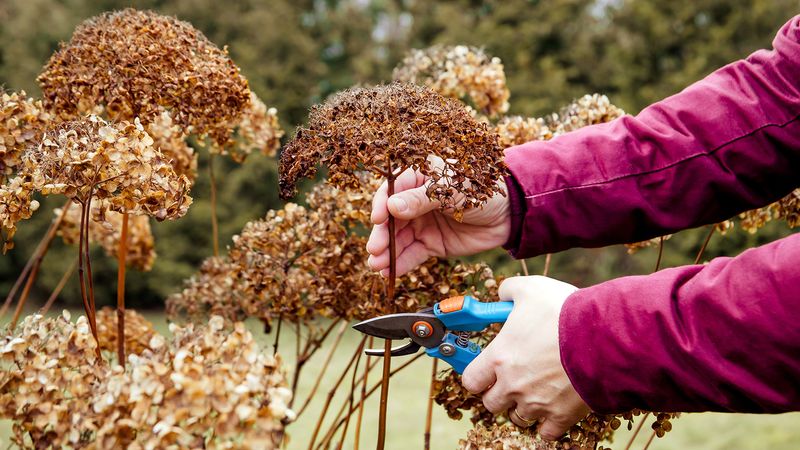
You water your hydrangeas, feed them, and give them a sunny spot, yet summer rolls around with barely a bloom in sight. More often than not, the problem traces back to how and when you pruned. A few small snips at the wrong moment can wipe out an entire season of flowers before they ever get a chance to open. Fix these habits and you will likely see your plants reward you with the big, showy blooms you have been waiting for.
1. Cutting bigleaf hydrangeas in fall or winter
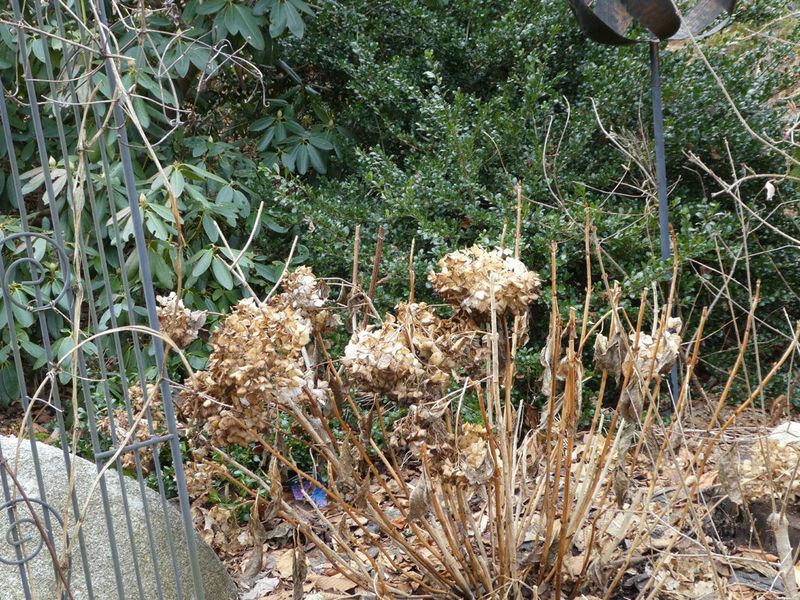
Picture yourself cleaning up the garden in October, snipping back everything that looks scraggly. That tidy instinct is exactly what dooms your bigleaf hydrangeas, the classic mophead and lacecap types most people grow.
These shrubs set their flower buds the summer before they bloom, so by the time cold weather arrives, next year’s flowers are already tucked into the stems. When you cut those stems back in fall or winter, you are literally throwing away the buds that would have opened in June.
Instead, leave the old growth alone through the cold months, even if it looks a little messy. Wait until spring, when you can see which buds are swelling and green, before you make any cuts. A good rule for these varieties: if it bloomed last summer on wood that is already there, don’t touch it in the off-season.
Not sure which kind you have? If your plant produces pink or blue rounded flower clusters, it is almost certainly a bud-on-old-wood type that hates a fall haircut.
2. Removing the old flower heads too aggressively
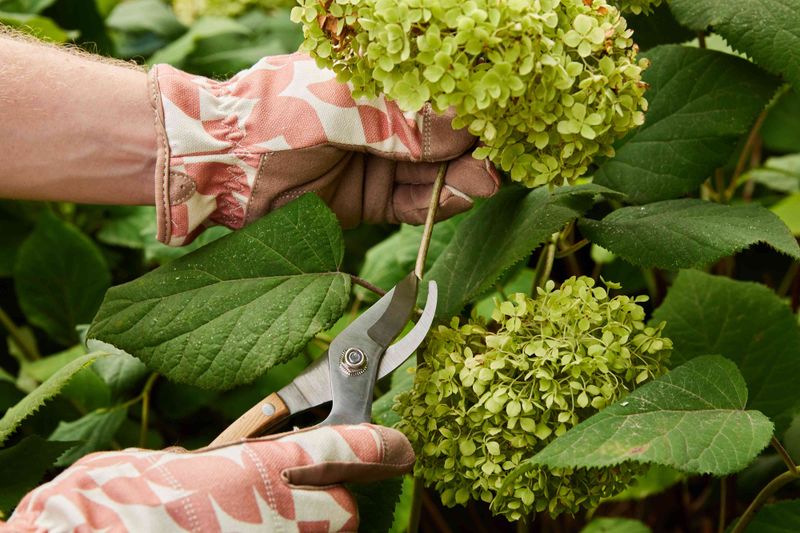
Deadheading feels harmless, almost satisfying, but there is a right way and a bloom-killing way to do it. Many gardeners reach down low and lop off the spent flower along with several inches of healthy stem, taking dormant buds along for the ride.
On old-wood hydrangeas, those fat buds sitting just below the faded bloom are next year’s flowers. Snip too far down and you have quietly cancelled a chunk of next summer’s show.
The safer move is to cut just above the first healthy pair of buds beneath the old flower head. That removes the ugly brown bloom while protecting everything that matters below it.
Some growers even skip deadheading entirely and let the dried flowers stand through winter for texture and a little extra protection for the buds. Both approaches work, as long as you resist the urge to keep cutting lower than you need to.
3. Treating every hydrangea like it blooms on new wood
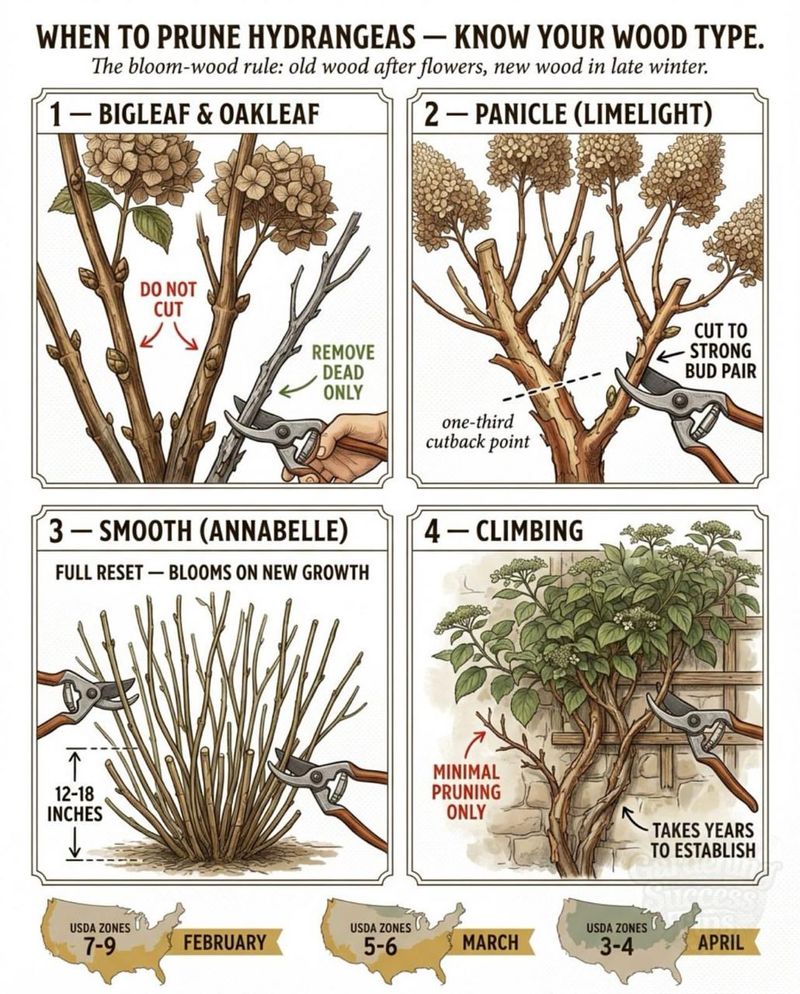
Here is where a lot of good intentions go sideways. Panicle hydrangeas (the cone-shaped Limelight types) and smooth hydrangeas (like Annabelle) bloom on brand-new growth, so a hard spring cut actually helps them.
The trouble starts when gardeners apply that same bold pruning to bigleaf or oakleaf hydrangeas, which bloom on the previous year’s wood. Give those a hard chop and you get a lush green bush with almost no flowers.
Before you prune anything, figure out which team your plant plays for. New-wood bloomers can handle a serious cutback in late winter or early spring. Old-wood bloomers need a light touch and careful timing.
A quick trick: cone-shaped or elongated flower clusters usually mean new wood and permission to prune hard. Rounded mophead or lacecap flowers usually mean old wood and hands off until you know better. Knowing this one difference solves half the no-bloom mysteries in American backyards.
4. Pruning at the wrong time of year
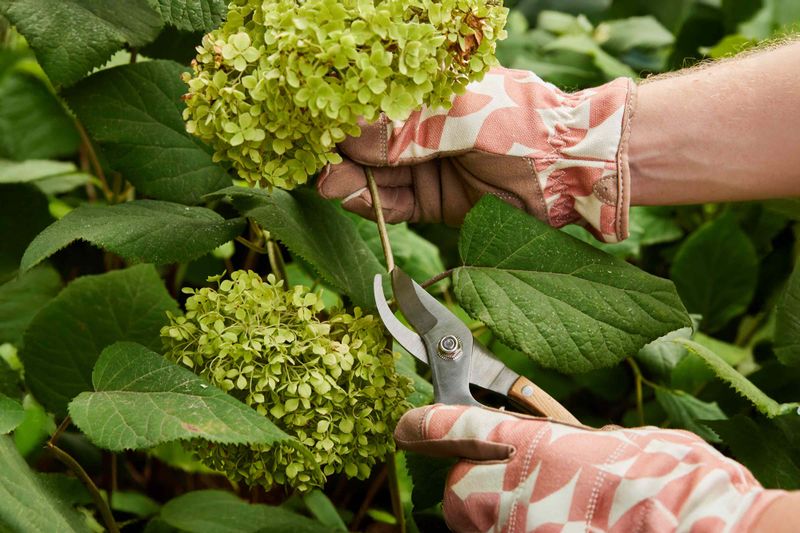
Timing is the difference between a wall of blooms and a wall of leaves. Even the correct type of cut can backfire if you make it during the wrong window.
For old-wood hydrangeas, the safest stretch to prune is right after they finish flowering in mid to late summer, giving the plant time to set new buds before dormancy. Wait too long into fall and you clip off those developing buds.
New-wood types are the opposite. They want their trim in late winter or very early spring, before the surge of fresh growth begins, so the plant channels energy into strong flowering stems.
Reblooming varieties like the Endless Summer series blur the lines a bit, since they flower on both old and new wood. With those, a light shaping after the first flush keeps them going without sacrificing the whole season. When in doubt, prune less and prune later rather than earlier.
5. Cutting the plant back too hard for a smaller size
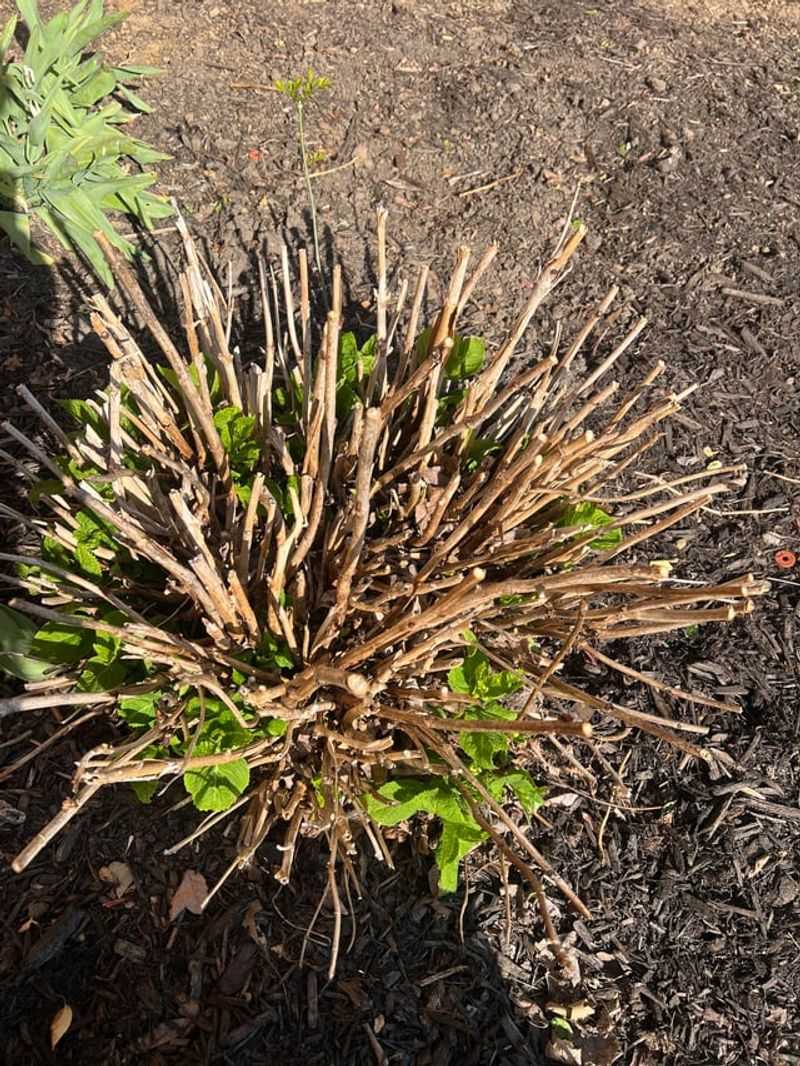
Space is tight, the shrub is sprawling over the walkway, and the temptation to shear it into a neat little ball is strong. Resist it. A severe cutback on the wrong variety can stall blooming for a full year or more.
Hydrangeas that flower on old wood store their energy and buds in those existing stems. Slicing them down to stubs removes the framework the plant needs to flower and forces it to spend a whole season just rebuilding leaves and branches.
If size is your real issue, the honest fix is often the plant, not the pruning. Choosing a naturally compact variety for a tight spot beats fighting a large one with shears every year.
When you do need to reduce size, take out no more than about a third of the oldest stems at the base each year. That gradual thinning keeps the shrub in bounds while still leaving plenty of flowering wood standing.
6. Ignoring winter dieback before you make the first cut
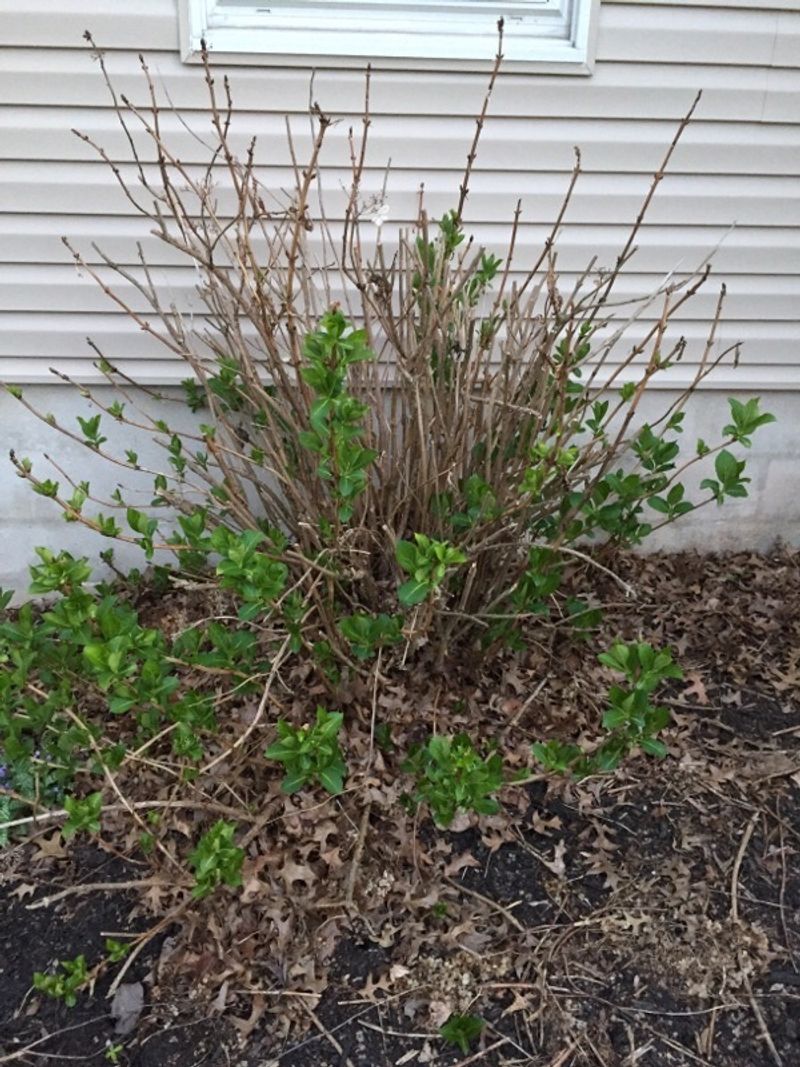
Spring arrives and the hydrangea looks like a pile of dead sticks. Grabbing the shears and cutting it all to the ground right then is one of the most common cold-climate mistakes.
What looks lifeless in March is often just dormant. Buds break late on hydrangeas, and stems that seem completely dead can leaf out and flower weeks later than the rest of the garden.
Patience pays here. Wait until you see leaf buds actually swelling and pushing out, then scratch the bark with your fingernail. Green underneath means the stem is alive and worth keeping; brown and dry means you can safely remove it.
By pruning only the truly dead wood back to living tissue, you preserve every stem that still carries flower buds. In northern US zones especially, that difference can be the entire reason your neighbor’s hydrangea blooms and yours does not.
7. Skipping the removal of old, unproductive stems
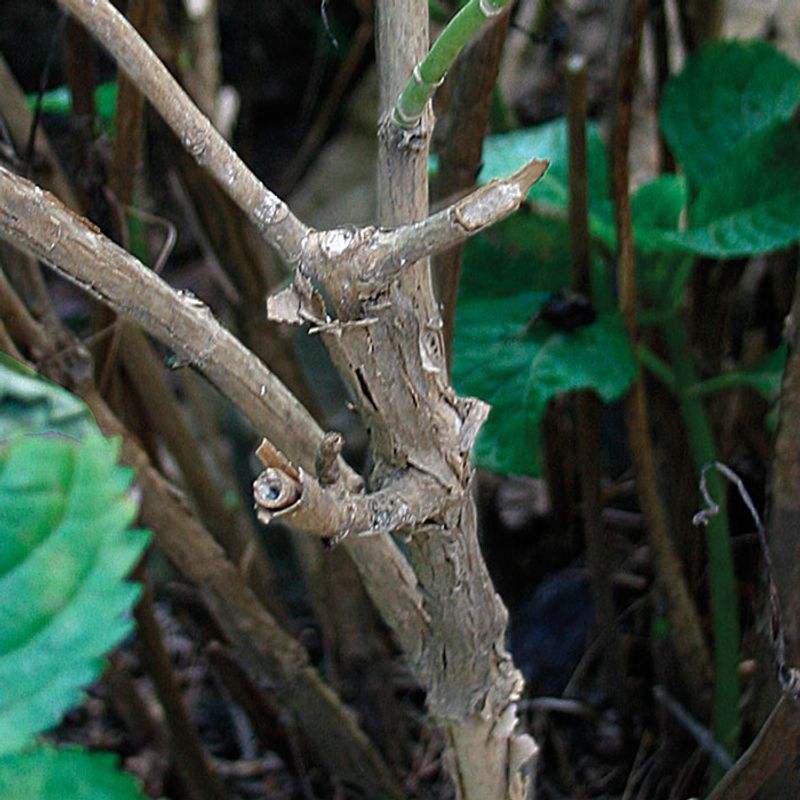
On the flip side of over-pruning is doing nothing at all, and that neglect quietly chokes off blooms too. Over several years, a hydrangea builds up thick, woody old stems that flower less and less while crowding the center of the plant.
Those aging canes hog space, block light, and reduce air flow, which can invite disease and leave you with a big shrub that produces fewer, smaller flowers each season.
A little renewal pruning fixes it. Each year, remove one or two of the thickest, oldest stems all the way down to the base, opening the plant up so younger, more productive wood can take over.
Think of it as making room for the future rather than cutting for looks. Done steadily over a few seasons, this gentle refresh keeps the shrub vigorous and blooming instead of coasting on tired old growth.
Fun bit of history: the plump mophead blooms we prize today came from centuries of selection in Japan and Europe, and even those beauties need a bit of thinning to stay at their best.