
The Worst Time To Water Your Garden In Summer Heat-And 9 Smarter Habits That Actually Work
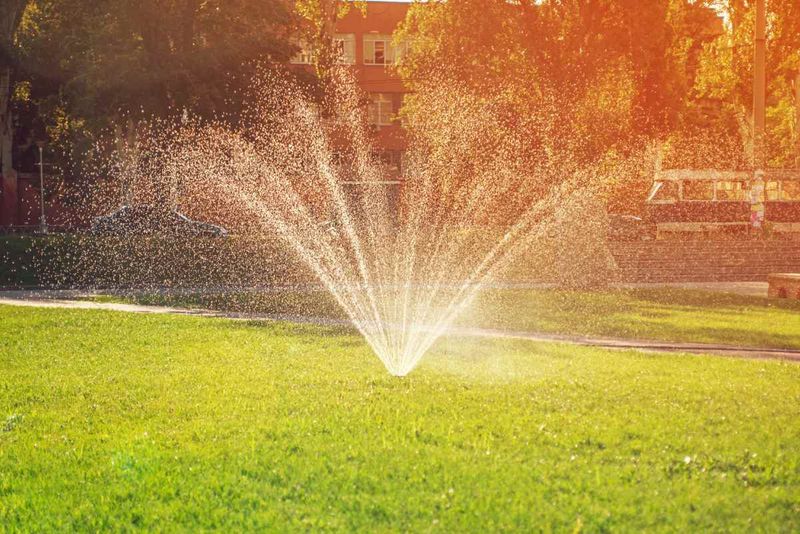
Watering seems simple, but the clock on the wall matters more than most gardeners think. Pour water at the wrong moment on a scorching summer day and you can actually stress your plants, waste money, and invite disease. The good news is that a few small changes in timing and technique make a huge difference. Here is the single worst time to water during a heat wave, plus nine smarter habits that keep your backyard thriving.
1. Midday, Under a Blazing Sun (The Worst Time)
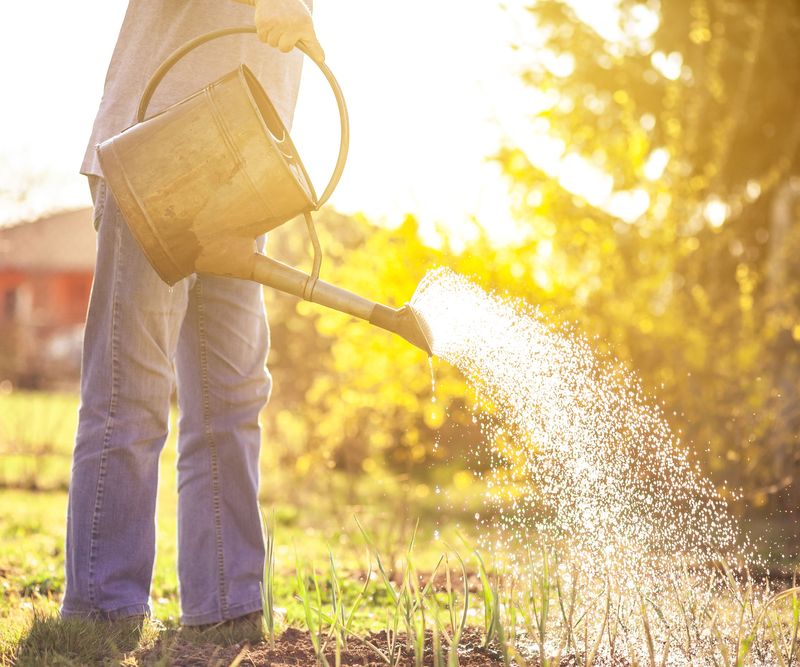
Picture yourself dragging the hose out at noon while the thermometer reads 95 degrees. It feels productive, but that high-sun window is the single worst moment to water. A big chunk of what you pour evaporates before roots ever taste it, so you spend water and still leave plants thirsty.
There is also the old myth about droplets acting like tiny magnifying glasses and scorching leaves. Serious burns are rare on most backyard vegetables, yet midday watering still wastes the resource and does little for the plant when it needs relief most. Heat-stressed roots simply cannot pull moisture fast enough to keep up with the afternoon demand.
Skip the noon soak and let your morning or evening routine carry the load instead. Your water bill will thank you, and your tomatoes and peppers will hold up far better through a long, dry stretch.
2. Water at Dawn for Deep Root Reach
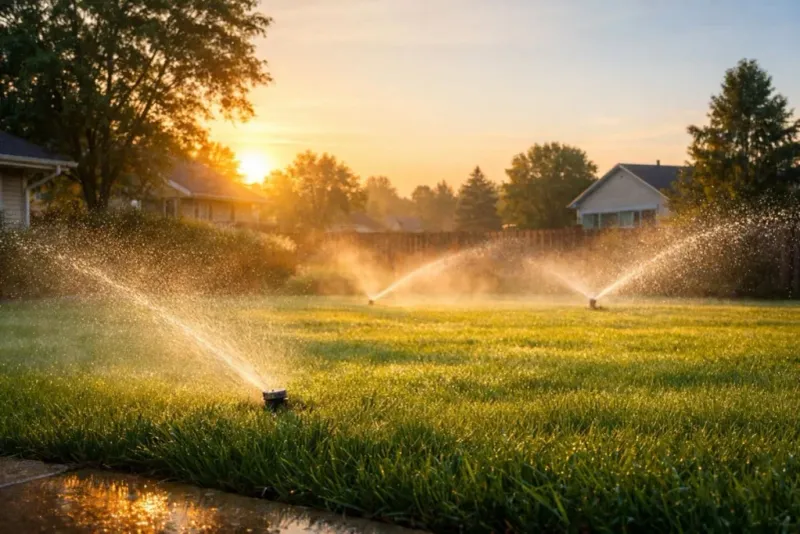
Early morning, right around sunrise, is prime time for the hose. Temperatures are cool, the air is still, and water sinks into the soil instead of drifting off as vapor. That means more of every gallon actually reaches the roots where growth happens.
Plants also head into the hottest part of the day already hydrated, giving them a buffer against wilt. Leaves that get splashed have hours of gentle sun to dry off, which cuts down on the damp conditions fungus loves.
If you struggle to rise that early, a simple hose timer set for 6 a.m. does the work while you sleep. Aim for a slow, thorough soak two or three times a week rather than a quick daily sprinkle, and roots will grow deeper chasing that moisture.
3. Send Water to the Soil, Not the Leaves
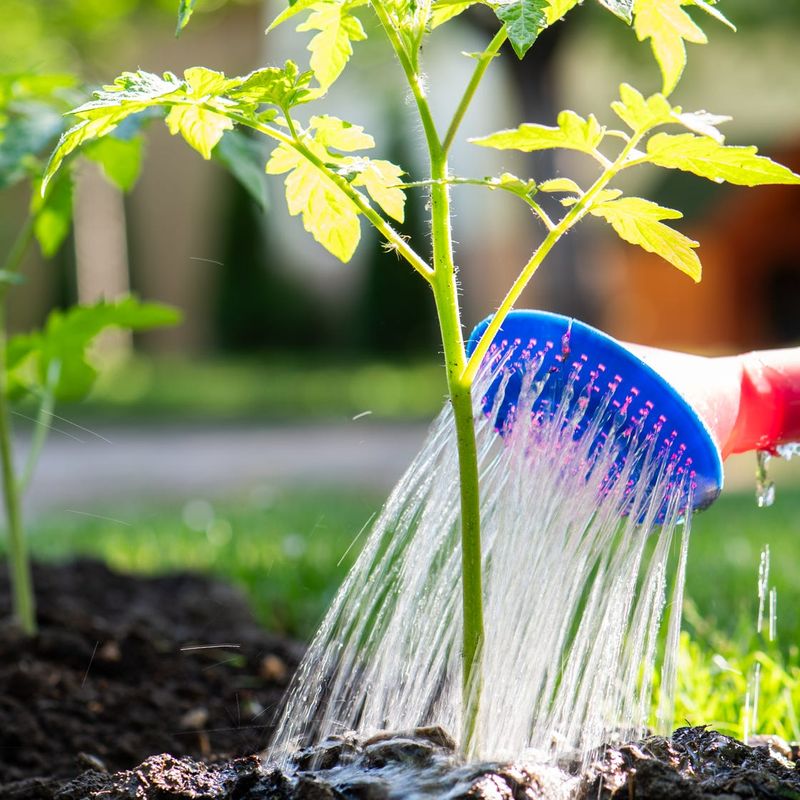
Overhead sprinklers feel refreshing, almost like giving your plants a shower, but they scatter water everywhere except where it counts. Wet foliage in summer heat becomes a launchpad for powdery mildew, blight, and leaf spot, especially on squash and tomatoes.
Direct the flow at the base of each plant instead. A watering wand with a shutoff, a bubbler attachment, or a simple thumb over the hose end all let you aim right at the root zone.
Keeping leaves dry does double duty: it saves the water that would have coated foliage and evaporated, and it starves disease of the moisture it needs to spread. Think of it as feeding the roots directly rather than misting the whole neighborhood.
4. Let Drip Irrigation Do the Heavy Lifting
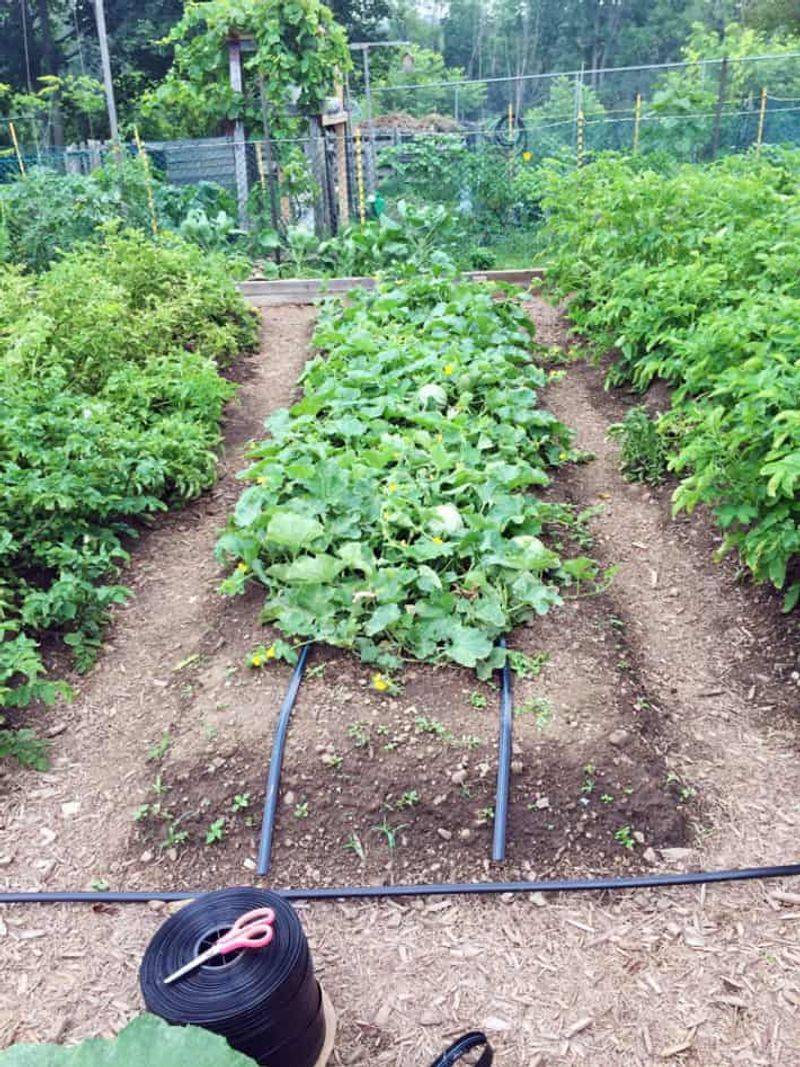
Ever come home from a weekend trip to find droopy, crispy plants? A drip irrigation system solves that headache by delivering slow, steady water straight to the roots through a network of thin tubes and emitters.
Because it releases moisture at a trickle, almost none is lost to evaporation or runoff, making it one of the most efficient setups for a hot climate. Pair it with a battery timer and your beds stay evenly watered whether you are home or not.
Starter kits are inexpensive and snap together without tools, so even a first-timer can lay out a bed in an afternoon. Once it is running, you can redirect the time you used to spend hand-watering toward the fun parts of gardening, like harvesting.
5. Mulch to Lock Moisture in the Ground
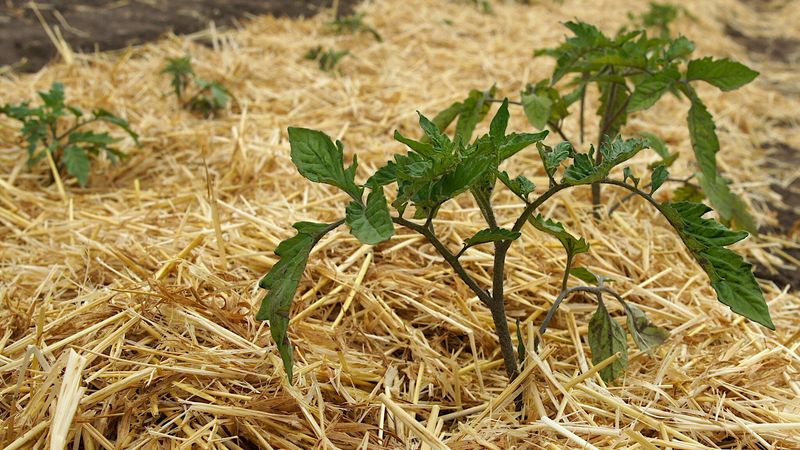
A two to three inch blanket of mulch is like sunscreen and a water bottle rolled into one for your soil. Straw, shredded leaves, or bark chips shade the ground, slow evaporation, and keep roots noticeably cooler on brutal afternoons.
Bare soil in July can bake hard and crack, sending precious water straight past the roots. Mulched soil, by contrast, stays crumbly and damp far longer after each watering, so you water less often.
Spread it around plants but leave a small gap near stems to avoid rot. As organic mulches break down over the season, they also feed the soil, giving you healthier plants without any extra effort on your part.
6. Check the Soil Before You Reach for the Hose
Wilting leaves fool a lot of gardeners into overwatering. On the hottest afternoons plants often droop just to conserve energy, then perk right back up by evening even though the soil is plenty moist.
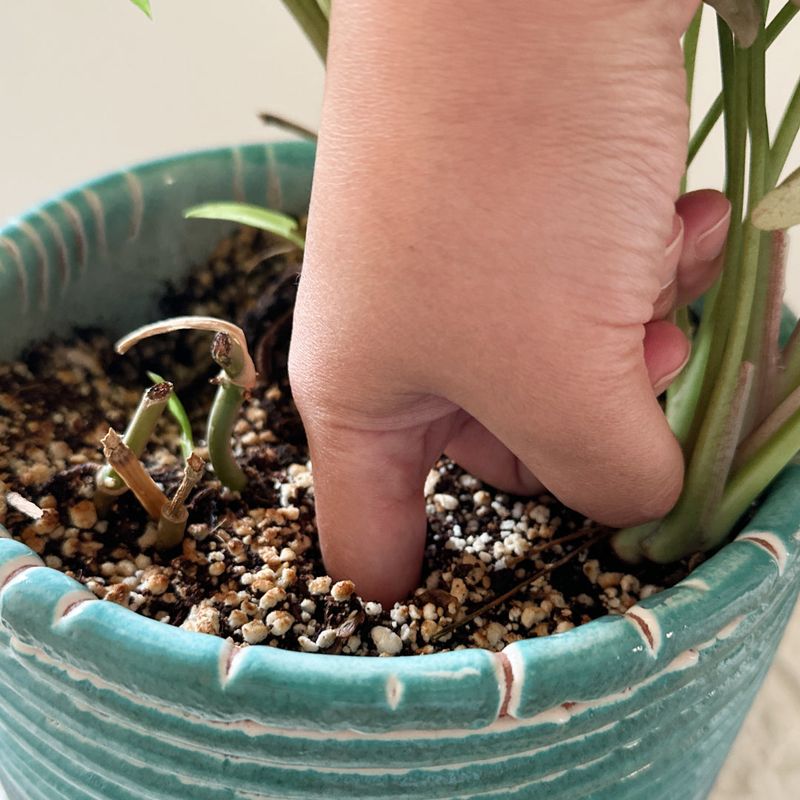
Before watering, push a finger two knuckles deep into the dirt. If it feels damp down there, hold off; if it comes out dry and dusty, it is time to soak.
A cheap moisture meter takes the guesswork out entirely, which is handy for containers that dry out at different rates than in-ground beds. Watering by actual need rather than by habit prevents root rot, saves money, and keeps you from drowning plants that were never really thirsty.
7. Water Deep and Less Often
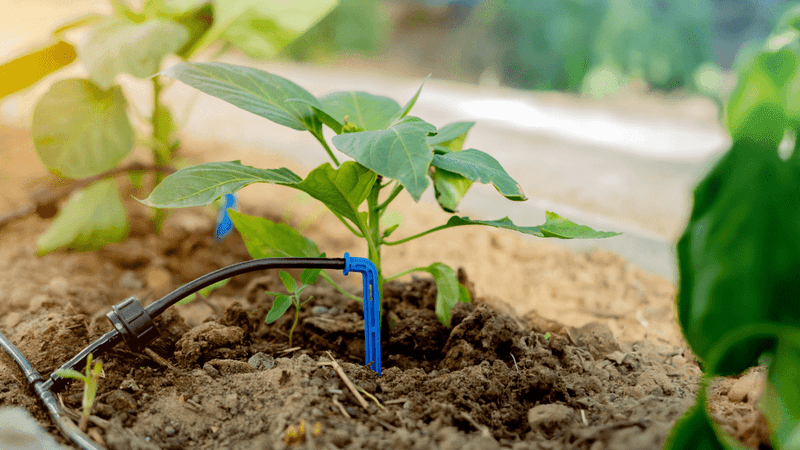
Quick daily sprinkles feel caring, but they train roots to stay shallow near the surface where the sun cooks them fastest. A short splash wets only the top inch, so roots never reach down for the cooler, steadier moisture below.
Give your beds a long, slow soak that penetrates six to eight inches, then wait a few days before doing it again. Deep, infrequent watering coaxes roots downward, building tougher plants that ride out heat waves far better.
An easy test: set a tuna can under your hose or sprinkler and run it until about an inch collects. Most established vegetables want roughly an inch of water a week, split into one or two generous sessions instead of seven skimpy ones.
8. Give Containers Extra Attention
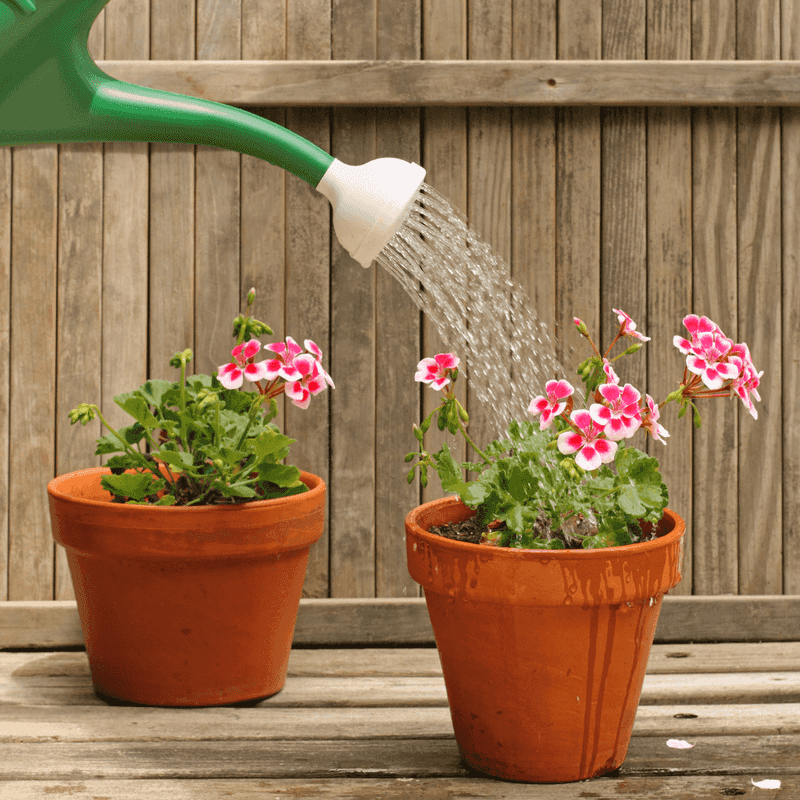
Pots live a harder life than in-ground plants when summer bears down. Their limited soil heats up fast, dries out from every exposed side, and can go bone-dry by afternoon even after a morning drink.
During a heat wave, containers may need water twice a day, especially small terra-cotta pots that wick moisture through their walls. Grouping pots together creates a little humid microclimate that slows drying, and moving them into afternoon shade buys extra time.
Self-watering planters with a built-in reservoir can be a lifesaver for busy weeks. Adding a saucer underneath also catches runoff that the roots can sip back up over the next few hours.
9. Reach for Evening Watering When Mornings Are Missed
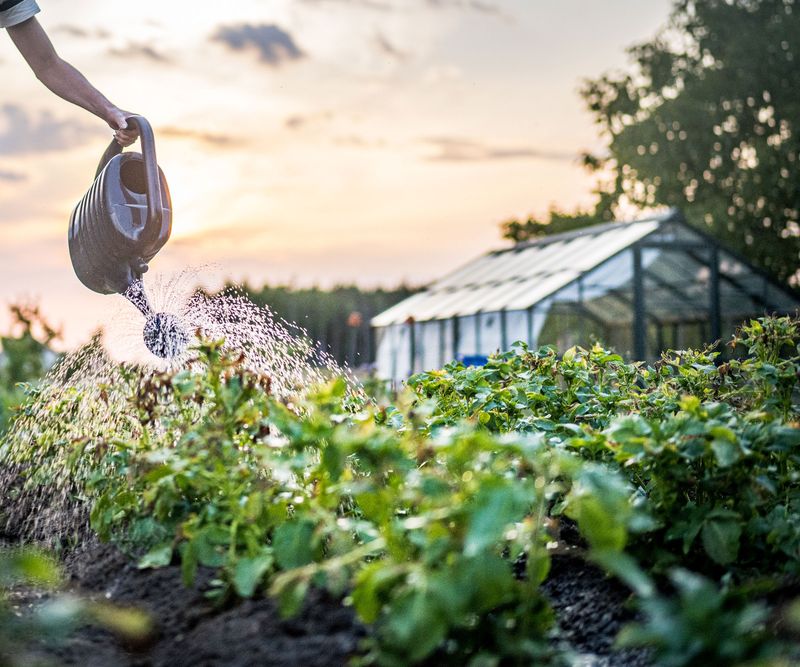
Life gets busy, and sometimes the dawn window slips away. Late evening, after the sun drops low, becomes your solid backup when the day got away from you.
Cooler air means less evaporation, so plants soak up a good drink before the next hot morning. The one caution is to keep water off the leaves, since foliage that stays wet all night in warm, humid conditions is an open invitation for fungal disease.
Aim the water low at the soil line and finish while there is still a hint of daylight if you can. Between morning and evening, morning still wins for leaf health, but a well-aimed evening soak beats leaving thirsty plants to bake overnight.
10. Collect Rainwater for a Free, Plant-Friendly Supply
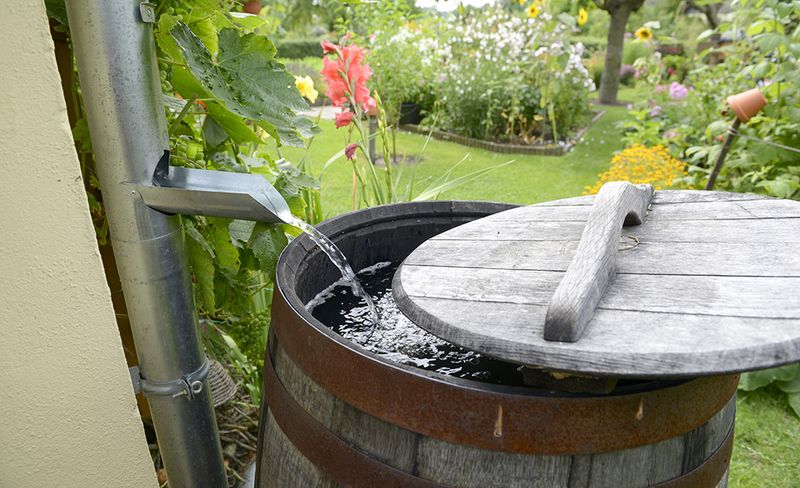
Every summer storm that rolls across your roof is free irrigation waiting to be captured. A rain barrel connected to a downspout stores that runoff so you can draw on it during the dry spells that follow.
Plants often respond well to rainwater because it lacks the chlorine and mineral buildup found in some tap sources. During drought restrictions common in many US regions, a barrel or two keeps your beds going without stretching the household supply.
Fit the barrel with a screened lid to block mosquitoes and debris, and raise it on blocks so gravity feeds your watering can or hose. It is a quiet, low-cost habit that pays off every single time the clouds break.