
If your hydrangeas grow lush leaves but no flowers, these 7 pruning habits are why
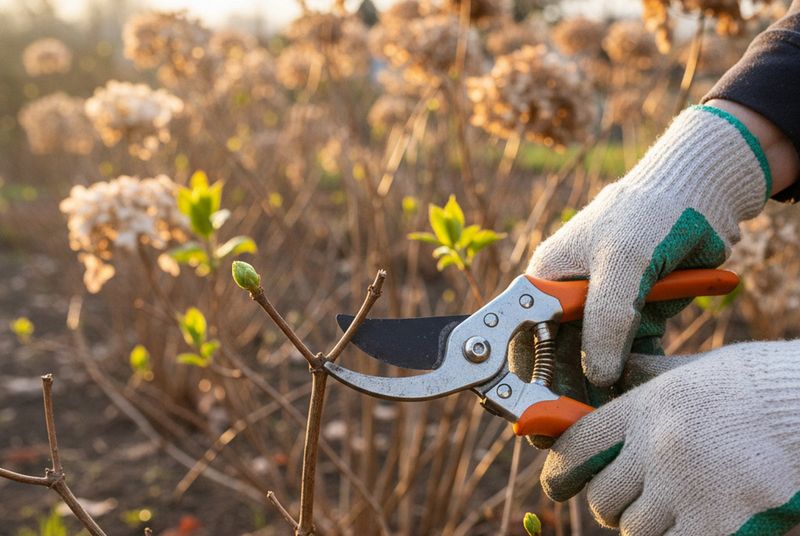
Big, leafy hydrangeas that never bloom are one of the most frustrating puzzles in the backyard. Most gardeners assume the plant is sick or needs more fertilizer, but the real problem is often hiding in how and when you cut it. Hydrangeas are picky about pruning, and one wrong snip can erase a whole season of flowers before they ever open. Once you learn which habits are stealing your blooms, fixing the issue is surprisingly simple.
1. Pruning old-wood types at the wrong time of year
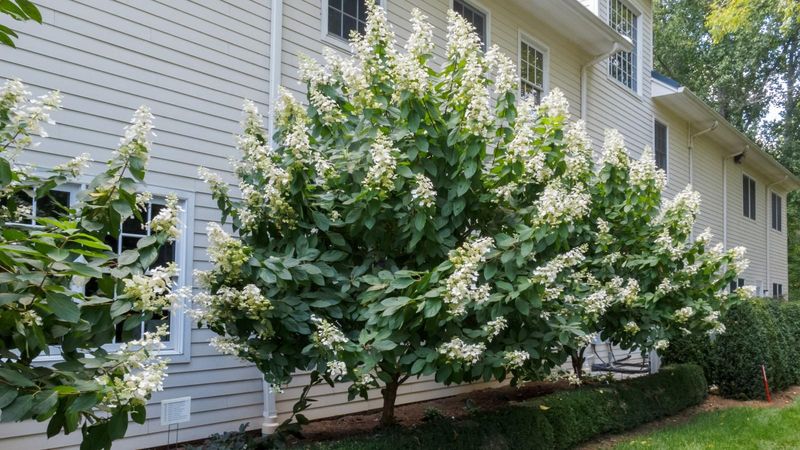
Picture cutting your bigleaf hydrangea back in late winter, feeling productive, and then wondering all summer why it stayed stubbornly green. That single moment is where many blooms disappear. Old-wood bloomers like classic mophead and lacecap hydrangeas set their flower buds on stems that grew the previous summer.
When you prune those stems in fall, winter, or early spring, you are literally snipping off next year’s flowers. The plant responds by pushing out fresh, healthy leaves, which is why it looks so lush and yet refuses to bloom. It is not confused or unhealthy, it is just growing exactly what you left it.
The fix is to wait until right after the plant finishes flowering in mid to late summer, then do any shaping before the new buds form. If you are not sure what type you have, hold off on cutting for a full year and watch when it blooms. A little patience here often solves the whole no-flower mystery in one season.
2. Cutting everything back to the ground every year
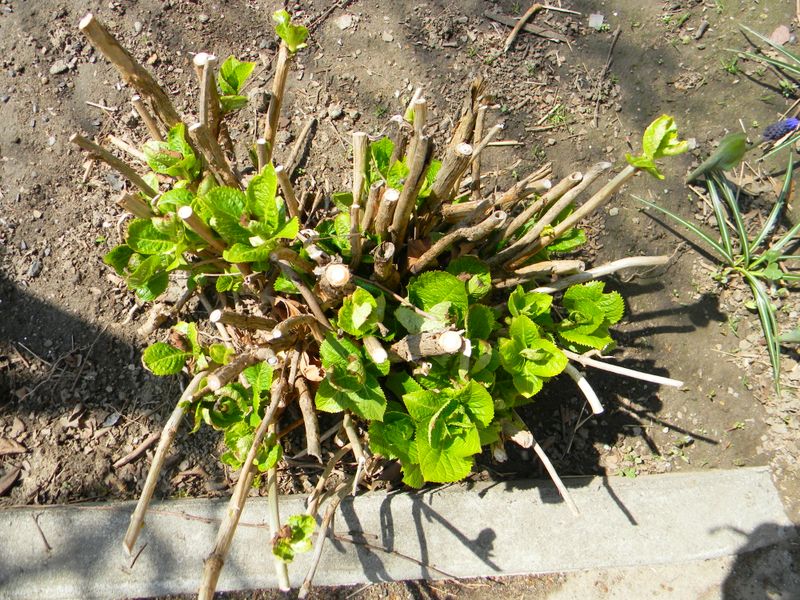
There is a tidy-minded gardener in all of us who loves the look of a plant chopped down to a neat stump each winter. For some hydrangeas that habit works beautifully, but for others it is a bloom disaster waiting to happen. Panicle and smooth hydrangeas can handle a hard cut because they flower on new growth, yet bigleaf and oakleaf types cannot.
When old-wood varieties get leveled to the ground, they spend all their energy rebuilding stems and leaves instead of forming flowers. The result is a full, bushy plant covered in foliage and completely bare of blooms.
Before you reach for the loppers, figure out which group your shrub belongs to. Save the hard, ground-level cuts for the new-wood bloomers, and give the old-wood ones only light shaping. Matching the cut to the plant is one of the fastest ways to bring flowers back the very next season.
3. Deadheading too aggressively and removing buds
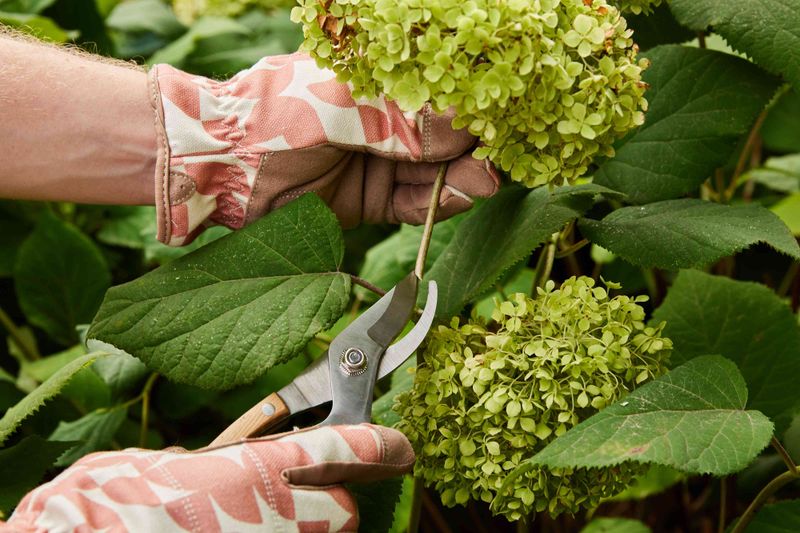
Snipping off faded flowers feels harmless, almost therapeutic, but the danger is in how far down you go. Many gardeners keep trimming past the spent bloom and slice right through the fat little buds waiting just below.
On old-wood hydrangeas, those buds near the top of the stem are next year’s flowers already loaded and ready. Cut them off during an enthusiastic cleanup and you have quietly canceled the show before it starts.
To deadhead safely, remove only the dead flower head itself, snipping just above the first healthy pair of leaves. Leave the plump buds and the woody stem alone. If a stem looks dead and brown well into spring, scratch the bark with your fingernail to check for green underneath before you decide to remove it. Gentle, shallow deadheading keeps the plant tidy without sacrificing a single bloom.
4. Shearing the whole shrub into a neat round shape
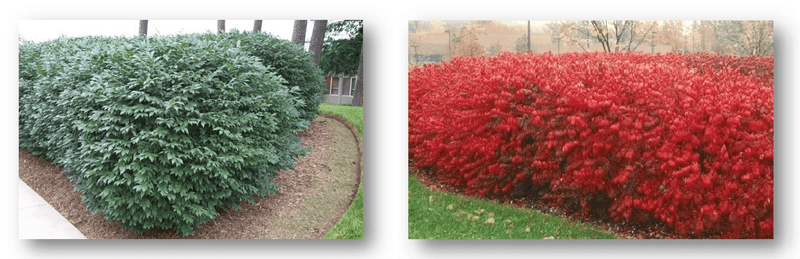
A perfectly rounded shrub looks great on the cover of a magazine, but hedge trimmers are a hydrangea’s worst enemy. Running electric shears over the top slices off dozens of stem tips at once, and on bloom-on-old-wood types those tips are exactly where the flowers live.
Shearing also encourages a dense outer shell of leaves while the inside of the plant goes bare and twiggy. You end up with a green ball that looks healthy from a distance and disappointingly flowerless up close.
Instead of shearing, prune with hand tools and make selective cuts. Remove a few of the oldest stems at the base to open the plant up, and let it keep its natural loose form. Hydrangeas were never meant to be topiary, and letting them grow with their own shape almost always rewards you with more blooms.
5. Removing healthy stems as winter cleanup too early
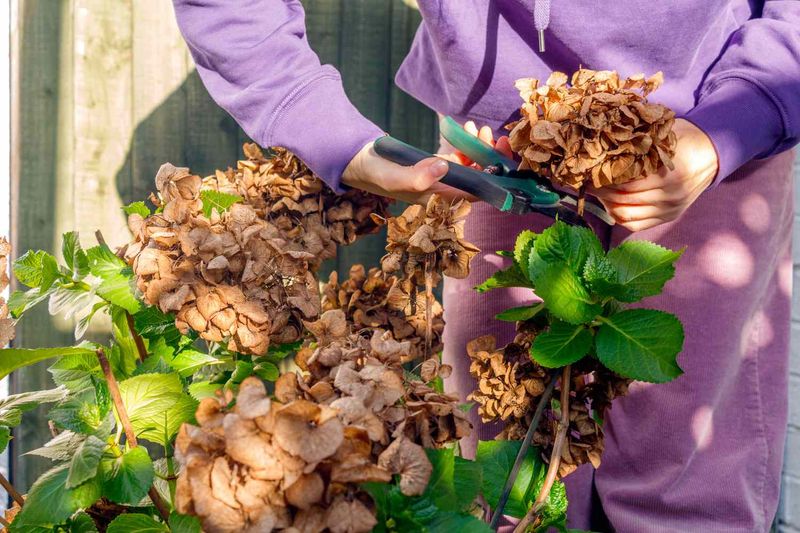
Cold-weather gardeners often want to tidy the beds before the first frost, cutting back anything that looks scruffy so the yard feels put away for the season. Hydrangeas suffer from that early autumn haircut more than most plants.
Those bare-looking stems you are tempted to remove are often carrying the buds that will burst open next summer. Cutting them in fall strips the plant of its future flowers and also removes the protective old growth that helps buds survive winter cold.
Leaving the stems standing through winter gives the buds insulation against freezing temperatures in northern zones, and the dried flower heads even add a bit of texture to a quiet garden. Wait until you see green leaves emerging in spring, then remove only the stems that are clearly dead. A little untidiness in November may be the price of a flower-filled July.
6. Over-pruning to control size instead of choosing the right variety
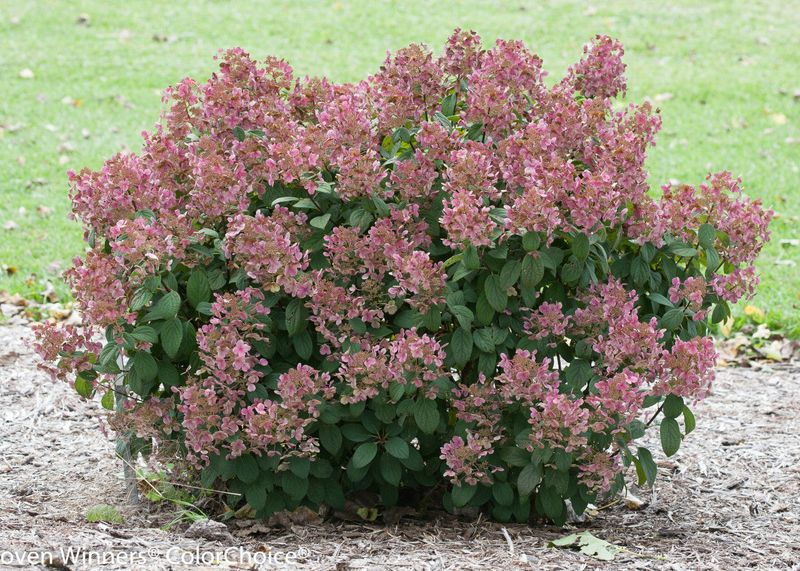
Say you planted a hydrangea in a spot that turned out to be too small, so every year you hack it back hard just to keep it from swallowing the walkway. That constant battle keeps the plant in survival mode, forever growing leaves to replace what it lost and never settling in to bloom.
Repeated heavy cutting stresses the shrub and delays the mature growth where flowers form. You get a plant that stays small, sure, but also stays green.
A better long-term move is to relocate the shrub in early spring or fall to a roomier spot, or replace it with a naturally compact variety bred to stay small. Dwarf panicle and smooth hydrangea types top out at a modest size on their own, so you can put down the shears for good. Choosing the right plant for the space beats fighting the wrong one every single year.
7. Not knowing your hydrangea type before you cut
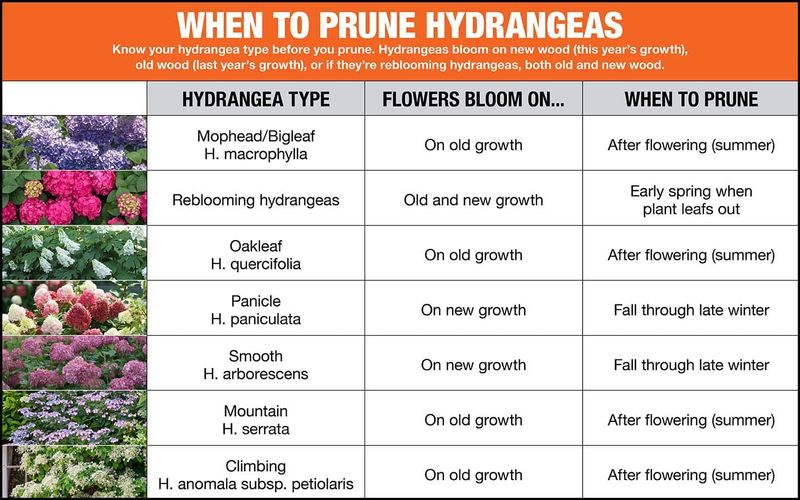
Every wrong snip on this list traces back to one root problem: cutting a plant before you know what it is. Hydrangeas fall into groups that want completely opposite treatment, and guessing usually means you cut off the flowers of half of them.
Bigleaf, oakleaf, and mountain types bloom on old wood and need light, well-timed pruning. Panicle and smooth types bloom on new wood and tolerate a hard spring cut. There are also reblooming varieties that flower on both, which forgive more mistakes.
Take a season to observe before you prune. Note when your shrub blooms, look at the leaf shape and flower form, and check the plant tag or a quick photo search if you still have doubts. Once you can name your hydrangea, all the other pruning rules click into place and the lush-leaves-no-flowers problem tends to disappear for good.