
13 Things To Do The Moment Your Hydrangeas Wilt In The Heat (And 3 That Make It Worse)
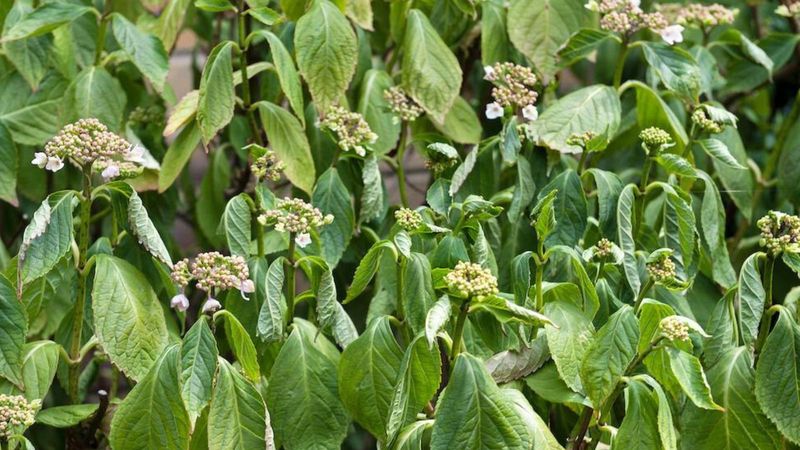
Hydrangeas love a good drink, and when the summer sun cranks up, their big leaves and blooms can flop over dramatically in just an afternoon. The good news is that a wilting hydrangea is usually thirsty and stressed, not dying, and a few quick moves can bring it back by evening. The tricky part is that some “helpful” reactions actually push a struggling plant closer to the edge. Here are 13 smart things to do the moment your hydrangeas wilt in the heat, plus 3 well-meaning mistakes that make everything worse.
1. Give a Deep, Slow Soak at the Base
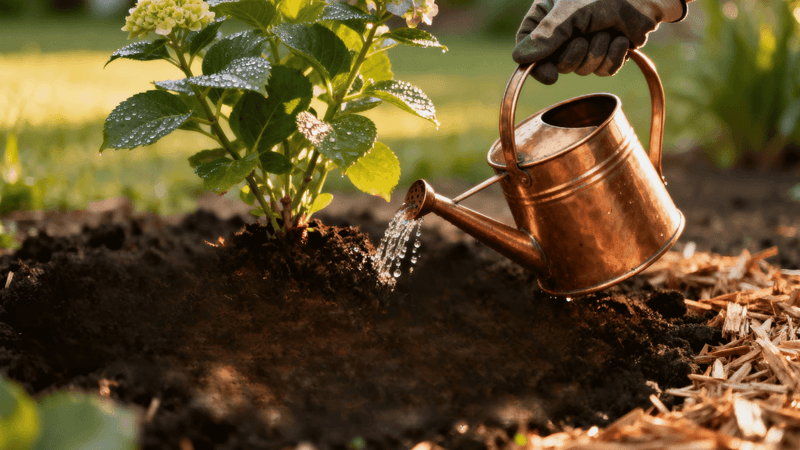
A drooping hydrangea at 3 p.m. is basically waving a little flag that says its roots have run dry. The fastest fix is water, but not a quick splash. Aim your hose right at the soil around the base and let it trickle for several minutes so moisture sinks down to where the roots actually live.
Shallow sprinkles only wet the top inch, and that dries out again within an hour on a hot day. A deep soak reaches eight to twelve inches down, which is where a mature hydrangea pulls most of its water. You want the ground damp like a wrung-out sponge, not muddy.
Do this in early morning if you can, but a wilting plant in the afternoon should not wait. Let the water go slow so it soaks in instead of running off dry, crusted soil. Come back in an hour and you will often find the leaves already perking up.
2. Move Container Hydrangeas Into Afternoon Shade
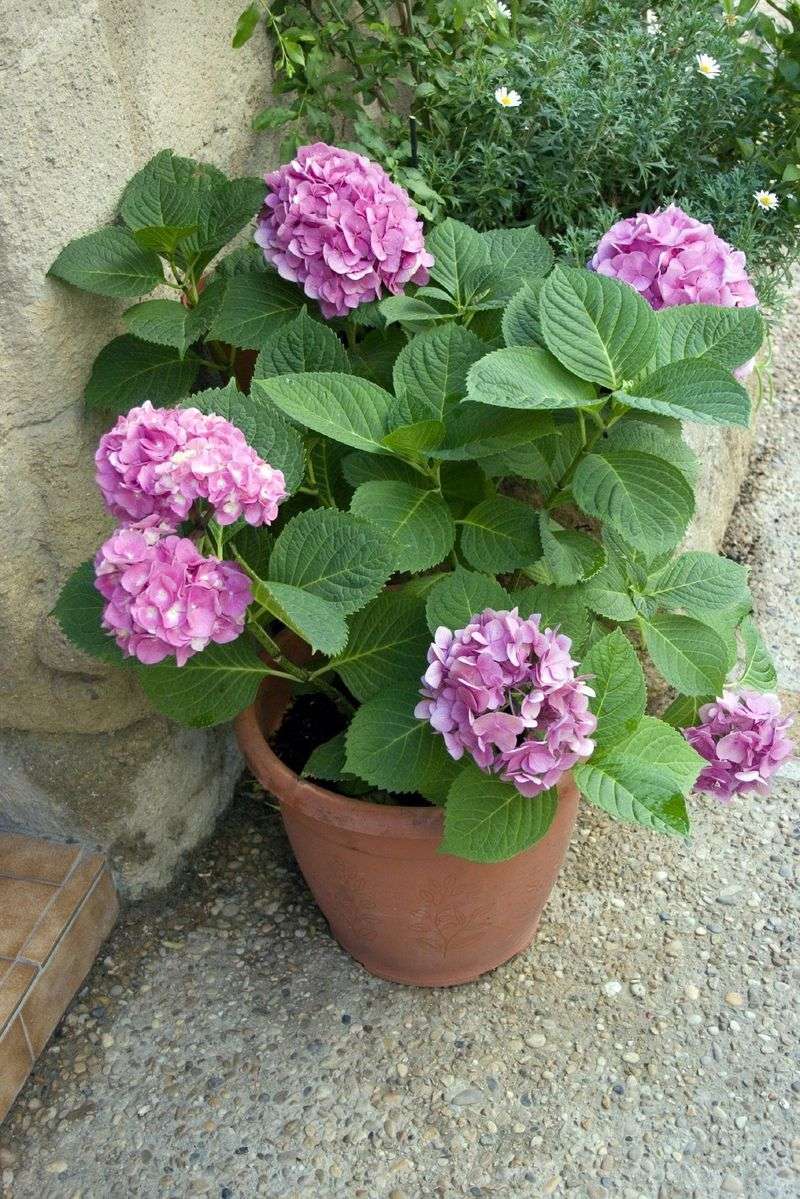
Potted hydrangeas cook faster than their in-ground cousins because the soil in a container heats up on all sides. When yours flops in the heat, the simplest rescue is to physically pick it up and carry it somewhere shaded from about noon onward.
A spot under a tree, on a covered porch, or against the east side of the house works well. The plant still gets gentle morning light but escapes the brutal midday and late-afternoon blast that drains its water reserves.
Once temperatures cool for a stretch, you can slide it back to its brighter home if it blooms better there. Think of it as giving your plant a chair in the shade during the hottest part of the day. Small pots especially benefit, since they hold so little soil that they dry out in a blink.
3. Add a Thick Layer of Mulch
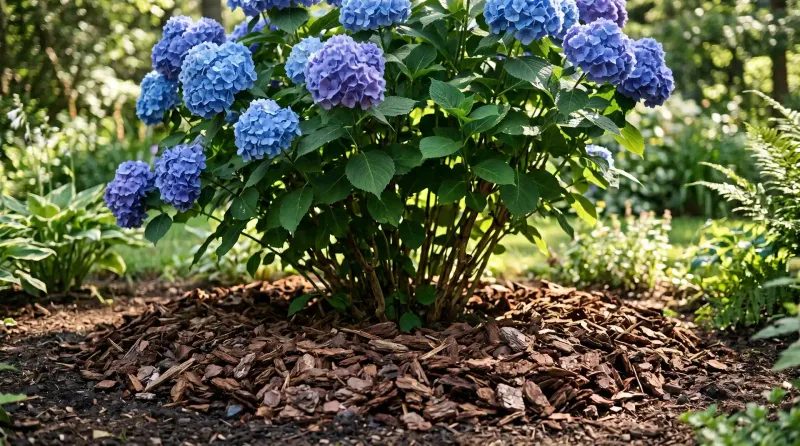
Bare soil around a hydrangea is like leaving a cold drink out in the sun. It warms up and loses moisture fast. Spreading two to three inches of mulch over the root zone acts like a blanket that keeps the ground cooler and damp for hours longer.
Shredded bark, pine straw, or dried leaves all work nicely. Spread it out to the drip line where the outer branches reach, since that is where feeder roots grab water.
Leave a small gap right around the main stems so the mulch does not trap moisture against the woody base and invite rot. A good mulch layer can cut how often you need to water in half during a heat wave. It is one of those quiet chores that pays you back every single hot afternoon.
4. Set Up Temporary Shade Cloth
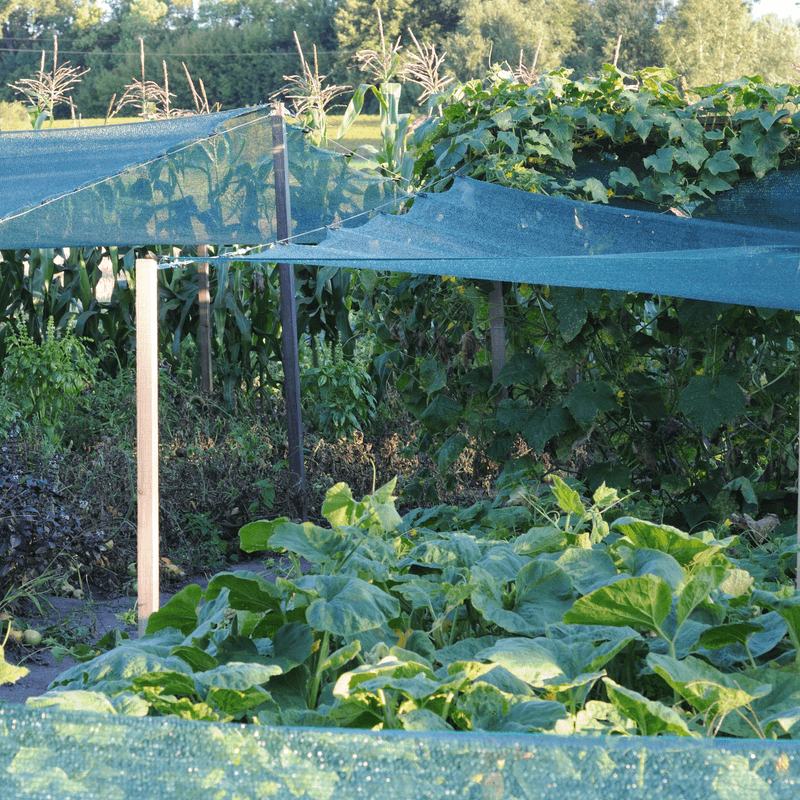
Sometimes a hydrangea planted in a too-sunny spot just needs a break during a rough heat stretch. Rigging up a piece of shade cloth or even an old bedsheet on a few stakes can drop the temperature around the leaves by a noticeable amount.
Position it to block the harsh southern and western sun from roughly late morning through evening. You are not trying to blackout the plant, just soften the intensity so the leaves stop losing water faster than the roots can replace it.
Garden centers sell shade cloth rated around 30 to 50 percent, which is plenty for hydrangeas. This is a fantastic stopgap while you decide whether to transplant to a shadier home in fall. Many gardeners find their blooms hold color longer under a bit of relief, too.
5. Check the Soil Before You Assume It Is Thirsty
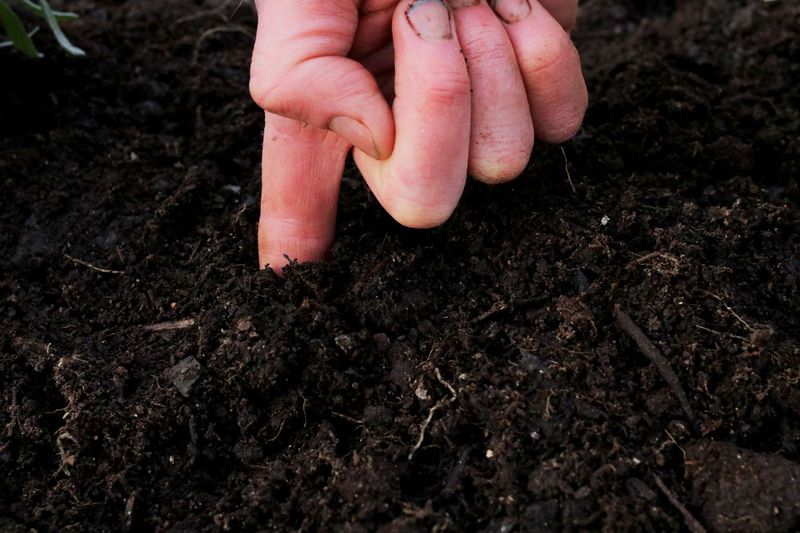
Here is a surprise that trips up a lot of gardeners: wilting does not always mean dry. Hydrangeas sometimes droop in extreme heat even when the soil is plenty wet, simply because leaves lose water faster than roots can pump it up. That is called temporary or midday wilt.
Before you grab the hose, push a finger three or four inches into the soil. If it feels moist down there, your plant does not need more water and dumping it on could cause real harm.
A cheap moisture meter takes the guesswork out entirely. When the soil is damp but leaves still sag, the plant will likely bounce back on its own once the sun drops. Reading the soil first saves you from drowning a plant that was only playing dramatic.
6. Water Early in the Morning Going Forward
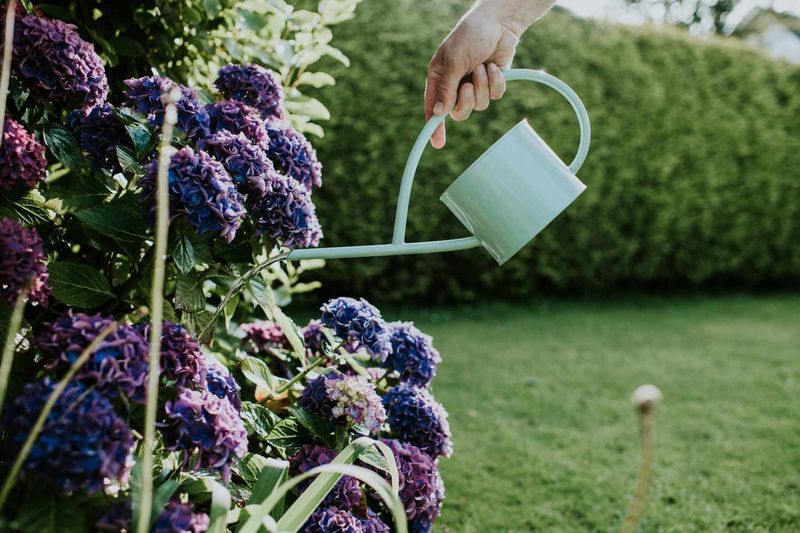
Once you have handled the emergency, timing becomes your best friend. Watering between roughly 6 and 9 a.m. lets the plant fill up its tank before the sun starts pulling moisture out through the leaves.
Morning water also gives foliage time to dry, which discourages the fungal spots that love sitting on wet leaves overnight. A well-hydrated plant at sunrise handles a hot afternoon far better than one you rush to rescue at 4 p.m.
Set a phone reminder or tie it to your coffee routine so it becomes automatic during summer. Deep morning soaks two or three times a week usually beat a light daily sprinkle. Your hydrangea gets to face the heat already full instead of running on empty.
7. Prune Off Any Sunscorched or Crispy Leaves
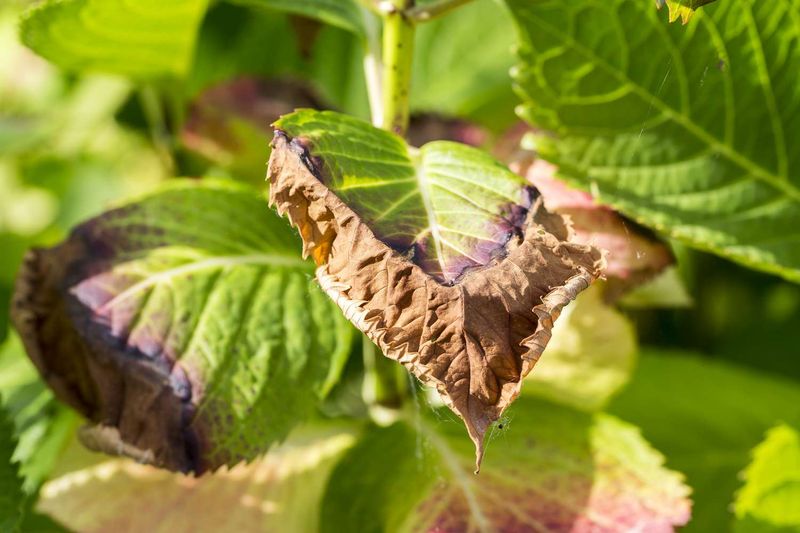
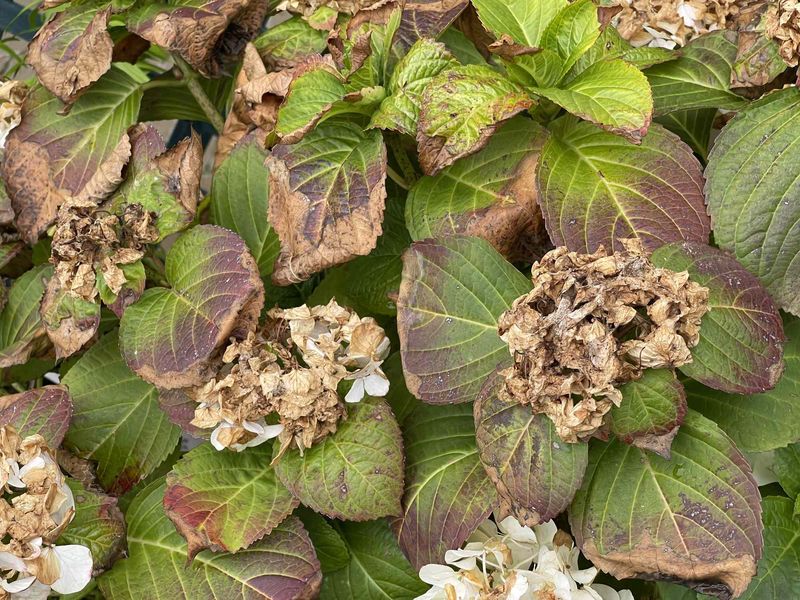
Leaves that have already turned brown and papery at the edges are done for, and hanging on to them just makes the plant work harder. Snipping those crispy, scorched leaves lets your hydrangea put its energy into the parts it can still save.
Use clean, sharp scissors or pruners and remove only the clearly damaged foliage. Do not go overboard, since even tired leaves that are still green are photosynthesizing and helping the plant recover.
Toss the crunchy bits in the compost and give the plant a tidy once-over. Removing dead tissue also cuts down on hiding spots for pests that sniff out a stressed plant. A little grooming after a heat wave helps it look and feel healthier.
8. Group Potted Plants Together
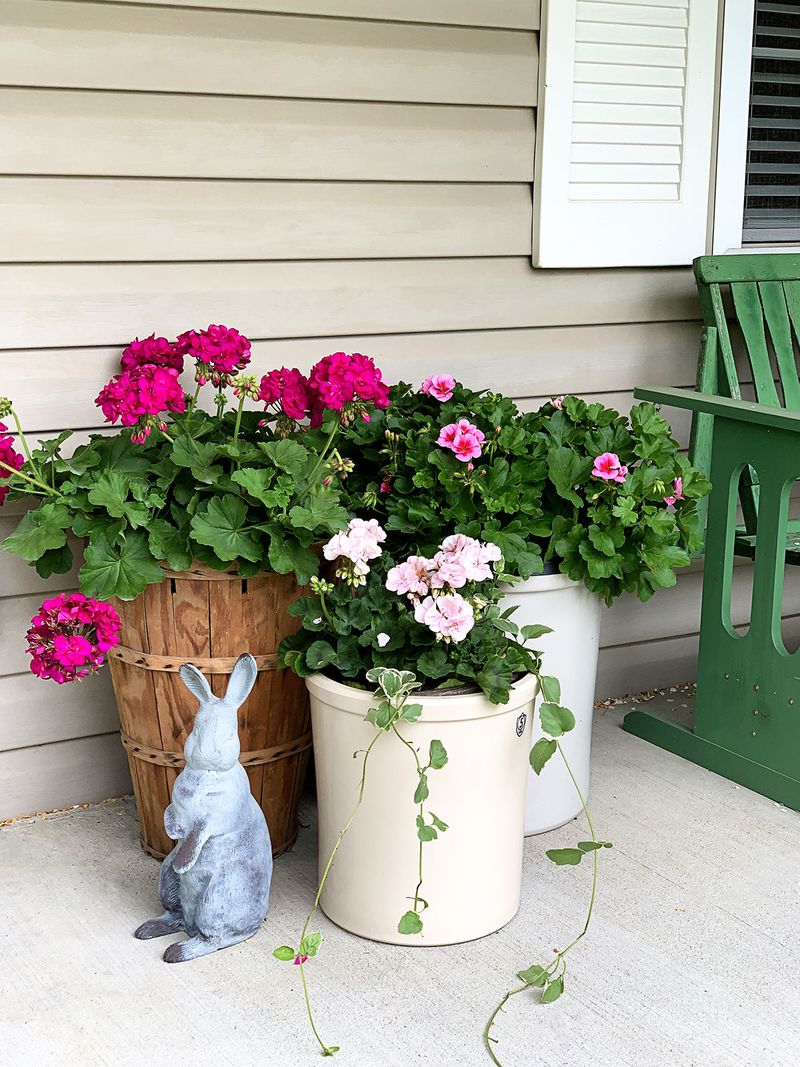
Lonely pots dry out and overheat faster than clustered ones, a trick greenhouse growers have used for ages. Scooting your container hydrangeas close to other potted plants creates a little pocket of cooler, more humid air between them.
The leaves shade each other’s pots, and the shared moisture in the air slows down water loss all around. It is a bit like people huddling together to stay warm, except in reverse, for coolness and humidity.
Put the thirstiest, most sun-sensitive plants in the center of the huddle for the most protection. This costs nothing and takes about two minutes to arrange. During a stretch of scorching days, that shared microclimate can be the difference between droopy and thriving.
9. Mist the Air Around the Plant, Not the Leaves in Sun
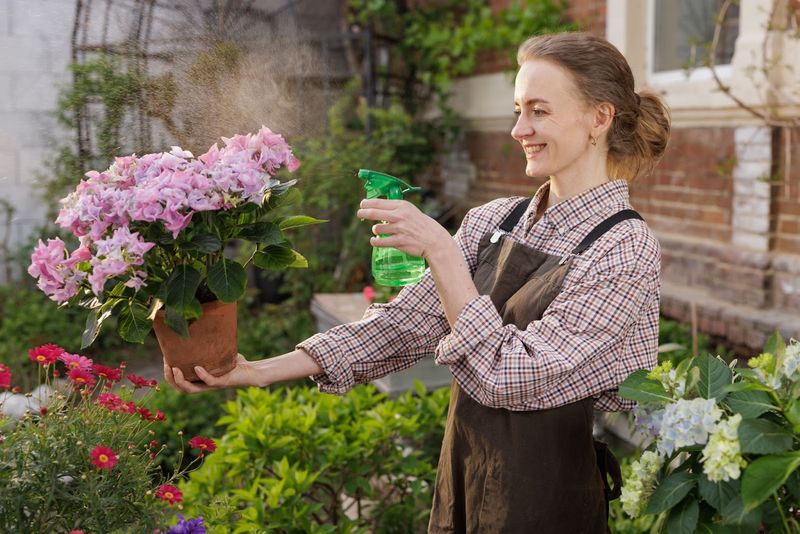
Hydrangeas hail from cool, humid woodlands, so bone-dry summer air stresses them almost as much as dry soil. Lightly misting the air around the plant during a hot spell raises the humidity and can take some pressure off those big, thirsty leaves.
The key is timing and aim. Mist in early morning or evening, and keep water off leaves while the sun is blazing so you do not risk scorching or fungal trouble.
A simple spray bottle or a fine hose nozzle set to mist does the job. Think of it as recreating the damp forest air the plant secretly craves. It will not replace proper watering, but it may help take the edge off a brutal, dry heat wave.
10. Use a Soaker Hose or Drip Line for Consistency
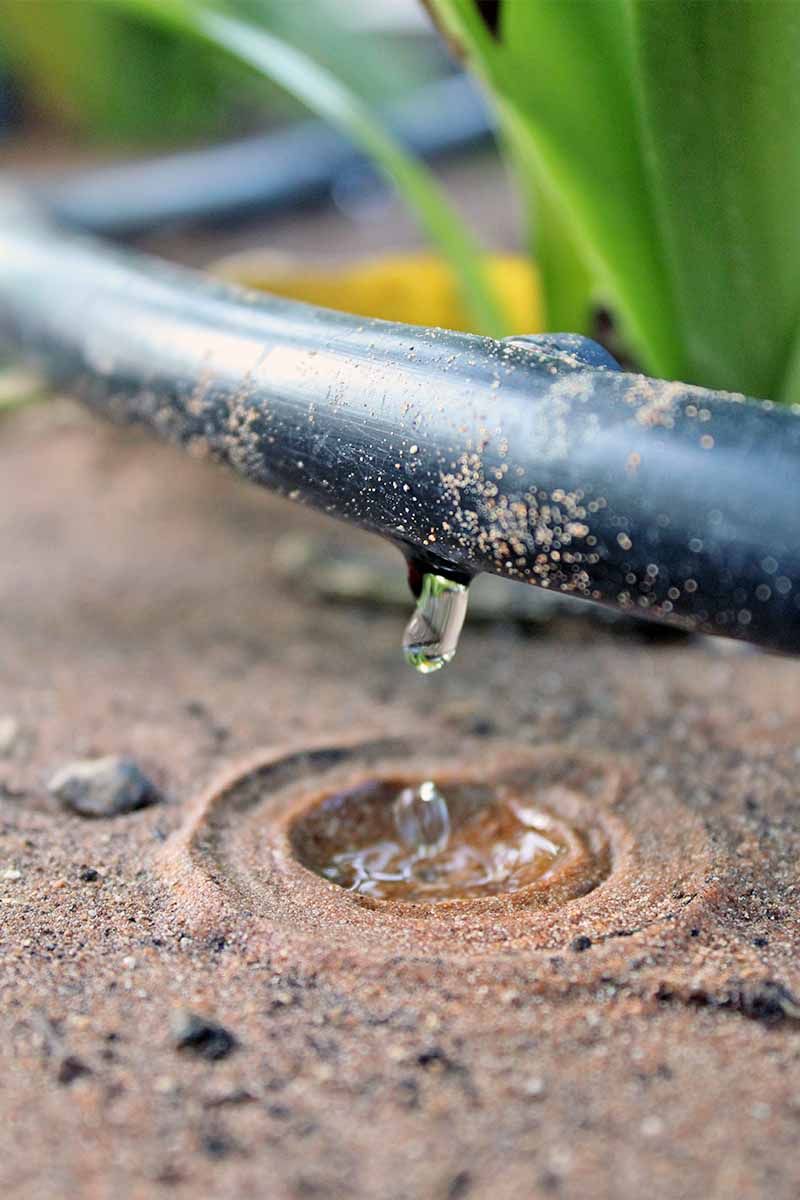
If you keep finding your hydrangeas flopped over, a soaker hose might end your daily panic. Laid in a loop around the base and covered with mulch, it drips water slowly and steadily right where the roots want it.
Hooked to a cheap timer, it can run for twenty minutes each morning without you lifting a finger. Slow, even watering builds a stronger, deeper root system than sporadic drenching does.
Because the water goes straight to the soil, you lose almost none to evaporation, and the leaves stay dry and disease-free. It is an inexpensive upgrade that turns fussy hydrangeas into low-drama ones. Set it, forget it, and enjoy your morning coffee instead of chasing the hose.
11. Move Blooms Indoors as Cut Flowers if the Plant Is Struggling
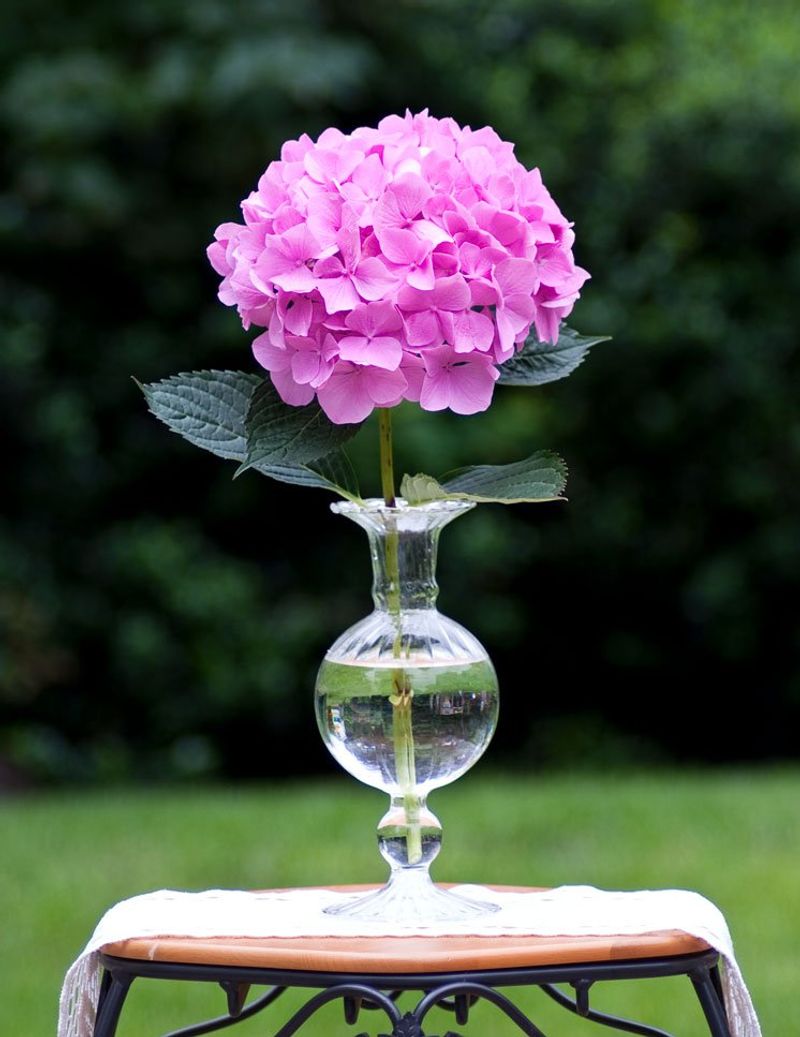
When a heat wave is relentless and the flowers are fading fast anyway, you can rescue the blooms by cutting them for a vase indoors. This takes some strain off the plant, which no longer has to support big, water-hungry flower heads in the heat.
Cut in the cool of early morning, snip the stems at an angle, and plunge them straight into water. Hydrangea flowers famously perk up if you also dunk the whole flower head in cool water for a bit before arranging.
You get a gorgeous bouquet while your plant redirects its energy toward roots and leaves. It feels like getting a bonus out of a tough situation. The shrub often bounces back stronger once it is not carrying that extra load.
12. Boost the Soil With Compost for Better Water Retention
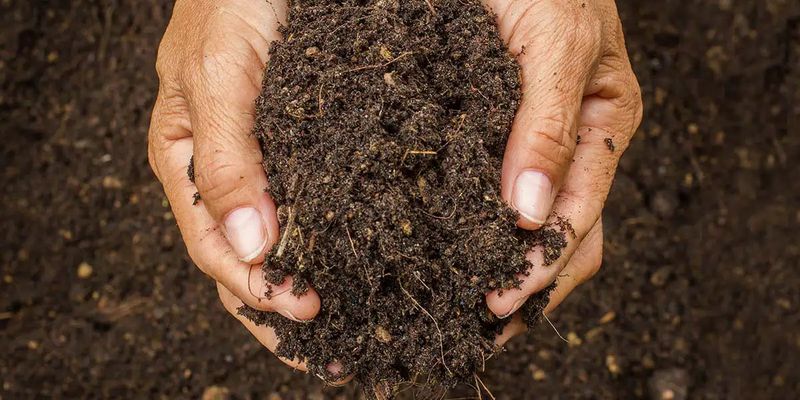
Sandy or thin soil drains so fast that hydrangeas never get a proper drink, which is why they wilt again an hour after watering. Working a layer of compost or well-rotted manure into the top of the bed helps the ground hold onto moisture like a sponge.
You can top-dress around the base with an inch or two of compost and let worms and rain carry it down. Richer, spongier soil means the roots have a reservoir to sip from between waterings.
Fall is the ideal time to dig it in deeply, but a summer top-dressing still helps in a pinch. Healthier soil is the long game that makes every other rescue trick work better. Feed the dirt, and the plant mostly takes care of itself.
13. Be Patient and Recheck at Dusk
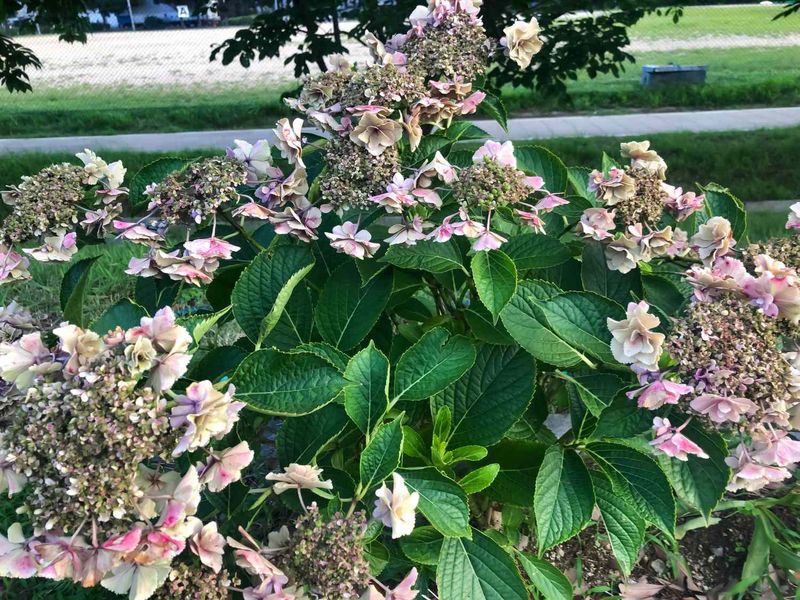
One of the hardest things for a worried gardener to do is nothing, yet sometimes that is exactly right. Many hydrangeas that look tragic at midday quietly recover on their own once the sun sinks and temperatures ease.
If you have already given a deep soak and the soil is moist, resist the urge to keep fussing. Go do something else and come back around dusk to check.
Leaves that are standing tall again by evening were simply doing their normal heat trick, and the plant is fine. If they still droop at nightfall with wet soil, that is your signal something more serious is going on. Learning to read that dusk recovery keeps you from overreacting every hot afternoon.
14. Do Not Fertilize a Heat-Stressed Plant
Reaching for the plant food when your hydrangea looks weak feels caring, but it is one of the worst moves in a heat wave. Fertilizer salts pull moisture away from already-parched roots and can burn them when the plant is stressed and dry.
A struggling hydrangea is not hungry, it is thirsty and hot, and it cannot use a growth boost right now anyway. Piling on nutrients just forces tender new growth that wilts even faster in the sun.
Hold off until temperatures settle and the plant has clearly recovered, ideally feeding in spring or early summer instead. Water and shade are the medicine here, not fertilizer. Save the feeding for a calmer, cooler day.
15. Do Not Splash Water on Leaves in Full Sun
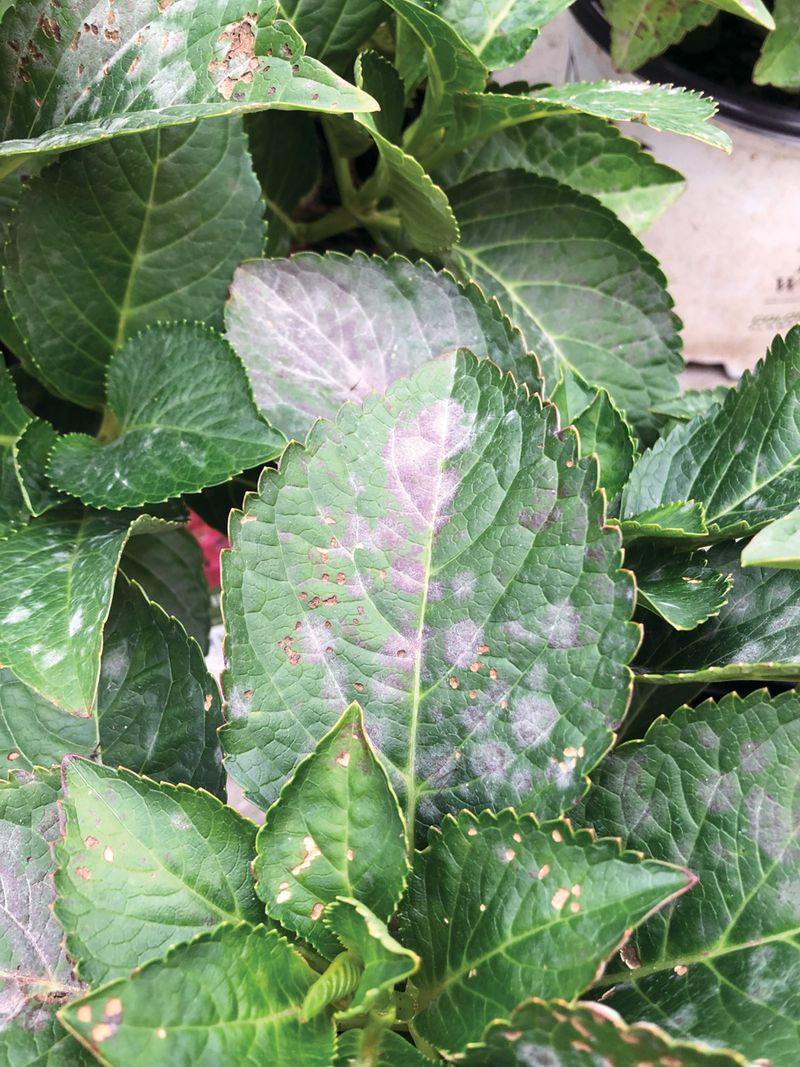
It seems like cooling the leaves down with a refreshing spray should help, but midday leaf watering can backfire badly. Water droplets sitting on foliage in strong sun can contribute to scorched patches, and wet leaves in heat invite fungal diseases like powdery mildew.
Your hydrangea drinks through its roots, not its leaves, so soaking the foliage does little for actual hydration. All you accomplish is wasting water and inviting problems.
Keep the water aimed at the soil where it counts, and save any leaf misting for cool morning or evening hours. The goal is a well-watered root zone, not a shiny, dripping bush. Point that hose down, not up.
16. Do Not Drown It With Constant Watering
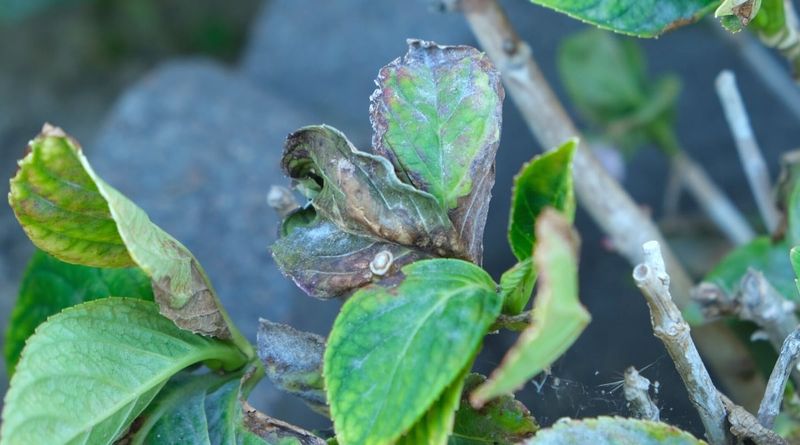
Panicking and watering three times a day sounds loving, but soggy soil is a fast way to kill a hydrangea. Roots need air pockets in the soil to breathe, and constant flooding suffocates them and invites root rot, which looks a lot like drought stress but is far deadlier.
Once you feel damp soil a few inches down, put the hose away and let it be. The plant cannot drink faster just because you offer more water.
Stick to deep, thorough soaks spaced out over the week rather than nervous daily dousing. Yellowing lower leaves and a rotten smell near the base are warnings you have gone too far. When it comes to a wilting hydrangea, the right amount of water beats the most water every time.