
11 Purple Flowers Hummingbirds Simply Can’t Resist In Your Backyard
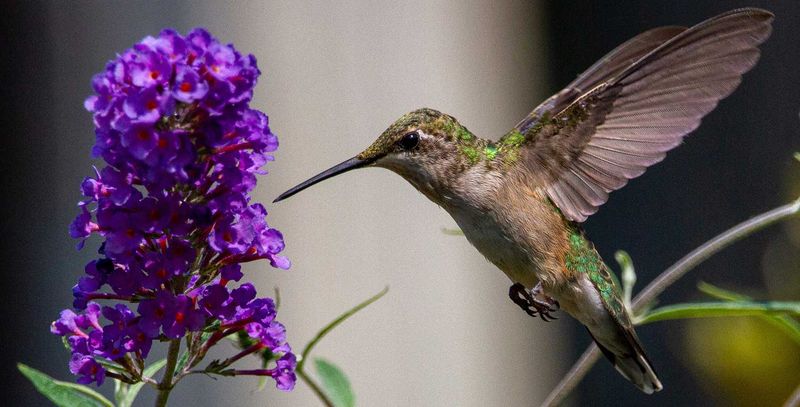
Hummingbirds have a real soft spot for the color purple, and the right blooms can turn an ordinary yard into a buzzing pit stop for these tiny fliers. The trick is picking flowers shaped like little trumpets or spikes, since those hold the nectar these birds love most. Below you will find eleven purple performers that thrive in US backyards and keep hummingbirds coming back all season. Plant a few of these and you might just get a front-row seat to some backyard acrobatics.
1. Salvia (Purple Sage)
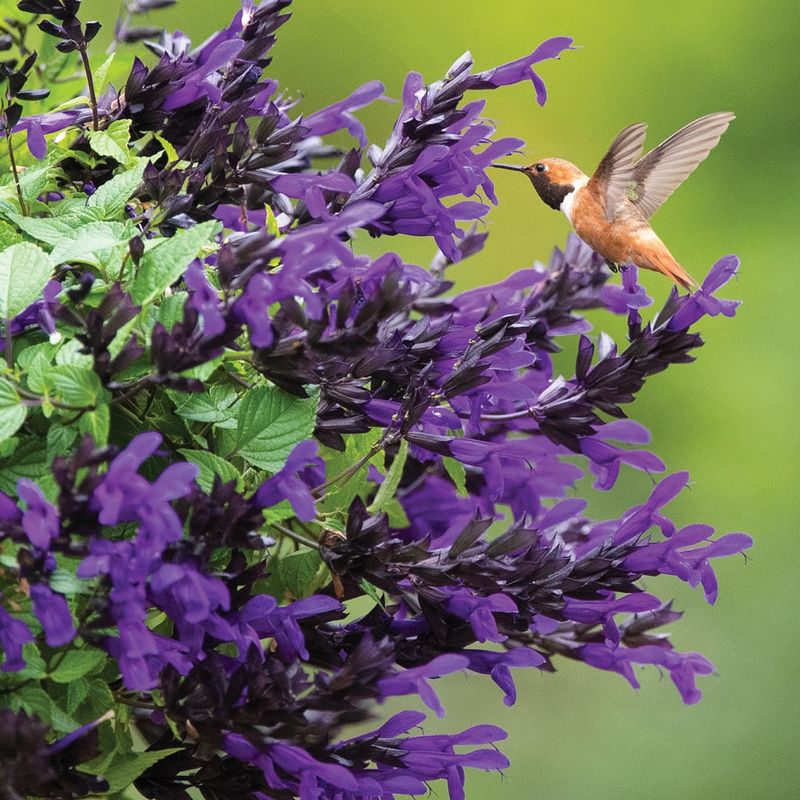
Ask any hummingbird gardener what to plant first, and salvia almost always tops the list. The tubular purple flowers seem custom-built for a hummingbird’s slender bill, and the plant keeps pumping out blooms from late spring straight through fall.
Varieties like ‘Mystic Spires’ and ‘Amistad’ hold up beautifully in the heat of southern and midwestern yards, while cooler zones can lean on hardy perennial types. Deadheading spent spikes may encourage a fresh flush of flowers, giving the birds more reasons to visit.
Fun bit of history: many salvias belong to the mint family, which is why their leaves give off that faint herbal scent when you brush past them. Bonus, deer tend to leave the fragrant foliage alone, so your blooms stay intact for the birds.
2. Verbena
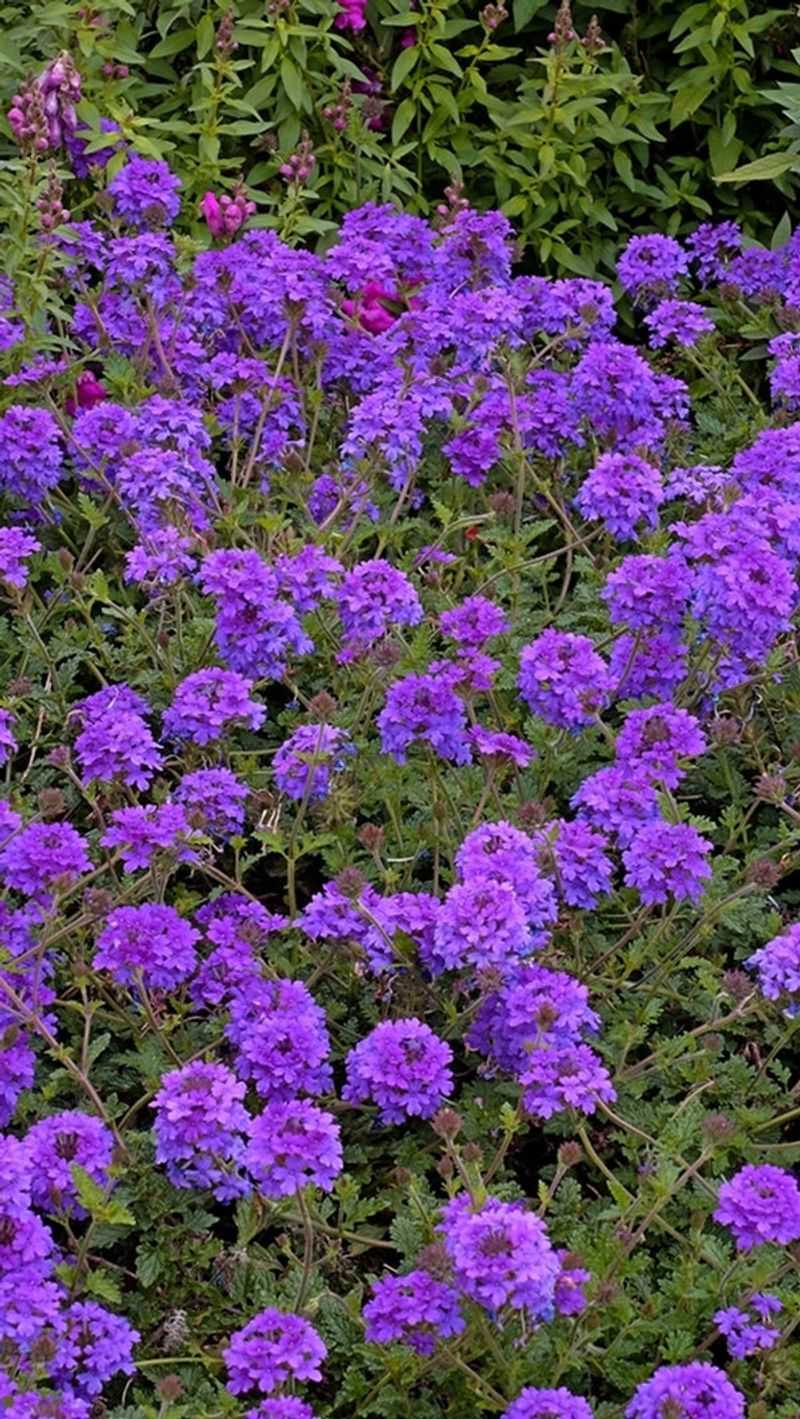
Low, spreading, and covered in clusters of tiny purple florets, verbena works like a landing pad buffet for hummingbirds. Each flower head packs dozens of nectar-filled blossoms, so a single plant delivers a lot of sips in one stop.
Trailing types spill gorgeously over container edges and hanging baskets, which makes verbena a smart pick for patios and balconies where in-ground beds are not an option. It laughs off summer heat and asks for very little water once established.
Purple ‘Homestead’ verbena is a favorite for its rich color and long bloom window. Pair it near a window and you will likely catch hummingbirds hovering just a few feet from your morning coffee.
3. Bee Balm (Bergamot)
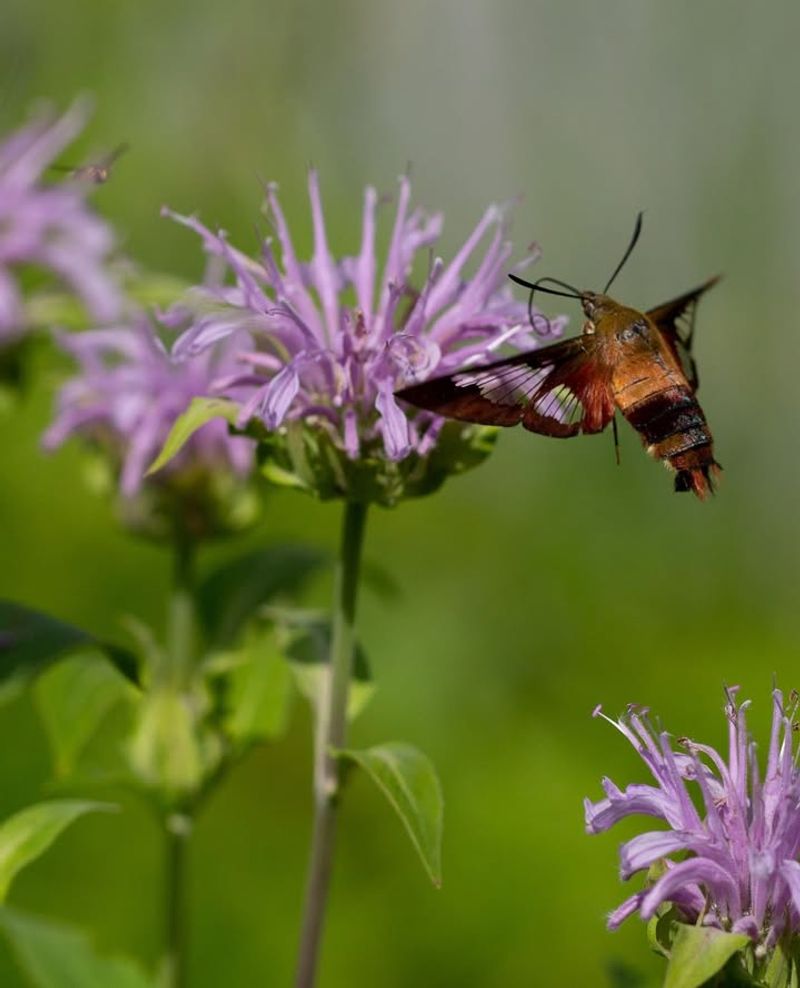
With its wild, fireworks-shaped blooms, bee balm looks like nothing else in the flower bed. The shaggy purple heads sit up high on sturdy stems, practically waving hummingbirds down for a drink.
Native to North America, this perennial thrives in much of the country and returns bigger each year. Native pollinators, butterflies, and hummingbirds all crowd around it, so your yard turns into a busy little airport in midsummer.
One thing worth knowing: bee balm can be prone to powdery mildew in humid spots, so give it room for air to move through the leaves. Choose mildew-resistant purple varieties and thin the clumps every couple of years to keep it healthy and blooming.
4. Catmint (Nepeta)
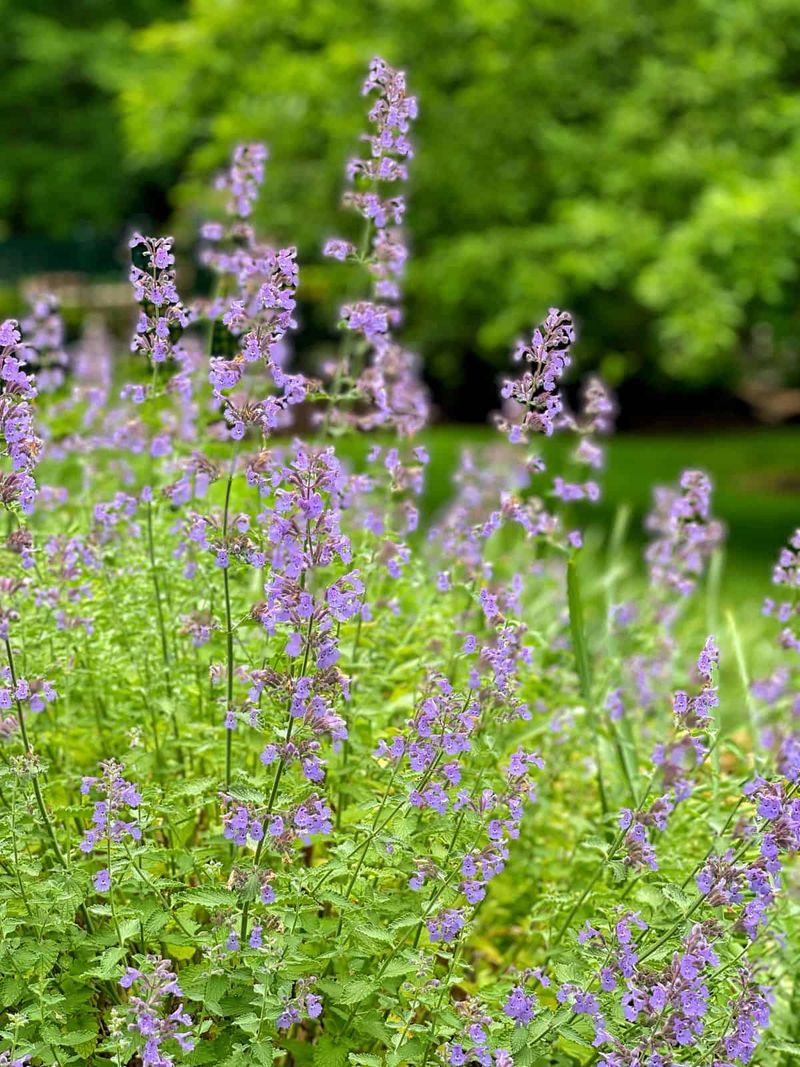
Soft mounds of lavender-purple spikes make catmint one of the most forgiving plants you can hand a beginner. It shrugs off drought, poor soil, and neglect, then rewards you with a haze of blooms that hummingbirds cruise all summer.
Unlike its cousin catnip, catmint stays tidy and rarely takes over the bed. A quick shear after the first bloom flush often brings on a whole second wave of purple, extending the nectar season well into fall.
Gardeners in dry western states love it because it needs almost no babying once its roots settle in. Plant it along a walkway and enjoy the gentle scent every time you walk by.
5. Petunia
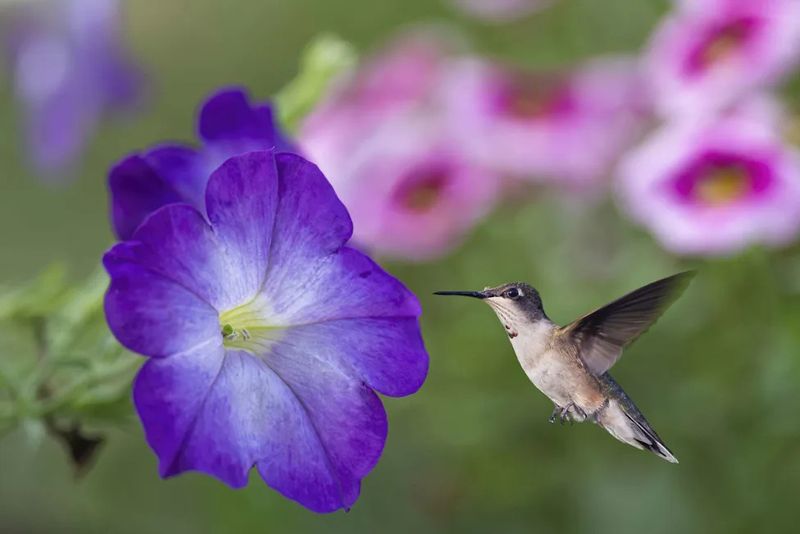
Nobody expects the humble petunia to be a hummingbird magnet, yet those wide purple trumpets are exactly the shape these birds go for. Deep-violet and wave types offer nonstop color from a single flat of transplants.
Baskets and window boxes let you put petunias right at eye level, so you get the show without bending over a flower bed. Pinch back leggy stems and keep them fed, and they will bloom their hearts out until frost.
Here is a handy tip: skip the double, ruffly petunia hybrids and stick with single-flowered purples. The simpler blooms give hummingbirds an easier path to the nectar at the base.
6. Russian Sage
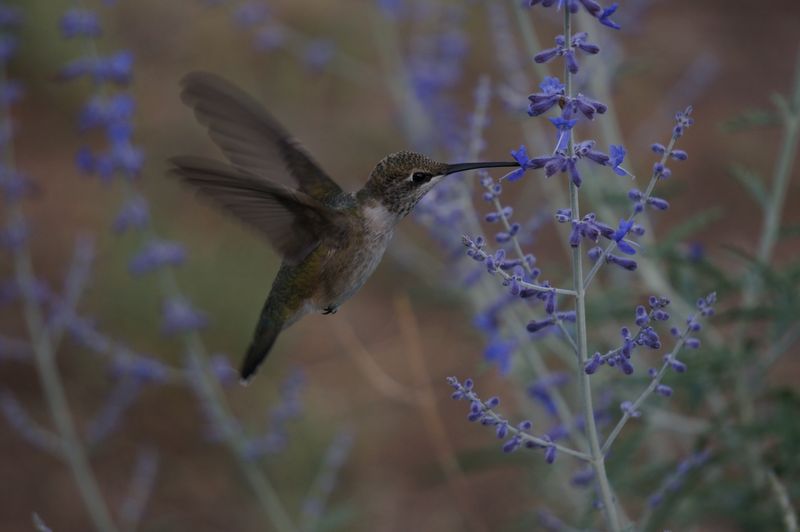
Picture a cloud of tiny purple flowers floating on silvery stems, and you have got Russian sage. This tough, airy shrub-like perennial adds height and a dreamy haze to the back of a border while feeding hummingbirds through the hottest weeks of the year.
Heat and drought barely faze it, which makes it a hero plant for baking-hot yards where fussier flowers give up. The aromatic gray-green foliage may help deter browsing deer and rabbits, too.
Give it full sun and well-drained soil, then basically leave it alone. Come late summer, the whole plant hums with hummingbirds and bees darting through the lavender-blue mist.
7. Lupine
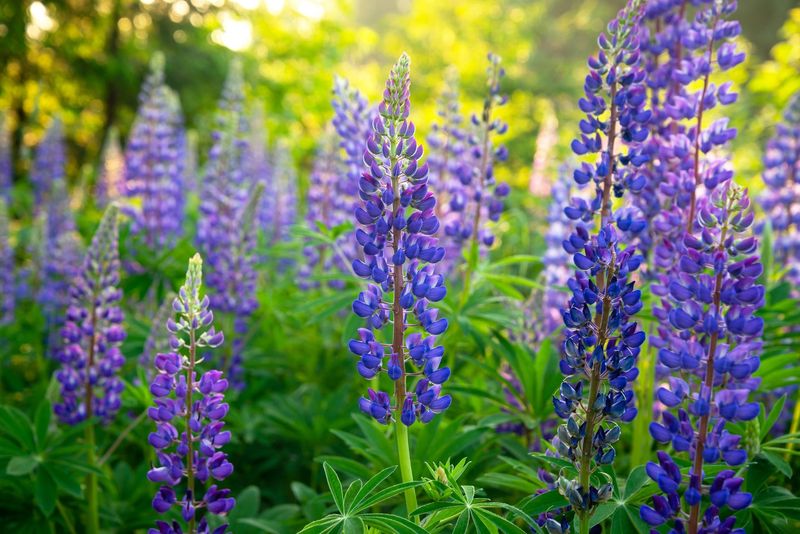
Tall purple towers of pea-shaped blossoms make lupine one of the most dramatic flowers on this list. Hummingbirds work their way up each spike, and the sight of a bird bouncing along a lupine spire is hard to forget.
Cool-climate gardeners in the Northeast, Pacific Northwest, and mountain states get the best results, since lupine sulks in extreme heat. It also fixes nitrogen in the soil, quietly feeding the plants growing nearby.
Give the seeds a soak or a light nick before sowing to speed up germination. Once a colony establishes, it often reseeds itself, so those bold purple spikes keep reappearing year after year.
8. Foxglove
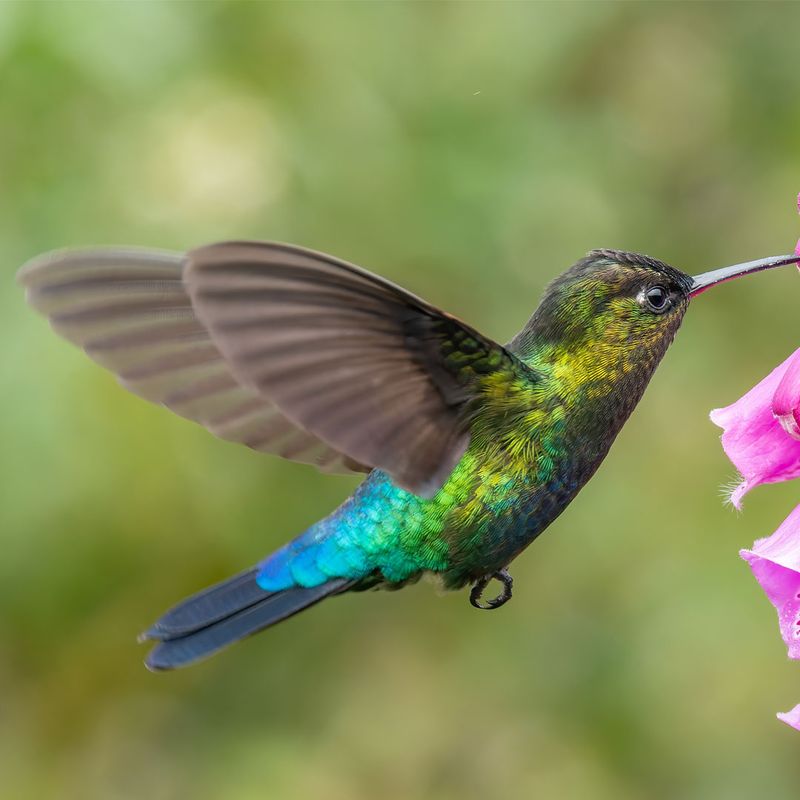
Few flowers look as fairy-tale as foxglove, with its towering spikes of speckled purple bells. Each bell is a perfectly sized cup for a hummingbird to poke its head into, and the birds work the tall stalks from bottom to top.
A biennial in most yards, foxglove puts up leaves the first year and its show-stopping blooms the second, then happily reseeds for future summers. It shines in partly shaded spots where many nectar plants struggle.
A gentle heads-up: every part of foxglove is toxic if eaten, so plant it away from curious kids and pets. Handled with a little care, it rewards you with elegant purple spires the hummingbirds adore.
9. Delphinium
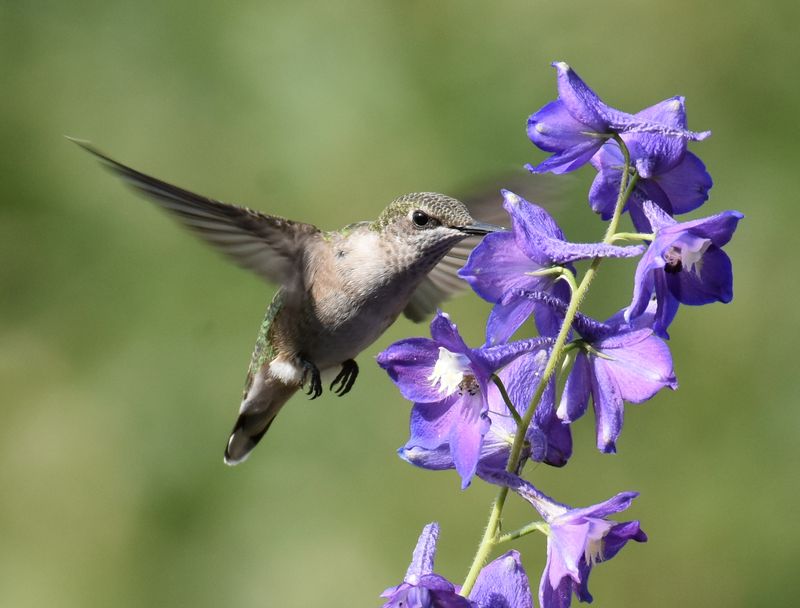
For sheer vertical drama, delphinium is tough to top. Its dense columns of purple-blue blooms can shoot up several feet, creating a living skyscraper that hummingbirds happily patrol.
These beauties prefer cooler summers and rich, moist soil, so gardeners in northern and high-elevation zones tend to have the easiest time. Staking the tall stems keeps them from flopping after a summer storm.
Cut the main spike after it fades and you may coax a smaller second bloom later in the season. The intense purple-blue is a rare shade in the garden, and hummingbirds seem just as drawn to it as we are.
10. Morning Glory
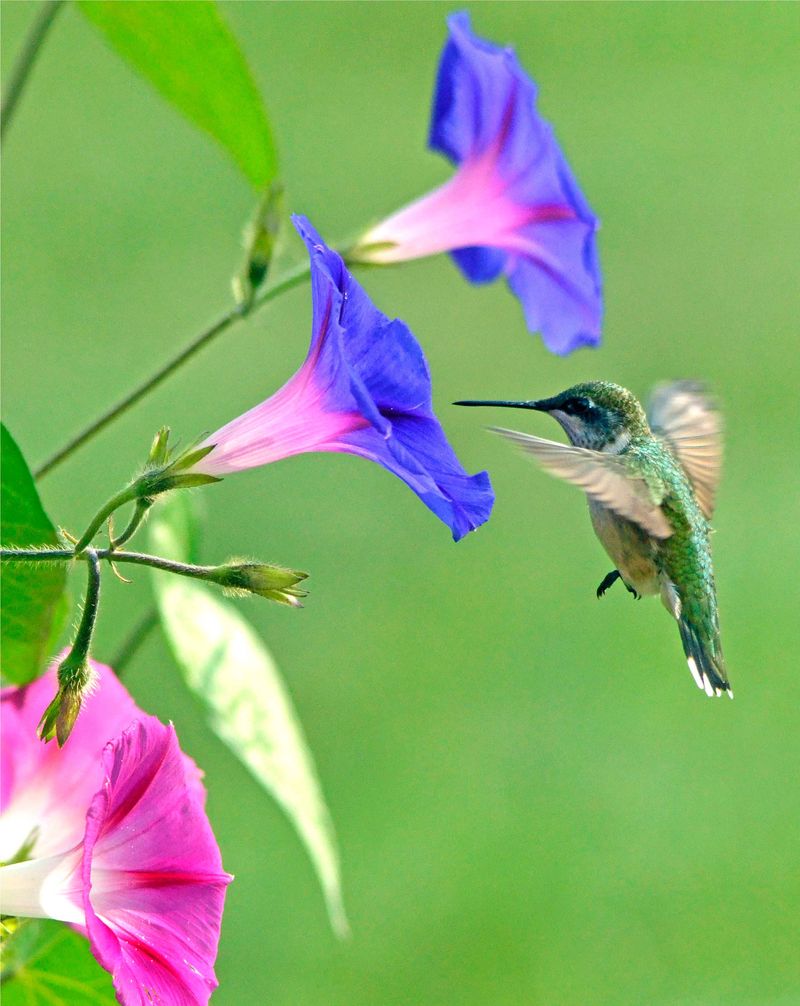
Twining up trellises and fences, morning glory greets each day with a fresh batch of purple trumpet blooms. Hummingbirds show up early to work the flowers before they close in the afternoon heat, making dawn the prime viewing hour.
Fast-growing and eager to climb, this annual vine can cover an arbor in a single season and provide vertical nectar right at eye level. ‘Grandpa Ott’s’ is a beloved deep-purple heirloom that reseeds reliably.
Keep an eye on it, though, because morning glory spreads with real enthusiasm and can pop up where you did not plant it. Give it something to climb and a little supervision, and it pays you back with waves of violet blooms.
11. Liatris (Blazing Star)
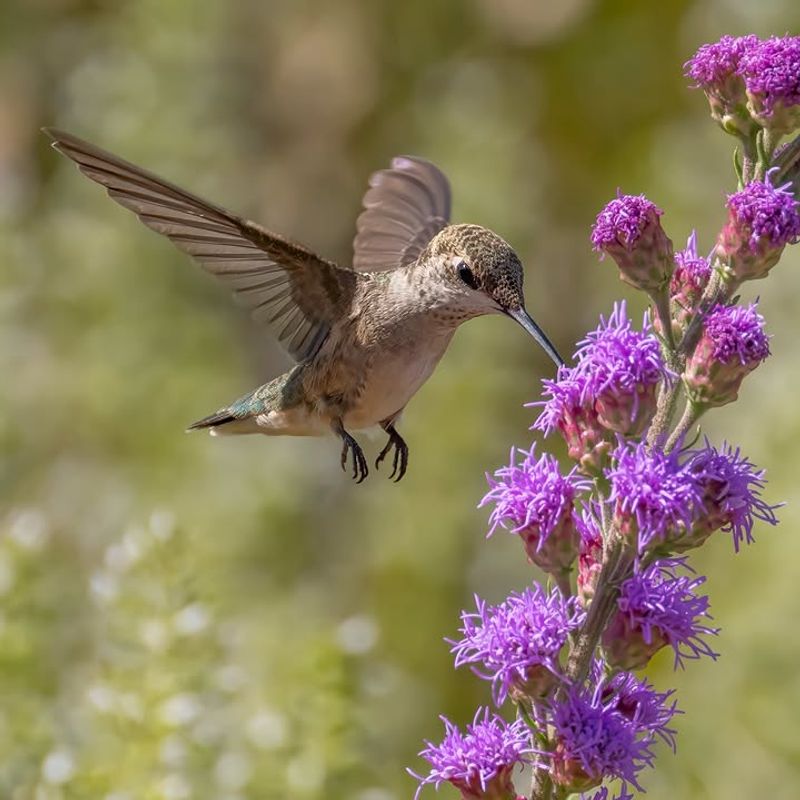
Blazing star breaks the usual rules by blooming from the top down, sending up feathery purple wands that look like fuzzy bottle brushes. Hummingbirds and butterflies swarm these spikes in mid-to-late summer when many other flowers are winding down.
A true North American native, liatris grows from a corm, handles drought like a champ, and returns dependably in prairie and Midwest yards. It also makes a long-lasting cut flower if you want to bring a little of the show indoors.
Plant a cluster rather than a lone spike for the biggest visual punch and the strongest draw. Once the birds discover the patch, it becomes a reliable late-season fueling station on their journey.