
Why Your Hydrangeas Suddenly Stopped Flowering – It’s Usually One Wrong Care Habit
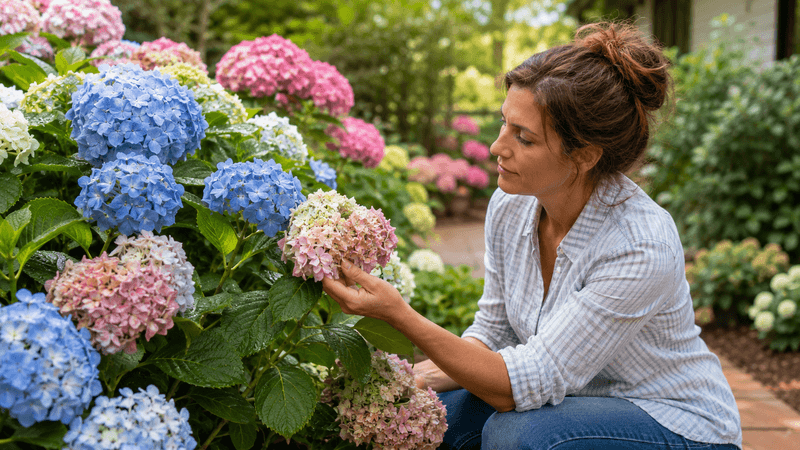
Few gardening disappointments sting quite like a hydrangea that fills out beautifully every spring, then shows up dressed in leaves with not a single bloom to its name. Before you assume the plant is giving up on you, there is almost always a specific, fixable reason behind the silence. Wrong-time pruning is one of the most common preventable causes, but frost, shade, deer, and a handful of other habits can produce the exact same result. Knowing which one hit your plant is the first step toward getting those flowers back.
Wrong-time pruning can remove the flowers before they open
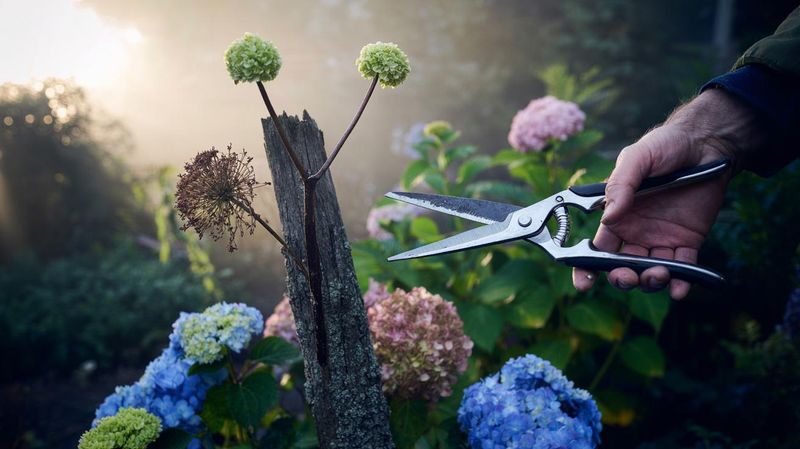
Picture a bigleaf hydrangea that bloomed reliably for years, then one fall a well-meaning cleanup session involved cutting the stems back hard. Come summer, the shrub leafs out lush and full but produces zero flowers. The plant is not broken or sulking; it simply lost the stems that were already carrying next season’s flower buds. University of Maryland Extension identifies wrong-time pruning as a leading preventable cause of flower failure in old-wood bloomers, precisely because the buds form on older stems before winter and cannot be replaced mid-season.
The mechanism is straightforward. Bigleaf, mountain, and oakleaf hydrangeas set their flower buds on stems that grew the previous season. When those stems get removed in fall, winter, or early spring, the potential blooms go with them. The shrub is perfectly healthy and channels all that energy into producing new leafy growth instead, which is why a pruning-damaged plant often looks especially vigorous in the season it fails to flower.
That said, wrong-time pruning is one strong possibility among several, not a guaranteed universal diagnosis. A plant that flowered reliably until someone picked up the pruners and then suddenly went flowerless fits this explanation well. A plant that declined gradually, or one that was never pruned but still stopped blooming, points toward frost injury, inadequate light, deer browsing, or other causes explored in the sections ahead. The first question to ask yourself is simple: was this plant cut back during fall, winter, or early spring?
Identify the bloom type before you reach for pruners
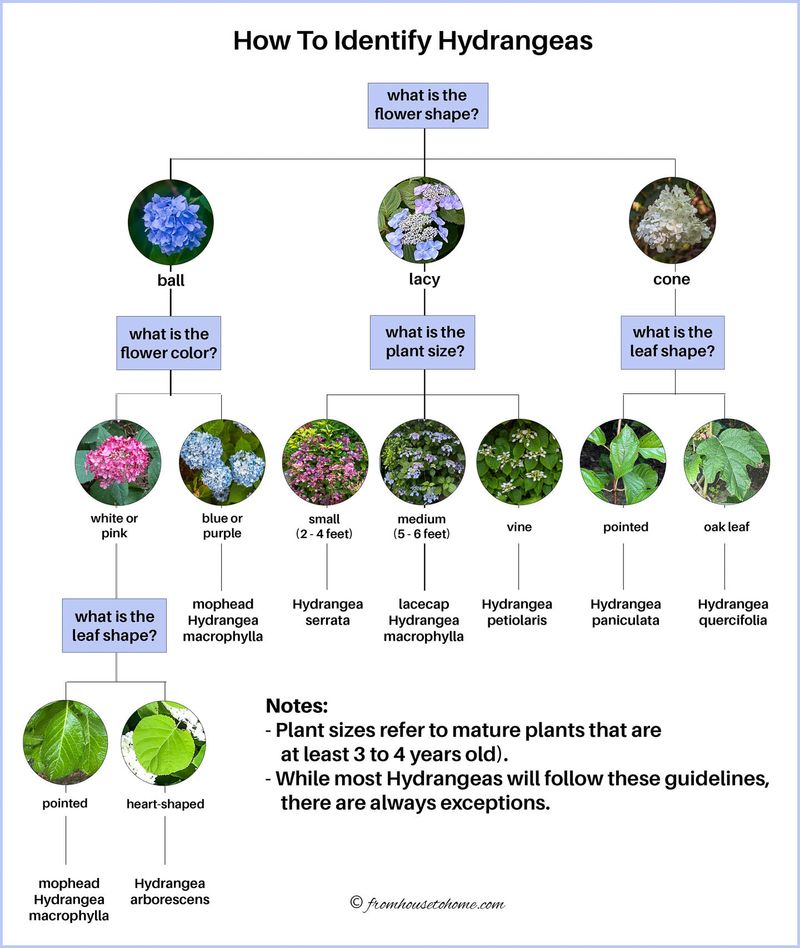
The word “hydrangea” covers several distinct species that follow completely different pruning calendars, and treating them all the same is the root of most pruning mistakes. Before any cut is made, identifying which type you have is non-negotiable. University of Maryland Extension’s pruning guide makes the distinction clear: bigleaf or mophead and lacecap hydrangeas (Hydrangea macrophylla), mountain hydrangeas (H. serrata), and oakleaf hydrangeas (H. quercifolia) generally bloom on old wood, meaning they carry next year’s buds on stems that are already present this season.
Smooth hydrangeas (H. arborescens, including the familiar ‘Annabelle’) and panicle hydrangeas (H. paniculata, such as ‘Limelight’) work the opposite way. They form flowers on the current season’s new growth, so major pruning in late winter or early spring does not cost them their blooms. Illinois Extension’s pruning breakdown reinforces that applying the wrong pruning schedule to an old-wood species is a reliable way to remove the season’s flowers entirely.
Reblooming cultivars such as ‘Endless Summer’ and ‘Incrediball Blush’ add a third category. These are typically bigleaf or smooth hybrids bred to flower on both old and new wood, giving them a longer blooming window. However, “reblooming” does not mean pruning is without consequences. Heavy pruning or cuts made during the active growing season can still delay or shorten their flowering period, so lighter hands still apply.
To figure out which type you have, check the original plant tag, look up the cultivar name online with a trusted extension source, or compare the flower shape and foliage against a reliable guide. Rounded mophead clusters and large lobed leaves point toward bigleaf; cone-shaped flowers with smaller leaves suggest panicle; deeply lobed, almost oak-shaped leaves are the oakleaf giveaway.
Choose restraint for this week’s pruning decision
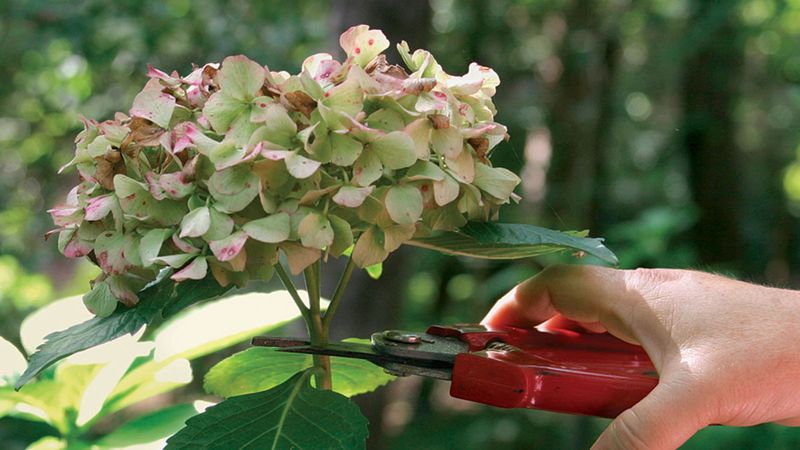
Right now, in mid-July, the safest move for most hydrangeas is a light touch. If you have a non-reblooming old-wood type such as a bigleaf, mountain, or oakleaf hydrangea that has already finished flowering, go ahead and make light maintenance cuts: remove any dead, damaged, or crossing stems, and trim spent flowerheads back conservatively to the first pair of healthy leaves. That is all the plant needs this month, and it is enough to keep things tidy without costing you next year’s blooms.
Resist the urge to hard-cut a flowerless old-wood shrub in the hope of triggering replacement blooms. Healthy-looking stems that appear bare right now may already be forming next year’s flower buds, a process that ramps up in late summer. Cutting those stems now removes the potential flowers for a second consecutive season. University of Maryland’s pruning guidance is direct on this point: the window for pruning old-wood bloomers is shortly after they finish flowering, not during dormancy or early spring.
For smooth and panicle hydrangeas, major pruning should wait until late winter or early spring, when the plant is still dormant but before new growth pushes. These types will form their flowers on whatever new growth emerges after the cut, so timing is more forgiving, but mid-summer is still not the moment for a dramatic renovation.
If wrong-time pruning already happened earlier this year and a non-reblooming old-wood plant is sitting there leafy and flowerless, the honest answer is that the current season’s flowers cannot be recovered. No bloom stimulant, no fertilizer, and no additional pruning will recreate buds that were removed months ago. The remedy is protecting what remains and letting the plant build a fresh set of buds for next year. Reblooming types are the exception: they may still produce flowers on new growth later in the season, even after a difficult spring.
Frost and winter injury can mimic a pruning mistake
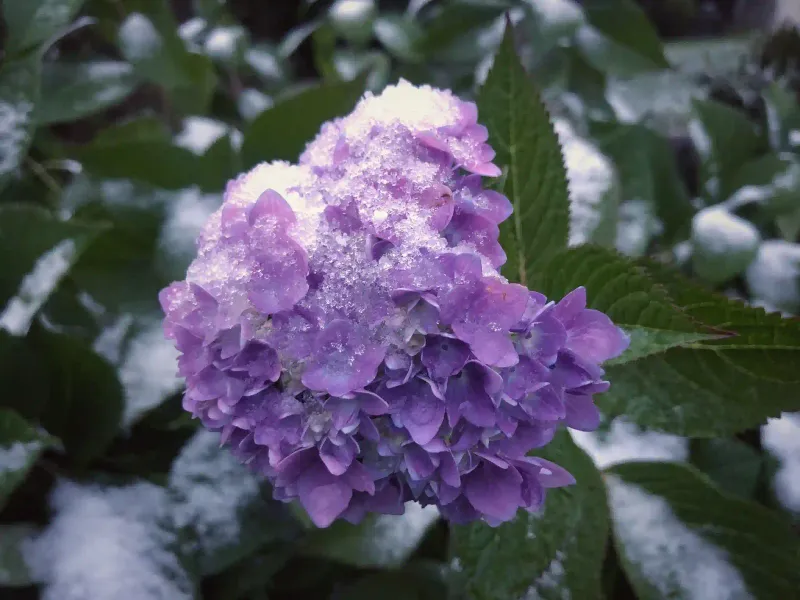
A plant that was never pruned incorrectly but still failed to flower this season deserves a closer look at last winter. Bigleaf hydrangeas are especially vulnerable to a specific kind of winter injury: the roots and lower crown survive cold temperatures just fine, new leaves emerge in spring, and the shrub looks healthy at a glance. But if the overwintering flower buds on the upper stems were killed by severe cold or a late frost after early growth began, there are simply no buds left to open. Penn State Extension’s guide on hydrangea bloom failure notes that this pattern of surviving foliage with absent flowers is a classic sign of winter bud damage rather than a pruning error.
The clues to look for are distinct from a pruning situation. Check whether the upper stems show browning, brittleness, or hollow pith, which signals dieback. Notice whether new growth is emerging mostly from the base of the plant rather than from the tips of last year’s stems. If a late freeze followed a warm spell that triggered early bud swell, the damage pattern often concentrates on the most exposed parts of the plant while the lower, sheltered growth survived.
Cutting back the dead portions of winter-injured stems is appropriate and helpful, but the important word is dead. Healthy-looking green stems should stay, even if they appear shorter than usual. Feeding the plant heavily or pruning aggressively after cold damage will not restore buds that the frost already destroyed. Patience and selective removal of genuinely dead wood give the plant its best shot at flowering again once it rebuilds a healthy set of stems through the coming season.
Check light, moisture, nitrogen, and deer damage
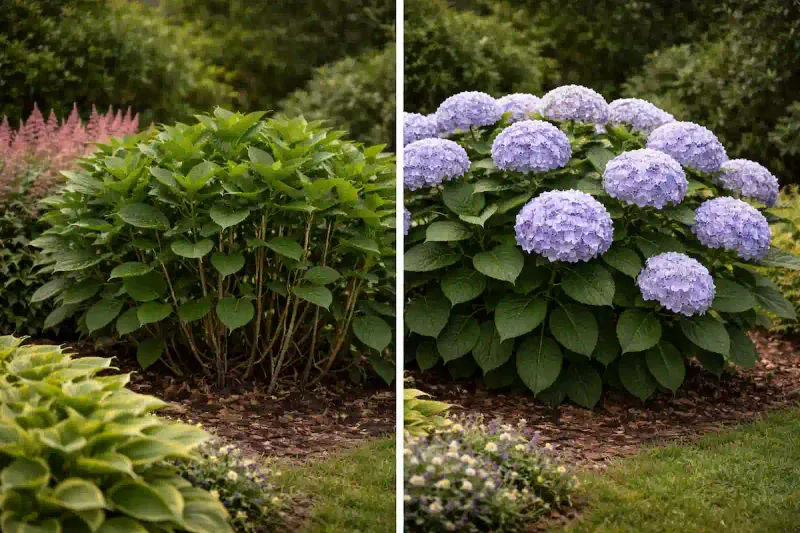
When the pruning history is clean and no hard frost explains the missing flowers, the next step is a focused environmental check. Start with light. Most hydrangeas prefer part sun to part shade, roughly four to six hours of morning light with afternoon protection. University of Connecticut’s hydrangea factsheet notes that requirements vary by species: panicle hydrangeas generally tolerate and often perform better with more sun than bigleaf types, while dense shade across any species can limit flowering noticeably.
If your plant sits under a canopy that has filled in over the years, reduced light may be the quiet culprit.
Moisture is the next variable, and the key here is accuracy rather than instinct. Hydrangeas prefer consistent moisture in well-drained soil, but they can also suffer from too much water just as readily as too little. Oregon State University Extension’s hydrangea care guide recommends checking the root-zone soil before watering: push a finger or a soil probe four to six inches down and water only when that zone feels dry. Afternoon wilting in bigleaf types is common on hot days even when the soil is adequately moist, so a wilted plant in July is not automatic evidence of drought stress.
Fertilizer deserves its own honest look. Excessive nitrogen, whether from a high-nitrogen lawn fertilizer that runs off into the bed or from an overly generous feeding schedule, pushes the plant toward leafy vegetative growth at the expense of flowers. If the plant is a deep, saturated green with large leaves but no blooms, nearby lawn fertilization is worth considering as a contributing factor.
Finally, walk around the plant and look at the stem tips. UGA Cooperative Extension’s deer-tolerant plants guide flags bigleaf and oakleaf hydrangeas as attractive to deer. Stems that end abruptly with a rough, angled break rather than a clean node, or young leaves and buds that are simply missing, point toward browsing rather than any cultural problem.
A florist hydrangea may lack outdoor hardiness
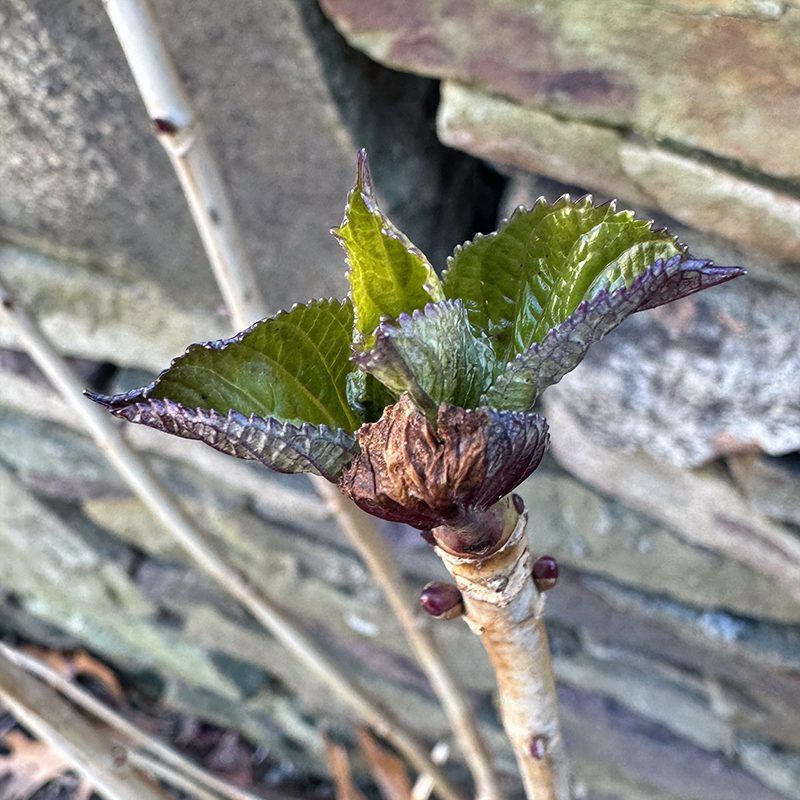
Readers who started with a blooming hydrangea from a florist shop, grocery store, or as a gift plant face a situation that is easy to overlook. Those plants are typically forced into bloom under controlled greenhouse conditions using specific temperature and light treatments that coax early, showy flowers. The cultivar used for greenhouse forcing may not be reliably winter-hardy across much of the United States, particularly in colder zones.
When a greenhouse-forced bigleaf hydrangea gets planted outdoors, the roots often survive the winter well enough to push out leaves the following spring. But the stems and overwintering flower buds, which were never selected for cold hardiness in the first place, may fail repeatedly in cold winters or even in a brief late frost. Penn State Extension points out that a gift hydrangea’s flower bud hardiness is often the limiting factor outdoors, not the plant’s overall survival.
The fix is not a fertilizer or a pruning schedule change. If the cultivar is not suited to your region, the plant will continue this pattern of leafy growth without flowers until it is replaced with a cold-hardy cultivar selected for your USDA hardiness zone. Before giving up on the plant, try to track down the cultivar name from the original tag or receipt, then cross-reference it with your zone’s hardiness recommendations through a state extension service. A definitive hardiness diagnosis requires knowing the specific cultivar and your local conditions, so avoid drawing hard conclusions from appearance alone.
Do not use pH or fertilizer as a substitute for diagnosis
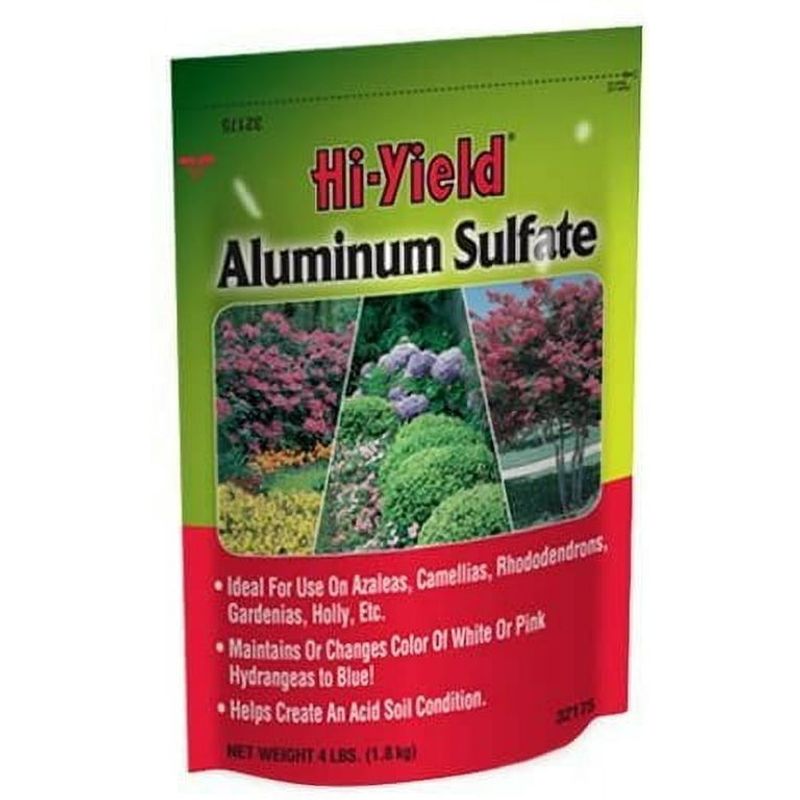
When a hydrangea stops blooming, the temptation to reach for a bag of aluminum sulfate or a bloom-booster fertilizer is understandable. Both products are heavily marketed to hydrangea growers, and the impulse to do something active feels productive. The problem is that neither one addresses the actual causes of missing flowers in most situations.
Soil pH does affect hydrangeas, but primarily in one specific way: it shifts flower color in susceptible bigleaf and mountain cultivars, pushing blooms toward blue in acidic soil and toward pink in more alkaline soil. University of Maryland Extension is clear that pH is a color-change factor, not a flowering trigger. It will not restore buds removed by pruning, reverse frost damage, compensate for dense shade, or replace deer-browsed shoot tips. White-flowered types do not change color with pH at all, making aluminum sulfate entirely irrelevant for those plants.
Excessive aluminum sulfate can also burn roots, so routine application without a soil test and a specific color-change goal is a genuine risk, not just a wasted effort.
Coffee grounds get recommended frequently in gardening circles as a way to acidify soil around hydrangeas. University of Minnesota Extension’s review of common soil amendments finds that coffee grounds do not reliably lower soil pH, so leaning on them as a treatment is not supported by the available evidence.
Fertilizer carries its own risk. Unnecessary nitrogen pushes the plant toward leafy vegetative growth, which is the opposite of what a flowerless hydrangea needs. No amendment can recreate buds that were already removed by pruning or killed by frost. If you want to fertilize, do it only when plant condition or a soil test suggests a genuine deficiency, and follow the product label carefully.
Protect the buds that remain
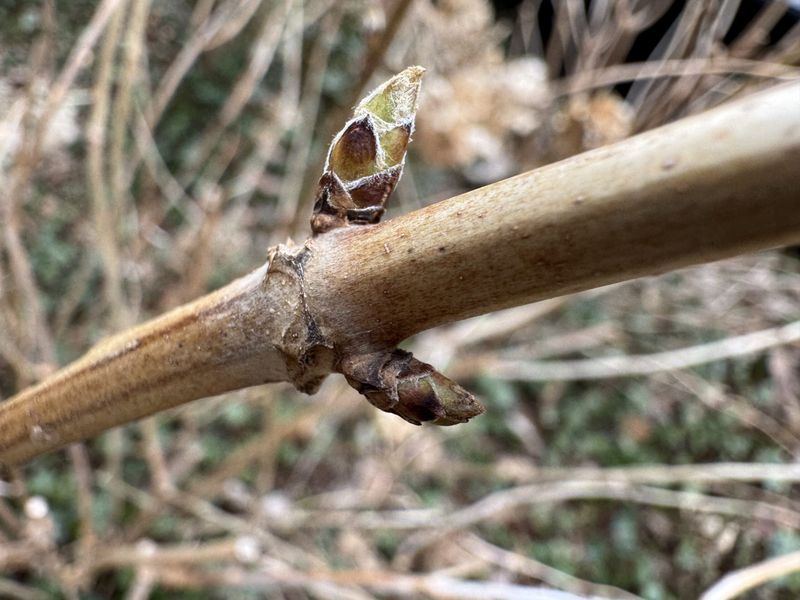
The most useful thing you can do for a hydrangea right now is stop and identify it before making any cuts. If the plant is a non-reblooming old-wood type and its pruning history matches the pattern described earlier, treat that as the leading suspect and give it a full season to rebuild. University of Maryland Extension and their companion problem-management guide both emphasize that restraint in pruning is the single most protective habit for old-wood bloomers.
When the pruning history does not fit, work through the other possibilities in order: frost and winter bud kill, reduced light from a filling canopy, moisture imbalance, excessive nitrogen from nearby lawn care, deer browsing, and cultivar hardiness. Each one leaves a different set of clues, and matching the clue to the cause is more useful than applying a generic treatment.
Rebloomers may still reward you with flowers on new growth later this season, provided the plant is otherwise healthy and has not been cut hard recently. Hard pruning and improvised fertilizer cannot restore the current season’s lost buds on any type. The buds that are still on the plant right now are worth protecting, and the best way to protect them is to leave them alone.