
16 Plants You Should Never Grow Next To Your Cucumbers (Some Cause More Trouble Than You’d Think)
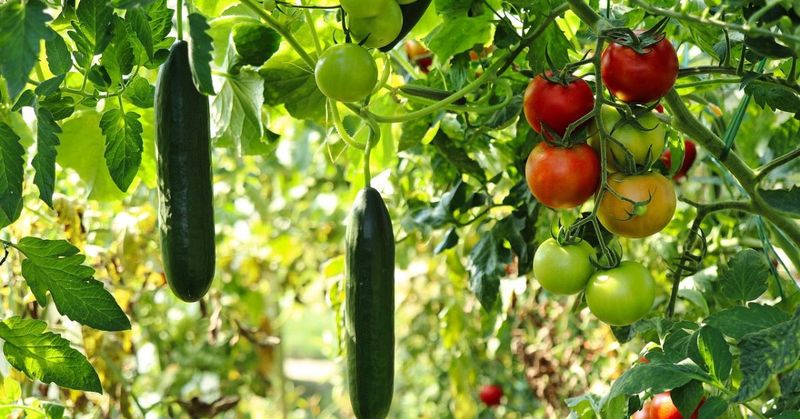
Cucumbers are one of the easiest crops to grow in a backyard garden, but they can turn fussy fast when the wrong neighbors move in. Some plants steal their water and nutrients, others invite pests and diseases straight to the vine, and a few even change how your cucumbers taste. Knowing which plants to keep far away can save you a season of small, bitter, or stunted fruit. Here are 16 plants that belong on the other side of your garden, and the real reasons each one causes trouble.
1. Potatoes
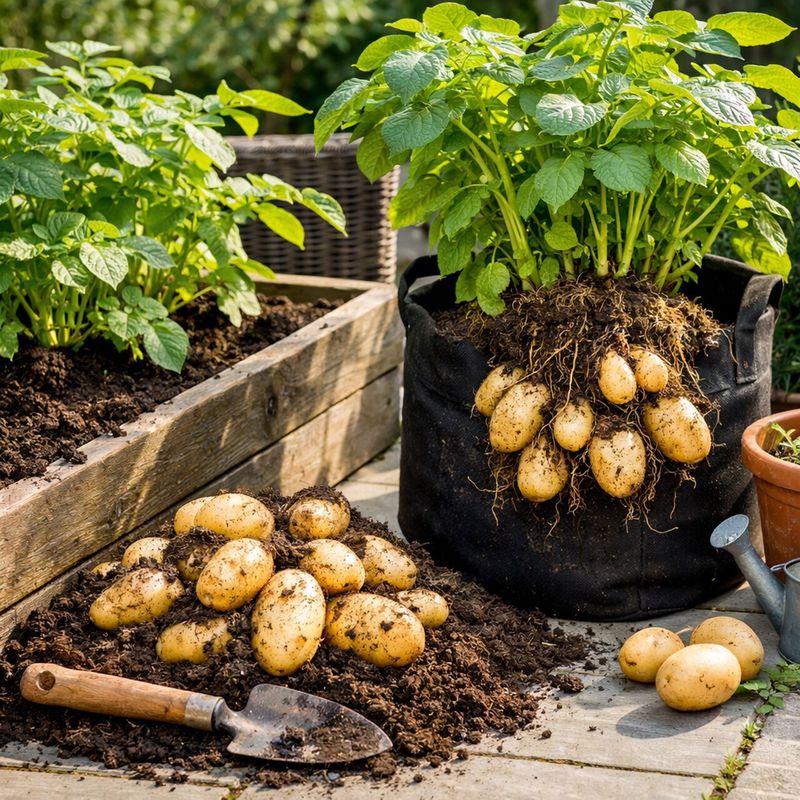
Right at the top of the trouble list sit potatoes, and they earn the spot for a sneaky underground reason. Both crops are heavy feeders, so planting them side by side turns your soil into a battleground where each fights for the same nutrients and water.
Potatoes also spread out a wide, greedy root system that competes directly with cucumber roots for space. On top of that, both plants attract similar fungal problems, and disturbing the soil to dig up potatoes can wound nearby cucumber roots.
If you want strong yields from both, give them separate beds several feet apart. Your cucumbers will reward you with steadier growth and fewer stress-related setbacks through the summer.
2. Aromatic Herbs Like Sage
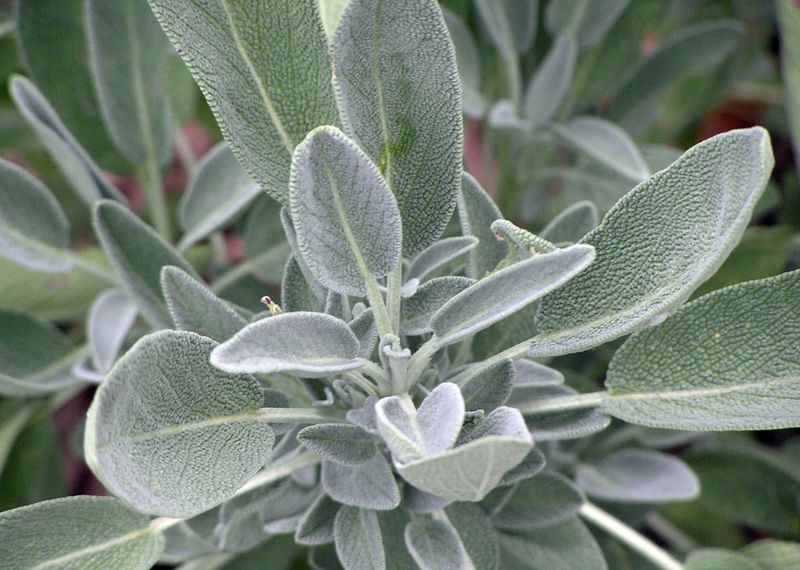
Sage smells wonderful in the kitchen, but cucumbers are not fans of sharing a bed with it. The strong aromatic oils this herb releases can actually slow cucumber growth and, according to many longtime gardeners, muddy the crisp flavor of the fruit.
Sage prefers dry, lean soil, while cucumbers crave steady moisture and rich feeding. That mismatch alone makes them awkward roommates before you even consider the scent factor.
Keep sage in its own pot or a herb corner well away from your cucumber trellis. You still get all the seasoning you want without gambling on off-tasting cukes.
3. Melons
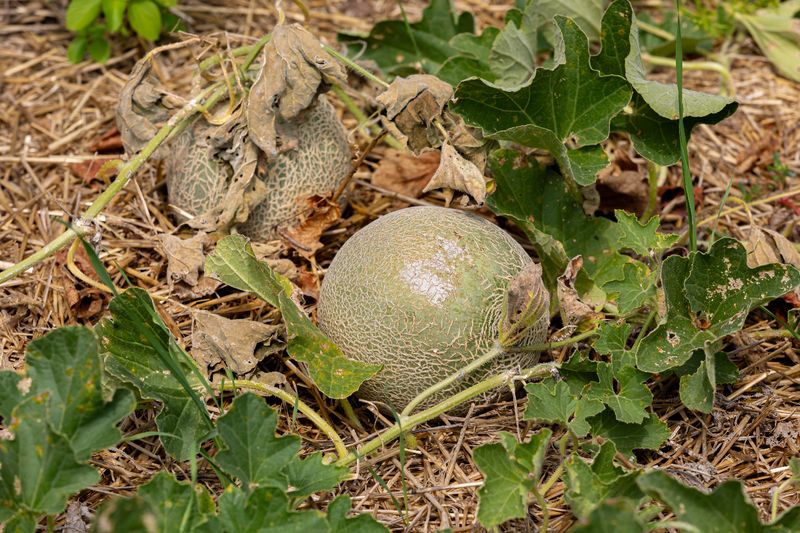
You would think two members of the same family would get along, but melons and cucumbers are more like squabbling siblings. Both belong to the cucurbit clan, which means they attract the exact same lineup of pests and diseases.
Cucumber beetles, squash bugs, and powdery mildew all treat a mixed cucurbit patch like an all-you-can-eat buffet. Plant melons next to cucumbers and a problem on one quickly becomes a problem on both.
Their sprawling vines also tangle and shade each other, cutting down airflow that helps leaves stay dry and healthy. Space them apart so any outbreak stays contained instead of racing through your whole harvest.
4. Fennel
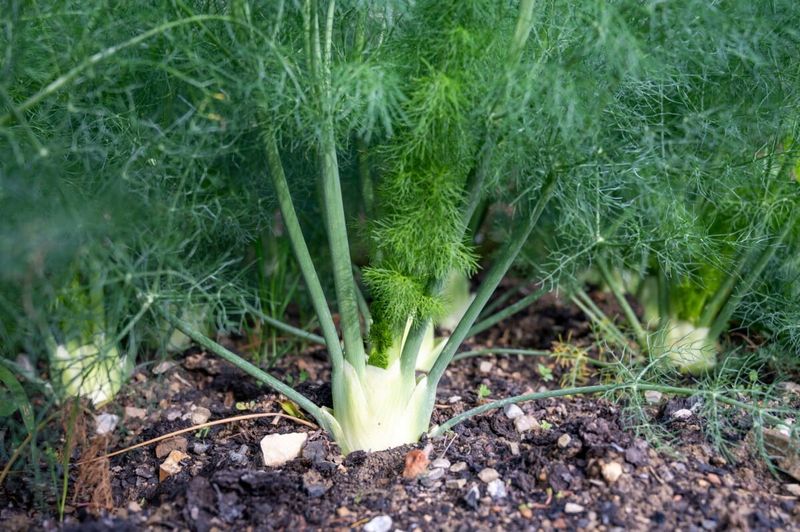
Fennel has a reputation as the loner of the vegetable garden, and that reputation is well deserved. Its roots release chemical compounds that suppress the growth of nearly everything planted nearby, cucumbers very much included.
Gardeners call this behavior allelopathy, a fancy word for a plant that chemically bullies its neighbors. Cucumbers exposed to fennel often grow smaller and slower than they should.
Fun fact: fennel is so antisocial that experienced growers usually give it a container or a bed entirely of its own. Your cucumbers, and honestly most of your garden, will thank you for keeping this one isolated.
5. Rosemary
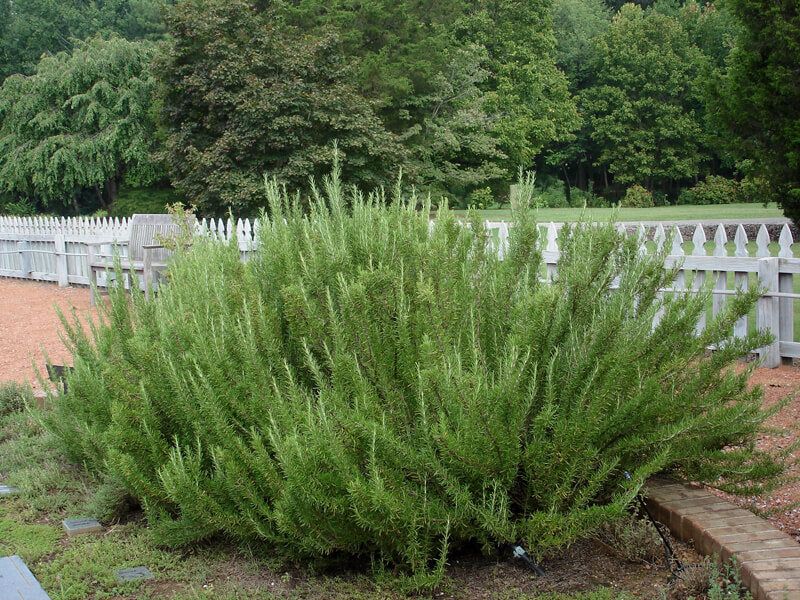
Picture the driest, sunniest corner of a Mediterranean hillside, and you have pictured rosemary’s happy place. That is exactly why it clashes with cucumbers, which want consistently damp, well-watered soil.
Water one properly and you drown or starve the other. Rosemary planted in cucumber-friendly conditions tends to rot at the roots, while cucumbers grown in rosemary-friendly dryness end up stressed and bitter.
The two simply cannot agree on a watering schedule. Grow rosemary in a container where you control the drainage, and let your cucumbers soak up all the moisture they crave elsewhere.
6. Squash
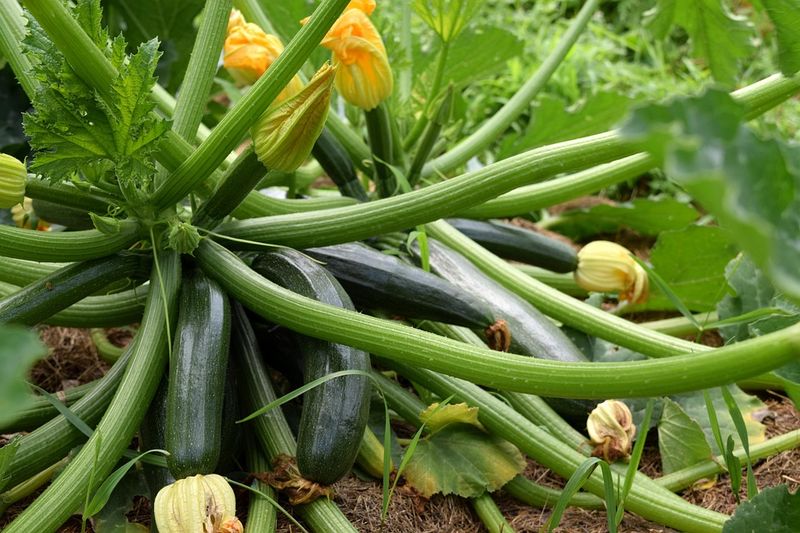
Squash brings the same family baggage as melons, only with even bigger leaves and hungrier appetites. As a fellow cucurbit, it shares cucumbers’ worst enemies, from squash bugs to cucumber beetles to vine-wilting bacteria.
Those enormous squash leaves also throw heavy shade, and a shaded cucumber vine loses the sunlight it needs to pump out fruit. Add in the competition for root space and you have a recipe for two underperforming crops.
There is also the risk of cross-pollination affecting seeds you might save. Keep squash in its own zone and both plants can spread out without stepping on each other.
7. Pumpkins
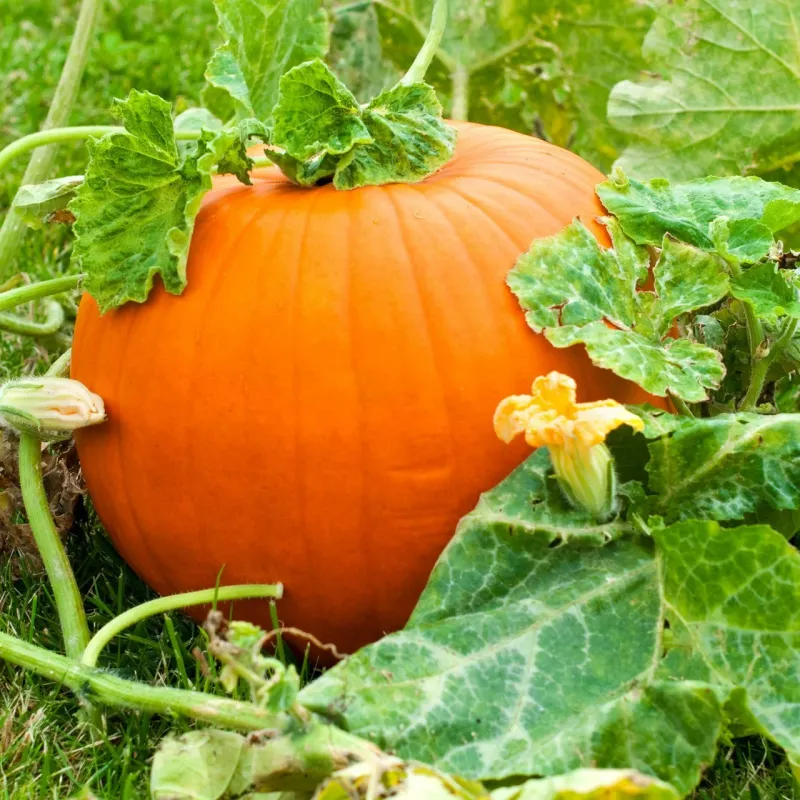
Few plants dominate a garden bed quite like a pumpkin on a mission. Its vines can stretch fifteen feet or more, swallowing everything in their path, and a cucumber planted nearby gets buried under that leafy tide.
Being another cucurbit, pumpkin also shares the full roster of cucumber pests and diseases, so an infestation spreads easily between them. The dense canopy traps humidity too, which is a fast track to powdery mildew.
Pumpkins simply demand more room than most backyard beds can spare next to a cucumber trellis. Give this space hog its own sprawling corner far from your cukes.
8. Basil
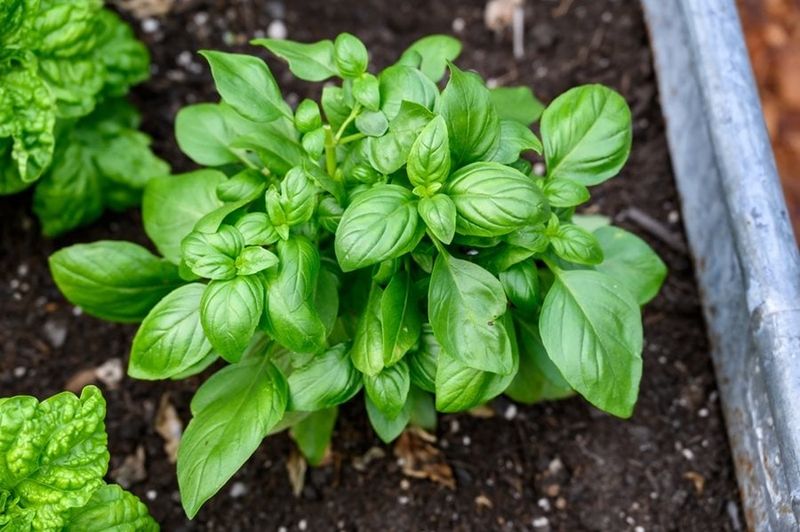
This one surprises a lot of gardeners, because basil is such a beloved companion for tomatoes. With cucumbers, though, the pairing gets shaky, since basil’s fragrant oils are believed by many growers to affect the delicate flavor of the fruit.
Beyond taste, the two have different care styles that do not always line up neatly. Basil likes warmth and moderate watering, while cucumbers guzzle water in a way that can leave basil sitting in soggy soil.
You do not have to banish basil from the garden entirely. Just tuck it near your tomatoes where it truly shines and keep it a comfortable distance from the cucumber patch.
9. Cauliflower
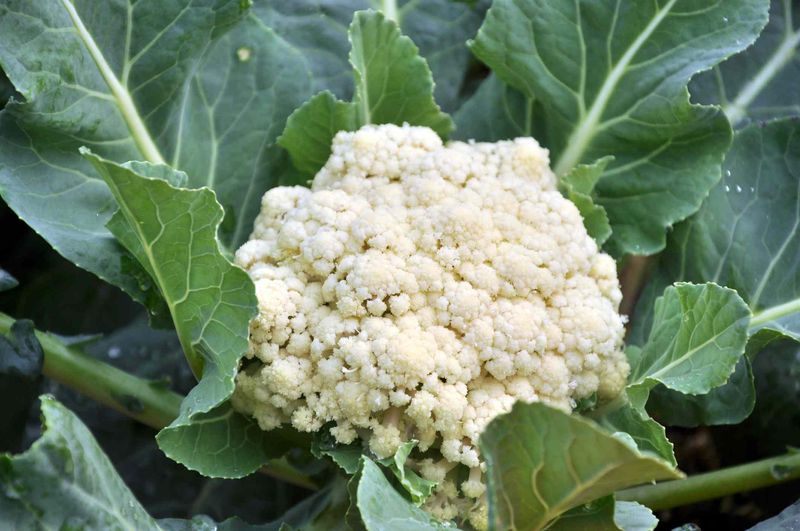
Cauliflower may look mild-mannered, but underground it plays rough. As a member of the brassica family, it is a demanding feeder that pulls large amounts of nitrogen and other nutrients out of the soil.
Cucumbers need those same nutrients to fuel their fast, vining growth, so the two end up in a tug-of-war neither wins. The result is often smaller heads and disappointing cucumber yields.
Cauliflower also prefers cooler conditions than heat-loving cucumbers, making them poorly matched from the start. Rotate them into different beds and each gets the feeding it needs.
10. Broccoli
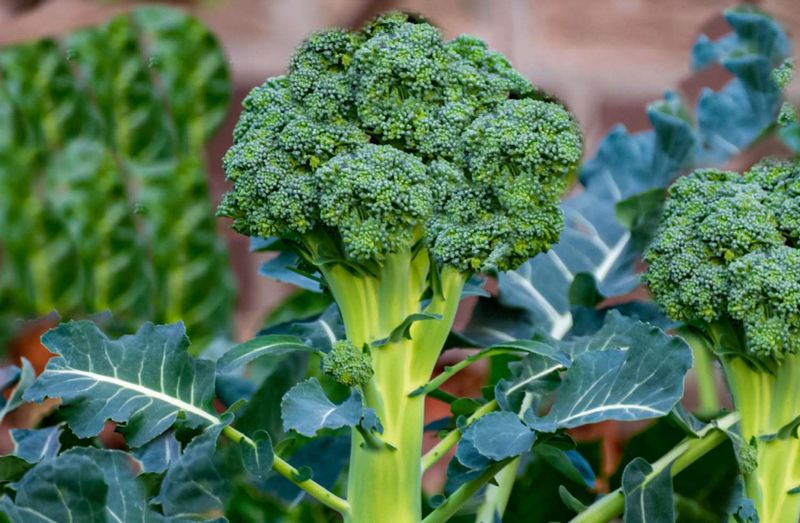
Broccoli carries the same brassica appetite as its cauliflower cousin, and cucumbers feel the pinch. Both crops want rich, nutrient-heavy soil, so growing them together turns feeding time into a competition that stunts one or both.
Broccoli thrives in cooler temperatures, while cucumbers want summer heat, meaning their ideal seasons barely overlap. Trying to grow them side by side usually leaves one plant sulking in the wrong weather.
Their differing needs make separation the smart move. Plant broccoli in the cool shoulder seasons and save the warm heart of summer for your cucumbers.
11. Cabbage
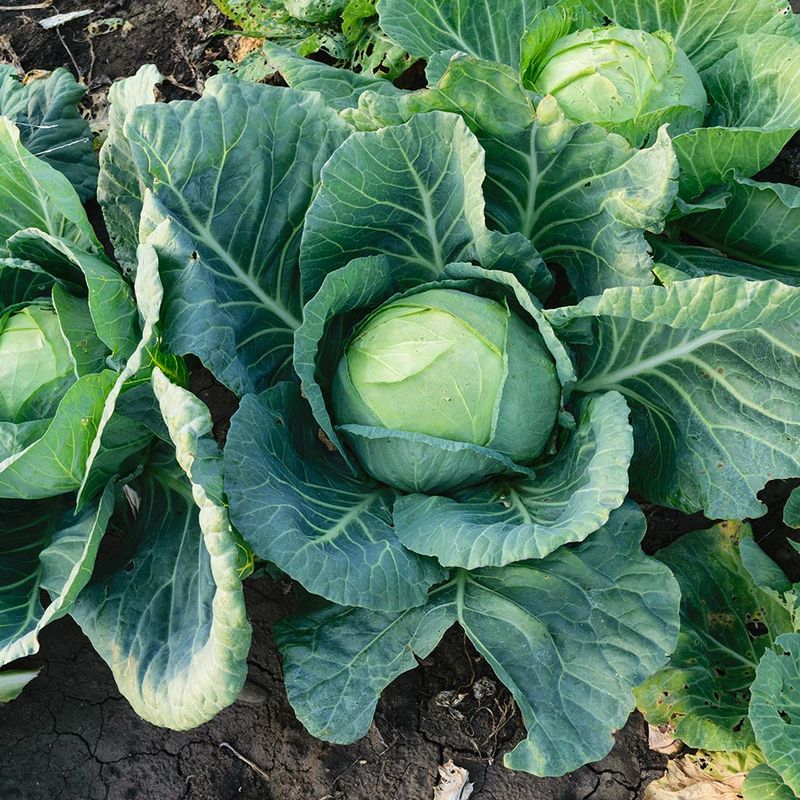
Cabbage rounds out the brassica troublemakers, and it competes with cucumbers on nearly every front. Building those tight, heavy heads takes a huge amount of nutrients, draining the soil your cucumbers are counting on.
Both crops also lure in overlapping pests, so a garden that mixes them can double the trouble at snack time for bugs. Cabbage worms and cucumber beetles turn a shared bed into a busy feeding ground.
Cabbage leans cool-season while cucumbers lean hot, another reason they rarely thrive together. Keep them in separate beds and both can bulk up without robbing each other.
12. Mint
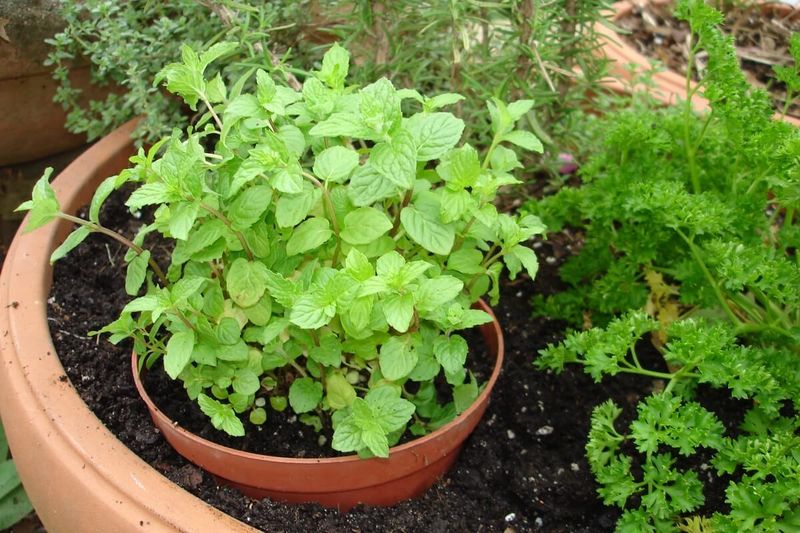
Anyone who has ever planted mint knows the golden rule: it never stays where you put it. This aggressive spreader sends out underground runners that race through the soil and choke out the roots of gentler neighbors like cucumbers.
Left unchecked, mint can take over an entire bed in a single season, elbowing your cucumbers out of the water and nutrients they need. Its dense growth also crowds the base of cucumber vines and traps moisture where you least want it.
The safest approach is to jail your mint in a container, buried pot and all. That way you enjoy the fresh leaves without letting it stage a hostile takeover near your cukes.
13. Tomatoes

Tomatoes and cucumbers show up together on the dinner plate so often that gardeners assume they belong together in the ground. In practice, the pairing can backfire, since both are heavy feeders that draw down the same nutrients and water.
The bigger worry is disease. Both crops are vulnerable to similar fungal issues, and problems like blight or mildew can jump between them when they grow shoulder to shoulder.
Tall tomato plants can also shade a cucumber vine that wants full sun. If your space is tight, a little distance and good airflow between them keeps both healthier all season.
14. Marigolds (In Excess)

Now here is a twist, because marigolds are usually the heroes of companion planting. A few scattered around the garden can help deter certain pests, but planting them thickly right against your cucumbers flips the benefit into a burden.
Crowded marigolds compete for water and root space, and dense plantings can actually attract spider mites that then move on to your cucumber leaves. Too much of a good thing turns protective into problematic.
Moderation is the whole secret here. Dot a handful of marigolds nearby for their pest-confusing scent, but skip the solid border that crowds your cucumber roots.
15. Corn
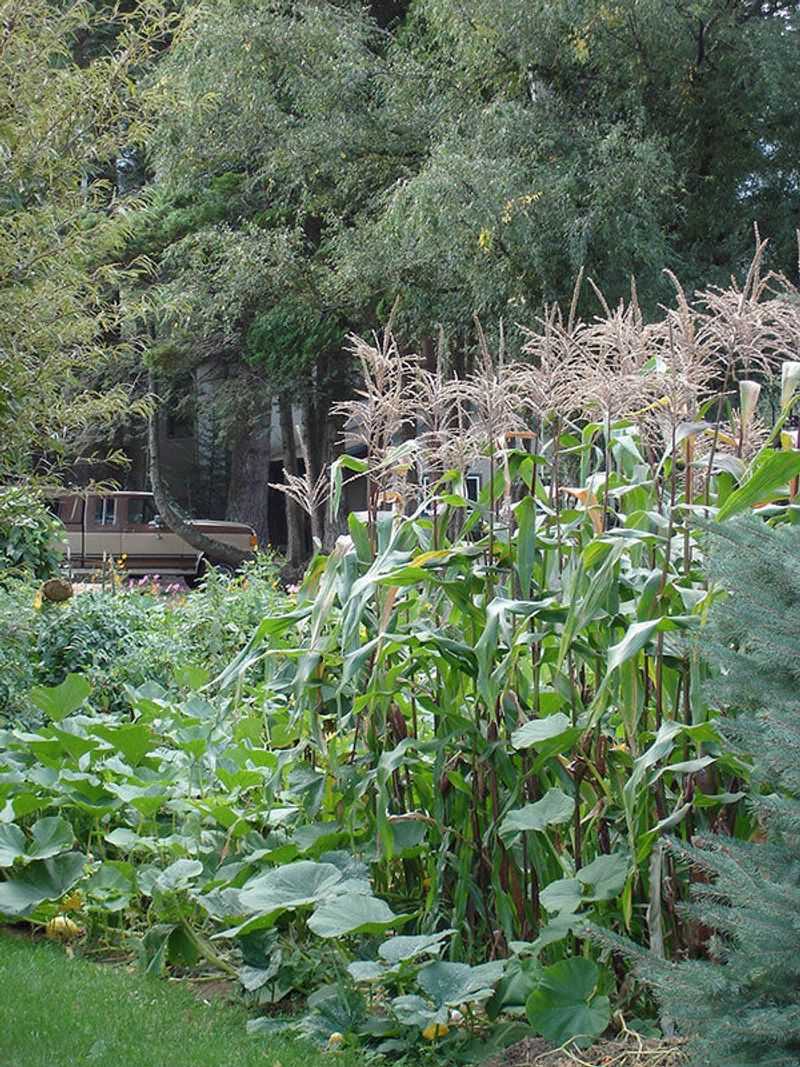
Corn seems like a friendly giant, and some gardeners even train cucumbers up cornstalks. The catch is that corn is one of the hungriest nitrogen feeders in the garden, pulling resources away from cucumbers rooted nearby.
Both plants also share an unwelcome guest: certain species of cucumber beetle happily feed on corn too, so growing them together can build up a larger pest population. A bigger beetle party means more damage all around.
Tall corn casts long shadows as well, and cucumbers left in that shade produce less fruit. Unless you have plenty of space and rich soil, keep these two apart.
16. Watermelon
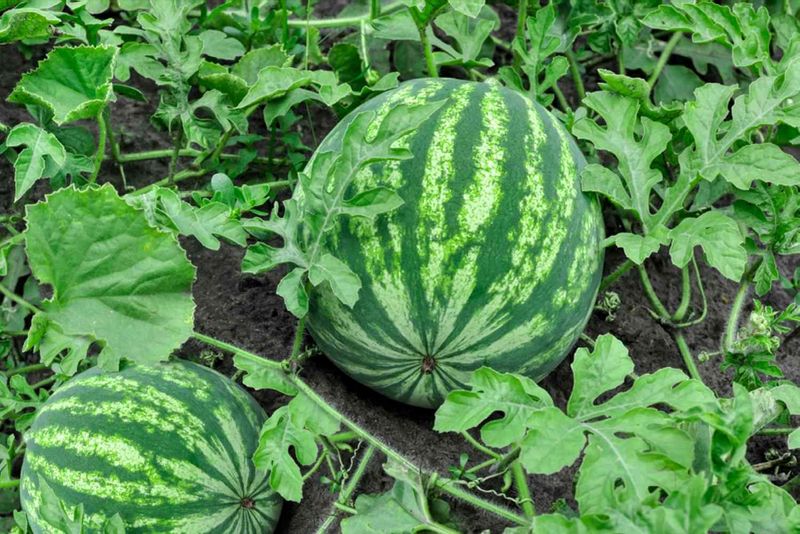
Saving one of the sneakiest for last, watermelon looks like a fun summer neighbor but hides real trouble. As yet another cucurbit relative, it shares cucumbers’ full menu of pests and diseases, from cucumber beetles to powdery mildew.
Watermelon vines also sprawl aggressively and drink up enormous amounts of water, leaving cucumbers to fight for their share during the hottest stretch of the season. Two thirsty vines in one bed rarely both come out winners.
The tangled vines cut airflow and raise humidity around the leaves, which invites fungal disease. Give watermelon its own sunny sprawl and let your cucumbers grow in peace.