
16 Simple Hacks That Get Your Petunias Blooming Like Crazy Before Summer’s Over
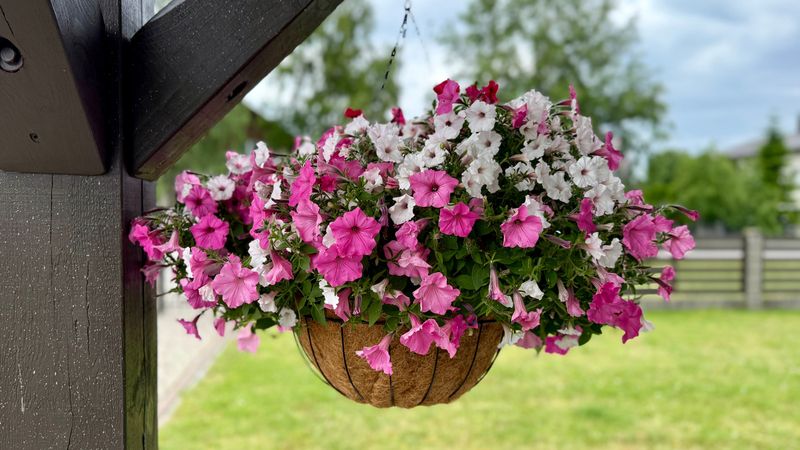
Petunias have a reputation for being the flower that just keeps giving, but sometimes they slow down right when you want them looking their best. The good news is that a few smart moves can wake them back up and push out waves of new blooms before the season ends. None of these tricks require fancy tools or expert knowledge, just a little know-how and some regular attention. Grab your watering can and let’s turn your leggy, tired petunias into a color explosion.
1. Pinch Back the Leggy Stems
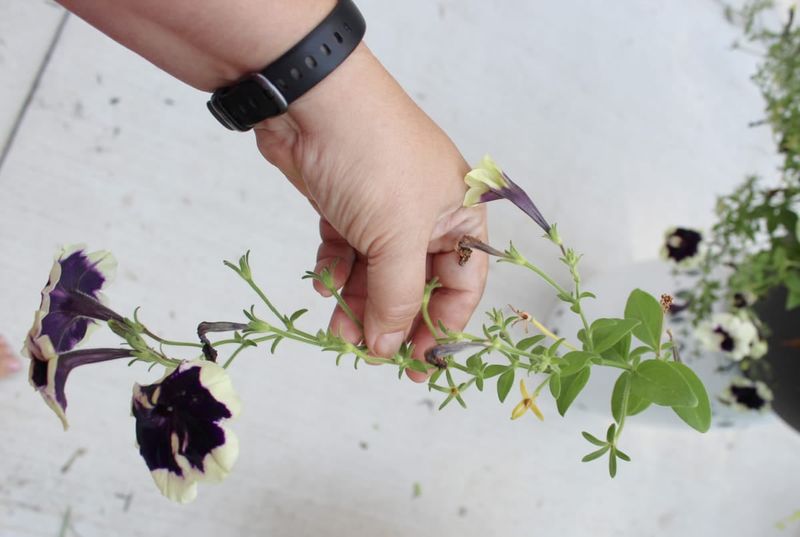
Ever notice how petunias start looking like a spider by mid-summer, all long stems with a few sad blooms hanging off the ends? That stretchy growth is your plant crying out for a haircut.
Pinching means using your fingers to snap off the top inch or two of each stem, right above a leaf node. It tells the plant to stop reaching and start branching, which means more stems and way more flowers.
Do it in the morning when the plant is perky, and don’t be shy. A petunia bounces back fast, usually filling out within a week or two. Your plant will look bushier and put its energy into blooms instead of long, empty vines.
2. Deadhead Spent Blooms Down to the Base
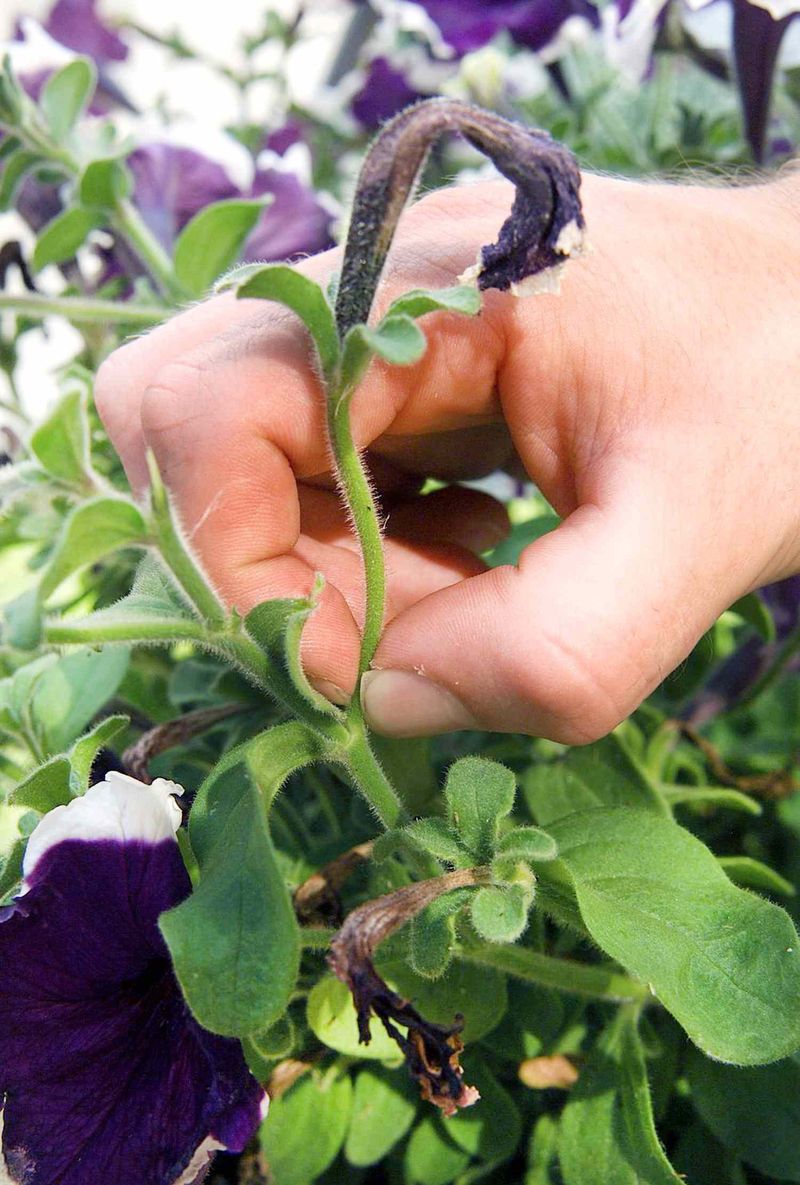
A faded petunia flower is doing more harm than you’d think. Once a bloom wilts, the plant shifts its focus toward making seeds, and seed-making steals energy that could go toward fresh flowers.
The trick is to remove the whole spent flower, including the little green seed pod behind it, not just the crispy petals. Pinch or snip right where the flower stem meets the main stem.
Petunias with sticky, trumpet-shaped blooms are famous for needing this attention, so make it a habit every few days. Once you stop the seed factory, your plant redirects all that energy into pumping out new buds, and the difference over a couple of weeks is honestly dramatic.
3. Feed Them Like They’re Hungry Teenagers
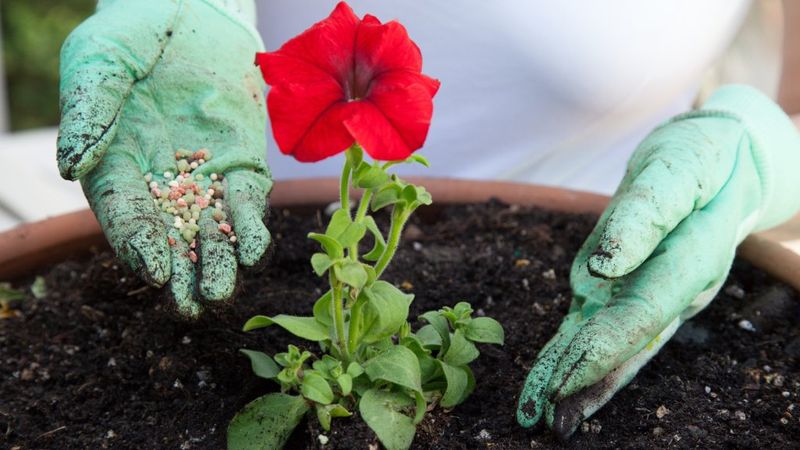
Petunias are what gardeners call heavy feeders, meaning they burn through nutrients at a shocking rate when they’re blooming hard. Skimp on food and you’ll get pale leaves and stingy flowers.
A balanced, water-soluble fertilizer every seven to ten days keeps the buffet open. Look for something with a bit more phosphorus, the middle number on the package, since that supports flower production.
Container petunias especially run out of nutrients fast because every watering rinses food out the drainage holes. Feeding regularly is the single change that turns a struggling basket into a cascade of color, and you’ll usually see the response within a week.
4. Give Them the Full-Sun Real Estate
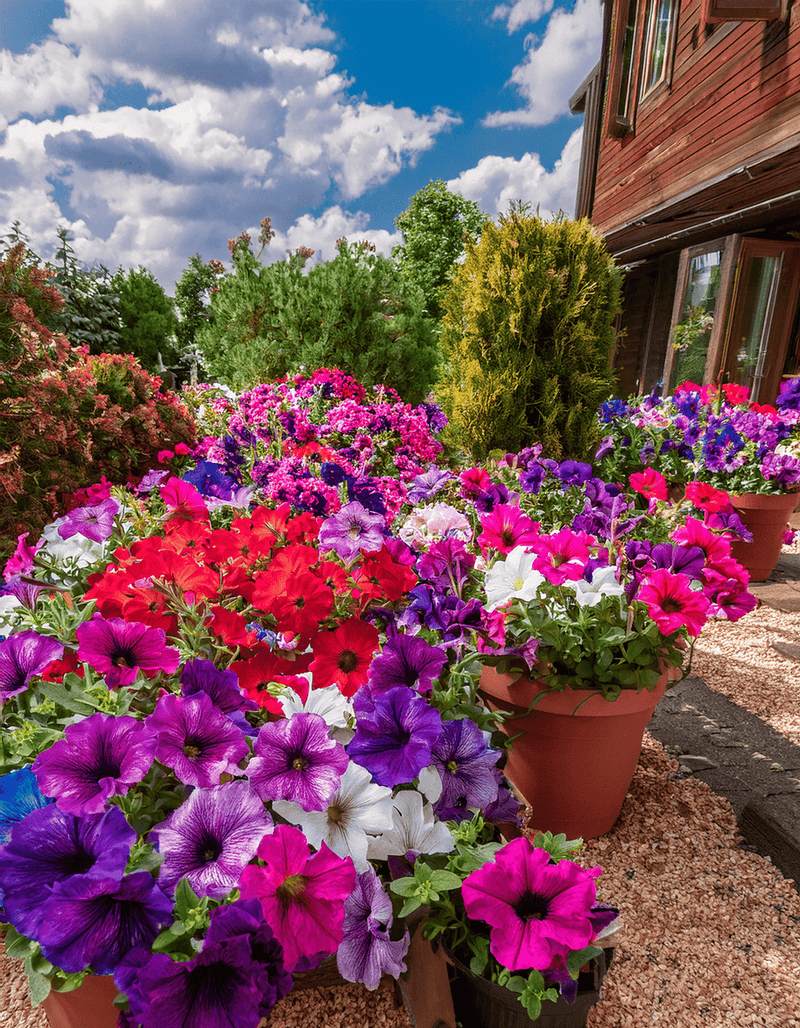
Six hours of direct sunlight is the magic minimum for petunias, and honestly they’d take eight if you offered it. Tucked in a shady corner, they stretch toward the light and produce far fewer flowers.
If your plant lives in a pot, the fix is easy: move it to the sunniest spot you’ve got, whether that’s a south-facing porch or the middle of the yard. In-ground plants may need you to trim back a shading shrub.
Watch how the sun tracks across your space over a day, since a spot that looks bright at breakfast might be shaded by noon. More light equals more fuel for blooms, plain and simple.
5. Water Deep, Not Just Often
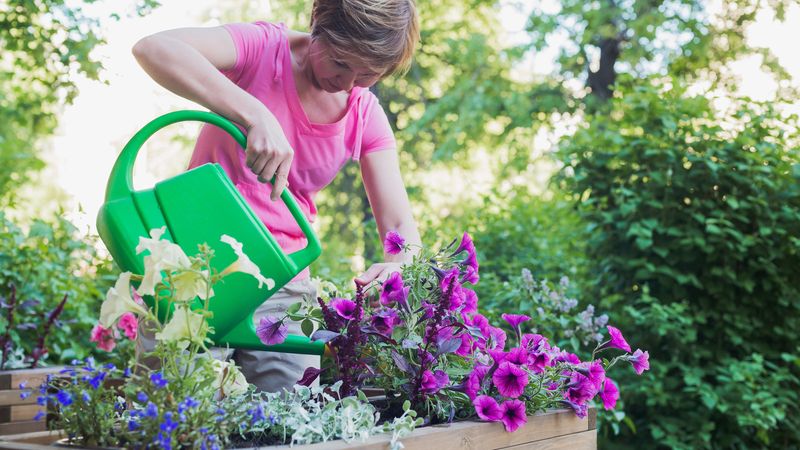
A quick daily splash might feel caring, but it trains roots to stay shallow and lazy near the surface. Petunias reward you far more when you water thoroughly and let the top inch of soil dry between drinks.
Aim the water at the soil, not the leaves, and keep going until it runs out the bottom of the container. Deep roots mean a plant that handles heat and keeps blooming even on tough days.
Morning is the best time, giving foliage a chance to dry before evening. Consistent deep watering prevents the stress that makes petunias drop buds instead of opening them.
6. Read the Yellow Leaves as a Warning Sign
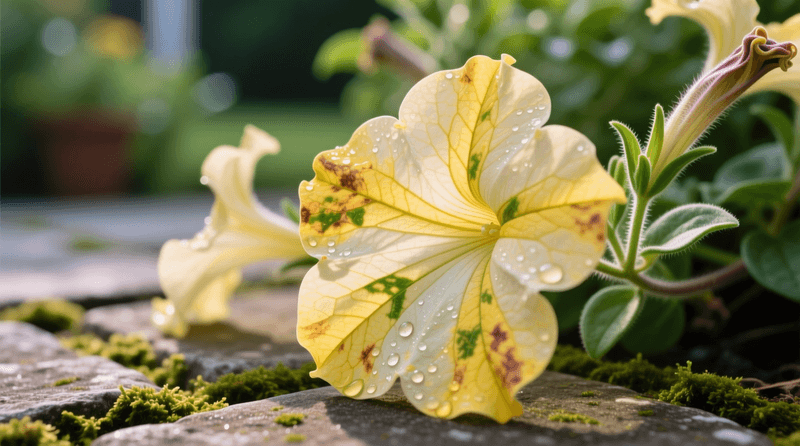
Yellowing leaves on a petunia aren’t just an eyesore, they’re a message the plant is trying to send you. Learning to read them can save your blooming season before it stalls out.
When lower leaves turn yellow while the plant keeps growing, it usually points to a nitrogen shortage that a good feeding will fix. Yellow with green veins standing out often means the soil is short on iron, common in alkaline or overwatered containers.
Overall pale, washed-out yellow across the whole plant frequently signals soggy roots from too much water. Catching these clues early lets you correct the problem while there’s still plenty of summer left for a comeback, rather than watching the plant limp toward fall.
7. Chop the Whole Plant Back by a Third
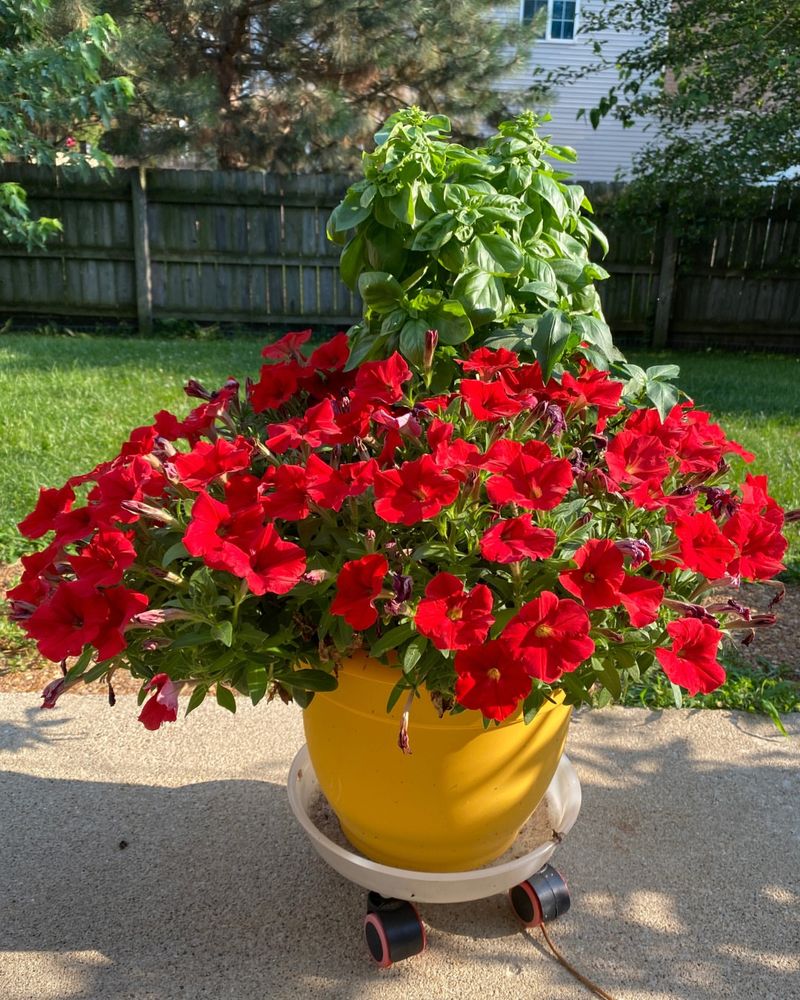
Sometimes pinching individual stems isn’t enough, and your petunia needs a bold reset. Midway through summer, cutting the entire plant back by about a third looks alarming but works wonders.
Grab clean scissors and give the whole thing a rounded trim, removing straggly growth all over. Yes, you’ll lose some flowers for a week or two, and yes, the plant will look bare and sad.
Then something great happens: fresh, vigorous growth erupts from all over, followed by a flush of blooms thicker than before. This deep cutback is the professional secret behind those overflowing baskets you see at garden centers, and late July is the perfect time to try it.
8. Refresh Tired Potting Soil
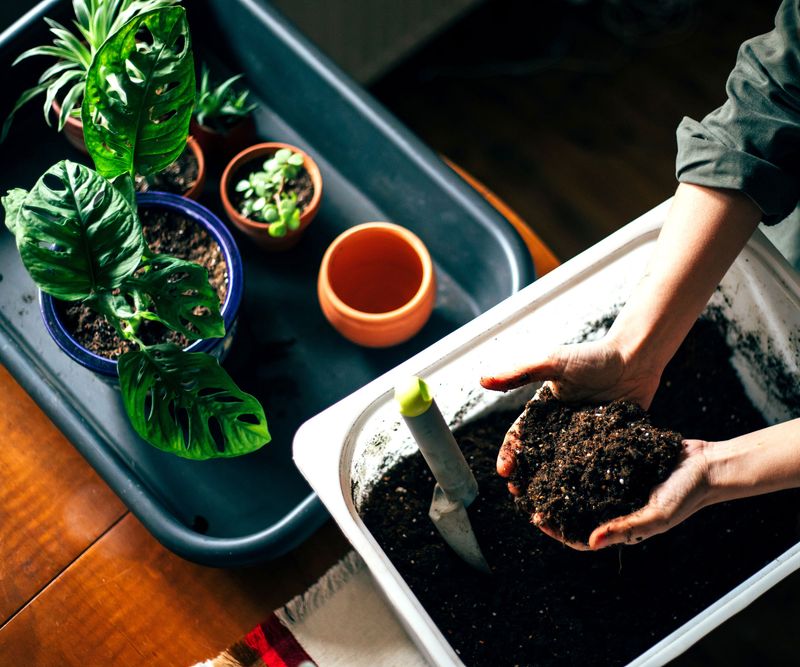
Container soil has a shelf life, and by mid-season it can turn compacted, salty from fertilizer buildup, and drained of the good stuff. Your petunia’s roots feel every bit of that decline.
You don’t need to repot completely. Gently scratch out the top inch or two of old soil and replace it with fresh, quality potting mix blended with a bit of compost.
The new material improves drainage and hands the roots a fresh supply of nutrients to work with. It’s a small effort that perks up a fading plant surprisingly fast, especially in older baskets that have been growing since spring.
9. Keep the Soil Slightly Acidic
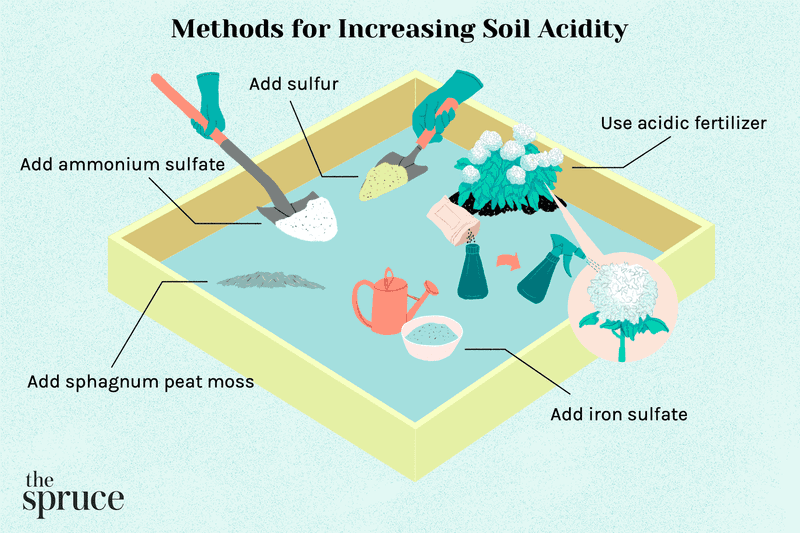
Here’s a detail most casual gardeners never check: petunias prefer soil on the slightly acidic side, around a pH of 5.5 to 6.5. Push too far into alkaline territory and the plant can’t absorb iron properly, even when it’s there in the soil.
The telltale sign is those yellow leaves with green veins mentioned earlier, often worse in hard-water regions across the country. A soil test kit from any garden store takes the guesswork out.
To nudge the pH down, work in a little peat moss or use a fertilizer made for acid-loving plants. Getting this balance right unlocks nutrients your petunia has been unable to reach, and the color returns to both leaves and blooms.
10. Plant Herbs Nearby to Repel Pests by Smell
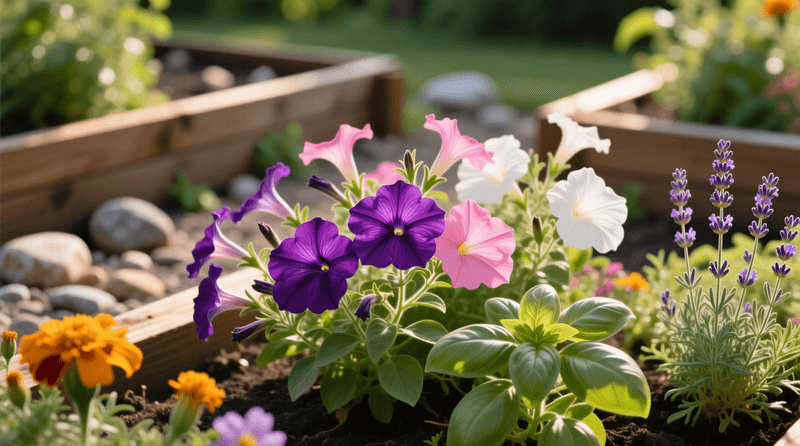
Aphids and budworms can quietly wreck a petunia’s flowering just as it hits its stride, but you can enlist some fragrant helpers. Strongly scented herbs may help confuse and deter the pests that love to feast on tender buds.
Basil, mint, and cilantro give off aromas that many soft-bodied insects find offensive, and tucking a few pots among your petunias creates a scented barrier. Chives and their oniony punch can also discourage aphids from settling in.
You get double duty from this trick, since the herbs are useful in the kitchen too. It’s a gentle, chemical-free layer of protection that keeps more buds intact so they can actually open into flowers.
11. Hunt Down the Sneaky Budworm
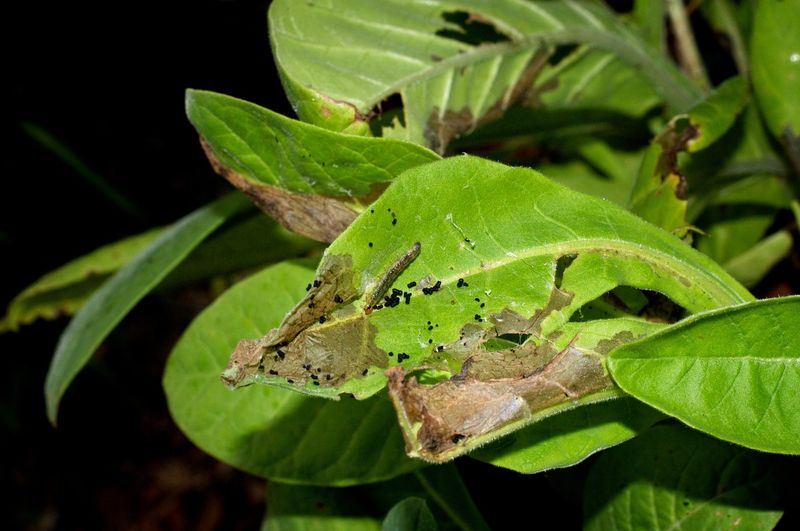
If your petunia buds keep disappearing or open with holes chewed clean through, meet your enemy: the tobacco budworm. This green caterpillar tunnels straight into buds and eats them from the inside, and it’s active across much of the country in late summer.
Look for tiny black droppings on leaves and buds, the calling card that gives them away. During the day these pests hide, so an evening flashlight patrol is often when you’ll catch them in the act.
Pick them off by hand and drop them in soapy water, or treat with a Bt spray that targets caterpillars without harming bees. Knock back the budworms and your plant can finally let its buds bloom instead of losing them one by one.
12. Do Feed Bloom Boosters, Do Not Overdo Nitrogen
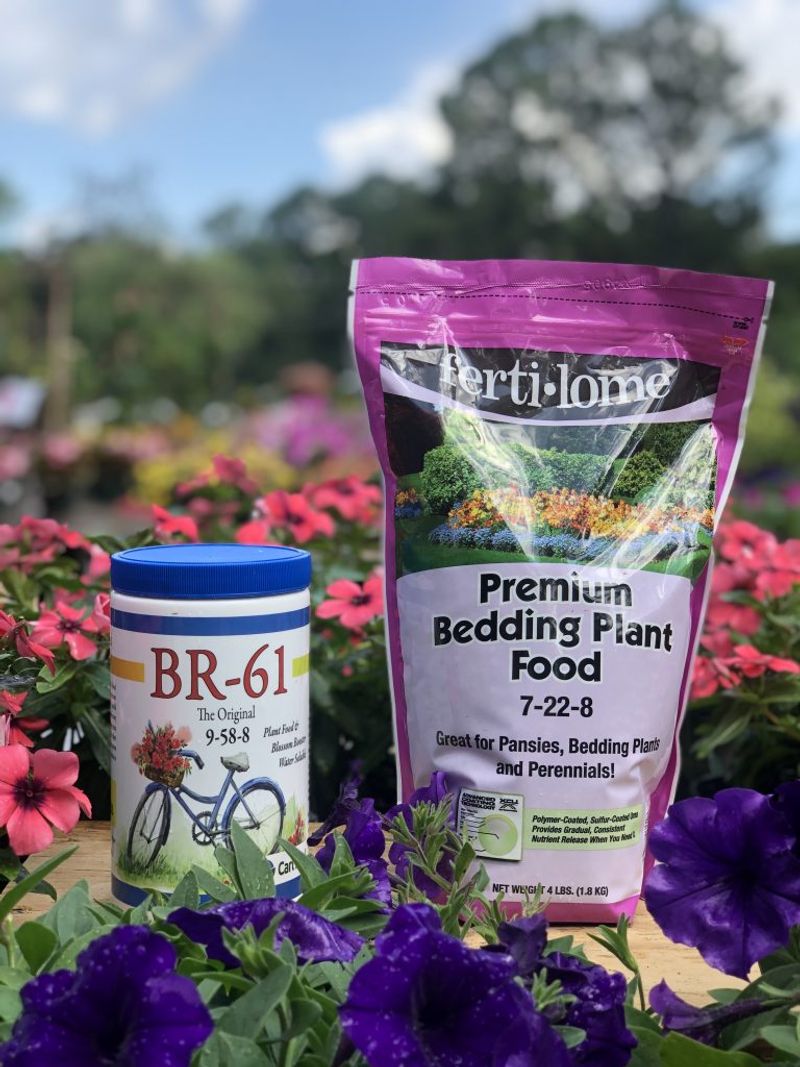
All fertilizer is not created equal, and picking the wrong blend can leave you with a lush green plant sporting hardly any flowers. High-nitrogen products, the ones with a big first number, push leafy growth at the expense of blooms.
For flower power, do reach for a bloom-boosting formula with a higher middle number for phosphorus, which fuels bud development. Do apply it on the regular schedule your petunia craves.
Do not dump on extra thinking more is better, since nitrogen overload gives you a jungle of foliage and stingy color. Matching the right nutrient balance to your goal is the difference between a green bush and a flowering fountain.
13. Add a Layer of Mulch to Lock In Moisture
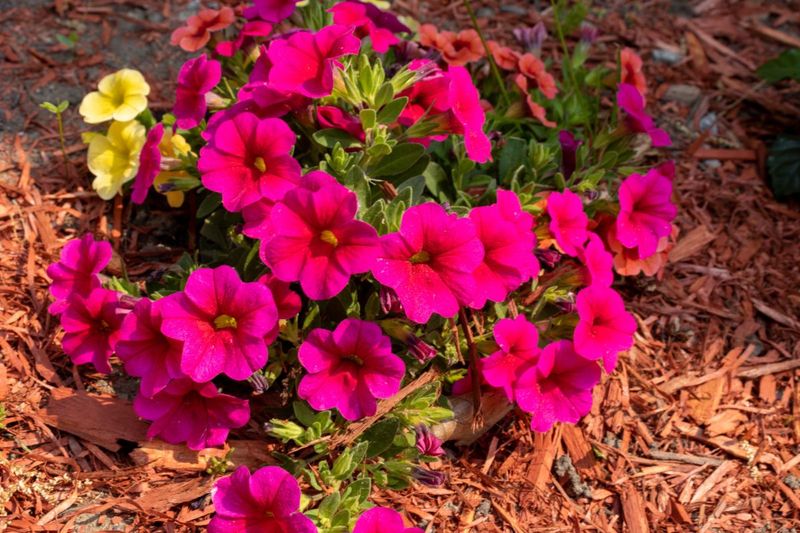
Bare soil around your petunias dries out fast and swings between soggy and bone-dry, and that stress shows up as dropped buds. A simple layer of mulch smooths out those wild swings.
Spread an inch or two of shredded bark, straw, or dried grass clippings over the soil, keeping it slightly away from the main stem. The covering slows evaporation and keeps roots cooler during hot spells common in southern and midwestern summers.
Mulch also blocks weeds that would otherwise compete for the water and food you’re providing. Steadier moisture means a steadier supply of blooms, since the plant isn’t constantly reacting to stress.
14. Pick Self-Cleaning Varieties for Less Work
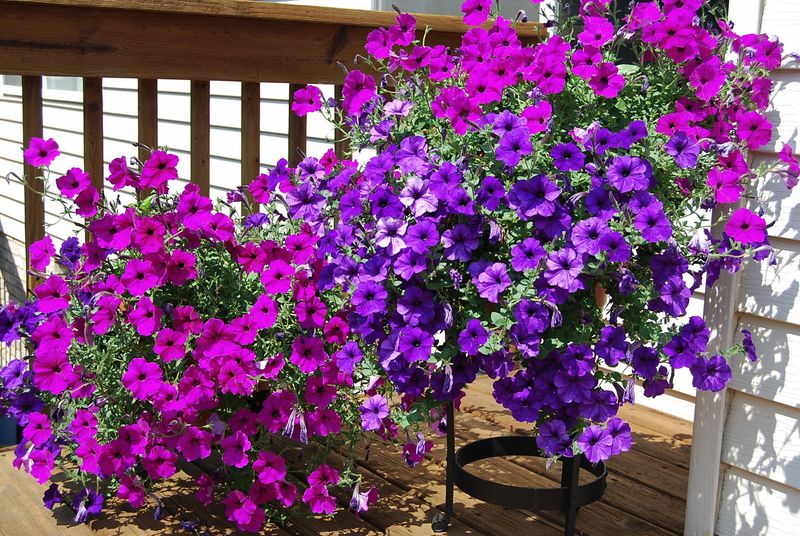
Not every petunia demands the same fussing, and choosing wisely can save your fingers a lot of pinching. Modern self-cleaning types like the Wave and Supertunia series drop their spent blooms on their own and keep flowering without constant deadheading.
Older grandiflora types produce huge flowers but tend to need more grooming and sulk in humidity. If you’re filling a fresh pot or replacing a plant that gave up, these low-maintenance breeds are a smart pick.
They pump out color from spring right up until frost with far less effort from you. Fun fact: the Wave petunia was a Japanese breeding breakthrough in the 1990s that changed hanging baskets forever with its spreading, spilling habit.
15. Space Them Out for Airflow
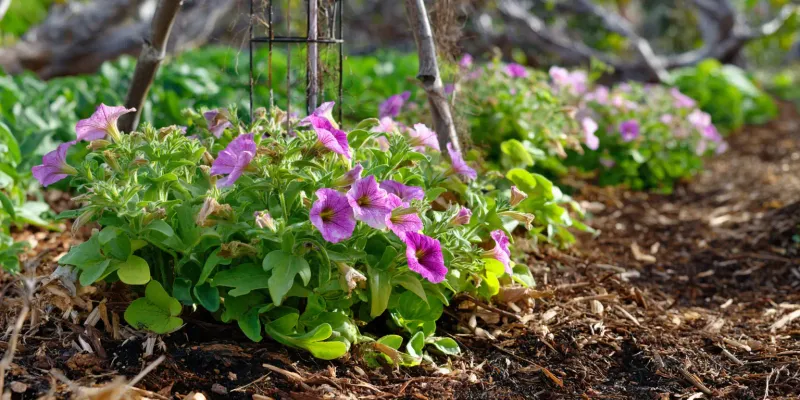
Crowding petunias too tightly seems like a way to get a fuller look, but it backfires. Packed plants trap humid air, invite powdery mildew and gray mold, and shade each other out of the light they need.
Give each plant room to breathe, spacing them roughly ten to twelve inches apart in beds and resisting the urge to overstuff a container. Good airflow keeps the foliage dry and diseases at bay.
Healthy, disease-free leaves mean the plant can pour its full energy into flowering rather than fighting infection. A little breathing room early pays off with cleaner, more prolific blooms all season.
16. Shelter Them From Battering Rain and Wind
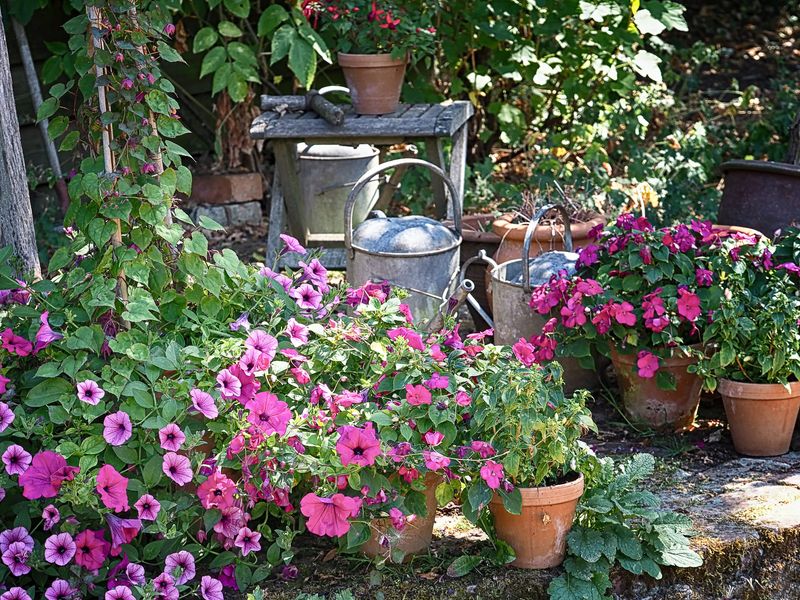
A single hard thunderstorm can flatten a petunia’s delicate blooms into soggy mush, and repeated pounding keeps new flowers from ever getting a chance. Their thin, trumpet petals simply bruise easily.
When heavy weather rolls in, scoot container plants under an eave, a covered porch, or a patio table for a few hours. In-ground beds benefit from a spot with a little natural windbreak like a fence or taller plants.
Once the storm passes, move them right back into the sun so they don’t miss out on light. Protecting blooms from a beating is an easy save that keeps your color show going instead of restarting after every downpour.