
If You Want Cardinals To Actually Stay In Your Yard, Give Them These 5 Reasons Not Just A Feeder
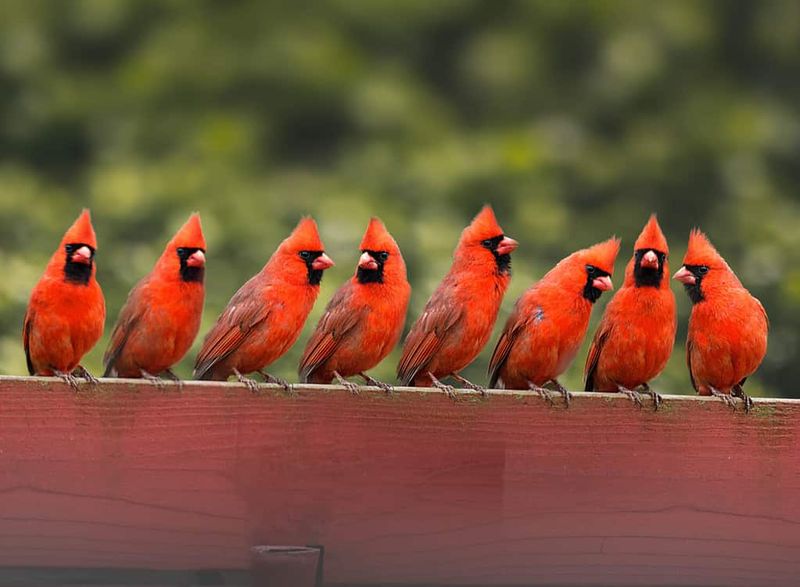
Cardinals are those flashy red birds that make any backyard feel a little more alive, but a single feeder is rarely enough to make them stick around. Birds are picky about where they hang out, and they need more than seeds to feel safe and settled. When you give them shelter, water, and the right kind of plants, they start treating your yard like home instead of a quick snack stop. Here are five things that turn casual visitors into year-round regulars.
1. Dense Shrubs and Evergreens for Cover
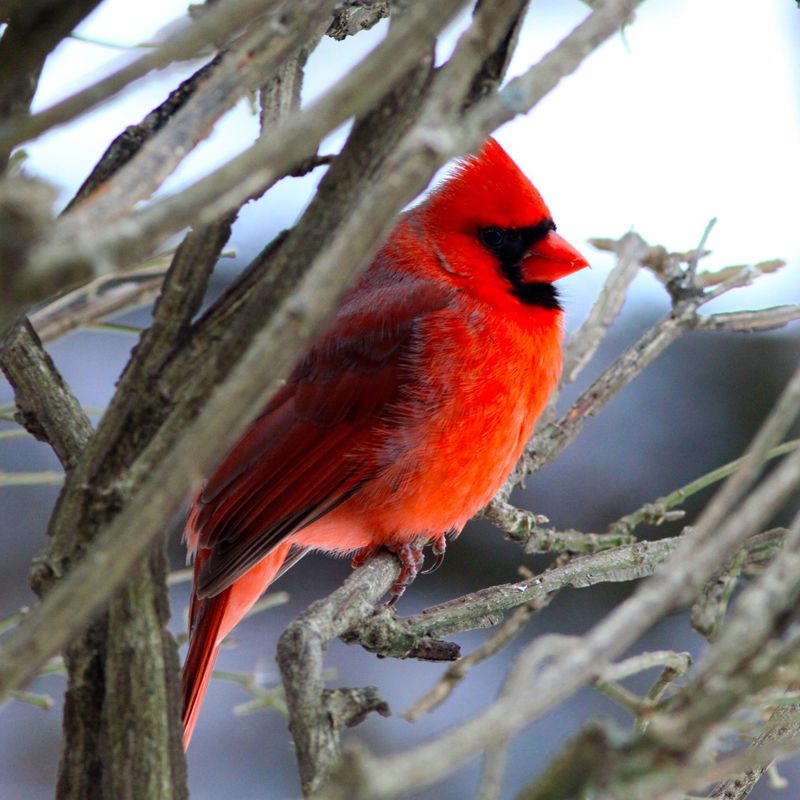
Picture a cardinal darting away the second a hawk shadow crosses the lawn. Without a thick bush to dive into, that bird will not linger, no matter how full your feeder is.
Cardinals love low, tangled cover where they can hide from predators and ride out bad weather. Dense evergreens like arborvitae, juniper, and eastern red cedar give them year-round protection, while shrubs such as viburnum, dogwood, and holly create the leafy tangle they trust for daytime resting.
Try planting these near your feeding area, roughly ten to fifteen feet away, so birds have a quick escape route without feeling boxed in. In colder US zones, evergreens matter even more because they block wind and hold snow off the birds during winter.
A yard with layers, tall trees, medium shrubs, and low ground cover, feels safe to a cardinal in a way an open lawn never will. Build that safety first, and the food you offer suddenly becomes a lot more appealing.
2. A Reliable, Shallow Water Source
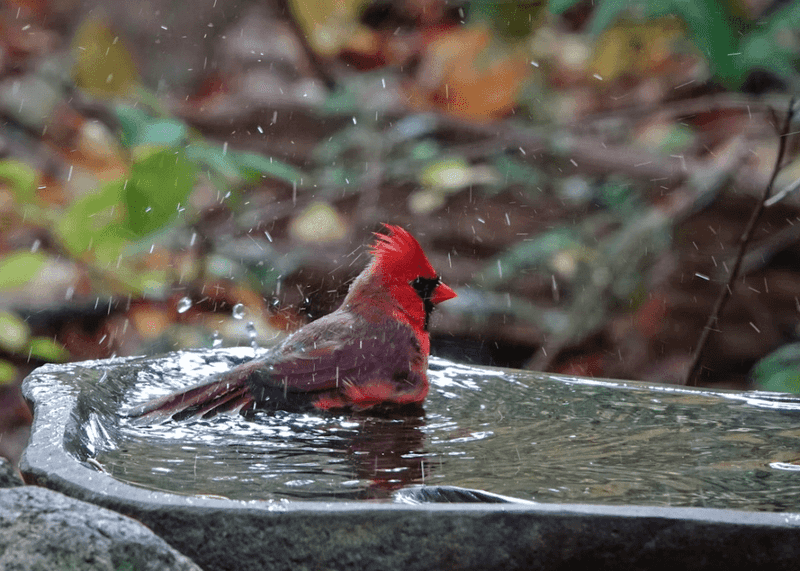
Water pulls in birds that a feeder alone will walk right past. Cardinals need to drink and bathe every single day, and a dependable water spot can be the deciding factor in whether they claim your yard.
The trick is depth. Cardinals prefer shallow water, about one to two inches, so a classic deep birdbath often gets ignored. Add a few flat stones to the basin so they can stand comfortably and step in at their own pace.
Moving water works even better because the sound and sparkle catch a bird’s attention from across the yard. A small dripper, bubbler, or solar fountain can turn an ordinary basin into a magnet.
Keep it clean and refill it often, since stale or slimy water sends birds packing fast. In winter, a heated birdbath keeps liquid water available when natural sources freeze, and that reliability is exactly what convinces cardinals to stay through the cold months instead of moving on.
3. Native Berry and Seed-Producing Plants
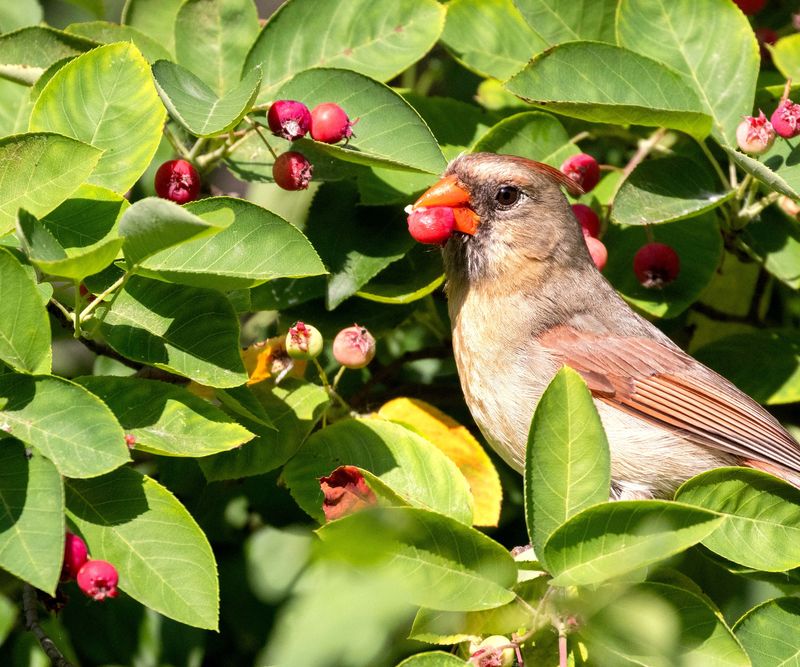
Here is something a bag of sunflower seeds cannot do: grow. Native plants keep producing food season after season, giving cardinals a natural pantry that does not depend on you remembering to refill anything.
Cardinals happily feast on the berries of dogwood, serviceberry, sumac, and wild grape, along with the seeds of coneflower, sunflower, and native grasses. Planting a mix means something is always ripening across spring, summer, and fall.
Native species also bring in insects, and that matters more than people expect. During nesting season, cardinals feed their chicks a protein-rich diet of caterpillars and bugs, so a yard buzzing with native plant life quietly supports the next generation of birds.
Fun fact: cardinals do not migrate, which means they need food sources that last all year in your area. Choosing plants native to your US region gives them exactly that, plus the added bonus of a yard that practically feeds itself once established.
4. Safe Nesting Spots in Thick Foliage
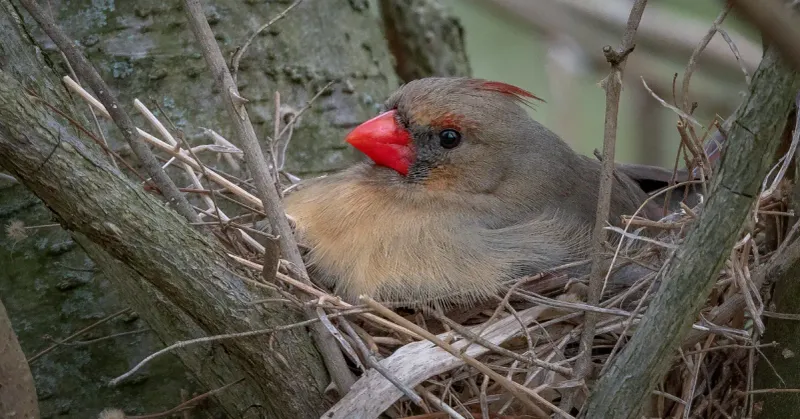
A cardinal that raises its babies in your yard is a cardinal that comes back year after year. Nesting turns a visitor into a resident, and it all hinges on having the right dense, tucked-away greenery.
These birds like to build low, usually three to ten feet off the ground, in thorny or thickly branched plants that hide the nest from prowling cats and jays. Rose bushes, hawthorn, thick hedges, and tangled vines like honeysuckle make ideal real estate.
Avoid the urge to over-prune during spring and early summer. A hedge trimmed into a tidy box loses the messy inner structure that cardinals depend on for concealment, so a little wildness actually helps.
Leaving a corner of the yard slightly unkempt, with layered shrubs and some leaf litter below, may encourage a pair to settle in and raise multiple broods. Once cardinals successfully nest somewhere they feel protected, they tend to return to that same safe territory again and again.
5. A Pesticide-Free, Bird-Friendly Yard
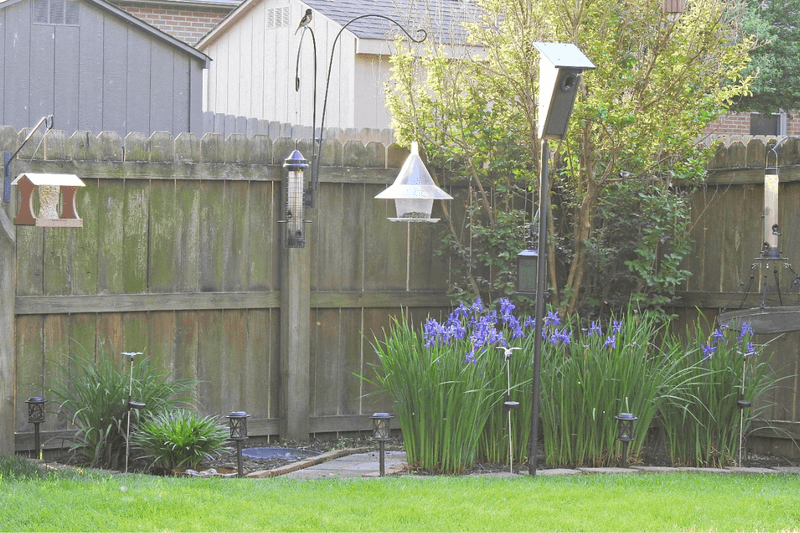
You can offer every seed, shrub, and birdbath in the world, but heavy pesticide use quietly undoes all of it. Chemicals strip away the insects cardinals rely on and can poison the birds directly through the bugs and seeds they eat.
Skipping the sprays lets caterpillars, beetles, and other insects thrive, and those bugs are the exact protein cardinals need when feeding their young. A chemical-free yard becomes a living buffet instead of a barren, tidy one.
It helps to think about the little details too. Keeping cats indoors, placing feeders where window collisions are less likely, and leaving some seed heads standing over winter all make your space genuinely safer.
A yard managed with birds in mind may look a touch wilder than a manicured lawn, and that is the whole point. Cardinals read that gentle messiness as safety and abundance, and given all five of these reasons together, they have every excuse to stop passing through and finally stay.