
Plant The Ten O’Clock Flower And Watch It Open Right On Schedule Every Morning
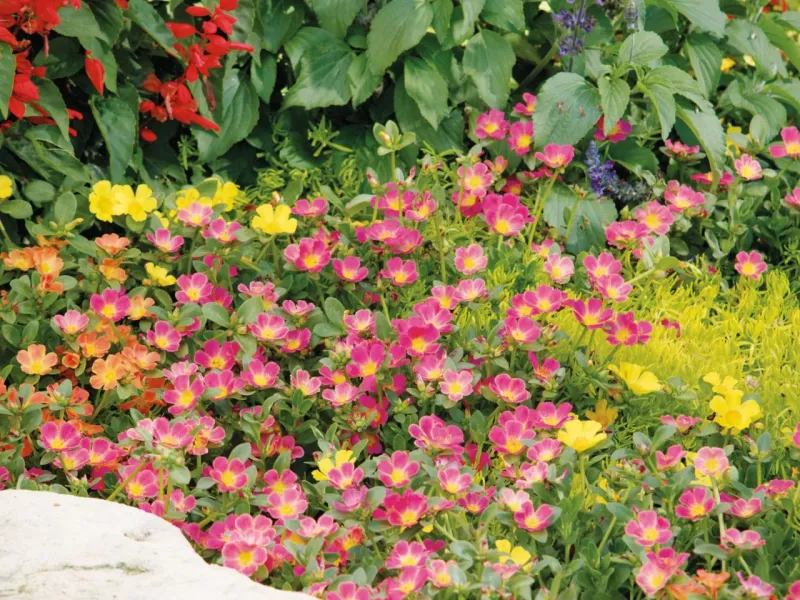
Somewhere along the line, a cheerful little flower earned a nickname that sounds like a promise: the ten o’clock flower. The plant behind that name is Portulaca grandiflora, sold at most garden centers as moss rose, rose moss, or simply portulaca. Its flowers do tend to open in bright midmorning sunlight, which is genuinely delightful to watch, but light, warmth, and weather do the scheduling, not a built-in alarm. Grow it right and you get a vivid, weather-responsive morning display all summer long.
The ten o’clock flower is really a moss rose
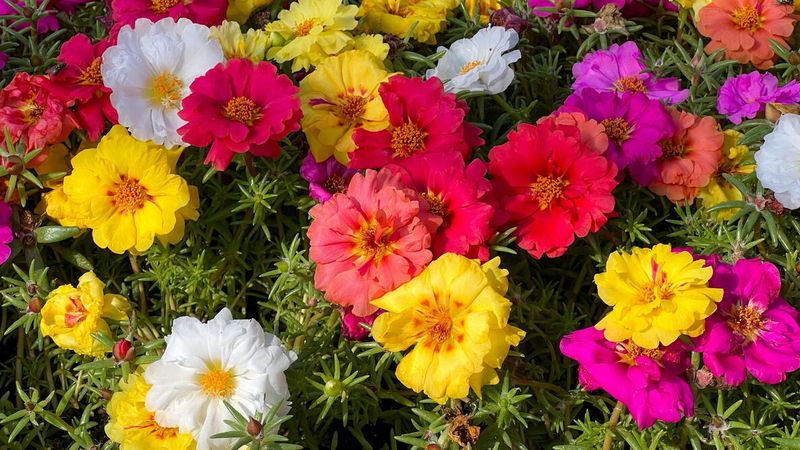
Portulaca grandiflora goes by several names at the garden center: moss rose, rose moss, sun plant, and portulaca are all common. The nickname “ten o’clock flower” comes from a simple observation that gardeners in various regions noticed generations ago. On a sunny morning, the flowers tend to be wide open by midmorning, which someone eventually decided was close enough to ten o’clock to stick.
The plant itself is a low-growing, succulent annual native to parts of South America. Its stems and narrow, fleshy leaves look almost like a ground-hugging cactus cousin, and the flowers sitting on top of that mat are surprisingly showy, papery, and rose-like. The Missouri Botanical Garden describes it as a heat-tolerant, drought-resistant annual that thrives in full sun and well-drained soil, reaching roughly three to eight inches tall with a spread of six to twelve inches depending on the cultivar.
Colors run from white and cream through soft yellow, coral, salmon, hot pink, magenta, and deep red, often with a satiny sheen that catches morning light beautifully. Some flowers are single-petaled and open-faced; others look nearly as full as a miniature rose. Kew’s Plants of the World Online notes that the flowers open in early-morning sunshine and typically close around midday, a pattern that holds on warm, bright days.
The “ten o’clock” label captures the spirit of that midmorning window rather than a guaranteed appointment. Treat it as a description of what the plant likes to do when conditions cooperate, and you will have the right expectations from the start. NC State Extension classifies it straightforwardly as a sun-loving annual valued for its bright flowers and tolerance of tough, dry conditions.
Its morning schedule follows light and warmth, not a timer
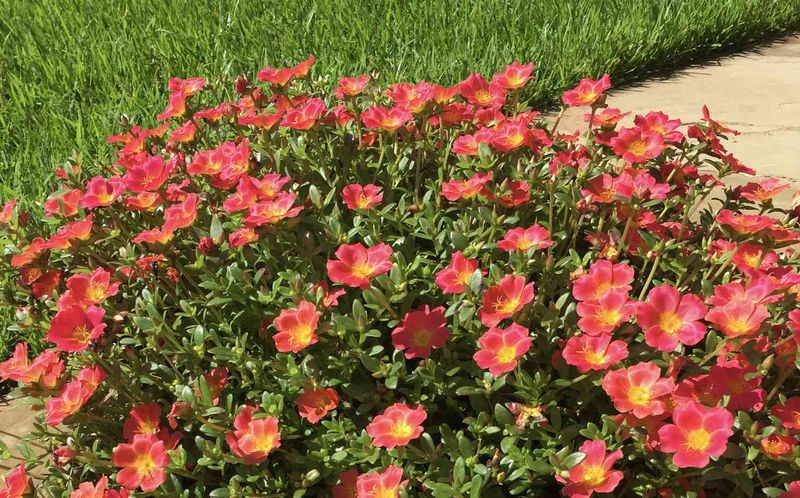
Watch a patch of moss rose on two consecutive mornings and you may notice something interesting: the flowers do not snap open at the same moment each day. On a blazing, cloudless morning they may be fully open by nine. On a cooler or slightly overcast morning the same plants might not reach full bloom until eleven or later, if they open completely at all.
Research helps explain why. A study published in the Annals of Botany examining environmental factors in a Portulaca hybrid found that both rising temperature and increasing light intensity strongly influence how quickly and completely the flowers open. An internal biological rhythm may also contribute to the timing, but it does not override what the environment is doing. Light and warmth together act as the primary triggers, which means the plant is reading the morning rather than consulting a clock.
On a practical level, this means your moss rose is not broken when it opens at 9:15 one day and 10:40 the next. Both responses are normal. The plant is simply reacting to the actual conditions outside your door rather than keeping a fixed appointment.
Kew’s description of flowers opening in early-morning sunshine and closing around midday reflects the typical pattern on a favorable day. That midday closing is also variable. A very hot afternoon may push closing earlier, while a mild, bright afternoon might keep some flowers open a bit longer. The takeaway for gardeners is straightforward: place this plant where it receives direct sun from morning onward, and it will reward you with a reliable midmorning display on most sunny days.
The exact minute is beside the point.
What gardeners can expect from one morning to the next
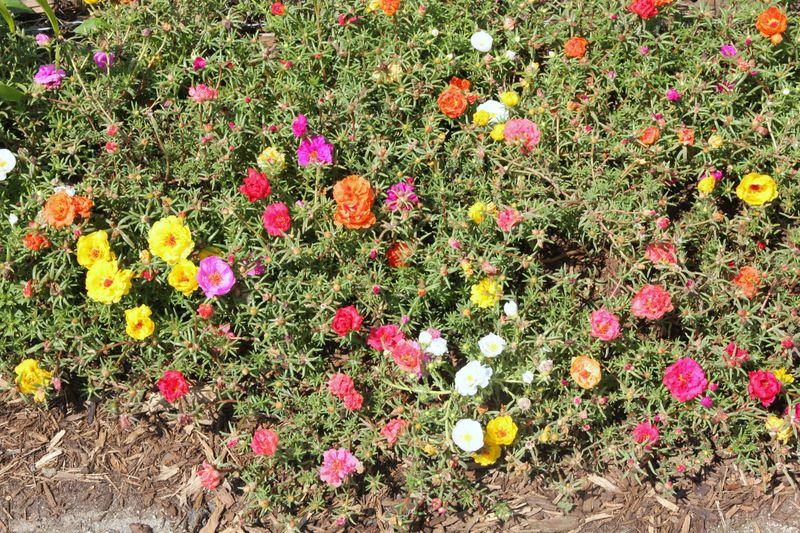
Realistic expectations make moss rose far more enjoyable to grow. On a bright, warm morning with full sun hitting the plants by eight or nine o’clock, most flowers will be open and glowing well before noon. That is the display that earned the plant its nickname, and on a good summer day it genuinely delivers.
Cloudy mornings tell a different story. Thick cloud cover can delay opening significantly, and on a rainy or cold day, some flowers may not open at all. Missouri Botanical Garden’s profile notes that flowers open in the sun and close at night or in cloudy weather, which is a useful summary of the plant’s behavior. Treat every overcast morning as a potential rest day for the blooms rather than a sign that something is wrong.
There is another layer of variation worth knowing about. Not all flowers on a single plant open or close at exactly the same moment. Research on Portulaca grandiflora’s opening and closing movement found that individual flowers can differ in their afternoon closing times, and that pollination can also affect when a flower closes. A flower that has already been pollinated may close earlier than one that has not, so a patch of moss rose in full swing can show several stages of opening and closing simultaneously.
Seasonal factors matter too. Earlier in summer, when mornings heat up quickly, the display may arrive sooner than in early spring or fall when temperatures climb more slowly. Latitude, container placement in a sheltered spot versus an open bed, and the specific cultivar all add small variations to the timing. Approaching the plant as a weather-responsive morning event rather than a precision clock lets you appreciate the display for what it genuinely is.
Give moss rose the sun and drainage it needs
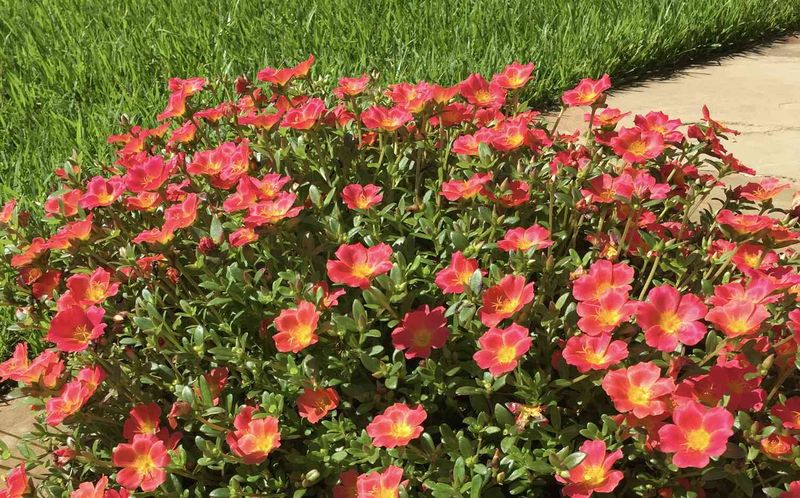
Getting the growing conditions right is the single most reliable way to see that morning display consistently. Moss rose wants at least six hours of direct sunlight per day, and more is generally better. A spot that gets morning sun and afternoon shade is a compromise; a spot in full sun all day is where this plant truly performs. Shade or even partial shade will reduce flowering noticeably and can make the opening window shorter and less reliable.
Soil drainage matters just as much as light. Missouri Botanical Garden recommends sandy, rocky, or otherwise sharply drained soil and is clear that overwatering and poor drainage are more credible risks to the plant than ordinary summer heat. Crown rot, which can kill a plant quickly, is a real possibility in soggy ground. Rich, consistently moist garden soil that suits many annuals is actually a poor match for moss rose.
If your native soil holds water, amend it with coarse sand or fine gravel before planting, or skip the bed entirely and grow moss rose in a container with drainage holes and a fast-draining mix. Containers, hanging baskets, rock gardens, dry sunny borders, and the tops of retaining walls are all excellent choices. The plant’s compact size makes it versatile: NC State Extension notes a mature height of roughly three to eight inches and a spread of six to twelve inches, depending on cultivar, so it fits comfortably at the front of a border or trailing over the edge of a pot.
Once established, moss rose is genuinely drought tolerant. Occasional deep watering during extended dry spells is reasonable, but frequent watering is not necessary and can cause more harm than skipping a session. Let the soil dry out between waterings, and resist the urge to treat it like a thirsty annual.
Plant it after frost for a summer display
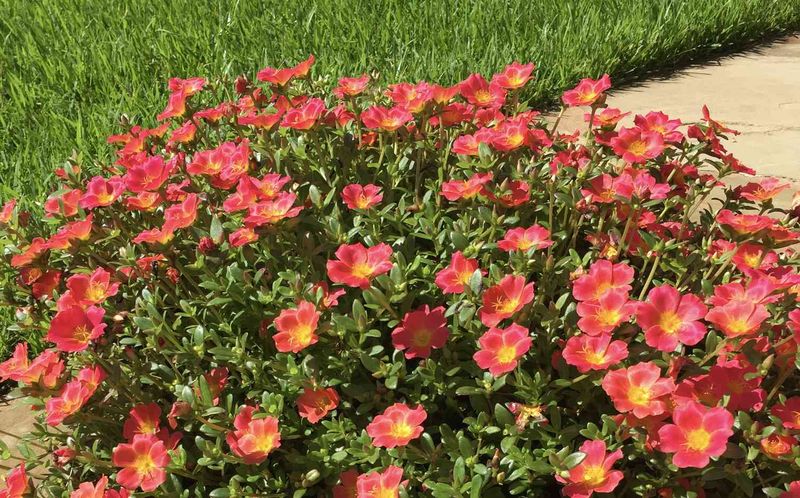
Moss rose is a warm-season annual across most of the continental United States, which means cold temperatures are its main enemy at the start of the season. The seeds need warmth to germinate, and young transplants are damaged by frost. Waiting until after your area’s last expected frost date before sowing or transplanting outdoors is the simplest way to avoid losing plants to a late cold snap.
Missouri Botanical Garden’s guidance supports starting seeds indoors about six to eight weeks before the planned outdoor planting date as an alternative to direct sowing. Indoor starts give you a head start on the season and can produce flowering plants a few weeks earlier than direct-sown seeds. If you go that route, use a sunny windowsill or supplemental grow light and a fast-draining seed-starting mix, and keep temperatures warm, ideally above 70 degrees Fahrenheit.
Direct sowing outdoors works well too, especially in warmer parts of the country where the growing season is long. Scatter seeds lightly on the soil surface, press them gently into contact with the soil, and keep the area moist until germination. Moss rose seeds need light to germinate, so avoid burying them deeply.
Once temperatures are reliably warm and the sun angle is high, the plants establish quickly and begin flowering within a few weeks. From midsummer onward, a well-placed patch can bloom continuously until the first frost of fall, giving you months of those morning openings rather than just a brief window. In the warmest parts of the southern United States, the season can stretch even longer, though the plant is still treated as an annual in nearly all continental U.S. growing conditions.
Choose a cultivar if opening time matters most
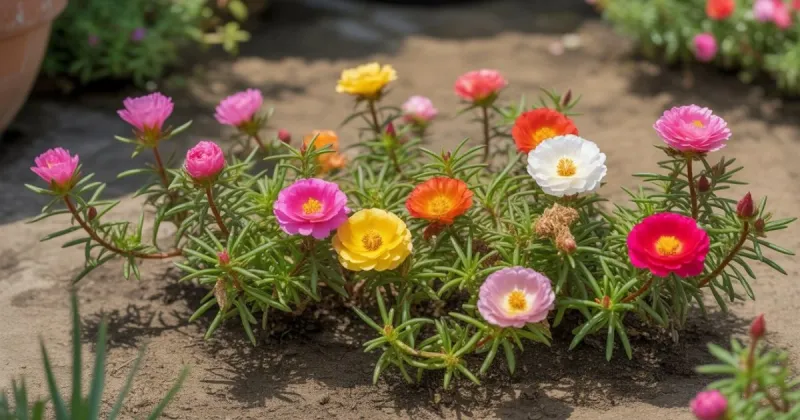
Not all moss roses behave identically when the morning light arrives. Plant breeders have spent decades selecting for cultivars that open earlier, stay open longer, or perform better on cool or cloudy days than the straight species does. If the morning display is the main reason you want to grow this plant, cultivar choice is worth a few minutes of attention before you buy.
NC State Extension’s plant profile lists several named series as examples of cultivars selected for improved performance, including ‘Sundial,’ ‘Sundance,’ ‘Afternoon Delight,’ and ‘Yubi Summer Joy.’ These selections may open earlier in the morning or hold their flowers open later into the afternoon compared to older or unnamed varieties. ‘Afternoon Delight’ is notable for its name alone, suggesting a longer display window than the midmorning-and-done pattern typical of the species.
Cultivars bred for cooler or cloudier tolerance are especially useful in northern gardens or in years with a cool, overcast summer. A standard moss rose in a cloudy stretch may give you little to see on many mornings, while a cultivar selected for lower-light performance may still manage a partial display.
That said, no cultivar eliminates the plant’s dependence on light and warmth entirely. A ‘Sundial’ plant on a rainy morning will still be less impressive than a standard variety on a blazing sunny day. Cultivar choice shifts the odds in your favor without rewriting the rules. Think of it as choosing a more reliable performer for your specific conditions rather than engineering a guaranteed schedule.
Three plants share confusing names but not the same identity
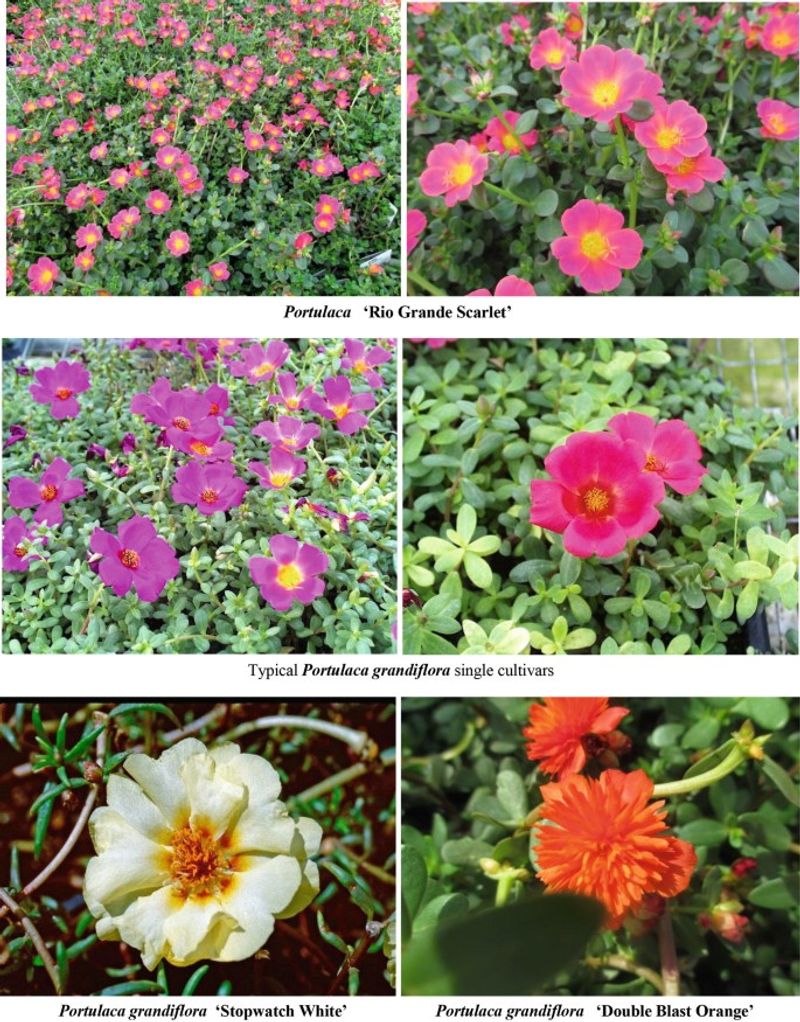
Common names in gardening cause real confusion, and the portulaca family is a good example. Three different plants regularly get tangled together under overlapping nicknames, and sorting them out matters for both identification and safety.
Moss rose, Portulaca grandiflora, is the ten o’clock flower discussed throughout this article. It is an ornamental annual grown for its showy, multi-petaled blooms and low, succulent mat of needle-like foliage. It is not the same plant as the four o’clock.
Mirabilis jalapa, the four o’clock or marvel-of-Peru, is a separate genus entirely. Its fragrant, trumpet-shaped flowers generally open in the afternoon or early evening, which is almost the opposite schedule from moss rose. It grows as a much taller, bushier plant and has entirely different cultural and toxicity considerations. Calling it a ten o’clock flower, or confusing it with moss rose, leads to wrong planting decisions and inaccurate safety assumptions.
The second source of confusion is between ornamental moss rose and common purslane, Portulaca oleracea. Both are in the same genus, but they are different species with different appearances and different safety profiles. Common purslane has flat, paddle-shaped leaves and small yellow flowers, while moss rose has the narrow succulent leaves and large showy blooms described earlier. The ASPCA’s toxicity listing for Portulaca is associated with Portulaca oleracea, which contains soluble calcium oxalates and is listed as toxic to dogs, cats, and horses.
That listing should not be automatically applied to P. grandiflora, which is a different species.
Even so, the overlap in common names means you cannot always be certain which portulaca species is growing in a given garden. Do not recommend eating any garden-grown portulaca without confirmed species identification and food-safety context. If a pet chews on an unidentified portulaca plant, contact a veterinarian or animal poison-control service rather than assuming it is harmless. NC State’s profile for P. grandiflora notes an edible attribute for seeds, but that single data point is not sufficient reason to encourage eating garden plants without knowing the species, pesticide history, and growing conditions.
A sunny morning ritual is the real reward
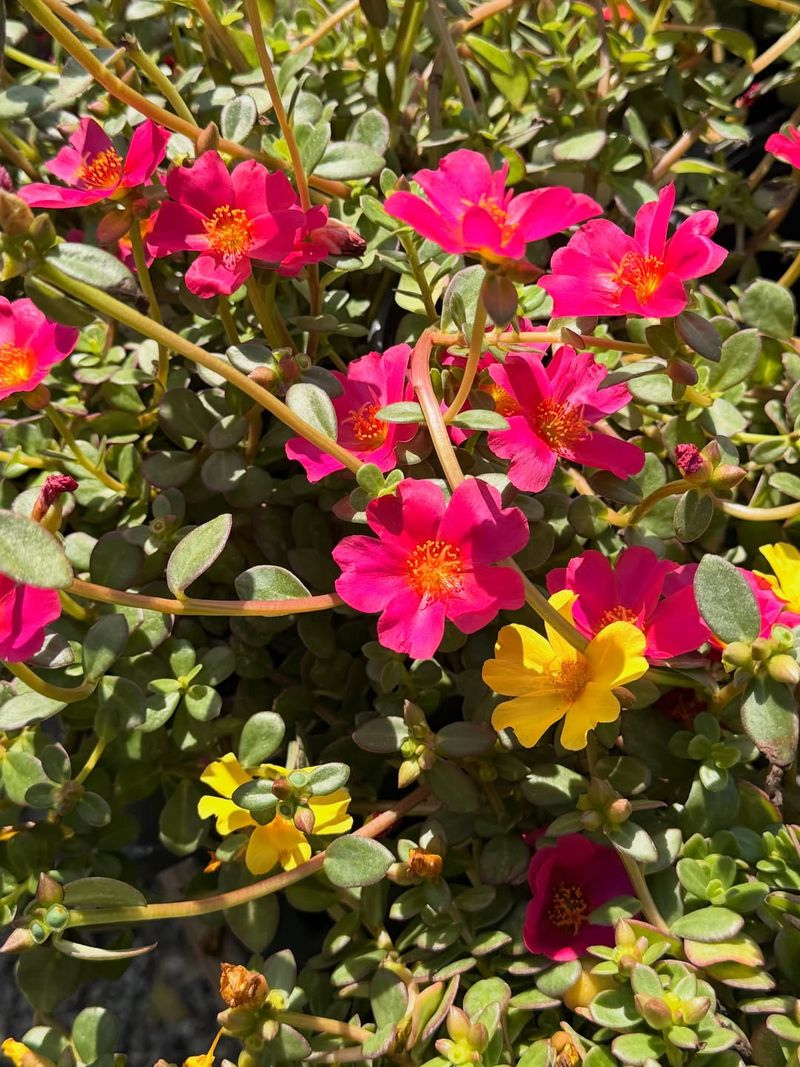
A well-placed patch of moss rose can become one of the more satisfying small rituals of summer gardening. Step outside on a warm, bright morning and the flowers are there, open and vivid, in a way that feels almost deliberate. Watch the same patch across a week of varied weather and you start to read the sky differently, noticing how quickly the blooms respond to the angle and strength of the light.
Missouri Botanical Garden’s summary frames it well: this is a plant that earns its keep through heat tolerance, low maintenance, and a long season of color. If you want to reduce self-seeding from year to year, deadheading spent flowers is a straightforward option. NC State notes that moss rose can self-seed without being invasive, so deadheading is a choice rather than a requirement. The variation in opening time from one morning to the next is not a flaw in the plant’s character.
It is simply moss rose being honest about how flowers actually work.