
16 Reasons Your Tomato Plant Grows Loads Of Leaves But Never Sets A Single Fruit
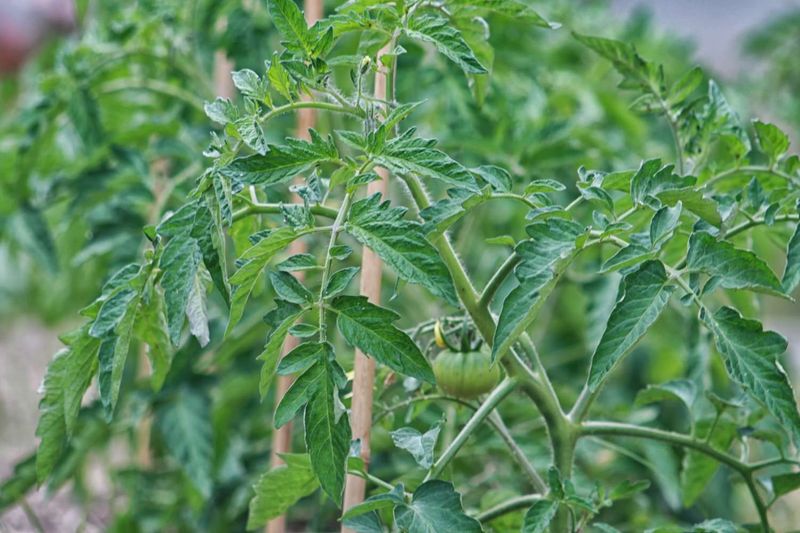
You planted your tomatoes in spring, watered faithfully all summer, and now you have a jungle of dark green leaves with almost nothing to show for it. That gap between lush growth and actual fruit is one of the most common mid-summer frustrations for backyard growers across the country. The good news is that a leafy tomato without usable fruit is not a lost cause, but it does need a proper diagnosis before you start changing things. Understanding why the plant is struggling, whether that means no flowers, dropping flowers, tiny fruit that stops growing, or fruit that develops problems, is the first step toward getting a real harvest.
Start with the fruiting pattern, not the leaf count
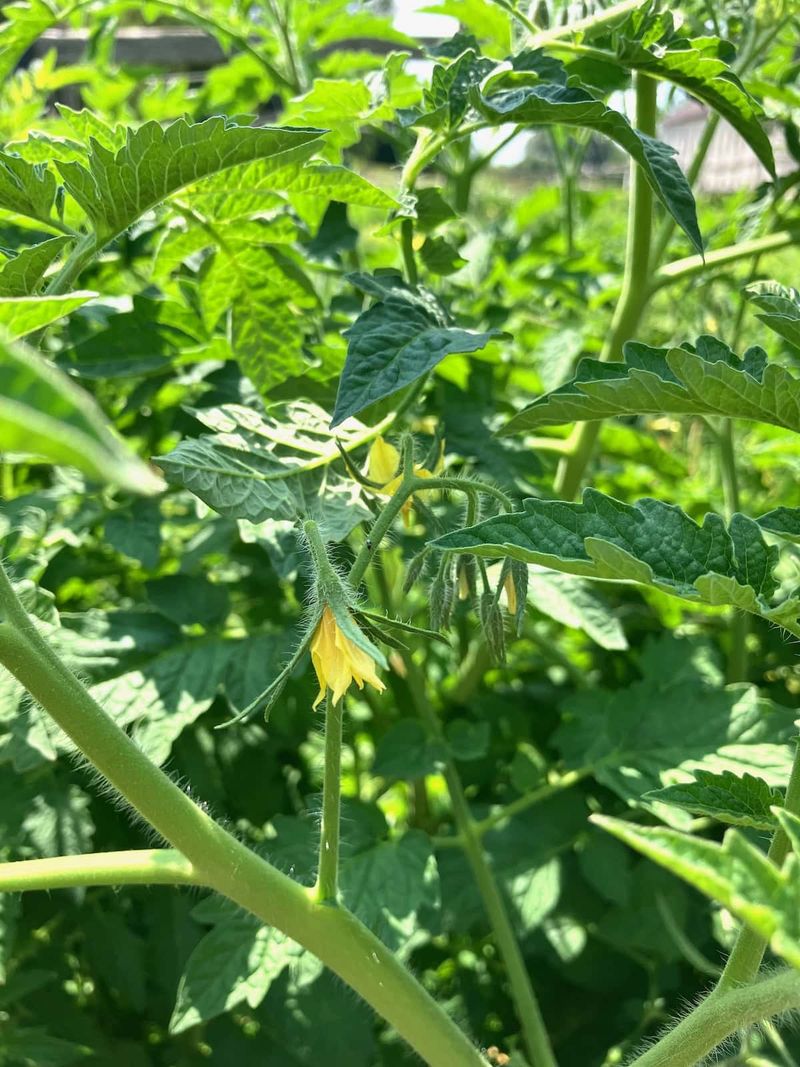
Before reaching for fertilizer or the pruning shears, spend five minutes actually looking at the plant. A leafy tomato that is not producing a usable crop can be failing at several different points, and each pattern points to a different stage of the problem. Some plants never produce flowers at all. Others form flowers that dry up and fall off before fruit can develop.
Still others set tiny green fruit that stops growing and drops. A fourth group actually forms fruit that later develops a disorder like blossom-end rot or fails to ripen properly.
These are not the same problem wearing different clothes. Heat and pollination issues tend to show up at the flower stage, where blossoms either fail to open normally or drop without enlarging. If you are seeing flowers fall off cleanly or shrivel before any swelling begins, temperature or pollen movement is worth investigating first. University of Minnesota Extension guidance on heat stress describes how high temperatures can impair pollen and cause flower drop even when foliage looks completely healthy.
Blossom-end rot is a separate story. That dark, sunken patch on the bottom of a tomato only appears after the fruit has already begun developing, which means the plant did set fruit successfully at first. Grouping blossom-end rot with flower drop or no-flower situations leads to the wrong fix. UMN’s tomato disorders guide connects blossom-end rot primarily to water transport and root stress rather than simply low soil calcium.
The most useful thing you can do right now is observe which pattern your plant is showing before changing anything. Write it down if that helps. Knowing whether you have no flowers, dropped flowers, aborted tiny fruit, or fruit that forms and then fails will make every decision that follows more targeted and more likely to help.
Excess growth, weak light, and normal timing can look alike
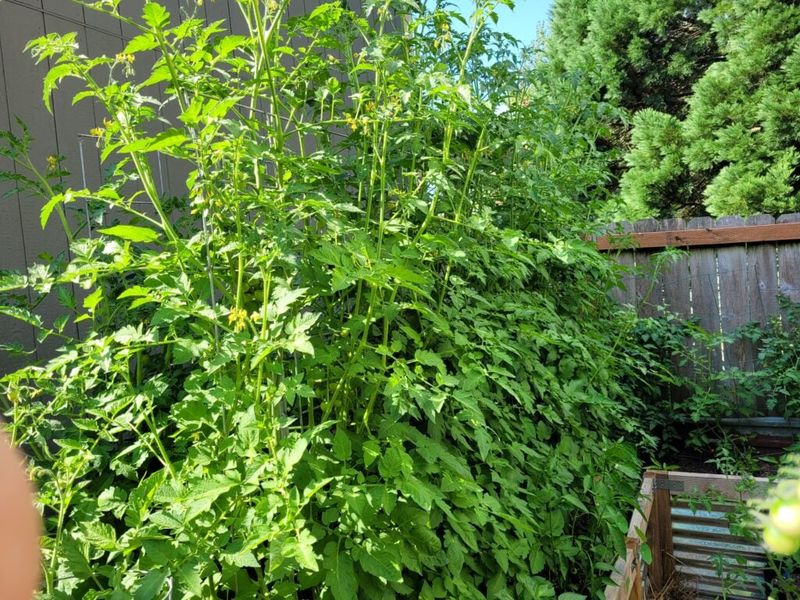
A plant covered in deep green, vigorous foliage is not automatically overfertilized, but unnecessary or excessive nitrogen feeding is one real reason a tomato can prioritize leaves over fruit. Nitrogen drives vegetative growth, and when it is abundant, the plant has little pressure to shift into reproductive mode. University of Minnesota Extension’s tomato growing guide notes that heavy nitrogen applications can push excessive vine and leaf production at the expense of flowering and fruiting.
The common advice to fertilize before a soil test can create this problem when it adds nitrogen the plant does not need. The absence of a test is not itself a cause, but fertilizing without one means you might be feeding a plant that already has plenty. Colorado State Extension’s soil management guidance cautions that excessive phosphorus from routine applications can create separate nutrient and salt problems, so adding amendments to “force” flowers without knowing your soil chemistry is a gamble worth skipping.
Low light is another cause that can look identical to nitrogen excess from a distance. Tomatoes are sun-hungry crops, and Oregon State Extension’s tomato guide and OSU’s vegetable gardening educator guide point to roughly 7 to 8 or more hours of direct sun as a general benchmark for strong growth and fruit production. A plant getting substantially less than that may still grow lush foliage while underperforming on fruit, because shade reduces the photosynthetic output needed to fill and ripen tomatoes.
Timing and plant type also matter. A recently transplanted tomato, especially one that experienced cold or root disturbance, may spend several weeks establishing before shifting toward fruit. Determinate varieties concentrate their crop over a shorter window and then stop producing new flowers, so a gardener who checks the plant after that main flush ends may mistake a completed crop for total failure. Colorado State’s growing tomatoes resource and OSU’s tomato and tomatillo guide both describe determinate growth habit as a timing and crop-concentration difference, not evidence that a healthy plant cannot set fruit.
Research has also confirmed that cultivars vary considerably in their fruiting behavior under the same growing conditions, so the variety itself can explain some of what you are seeing.
Mid-summer heat can interrupt fruit set before leaves show damage
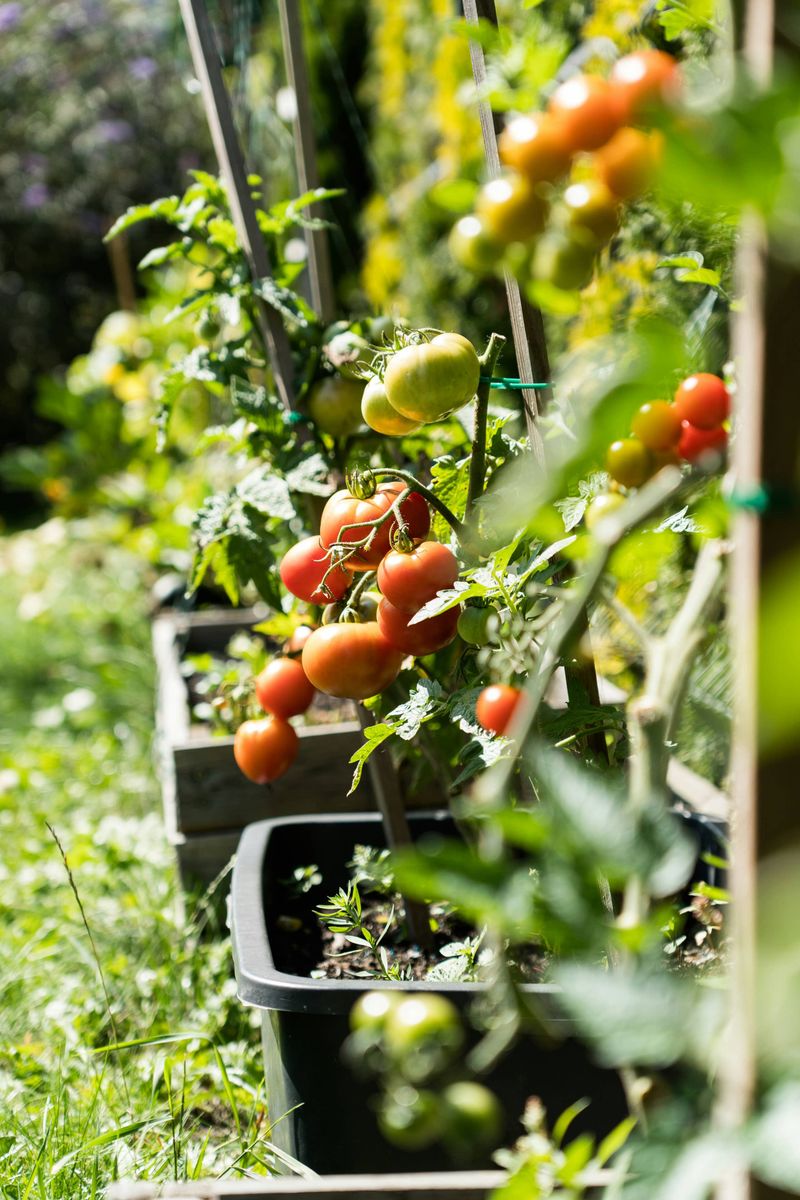
Mid-summer is when heat becomes the most plausible explanation for flower problems in many parts of the country, but it is worth treating it as a leading possibility rather than an automatic answer. Tomato flowers are sensitive to temperature at specific stages of development, and the damage often happens before the foliage gives any visible sign of stress. A plant can look perfectly healthy and still be dropping every flower it produces because of what the thermometer is doing overnight.
Extension sources commonly cite daytime temperatures above roughly 90 to 95 degrees Fahrenheit and nighttime temperatures above approximately 70 degrees as thresholds associated with reduced fruit set. UMN’s heat stress guide for vegetable gardens and Penn State Extension’s heat stress and tomatoes resource describe how sustained high heat can impair pollen development and viability, causing flowers to abort even when watering is adequate. These thresholds are guidelines, not universal biological switches. Cultivar, duration of heat exposure, humidity, plant health, and whether the temperature is measured in sun or shade at plant height all affect the actual outcome.
Hot nights are particularly damaging because flowers can be harmed during development even when daytime conditions seem manageable. University of Illinois Extension’s tomato guide flags warm nights as a specific concern for pollination and flower production. On the cold side, nights below about 55 degrees Fahrenheit, common when growers plant too early in spring, can also cause flower drop or stall development. A plant that was chilled at transplant may take weeks to resume normal fruiting behavior after temperatures stabilize.
Peer-reviewed research using pollen viability assays, including work published in Plant, Cell and Environment, has documented how heat reduces pollen germination and tube growth in tomatoes. Flowers that were developing during a heat event may fail regardless of what you do afterward, and the plant typically needs cooler conditions before new flowers can set successfully. Patience during and after a heat wave is not giving up; it is recognizing the biology of what happened.
Pollination needs movement, but not necessarily bees
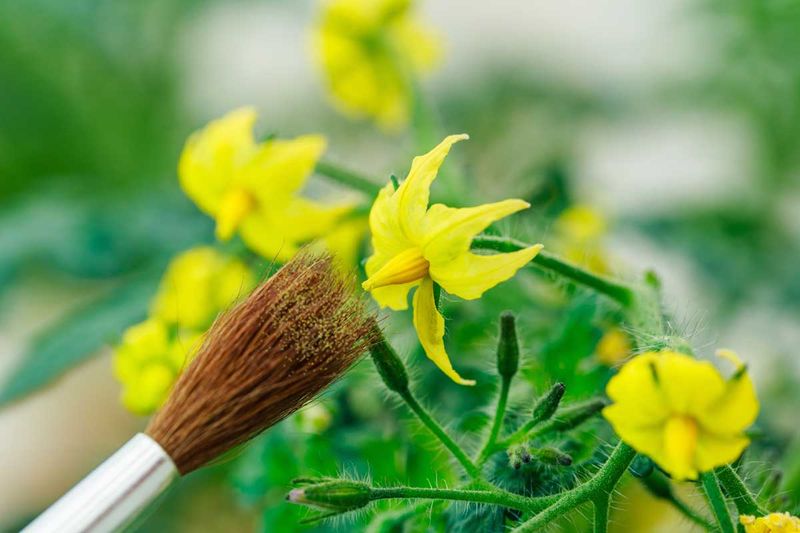
Tomatoes are generally self-fertile, meaning each flower carries both male and female parts and can, under the right conditions, pollinate itself. The catch is that pollen still has to move from the anther to the stigma, and that transfer depends on some form of vibration or plant movement. Wind passing through an open garden bed usually handles this without any help from the grower. Problems arise in sheltered spots, enclosed raised beds with high walls, greenhouses, or container plantings tucked against a fence where air barely moves.
UMN Extension’s pollination requirements guide explains that tomatoes do not require honeybees for normal fruit set in outdoor gardens. Bumblebees and other insects that vibrate flowers during foraging can assist pollination, but the absence of bees is not the primary cause of poor fruit set in most backyard situations. Saying “no bees means no tomatoes” misrepresents how tomato pollination actually works.
Humidity, cloudy weather, and wet flowers can interfere with pollen shedding even when the plant is otherwise healthy. University of Georgia Extension’s pollination guide notes that these conditions are more likely to matter in greenhouses or very sheltered plantings than in a normally ventilated outdoor bed. If your tomatoes grow in a particularly still, humid microclimate, gently tapping or vibrating individual flower clusters during midday can help move pollen in those specific conditions.
That technique has real limits. Penn State Extension is clear that vibration cannot restore pollen that has already been damaged by heat, fix flowers that have aborted due to stress, or compensate for inadequate light or severe chemical injury. Vibrating flowers that have already failed accomplishes nothing. Use the technique as a targeted assist in sheltered settings when other conditions are favorable, not as a general cure for a plant that is dropping every flower it produces.
Uneven moisture and restricted roots can undermine a vigorous plant
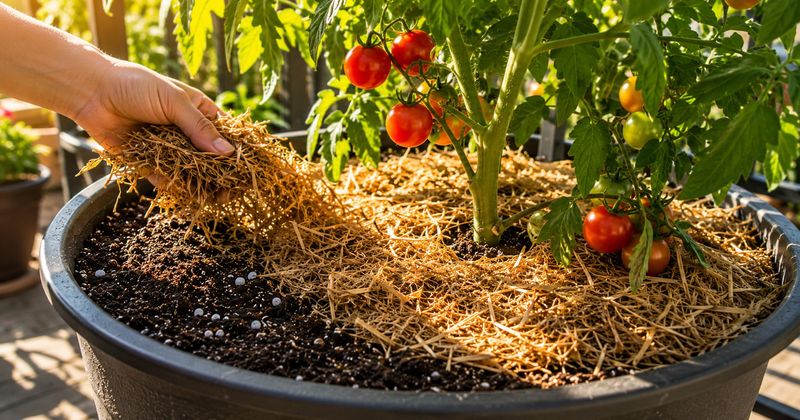
Water management is one of the most common contributors to poor fruit set and fruit disorders, and the problem usually comes from inconsistency rather than simple drought. Alternating between letting the soil dry out severely and then flooding it back can impair water transport through the plant, contribute to flower abortion, and set the stage for blossom-end rot in fruit that has already begun developing. Utah State University Extension’s tomato guide provides a general outdoor benchmark of roughly 1 to 2 inches of water per week, adjusted for rainfall, soil type, heat, and container conditions, as a practical starting point for consistent moisture.
Container growers face a compounded version of this problem. A pot that is too small limits root volume, reduces water-holding capacity, and makes the plant more vulnerable to rapid drying between waterings. Oregon State Extension’s tomato guide recommends at least a 5-gallon container for a single tomato plant, with larger containers generally supporting less restricted growth. A vigorous indeterminate variety crammed into a small pot may look healthy above the soil line while its root system is struggling to supply what the plant needs.
Root damage from careless cultivation near the stem or repeated soil disturbance creates a similar situation in ground beds and raised beds. UMN’s tomato disorders resource connects root injury to poor water uptake and increased susceptibility to fruit disorders. Avoid hoeing or cultivating within a foot of the stem once the plant is established.
Mulch is the most practical tool for smoothing out moisture swings. A 2- to 3-inch layer of straw, wood chips, or shredded leaves slows evaporation, moderates soil temperature, and reduces the boom-and-bust moisture cycle that stresses flowers and developing fruit. Penn State Extension and OSU Extension both support deep, consistent root-zone watering combined with mulch as a baseline practice, particularly during hot weather. Blossom-end rot appearing on developing fruit is not automatic proof that your soil is low in calcium; it more often signals that water transport to the fruit was disrupted, which a soil test and consistent watering practice can help clarify.
Distorted new growth points beyond a simple nutrition problem
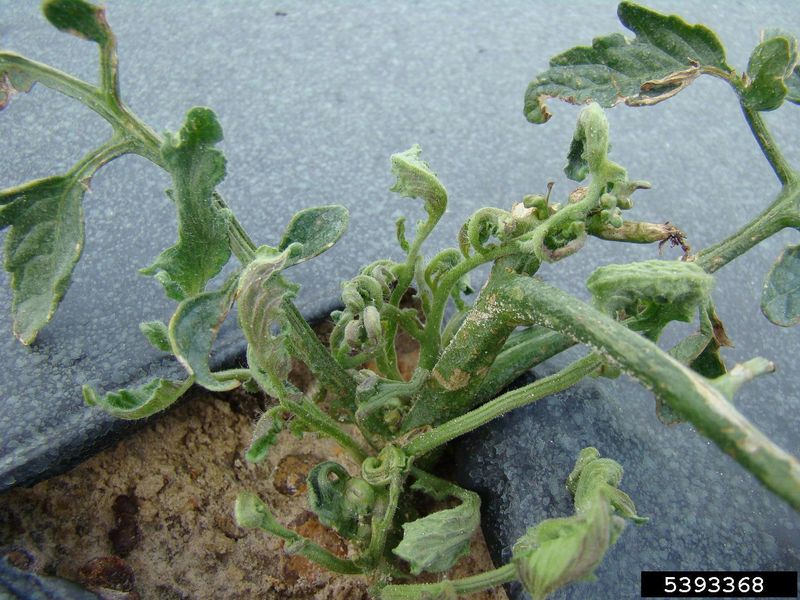
Leaf symptoms on a tomato plant are easy to misread, and two common responses, heavy pruning and assuming a nutritional fix, often make the situation worse or address the wrong cause entirely. Ordinary physiological leaf roll, where older leaves curl upward along their length on an otherwise healthy plant, is generally not a sign of serious trouble. It can appear during hot weather or after heavy fruit loads and does not by itself indicate pollination failure, virus infection, or significant yield loss.
Distorted new growth is a different matter. Twisted, narrow, strap-like, or cupped young leaves that emerge looking abnormal, rather than simply rolled, are more suggestive of herbicide injury than excess nitrogen or a nutritional gap. UGA Extension’s Bartow County blog on twisted tomato leaves and UGA Extension’s publication on tomato problems describe how herbicide drift, contaminated compost or manure, or residue in a previously used sprayer can produce this symptom pattern. Tomatoes are highly sensitive to phenoxy herbicides in particular, and exposure can occur even when no spraying happened in your own yard.
If you see that kind of distortion, investigate the source before adding any amendments or changing your fertilizer program. Check whether a neighbor recently treated a lawn, whether any bagged compost or manure could have come from treated fields, and whether any spray equipment used near the tomatoes had previously held a broadleaf herbicide. UGA Extension’s Forsyth County plant pest resource offers additional context on identifying chemical injury versus pest or disease symptoms.
On the pruning side, removing large amounts of healthy foliage does not reliably redirect the plant’s energy into fruit. University of Illinois Extension and OSU Extension both note that healthy leaves power photosynthesis and protect developing fruit from sunscald. Aggressive defoliation can increase plant stress and fruit disorders rather than solving a fruiting problem rooted in heat, moisture, or chemical injury. UMN Extension similarly cautions that pruning decisions should match the growth habit and support system, not serve as a general fix for a plant that is not fruiting.
Run a conservative weekend troubleshooting check
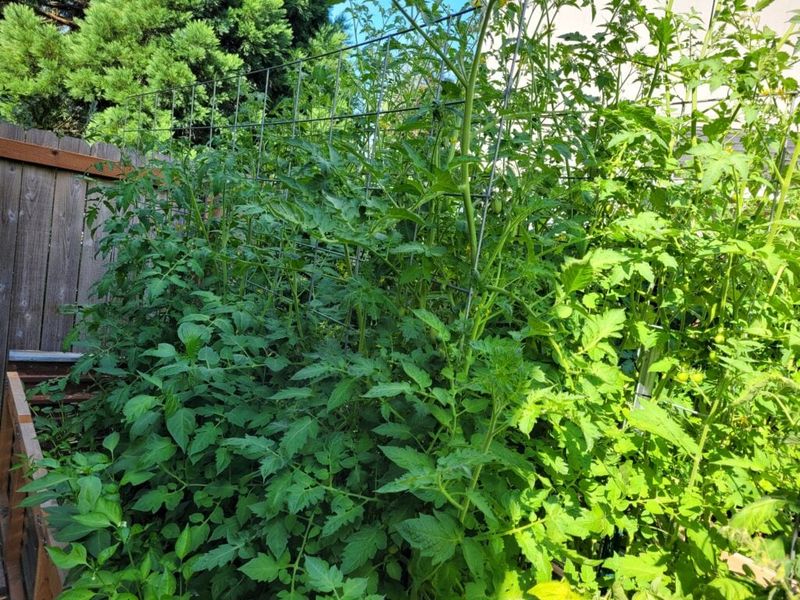
A productive troubleshooting session does not require buying anything or making dramatic changes. Start by looking at the plant itself and identifying which failure pattern you are actually dealing with: no flowers at all, flowers that dry up and fall, tiny fruit that aborts, or fruit that forms and then develops a disorder. UMN’s tomato disorders guide and UMN’s heat stress guide both emphasize that these patterns point to different causes and should not be treated identically.
Next, record actual temperatures at plant height, including overnight readings. A protected bed, a south-facing container against a wall, or a raised bed in a heat-absorbing corner can run noticeably warmer than the official air temperature from a weather app. Penn State Extension’s heat stress resource and USU Extension’s tomato guide both support checking actual growing conditions rather than relying on regional forecasts.
Confirm how much direct sun the plant receives. If it is getting substantially less than 7 to 8 hours, moving a container or reducing a shade source is more grounded than adding fertilizer. Then review what you have been feeding the plant. Pause routine high-nitrogen applications until you have evidence the plant needs more.
Use a soil test before adding phosphorus, potassium, lime, calcium, magnesium, or any other amendment. UMN Extension and Colorado State Extension both recommend soil testing before amending, particularly for phosphorus and potassium.
Skip the popular shortcuts that are not supported by evidence. Epsom salt is not a general tomato treatment; Oregon State Extension’s gardening myths resource and UMN Extension’s guide on common soil amendments explain that it is appropriate only when a soil test confirms magnesium deficiency, and excess magnesium can interfere with calcium uptake. Eggshells decompose too slowly to provide rapid correction for blossom-end rot, and calcium supplements do not restore flowers that have already aborted or repair heat-damaged pollen. Watering the leaves to cool the plant is not a reliable fruit-set strategy and can worsen foliar disease in humid conditions; UGA Extension’s tomato problems guide and OSU Extension both favor watering at the root zone, avoiding overhead irrigation when possible, and watering early in the day if overhead watering is unavoidable.
Check container size and root zone last. If the plant is in a pot smaller than 5 gallons or shows roots circling out of drainage holes, root restriction is a plausible contributor. Assess moisture consistency by checking soil depth at 3 to 4 inches, not just the surface. A structured look at these factors over one weekend gives you a much clearer picture than any single fix applied blindly.
Fix the confirmed limit and reset expectations
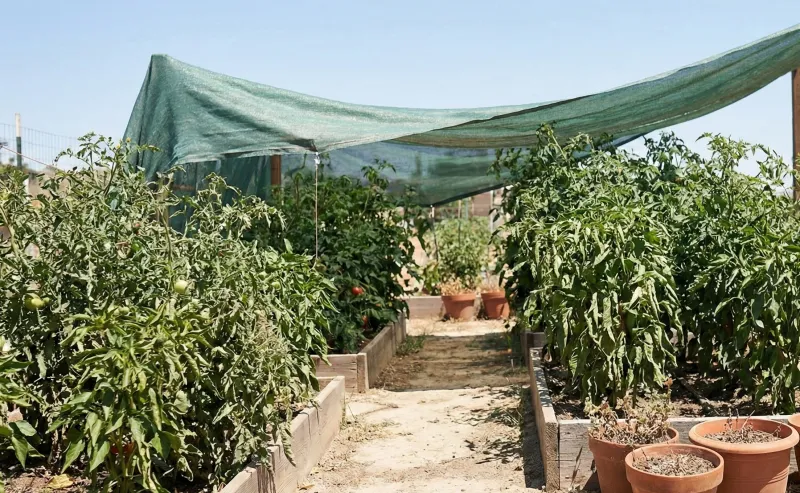
Once you know which pattern your plant is showing and what is most likely driving it, the response becomes more straightforward. A plant in too much shade benefits most from moving or uncovering it, not from extra fertilizer. A plant in a small container gains more from repotting or consistent deep watering than from any amendment. A plant that has been receiving unnecessary high-nitrogen feeds benefits from stopping those applications and letting the soil chemistry settle before adding anything else.
UMN Extension’s tomato guide supports pausing unnecessary feeding as a practical first step when excess nitrogen is suspected.
Heat and cold stress require patience more than intervention. Once temperatures move back into a range where pollen can develop and transfer normally, most tomato plants resume setting fruit on their own. UMN Extension’s heat guidance and UMN’s pollination resource both describe normal recovery as the expected outcome when conditions improve. Flowers that were damaged during a heat event cannot be restored, but new flowers forming in cooler conditions can set successfully.
If heat is a recurring problem in your garden, research supports switching to more heat-tolerant cultivars as a future-season strategy. Studies documented in The American Naturalist and Euphytica confirm meaningful differences among cultivars in heat tolerance and pollen viability, though no variety is fully heat-proof under prolonged adverse conditions. That is a seed-catalog decision for next spring, not a rescue for the flowers already lost this summer. A tomato plant with a real limitation responds to removing that limitation; no single trick recovers fruit the plant has already given up on.