
11 Purple Flowers Hummingbirds Absolutely Can’t Resist In Your Backyard
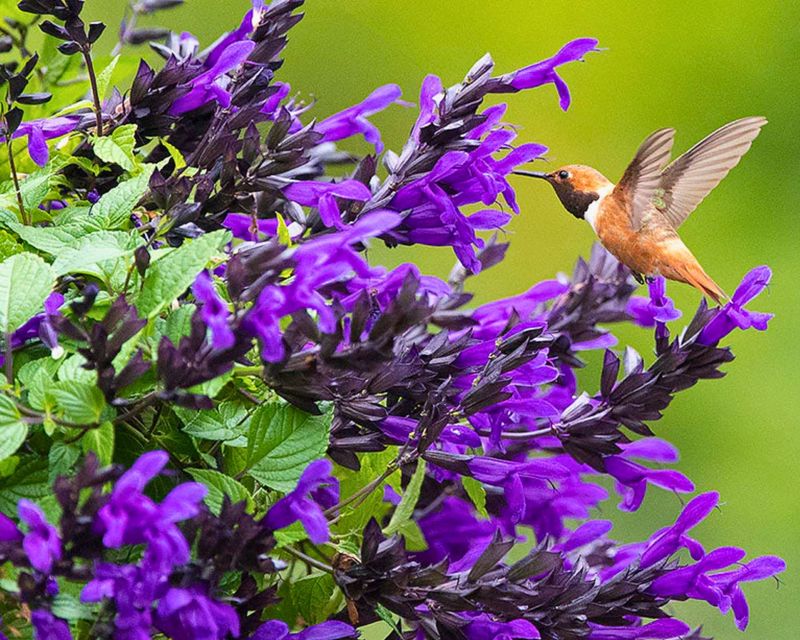
Hummingbirds have amazing eyesight, and they zero in on bright, tubular blooms like tiny flying magnets. Purple flowers happen to be some of their favorites, offering deep nectar wells that keep these little birds coming back all season long. If you want your backyard buzzing with jewel-toned visitors, planting the right purple flowers is one of the easiest wins around. Here are eleven purple bloomers that hummingbirds simply cannot ignore.
1. Salvia (Salvia nemorosa)
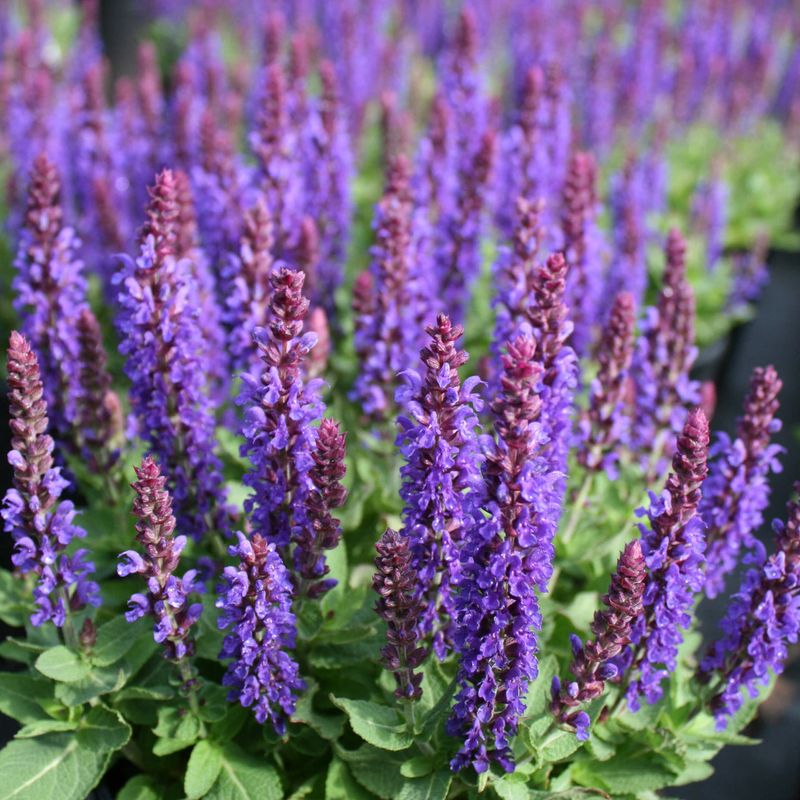
Ask any seasoned hummingbird gardener what to plant first, and salvia almost always tops the list. The slender purple spikes are loaded with tube-shaped florets that seem custom-built for a hummingbird’s long bill and tongue.
Varieties like ‘Caradonna’ and ‘May Night’ bloom heavily from late spring into fall, especially if you snip off spent flower stalks. That repeat blooming keeps a steady nectar supply running for weeks on end.
Salvia handles US summer heat like a champ and shrugs off drought once its roots settle in. Plant it in full sun with well-draining soil, and you may find hummingbirds returning to the same clump day after day.
Fun bit of trivia: salvia belongs to the mint family, which is why brushing against the leaves releases a faint herbal scent that deer and rabbits tend to avoid.
2. Lavender (Lavandula angustifolia)
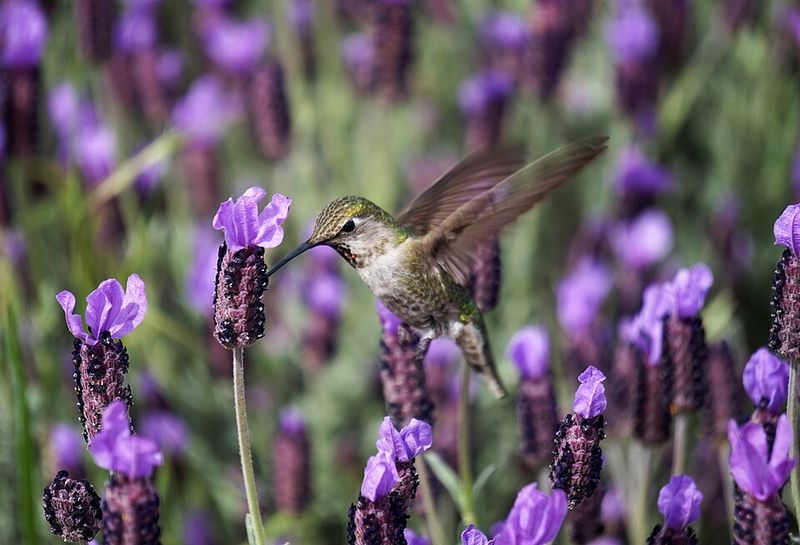
Few plants pull double duty quite like lavender, perfuming the air while feeding the local wildlife. Its silvery foliage and slim purple wands read like a beacon to passing hummingbirds scanning for color.
While bees get most of the credit for loving lavender, hummingbirds sip from those tiny florets too, especially during the long midsummer bloom. The plant thrives in hot, sunny spots with lean, gravelly soil that drains fast.
Once established, lavender barely needs watering, making it a smart pick for water-conscious backyards across the American West and Southwest. Overwatering is actually the fastest way to kill it, so err on the dry side.
As a bonus, that famous fragrance can help mask scents that attract certain garden pests, giving you a calmer, tidier bed all season.
3. Bee Balm (Monarda ‘Purple Rooster’)
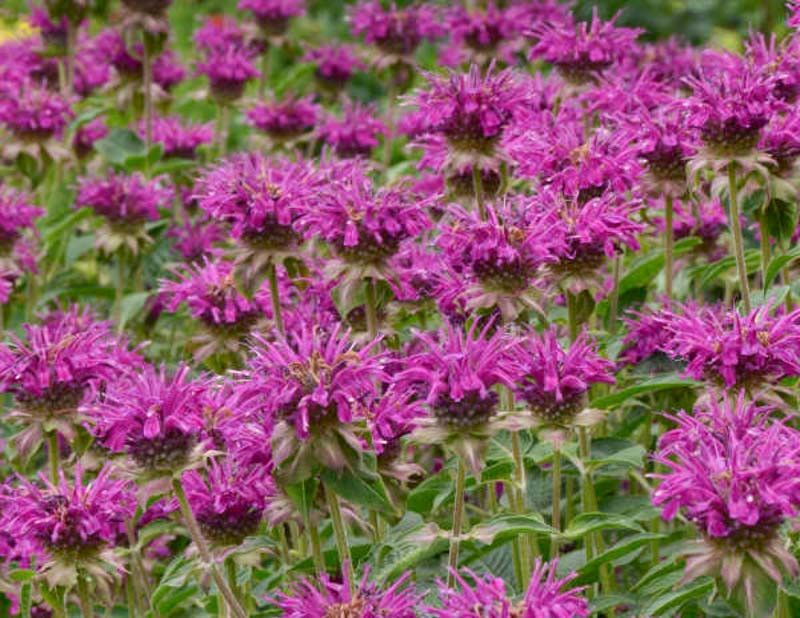
With its wild, fireworks-shaped blooms, bee balm looks like it was designed by a kid with a crayon box. The purple ‘Purple Rooster’ variety puts on a shaggy show that hummingbirds spot from across the yard.
Each flower head is a cluster of skinny tubes packed with nectar, and that open landing-pad shape makes feeding easy for hovering birds. Native to North America, bee balm feels right at home in US backyards from the Midwest to the Northeast.
Give it moist soil and decent air circulation, since crowded plants can develop powdery mildew on their leaves. Watching the foliage helps here: a dusty white coating is your early warning to thin things out or improve airflow.
It spreads happily by underground runners, so plant it where it has room to roam or keep it corralled in a container.
4. Verbena (Verbena bonariensis)
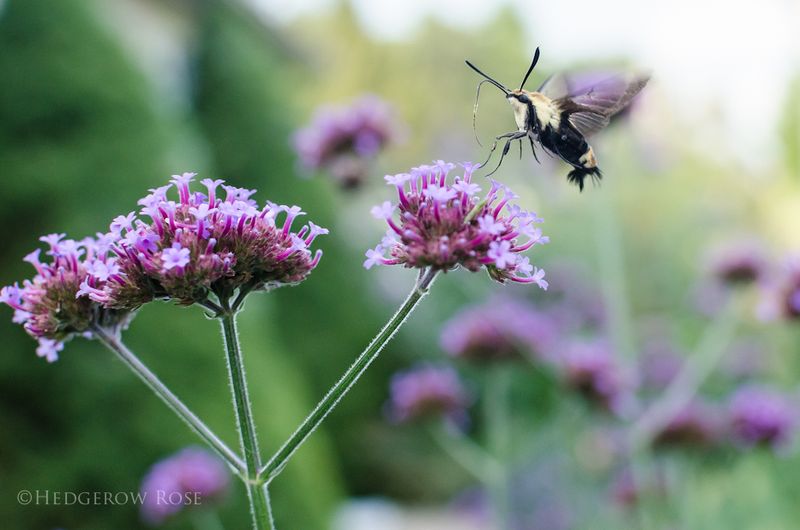
Tall and airy, verbena bonariensis floats its clusters of purple flowers on wiry stems that sway with the slightest breeze. That see-through, almost weightless look lets it slip into any border without blocking the plants behind it.
Hummingbirds adore the flat-topped flower clusters, which act like tiny buffet tables brimming with nectar. Blooming from early summer straight through the first frost, it keeps the feast going far longer than many perennials.
Heat and poor soil barely faze it, and it often reseeds itself, popping up in cheerful surprise spots the following spring. Plant it in full sun toward the middle or back of a bed for the best effect.
Butterflies show up in droves too, so expect a lively mix of winged visitors sharing the same purple blooms.
5. Catmint (Nepeta ‘Walker’s Low’)
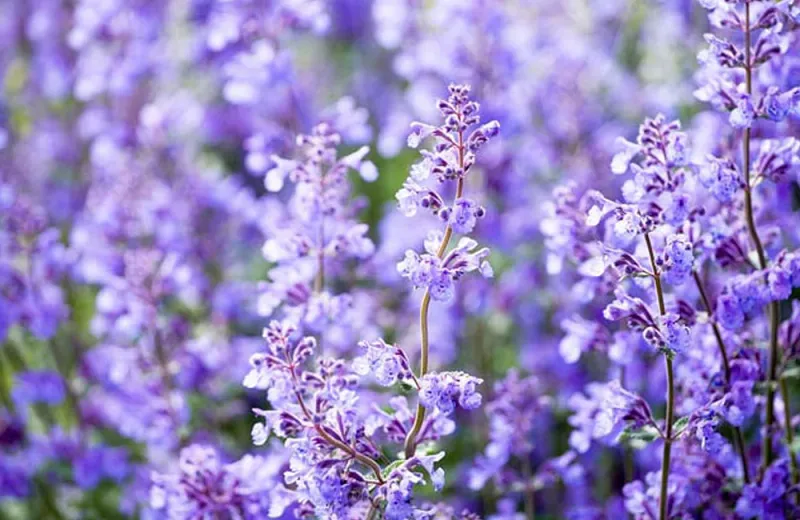
Forgiving to a fault, catmint is the plant you reach for when you want big purple impact with almost zero fuss. Its soft, cloud-like mounds of lavender-blue flowers spill gracefully over pathways and border edges.
Hummingbirds dip into the small tubular blooms throughout a remarkably long season, particularly when you shear the plant back midsummer for a second flush. That quick haircut trick can double your color and nectar output.
Drought-tolerant and unbothered by heat, catmint suits busy gardeners and dry climates across much of the US. Deer and rabbits usually pass it by, thanks to the aromatic foliage.
And yes, it is a cousin of catnip, so don’t be shocked if the neighborhood cats decide your flower bed is the new hangout spot.
6. Russian Sage (Perovskia atriplicifolia)
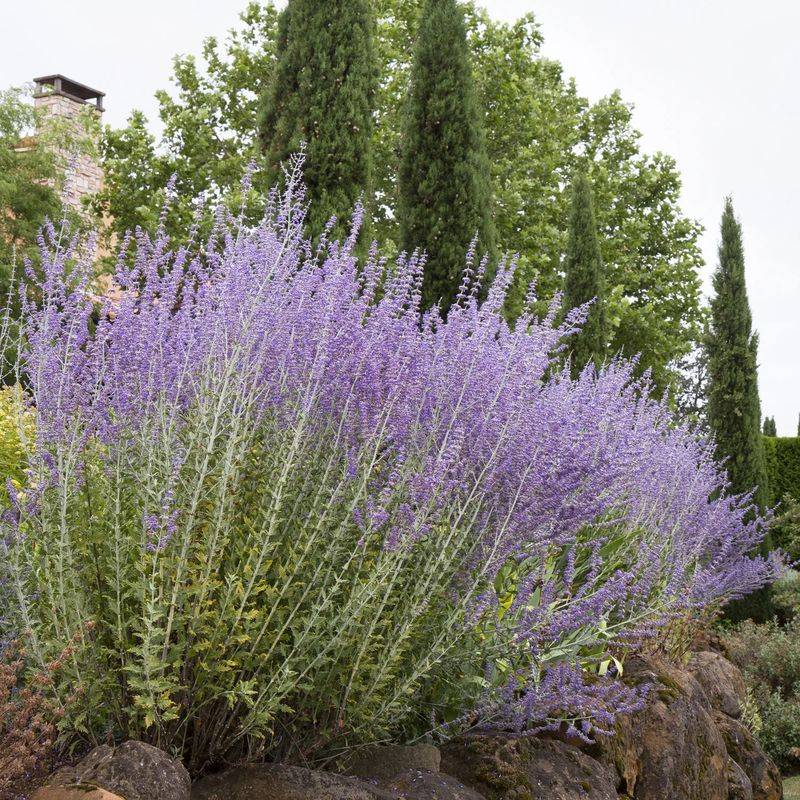
Picture a hazy purple cloud hovering three feet above your garden, and you’ve got Russian sage. Its silvery stems and misty lavender flower spikes bring an almost dreamy softness to sunny beds.
Late summer is when this plant really shines, filling the gap when many spring bloomers have called it quits. Hummingbirds appreciate the timing, treating the tiny flowers as a reliable nectar stop during the hot stretch.
It laughs at drought, poor soil, and blazing sun, which makes it a favorite in Western and Plains-state landscapes. Give it space, because a happy plant can reach four feet tall and just as wide.
Despite the name, it isn’t from Russia and isn’t a true sage, though the foliage does give off a pleasant, herbal aroma when brushed.
7. Delphinium (Delphinium elatum)
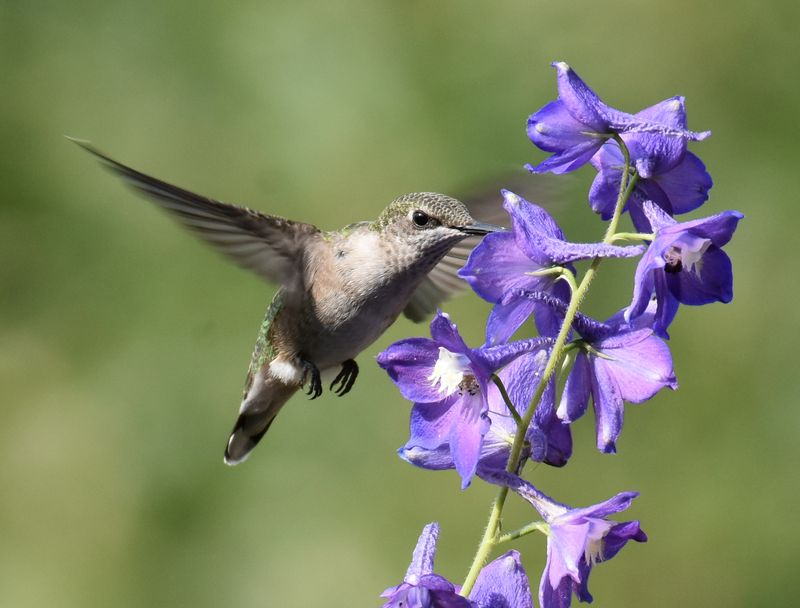
Standing like violet skyscrapers, delphiniums bring drama that few other purple flowers can match. Their towering spires, sometimes topping five feet, create a vertical nectar highway hummingbirds love to work from bottom to top.
Cooler summers suit them best, so gardeners in the Pacific Northwest and Northeast tend to have the greatest luck. They appreciate rich, moist soil and a bit of shelter from strong wind that could snap those tall stems.
Staking is often a good idea once the flower stalks shoot up, keeping the whole display upright and photo-ready. Deadheading the first flush can coax a smaller second bloom later in the season.
A word of caution for pet owners and parents: all parts of delphinium are toxic if eaten, so plant it where curious mouths won’t reach.
8. Foxglove (Digitalis purpurea)
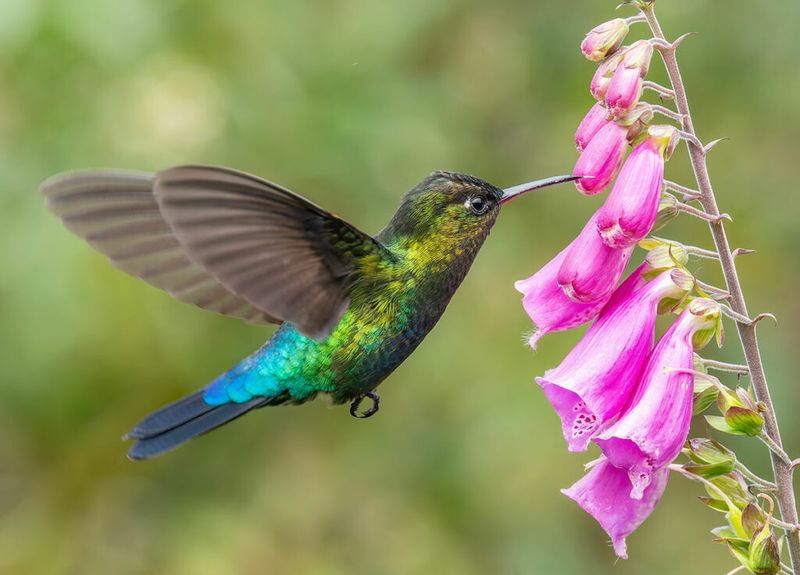
There’s something storybook about foxglove, with its tall stalks lined by speckled, thimble-shaped bells. Those deep purple tubes look almost hand-crafted for a hummingbird to poke its bill straight inside.
A biennial by nature, it often blooms in its second year, then happily reseeds so new plants keep the show going. Partial shade and moist, rich soil mimic the woodland edges where it grows naturally.
Because the bells climb the stem in sequence, hummingbirds can feed on a single plant for days as fresh flowers open. Plant it toward the back of a shady border where its height won’t overshadow smaller neighbors.
Heads up: foxglove is highly poisonous, the same plant that gave us the heart medicine digitalis, so keep it away from children and pets.
9. Lupine (Lupinus)
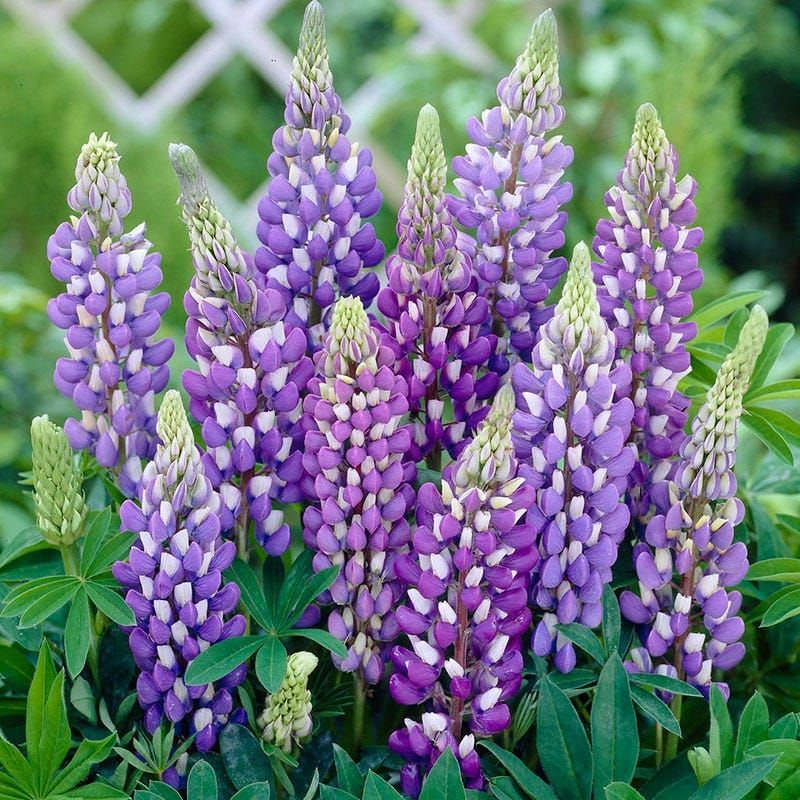
Cone-shaped and boldly colored, lupine flower spikes look like they belong in a painting of a mountain meadow. The purple varieties stack dozens of small pea-like blooms into a single showy tower.
Hummingbirds move methodically up each spike, sipping from one floret after another as if climbing a ladder of nectar. Native lupines also feed a range of pollinators and even improve soil by fixing nitrogen at the roots.
Cool climates and well-drained soil bring out their best, making them stars in Northern and mountain-region gardens. They dislike heavy clay and soggy feet, so amend heavy soils before planting.
Sow seeds in fall or nick and soak them before spring planting to boost germination, and you’ll be rewarded with a striking early-summer display.
10. Clematis (Clematis ‘Jackmanii’)
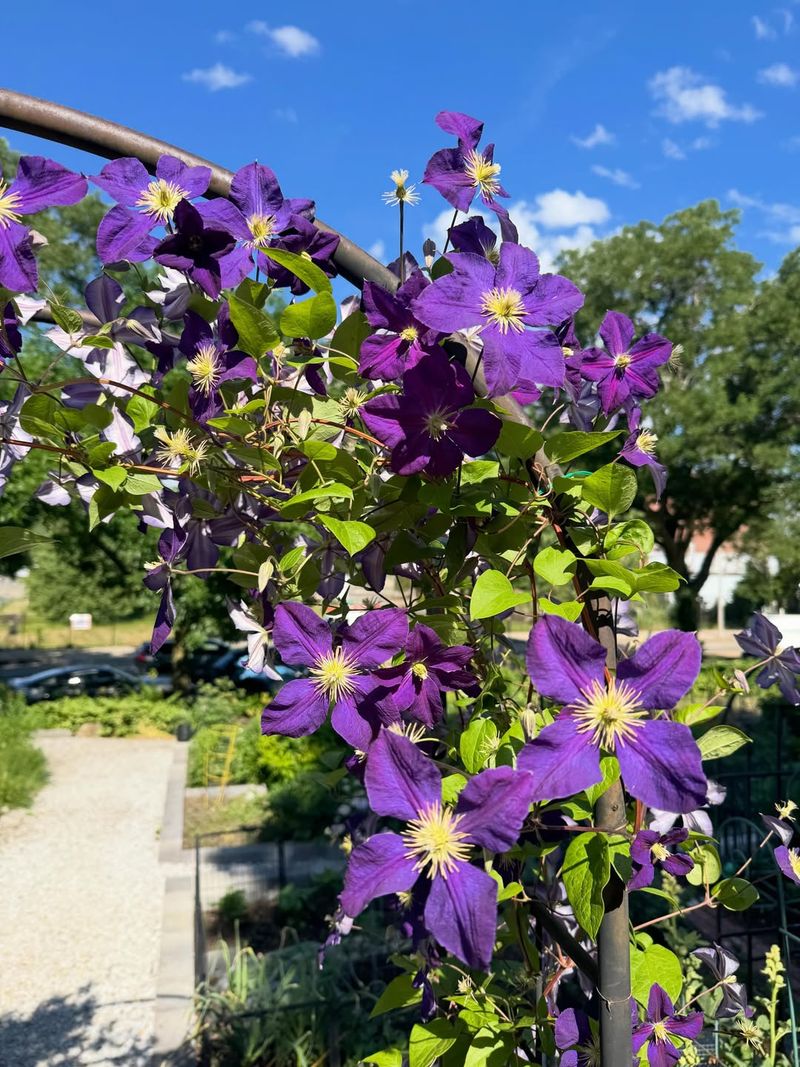
When you’re short on ground space, clematis climbs to the rescue with saucer-sized purple blooms that scale fences and trellises. The classic ‘Jackmanii’ variety drenches a support in rich violet flowers all summer.
Hummingbirds weave through the vertical blossoms, adding vertical interest to a nectar garden that most flat beds can’t offer. A common growing tip is to keep the roots cool and shaded while letting the top vine bask in sun.
Mulch or a low companion plant at the base does the trick nicely, protecting those sensitive roots. Give it something sturdy to grip, since a mature vine can climb well past eight feet.
Pair it with a rose or an arbor, and you’ll create a living wall that both you and the hummingbirds will happily revisit.
11. Purple Coneflower (Echinacea purpurea)
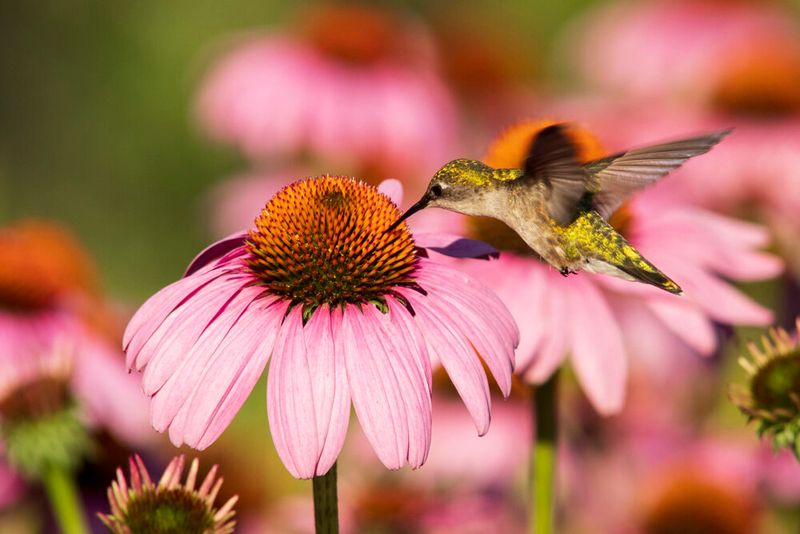
Sturdy, cheerful, and tough as nails, purple coneflower is a prairie native that earns its spot in nearly any US backyard. Its rosy-purple petals swoop back from a spiky orange center, creating a landing zone insects and birds can’t miss.
Hummingbirds visit both for the nectar and for the tiny insects the flowers attract, turning each bloom into a two-course meal. Blooming from midsummer into fall, it keeps the buffet open during the hottest weeks.
Drought, heat, and lean soil don’t slow it down, and it comes back reliably year after year with almost no coaxing. Leave the seed heads standing into winter, and goldfinches will thank you by cleaning them out.
Plant a generous drift of them in full sun, and you’ll draw a whole parade of pollinators along with your favorite flying jewels.