
16 Signs Your Zucchini Has Hit The Perfect Picking Moment (Wait Too Long And It Turns To Mush)
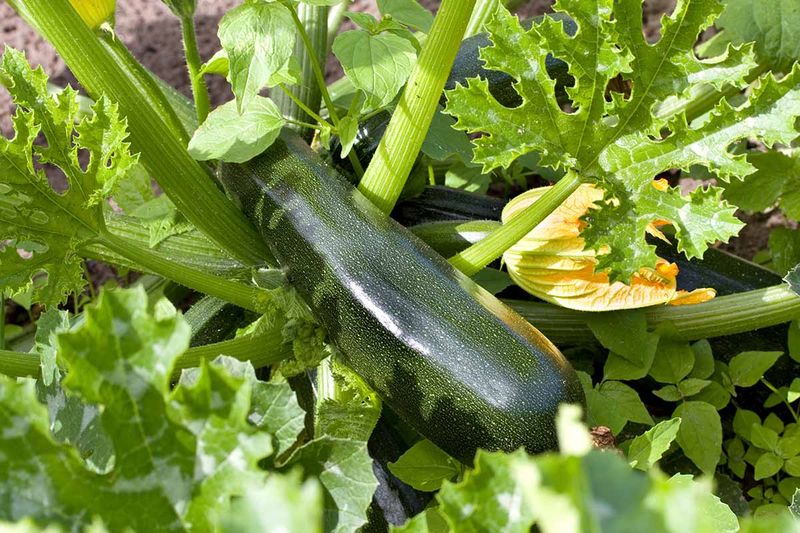
Zucchini plants can go from zero to overwhelming in what feels like a single afternoon. One day you spot a cute little squash, and a couple days later it has ballooned into a watery, seedy baseball bat that tastes like nothing. Knowing exactly when to pick keeps your zucchini firm, sweet, and tender instead of turning to mush on the counter. Here are 16 clear signs that your zucchini has hit that sweet spot and is begging to be harvested.
1. It Measures Six To Eight Inches Long
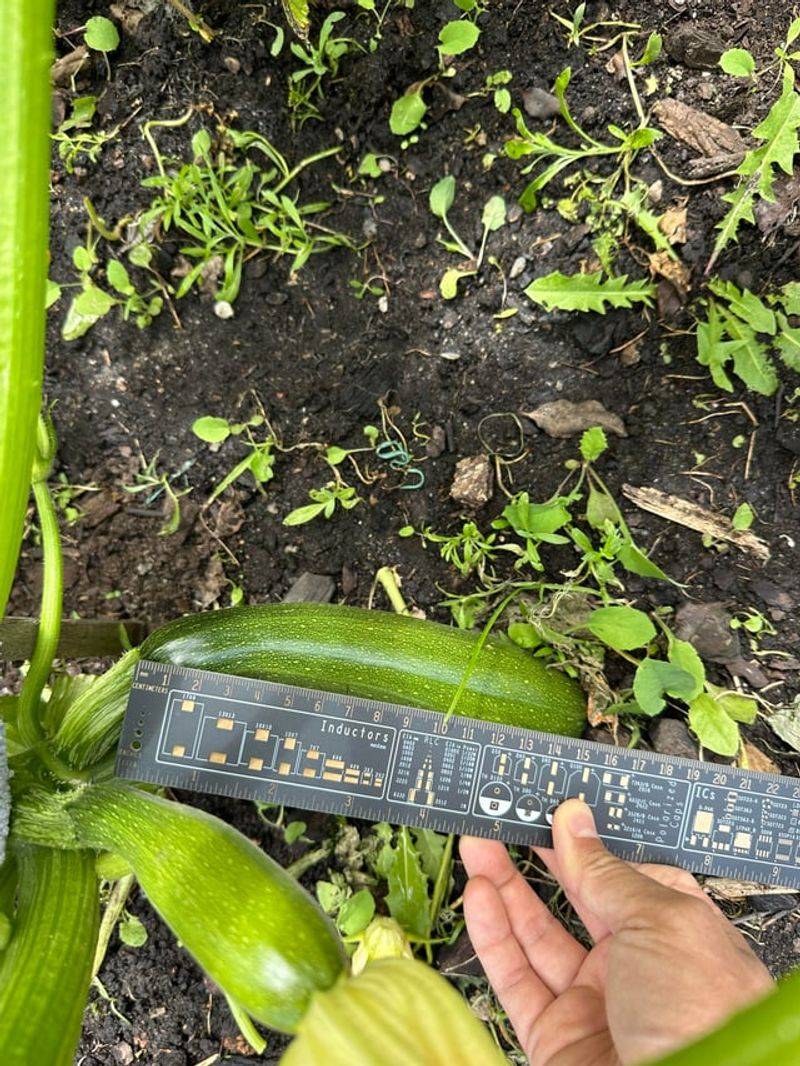
Grab a ruler the first time you harvest, because your eyes will trick you fast. Most backyard zucchini varieties taste best when they land somewhere between six and eight inches long, which is roughly the length of your hand plus a couple of fingers.
At that size the flesh stays dense and buttery, and the skin is thin enough to slice without peeling. Push past ten inches and the interior starts drying out, turning spongy and pale in the center.
If you are growing round or ball-type zucchini, the same idea applies by width instead of length. Aim for something close to a tennis ball or baseball, and pick before it swells to softball territory. A quick measurement now saves you from a mushy disappointment later.
2. The Skin Is Glossy, Not Dull
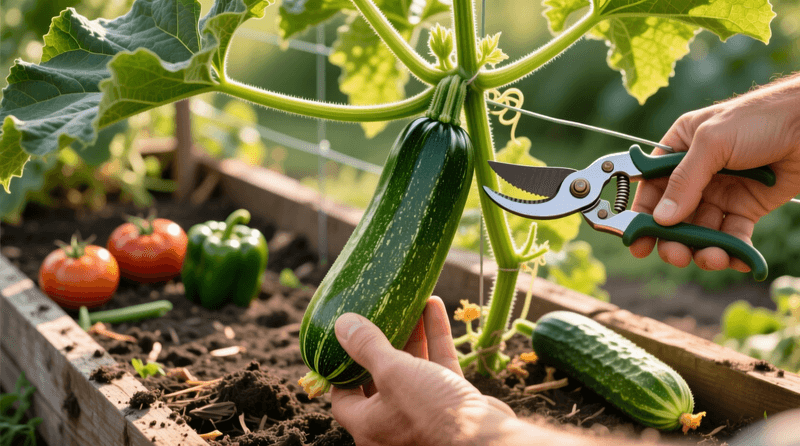
Shine is one of the easiest signals to read once you know to look for it. A zucchini at peak picking has skin that catches the light with a healthy, waxy gleam, almost like it was polished.
As the fruit ages on the vine, that glossy finish fades to a flat, chalky dullness. The matte look tells you the skin has toughened and the inside has begun converting sugars into fibrous seed structures.
Next time you walk the rows in the early morning, tilt each fruit toward the sun. The ones that sparkle are ready; the ones that look tired and dry can stay only if you plan to scoop them for bread. For eating fresh, glossy always wins.
3. Your Thumbnail Leaves A Light Mark
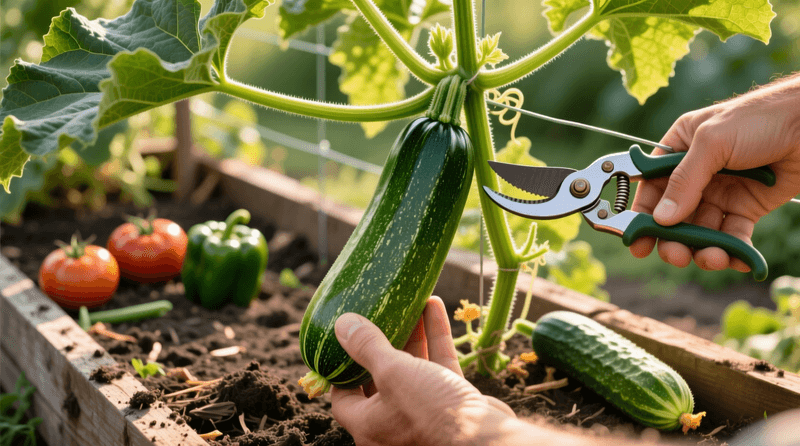
Here is a trick old-timers swear by that costs you nothing. Press your thumbnail gently against the skin, and if it leaves a faint dent that the flesh gives to easily, the zucchini is tender and ready.
When the skin resists your nail and feels armored, you have waited too long. That hardened rind means the interior has gone woody and the seeds have bulked up into a stringy mess.
Be gentle so you do not scar a fruit you are leaving to grow. A soft, forgiving skin is your green light, while a rind that fights back is nature telling you the eating window has closed.
4. It Feels Heavy And Firm In Your Hand
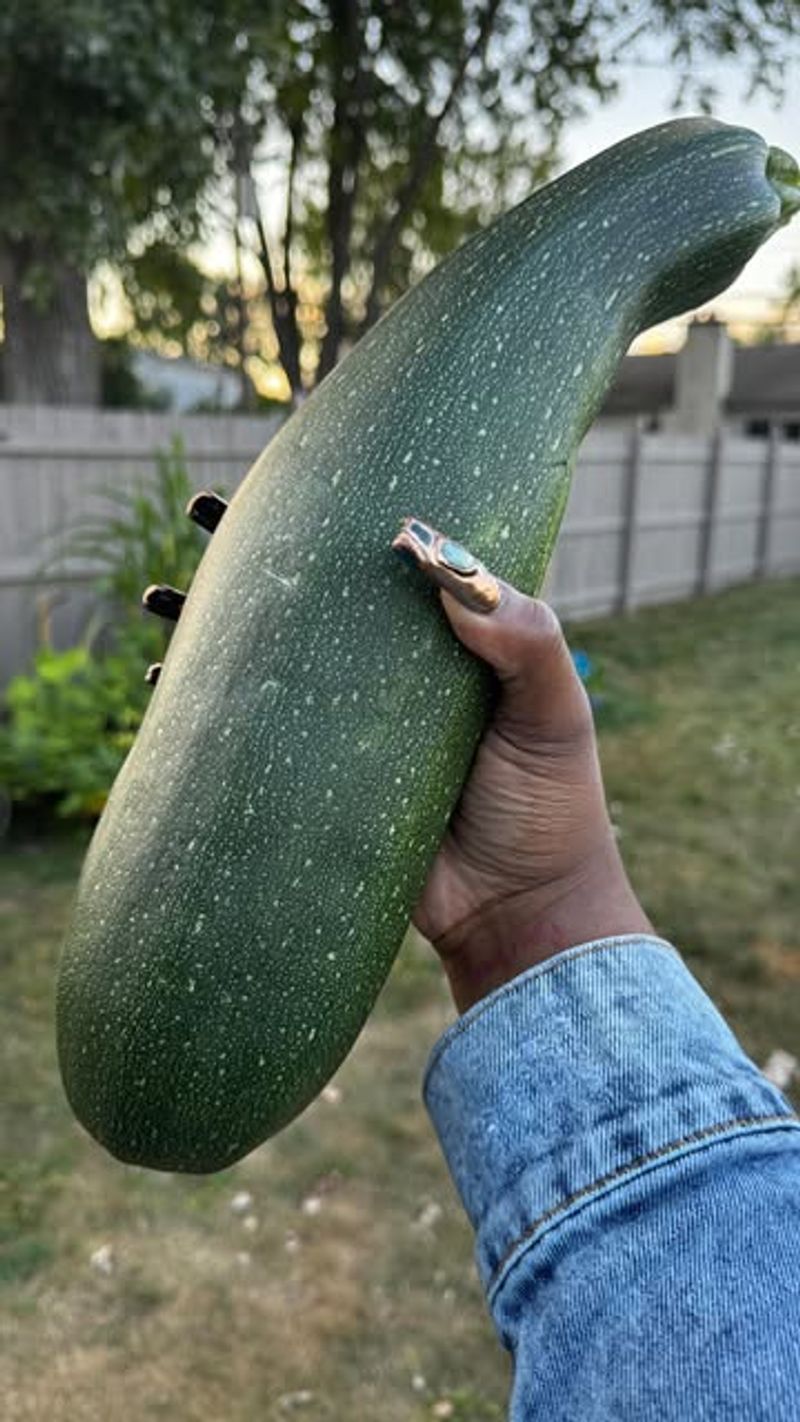
Weight tells a surprising story about what is happening inside. A perfectly timed zucchini feels dense and solid, heavy for its size because the flesh is packed tight with moisture and sugar.
Give it a gentle squeeze. Firm resistance means crisp, snappy flesh, while any softness or a hollow, lightweight feel signals that the inside is drying out and turning cottony.
Overgrown zucchini often feel weirdly light near the blossom end, a sign the center has already gone airy and pithy. Trust your palm here. If it has real heft and stays firm under pressure, you have caught it at its best.
5. The Color Is A Deep, Even Green
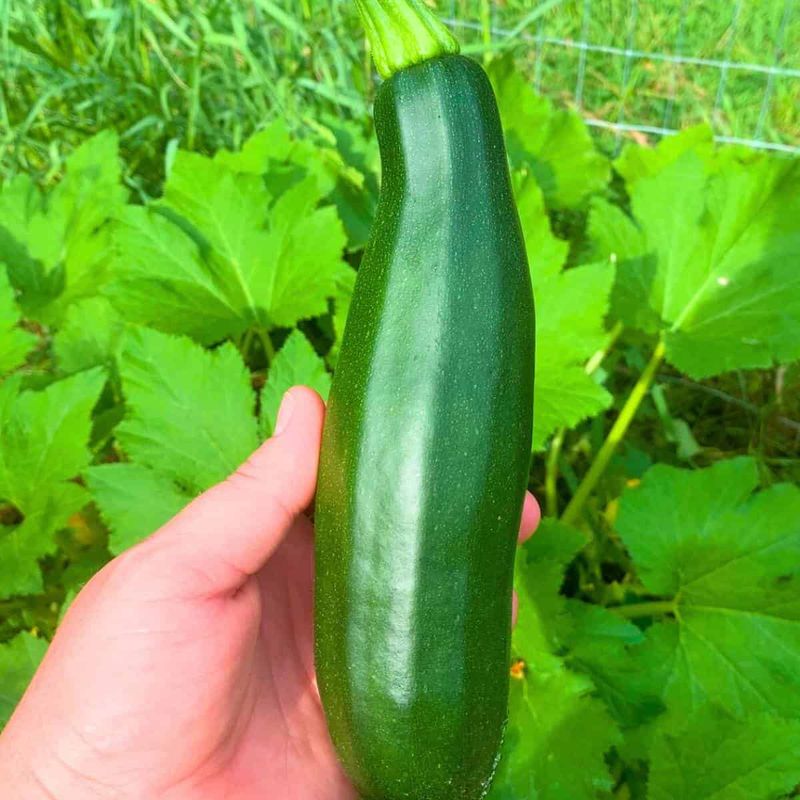
Rich, uniform color is a quiet brag from a happy plant. A zucchini ready for the kitchen wears a deep, consistent shade, whether that is dark forest green, striped, or golden yellow depending on your variety.
Watch for patches that turn pale, yellowish, or washed out on a green type, because fading usually means the fruit is aging past its prime. Blotchy or bleached spots can also hint the fruit sat too long and started to lose its edge.
Golden and yellow varieties should glow warm and bright rather than muddy. Learn your specific variety’s signature color, and let any drift away from that shade nudge you toward the harvest basket.
6. The Blossom End Is Just Starting To Fade
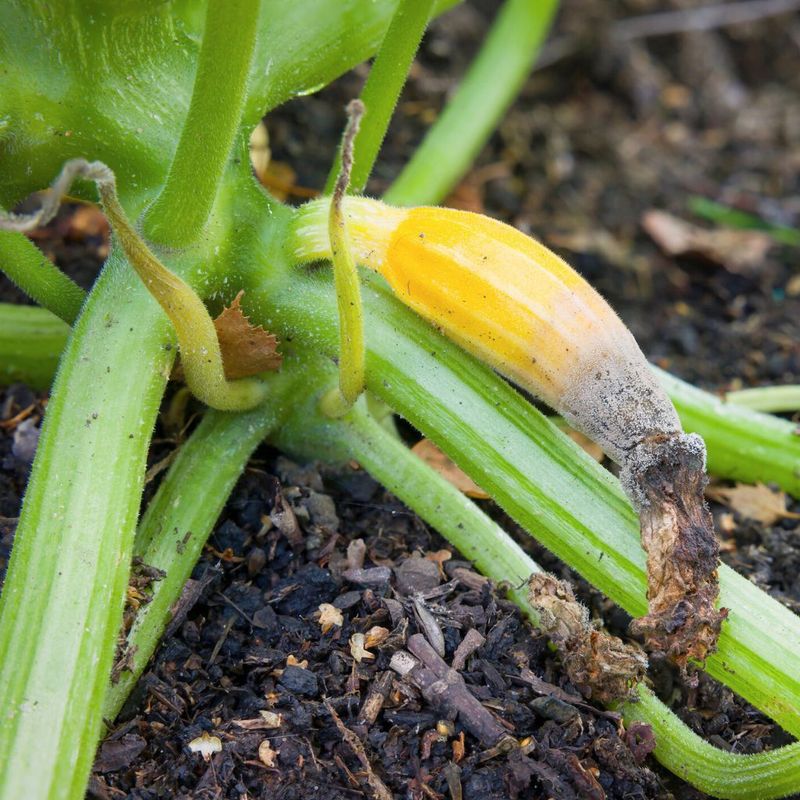
Down at the tip opposite the stem, a little flower once bloomed. On a young zucchini you will often still see a shriveled blossom clinging on or a fresh scar where it recently dropped.
A flower that has only just wilted and browned points to a fruit picked at peak tenderness. Once that end fully dries, hardens, and the scar grows large and corky, the fruit has been maturing for days too long.
Baby squash sold with the blossom still attached are prized in fancy kitchens for a reason. That delicate flower is proof of youth, and youth is exactly what you want on your cutting board.
7. You Can Barely Feel The Seed Bumps
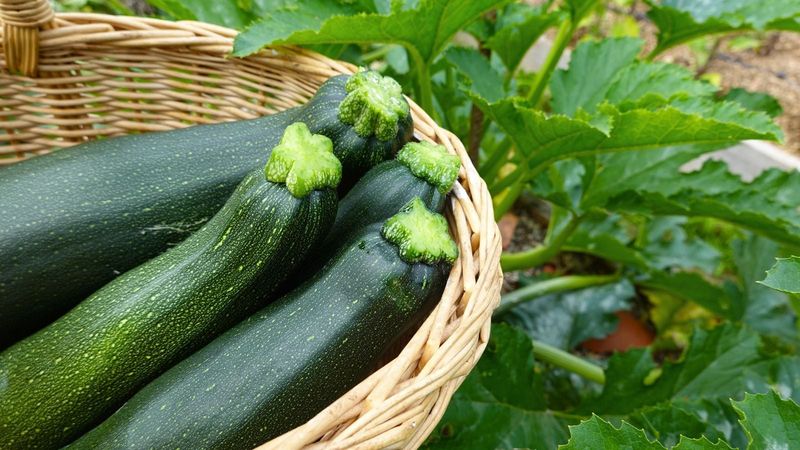
Run your fingers along the length of the fruit and pay attention to texture. A prime zucchini feels smooth and even, with no obvious bulges betraying the seeds hiding inside.
When you start to feel ridges or lumps swelling beneath the skin, the seeds are enlarging fast. That is the last warning before the core turns spongy and full of tough, chewy seed casings.
Slice one open at picking size and you should see tiny, barely-there seeds in tender pale flesh. The moment those seeds get big enough to feel from the outside, the clock has nearly run out on that squash.
8. It Snaps Cleanly When You Cut It
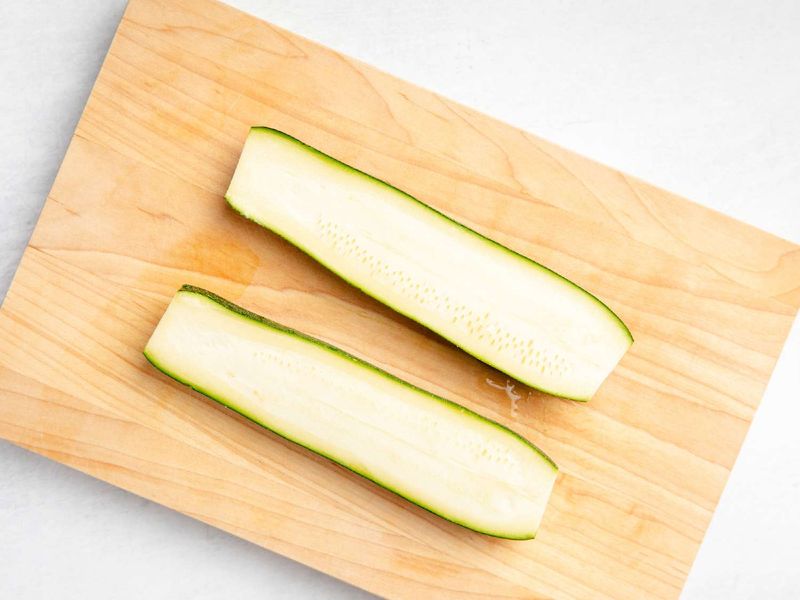
The sound and feel of your knife tells you plenty. A zucchini at its peak cuts with a crisp, clean snap and the slices hold their shape, moist but sturdy.
Cut into one that waited too long and the knife glides through soft, watery pulp that collapses and weeps liquid all over the board. That mushy give is the exact texture that ruins a stir-fry or a grill session.
Freshly harvested squash also feels cool and squeaky against the blade. If your test cut feels more like slicing a ripe melon than a firm cucumber, you already know that fruit sat on the vine a few days past perfect.
9. The Vine Is Pumping Out New Flowers
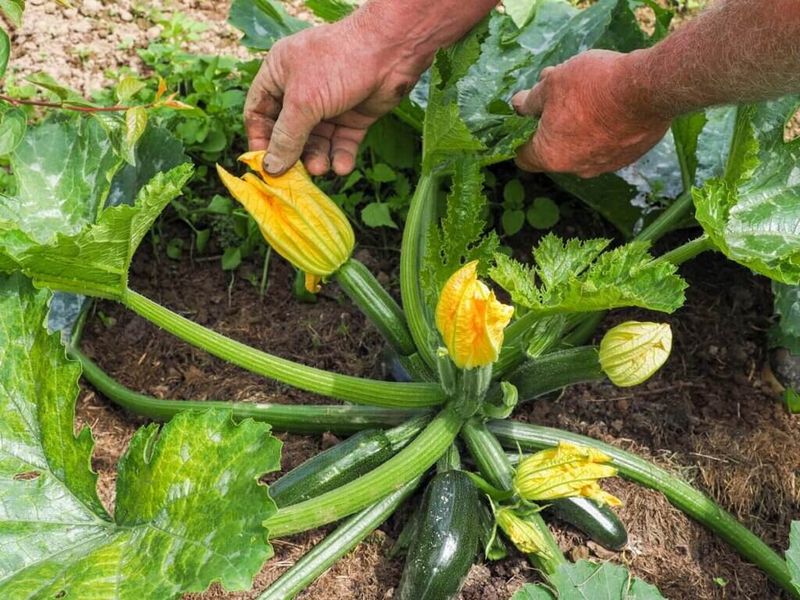
Zucchini plants are generous overachievers, and a plant covered in fresh blooms is telling you to keep picking. When you see plenty of bright yellow flowers opening up, the plant is in full production mode.
Harvesting mature fruit while flowers are still coming signals the plant to keep setting more. Leave a giant zucchini hanging on and the plant slows down, pouring its energy into ripening seeds instead of making new squash.
Think of every timely pick as encouragement. A steady rhythm of harvesting at the right moment keeps blossoms coming and your kitchen stocked all season long, rather than ending in one lonely, oversized mush bomb.
10. It Has Been About Four To Eight Days Since Flowering
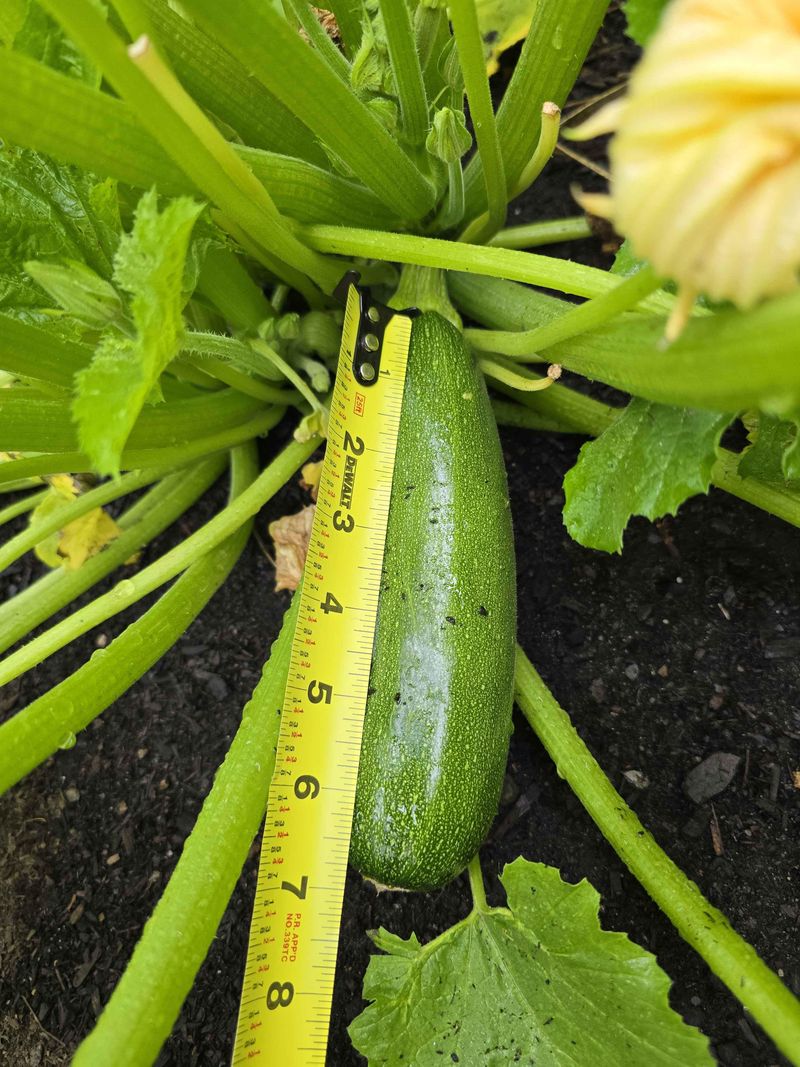
Timing from bloom to harvest is more predictable than most beginners expect. Once a female flower is pollinated, the fruit behind it usually reaches ideal eating size in roughly four to eight days during warm US summer weather.
Mark a mental note or tie a loose bit of string near a flower to track how fast things move on your plants. In peak July heat, growth can be lightning quick, so a fruit that looked small yesterday may be dinner-ready today.
Cooler stretches slow the pace, giving you a slightly wider window. Learning your own garden’s rhythm turns guesswork into a reliable countdown you can plan meals around.
11. The Stem Is Still Green And Fresh
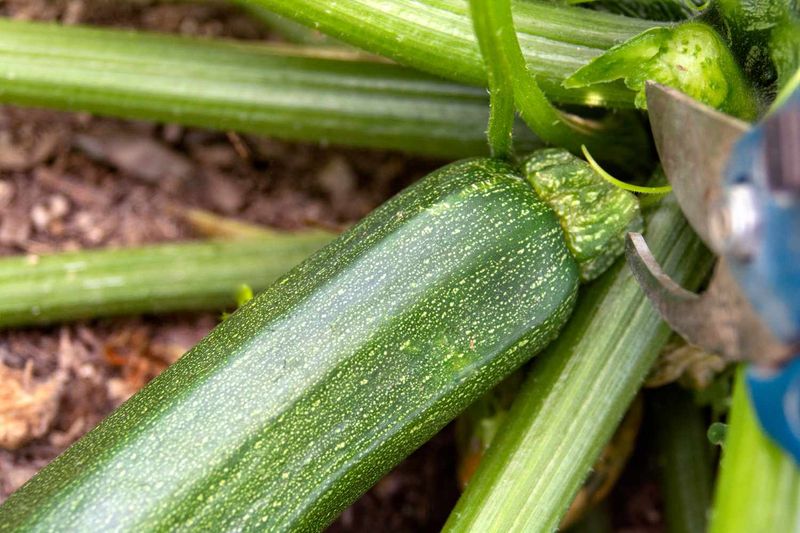
Peek at the stem connecting the fruit to the vine before you decide. A prime zucchini hangs from a firm, green, juicy stem that snaps or slices easily with a knife.
When that stem starts to dry, harden, and turn tan or corky, the fruit beneath it has been maturing longer than you want. A woody stem often means a woody core.
Always cut rather than yank, leaving a short stub of that green stem attached. A clean cut protects the plant from tearing and helps your harvested squash last longer in the fridge without rotting at the neck.
12. It Fits Comfortably In One Hand
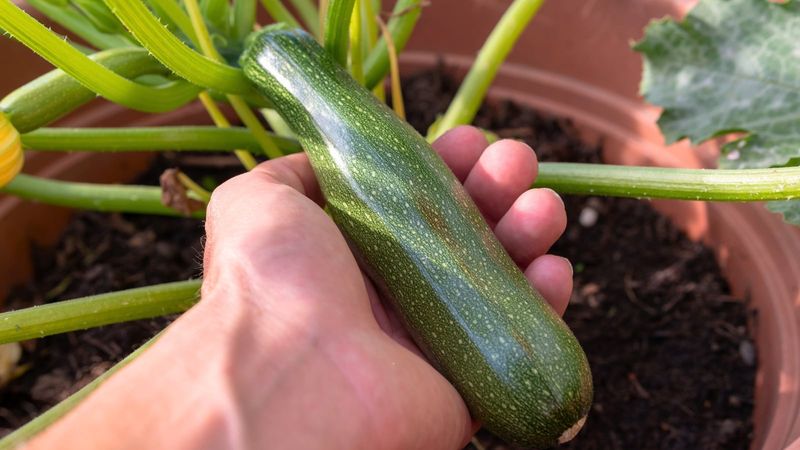
Forget the ruler for a second and use the tool you always have with you. A zucchini you can wrap your fingers around and lift easily with a single hand is almost always in the sweet spot for flavor and texture.
The moment it grows too fat to grip or too long to balance in your palm, you are drifting into bread-and-fritter territory rather than fresh eating. Two-handed zucchini are impressive at the county fair but sad on the plate.
Container and small-space gardeners especially love this rule because it needs no measuring at all. If it feels like a comfortable, pick-up-and-go handful, toss it in the basket.
13. No Soft Spots Or Wrinkles Anywhere
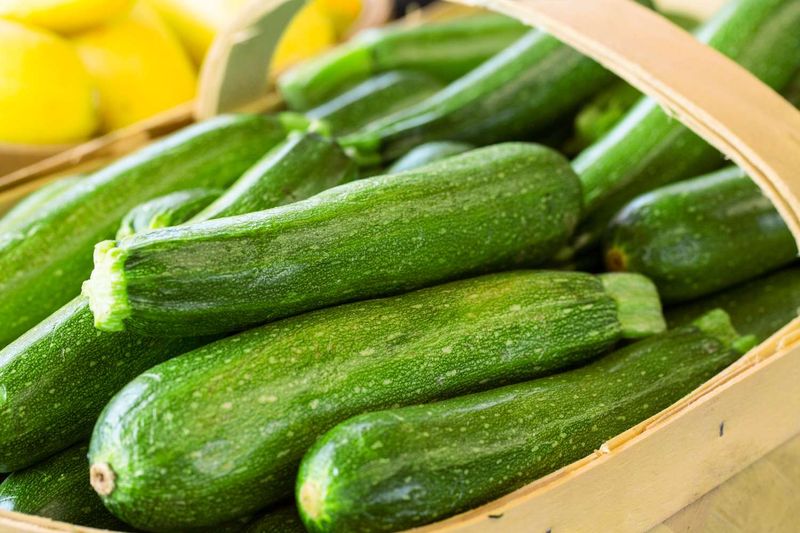
Smoothness is a signal of a fruit still on the rise rather than one starting to decline. Roll the zucchini in your hands and feel for any mushy dents, wrinkled skin, or shriveled patches.
Soft spots often mean the fruit has been on the vine so long it is beginning to break down, or that rot has set in from moisture. Wrinkling near either end tells you the flesh is drying and losing its snap.
A ready-to-pick zucchini feels taut, plump, and uniform from stem to tip. Any squishy giveaway under your thumb means you either missed the window or need to pick that one right now and use it fast.
14. The Skin Scratches Easily With A Fingernail
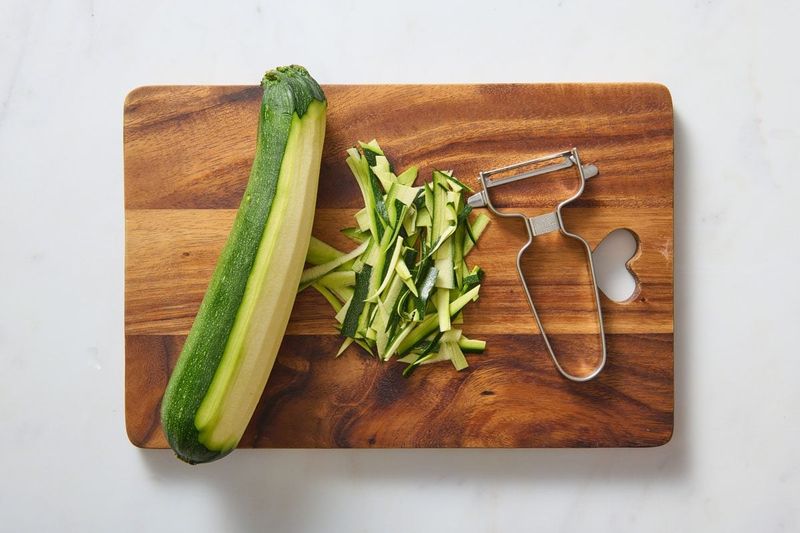
Beyond the thumbnail dent test, there is the scratch check for skin thickness. Lightly drag a fingernail across the surface, and on a tender young zucchini it will scratch or scuff without much effort.
Skin that shrugs off your nail and stays glassy smooth has thickened into a protective rind, the kind you would need to peel before cooking. Thick skin is the plant’s way of guarding maturing seeds.
Thin, scratchable skin means you can cook the whole thing, peel and all, keeping the fiber and nutrients. Save the scratch test for fruit you plan to harvest anyway, since those little marks heal poorly on ones left to grow.
15. It Is Hiding Under The Leaves Getting Big Fast

Zucchini are masters of hide and seek, and the ones that vanish under giant leaves are the ones that turn into clubs overnight. If you spot a fruit tucked deep in the shade of the canopy, check it closely, because hidden squash grow shockingly fast.
A fruit you can barely see today might be a foot long and seedy in three or four days. Lifting the leaves during every harvest walk is the only way to catch these sneaky growers in time.
Make it a habit to part the foliage and peer down to the base of the plant. Those shadowy corners are exactly where the mush monsters are born when you least expect them.
16. It Looks Just Slightly Smaller Than Store-Bought
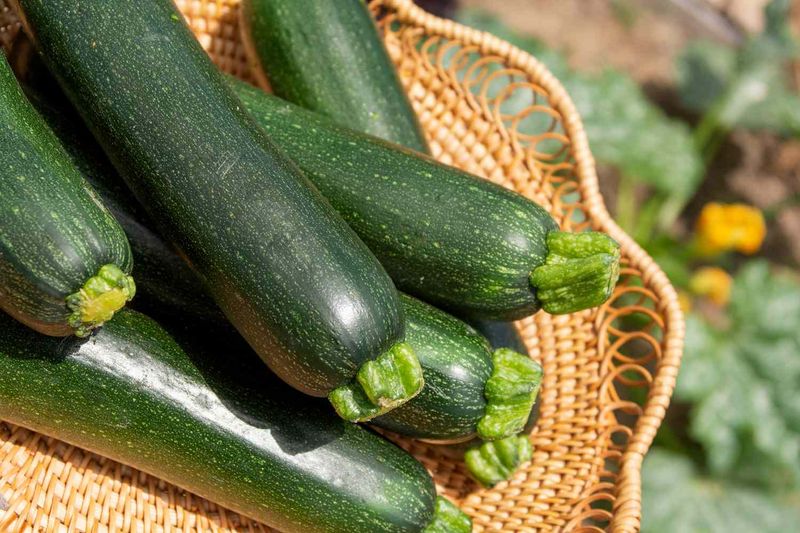
Grocery store zucchini set a mental picture that leads a lot of gardeners astray. Home-grown squash actually taste best picked a touch smaller than what you usually see stacked at the supermarket.
Big commercial zucchini are bred and grown for shipping weight and shelf life, not peak tenderness. When you pull yours a bit earlier and slimmer, you get sweeter flesh, thinner skin, and hardly any seeds.
Did you know the whole zucchini plant is edible, from the golden blossoms to the young leaves and tender shoots? Picking on the small side unlocks that delicate garden flavor the store version never quite delivers, so resist the urge to let yours catch up to the big ones.