
If These 20 Birds Show Up In Your Yard, You’re Doing Everything Right
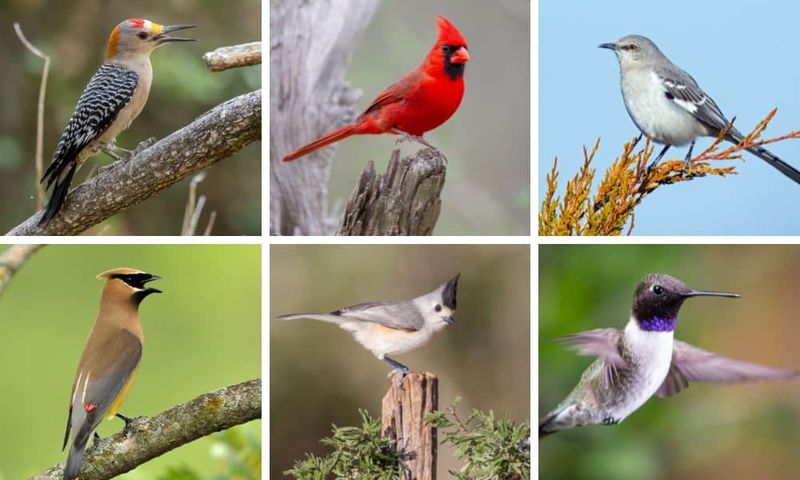
A yard full of birds is one of the best report cards a gardener can get. When certain species keep showing up, it usually means your space has the food, water, shelter, and safety wild birds crave. Below are 20 backyard birds that signal you have built something special, plus what each one is quietly telling you about your habitat.
1. Eastern Bluebird
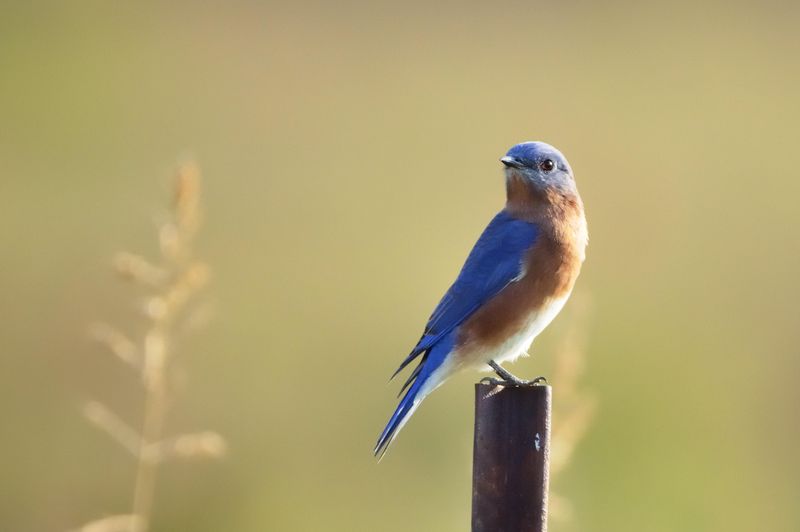
Few sights make a gardener grin like a flash of sky-blue landing on a fence post. The Eastern Bluebird is picky about where it settles, so its arrival means your yard checks a lot of boxes at once.
These birds want open grassy areas for hunting insects and a nearby nest box or cavity for raising young. If they stick around, you likely have short lawn edges, low pesticide use, and a healthy bug population feeding the chain.
They also lean on mealworms and native berry shrubs in cooler months. Seeing a pair scout your birdhouse is a strong sign your habitat balance is spot on.
Fun bit: bluebird numbers crashed in the mid-1900s, so every backyard pair today is part of a comeback story you helped write.
2. American Goldfinch
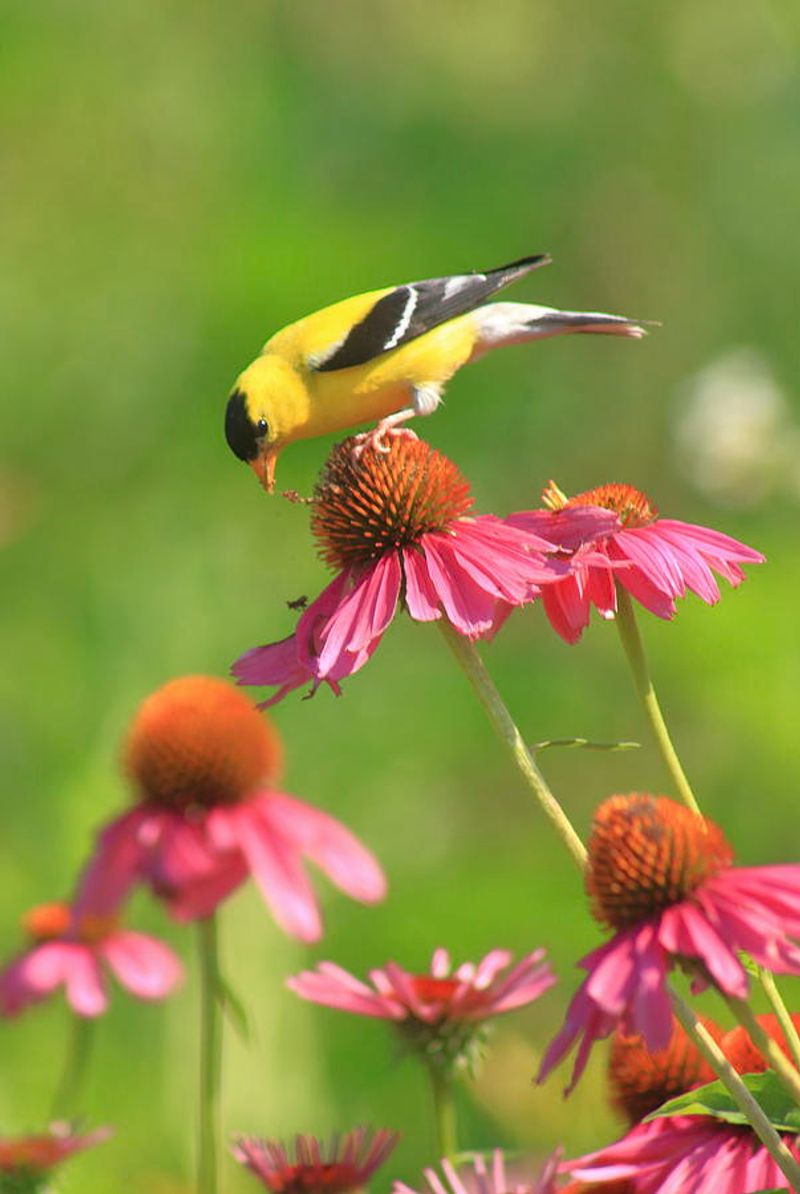
Bright as a drop of sunshine, the American Goldfinch tends to appear where seeds are plentiful and pesticides are scarce. Their glowing summer plumage almost looks fake against green foliage.
They adore thistle, coneflower, and sunflower seed heads, so a goldfinch flock usually means you left some flowers to go to seed instead of deadheading everything. That small act of restraint feeds them beautifully.
Unlike many songbirds, goldfinches nest late in summer to time their broods with peak seed availability. If they raise chicks in your yard, your late-season blooms are pulling real weight.
Hang a nyjer feeder near native perennials and you may watch a dozen of them cling and chatter at once.
3. Northern Cardinal
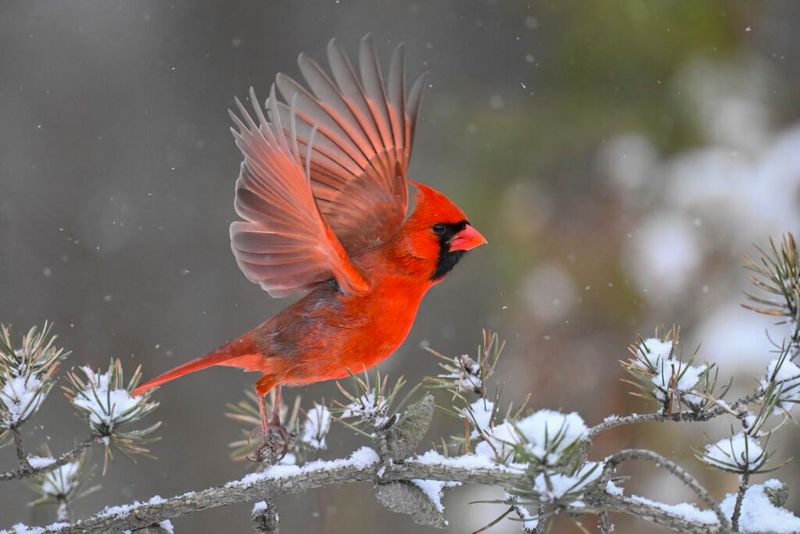
That unmistakable red bird cutting through winter gray does more than look pretty. Northern Cardinals settle in yards with dense shrubs and reliable food, meaning your layered plantings are doing their job.
They favor thick evergreens and tangled hedges for cover, plus sunflower seeds and berry bushes for meals. A resident cardinal pair is a clue you have both protection and pantry covered.
Cardinals do not migrate, so a pair that adopts your yard may stay for years and raise multiple broods. That loyalty is a compliment to your habitat.
Listen at dawn for their clear whistled song, often the first voice of the morning in a healthy backyard.
4. Ruby-throated Hummingbird
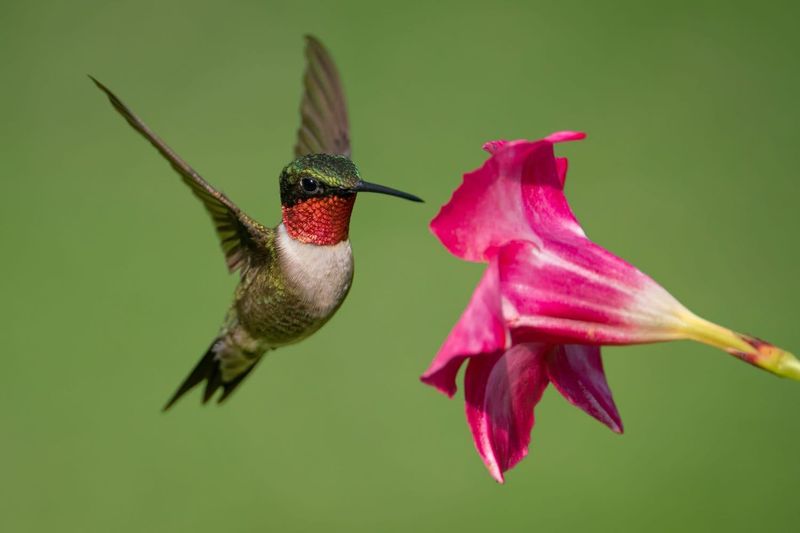
Weighing about as much as a penny, this tiny dynamo will only linger where nectar flows freely. A regular hummingbird means your flower choices are working overtime.
They chase tubular red and orange blooms like trumpet vine, bee balm, and salvia, along with the small insects they need for protein. A busy feeder plus native nectar plants keeps them returning all season.
Ruby-throats defend feeding territory fiercely, so if one guards your yard as its own, consider that a badge of honor.
Did you know? A hummingbird’s heart can beat over 1,200 times a minute, so your garden is basically fueling a living rocket.
5. Carolina Wren
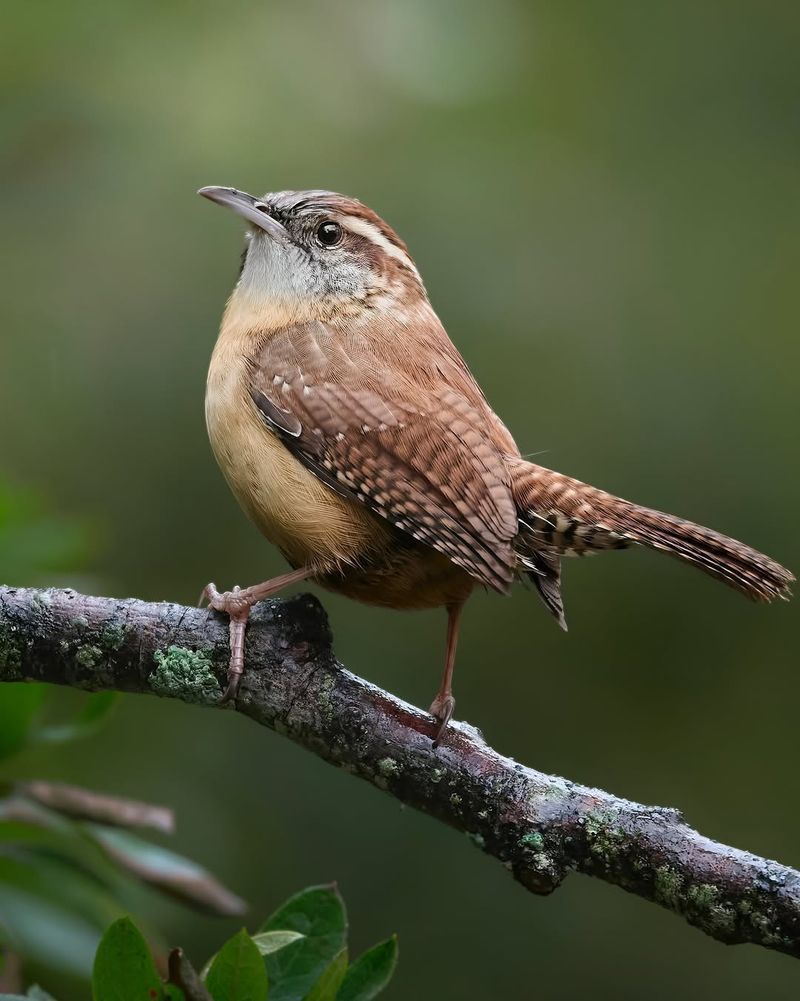
Loud out of all proportion to its size, the Carolina Wren fills a healthy yard with rolling song from surprising hiding spots. Their presence hints at plenty of insects and cluttered corners they can explore.
These curious birds poke through brush piles, woodpiles, and leaf litter searching for spiders and bugs. If you left a messy natural edge instead of a sterile lawn, they reward you by moving in.
They are famous for nesting in odd places like flowerpots, mailboxes, and old boots on the porch. A wren checking out your gear means your yard feels safe and lived-in.
Keep a shrubby tangle nearby and you may hear their teakettle-teakettle call echoing all day.
6. Black-capped Chickadee
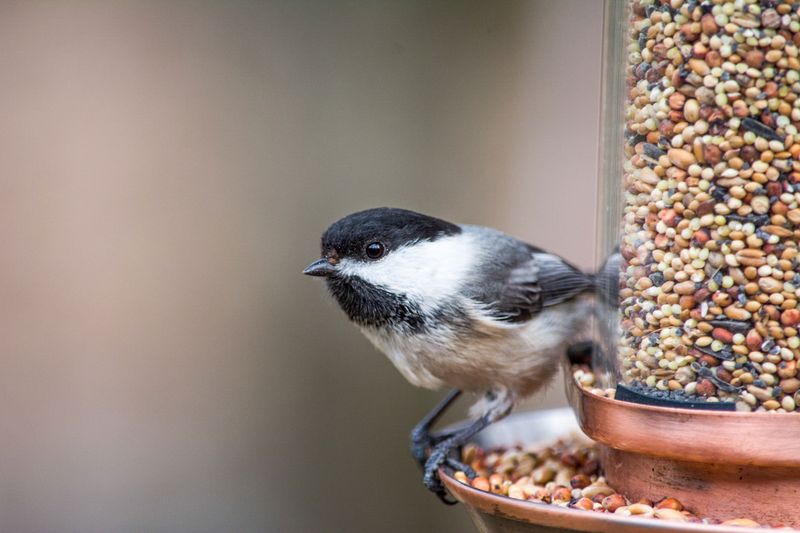
Brave enough to eat from a patient hand, chickadees are a sign your yard feels calm and secure. Their trusting nature only shows up where they feel protected.
They need trees or shrubs for cover and love sunflower seeds, suet, and insects. A chickadee flock often leads other small birds around the yard, acting as the neighborhood scouts.
Because they cache food for winter, a chickadee that maps your feeders is planning to stay through the cold. That is a long-term vote of confidence in your setup.
Their name comes from their alarm call, and the more dee notes they add, the bigger the threat they spotted, so they double as tiny weather-and-danger reporters.
7. Baltimore Oriole
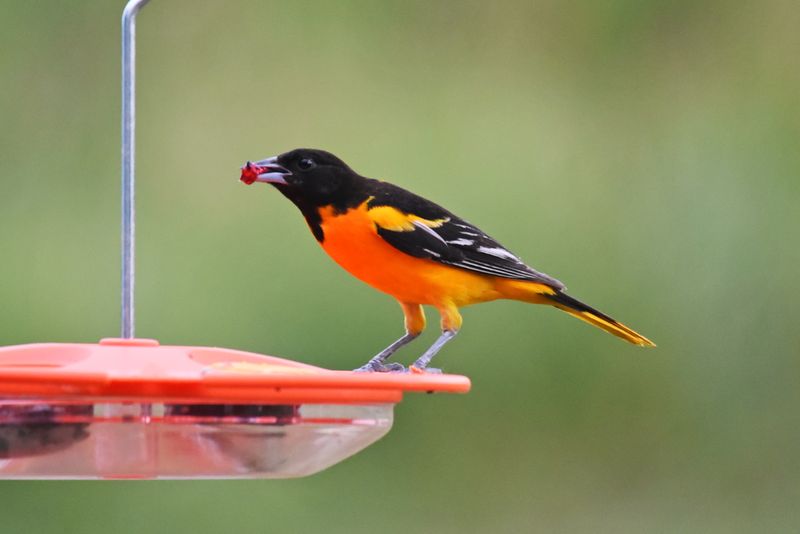
A splash of flaming orange high in your shade tree turns any morning into an event. Baltimore Orioles are choosy visitors, drawn to yards offering fruit, nectar, and tall leafy trees.
They go wild for orange halves, grape jelly, and nectar feeders, and they weave hanging pouch nests in the crooks of mature trees. Offering those treats in spring can pull them right off migration routes.
Their arrival usually means you have both the food they crave and the tall canopy they trust for nesting. Not every yard can claim both.
Set out jelly in late April and watch for that first electric-orange guest to prove your timing right.
8. Downy Woodpecker
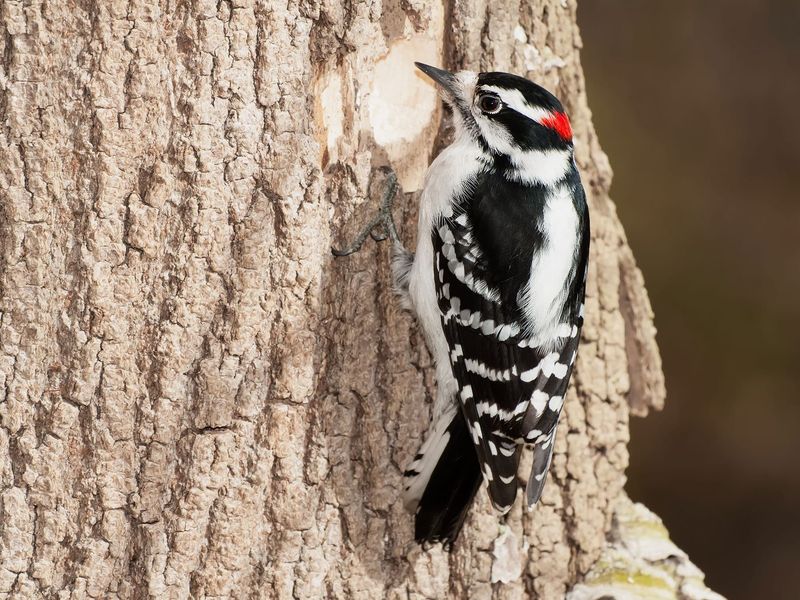
Tap-tap-tapping along a branch, the little Downy Woodpecker signals your yard has healthy wood and plenty of hidden bugs. They are the smallest woodpeckers in North America and often the friendliest.
They hunt insects in tree bark and gladly visit suet feeders, so a resident downy usually means you have mature trees or standing snags they can work. Leaving a dead limb up when it is safe pays off here.
Their steady presence also tells you the local insect population is thriving without being poisoned. That balance keeps the whole food web humming.
Watch how they brace their stiff tail against the bark like a built-in kickstand while they drill.
9. American Robin
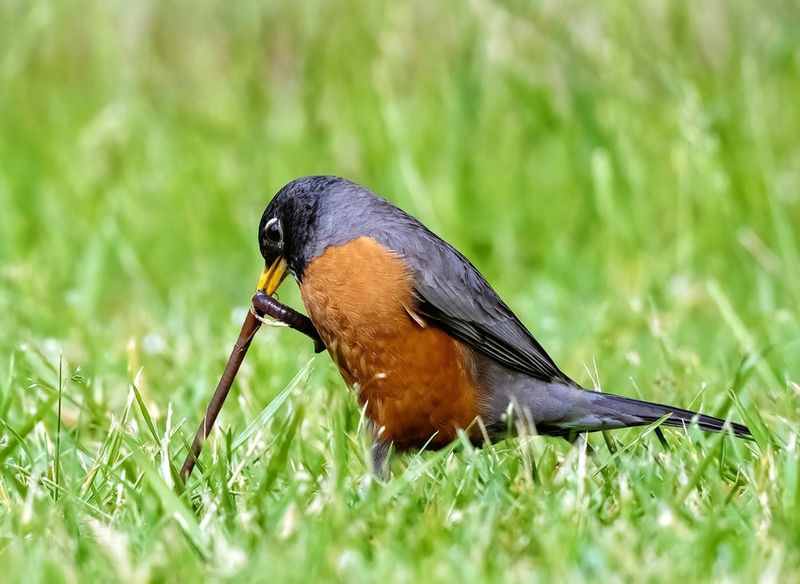
Tugging worms from your lawn at dawn, the American Robin is the classic sign of soil that is alive and chemical-free. A yard full of robins usually means a yard full of healthy earthworms.
They hunt on open grass and switch to berries in fall and winter, so a mix of lawn and fruiting shrubs keeps them fed year-round. Their bobbing hunt across the grass is a familiar comfort.
Robins often build mud-and-grass nests on ledges, gutters, and porch beams, trusting the spot to raise their speckled blue eggs. A nest tucked against your house is quiet praise for a peaceful yard.
Spotting the first robin has long been treated as proof spring is on the way.
10. Tufted Titmouse
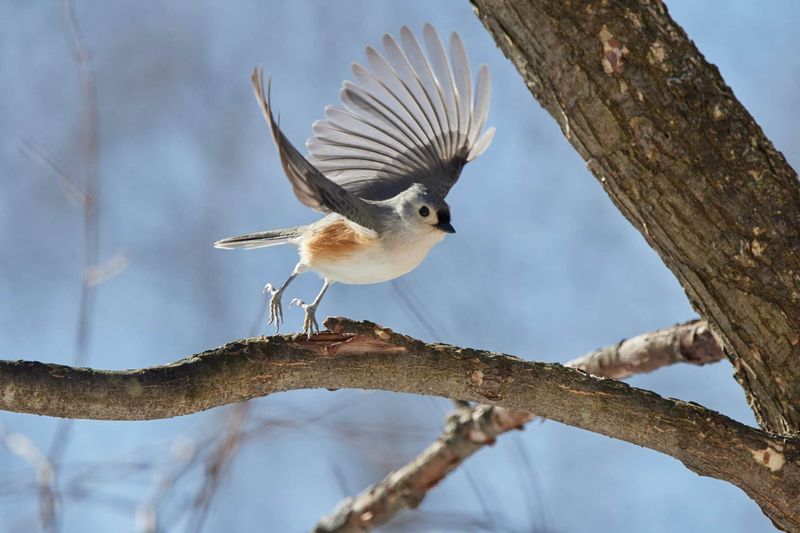
With a spiky gray crest and big dark eyes, the Tufted Titmouse looks perpetually curious, and it only settles where trees and food line up. Their arrival points to a wooded, seed-rich yard.
They favor mature trees for cover and grab sunflower seeds one at a time, flying off to crack each open. If they shuttle back and forth to your feeder, your setup passes their test.
Titmice will even pluck fur from live animals to line their nests, showing off a boldness that matches their loud whistle. A yard where they nest is a yard they clearly trust.
They often travel in mixed winter flocks with chickadees, so one usually brings friends.
11. Cedar Waxwing
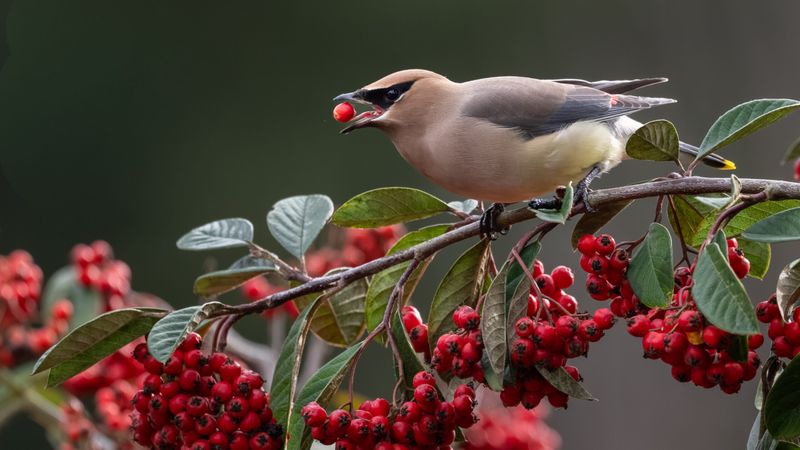
Sleek, masked, and dipped in yellow, Cedar Waxwings arrive like a polished flock of tiny bandits. Their visits are a strong hint that your yard offers ripe berries in bulk.
These fruit lovers descend on serviceberry, dogwood, holly, and cedar in noisy groups, stripping a shrub in minutes. Planting native berry trees is practically an open invitation.
Because they roam in search of fruit, a waxwing flock choosing your yard means your plantings beat the neighbors. That is a real gardening win.
They sometimes pass berries down a line, beak to beak, in one of the most charming behaviors in the bird world.
12. Blue Jay
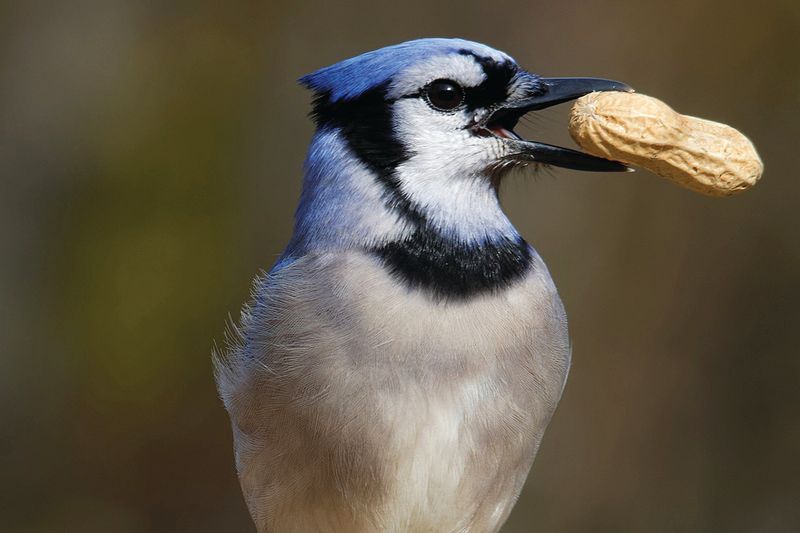
Bold, brassy, and impossible to ignore, the Blue Jay brings both beauty and attitude to a yard. Their presence signals plenty of nuts, acorns, and cover to hide their stash.
They love peanuts, acorns, and sunflower seeds, and they bury caches all over, accidentally planting oak trees as they forget where. A jay in your yard is quietly reforesting the neighborhood.
Jays also act as loud lookouts, screaming when hawks or cats appear, which actually protects smaller feeder birds. Their noise is a feature, not a bug.
They can mimic hawk calls well enough to scatter other birds and grab a feeder to themselves, so watch for a little trickery.
13. House Finch
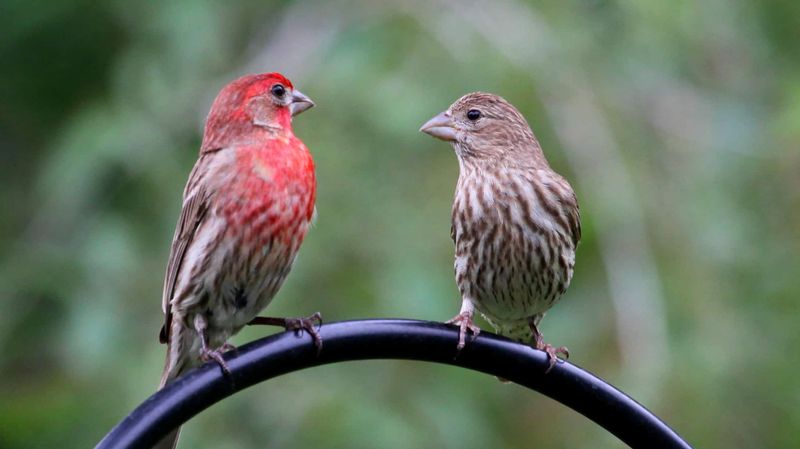
Rosy-headed and cheerful, House Finches settle easily into welcoming yards and sing almost year-round. A steady flock tells you your feeders and plantings feel dependable to them.
They flock to sunflower and nyjer seed and happily nest in hanging baskets, wreaths, and porch nooks. If you find a tidy nest in your ferns, take it as friendly approval.
The redness in the males comes from the food they eat, so a deeply colored finch is a sign of a well-fed bird enjoying your garden’s bounty.
Originally a western species, they spread east after a 1940s pet-trade release, so their song now travels coast to coast.
14. White-breasted Nuthatch
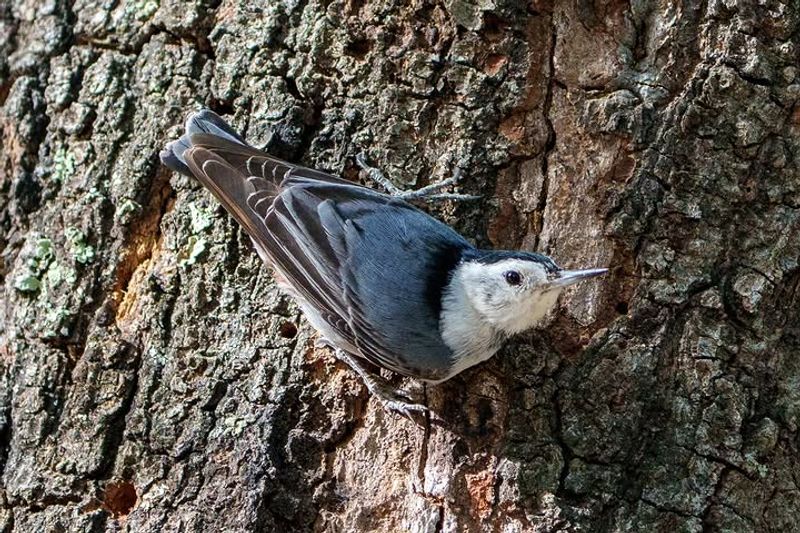
Walking headfirst down a tree trunk, the White-breasted Nuthatch defies gravity and delights anyone watching. Their upside-down foraging means your yard has solid, insect-rich trees.
They wedge seeds and nuts into bark crevices and hammer them open, a behavior that gives them their name. A nuthatch working your oak or maple points to healthy standing timber.
They store food for winter and remember hundreds of hiding spots, so one that maps your yard plans to stay. That commitment reflects well on your habitat.
Their nasal yank-yank call is easy to learn and a fun way to know one is nearby before you even spot it.
15. Mourning Dove
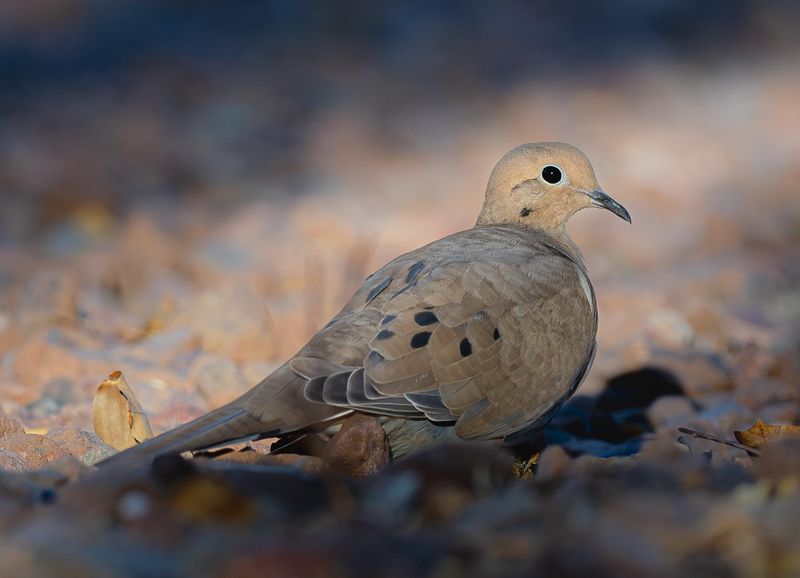
Soft cooing at daybreak often comes from a pair of Mourning Doves perched on a wire or feeder. Their gentle presence points to a calm, low-stress yard with ground-level food.
They feed mostly on seeds scattered on the ground, so a clean patch beneath your feeders keeps them coming. Sprinkling millet on a flat platform suits them perfectly.
Doves are prolific nesters, sometimes raising several broods a season, which means a safe yard quickly becomes a busy one. Their flimsy stick nests hold up better than they look.
The whistling sound their wings make on takeoff is not song but air rushing through their feathers, a built-in alarm for the flock.
16. Purple Martin
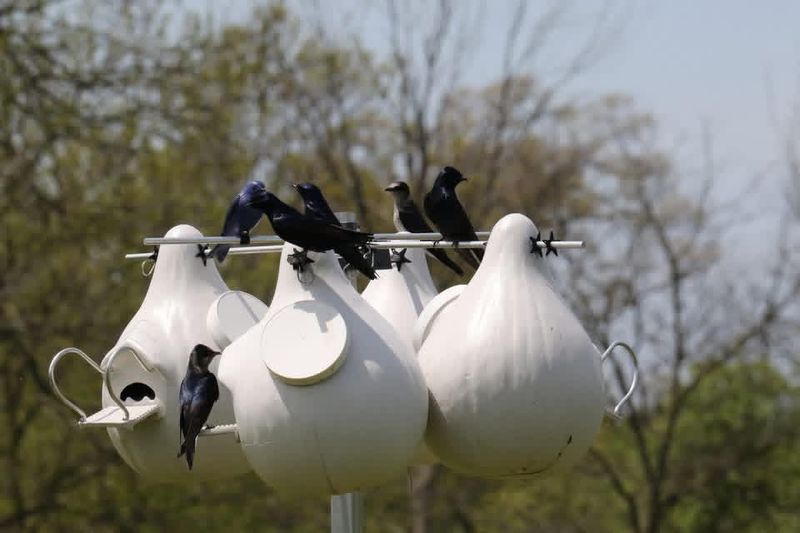
Gliding and swooping at dusk, Purple Martins are aerial acrobats that only settle where you offer the right housing. Their colony choosing your yard is one of the biggest compliments in birding.
These swallows nest almost entirely in human-provided houses and gourds in the eastern US, so putting up the right setup is essential. They also want open sky for catching flying insects on the wing.
A thriving martin colony means clear flight lanes, low pesticide use, and steady insect food overhead. Getting them to commit takes patience, which makes success feel earned.
Eastern martins have relied on human houses for so long that some scientists say the tradition stretches back to Native American gourd hanging.
17. Song Sparrow
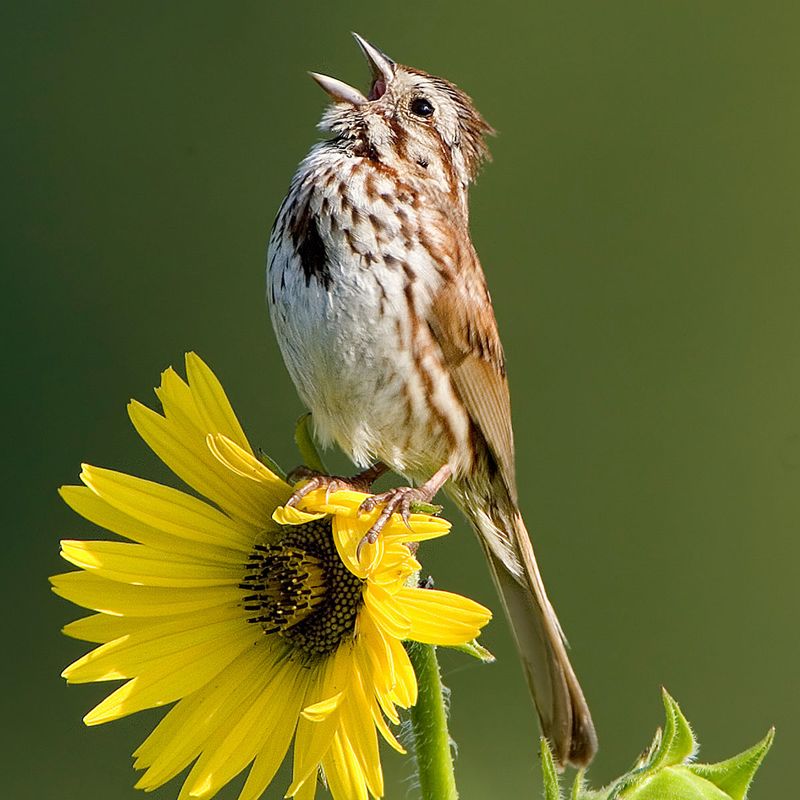
Easy to overlook but wonderful to hear, the Song Sparrow packs a big musical punch from a small brown body. Their tune drifting from a shrub edge tells you your yard has the dense low cover they love.
They forage on the ground for seeds and insects and nest in thick grasses and low bushes. A brushy border or unmowed corner gives them exactly what they need.
Because they thrive where habitat stays a little wild, their song is a sign you resisted the urge to trim everything neat. Wildness has its rewards.
Each male learns a slightly different set of songs, so the one in your yard sings a tune unlike any other backyard’s resident.
18. Ruby-crowned Kinglet
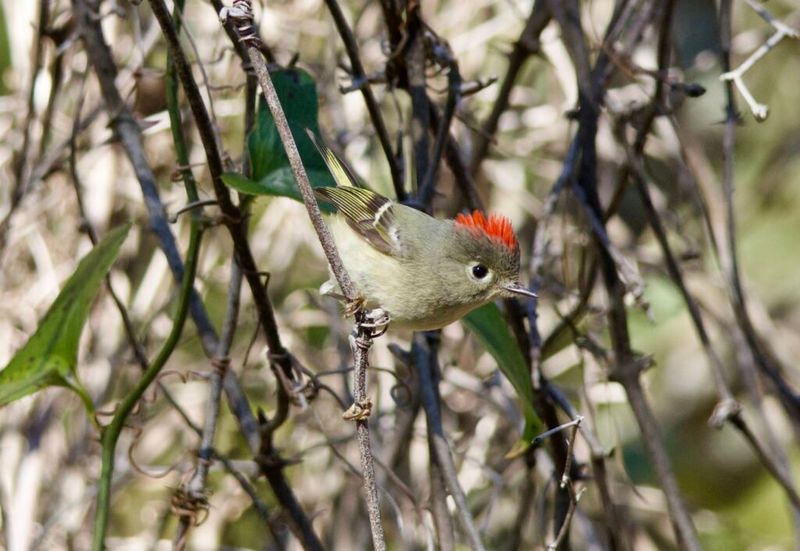
Tiny, twitchy, and always in motion, the Ruby-crowned Kinglet flits through shrubs like it drank too much coffee. Spotting one means your yard shelters the small insects and dense foliage they chase.
They flick their wings constantly while gleaning bugs from leaves and twigs, mostly passing through during migration. A yard that stops them mid-journey offers real bug-rich cover.
Because they need lots of insects, their visit is a quiet sign your plants are not drenched in pesticides. Clean foliage feeds these little travelers.
The males hide a scarlet crown they flash only when excited, so catching that flick of red is a rare backyard treat.
19. Eastern Towhee
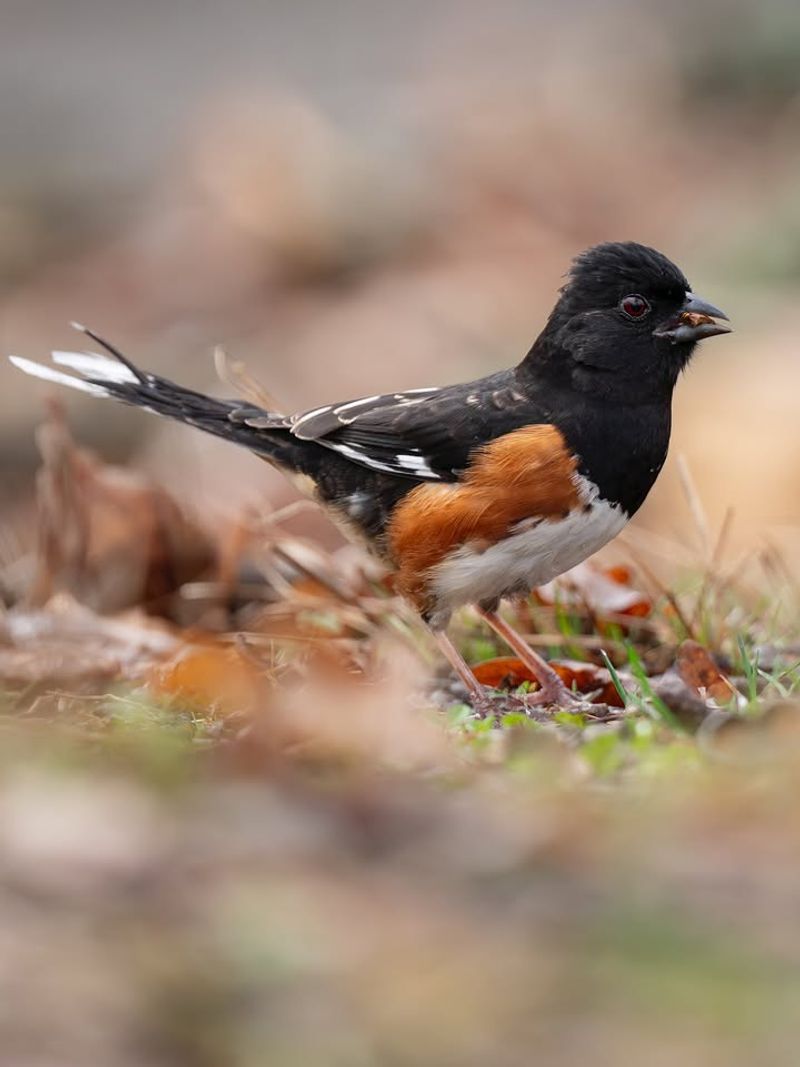
Scratching noisily in the leaf litter, the Eastern Towhee often gives itself away before you see it. Their double-scratch shuffle under your shrubs means you kept a healthy layer of leaves and cover.
They hunt for insects and seeds by kicking through fallen leaves, so a raked-bare yard sends them elsewhere. Leaving leaf litter under bushes rolls out the welcome mat.
Their bold black, white, and rusty pattern makes them a striking find in a shady border. A towhee in residence says your yard has real edge habitat.
Their song famously sounds like the phrase drink-your-tea, which makes them one of the easier birds to name by ear.
20. Rose-breasted Grosbeak
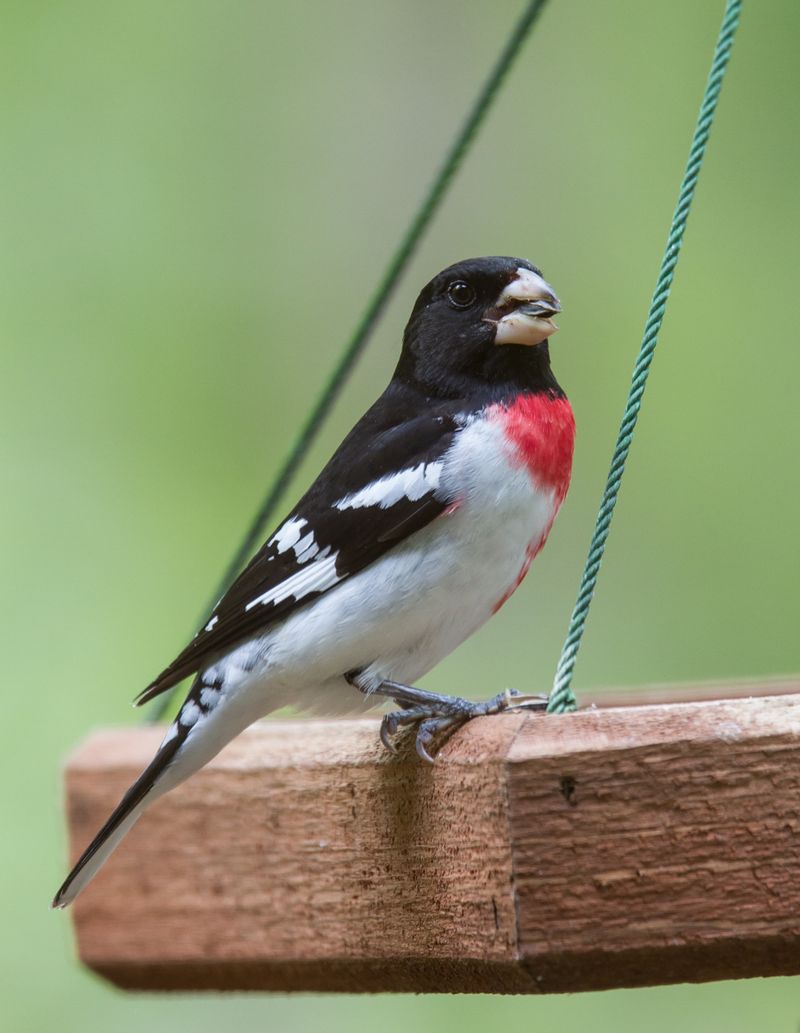
A male Rose-breasted Grosbeak at your feeder looks almost painted, with a bright triangle of red splashed across a crisp black-and-white body. Their brief spring stopovers reward yards that offer good perches and rich seed.
They crack open sunflower seeds with a heavy beak and favor yards near mature trees where they can rest during migration. A grosbeak dropping in usually means your feeders sit in the right leafy spot.
Because they pass through quickly, catching one feels like winning a small lottery of timing and habitat. Their sweet robin-like song is a bonus.
Both parents share incubation duty, and the males sometimes sing softly right from the nest, a tender touch you rarely see in songbirds.