
20 Annuals That Bloom Nonstop From Spring All The Way To Fall
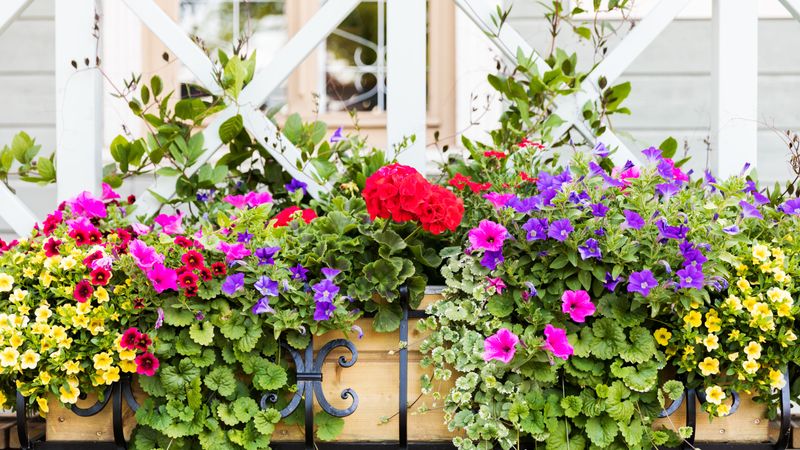
Some flowers show off for a couple weeks and then call it quits, but the annuals on this list keep the color coming for months. If you want a backyard bed or container that stays cheerful from the first warm days of spring until frost finally shuts things down, these are the workhorses to plant. Each one earns its spot for a different reason, whether it shrugs off heat, feeds pollinators, or bounces back with almost no fuss. Here are 20 dependable bloomers that will keep your yard looking alive all season long.
1. Petunia
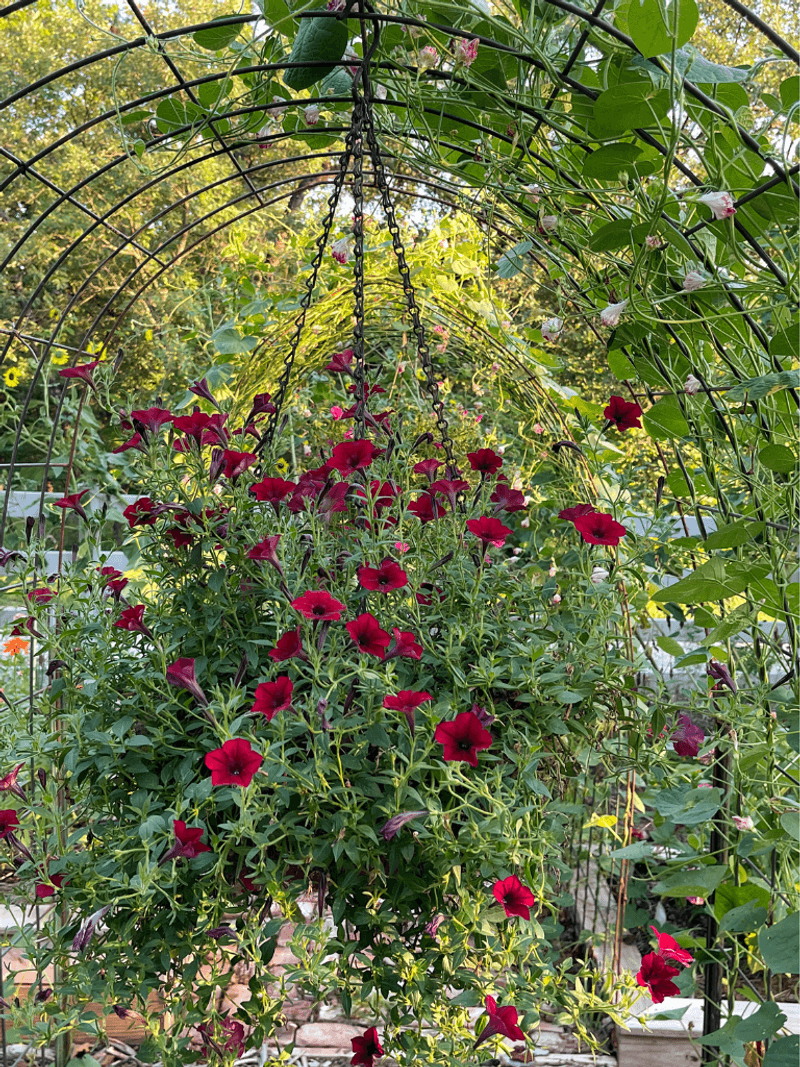
Walk past any porch in July and there is a good chance a basket of petunias is spilling over the edge in waves of pink, purple, or candy stripe. Few annuals pack as much color per square inch, and the trailing types keep pushing out trumpet-shaped blooms right up until cold weather arrives.
The newer Wave and Supertunia varieties are the real champions here because they self-clean, meaning you skip the tedious job of pinching off spent flowers. Give them full sun and a weekly dose of fertilizer and they reward you with almost embarrassing amounts of bloom.
Fun bit of history: petunias are cousins of the tomato and the potato, all part of the nightshade family. That heritage is part of why they thrive in the same warm, sunny conditions vegetable gardeners love.
2. Calibrachoa
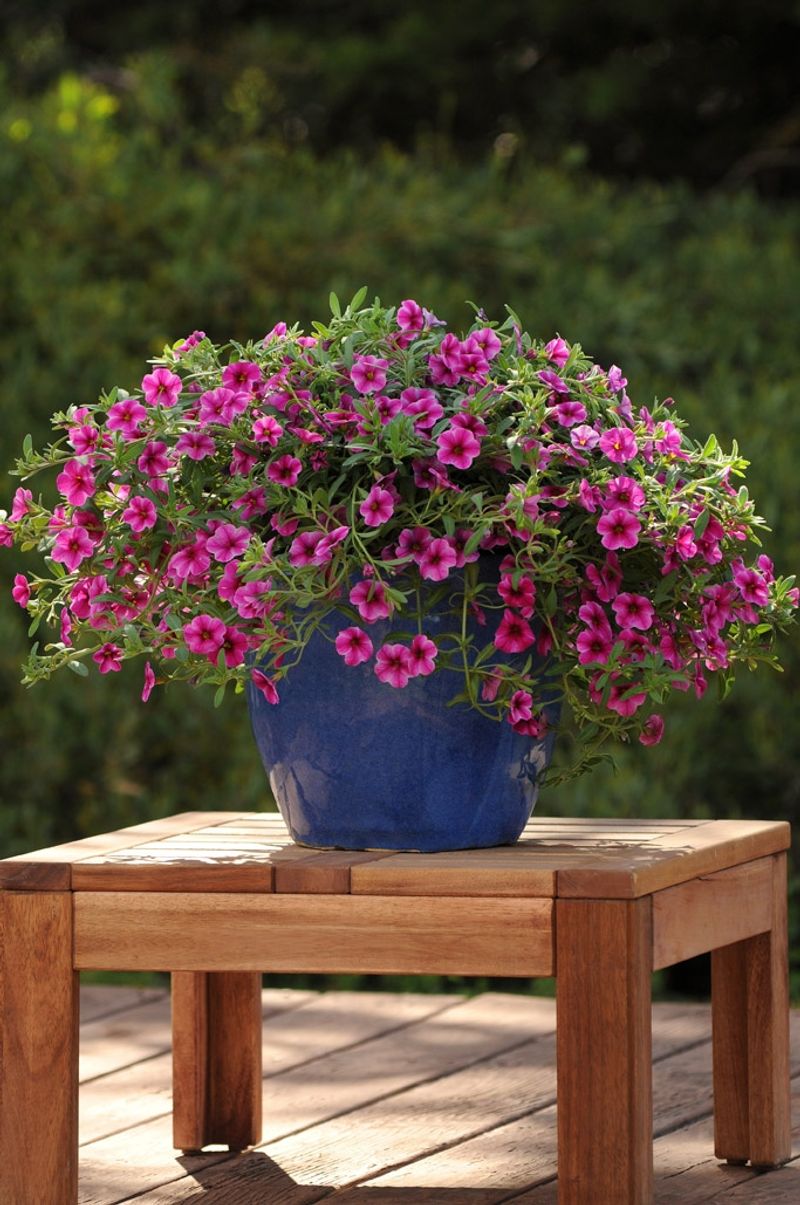
Often nicknamed the million bells, calibrachoa looks like a petunia that shrank in the wash, and that miniature scale is exactly its charm. The tiny bell-shaped flowers cover the plant so completely that you can barely see the foliage underneath.
What sets it apart from its bigger petunia relatives is stamina in containers. It tumbles beautifully over the rims of pots and window boxes, and it rarely needs deadheading because the spent blooms drop off on their own.
Gardeners in warmer US zones love how it laughs off summer heat without slowing down. Keep the soil evenly moist and feed it regularly, since these hungry little plants burn through nutrients fast in a container.
3. Marigold
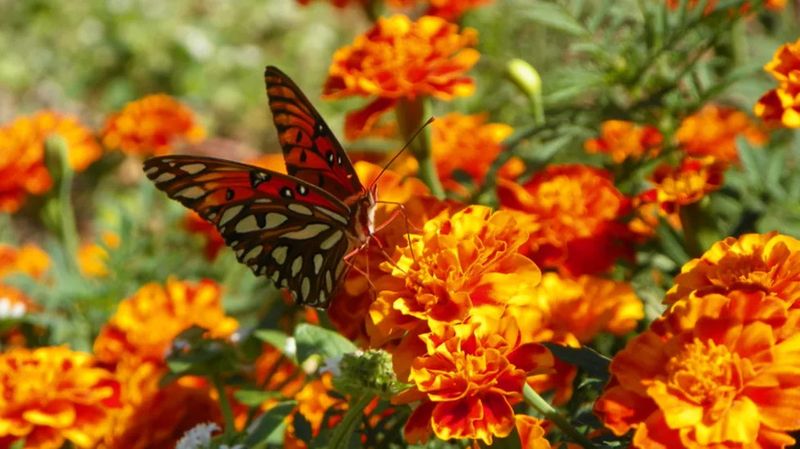
There is a reason grandparents across America tucked marigolds along the edges of their vegetable rows for generations. The bright gold and rust blooms keep coming all season, and the plants ask for almost nothing in return.
Beyond the cheerful color, marigolds carry a strong, spicy scent from their foliage that many gardeners rely on to help steer certain pests away from tomatoes and peppers. It is not a magic force field, but plenty of backyard growers swear the fragrance may help keep some beetles and aphids at bay.
Snip off the faded flower heads now and then and you will trigger a fresh round of blooms within days. From petite French marigolds to towering African types, there is a size for every bed.
4. Zinnia
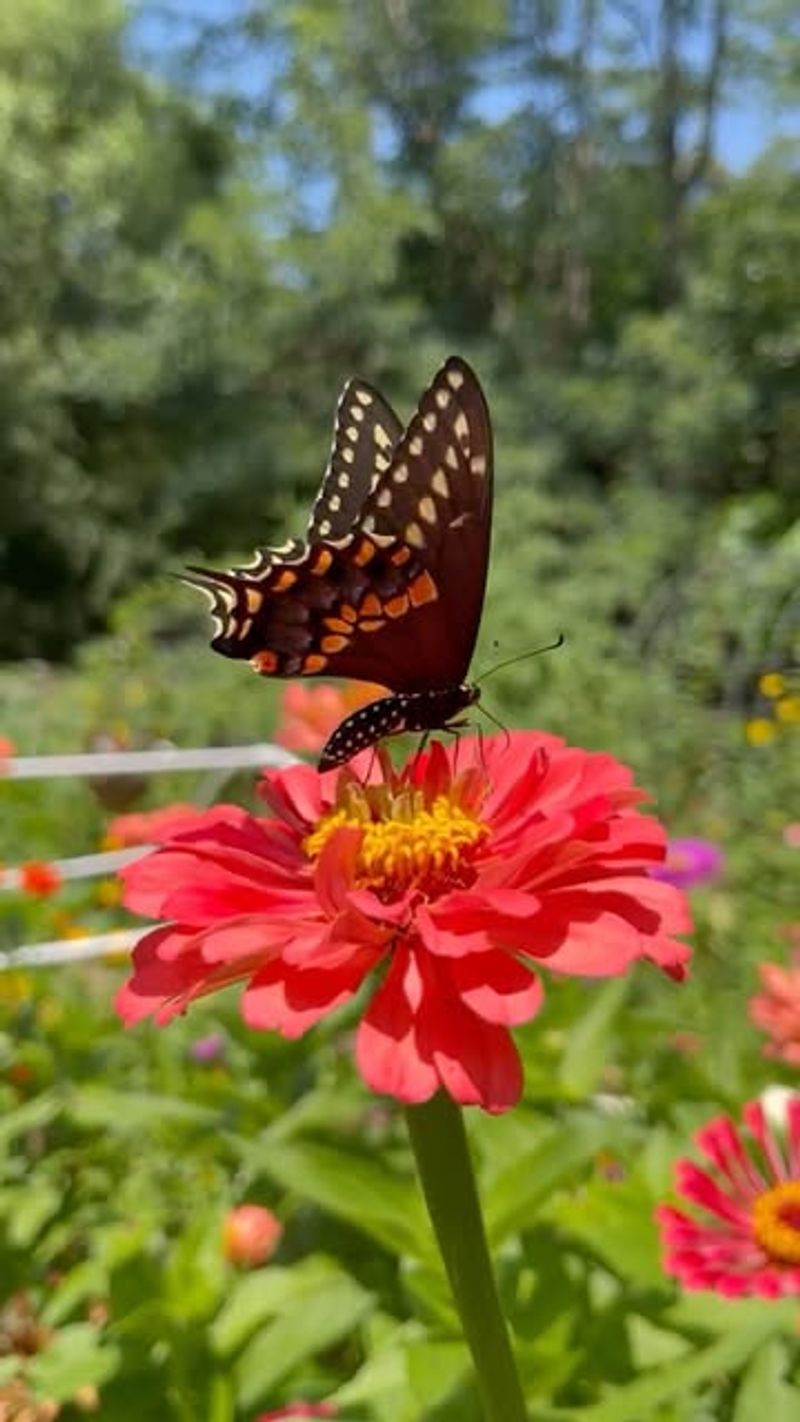
Cut a bouquet of zinnias in the morning and the plant answers by pumping out even more flowers, which makes it a favorite of anyone who likes fresh blooms on the kitchen table. The more you cut, the more you get, all the way into fall.
Butterflies treat a patch of zinnias like an open buffet, so if you want to draw more winged visitors to the yard, this is one of the easiest ways to do it. The daisy-like blooms come in nearly every color except true blue.
Direct-sow the seeds right into warm soil after your last frost and they sprint into bloom quickly. Good air circulation keeps their leaves happy, so give them a little elbow room when you plant.
5. Geranium
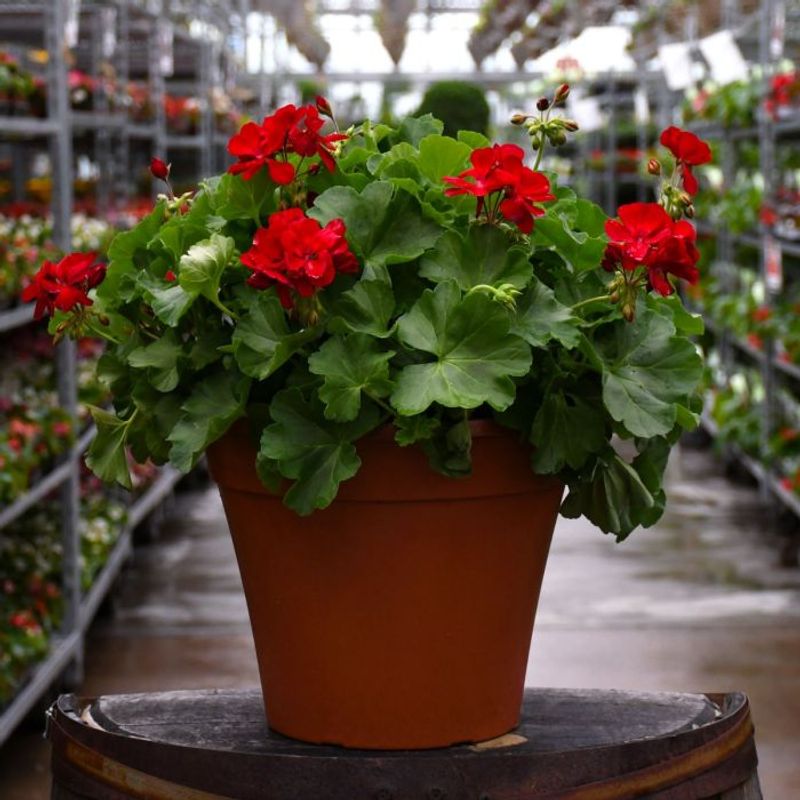
Classic red geraniums perched in a terra cotta pot practically define the look of a welcoming front step. Those bold flower clusters sit on sturdy stems and keep reblooming from spring straight through autumn with just a bit of deadheading.
Unlike some delicate annuals, geraniums handle a missed watering or a scorching afternoon without throwing a fit. That toughness is why they end up in so many mailbox planters and balcony rails.
A neat quirk: the plants we call geraniums are actually pelargoniums, brought to Europe from South Africa centuries ago and mislabeled by early botanists. The name stuck, and gardeners have loved them under it ever since.
6. Begonia
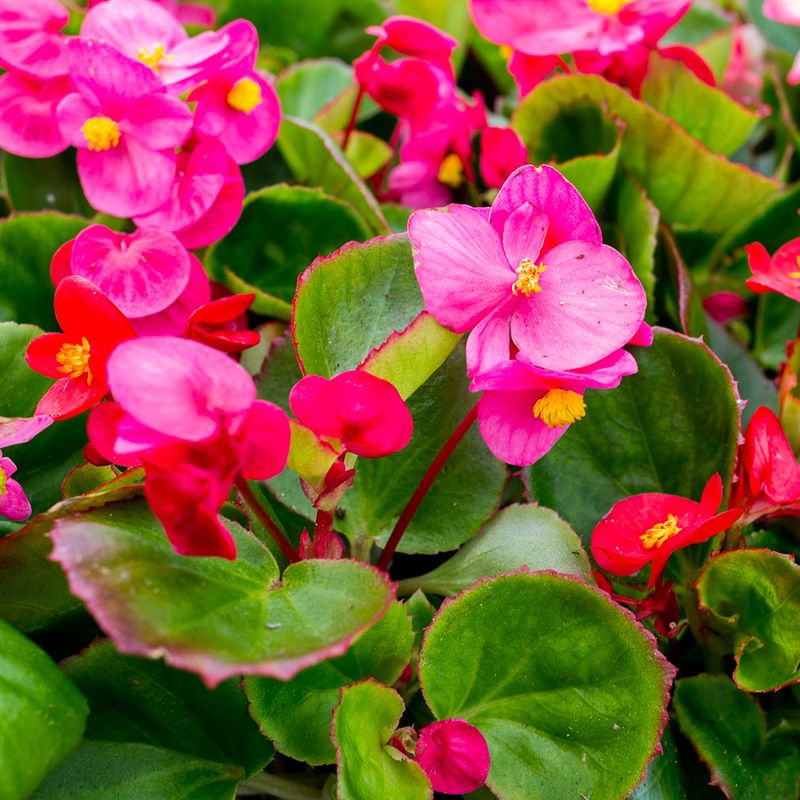
Got a shady corner where nothing seems to bloom? Wax begonias step in where sun-lovers give up, brightening dim spots with glossy leaves and steady clusters of pink, white, or red flowers.
The waxy foliage, sometimes bronze and sometimes green, looks tidy all season and resists many of the leaf problems that plague thirstier plants. Combine that with nonstop blooming and you have a low-drama filler for beds and borders.
Tuberous types offer bigger, showier flowers for hanging baskets, while the classic wax begonia stays compact and mounds neatly. Either way, they keep going without demanding constant attention, which makes them a favorite for busy gardeners.
7. Impatiens
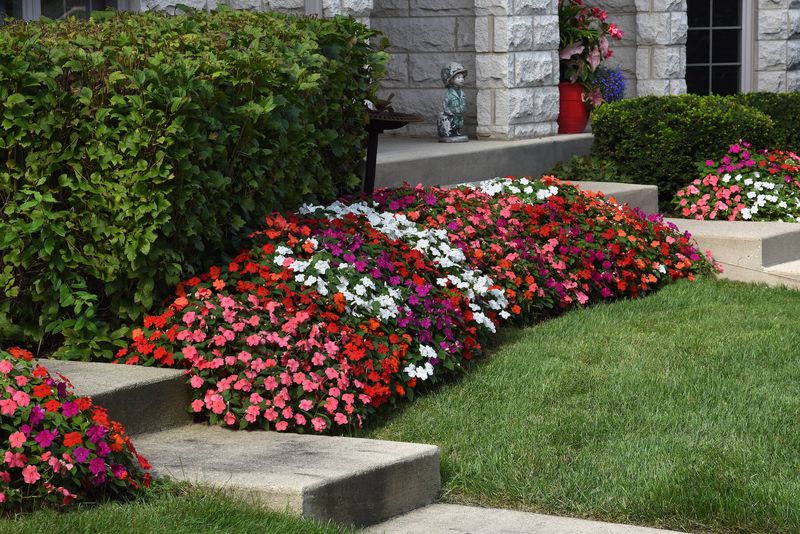
Shady spots under trees have long been a puzzle for gardeners, and impatiens quietly solved it by blooming happily where sunflowers would sulk. A single flat of these can carpet a dim bed in solid color by midsummer.
The plants form neat mounds smothered in flat, cheerful flowers, and they keep the show going without any deadheading at all. Water is the main thing they ask for, since they wilt fast when the soil dries out but perk right back up.
If downy mildew has burned you before, look for the New Guinea types or the newer Beacon series, both bred to shrug off that disease while still lighting up the shade.
8. Verbena
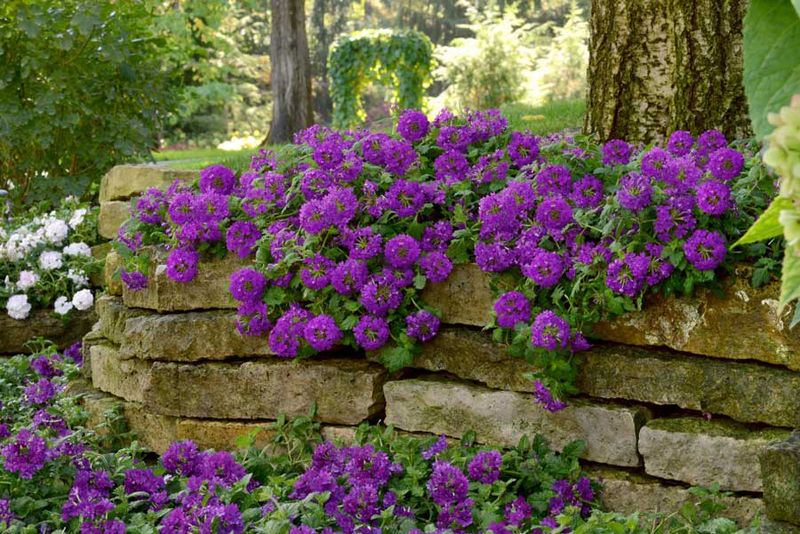
Low and spreading, verbena hugs the ground and then explodes into flat-topped clusters of tiny flowers that pollinators cannot resist. It works as a living carpet at the front of a bed or a frothy spiller in a mixed container.
Heat and drought barely register with this plant once it is established, which makes it a smart pick for that hot strip along a driveway or sidewalk. Full sun only makes it bloom harder.
Trailing types can stretch a couple of feet, weaving between taller plants and softening the edges of hard surfaces. A light shearing midseason keeps it dense and encourages a fresh flush of color.
9. Angelonia
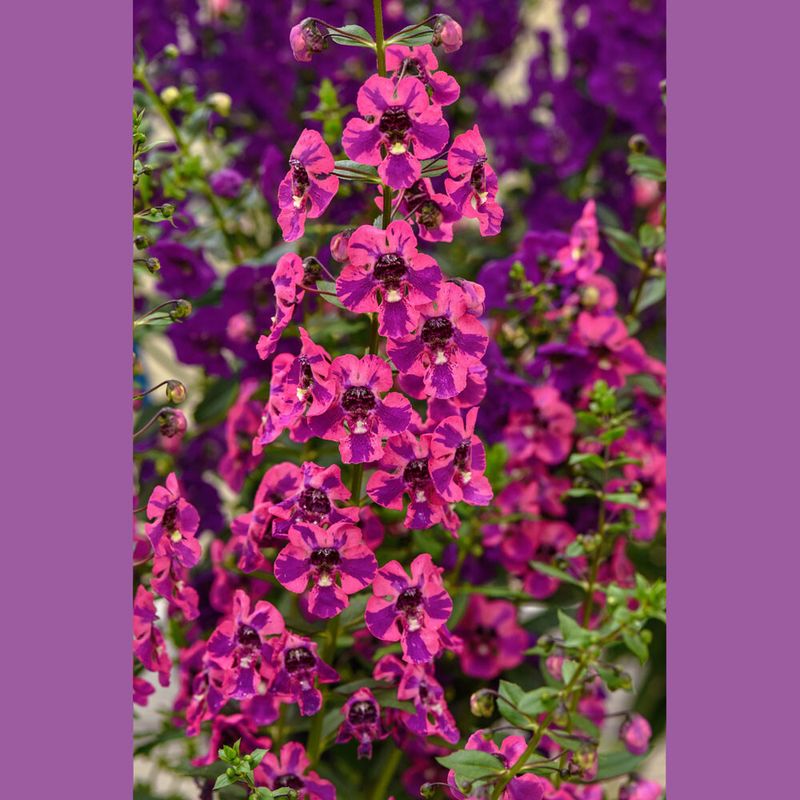
Sometimes called summer snapdragon, angelonia sends up spikes of small orchid-like flowers that stand tall through the worst of the summer heat. When other annuals are flopping in August, this one is still standing at attention.
The upright spires add welcome vertical structure to a bed full of mounding plants, and they come in soft purples, pinks, and whites. Bees love working their way up each flower stalk.
Best of all, it is essentially self-cleaning and never needs staking. Plant it in full sun, give it decent drainage, and it will hold its shape and color from early summer clear into fall without complaint.
10. Lantana
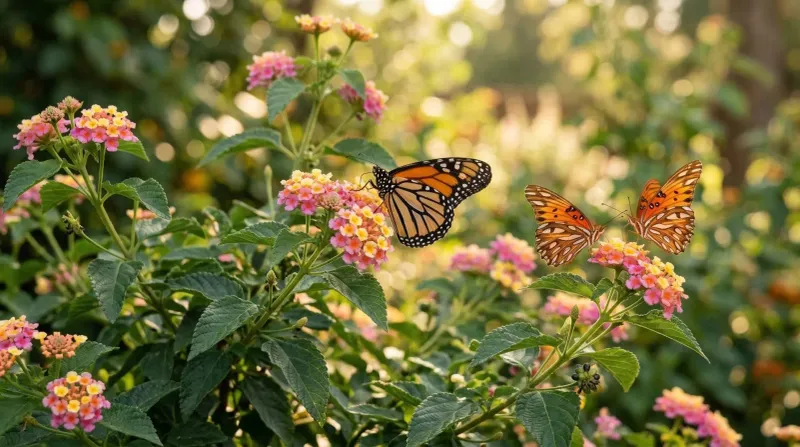
Lantana practically thrives on neglect, and the hotter and drier the spot, the more it seems to like it. The clustered blooms often shift colors as they age, so a single plant can wear yellow, orange, and pink all at once.
Butterflies flock to it in droves, making a mature lantana one of the busiest landing pads in the whole yard. In the warmest US regions it can even behave like a small shrub.
The slightly pungent leaves are another bonus, since deer and rabbits tend to leave the plant alone. For a low-maintenance splash of tropical color that runs from spring to frost, few annuals compete.
11. Cosmos
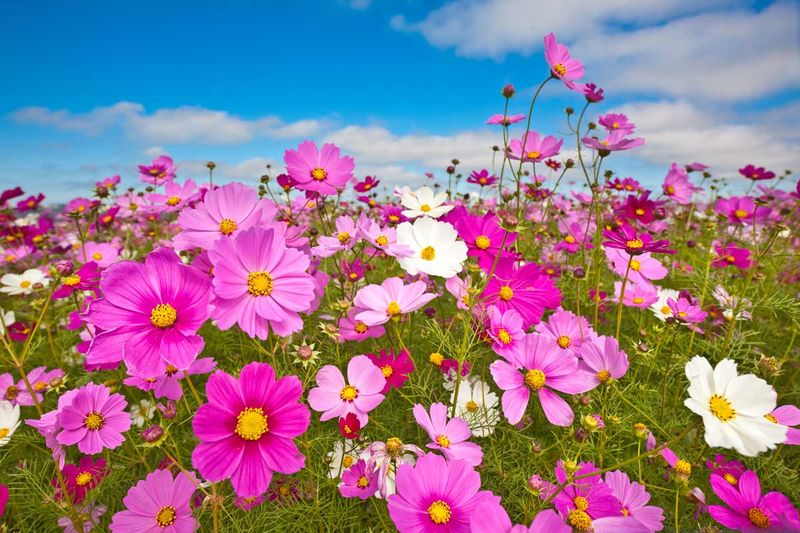
Airy and carefree, cosmos wave their daisy-like blooms on tall, feathery stems that sway with every breeze. Scatter a packet of seeds in a sunny patch of lean soil and you will have a meadow-like drift of flowers within weeks.
Poor soil is actually a feature here, not a bug. Rich ground makes cosmos grow leggy with fewer flowers, so this is the rare plant that blooms best when you resist the urge to pamper it.
Keep snipping the flowers for bouquets or just pinch off the faded ones, and the plants will keep churning out blooms from midsummer through the first light frost. Bees and small pollinators adore the open faces.
12. Sweet Alyssum
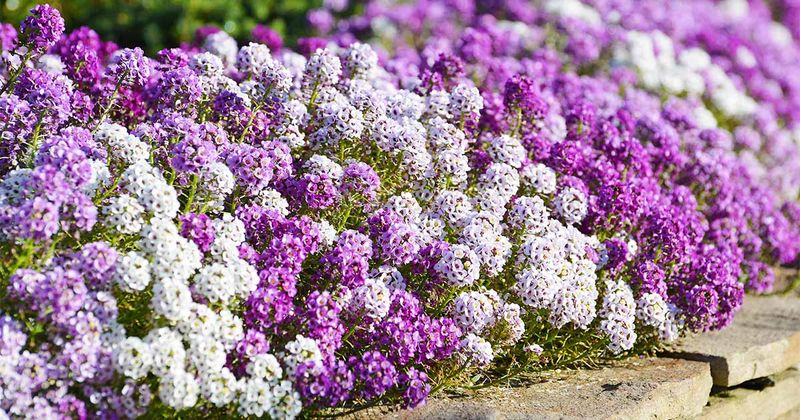
Lean in close to a patch of sweet alyssum and you will catch a honey-sweet fragrance drifting up from a low blanket of tiny white or purple flowers. It is one of the few annuals that perfumes the garden as much as it decorates it.
The plant tumbles nicely over pot edges and fills gaps between stepping stones, forming a soft froth of bloom that hides bare soil. Tiny beneficial insects, including hoverflies, gather at the flowers and help police aphids nearby.
In cooler regions it flowers straight through summer, and even where midsummer heat pauses it, a quick trim brings a fresh flush when temperatures ease. Cool spring and fall weather bring out its best show.
13. Salvia
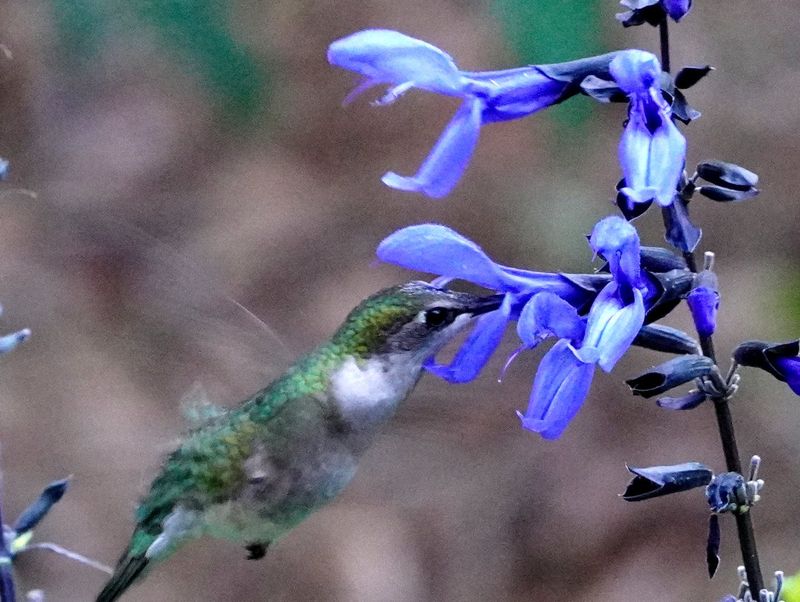
Hummingbirds will do figure eights around a stand of annual salvia, drawn to the tubular flowers packed along tall, colorful spikes. If you want to turn your yard into a hummingbird highway, this is one of the best invitations you can send.
The blue, red, and purple spires keep rising all season, adding height and drama between shorter bedding plants. Deadhead the finished spikes and the plant answers with a whole new set.
Both the red Salvia splendens and the deep blue Salvia farinacea handle heat with ease and resist browsing deer thanks to their aromatic foliage. Full sun and average soil are all they really need to put on a months-long performance.
14. Portulaca
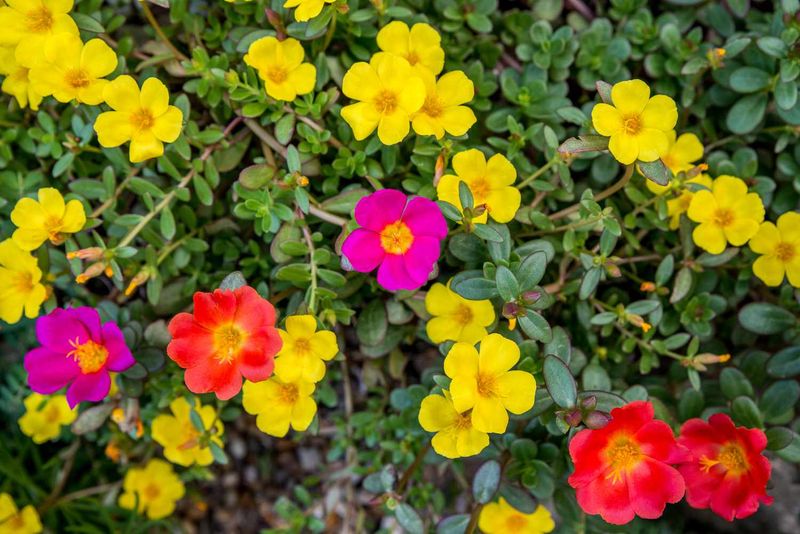
When the pavement is baking and the soil is bone dry, portulaca is just getting comfortable. Also called moss rose, this succulent-leaved sprawler stores water in its plump little foliage and blooms enthusiastically through the harshest heat.
The rose-like flowers open in bright jewel tones of magenta, orange, and yellow whenever the sun is out. That makes it perfect for rock gardens, sidewalk cracks, and the front edges of blazing hot containers.
Because it drinks so little, portulaca is a lifesaver for anyone who forgets to water. Plant it in the sunniest, most neglected spot you have and it will thank you with color from late spring until frost.
15. Nemesia
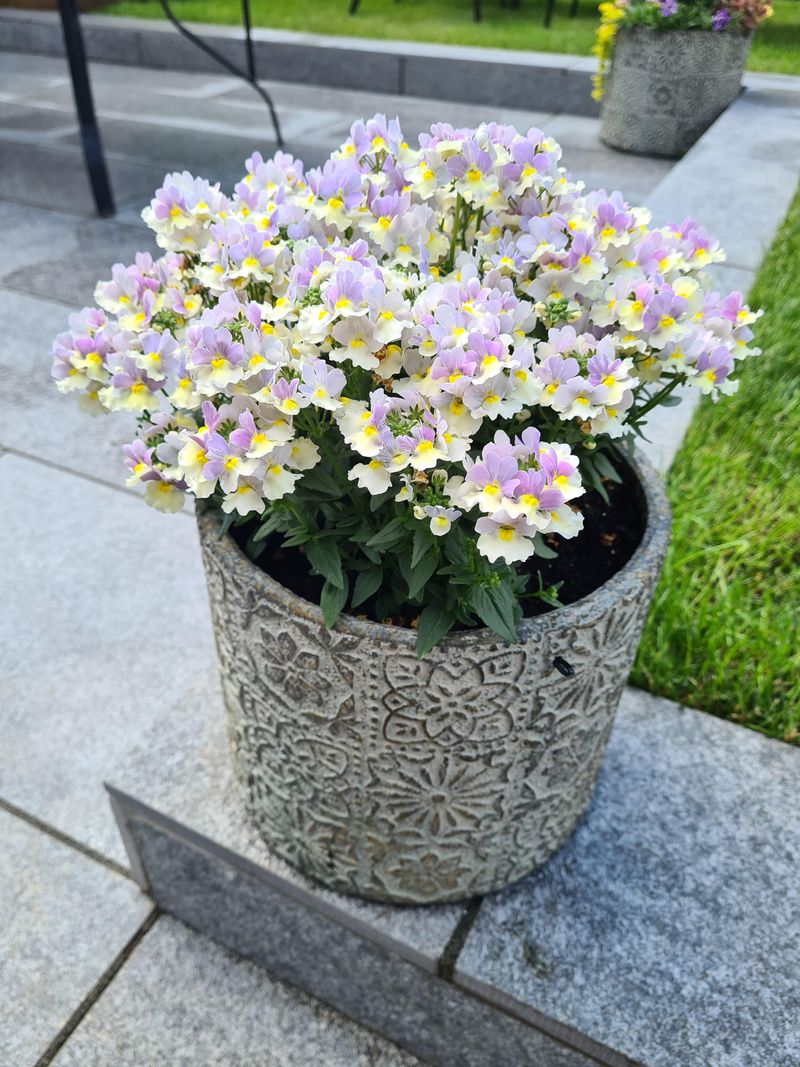
Delicate as it looks, nemesia is a surprisingly generous bloomer that packs clusters of small snapdragon-like flowers onto compact plants. Many newer varieties carry a light, sweet scent that adds an unexpected treat to containers near a patio.
Cool-season charm is its signature, so it shines in spring and again in fall, with the newest heat-tolerant strains pushing right through summer in most US backyards. The colors range from soft pastels to bold two-tones.
Pinch it back once it starts to stretch and it rebounds bushier than before. Tucked into a mixed pot with taller companions, nemesia fills the middle layer with a steady haze of blooms.
16. Bidens
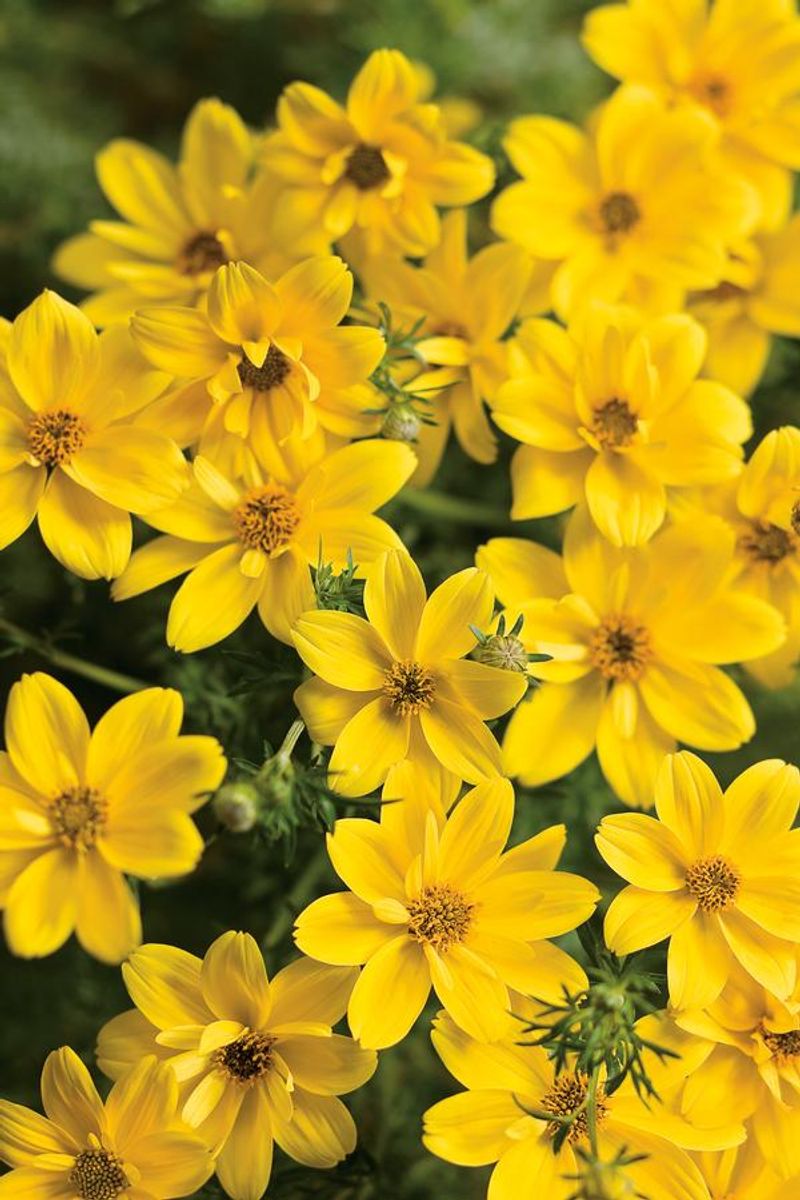
Cheerful and golden, bidens throws out a nonstop shower of small star-shaped flowers that look like they belong on a wildflower path. It has a relaxed, trailing habit that softens the edges of baskets and window boxes beautifully.
Heat and dry spells do not faze it, and it keeps flowering without any deadheading, which makes it one of the most forgiving fillers you can buy. Pollinators find the bright blooms easy to spot from across the yard.
Newer varieties now come in warm oranges and reds alongside the classic sunny yellow, giving you more ways to work it into a color scheme. Pair it with dark purple companions for a combination that really pops.
17. Torenia
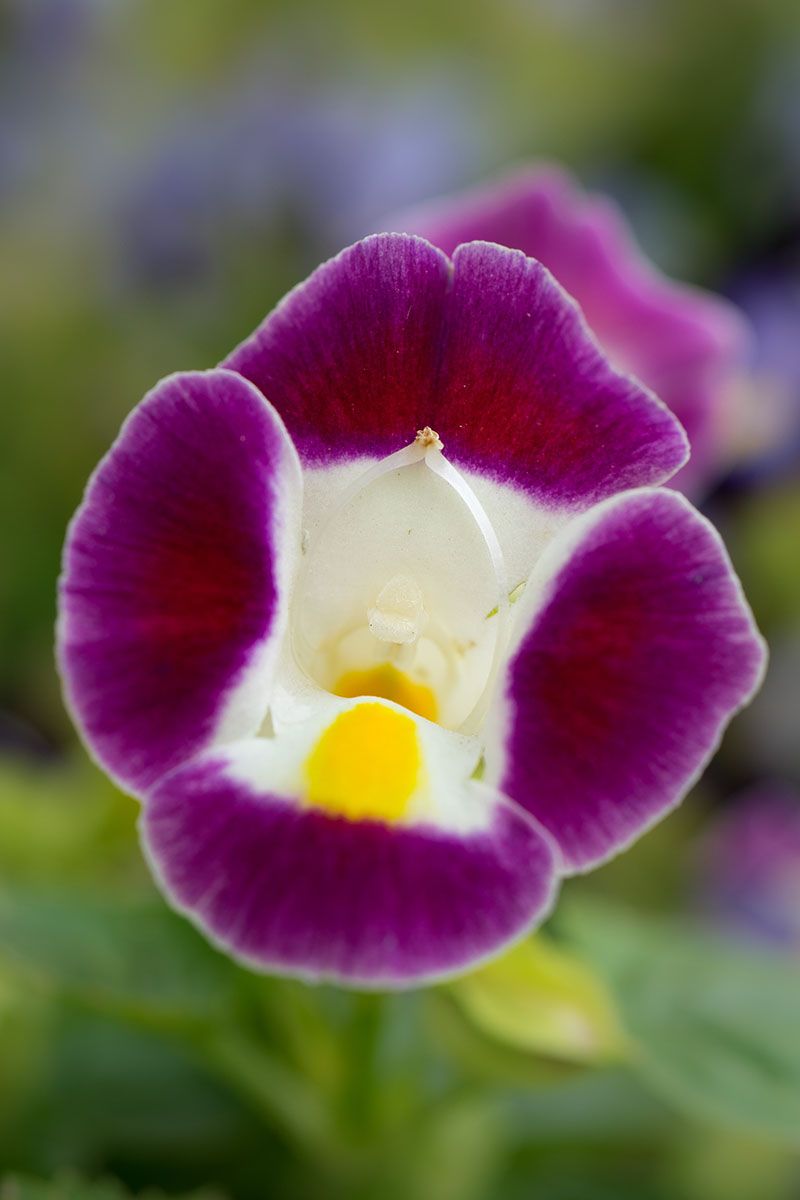
Shady containers can get boring fast, but torenia, the wishbone flower, brings a burst of unusual two-toned trumpets to those low-light spots. Peek inside a bloom and you will spot the tiny wishbone-shaped stamens that give the plant its nickname.
Purple, blue, and pink flowers keep appearing all summer with no need to snip the spent ones. Bumblebees squeeze right inside the tubular blooms in search of nectar, which is fun to watch.
Unlike many shade annuals, torenia actually tolerates humidity and warmth well, so it keeps performing through muggy US summers. Give it consistent moisture and a spot with morning sun or dappled light and it stays lush.
18. Gomphrena
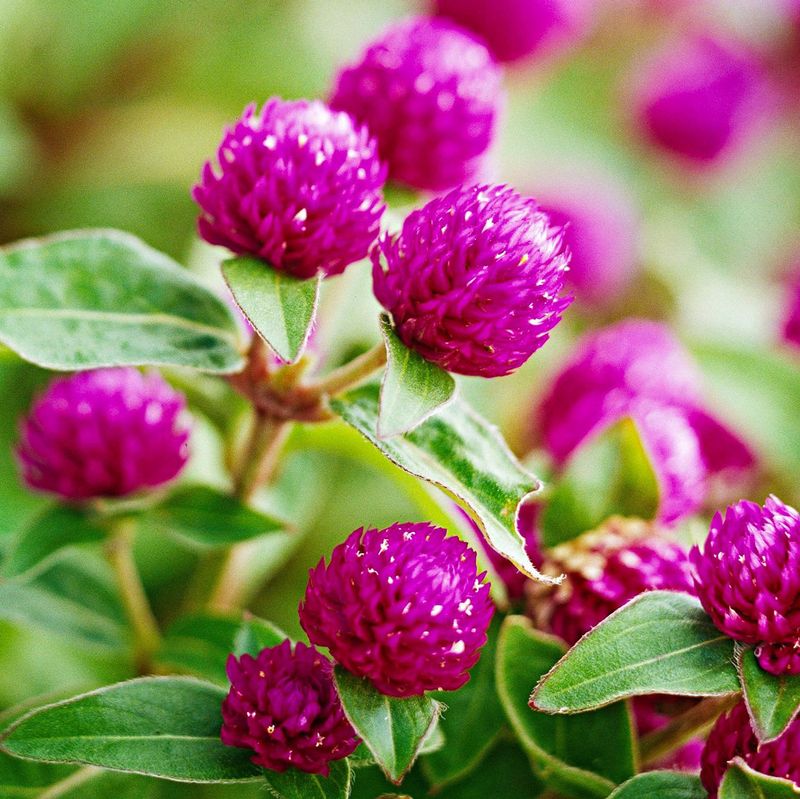
Rounded like little clover-shaped pom-poms, gomphrena blooms hold their color for weeks and never seem to fade, which is why they are a darling of the dried-flower crowd. Fresh or dried, the papery globe flowers keep their vivid magenta, purple, and white.
Blistering summers are exactly when this plant hits its stride, standing tall and colorful while thirstier annuals sulk. It handles drought like a champ once its roots take hold.
Butterflies love the sturdy little globes, and the long stems make excellent cut flowers that last for days in a vase. Sow it in full sun and it will keep producing right up until the season ends.
19. Vinca
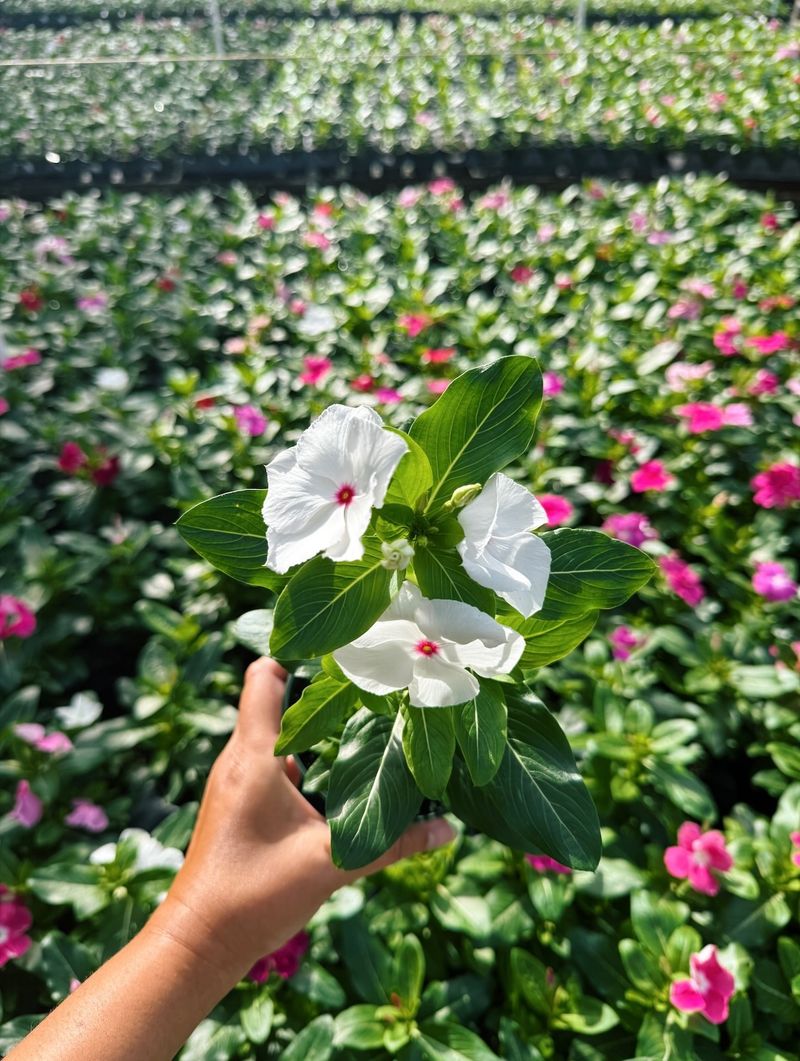
Annual vinca, sometimes labeled Madagascar periwinkle, keeps its cool when the thermometer climbs into brutal territory. While neighbors’ beds wilt, this glossy-leaved bloomer stays crisp and covered in flat, five-petaled flowers.
Pink, white, red, and lavender blooms sit on top of neat mounds, and the whole plant shrugs off both heat and humidity that would flatten less rugged annuals. It needs no deadheading to keep the flowers coming.
Do not confuse it with the trailing groundcover vinca vine, since this is an upright bedding plant that loves sun. Plant it once the soil is genuinely warm and it rewards you with a tidy, months-long display.
20. Snapdragon
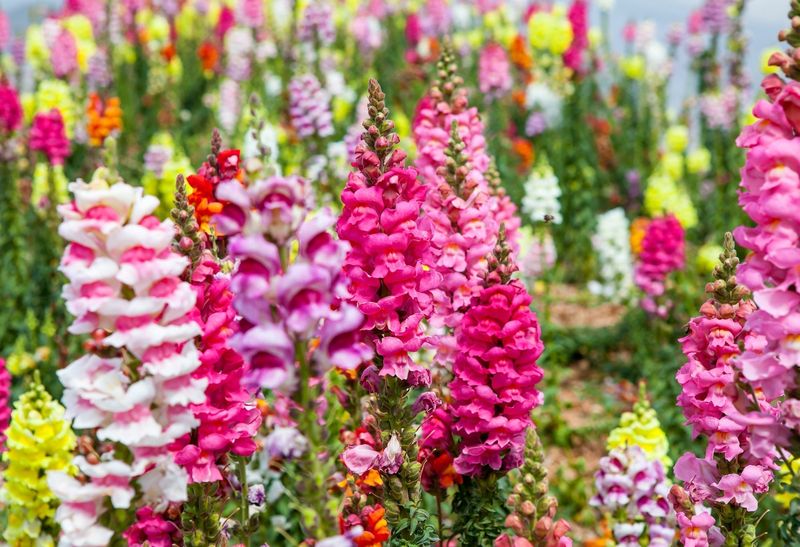
Kids love pinching the sides of a snapdragon bloom to make the dragon’s mouth open and snap shut, a bit of garden magic that has entertained generations. Behind the fun, these upright spikes deliver serious color across a long season.
Cool spring weather gets them going strong, and in much of the country a midsummer trim followed by cooler fall days brings a whole second wave of flowers. The tall spires make wonderful cut flowers for the vase.
Bumblebees are among the few insects strong enough to force open the snapping blooms, which makes them regular visitors. Choose from towering varieties for the back of a bed or dwarf types for edging and pots.