
One Simple Petunia Trick That May Help Keep Fresh Blooms Coming Through Summer
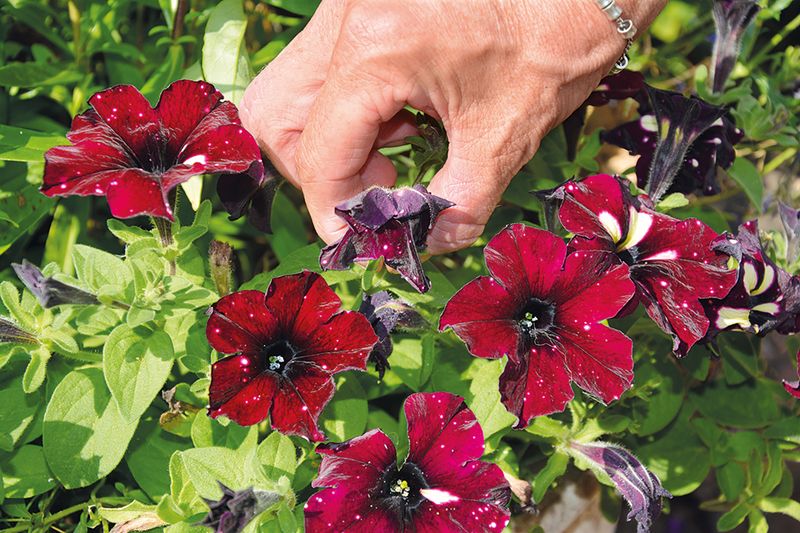
Petunias are one of the most cheerful flowers you can grow, but by midsummer many gardeners watch their plants slow down, get scraggly, and stop putting out the colorful blooms they started with. There is one hands-on care move that can make a real difference: removing fading flowers the right way, at the right time, on the right type of plant. It takes about a minute per plant and costs nothing, but knowing exactly what to remove and why keeps you from wasting effort or expecting more than the practice can deliver.
Deadheading removes developing seed capsules and may prolong flowering
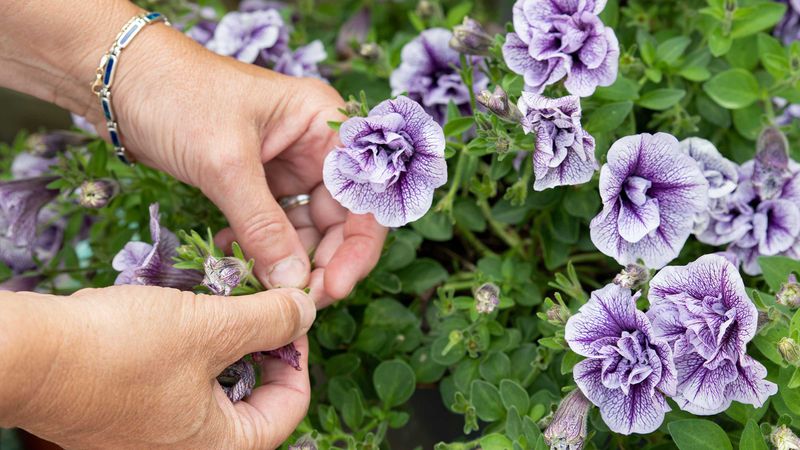
Petunias are flowering annuals, which means their biological drive is to produce seeds and complete their life cycle. Once a flower fades and a seed capsule begins to develop beneath it, the plant has accomplished part of that goal. Removing the spent flower together with that developing capsule prevents or reduces seed formation, and University of Minnesota Extension guidance on growing petunias notes that this practice can prolong flowering, particularly on large-flowered and double types.
The key word here is “may.” Deadheading supports bloom maintenance and tidiness, but it does not guarantee a continuous parade of flowers from July through frost. Heat, drought, poor drainage, low light, nutrient gaps, and disease can all slow or stop flowering regardless of how diligently you remove spent blooms. Think of deadheading as one useful tool in the toolbox rather than a complete summer-long solution.
Large-flowered grandiflora petunias and double-flowered varieties hold on to spent blooms longer than many other types, which makes deadheading especially worthwhile for those plants. Clemson Cooperative Extension’s petunia factsheet confirms that retained spent flowers can reduce both appearance and bloom production on these types. For many modern small-flowered or spreading cultivars, the plant’s own self-cleaning habit may already handle a good portion of this work, so the flowering benefit of deadheading will vary depending on what you are growing.
Pinch or snip the swollen section beneath each spent flower
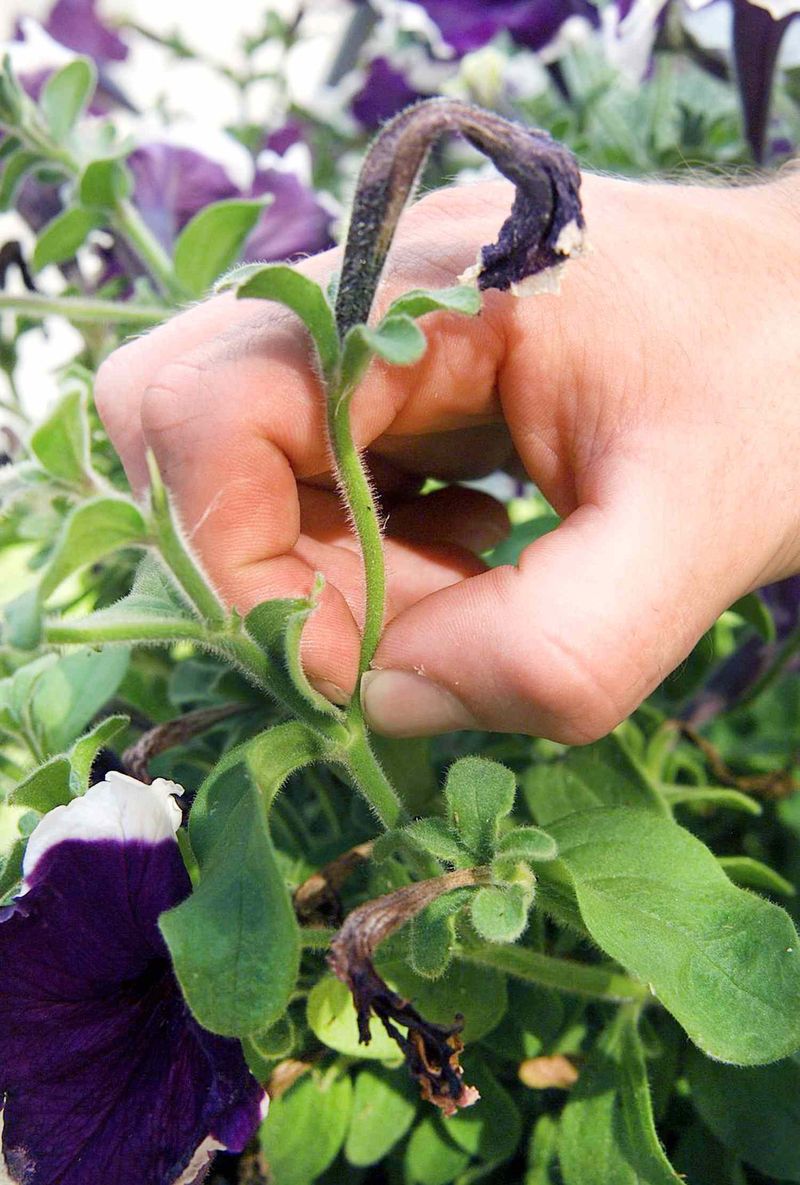
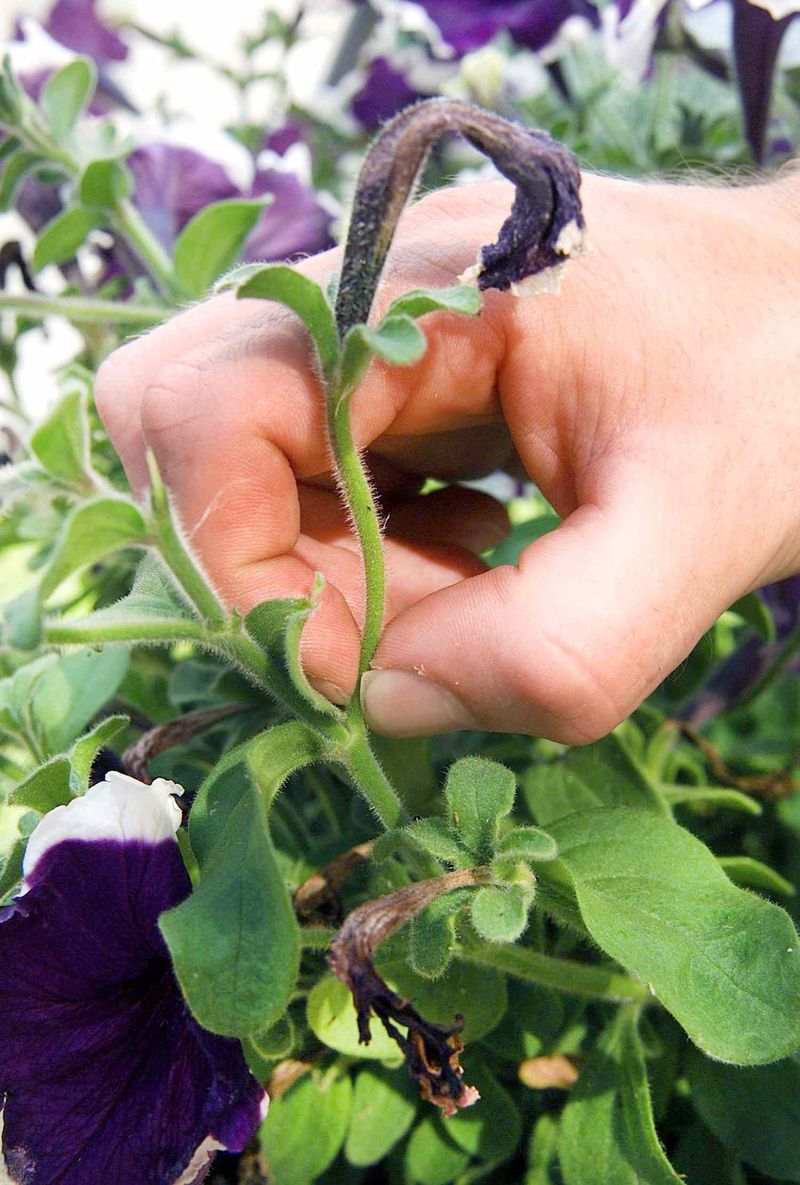
Pulling off loose petals is the most common deadheading mistake. Petals fall away easily once a flower fades, but leaving the short, swollen green section immediately beneath the old bloom means the seed capsule stays on the plant and continues to develop. The goal is to remove that entire structure, not just the cosmetic part.
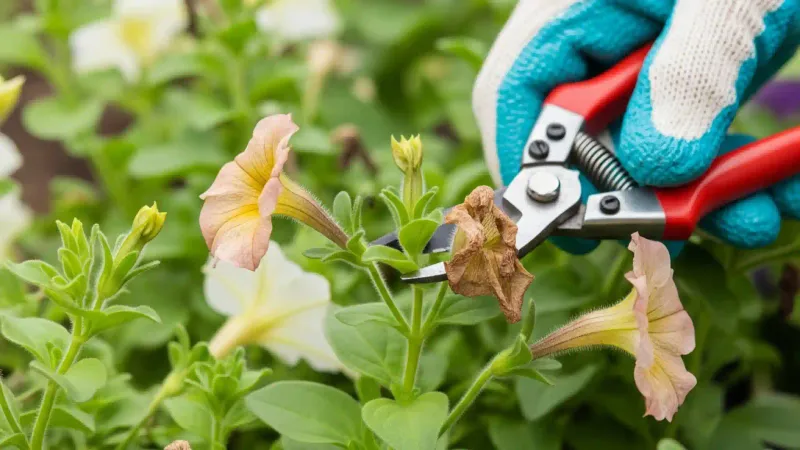
When a petunia flower starts to look wilted, papery, or generally scruffy, that is the right moment to act. Pinch the stem just below the swollen base with your thumbnail and forefinger, or use small, sharp scissors or pruners to snip it cleanly. Minnesota Extension’s petunia growing guide describes this technique and notes the importance of removing that lower swollen portion where seeds develop, not just the petals.
How often should you do this? Royal Horticultural Society guidance on deadheading points out that frequency depends on the plant and the weather, and that a delay of several days or even about a week generally will not greatly affect flowering performance. A practical approach is to walk your containers and beds every few days and remove blooms that look spent, rather than treating it as a strict daily chore. Beyond any bloom benefit, the practice also keeps the plant looking cleaner and more presentable throughout the season.
Match the chore to the petunia you grow
Not every petunia on the market needs the same level of attention. The name “petunia” covers several distinct plant forms, including grandiflora types with large single or double blooms, multiflora types with medium flowers, milliflora types with small blooms, and spreading or Wave-type plants bred for trailing growth and continuous coverage. Lumping them all together under one care rule leads to wasted effort on some plants and neglect on others.
Large-flowered grandifloras and double-flowered petunias are the types that benefit most from regular deadheading. Their spent blooms tend to cling to the stems rather than dropping cleanly, and Clemson Extension’s petunia factsheet notes that removing them can improve both appearance and bloom production on these forms. If you grow a grandiflora with large, showy trumpets or a double petunia with rose-like layers, deadheading is genuinely worth your time on a regular basis.
Smaller-flowered, spreading, and self-cleaning cultivars tell a different story. University of Illinois Extension’s guide to caring for annuals specifically identifies petunias, particularly smaller-flowered types, as examples of plants that can drop old flowers on their own. For these cultivars, routine deadheading may still improve tidiness, but the direct flowering benefit is likely smaller. Minnesota Extension’s overview of petunia types reinforces this by describing the range of forms and their different maintenance needs.
The simplest test: check your plants after a few days without deadheading. If spent blooms are dropping on their own and fresh flowers are opening, the plant is handling much of the work itself.
Cut back leggy plants instead of removing blooms one by one
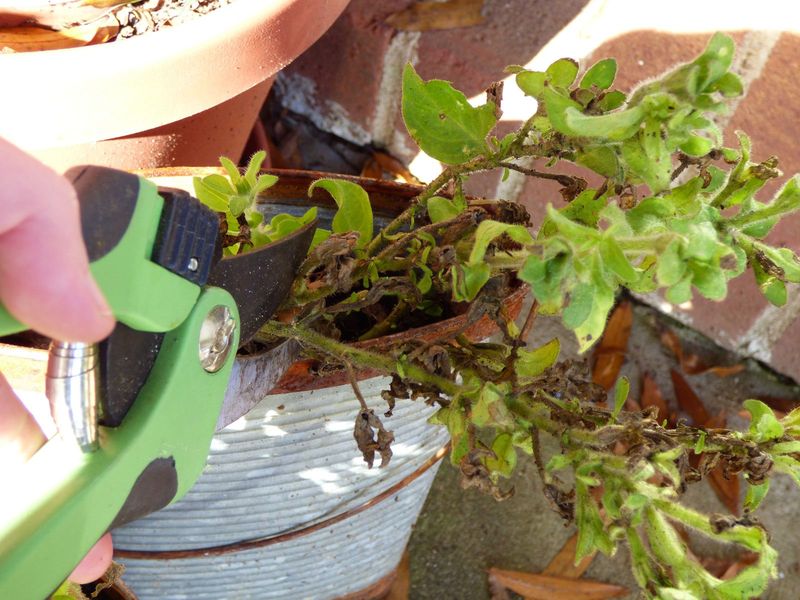
Sometimes a petunia stops responding to deadheading because the underlying problem is not spent flowers but overgrown stems. If your plant has long, floppy shoots with leaves only near the tips, flowers bunched at the ends of extended stems, or large bare sections in the middle, individual deadheading will not fix that. The plant needs a reset, not a tidy-up.
Selective cutting back is the right move for a leggy petunia. Choose the longest, most stretched stems and cut them back by about half, making your cut just above a leaf node. Retaining leaves is important because the plant needs foliage to continue photosynthesizing and recovering. Clemson Extension’s petunia guidance notes that petunias can be cut back farther when needed, even to within a few inches of the base, but cautions against removing all the foliage at once.
After cutting, water thoroughly and apply a balanced fertilizer according to the product label to support the new growth that follows.
One practical approach is to stagger the cutback over a week or two rather than cutting every stem at once. Trim the longest third of the stems first, then cut back the next group once the first set begins putting out new growth. Penn State Extension’s guidance on pruning herbaceous plants supports the idea that cutting back encourages new growth and that petunias respond well to this practice. Staggering is an optional practical approach rather than a documented extension requirement, but it does let you keep some flowers visible on the plant while the trimmed sections recover.
Do not attempt an aggressive cutback on a plant that is already severely stressed by drought, heat, disease, or root problems without correcting those conditions first.
Fix growing conditions before blaming the heat
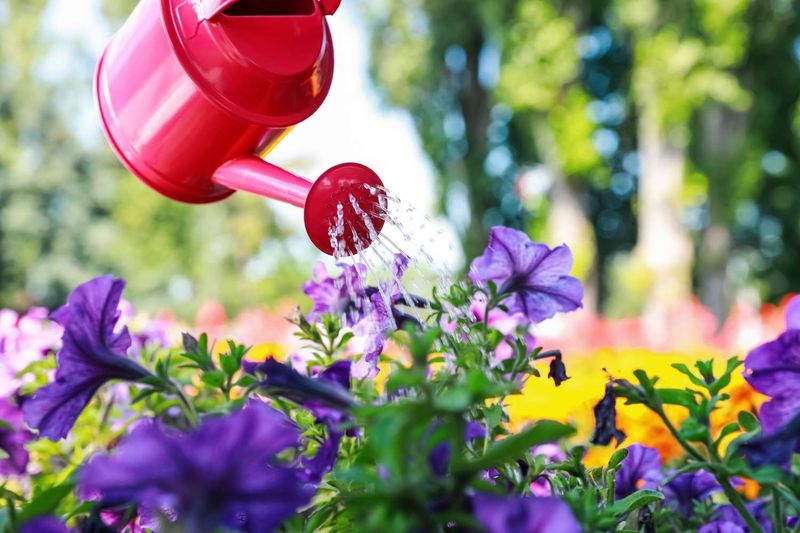
A common frustration in midsummer is deadheading faithfully while the plant still refuses to bloom well. Before assuming the deadheading technique is off, check whether the growing conditions are meeting the plant’s basic needs. Deadheading removes developing seed capsules and may prolong flowering, but it cannot substitute for sunlight, water, drainage, or nutrients.
Light is the first thing to evaluate. Minnesota Extension’s petunia growing guide recommends at least 5 to 6 hours of good sunlight daily, with better flowering performance in full sun. A petunia in too much shade will slow down or stop blooming regardless of how carefully you groom it. If your plant has gradually moved into shade as nearby plants filled in or as seasonal sun angles shifted, that may be the real culprit.
Water management matters just as much, and the right approach depends on where the plant is growing. Garden bed petunias generally do best with thorough, deep watering that encourages roots to grow downward, rather than frequent light sprinkles. Containers and hanging baskets are a different situation entirely: during hot, dry weather they may need checking once a day or even more often, since they dry out far faster than in-ground soil. Minnesota Extension’s guidance on fertilizing and watering container plants notes that repeated watering can leach nutrients from containers, which means you may need to fertilize more regularly than you would in a garden bed.
Always follow the fertilizer product label for rates and timing rather than guessing.
If a plant shows signs of disease, severe wilting from root problems, or visible pest damage, address those issues before doing any aggressive pruning. Clemson Extension reinforces that correcting environmental stress should come before cutting back a struggling plant. Trimming a severely stressed petunia without fixing the underlying problem is unlikely to produce the new growth you are hoping for.
Remove wet debris and keep cutting tools clean
Spent petunia flowers that fall into a dense container or pile up in a hanging basket do not just look messy. University of Illinois Extension’s container garden maintenance guide notes that dead flower heads can provide sites for diseases like Botrytis, and that removing them helps keep containers cleaner and reduces the amount of disease-prone wet material sitting against stems and soil. This is a practical sanitation step, not a guarantee of disease prevention, but it is worth building into your routine when you deadhead.
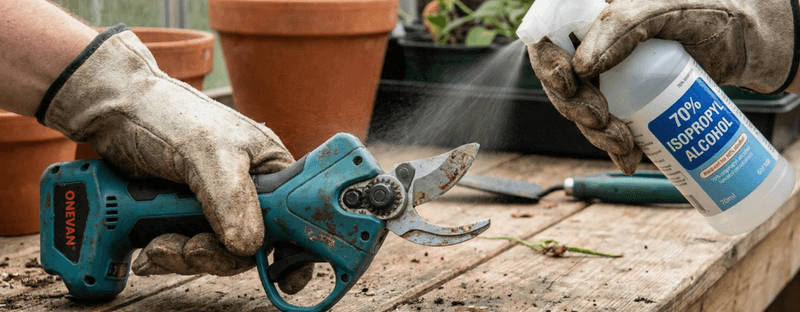
Whenever you move beyond pinching individual flowers and start cutting stems, tool cleanliness matters. Use sharp pruners or scissors rather than dull blades, which can crush stems and create ragged cuts that heal more slowly. Before you begin, wipe visible debris off the blades. Minnesota Extension’s guide to cleaning and disinfecting garden tools lists 70% isopropyl alcohol as a practical option for disinfecting small hand tools between plants, particularly if you are moving from a plant showing any signs of disease to a healthy one.
A few safety points are worth keeping in mind. Bleach solutions can disinfect tools but are corrosive to metal and can irritate skin and produce harmful fumes. Minnesota Extension warns that disinfectants must be used exactly as directed on the product label, and that bleach should never be mixed with other cleaners. For most routine petunia deadheading, a wipe-down with 70% isopropyl alcohol between plants is a straightforward and less corrosive option.
Keeping your tools clean takes an extra minute but protects the plants you have worked hard to maintain through the season.
Use deadheading when it fits your goal
Deadheading is a genuinely useful practice for the right plant under the right conditions, but it works best as a targeted decision rather than a blanket rule applied to every petunia in the yard. If you grow large-flowered grandifloras or double petunias that hold on to spent blooms, regular deadheading can help maintain a cleaner display and may support continued flowering. For self-cleaning spreading or small-flowered types, you can reduce the chore considerably and let the plant do much of the work on its own, as Illinois Extension’s guidance on annuals confirms.
When a plant has grown leggy and sparse rather than just faded, skip the one-by-one flower removal and move straight to a selective stem cutback, keeping foliage intact. Follow up with water and fertilizer to support recovery. And remember that none of these steps can substitute for adequate light, moisture, drainage, and nutrition, which are the foundation that makes any bloom-maintenance practice worth the effort. Minnesota Extension notes that petunias are capable of blooming from spring until frost under suitable conditions, but actual performance depends on cultivar, local weather, and how well the growing environment meets the plant’s needs.
One situation where deadheading is the wrong move: if you want to save seed or encourage your petunias to reseed next year, let some flowers develop fully rather than removing them. RHS guidance on deadheading points out that the practice prevents seed development, which conflicts directly with seed-saving goals. Hybrid petunias also may not come true from saved seed, so check your variety before counting on seedlings to match the parent plant. The best deadheading routine is the one that matches what you are actually growing and what you want from it.