
Is Growing Tomatoes In The Shade A Big Mistake Or A Smart Move? Here’s The Sunlight Rule
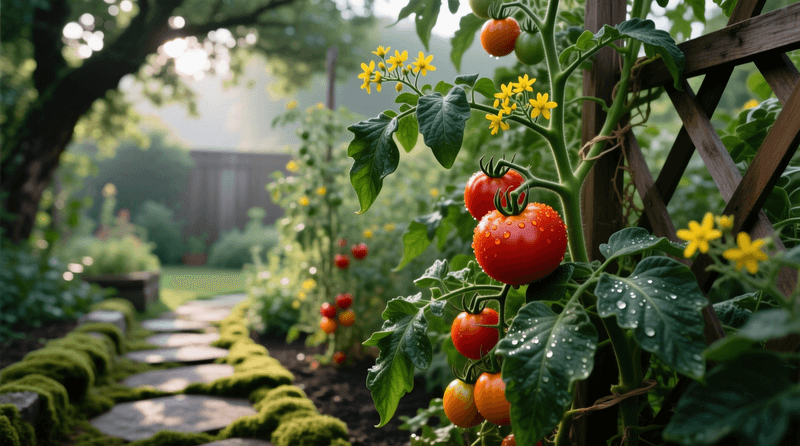
Tomatoes have a reputation for being sun lovers, and that reputation is mostly earned. But plenty of backyard gardeners find themselves working with less-than-perfect spots, and the question of whether shade dooms a crop or can sometimes help it is worth a straight answer. One simple rule covers most situations, and knowing it can save you from both planting in the wrong place and overreacting to a hot summer afternoon.
Six hours of direct sun sets the baseline
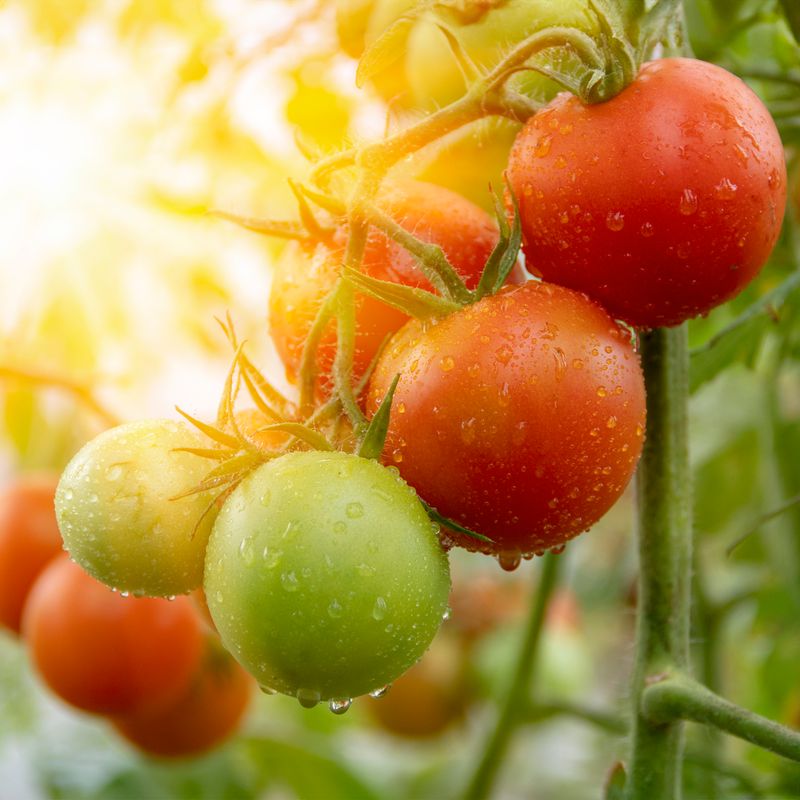
Tomato plants are heavy producers, and that output demands real energy. Penn State Extension guidance on growing tomatoes from seedlings to fruit recommends placing tomatoes where they receive at least six hours of direct sunlight each day, with six to eight hours as the stronger target for reliable flowering and fruit production. That range is a practical rule of thumb, not a hard biological cutoff, but it reflects what the plant genuinely needs to perform well.
Growers who plant in spots that fall below six hours may still harvest some tomatoes, especially from small-fruited or early-maturing varieties. The risk is that vigor and yield become less predictable as available light drops. A plant that stretches to find sun, flowers sparsely, or sets only a handful of fruits is often sending a clear message about its light situation.
Permanent shade is where the sunlight rule matters most. A site shaded all morning by a fence, all afternoon by a tall building, or dappled throughout the day by tree canopy may look pleasant, but it can keep the plant below the threshold where steady growth and good production are likely. University of Arizona Cooperative Extension reinforces that fruiting vegetables like tomatoes need substantial direct sun to support the leaf work that drives everything else.
Six hours is the floor to check first. Eight hours is the target to aim for when you have a choice. Anything less than six hours puts you in territory where the crop may still grow but is working against the odds from the start.
Measure the planting spot instead of guessing
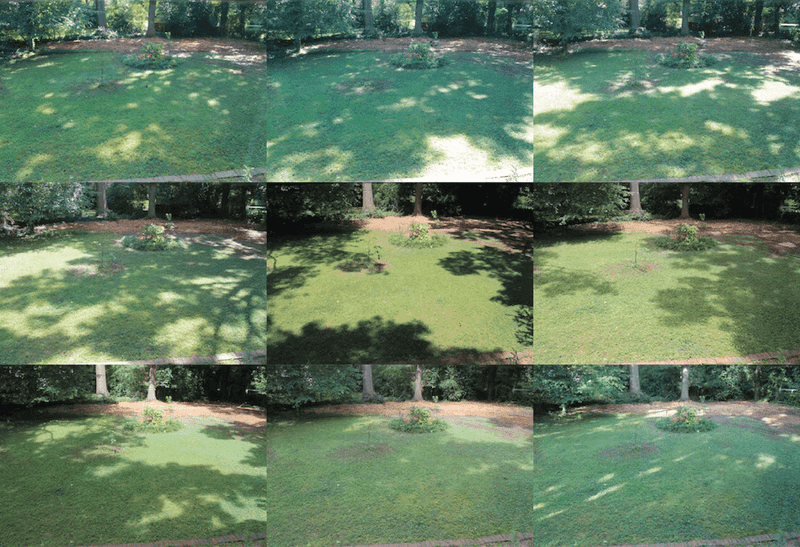
A yard that feels sunny is not always a yard that delivers six hours of direct light to the ground. Buildings shift shadows through the morning, trees spread shade wider than expected in midsummer when their canopies are full, and a spot that looks open from the back door may actually be blocked during the critical midday hours.
Oregon State University Extension’s vegetable gardening guide draws a clear distinction between full sun and partial shade based on hours of direct exposure, not on how bright a location appears. Reflected light off a white fence, dappled sun filtering through branches, and the general brightness of an open area are not reliable substitutes for direct sun measured in actual hours. The plant’s leaves need direct light to drive photosynthesis effectively.
The most reliable way to evaluate a site is to check it at several points across the day. Go out at 8 a.m., again at 11 a.m., at 2 p.m., and at 5 p.m., and note whether direct sun is hitting the spot or whether a shadow has moved in. Add up the hours when sunlight actually falls on the planting area without obstruction. A single observation in the morning can be misleading if a fence or roofline blocks the afternoon hours.
Containers and raised beds offer more flexibility than in-ground plots because they can be moved. If a measurement reveals that a current location falls short, shifting the container a few feet or repositioning a raised bed before planting is far easier than troubleshooting a struggling plant mid-season. Measure first, then decide whether the spot is workable or whether the plant needs a better address.
Inadequate light can reduce vigor, flowering, and production
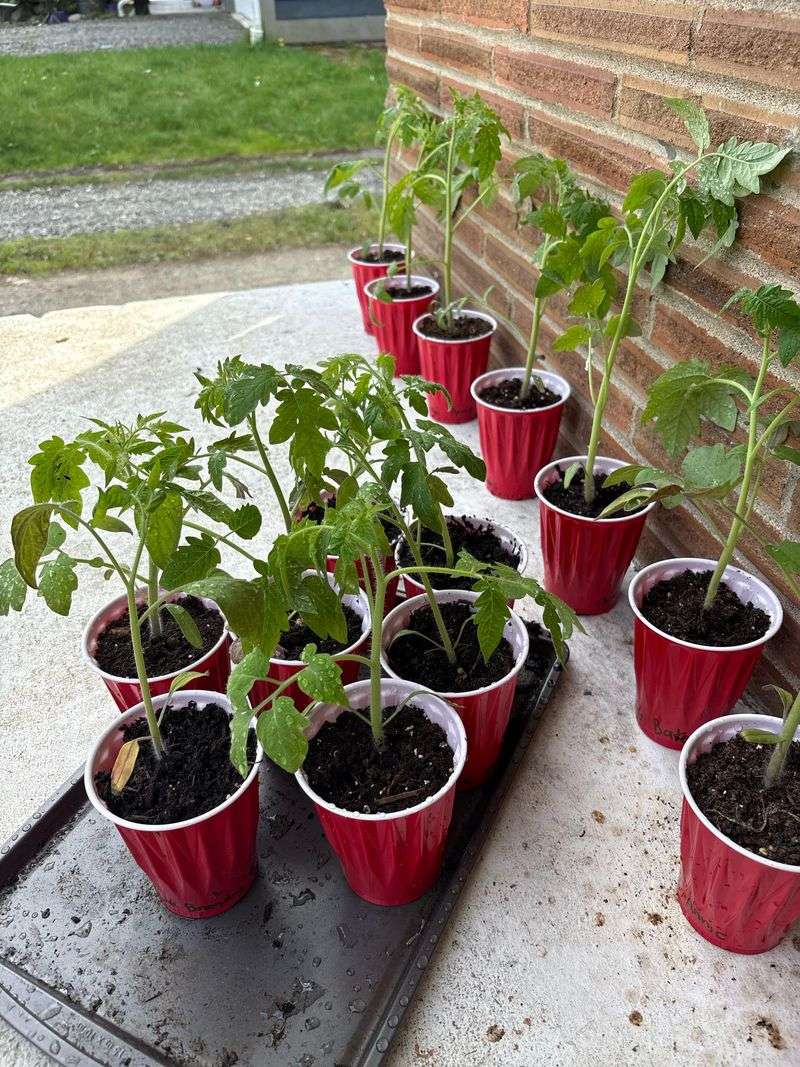
Leaves do the work. Every tomato on the vine starts as energy captured by the plant’s foliage through photosynthesis, and that process runs on light. When a tomato plant doesn’t receive enough direct sun, the leaves have less fuel to support stem growth, root development, and the reproductive cycle that leads to flowers and fruit.
The visible signs of inadequate light are usually easy to read. Plants stretch upward and sideways searching for more sun, producing long, weak stems with wider spacing between leaves. Flowering slows or becomes sporadic, and since each flower is a potential tomato, fewer flowers means fewer fruits. University of Arizona Extension notes that tomatoes grown without enough light tend to become leggy and flower less, directly cutting into production potential.
A common misconception is that shade automatically makes tomatoes bland or flavorless. The reality is more nuanced. Low light can reduce how many tomatoes a plant produces and slow overall growth, but the flavor and eating quality of individual fruits depend on a wider set of factors. Variety, the stage at which the fruit is harvested, temperature during ripening, water management throughout the season, and the overall health of the plant all shape what a tomato tastes like.
Penn State Extension’s heat stress guidance points out that excessive heat, not shade, is one of the conditions that can interfere with color development and fruit quality. A shaded plant may produce fewer tomatoes, but those it does produce are not automatically inferior in taste. Reduced productivity and reduced eating quality are separate issues, and conflating them leads to gardening decisions based on a myth rather than what the plant is actually experiencing.
When heat spikes, afternoon shade can help
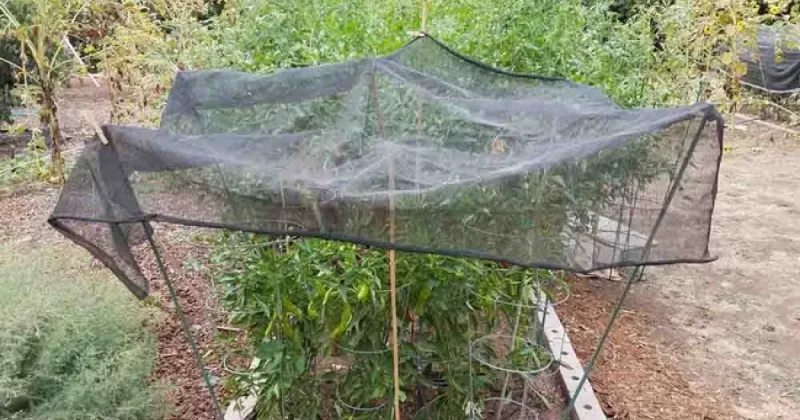
There is a temperature range where tomatoes thrive, and there is a range where the heat itself starts working against the plant. When daytime temperatures push well above 90 degrees Fahrenheit, the chemistry behind pollination breaks down. Pollen becomes less viable, flowers drop before setting fruit, and the conditions that were supposed to produce a bumper crop instead produce an empty vine.
Penn State Extension’s resource on heat stress and tomatoes explains that high temperatures can interfere with pollination and fruit set, and that sunscald, cracking, and poor fruit quality are all more likely when plants and fruit are exposed to intense direct heat during the hottest part of the day. This is the situation where the “more sun is always better” assumption breaks down.
The key distinction is between a plant that is chronically starved of light and a plant that gets adequate morning sun but faces brutal afternoon heat. A tomato that collects six or more hours of direct light in the morning and then receives some relief during the hottest afternoon hours is not being deprived. It is being managed. That afternoon window is where temporary shade can protect pollination, reduce fruit cracking, and prevent the surface damage that sunscald causes on exposed fruit.
Climate determines how often this situation applies. Gardeners growing tomatoes in desert Southwest conditions, the Deep South, or anywhere temperatures regularly exceed 95 degrees Fahrenheit during peak summer will encounter this challenge more frequently than gardeners in the Pacific Northwest or upper Midwest. Oregon State University Extension guidance for cooler-season growers emphasizes maximizing available sun rather than managing shade, while University of Arizona Cooperative Extension specifically addresses shade management as part of hot low-desert tomato production. The right approach depends on where you are gardening, not on a single universal rule.
Use breathable shade cloth as a timed tool
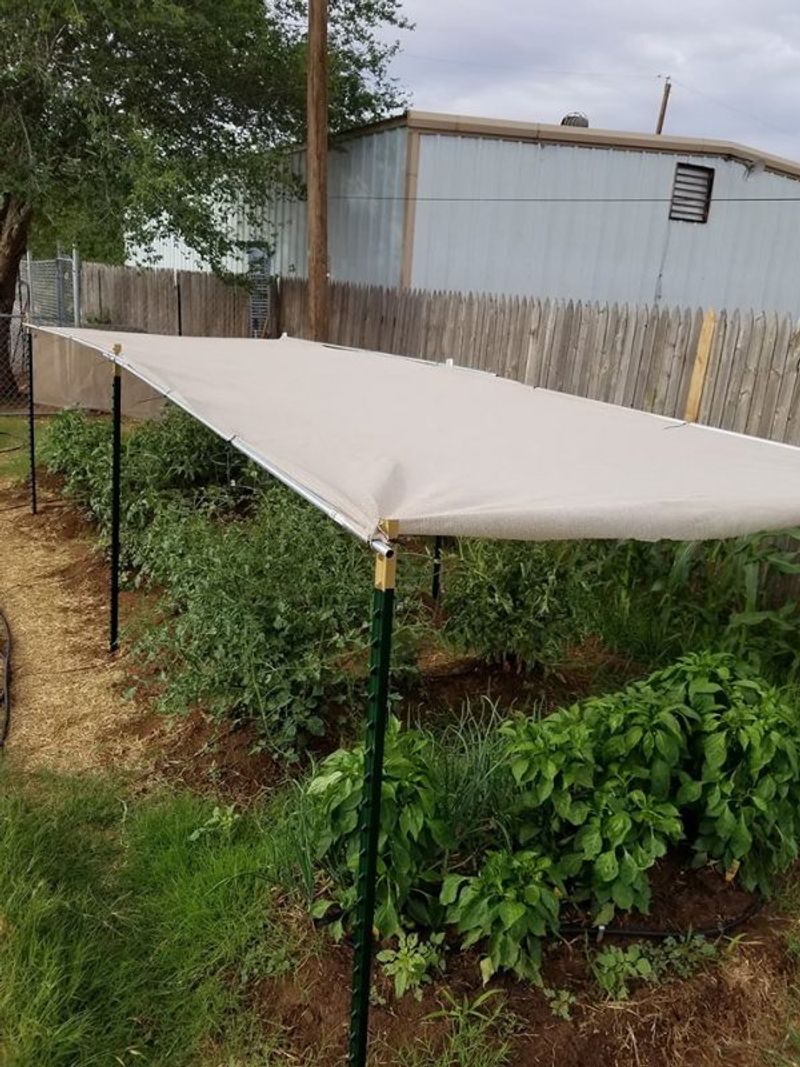
Shade cloth works best when it is treated like a tool with a specific job, not a permanent fixture draped over the garden. The goal is to lower canopy and fruit surface temperatures during the hottest hours without cutting off the morning light that the plant depends on for photosynthesis and growth. That means timing matters as much as the cloth itself.
University of Arizona Cooperative Extension recommends shade management for hot-climate tomato production, with approximately 20 to 40 percent shade as a range that can reduce heat stress without blocking excessive light. The University of Delaware Extension identifies 30 percent shade cloth as a practical level for many vegetables under heat stress. These figures are starting points, not universal prescriptions. The right percentage depends on how hot your climate gets, which variety you are growing, what time of season it is, and how much direct sun the site already receives in the morning hours.
Extension guidance on protecting gardens during heat waves warns against using solid plastic sheeting or tarps as a substitute for proper shade cloth. Solid materials can trap heat underneath or create a greenhouse effect that raises temperatures rather than lowering them. Breathable woven shade cloth, supported on a frame or stakes so that it sits above the plant canopy and allows air to circulate, is the appropriate choice.
Leaving heavy shade cloth in place all season is a different practice from using it strategically during a heat wave or the hottest afternoon hours. Research on shade and tomato yield shows mixed results depending on timing, percentage, cultivar, and whether the measurement tracks total yield or marketable fruit. Moderate shade under genuine heat stress may improve the quality of fruit that does set, but heavier or poorly timed shade can reduce total output. Use it when the heat justifies it, remove it when conditions cool, and keep it off during the morning hours whenever possible.
Foliage, moisture, and temperature still protect quality
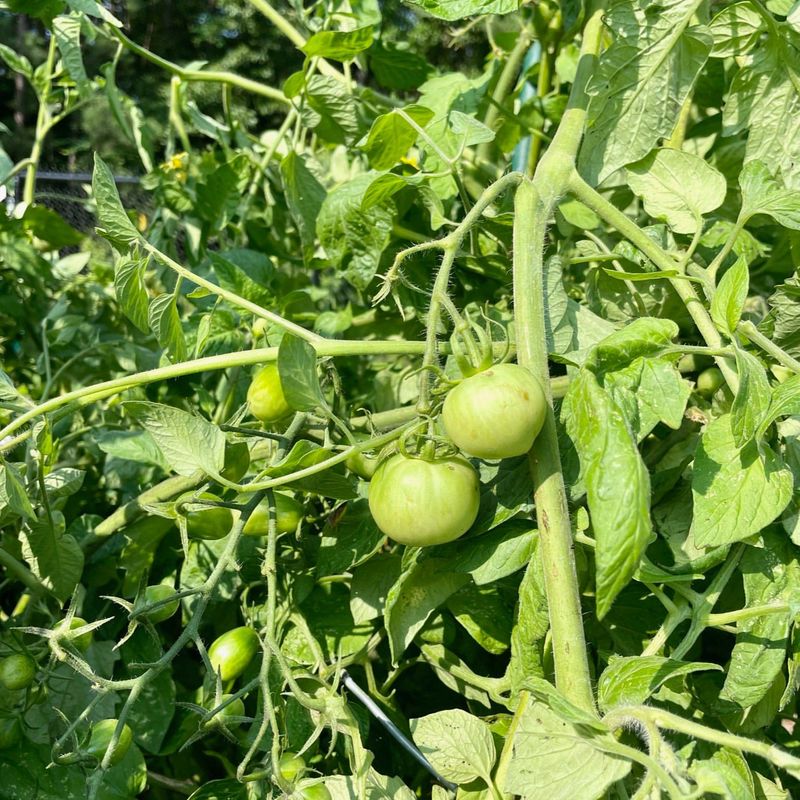
Healthy leaves are the plant’s built-in sunscreen. Developing tomatoes sit tucked under a canopy of foliage that naturally diffuses intense light and moderates fruit surface temperatures. When that canopy is intact, the fruit is protected. When it is stripped away through aggressive pruning, disease, or pest damage, the exposed fruit becomes vulnerable to sunscald, a condition where direct sun and heat bleach or damage the skin of the tomato.
University of Minnesota Extension’s guide to tomato disorders identifies sunscald as a direct result of fruit exposure, often following leaf loss from pruning or disease. Removing leaves to “let sunlight hit the fruit” is advice that circulates widely but is not supported by extension guidance. Tomatoes do not need direct sunlight on their skin to ripen, and removing the protective foliage increases sunscald risk rather than speeding the process. Keep the canopy healthy and let it do its job.
Consistent soil moisture plays a separate but equally important role in fruit quality. Irregular watering, where the soil swings from dry to waterlogged and back, stresses the plant and contributes to problems like cracking and blossom-end rot. Penn State Extension’s explanation of tomato cracking points to uneven moisture as a primary driver, with mulch helping to buffer soil temperature and retain consistent moisture between waterings.
Mulch, steady watering, and a full leaf canopy each serve their own function. None of them replaces adequate light, and none of them is a workaround for a site that simply does not receive enough direct sun. Think of them as the supporting cast that helps a well-sited, well-lit plant reach its potential, rather than as substitutes for getting the sunlight baseline right in the first place.
Direct sun is not required for tomatoes to finish ripening
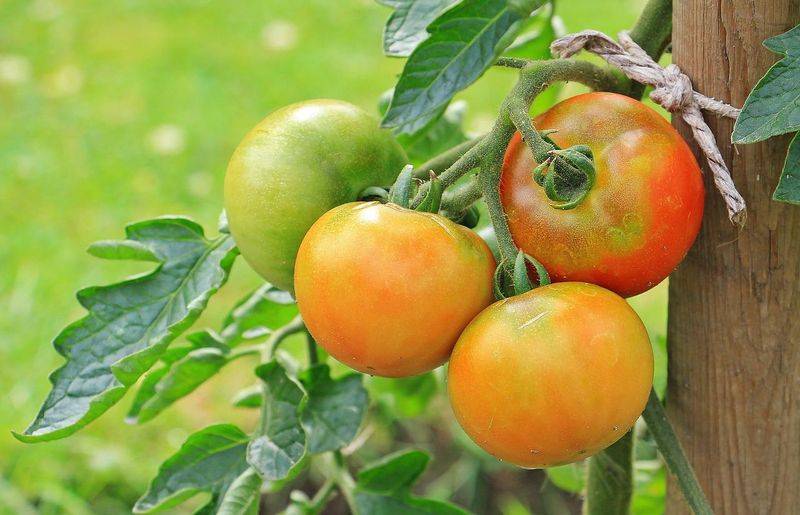
One of the most persistent myths in tomato growing is that fruit needs direct sunlight on its skin to ripen properly. Gardeners strip leaves, angle plants toward the sun, and worry that a shaded cluster of tomatoes will never turn red. The science does not support that concern, and acting on it can actually cause harm.
Ripening is driven primarily by the plant’s developmental stage and by temperature, not by direct light hitting the fruit surface. In fact, when fruit temperatures climb too high from direct sun exposure, pigment development can slow or stall. Penn State Extension’s harvest guidance explains that once a tomato reaches the breaker stage, the point where the first definite color change appears on the skin, it can be picked and will finish ripening indoors at room temperature without any sunlight at all. That makes the breaker stage a useful harvest marker, especially when weather turns extreme or pests are active.
Leaving fruit on the vine past the breaker stage in hopes that more sun will improve flavor or color is not necessary and can expose tomatoes to sunscald, cracking from rain, or pest damage. Minnesota Extension’s tomato disorder resource reinforces that exposed fruit faces higher sunscald risk, particularly when protective foliage has been removed.
The practical takeaway is straightforward. Give the plant the light it needs through its leaves, protect the fruit from excessive heat and direct exposure, and harvest at the breaker stage when conditions call for it. Chasing perfect sun on the fruit itself is the wrong target.
Count the sun, then shade only the heat
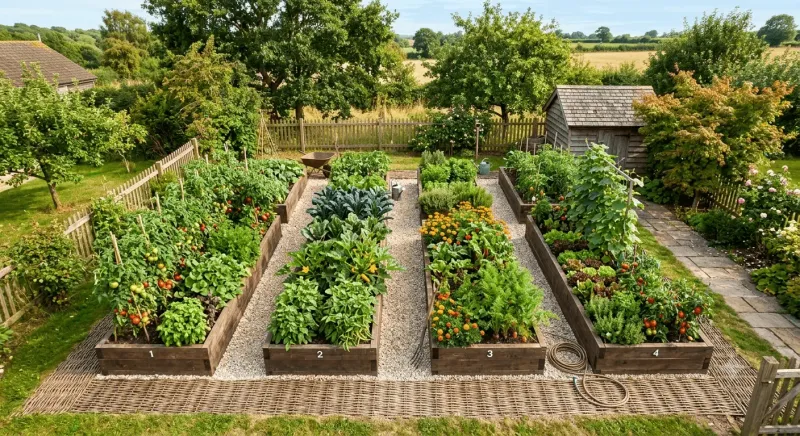
The decision comes down to a two-part check. First, find the sunniest spot available and confirm it delivers roughly six hours of direct light each day, with six to eight hours as the target for a reliable, productive crop. If the best available site falls short of that, accept that the harvest may be smaller or less consistent, choose compact or small-fruited varieties that tolerate lower light better, and set realistic expectations rather than fighting the location.
Second, keep shade cloth on hand as a seasonal tool rather than a structural fix. Penn State Extension’s full growing guide and their heat stress resource together frame the balance well: tomatoes need substantial light for the leaves to drive growth and production, but heat extremes can undercut that production just as surely as shade can. Temporary afternoon protection during a heat wave is a legitimate management choice. Permanent shade as a substitute for finding a better site is not.
Successful tomato growing is really about matching the plant’s needs to the conditions you can actually provide, then adjusting at the margins when weather pushes things out of range. Count the hours, pick the best spot, and shade only the heat.