
7 Reasons Your Clematis Refuses To Bloom – And The Simple Fix For Each One
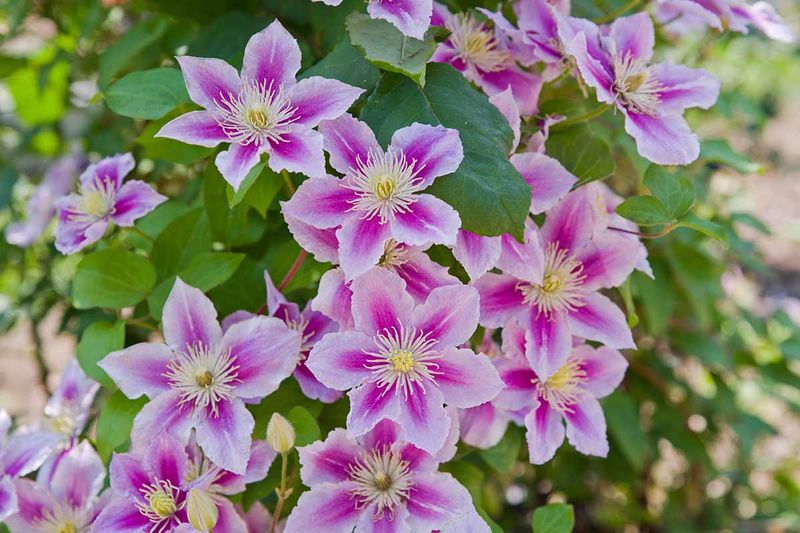
You planted your clematis with high hopes, watched it fill out with lush green leaves, and then waited – and waited – for flowers that never came. A leafy vine with no blooms can be genuinely frustrating, especially when everything looks healthy from the outside. The good news is that a flowerless clematis usually has a diagnosable, fixable cause that has nothing to do with disease. Working through a short checklist of the most common culprits can save you months of guessing and get your vine closer to the display you were expecting.
Wrong-season pruning can remove the flowers before they form
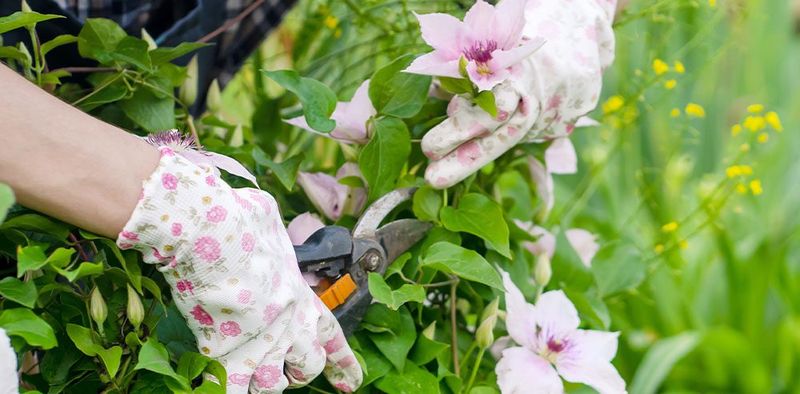
Pruning is probably the single most misunderstood part of growing clematis, and a mistimed cut is one of the quickest ways to accidentally eliminate an entire season of flowers. The core issue is that different clematis varieties carry their flower buds on different types of stems, so the right pruning approach depends entirely on which group your plant belongs to.
Group 1 clematis – the earliest bloomers, including species like Clematis montana and C. alpina – flower on shoots that grew during the previous season. If you cut those stems back hard in late winter or early spring, you are removing the very wood that would have carried this year’s flowers. RHS growing guidance for clematis explains that Group 1 types generally only need pruning after they finish flowering, and even then only to manage size or shape rather than as a routine annual cutback.
Group 2 cultivars – most of the large-flowered hybrids that bloom in late spring and early summer – flower mainly on older wood, with a secondary flush on new growth later in the season. These plants need a light tidy rather than a hard cut. Removing too much old wood from a Group 2 plant in early spring costs you the main flower display.
Group 3 clematis, which include varieties like Jackmanii and most viticella types, flower on stems produced in the current growing season. These are the plants that tolerate and even benefit from a harder cutback in late winter. Missouri Botanical Garden’s pruning guidance reinforces that matching the pruning approach to the correct group is essential.
If you are not sure which group your plant belongs to, the safest move is to pause hard pruning for a full season and observe when and where the flowers appear. The RHS clematis pruning profile offers a useful rough guide: plants that bloom before early summer generally should not be cut back in spring, while those that flower from late June onward are usually safe to prune in late winter. Treat that as a starting point for identification, not a replacement for knowing your cultivar.
The vine may be growing in the wrong light
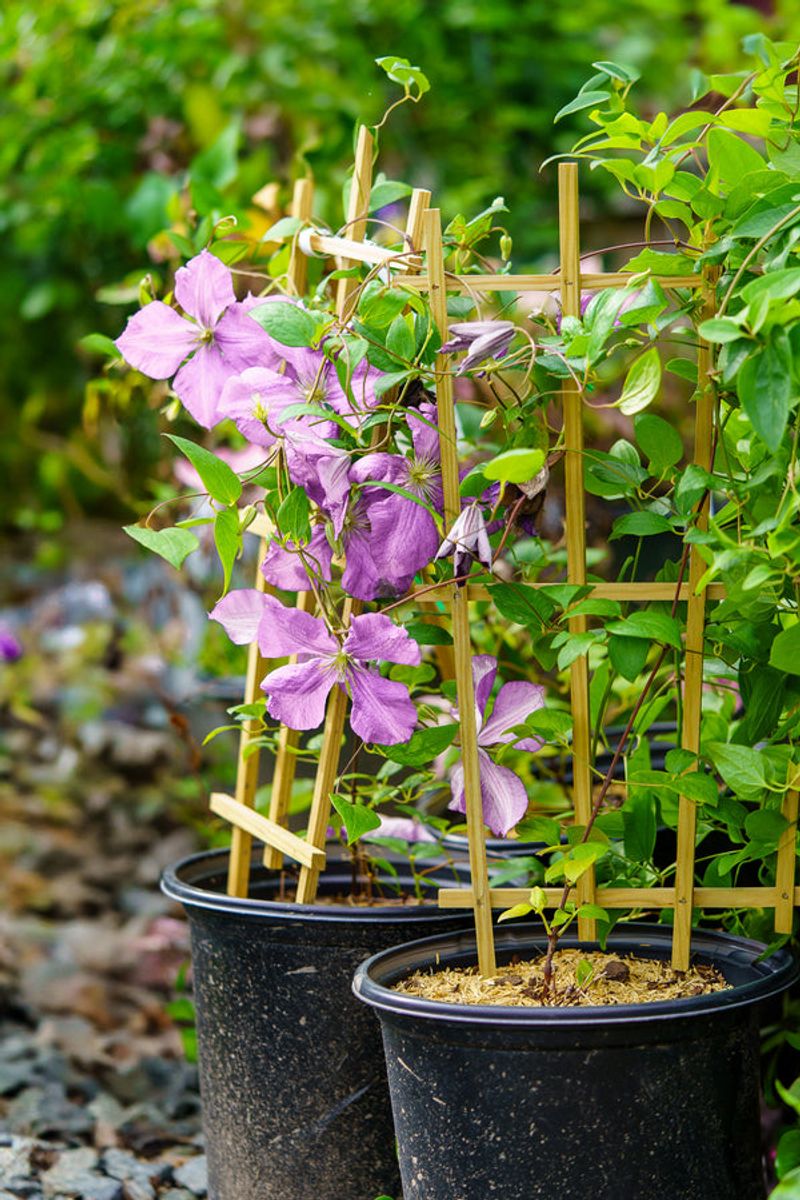
A common mistake is checking whether the base of the plant receives sun and assuming that settles the light question. For clematis, what matters most is how much light reaches the leafy, flowering portion of the vine – not just the root zone or the lowest foot of stem.
UC IPM’s clematis guidance describes the classic approach: give the foliage and flowering stems substantial sunlight while keeping the root zone cool and shaded. That second part is often handled with mulch or low companion plants, but it should not come at the expense of shading out the upper vine.
Light requirements do vary across the genus. Large-flowered hybrids generally perform best with generous direct or bright filtered sun, while some species and woodland-origin types are more tolerant of dappled or partial shade. University of Arkansas Cooperative Extension notes that light needs differ by type, so the correct standard is what your specific cultivar requires rather than a single rule for all clematis.
To assess your situation honestly, track how many hours of direct or bright filtered light actually reach the upper portion of the vine on a typical clear day during the growing season. A vine climbing into the shadow of a large shrub, a fence, or an overhang may look healthy at the base while its flowering stems are consistently under-lit. If the plant is in a container and regularly sits in a shaded spot, relocating it during the growing season is worth trying before assuming a more complicated cause.
Roots need moisture without sitting in water
Root-zone stress comes in two opposite forms, and both can shut down flowering. The first is prolonged dryness – clematis are thirsty plants during active growth, and stems that are working hard to stay alive have little energy left for buds. The second problem is chronically saturated soil, which is just as damaging and sometimes harder to spot.
RHS growing guidance describes clematis as plants that dislike drying out during the growing season, and both UC IPM and Oregon State University Extension emphasize regular irrigation alongside well-drained soil. Those two requirements work together – the goal is consistent moisture that moves through the root zone rather than pooling around it.
Simply watering more is not a safe universal fix. A site with heavy clay soil, a low spot that collects runoff, or a container without adequate drainage holes can stay saturated long after you stop adding water. Root and crown diseases can develop in those conditions, and adding more water to an already wet site makes the problem worse rather than better.
Before watering, check the soil several inches below the surface. If it is still damp, wait. If it is bone dry and pulling away from the container or bed edges, water thoroughly and consider mulching the root zone to slow evaporation. A 2-3 inch layer of organic mulch helps moderate soil temperature and moisture, but keep it pulled back from the stem base so it does not trap moisture directly against the crown.
In heavy soil, improving drainage through amendment or raised planting may be a longer-term fix worth planning for next season.
A young or poorly planted clematis may be building strength first
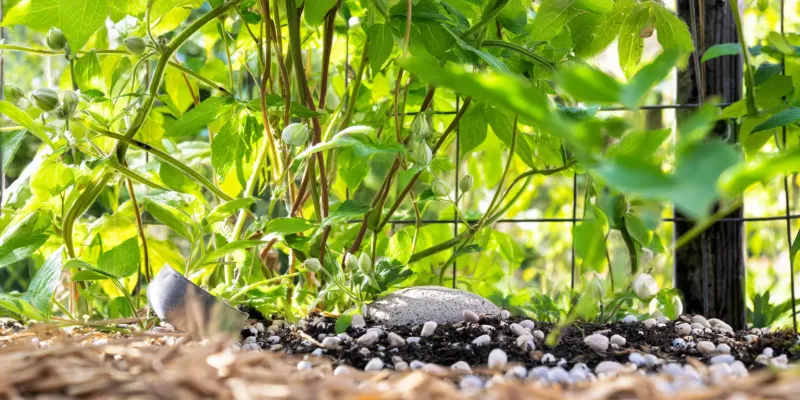
Patience is genuinely part of growing clematis, especially in the first year or two after planting. A newly established vine often puts most of its energy into root development and building a stem framework before it commits to a heavy flower display. That does not mean something is wrong – it means the plant is doing exactly what it needs to do.
Oregon State University Extension notes that clematis flower reliably once established but depend on careful planting, good drainage, proper support, and consistent root-zone management to get there. Skipping any of those steps at planting time can extend the establishment period or create ongoing stress that limits flowering for several seasons.
Planting depth is one area where published guidance is not perfectly consistent. OSU Extension recommends setting the crown about 2-3 inches below the soil surface, while a UC ANR planting guide suggests 4-6 inches for some types. Those differences reflect variation in plant size, type, and local practice. Rather than picking one number as universal, follow the plant label or ask your local extension office what is appropriate for your specific cultivar and growing conditions.
Resist the urge to dig up and relocate a vine that seems slow to flower unless you have clear evidence of a site problem like standing water or deep shade. Repeated root disturbance resets the establishment clock. Instead, do a site audit: check that the crown is at an appropriate depth, that the vine has a usable support structure it can actually grab onto, that drainage is adequate, and that the root zone is not being disturbed by nearby digging or foot traffic. Sometimes the fix is simply giving the plant one more season to settle in.
Fertilizer cannot replace a missing cultural fix
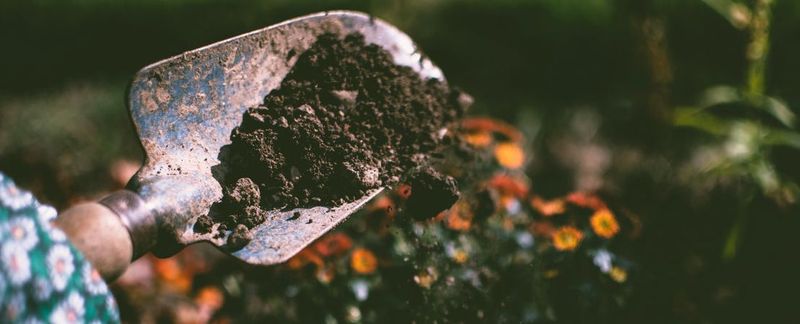
Reaching for fertilizer when a plant stops performing is a natural instinct, but it can create new problems if the underlying cause is not a nutrient shortage. Both deficiency and excess can limit a clematis, and the only way to know which situation you are dealing with is to test the soil first.
University of Minnesota Extension’s soil testing guidance cautions that soils can be under-fertilized or over-fertilized and that fertilizer decisions should be based on test results rather than assumptions. A basic soil test from your local extension service or a mail-in lab will tell you whether nutrient levels or pH are actually off, and that information is far more useful than guessing.
Excess nitrogen is a specific risk worth understanding. High-nitrogen fertilizers push rapid leafy growth, which can look encouraging, but that soft, fast-growing tissue can also be more vulnerable to disease. Clemson Cooperative Extension specifically advises against nitrogen over-fertilization for clematis, and OSU Extension recommends a balanced approach to feeding during the growing season.
Potassium products are sometimes mentioned in clematis care guides as a way to encourage flowering, but treating them as a guaranteed cure overstates the case. They may be appropriate when a soil test shows a deficiency, but adding potassium to soil that already has adequate levels is unlikely to trigger a bloom and may contribute to nutrient imbalance. Feed based on what testing tells you, follow the product label, and correct light, water, pruning, and establishment issues before deciding that nutrition is the limiting factor.
Inspect buds, flowers, and stems before calling it disease
A vine that produces no buds at all is a different problem from one whose buds or flowers are being damaged after they form. Before attributing poor flowering to disease, spend a few minutes actually looking at the plant – at night or early morning when many pests are active – for physical evidence of what is happening.
Earwigs are among the more common culprits when clematis petals appear chewed or ragged. RHS clematis FAQs identify earwigs as the most likely cause of eaten petals, while RHS earwig guidance notes that these insects are omnivores that also prey on aphids and other invertebrates. That dual role means broad insecticide treatment is not automatically the right response. Monitoring and trapping – using upside-down pots loosely filled with straw placed near the plant – is a reasonable first step for light earwig damage.
Aphids, capsid bugs, caterpillars, slugs, and snails can also damage young shoots or leaves, reducing vigor and occasionally destroying developing growth. Check for honeydew residue, distorted shoot tips, or visible insects before deciding on a response.
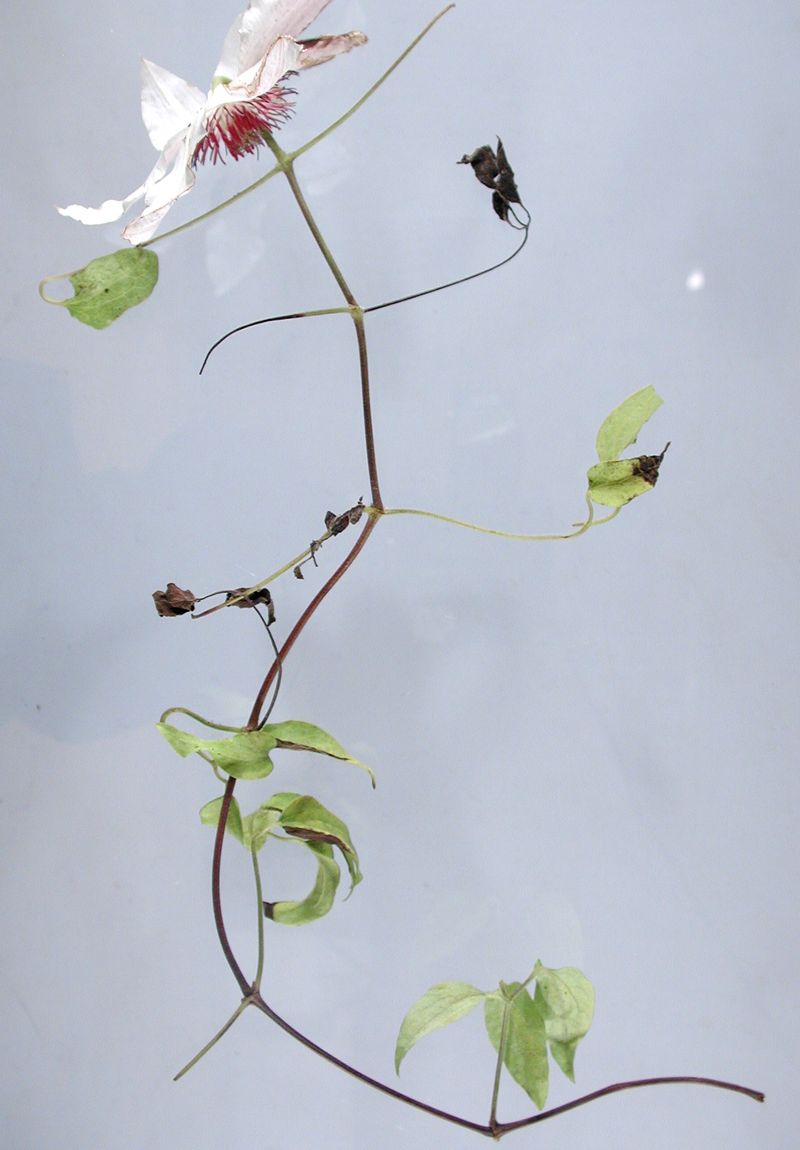
Clematis wilt is often blamed for any vine that looks unhealthy, but its defining pattern is quite specific: one or more stems collapse rapidly, often just as flower buds are about to open, and the affected stems and leaves blacken within days. Missouri Botanical Garden’s clematis wilt resource describes it as primarily affecting large-flowered hybrids, with species clematis and small-flowered types generally less susceptible. Wilt is localized rather than systemic, and affected plants often regrow from the base over time.
A vine that is simply leafy and not flowering does not fit that pattern. If you do see wilted, blackened stems, cut them back to healthy tissue near ground level with clean tools and dispose of the affected material – do not compost it. Clemson Extension recommends improving drainage and overall plant vigor as part of managing wilt, rather than reaching for fungicide as a first response. Diagnose what you can actually see before deciding on treatment.
Sometimes the clematis is healthy—or its flowers are showing a specific disorder
Before making any changes to a clematis that has not flowered, confirm that you are actually watching it during its expected bloom window. Clematis cultivars flower from early spring through fall depending on species and type, and a plant that looks dormant or purely green in June may simply not be due to flower until August. Checking when your specific cultivar is supposed to bloom – using the plant label, a reputable catalog, or the cultivar name in an extension database – can save you from treating a healthy plant as a problem.
RHS growing guidance covers the range of bloom seasons across the genus, and RHS clematis FAQs reinforce that many apparent problems turn out to be timing mismatches or cultural issues rather than disease. When in doubt, observe for a full season before intervening.
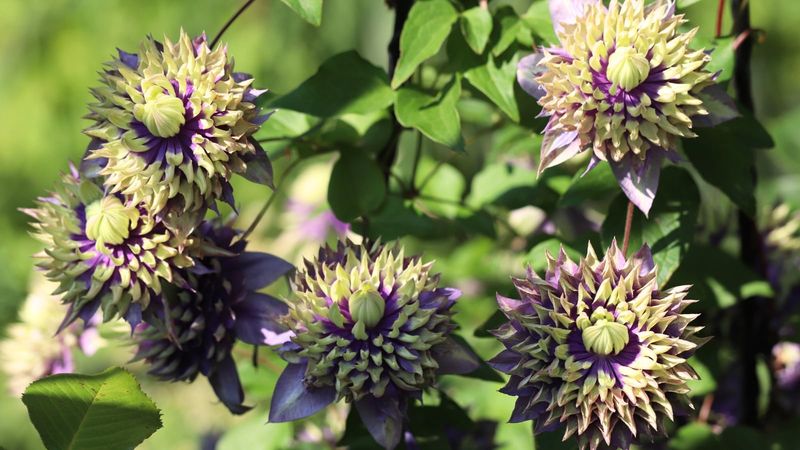
Flower appearance can also raise alarm when the real cause is temporary and harmless. Green petal – where flowers open with a greenish tint rather than their expected color – commonly follows a cold spell, especially in pale or white-flowered cultivars. Later flowers in the same season often develop normally as temperatures stabilize. That is meaningfully different from green flower disease, which is associated with a phytoplasma infection.
RHS guidance on clematis green petal describes the persistent form as producing distorted green flowers throughout the season, and recommends destroying affected plants to prevent spread.
The distinction matters because the responses are completely different. Cold-related green petal calls for patience and a wait-and-see approach, while persistent green flower disease calls for removal. Distinguishing between them requires watching whether subsequent flowers in the same season develop normally. Buds that collapse before opening, flowers that are chewed after opening, and flowers that simply never form are also separate symptoms pointing to separate causes – grouping them together under one label leads to the wrong response.
Identify the specific symptom pattern first, then match the response to what you actually observe.
Use the symptom pattern to choose the next check
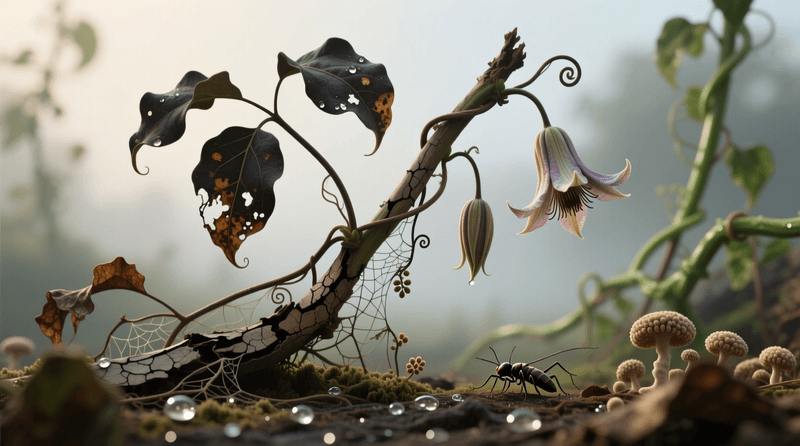
Working through the seven causes in order is more reliable than guessing or making several changes at once. Start by recording the cultivar name and expected bloom period, then review any pruning done in the past twelve months and match it to the plant’s flowering group. From there, assess how much light actually reaches the upper vine, check soil moisture several inches below the surface, and look at whether the plant is newly established or was recently moved.
If those basics check out, get a soil test before adding any fertilizer. Then inspect buds, young shoots, and open flowers – preferably at dusk or early morning – for pest activity, chewing, or honeydew. Reserve wilt as a diagnosis for plants showing rapid stem collapse and blackening, not just a vine that is leafy and flowerless. RHS clematis FAQs and the RHS growing guide both emphasize that unsuitable growing conditions are the most common cause of non-flowering and that targeted observation is safer than reflexive hard pruning, indiscriminate watering, or routine spraying.
Some situations genuinely require a full season of watching before the right response becomes clear. A flowerless clematis is more often a diagnostic puzzle than an emergency, and the gardener who records what they see and adjusts one variable at a time will usually get further than the one who tries everything at once.