
17 Pepper Feeding Tricks For August That Keep Hungry Plants From Stalling Before Harvest
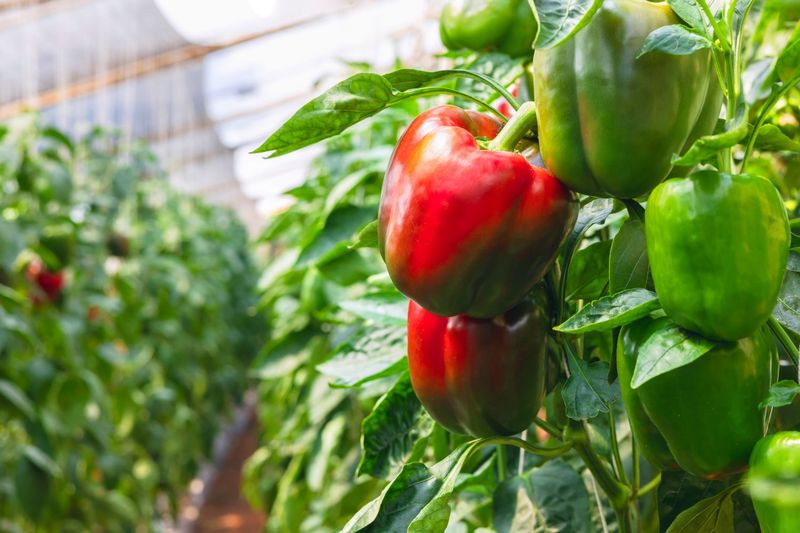
August is the make-or-break month for pepper plants. The days are still warm, fruit is swelling fast, and your plants are burning through nutrients quicker than at any other point in the season. Feed them right now and you get a heavy late harvest, but skip the fuel and they stall out, drop blossoms, and coast into fall with half-empty branches. Here are seventeen simple feeding moves you can make in your own backyard to keep hungry peppers pumping out fruit right up to the first frost.
1. Switch From Nitrogen to a Phosphorus-Potassium Blend
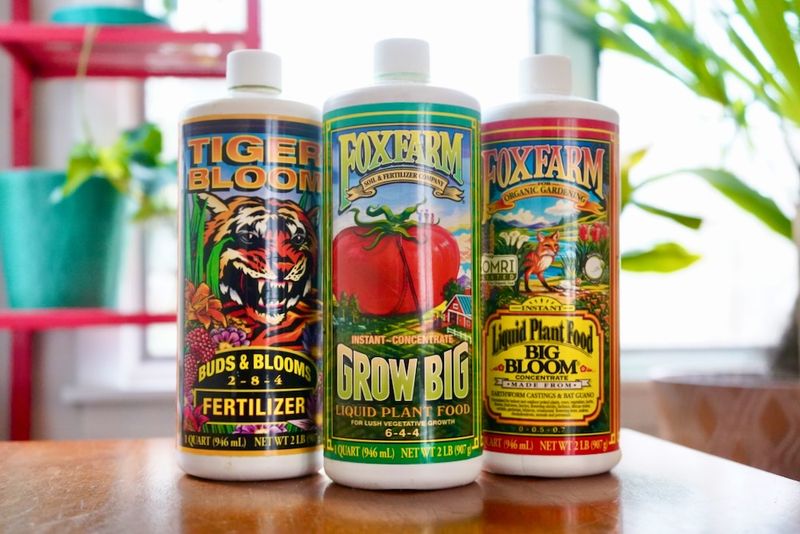
Back in spring your peppers wanted leafy growth, so a nitrogen-heavy feed made sense. Come August, the goal flips completely. Too much nitrogen now gives you a jungle of green leaves and hardly any fruit to show for it.
Reach for a fertilizer where the middle and last numbers on the label are higher than the first, like a 5-10-10. Phosphorus supports flowering and root strength, while potassium fuels fruit sizing and ripening. Both matter far more than lush foliage this late in the season.
Make the swap the first week of August and your plants get the message: stop showing off, start filling out those pods. Most bagged tomato-and-vegetable fertilizers already lean this direction, so you may not need anything exotic.
2. Feed With Diluted Fish Emulsion Every Two Weeks
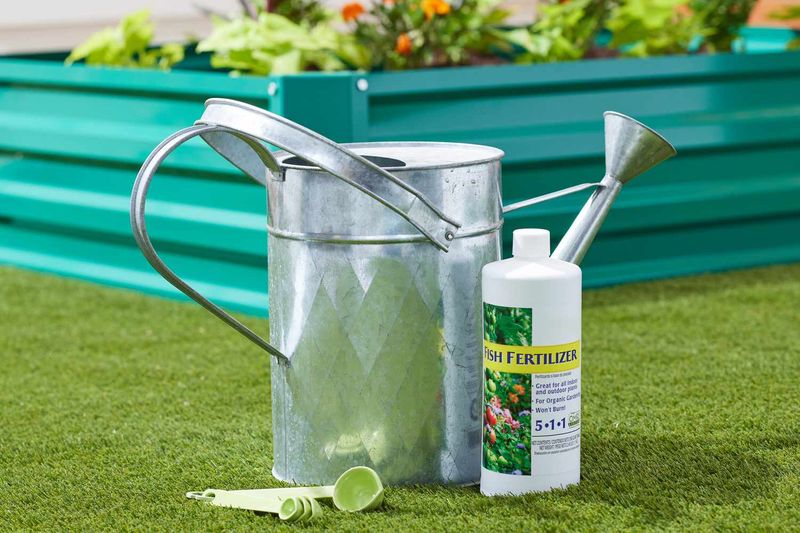
Fish emulsion smells like a bait bucket, but peppers absolutely love the stuff. It delivers a gentle, fast-acting dose of nutrients that roots can grab within a day or two, which is exactly what you want during August’s rapid fruit set.
Mix it at half the label strength and pour it around the base every couple of weeks. Going light protects you from the salt buildup that a full-strength shot can leave behind in dry August soil.
One tip from experience: water the plant first, then apply the emulsion, then water again. That sandwich keeps the feed from scorching thirsty roots and helps carry the nutrients straight down where they do the most good.
3. Add Epsom Salt for a Magnesium Boost
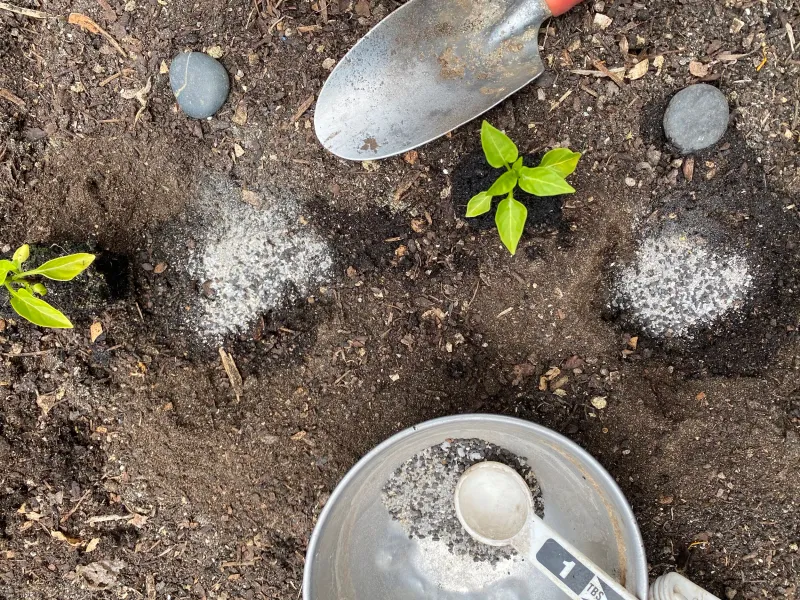
Yellowing leaves with green veins on your pepper plants often point to a magnesium shortage, and August’s heavy fruiting drains magnesium fast. A cheap box of Epsom salt can turn that around within a week.
Dissolve one tablespoon in a gallon of water and drench the soil, or spray it directly on the leaves in the cool of early morning. Magnesium sits at the center of every chlorophyll molecule, so topping it up may help your plants keep photosynthesizing at full tilt through the hottest stretch.
Don’t overdo it, though. Once a month is plenty, since too much magnesium can crowd out calcium and create a different problem entirely.
4. Bury Crushed Eggshells for Slow Calcium Release
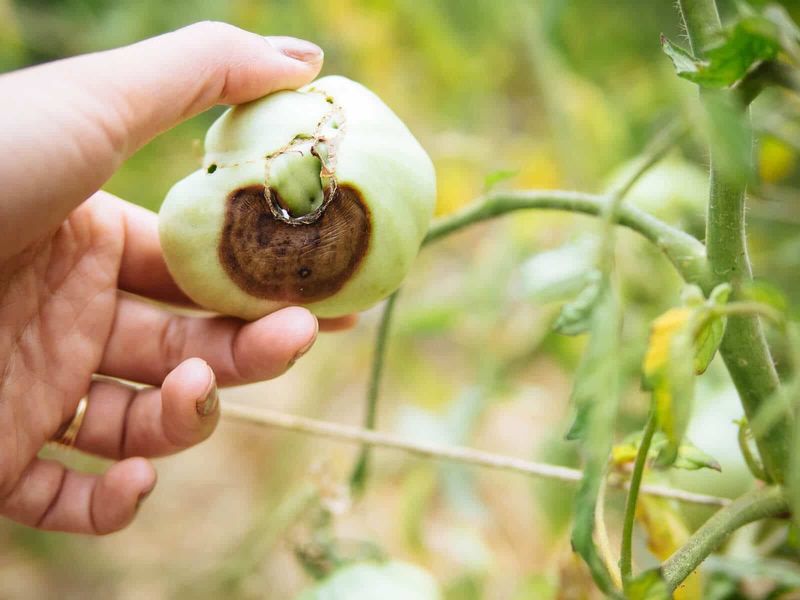
Blossom end rot, that ugly sunken brown patch on the bottom of your peppers, almost always traces back to calcium not reaching the fruit. Crushed eggshells offer a slow, steady way to keep calcium in the soil bank.
Rinse, dry, and grind a handful of shells into a coarse powder, then work them into the top inch of soil around each plant. They break down gradually, feeding calcium as August rains and waterings dissolve them.
For a faster hit, steep crushed shells in water overnight and use that as a drench. Pair this trick with steady watering, because even plenty of calcium in the ground can’t reach the fruit if the soil keeps drying out and rewetting.
5. Brew a Batch of Compost Tea
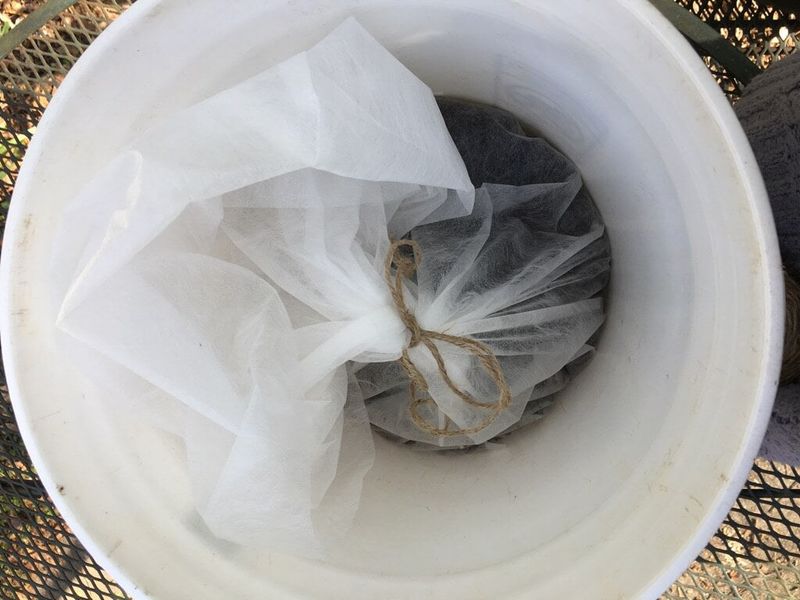
Think of compost tea as an energy drink for your soil. Steeping finished compost in water pulls out a broth of nutrients and beneficial microbes that wake up tired August roots.
Scoop a couple of shovelfuls of compost into a mesh bag, drop it in a five-gallon bucket of water, and let it sit for a day or two, stirring now and then. The result is a rich brown liquid you can pour at the base or strain and spray on the leaves.
What sets tea apart from dry fertilizer is speed and biology. The nutrients are already dissolved and ready to absorb, and the living microbes help your peppers unlock even more food from the surrounding soil.
6. Side-Dress With Worm Castings
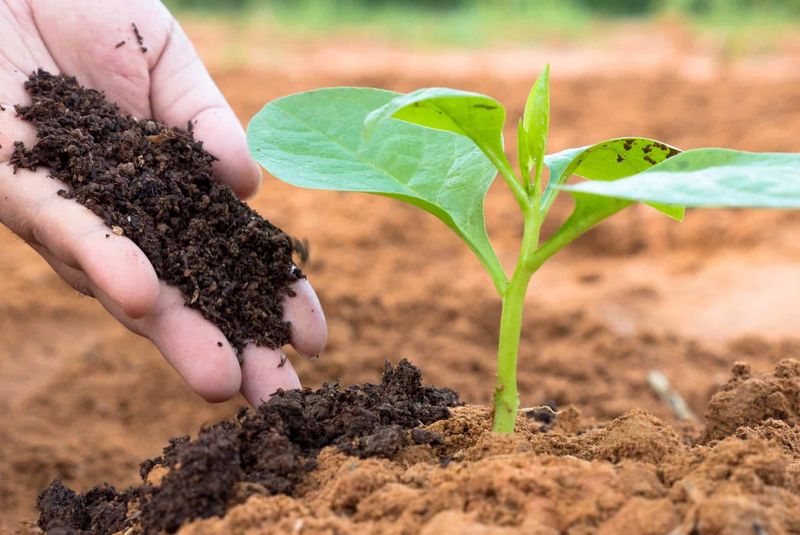
Worm castings look like plain dark crumbles, but they’re one of the gentlest, most balanced feeds you can hand a pepper plant. Because they release slowly, there’s almost no risk of burning roots even in the dog days of August.
Scratch a half-cup into the soil in a ring about six inches out from each stem, then water it in. The castings feed nutrients gradually while also improving how well your soil holds moisture, which matters when the sun is relentless.
A little goes a long way. Gardeners who tuck castings around their peppers often notice greener leaves and steadier fruit set within a couple of weeks, no strong smell and no fuss involved.
7. Spray a Seaweed Foliar Feed on Cool Mornings
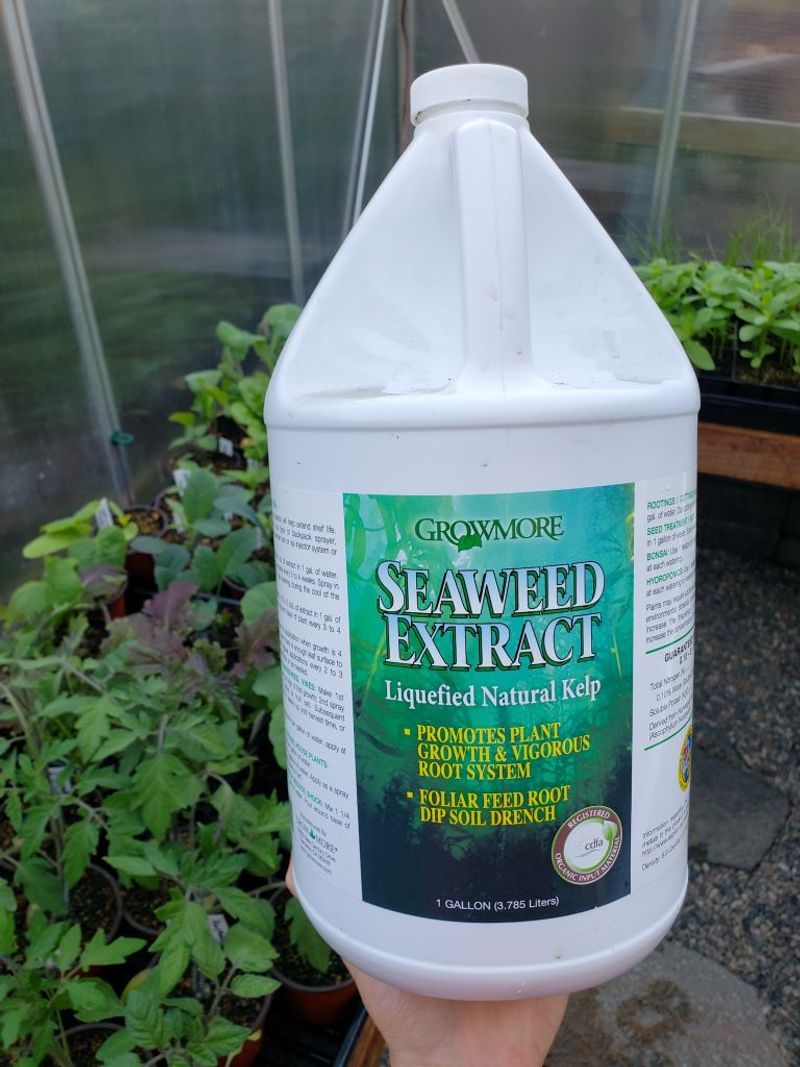
Kelp and seaweed extracts carry a payload of trace minerals and natural growth hormones that peppers can’t easily get anywhere else. Sprayed right onto the leaves, they go to work in hours rather than days.
Mix a liquid seaweed product to label strength and mist the tops and undersides of the foliage early, before the sun climbs high. Cool mornings keep the leaf pores open and stop the spray from evaporating before it’s absorbed.
Beyond feeding, a seaweed spray can help peppers shrug off heat stress and bounce back faster after a scorching afternoon. Used every week or two, it’s a small habit that keeps plants resilient right through fruit sizing.
8. Mulch With Grass Clippings for a Slow Nitrogen Trickle
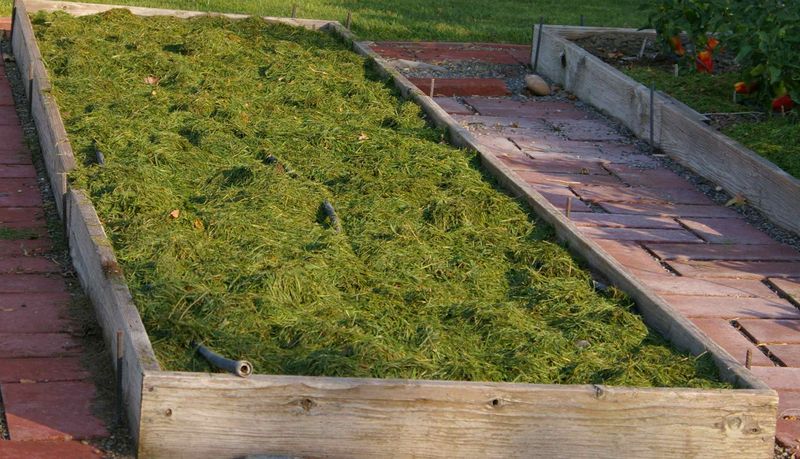
Fresh grass clippings do double duty in August: they hold moisture in the ground and slowly release a light dose of nitrogen as they break down. That trickle keeps leaves green without triggering the wild leafy growth a strong feed would cause.
Spread a thin layer, no more than an inch or two, around your peppers and keep it off the stems. Piling it too thick can mat down and turn slimy, so several light top-ups beat one heavy dump.
Grab clippings from a lawn you haven’t sprayed with weed killer. Clean clippings feed your soil life and keep the root zone cooler, a quiet win during the hottest weeks of summer.
9. Water Deeply Before Every Feeding
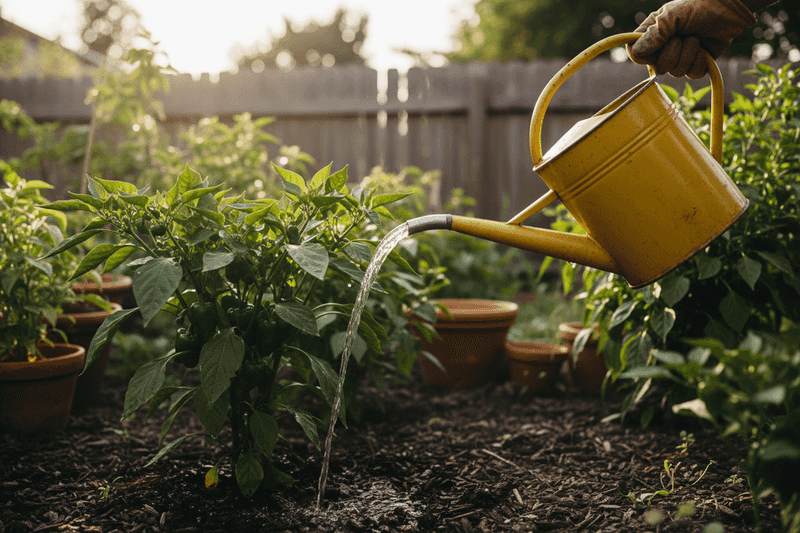
Feeding a bone-dry pepper plant is like pouring soda on an empty, upset stomach. The nutrients concentrate around parched roots and can actually burn them instead of helping.
Give the bed a slow, deep soak the evening before or a few hours ahead of any fertilizer. Moist soil spreads the feed evenly and lets roots sip it up gently rather than getting a harsh shock.
This one habit multiplies the value of every other trick on this list. Well-hydrated roots reach farther, absorb more, and move calcium and potassium into swelling fruit far more reliably than roots fighting to stay alive between waterings.
10. Read the Leaves Before You Feed
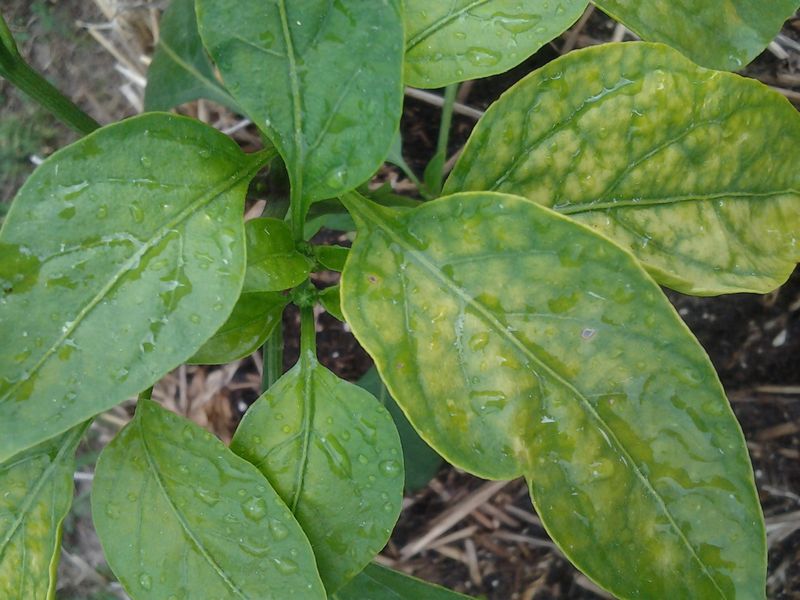
Your pepper leaves are basically a status report if you know how to read them. Pale, uniformly yellow lower leaves usually whisper nitrogen hunger, while purple undersides can flag a phosphorus shortfall common in cooler soils.
Yellowing between the veins while the veins stay green tends to mean magnesium, and curled or scorched leaf edges often hint at a potassium gap. Spotting the signal first lets you feed the right nutrient instead of dumping everything and hoping.
Take a two-minute walk through the patch every few days and actually look at the underside of leaves. Reacting to what the plant tells you beats blindly fertilizing on a calendar, and it saves you money on products you don’t need.
11. Cut Back on Nitrogen if Blossoms Keep Dropping
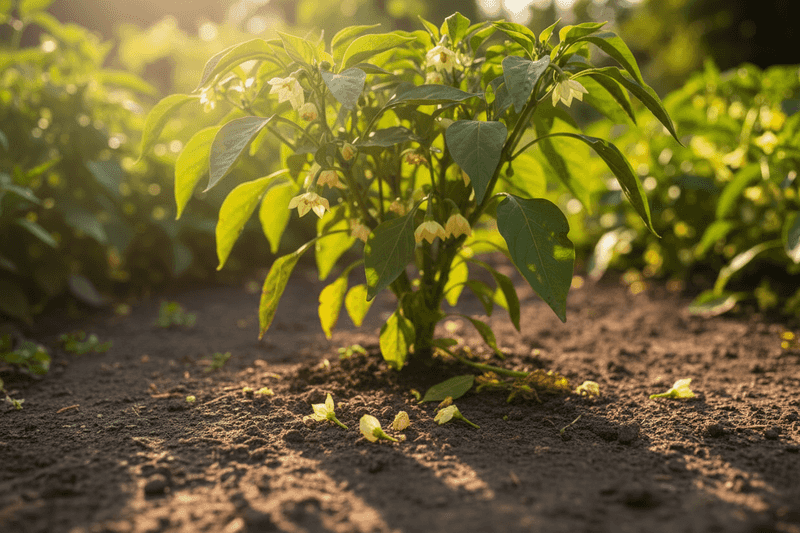
Watching flowers fall off before they set fruit is maddening, and heavy nitrogen is a frequent culprit alongside August heat. A plant flooded with nitrogen pours its energy into leaves and quietly abandons its blossoms.
If you’ve been feeding a high-nitrogen product, stop it cold and let the plant rebalance for a couple of weeks. Give it a potassium-leaning feed instead and keep water steady so stressed flowers have a fighting chance to hold on.
The contrast is worth remembering: more green does not equal more peppers. Once you ease off the nitrogen, plants often reset and start setting fruit again as temperatures dip in late August.
12. Add Wood Ash for a Potassium Kick
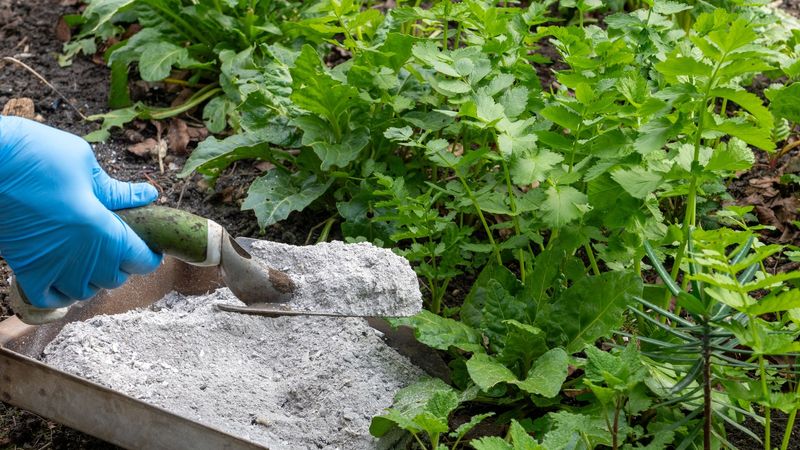
Leftover ash from a hardwood fire pit is basically free potassium, and potassium is the star nutrient for fruit filling and sweetness. A light dusting worked into the soil can perk up peppers that seem to be sizing slowly.
Sprinkle a thin scatter around the plants and rake it in, using no more than a small handful per plant. Wood ash also nudges soil pH upward, so it suits gardens that trend acidic rather than already alkaline ground.
Skip ash from charcoal briquettes or treated lumber, which can carry chemicals you never want near food crops. Test your soil pH first if you can, since too much ash over time can push things out of the range peppers prefer.
13. Use a Banana Peel Soak for Extra Potassium
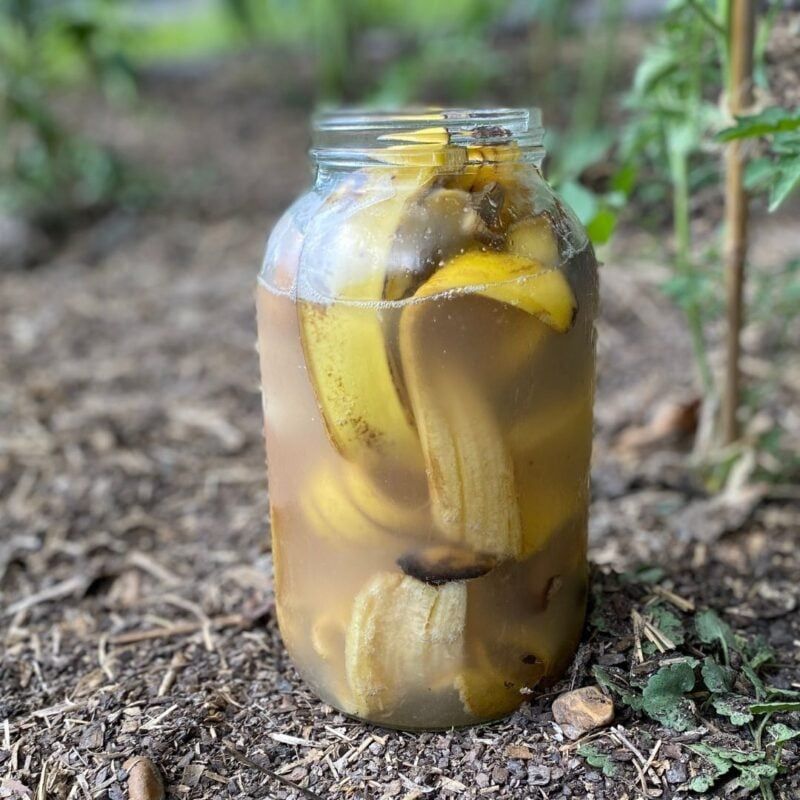
Banana peels are loaded with potassium and a little phosphorus, and they’d otherwise head straight to the trash. Chopping them into a jar of water makes a quick homemade tonic your peppers will happily drink up.
Cut two or three peels into small pieces, cover with a quart of water, and let them steep for a couple of days. Pour the potassium-rich liquid around the base, and toss the softened peels right into the soil or compost afterward.
Cheap, easy, and it puts kitchen scraps to work. During fruit sizing this extra potassium may help your pods grow plumper and ripen with a touch more color and flavor.
14. Feed Container Peppers More Often Than Ground Beds
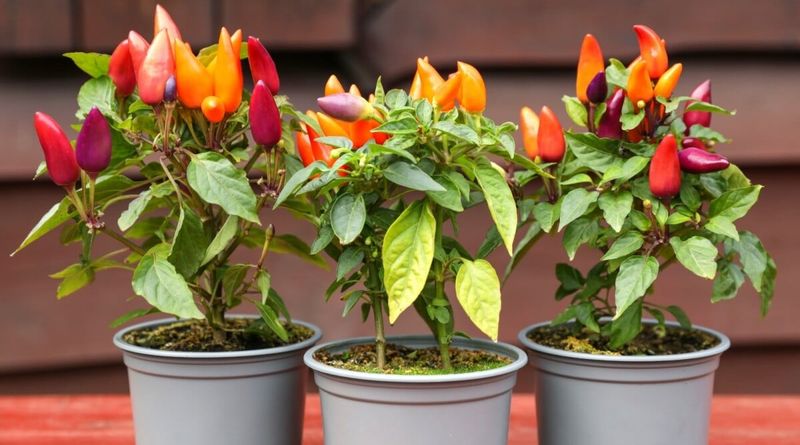
Peppers in pots live a very different life from their in-ground cousins. Every time you water a container, nutrients wash out the drainage holes, so pots run empty far faster than garden soil.
Set up a lighter, more frequent schedule for potted plants, feeding a diluted liquid fertilizer roughly weekly through August instead of every two or three weeks. The smaller soil volume simply can’t store a reserve the way a raised bed can.
Keep an eye on the runoff and the leaves. If bottom leaves start yellowing between feedings, your pot is telling you it’s hungrier than the calendar suggests, and it’s fine to shorten the gap.
15. Sprinkle Coffee Grounds Sparingly Around the Base
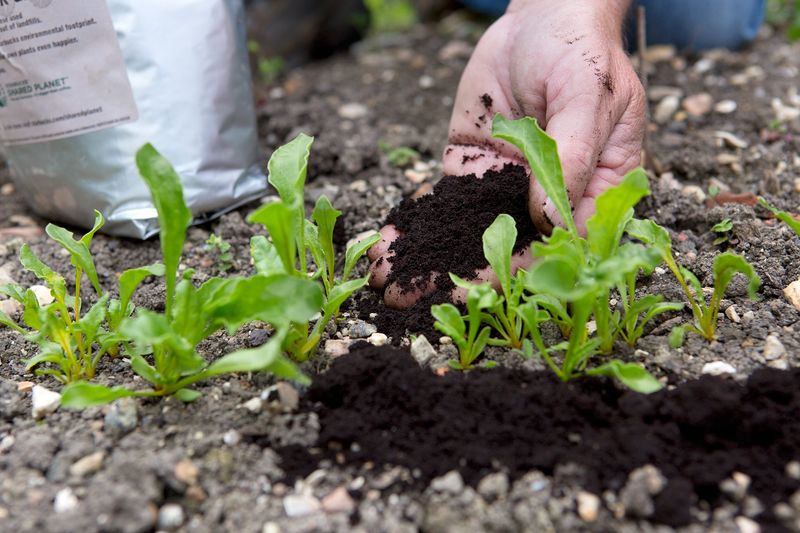
Used coffee grounds have earned a bit of a mixed reputation, and the truth is they help most when used with restraint. They add a modest touch of nitrogen and improve soil texture as they decompose.
Scatter a thin layer around your peppers and rake it lightly into the top of the soil rather than letting it clump into a crust. A heavy pile can repel water and mat over, doing more harm than good.
Worms adore the stuff, and the extra worm activity aerates the root zone for free. Treat grounds as a soil conditioner and gentle side snack, not a main course, and your peppers will benefit without any downside.
16. Match Your Feeding to a Soil Test Result
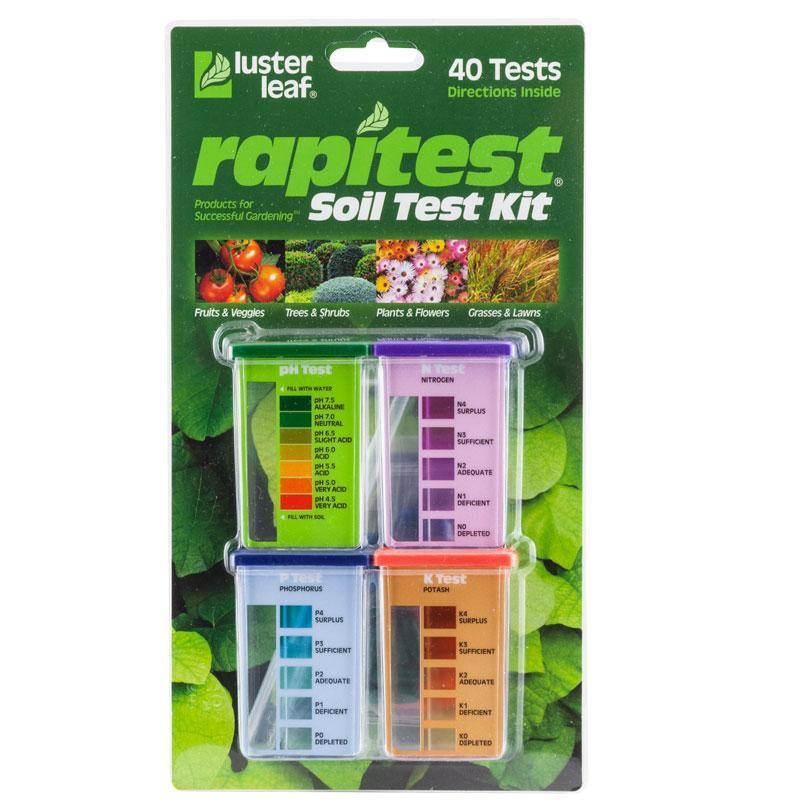
Guessing at nutrients is like cooking without tasting. A simple soil test kit or a mailed-in sample tells you exactly what your bed is short on, so you feed the gap instead of piling on what’s already there.
Many gardeners discover their soil is actually fine on nitrogen but starving for potassium or holding an off pH that locks nutrients away. Knowing the real numbers turns August feeding from a shotgun blast into a precise fix.
Even a cheap hardware-store kit for pH and the big three nutrients beats no information at all. Test once now and you can steer every other trick on this list toward the exact deficiency your peppers are fighting.
17. Ease Off All Feeding as Ripening Wraps Up
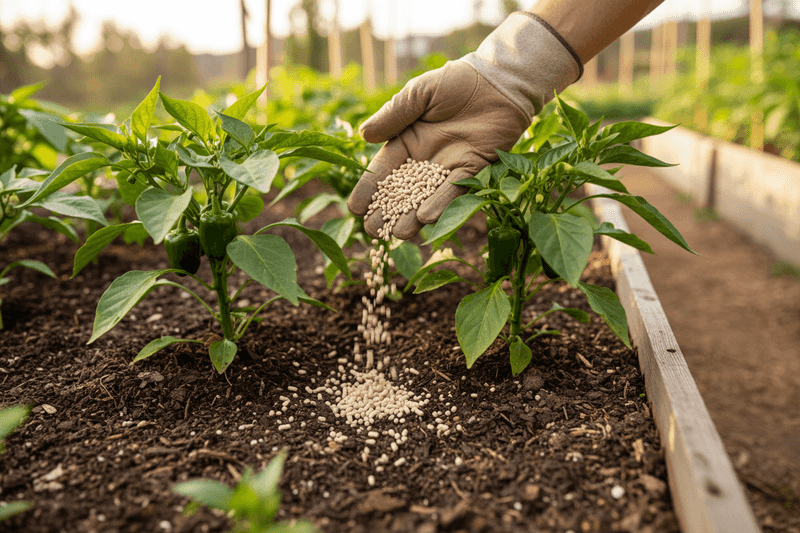
There comes a point in late August when the smartest feeding move is to stop feeding. Once your peppers have set the fruit they’ll finish this season, extra nitrogen just pushes tender new growth that frost will kill anyway.
Taper your fertilizer down through the final weeks and let the plant pour its energy into ripening what’s already on the branches. Keep watering steady, but let the nutrient tap slow to a trickle.
Plants that coast into fall this way tend to color up their existing peppers faster and fuller. Knowing when to quit is its own kind of trick, and it turns a good harvest into a finished one right before the cold rolls in.