
18 Crops You Can Still Plant Right Now For A Surprising Late-Summer Harvest (Yes, Even Pumpkins)
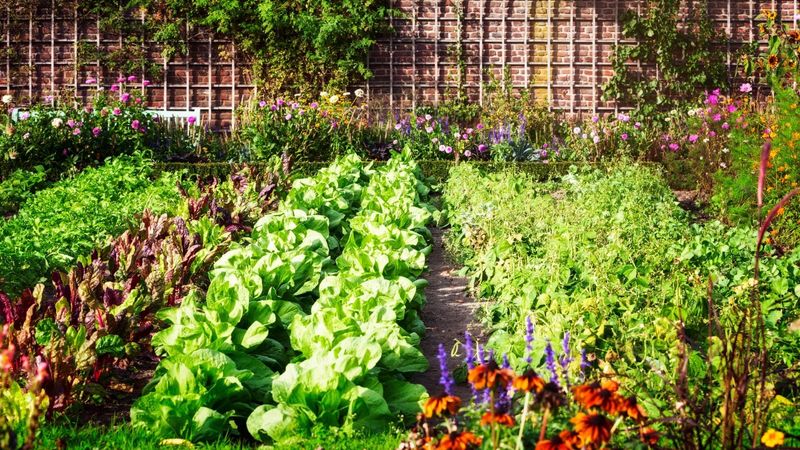
Just because the calendar says mid-summer does not mean your planting window has slammed shut. Plenty of fast-growing vegetables, herbs, and even a few surprises like pumpkins still have time to sprout, grow, and land on your dinner table before frost arrives. If you have empty spots in your beds or containers where spring crops have already finished, this is your chance to fill them with a second wave of homegrown food. Grab your seeds and let’s find out what you can still tuck into the soil today.
1. Bush Beans
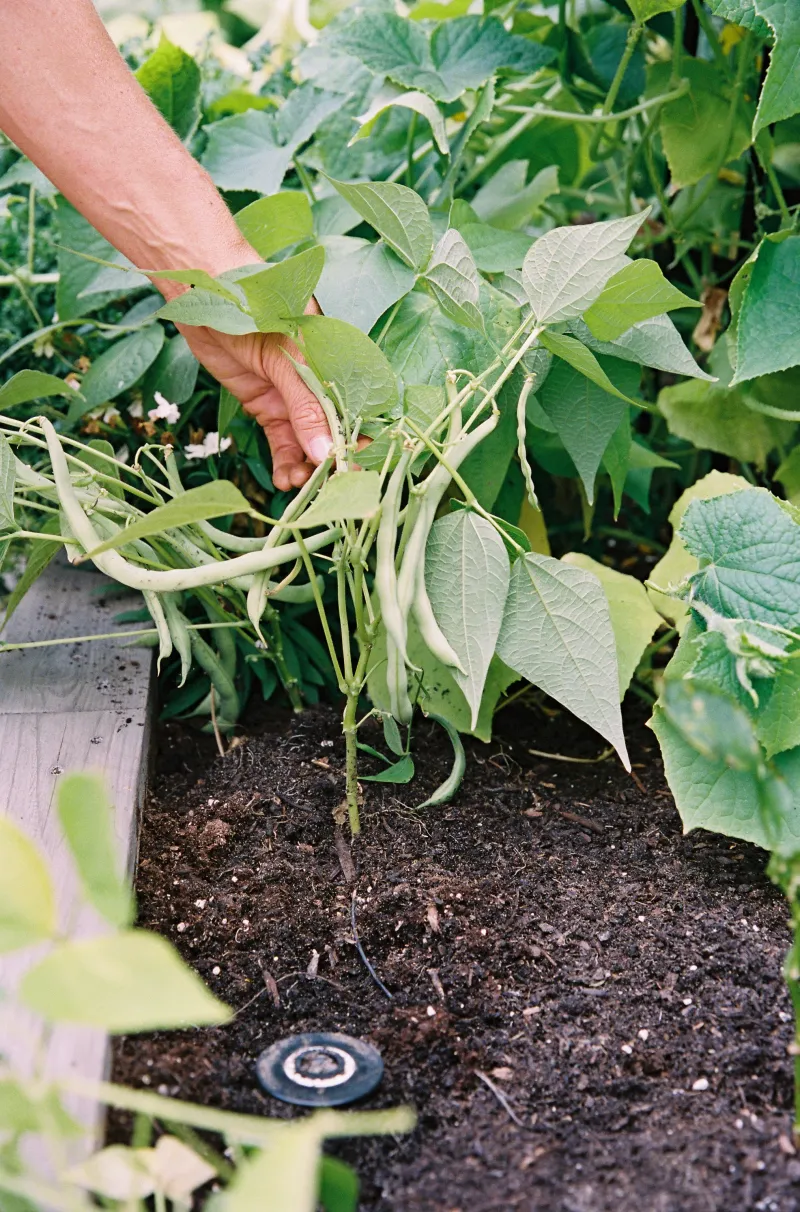
Speed is the whole reason bush beans belong at the top of any late-planting list. Many varieties go from seed to snappable pods in as little as 50 to 55 days, so a batch dropped in the ground now can still deliver a heavy pick before the first cold snap.
Unlike pole beans that need a full season of climbing, bush types stay low and compact. That makes them a natural fit for the gaps left behind after your peas or lettuce have bolted in the heat.
Sow the seeds about an inch deep directly where you want them, since beans dislike being transplanted. Keep the soil evenly moist during germination and you should see sprouts within a week. A second sowing two weeks later can stretch your harvest even longer.
2. Radishes
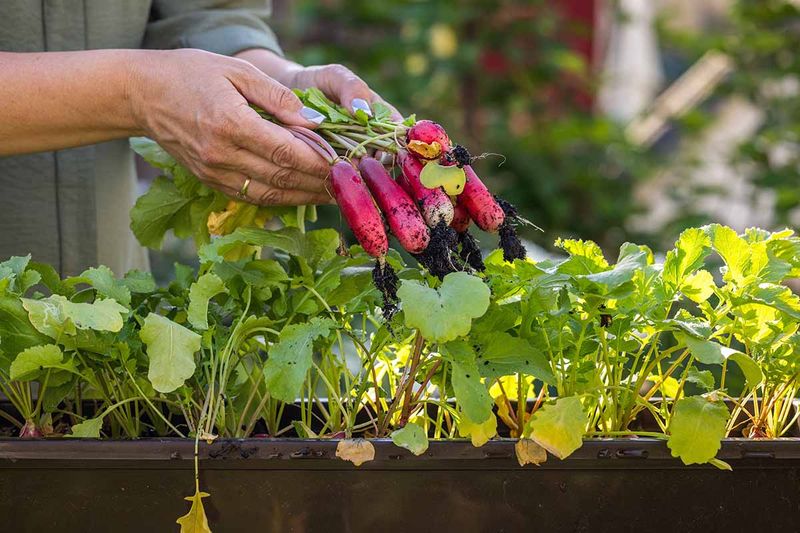
Few crops reward impatience quite like the humble radish. Some spring varieties mature in a jaw-dropping 25 days, meaning you could plant a row this weekend and be crunching on them by month’s end.
Their quick turnaround makes them perfect gap-fillers between slower neighbors. Tuck a few seeds along the edge of a bed and they will be up and out before your carrots or beets even hit their stride.
Sow shallowly, thin the seedlings so each root has room to swell, and keep the soil damp to avoid a woody, overly spicy result. As nights begin to cool later in the season, radishes actually taste milder and crisper, which is a nice bonus for a late planting.
3. Pumpkins
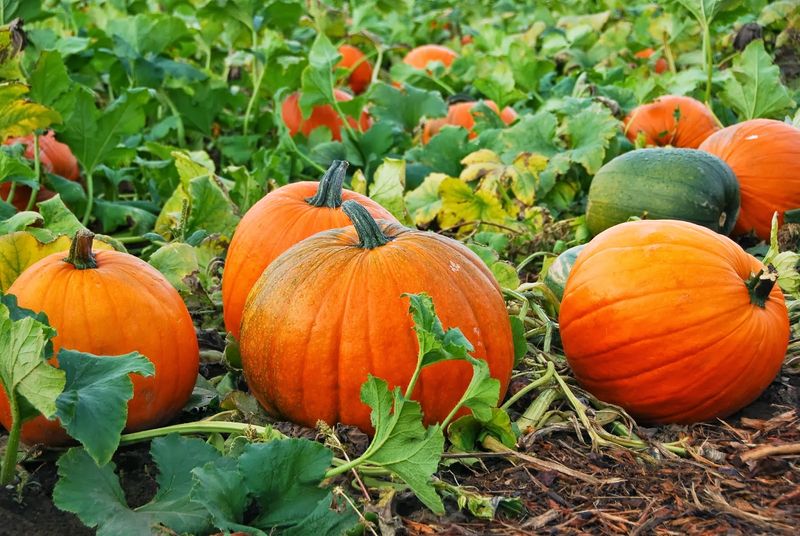
Yes, the star of the whole promise really can go in now, and there is a strategic reason to do it. Fast-maturing varieties such as Jack Be Little or Baby Boo need only 90 to 100 days, which lines them up perfectly for a carving-season harvest if you start them without delay.
Planting in the warmth of mid-summer gives seeds soil temperatures they adore, so they leap out of the ground faster than a chilly spring sowing ever would.
Give each hill plenty of room to sprawl, since even compact pumpkins send out long vines. Feed them well, water at the base to avoid mildew on the leaves, and you may just have homegrown jack-o’-lanterns sitting on your porch by October.
4. Spinach
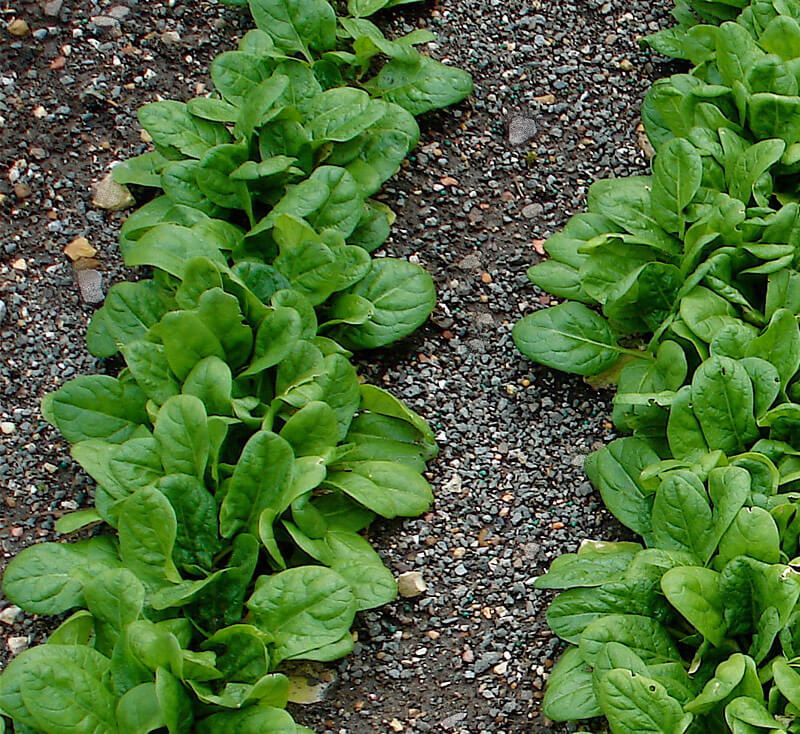
Cooler nights and shorter days are exactly what spinach craves, which is why late planting often beats a spring attempt. Heat makes this leafy green bolt to seed, so waiting until the worst of summer starts to fade actually plays to its strengths.
Baby leaves can be ready to snip in about a month, and you can keep harvesting the outer leaves while the center keeps producing.
Sow seeds a half-inch deep and keep them consistently moist during germination, which can be sluggish in warm soil. A little afternoon shade from a taller crop nearby may help the seeds along until temperatures ease. Once established, spinach shrugs off light frosts and rewards you with tender, nutrient-packed greens.
5. Lettuce
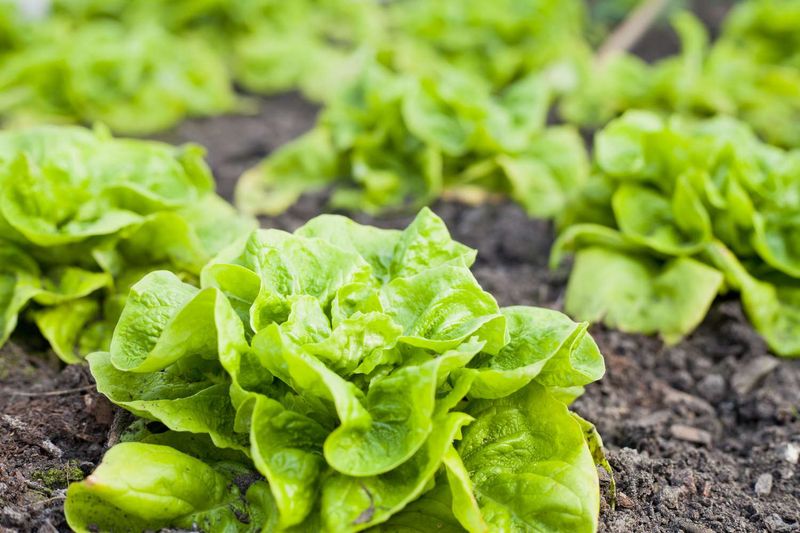
Loose-leaf lettuce is the friendly, forgiving crop that keeps on giving. Rather than waiting for a whole head to form, you snip outer leaves as you need them and the plant simply keeps pushing out more.
Because it matures in 30 to 45 days, a sowing now slides comfortably into the fall window when milder weather sweetens the leaves and slows the bolting that plagued your spring plantings.
Scatter seeds thinly across the surface and barely cover them, since they need a little light to germinate. Keep the bed watered and shaded during hot spells, and consider staggering small sowings every couple of weeks. That way you will have a steady supply of crisp salad greens rather than one giant glut all at once.
6. Kale
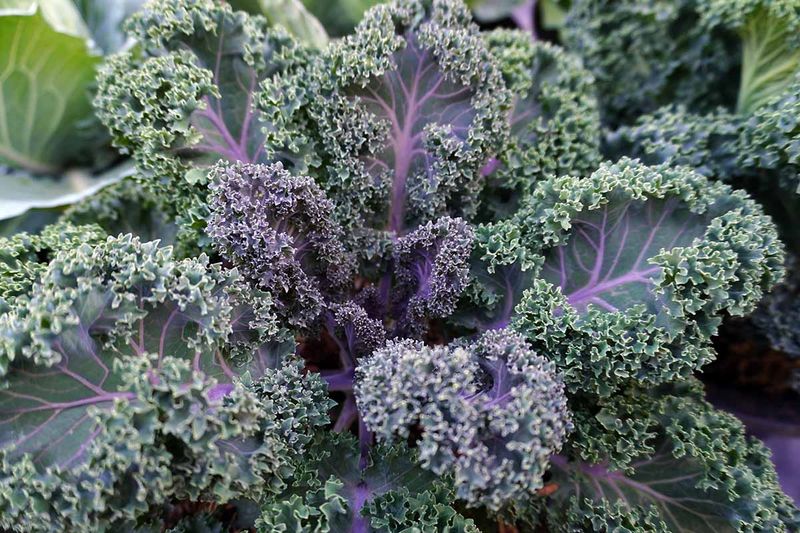
Frost is not kale’s enemy but its secret weapon. A light freeze actually converts some of the plant’s starches into sugars, so leaves picked after a cold snap taste noticeably sweeter and less bitter.
That trait makes a mid-to-late summer planting a smart move, since your plants will hit their prime just as temperatures drop.
Set transplants or sow seeds a quarter-inch deep, spacing plants so air can move freely between the big, textured leaves. Harvest from the bottom up, taking the lower leaves while leaving the growing tip intact, and a single plant can feed you for months. Watch for cabbage worms, and a floating row cover may help keep those hungry caterpillars off your crop.
7. Zucchini
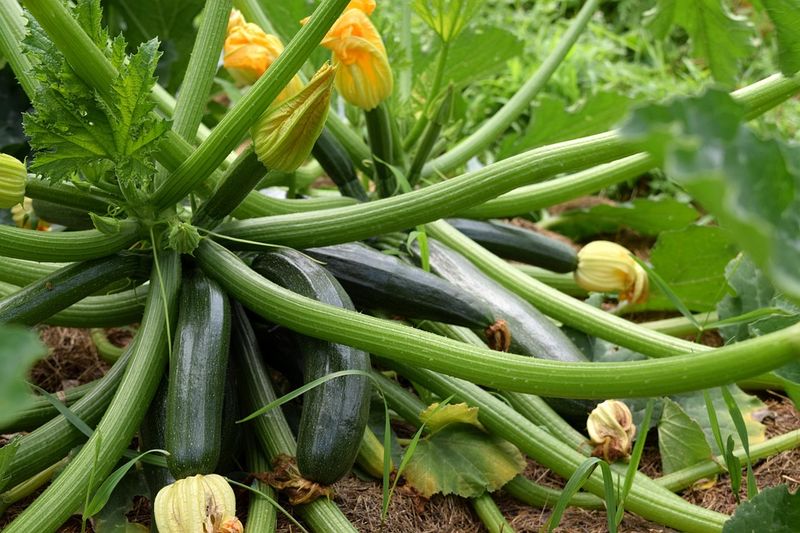
Notorious for overwhelming gardeners with more squash than they can eat, zucchini earns its spot here through sheer productivity. A single healthy plant sown now can pump out fruit in about 45 to 55 days and then keep producing until frost.
Starting fresh in summer has a hidden advantage too. Younger plants often dodge the squash vine borers and powdery mildew that flatten tired spring plantings by late in the year.
Plant seeds in a warm, sunny spot with rich soil and give each one room to stretch. Pick the fruits young and often, ideally when they are six to eight inches long, because harvesting frequently signals the plant to keep cranking out more tender squash.
8. Beets
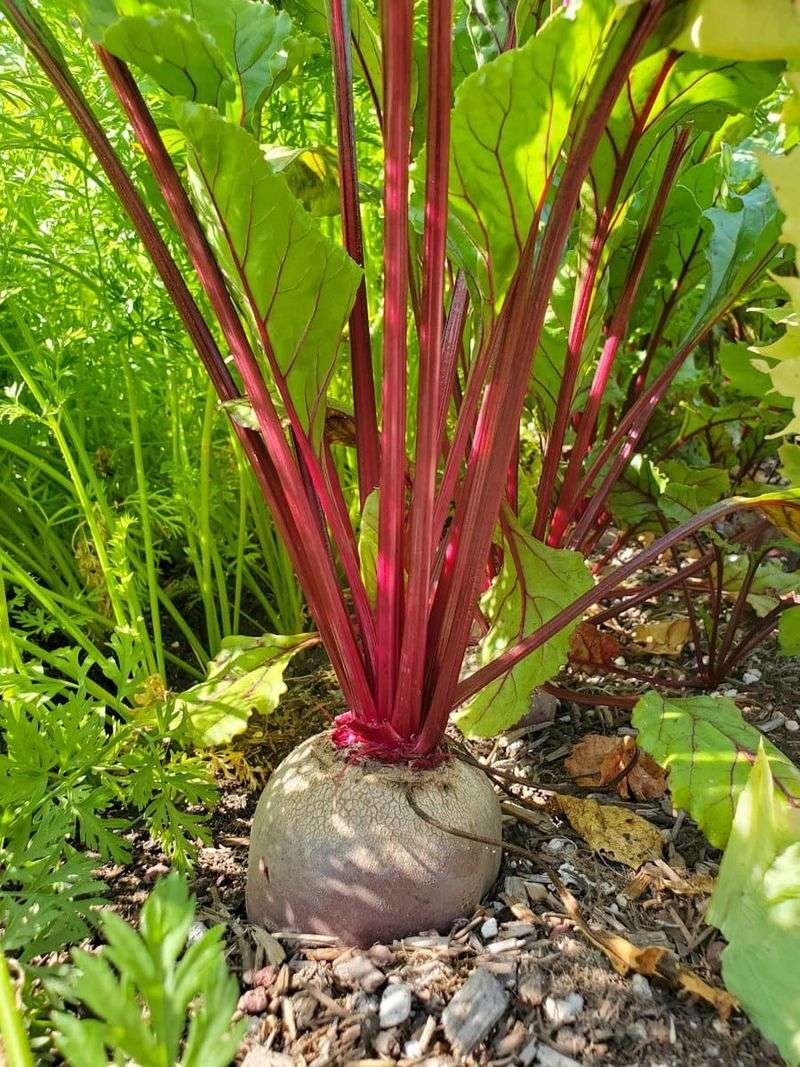
Two harvests from one planting is the quiet superpower of beets. You get the sweet, earthy roots below ground, but the tender young tops make excellent cooked or salad greens while you wait for the bulbs to size up.
Roots are usually ready in 50 to 60 days, and cooler fall soil tends to produce a sweeter, more tender beet than a heat-stressed summer one.
Each wrinkly beet seed is actually a cluster, so expect to thin the seedlings once they sprout. Keep the soil loose and evenly watered so the roots swell smoothly rather than turning tough. Space them a few inches apart and you will have both greens and globes to enjoy well into autumn.
9. Carrots
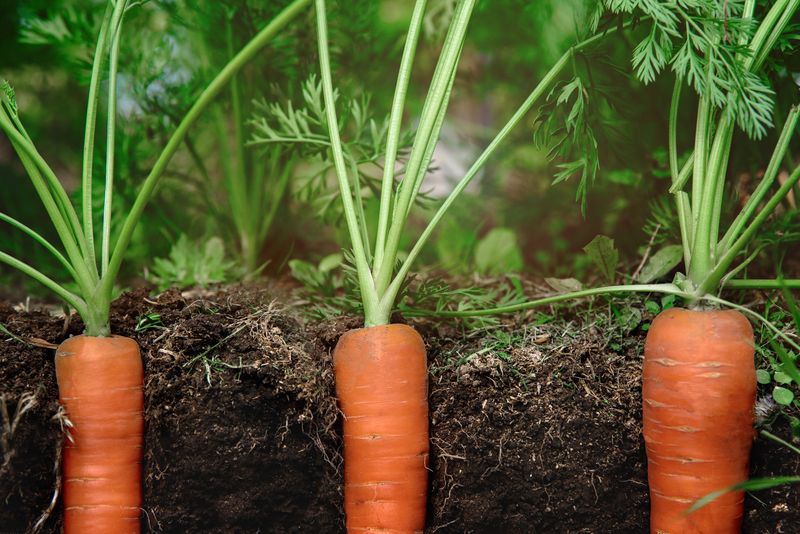
Patience pays off in a big way with carrots, and cool weather is the reward you have been waiting for. Roots that finish maturing in the crisp days of fall develop a sugary sweetness that summer-grown carrots simply cannot match.
Choose a shorter or faster variety if your frost date is close, since many carrots need 60 to 75 days to reach full size.
The trick is keeping that top layer of soil damp during germination, which can feel painfully slow. Some gardeners lay a board over the row to hold in moisture until sprouts appear. Thin the seedlings once they are up so each carrot has room to grow straight and long instead of stubby and twisted.
10. Cucumbers
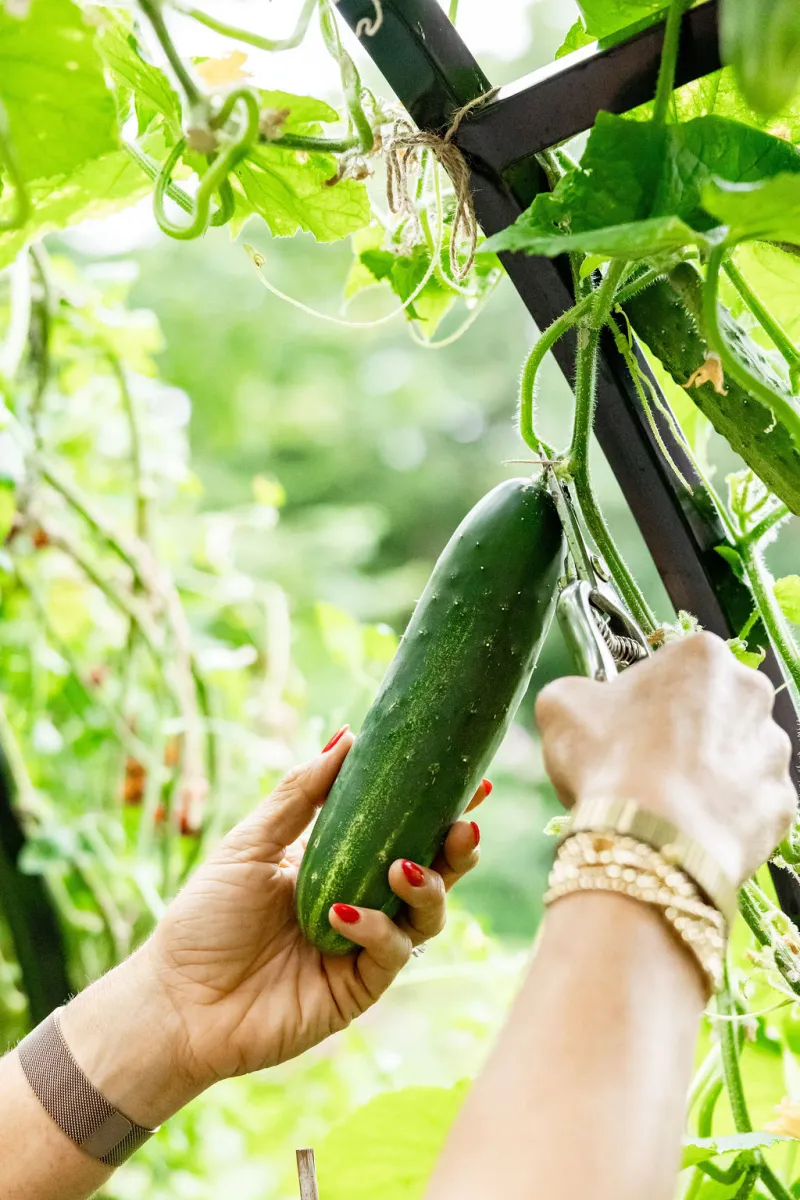
Warm soil sends cucumber seeds racing, so a mid-summer sowing sprouts far faster than the same seeds planted in a chilly spring bed. Many varieties deliver crisp fruit in just 50 to 60 days, keeping a late start comfortably in range.
Bush and compact types work beautifully in containers, while vining kinds love climbing a trellis to save space and stay off the ground.
Give them steady water, because a thirsty cucumber turns bitter fast. Harvest often once the fruits reach eating size, since leaving oversized cucumbers on the vine tells the plant to slow down. A fresh planting now can also sidestep some of the beetle pressure that battered earlier crops.
11. Swiss Chard
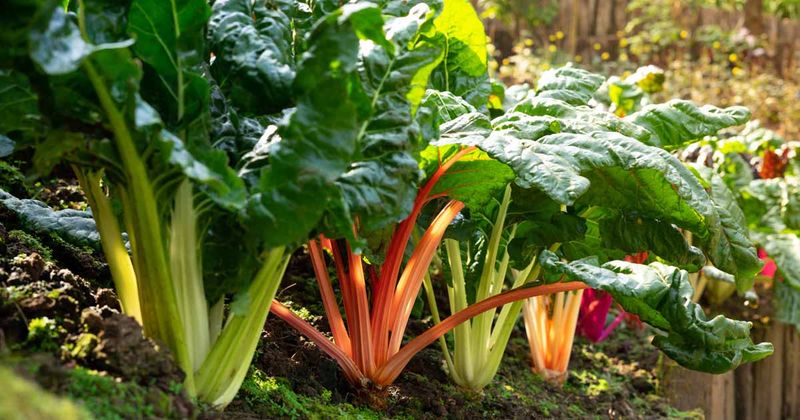
Beauty and toughness rarely share a plant the way they do in Swiss chard. Its neon stems of pink, gold, and crimson look almost too pretty to eat, yet chard shrugs off both summer heat and autumn chill better than most leafy greens.
Plant it now and it will keep handing you leaves right up until a hard freeze, often surviving light frosts without complaint.
Harvest the outer stalks and the plant keeps producing from the center, giving you a cut-and-come-again supply for months. Cook the leaves like spinach and slice the crunchy stems like celery. Give each plant a bit of elbow room and steady moisture, and this workhorse will earn its keep in any bed or big container.
12. Green Onions
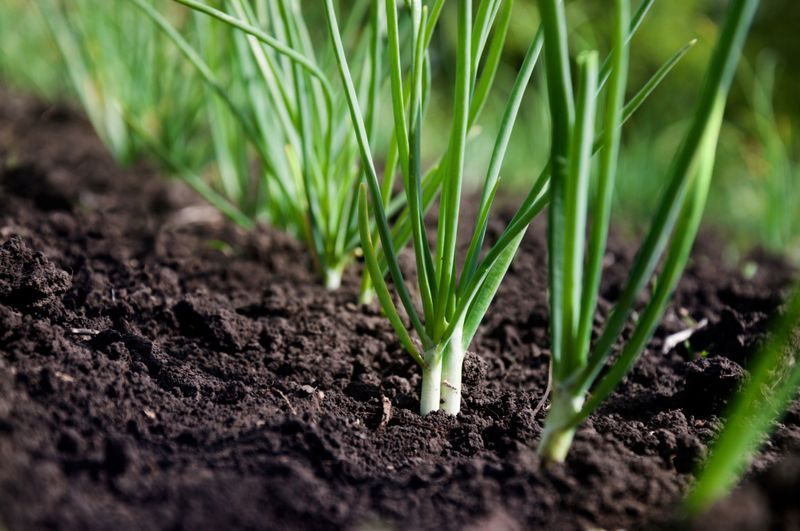
Almost impossible to fail with, green onions might be the most beginner-friendly thing on this whole list. You can grow them from seed, from sets, or even from the leftover white root ends of store-bought bunches stuck back in the soil.
They mature quickly, often in three to four weeks for slender scallions, so a late start is no obstacle at all.
Tuck them into any spare inch of a bed or pot, since they take up almost no room and happily crowd together. Snip the green tops as you need them and the plants keep regrowing, or pull the whole thing for a milder white base. Cool weather only sharpens their flavor and keeps them tender.
13. Cilantro
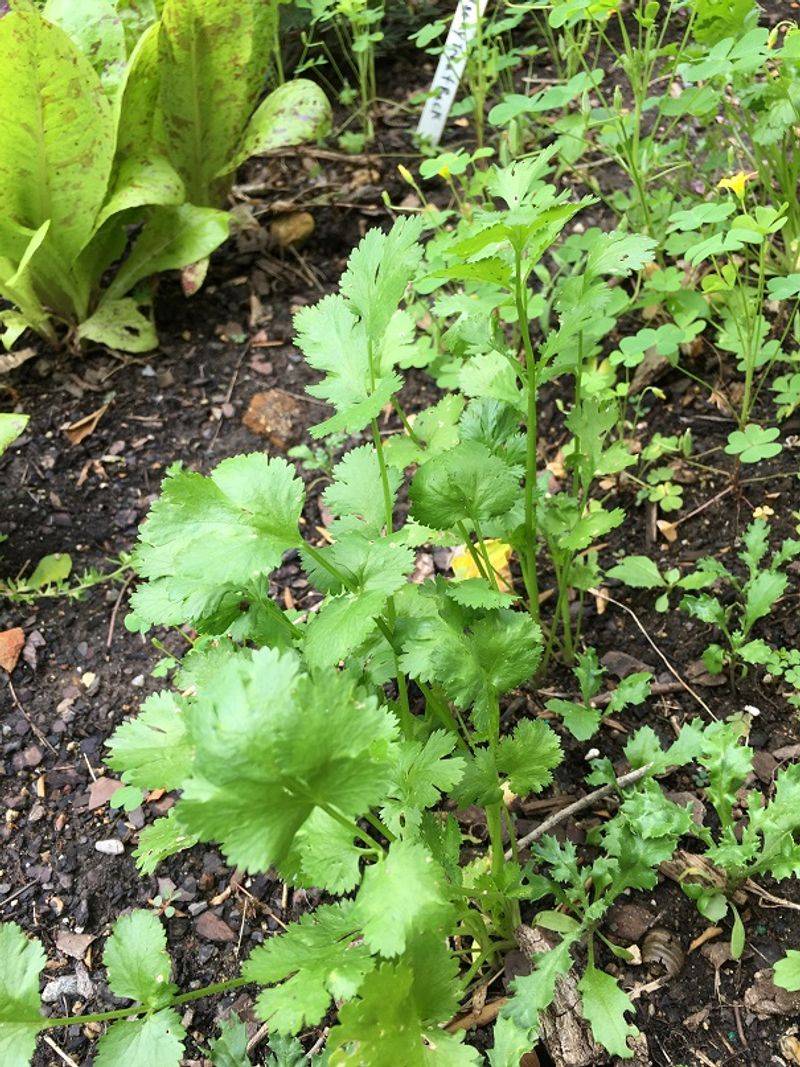
Heat is cilantro’s downfall, which is precisely why a late-season planting outperforms a summer one. Hot weather makes this herb bolt to flower and turn bitter almost overnight, but the cooling days of late summer let the leaves stay lush and flavorful much longer.
Leaves are ready to clip in three to four weeks, giving you fresh garnish for salsas and tacos in no time.
Sow the seeds thickly and directly in the ground, since cilantro resents having its roots disturbed by transplanting. Keep snipping the outer leaves to delay flowering. If it does eventually bolt, let it go to seed and you will harvest coriander plus a crop of volunteer seedlings for next time.
14. Turnips

Often overlooked, turnips deserve a comeback for their sheer efficiency in a shrinking season. Some varieties are ready to pull in as little as 40 days, and the peppery greens are edible long before the roots finish forming.
Cool autumn conditions turn the roots mild and sweet, erasing the sharp bite that gives turnips their unfair reputation.
Sow the seeds directly and thin the seedlings so the roots have space to round out. Keep the bed watered to prevent the flesh from turning fibrous. Whether you roast the roots, mash them, or toss the young greens into a stir-fry, a single planting stretches into two very different vegetables from one tidy row.
15. Arugula
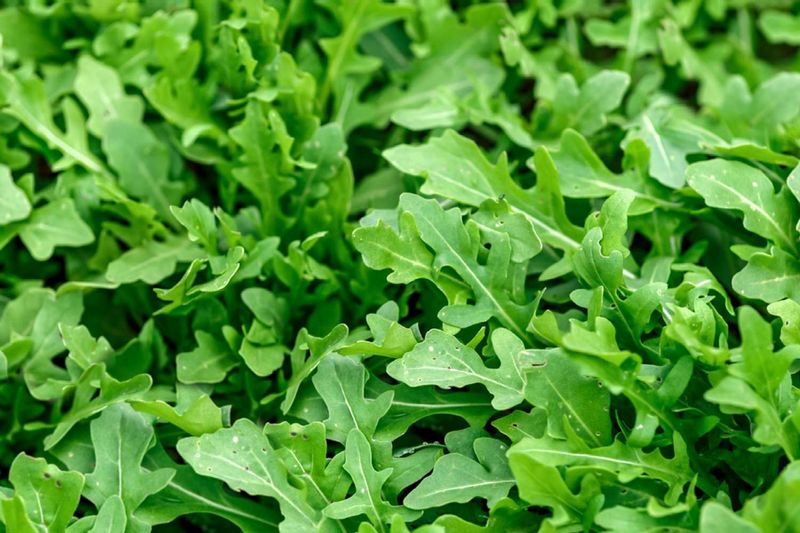
Peppery, nutty, and lightning fast, arugula turns an empty patch of dirt into salad in barely three weeks. Baby leaves can be grazed almost as soon as they appear, making it one of the quickest returns you will get from any seed packet.
Warm weather pushes it to bolt and turn harshly sharp, so the milder stretch of late summer into fall suits it far better.
Broadcast the tiny seeds over loose soil, press them in lightly, and keep the surface moist. Snip leaves with scissors and the plant regrows for a second and third cutting. When it eventually flowers, the blossoms are edible too, carrying that same zesty kick into your salad bowl.
16. Broccoli
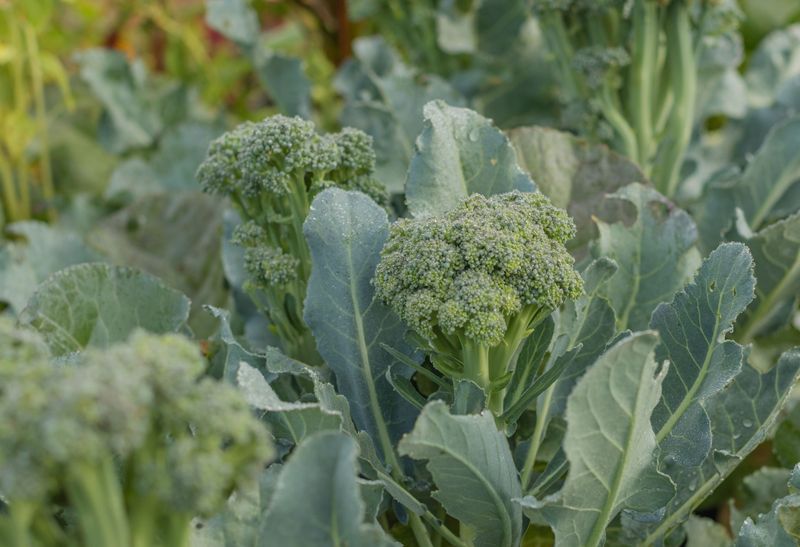
Broccoli practically demands cool weather to form those tight, tasty heads, so a summer planting timed for a fall finish often beats a spring crop. Warm temperatures make heads open into loose yellow flowers too soon, but the descending temperatures of autumn keep them firm and green.
Start with transplants if your frost date is tight, since broccoli can need 60 to 85 days depending on the variety.
After you cut the main central head, do not yank the plant. Most types keep pushing out smaller side shoots for weeks, giving you bonus mini-heads long after the first harvest. Watch for cabbage worms and consider a lightweight row cover to protect those developing heads.
17. Peas
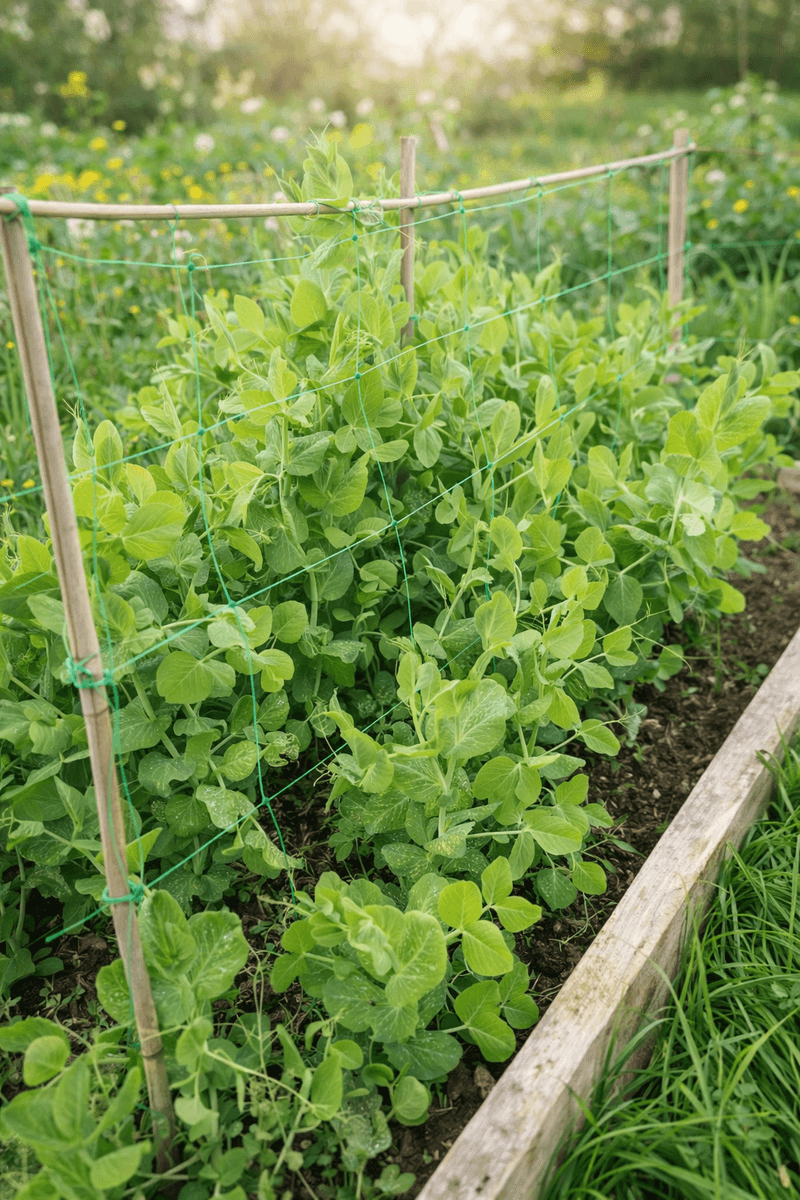
A fall pea crop feels like a gift, delivering that sweet spring flavor a second time in a single year. Peas love cool weather, and starting them in late summer means the vines mature just as the heat breaks and conditions turn ideal.
Look for quicker varieties in the 55 to 65 day range so the pods fill out before a hard freeze arrives.
Give the vines something to climb, whether a trellis, netting, or a few twiggy branches. Sow the seeds a bit deeper than in spring so they stay cool and moist in the still-warm soil. Snap peas and snow peas are especially forgiving, and picking regularly keeps the plants producing right up to frost.
18. Bok Choy
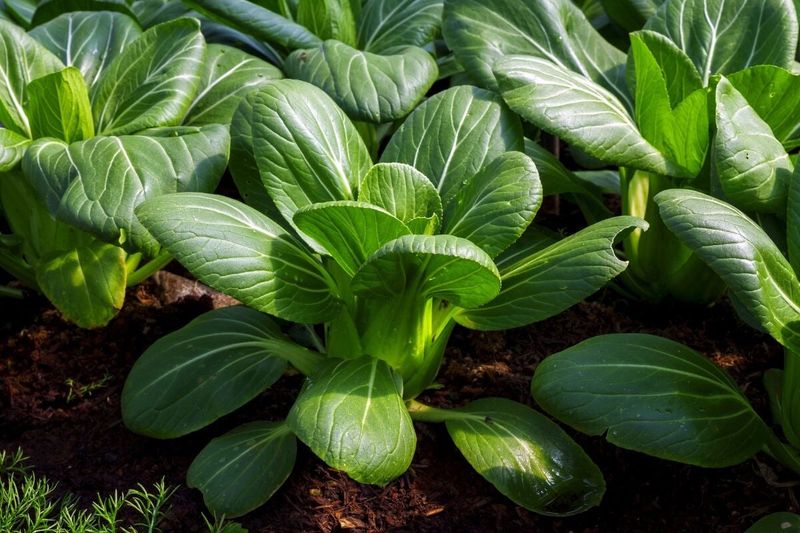
Crunchy stems, tender leaves, and a quick turnaround make bok choy a stir-fry gardener’s dream for late planting. Baby heads can be harvested in around 30 days, while full-size plants need only about 45 to 50, keeping them well within reach of a fall finish.
Cooler weather actually helps, because summer heat tends to make this Asian green bolt straight to flower.
Space the plants so their bases can widen without crowding, and keep the soil steadily moist to grow crisp, juicy stalks. You can pull the whole compact head at once or harvest outer leaves as needed. Slugs enjoy bok choy as much as we do, so check the lower leaves and clear away hiding spots nearby.