
17 One-Ingredient Feeds From Your Kitchen That Fatten Up Tomatoes Fast
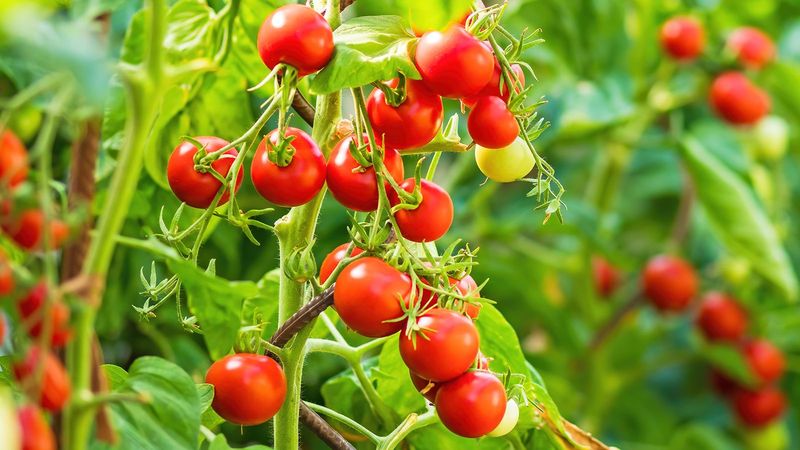
Your kitchen trash can might be the cheapest fertilizer store you own. Plenty of the scraps you toss out every day carry nutrients that help tomato plants push out more flowers, thicker stems, and heavier fruit. Below you will find 17 single-ingredient feeds pulled straight from your fridge, pantry, and counter, along with exactly how to use each one so it actually works instead of just rotting in the soil. Grab a jar, save a few scraps, and let your backyard tomatoes do the rest.
1. Crushed Eggshells
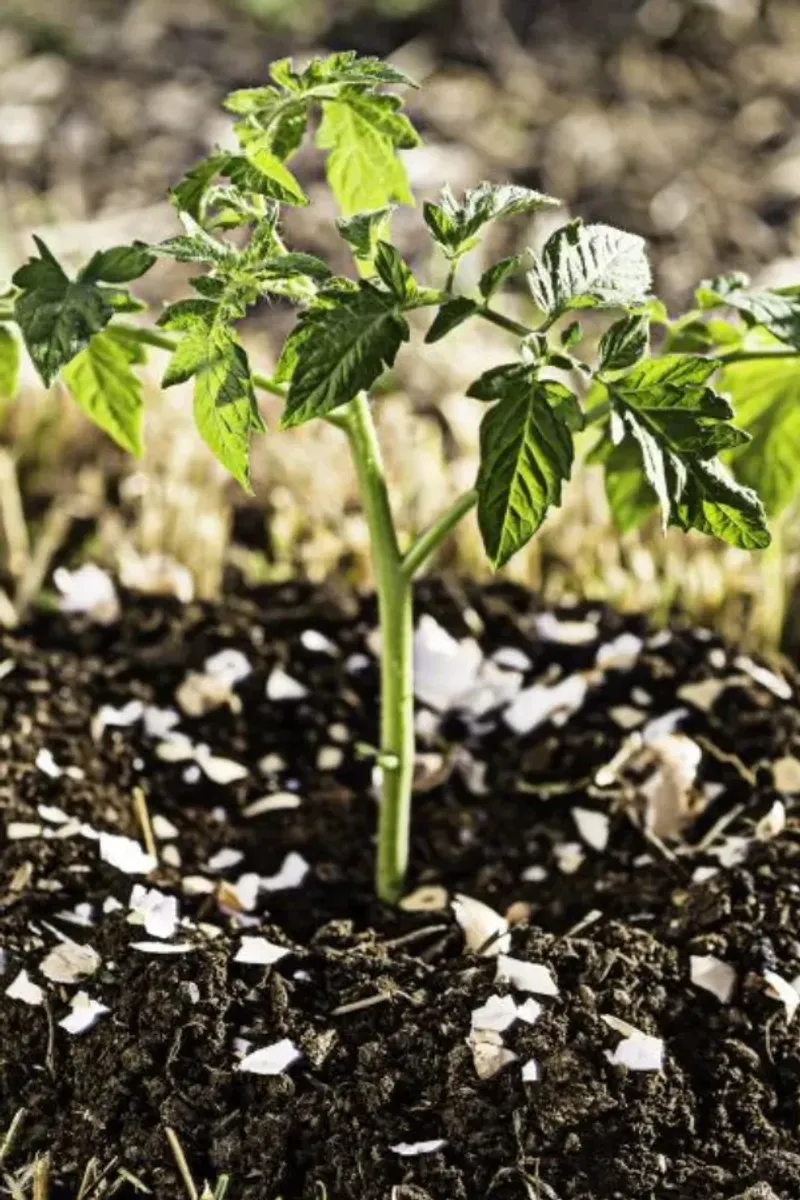
Save the shells from your morning scramble and you are holding one of the simplest calcium boosters around. Tomatoes crave calcium, and a shortage of it is the usual culprit behind blossom end rot, that ugly brown patch on the bottom of an otherwise perfect fruit.
Rinse the shells, let them dry on the windowsill, then crush them as fine as you can. A coffee grinder turns them into powder that breaks down faster than big jagged pieces. Work a couple of tablespoons into the planting hole or scratch it into the topsoil around established plants.
Fun bit of backyard chemistry: the finer you grind them, the sooner the calcium becomes available, so powder beats chunks by a wide margin. It works slowly, which actually suits tomatoes fine since they pull calcium all season long.
2. Used Coffee Grounds
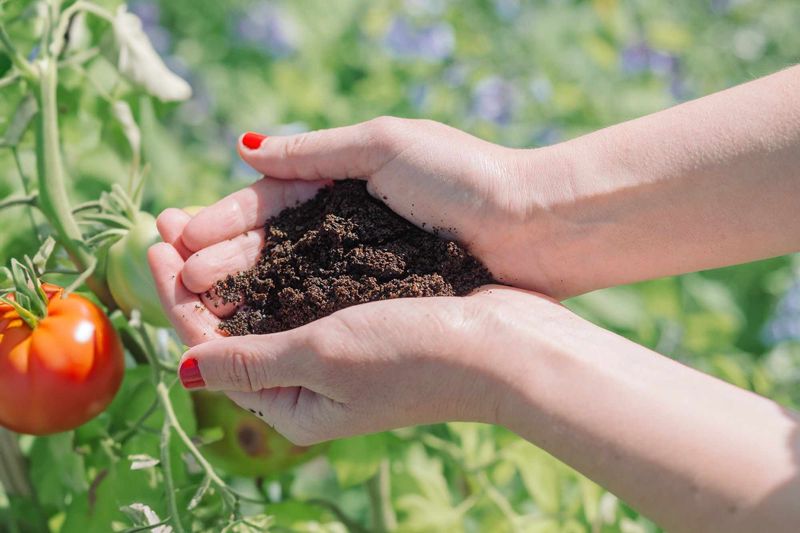
Coffee lovers, your spent grounds have a second life waiting in the tomato bed. Grounds carry a modest dose of nitrogen along with potassium and magnesium, three things leafy, fruiting plants happily gobble up.
Sprinkle them thin, no more than a light dusting, then scratch them into the surface so they do not form a crust that repels water. Better yet, toss them into your compost first, where they mellow out and mix with other scraps before reaching the roots.
Worms adore coffee grounds, and a worm-rich bed means better aeration and richer soil for your tomatoes. A word of caution though: piling grounds on thick can actually slow growth, so treat them like seasoning, not the main dish.
3. Banana Peels
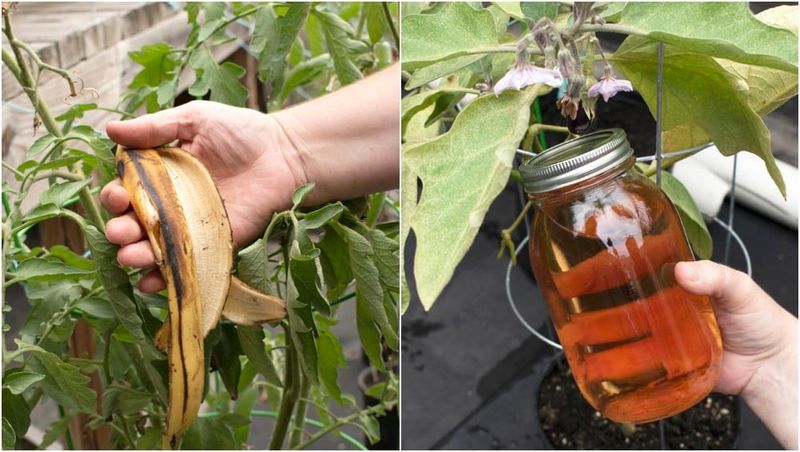
That peel you flick into the bin is basically a potassium tablet for your plants. Potassium is the nutrient that drives flowering and fruit set, so it maps perfectly onto what a tomato is trying to do all summer.
Chop the peel into small strips and bury it a few inches deep near the root zone, where it breaks down and releases nutrients right where roots can grab them. Some gardeners soak peels in a jar of water for a couple of days and pour the tea around the base instead.
Whole peels left on top of the soil tend to attract flies and take forever to rot, so chopping and burying is the trick. Do it early in the season and you set your plants up for a stronger bloom cycle down the line.
4. Epsom Salt
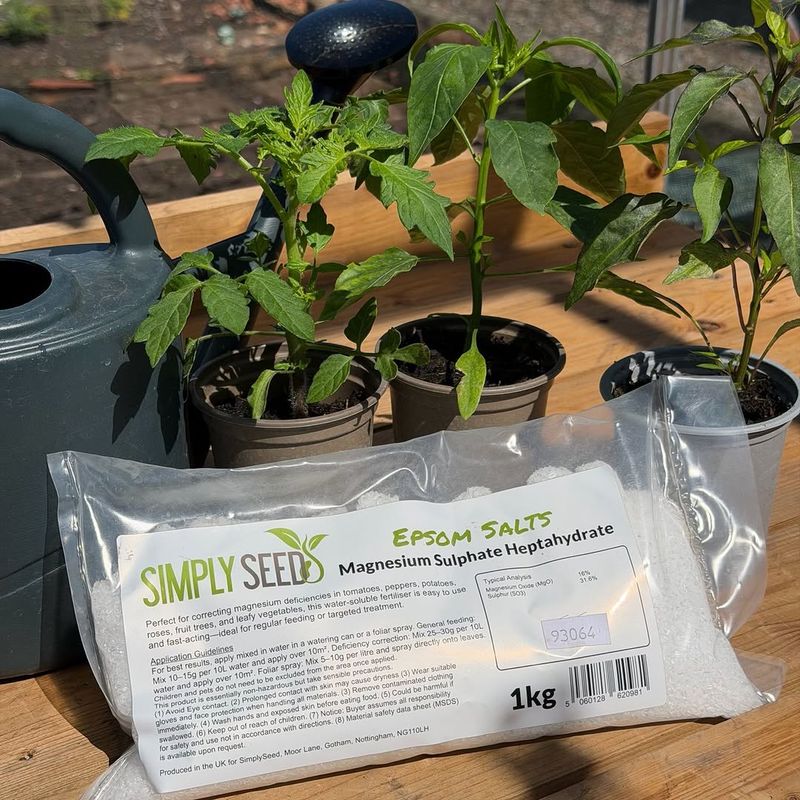
Sitting in your bathroom cabinet is a mineral tomatoes will thank you for. Epsom salt is magnesium sulfate, and magnesium sits at the center of every chlorophyll molecule, which means it powers the green machinery that feeds the whole plant.
Yellowing between the veins on older leaves often signals a magnesium shortfall, especially in sandy soils that drain minerals away quickly. Dissolve a tablespoon in a gallon of water and either drench the soil or mist the leaves every couple of weeks.
A foliar spray gets magnesium into the plant fast, which can perk up a pale tomato within days. Keep in mind it only helps if magnesium is actually low, so it is a targeted fix rather than a cure-all.
5. Molasses
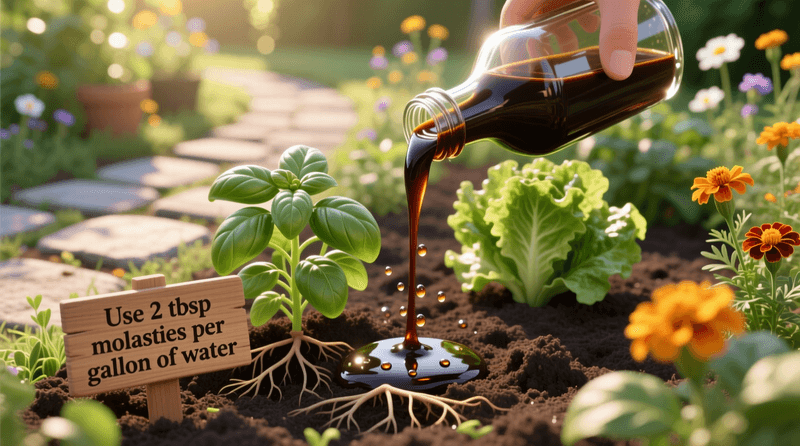
A sticky spoonful of molasses does something clever underground: it feeds the microbes, not just the plant. The sugars fuel the beneficial bacteria and fungi in your soil, and a lively microbe population unlocks nutrients that would otherwise stay locked away.
Unsulphured blackstrap molasses is the type to reach for, since it also carries iron, calcium, and potassium of its own. Stir a tablespoon into a gallon of water and pour it around the base every week or two.
Think of it as throwing a dinner party for the tiny critters that keep your bed healthy. Sweeter soil life often shows up above ground as sturdier, greener tomato plants.
6. Fish Scraps
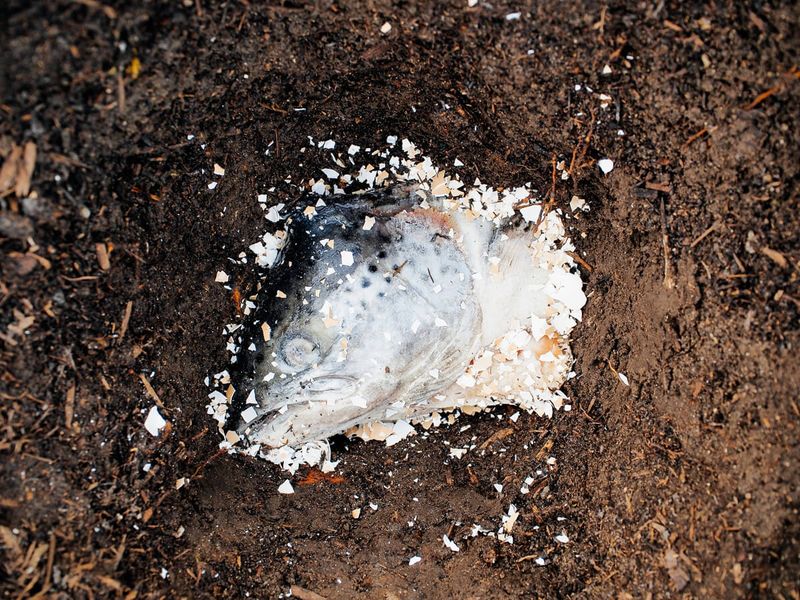
Old-time gardeners swore by dropping a fish head in the planting hole, and there was real wisdom in the smell. Fish scraps break down into a nitrogen-rich feast, plus phosphorus for roots and a range of trace minerals tomatoes love.
Bury the scraps a good foot deep directly under where the transplant will go, then plant on top so roots grow down into the buffet as it decomposes. Digging deep also keeps raccoons and neighborhood cats from sniffing out the treasure.
Native American growers reportedly taught early settlers this trick centuries ago, and it still holds up. One buried fish carcass can quietly feed a single plant for much of the season.
7. Wood Ash
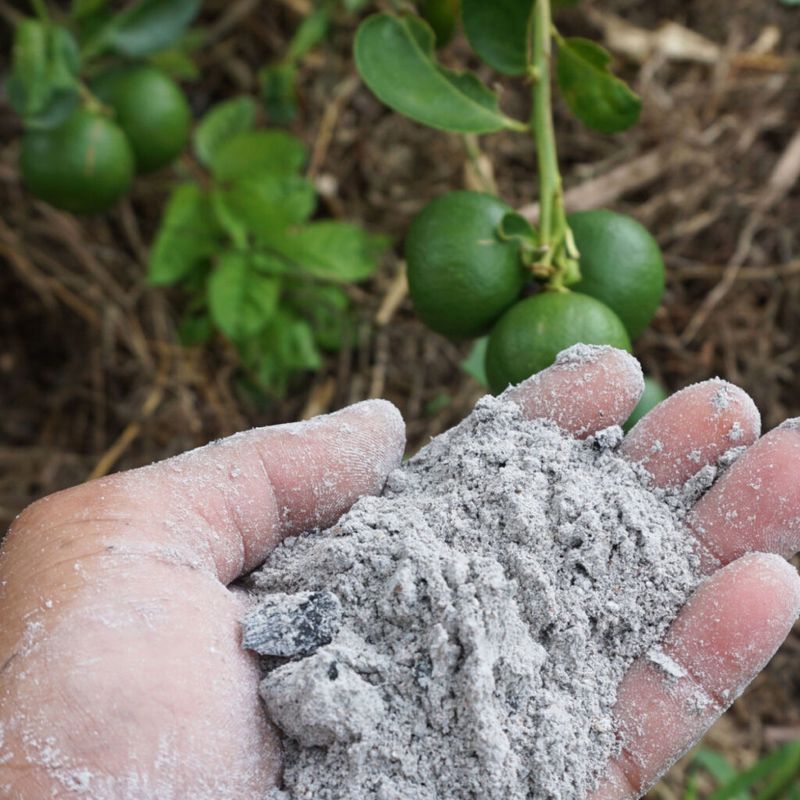
If you run a fireplace or a fire pit, sweep up that gray powder instead of dumping it. Wood ash is loaded with potassium and calcium, and it gently nudges acidic soil toward neutral, which suits tomatoes just fine.
Scatter a thin layer around the plants and rake it in, using no more than a light sprinkle since ash is potent stuff. Test your soil pH first if you can, because piling it on can push the ground too alkaline.
Skip ash from charcoal briquettes or treated lumber; only clean, untreated hardwood ash belongs anywhere near your food crops. Used with a light hand, it delivers a quick potassium lift that fruiting plants respond to.
8. Powdered Milk
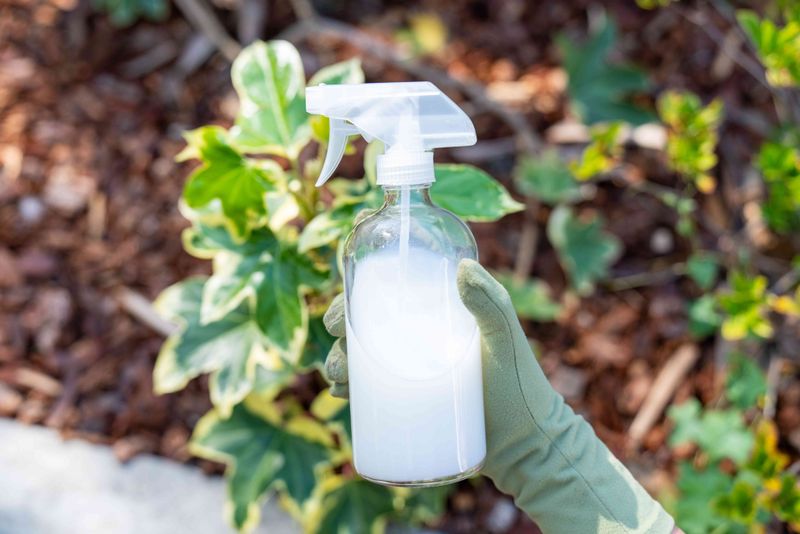
Reaching for the pantry can solve a calcium problem in a pinch. Powdered milk delivers calcium in a form that dissolves and moves through the soil faster than eggshells, giving you a quicker turnaround when blossom end rot threatens.
Mix a quarter cup of dry milk into the planting hole, or dissolve it in water and drench the root zone every couple of weeks. The proteins also feed soil microbes, which is a nice bonus on top of the calcium.
Some growers even spray a diluted milk solution on the foliage to discourage certain fungal problems. Cheap, shelf-stable, and already in most kitchens, it is an easy one to keep on hand.
9. Cornmeal
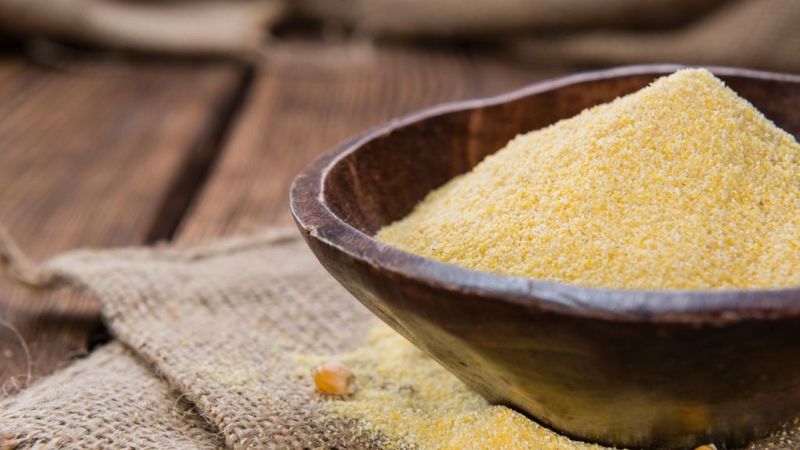
Plain yellow cornmeal earns its spot for a reason most feeds cannot claim: it feeds a fungus that fights other fungi. Sprinkled on the soil, it encourages beneficial Trichoderma to flourish, and that helpful mold can crowd out some of the root-rotting types.
Work a light dusting into the top inch of soil around your plants and water it in. It breaks down into a slow drip of nitrogen as well, so you get a mild feeding on top of the disease angle.
Do not confuse it with cornmeal gluten, which suppresses seeds and would harm nearby seedlings. For tomatoes already in the ground, plain cornmeal is the friendlier pick.
10. Aquarium Water

Fish tank owners are sitting on free liquid fertilizer every time they do a water change. The used water is rich in nitrogen and beneficial microbes thanks to all that fish waste, and pouring it out on the lawn is a wasted opportunity.
Collect the water you siphon out during a cleaning and pour it straight around your tomato roots, no dilution needed for a freshwater tank. It acts like a mild, ready-to-use plant food that plants take up right away.
Only use it from freshwater setups, since saltwater tank water will do serious harm to your soil. Time your water changes with your watering schedule and you feed two things with one chore.
11. Blackstrap Vegetable Cooking Water
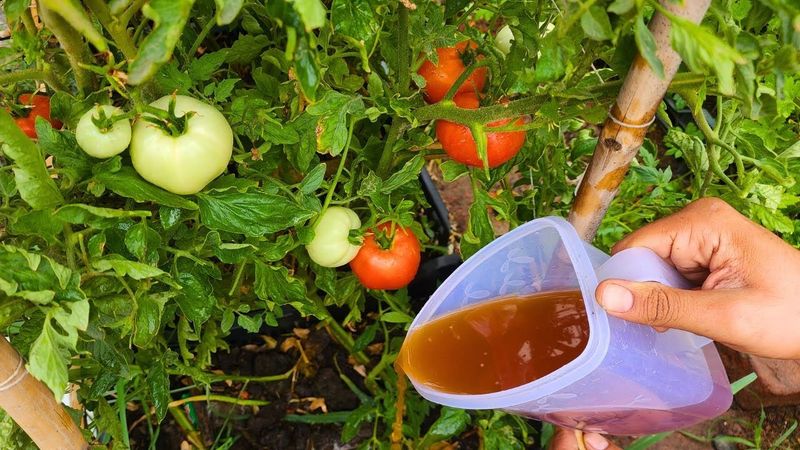
Next time you boil or steam vegetables, save the pot instead of pouring it down the drain. The water pulls out a share of the vitamins and minerals from whatever you cooked, and those nutrients are just as useful to a tomato plant as they were to you.
Let it cool completely first, and make sure you did not add any salt, since salt is rough on garden soil. Pour the cooled, unsalted water around the base of your plants like a light liquid feed.
Potato, carrot, and leafy green water all carry a mix of potassium and trace minerals. It is not a heavy hitter on its own, but as a routine habit it quietly adds up over a season.
12. Tea Leaves

The soggy bag left in your mug carries more than yesterday’s brew. Used tea leaves add a gentle shot of nitrogen and tannic acid, and that slight acidity suits tomatoes, which prefer soil on the mildly sour side.
Tear open the bag, since many bags contain plastic that will not break down, and scatter the loose leaves into the topsoil. You can also brew a weak tea from used leaves and pour it around the plants.
The leaves rot down quickly and improve soil texture as they go, feeding worms along the way. A steady tea drinker generates plenty of this feed without ever buying a thing.
13. Blackened Toast and Bread Crusts
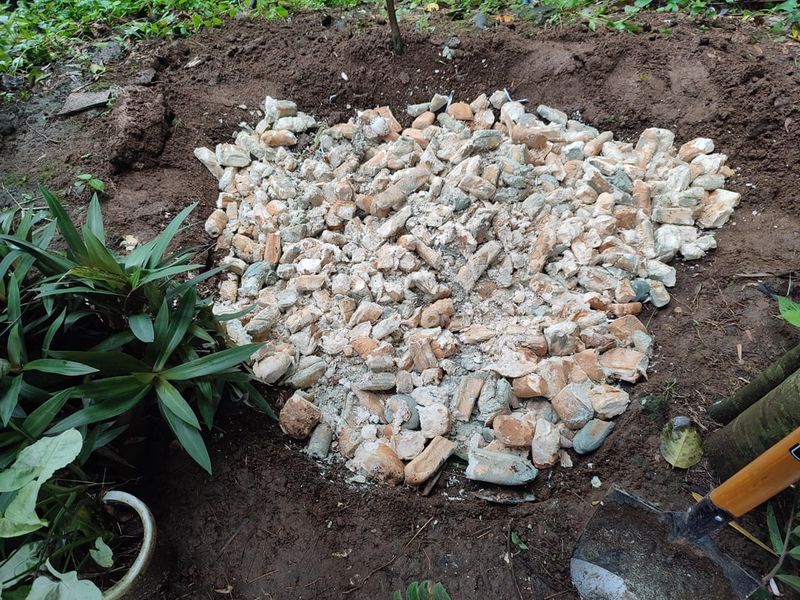
Stale heels of bread do not have to end up as bird food. Buried in the garden, bread breaks down into carbon and a bit of nitrogen while feeding the soil microbes that keep everything humming.
Tear the bread into small pieces and dig them in well below the surface, where they decompose out of sight instead of drawing pests. Moisture speeds the whole thing along, so a well-watered bed processes it faster.
Keep the quantity modest and avoid moldy loaves near the roots, since a huge pile can turn slimy. Handled in small amounts, those forgotten crusts become part of a richer, more active soil.
14. Yogurt
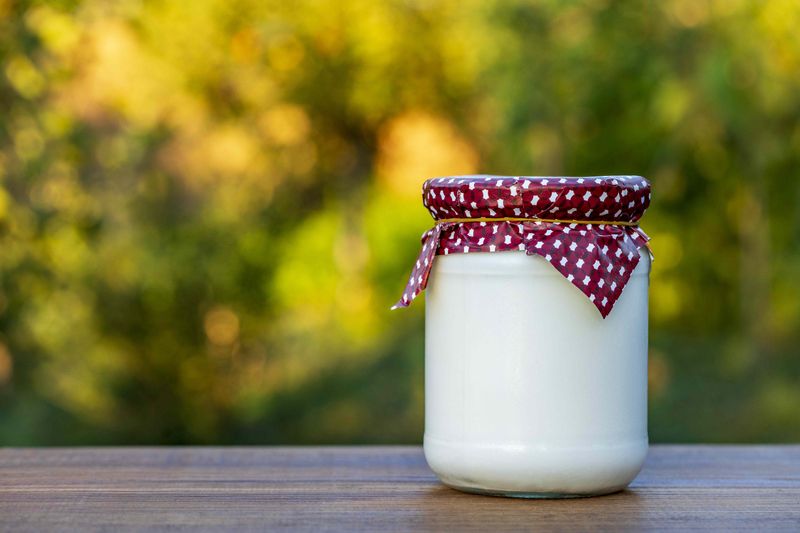
A spoonful of plain yogurt does for soil what it does for your gut: it delivers live, active cultures. Those probiotic bacteria enrich the microbial life around the roots, and a busy microbe crowd helps break nutrients down into forms tomatoes can actually absorb.
Thin plain, unsweetened yogurt with water until it pours easily, then drench the soil at the base of the plant. Skip anything flavored or sugary, which invites the wrong kind of attention.
Calcium and a touch of nitrogen come along for the ride as an added perk. Use the last scrapings from a container that is on its way out and nothing goes to waste.
15. Potato Peels
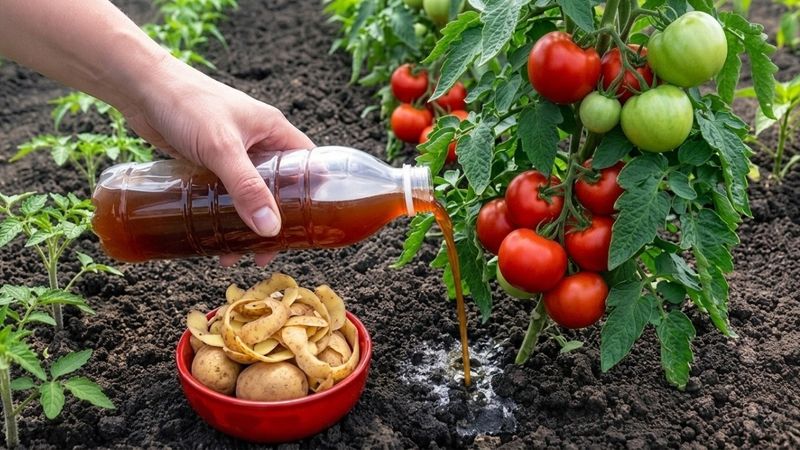
The skins you peel off for dinner are quietly packed with potassium, the same nutrient that drives fruit set. Rather than tossing them, put those peels to work building bigger, heavier tomatoes.
Chop the peels small and bury them near the root zone, or simmer them in water, cool the liquid, and pour that potato broth around your plants. The nutrients leach out either way and reach the roots.
Bury them deep enough that they are not visible, since exposed scraps tempt rodents. As they rot they also loosen and enrich the soil texture, a two-for-one payoff.
16. Gelatin Powder
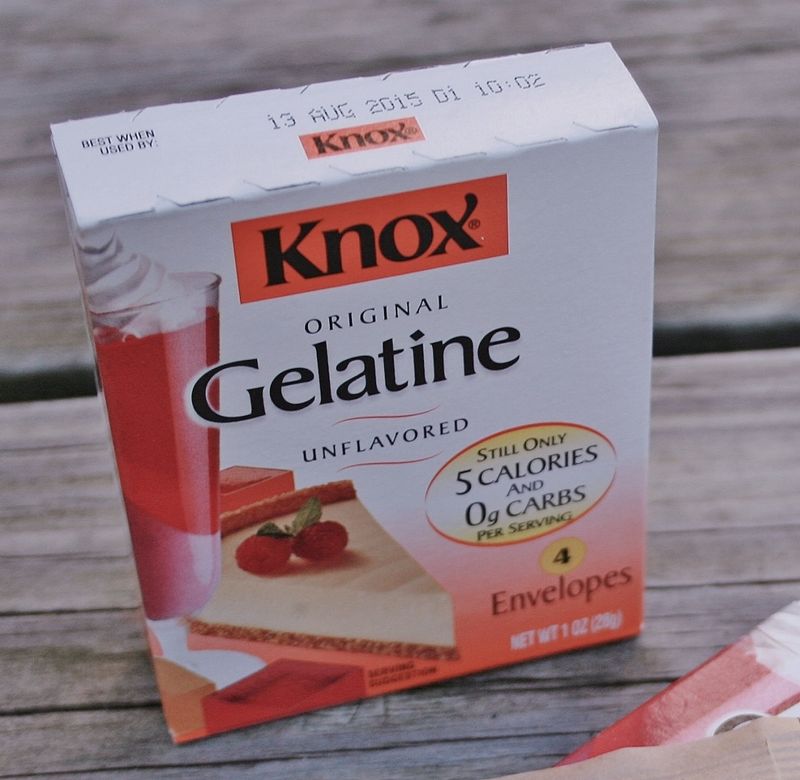
Unflavored gelatin hides a slow-release nitrogen secret in its plain little packet. Gelatin is almost pure protein, and as it breaks down it feeds nitrogen to the soil at a gentle, steady pace that suits leafy growth.
Dissolve a packet in a cup of hot water, top it off with three cups of cold, then pour that solution around the base of each plant about once a month. The slow release means less risk of the burn you can get from a heavy synthetic dose.
Reach for the plain, unsweetened kind and steer clear of flavored dessert mixes loaded with sugar and dye. It is an oddball feed, but a genuinely effective one for pushing early-season growth.
17. Vinegar
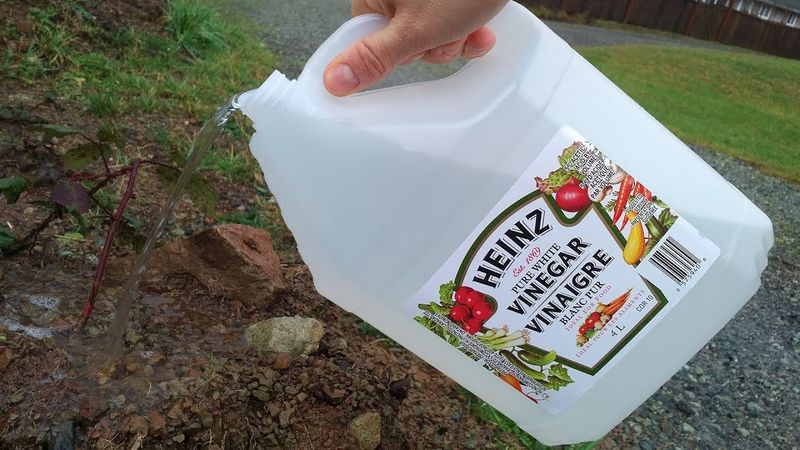
A splash of plain white vinegar plays a very specific role, so it lands last with a clear warning attached. Tomatoes like slightly acidic soil, and a heavily diluted vinegar drench can nudge overly alkaline ground back toward their sweet spot.
Mix just one tablespoon into a gallon of water, never more, and apply it sparingly to the soil rather than the leaves. Straight or strong vinegar is a weed killer and will scorch your tomatoes just as fast, so precision matters here.
Test your soil pH before you bother, because this only helps when the ground is genuinely too alkaline. Used correctly and rarely, it fine-tunes conditions so the other feeds on this list can do their best work.