
15 Must-Know Geranium Hacks That Keep The Blooms Coming Nonstop Into Fall
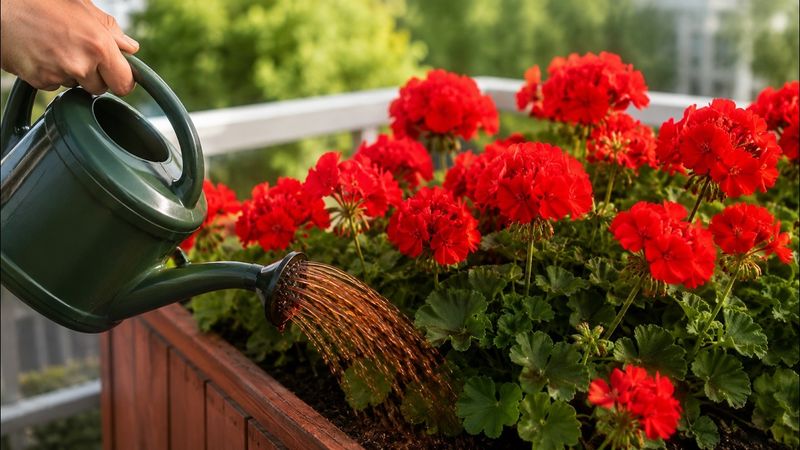
Geraniums are the workhorses of the American backyard, showing up in window boxes, porch pots, and flower beds from coast to coast. The trouble is that many of them quit early, fading out just when you want them looking their best. The good news is that a handful of simple tricks can push these plants to keep flowering right through the cooler days of fall. Grab your pruners and a watering can, because these fifteen hacks will help you get every last bloom out of your geraniums.
1. Deadhead All the Way Down to the Stem
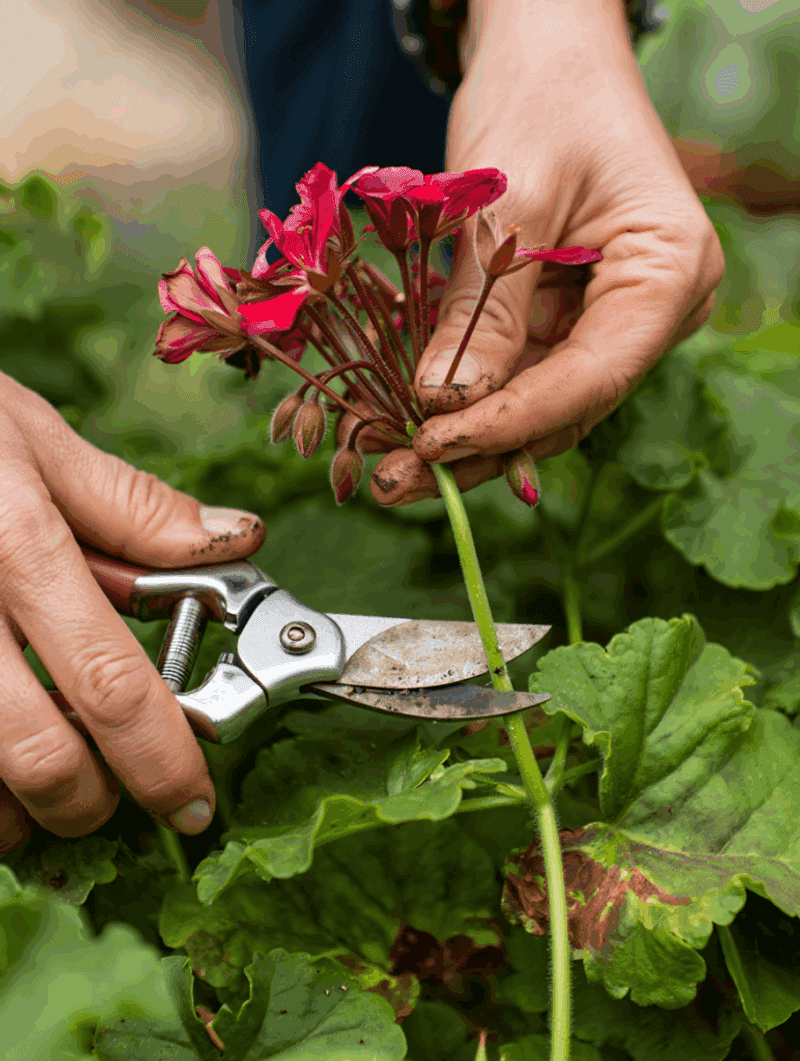
Snapping off a faded flower head sounds easy, but most gardeners stop halfway and leave an ugly green stalk behind. That leftover stem tells the plant to spend energy making seeds instead of new buds.
Trace the spent bloom cluster all the way down to where it meets the main stem, then pinch or snip it off right at that joint. You want the whole flower stalk gone, not just the crispy petals on top.
Do a quick walk-around every few days and your geraniums will read it as a green light to keep pumping out fresh color. Plants that get this treatment often produce noticeably more clusters than ones left to go to seed. It is the single cheapest thing you can do to stretch the blooming season into October.
2. Pinch Young Plants to Force Bushier Growth
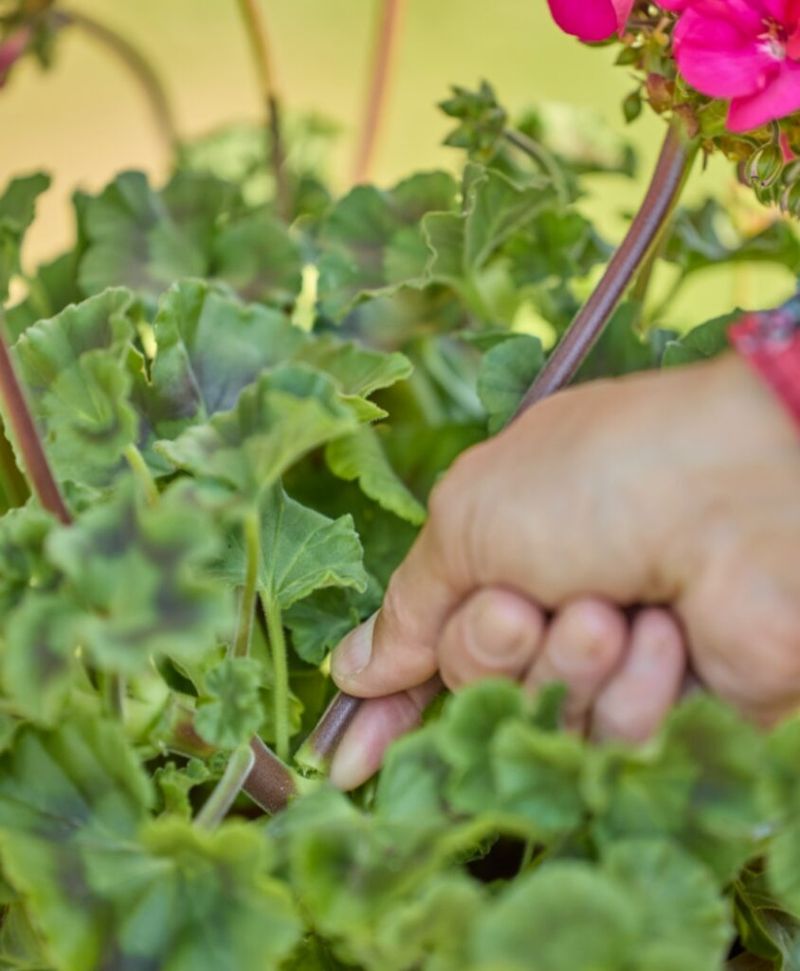
A leggy geranium with one tall stalk and a lonely flower on top is a plant begging for a pinch. When you nip out the growing tip of a young stem, the plant responds by pushing out side shoots, and every one of those shoots can carry its own cluster of blooms.
Use your thumbnail to remove the top set of leaves on stems that are shooting up too fast, ideally when the plant is still young in spring or early summer. More branches means more places for flowers to form later on.
Gardeners who skip pinching often end up with sparse, floppy plants by August. A few well-timed pinches early can turn one skinny geranium into a rounded mound covered in color that carries well into autumn.
3. Feed With a Bloom-Boosting Phosphorus Fertilizer
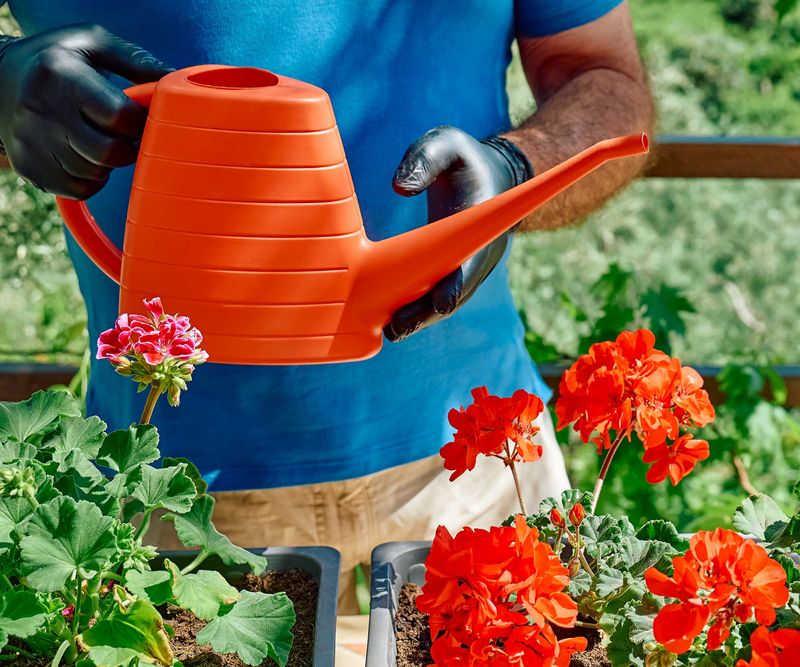
Nitrogen makes leaves, but phosphorus makes flowers, and that difference matters a lot with geraniums. Feed them a high-nitrogen product and you will grow a lush green bush with barely a bloom in sight.
Reach instead for a fertilizer with a higher middle number, the phosphorus figure, and apply it every two to three weeks through the growing season. A diluted liquid feed works well for container geraniums that get watered often and lose nutrients quickly.
Ease off slightly as fall arrives, but do not stop completely, since the plant still needs fuel to keep setting buds. Consistent, balanced feeding is often the difference between a plant that fizzles out in August and one that is still showing off in September.
4. Give Them the Six Hours of Sun They Crave
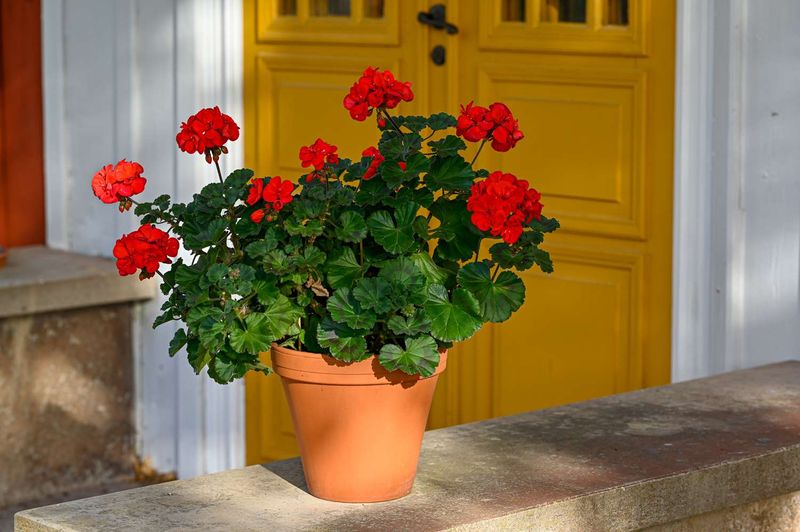
Tucking a geranium into a shady corner is one of the most common reasons blooms go missing. These are sun-lovers at heart, and they reward you with the most flowers when they soak up at least six hours of direct light a day.
Watch how the sun tracks across your yard through the day, then move containers to catch the brightest spots. A porch that gets blasted all morning is often perfect, while a north-facing wall usually leaves them stretching and sulking.
In the hottest southern zones a little afternoon shade can prevent scorch, but for most US backyards more light equals more color. If a plant is all leaves and no flowers, sunshine is the first thing to check before you blame anything else.
5. Water Deeply, Then Let the Soil Dry Out
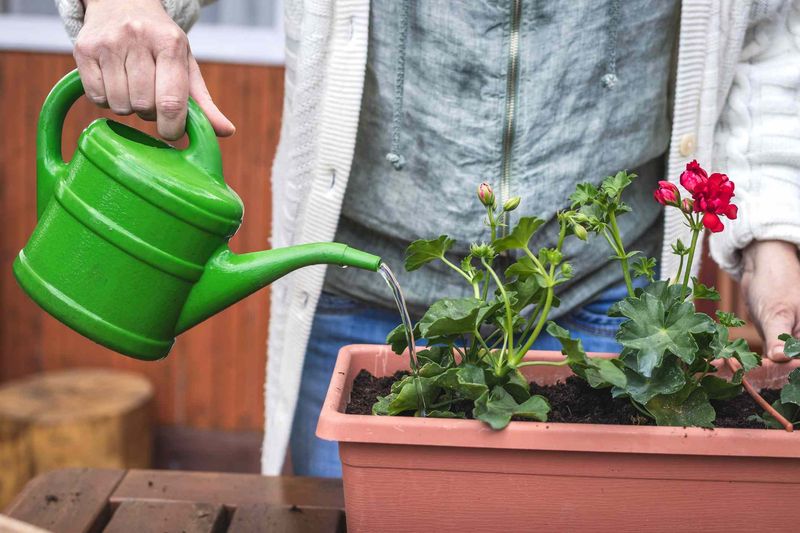
Geraniums come from rocky, dry-summer country, so they actually bloom better when you let them get a little thirsty. Constantly soggy soil leads to yellow leaves, root rot, and a plant too stressed to flower.
Wait until the top inch of soil feels dry to the touch, then water thoroughly until it runs out the drainage holes. That deep-then-dry rhythm encourages strong roots and steady flowering rather than a flush of soft, weak growth.
Container plants dry faster than in-ground beds, so check pots more often during warm spells. Sticking a finger in the dirt beats any watering schedule, because you give the plant exactly what it needs and nothing it does not.
6. Read the Leaves as an Early Warning System
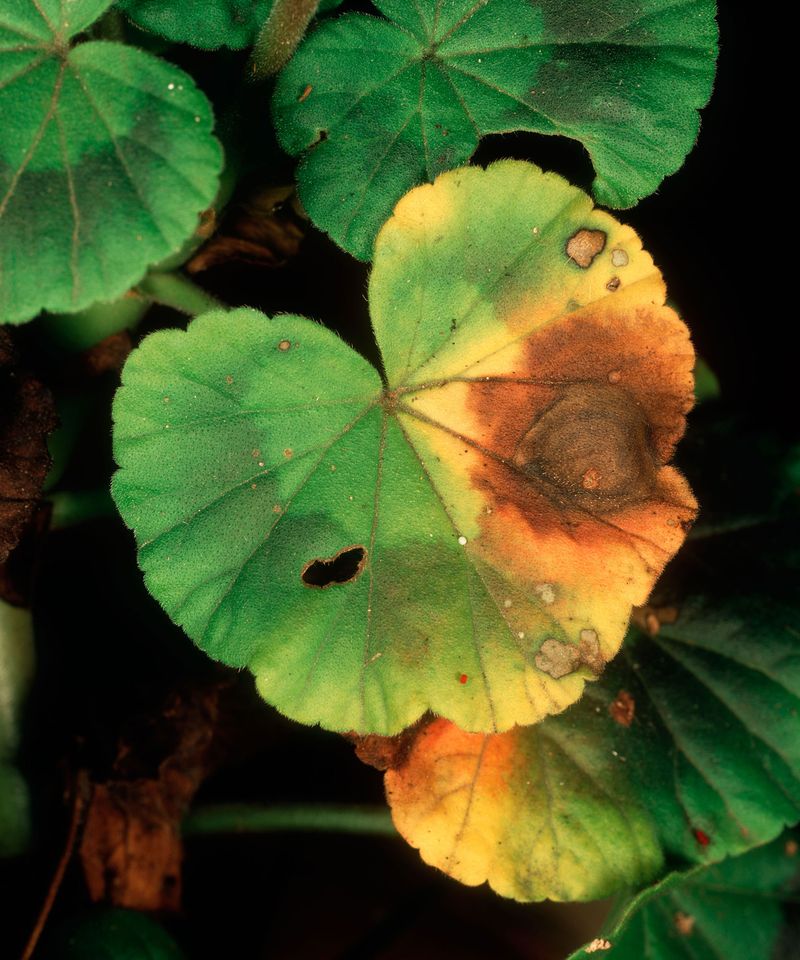
Before a geranium ever stops blooming, its leaves usually send up a flare. Learning to read those signals lets you fix problems while the plant can still bounce back and keep flowering.
Yellow lower leaves often point to overwatering or hungry soil, while reddish or purple edges can hint at a phosphorus shortage or a cold snap. Crispy brown margins usually mean the plant dried out too far or got scorched, and pale, washed-out foliage suggests it is starving for a feed.
Get in the habit of flipping a few leaves over during your rounds and checking their color and shape. Catching these clues early means you can adjust water, food, or placement long before bloom production grinds to a halt.
7. Repot Rootbound Plants Into Roomier Homes
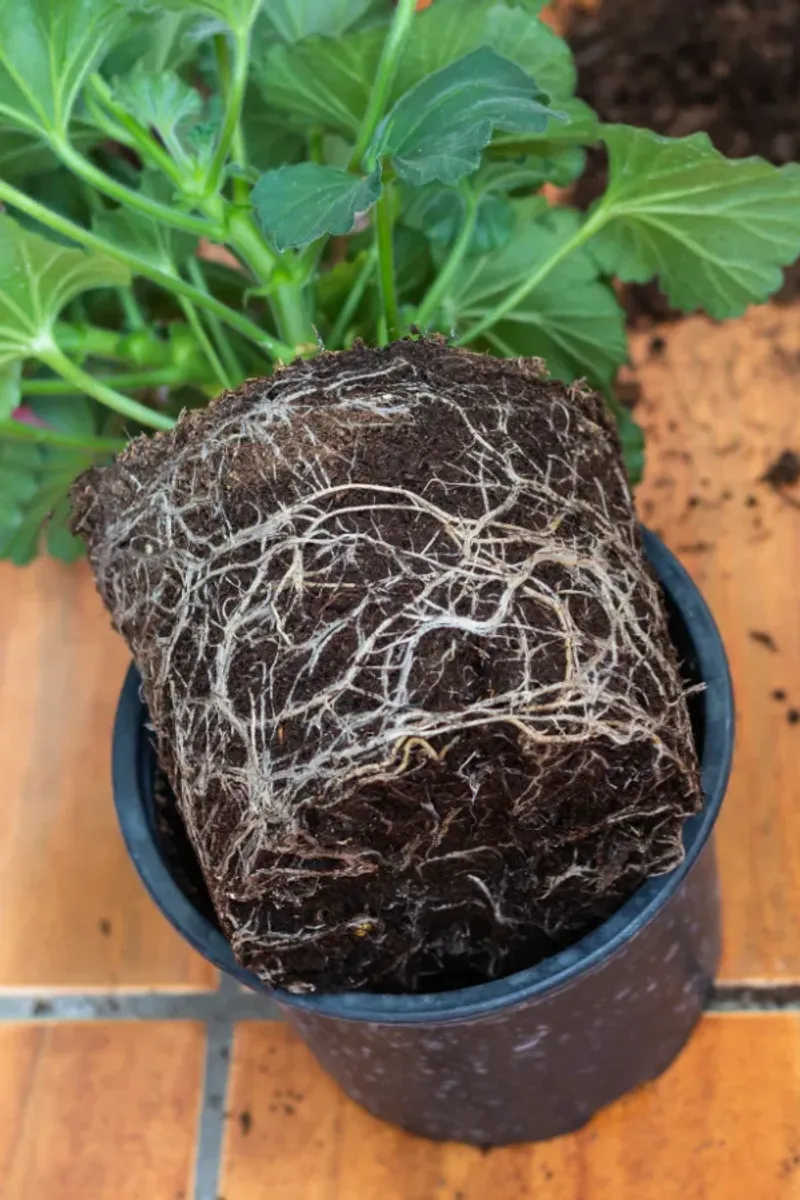
A geranium that suddenly slows down its flowering may simply have run out of room underground. When roots circle the pot in a tight tangle, the plant spends all its effort just staying alive instead of making blooms.
Slide the plant out and take a look, and if you see a dense mat of roots wrapping the shape of the container, it is time to move up a size. Choose a pot only an inch or two wider, since a jump that is too big holds soggy soil the roots cannot use.
Gently loosen the outer roots, add fresh potting mix, and water it in. Fresh soil brings fresh nutrients, and a little more elbow room often kicks a stalled plant right back into flower.
8. Plant Marigolds Nearby to Repel Pests by Scent

The pungent smell of marigolds does more than fill a border with orange and gold. Their strong scent may help mask your geraniums from certain nibbling insects that hunt by smell, keeping the plants healthy enough to keep blooming.
Tuck a few marigolds around the base of geranium pots or along the edge of a bed where they can share the sunshine. The pairing looks cheerful and doubles the color while the marigolds quietly stand guard.
Basil, garlic, and other aromatic herbs can play a similar supporting role for backyard growers. A geranium that is not busy fending off pests has far more energy left over to spend on flowers.
9. Wipe Out Budworms Before They Eat the Buds
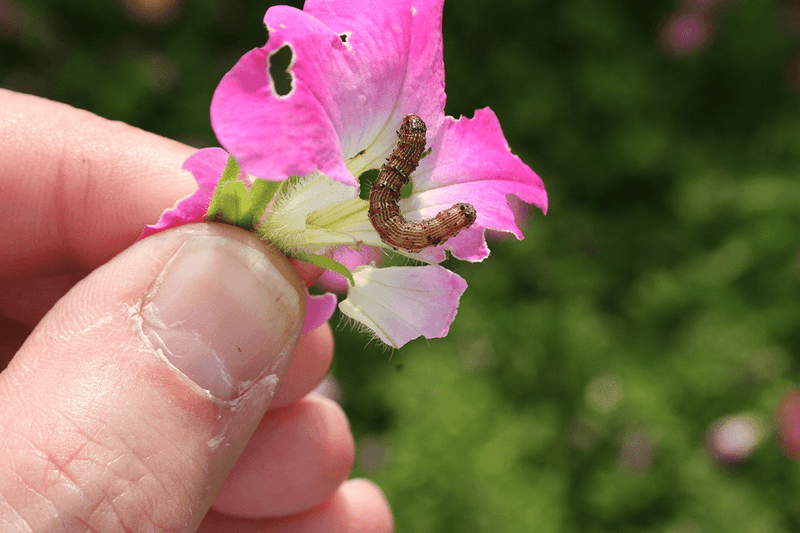
Ever notice a geranium that grows plenty of buds but the flowers never seem to open? The likely culprit is the geranium budworm, a sneaky little caterpillar that bores into buds and eats them from the inside out.
Look for tiny holes in buds and small dark specks of droppings on the leaves below, then hand-pick the green or brown worms in the evening when they come out to feed. For heavier infestations a spray with Bt, a natural bacteria that targets caterpillars, can knock them back without harming bees.
Clearing out these pests frees up every bud to actually open. Growers who stay ahead of budworms are often the ones whose geraniums bloom nonstop while their neighbors wonder where all the flowers went.
10. Choose Ivy or Zonal Types for a Longer Season
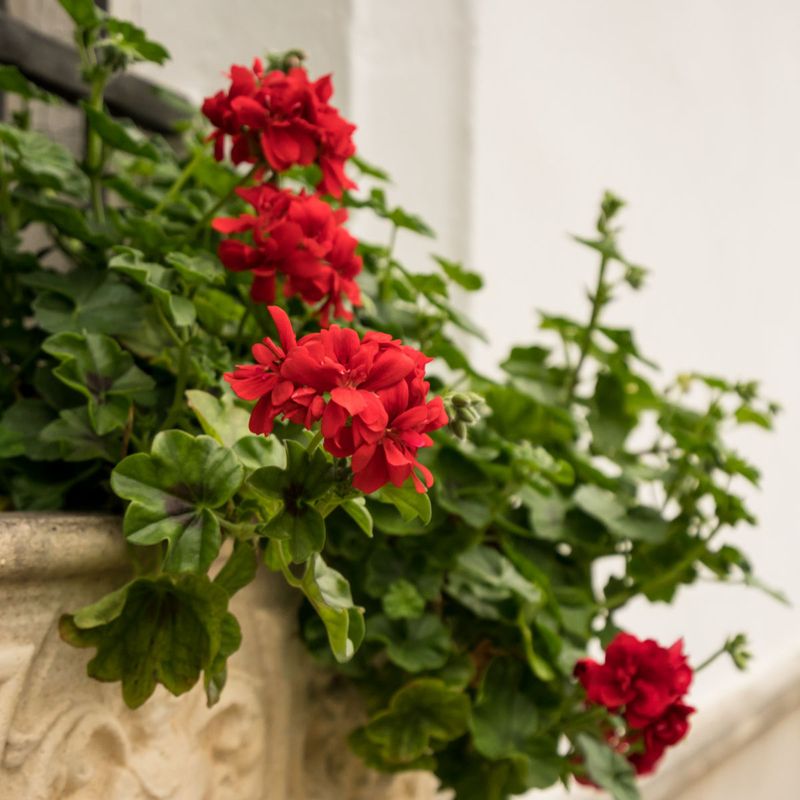
Not every geranium is built to go the distance, and picking the right kind stacks the deck in your favor. Zonal geraniums, the classic upright ones with banded leaves, are famous for blooming from spring straight through frost.
Ivy geraniums trail beautifully from hanging baskets and window boxes and shrug off heat that would flatten fussier plants. If you want fragrance over flower power, scented types are lovely, but they are not the ones to lean on for wall-to-wall color.
When you shop the garden center, read the tags and match the variety to your goal. Starting with a naturally long-blooming type means half your work is done before the plant even reaches the porch.
11. Mulch the Roots to Steady Soil Temperature
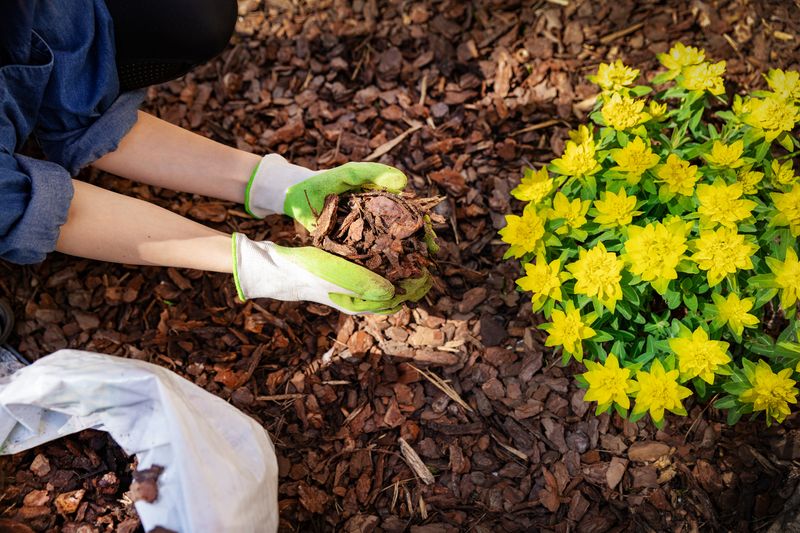
Bare soil around a geranium swings from baking hot to bone dry in a single afternoon, and those wild swings stress the plant right out of flowering. A simple layer of mulch smooths out the ride.
Spread an inch or two of shredded bark, straw, or compost over the soil surface, keeping it a finger’s width away from the main stem so it does not trap moisture there. The cover holds in water, blocks weeds, and keeps roots cooler during a summer heat spike.
As fall temperatures dip, that same blanket buffers the roots against early chills. Steadier roots mean a steadier bloom supply, which is exactly what you are after this time of year.
12. Cut Back Leggy Growth for a Late-Summer Comeback
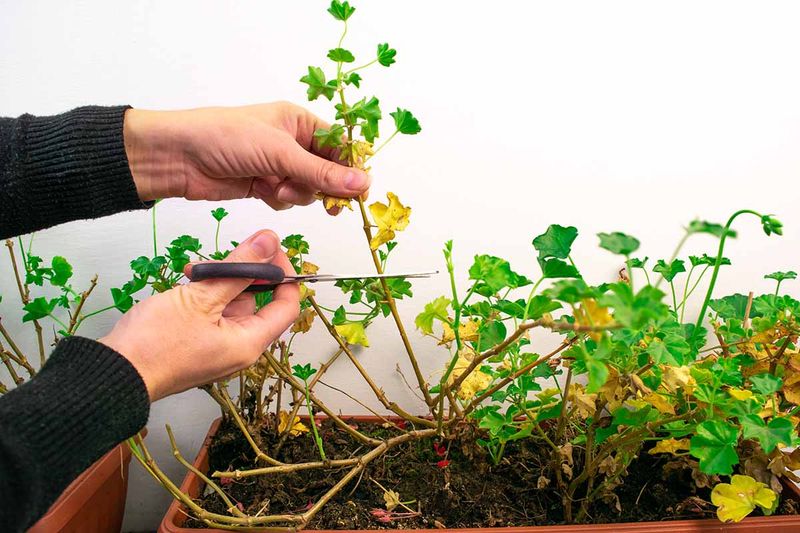
By midsummer a geranium can turn into a mess of long, bare stems with a few tired flowers hanging on at the tips. Rather than nursing that sad shape along, give the whole plant a bold haircut.
Trim stems back by about a third, cutting just above a leaf node so new shoots have somewhere to sprout. The plant looks stark for a week or two, then bursts back with a fresh flush of dense, flower-covered growth.
This rejuvenation pruning is best done in mid to late summer so there is still plenty of warm weather ahead for regrowth. A brave trim now buys you a whole second act of blooms right through the fall.
13. Skip the Overhead Watering to Dodge Disease

Blasting geraniums from above with a hose feels efficient, but wet leaves and flowers are an open invitation to fungal trouble. Botrytis, a gray mold, loves the damp petals and can rot blooms before they fully open.
Aim your water at the soil around the base of the plant instead, keeping the foliage and flowers as dry as you can. Watering early in the day gives any stray splashes a chance to evaporate before the cool of night settles in.
Good spacing and airflow between plants help too, since crowded, humid clumps are where mold gets a foothold. Dry leaves and clean blooms keep the plant productive instead of fighting off rot.
14. Bring Them Indoors Before the First Frost Hits
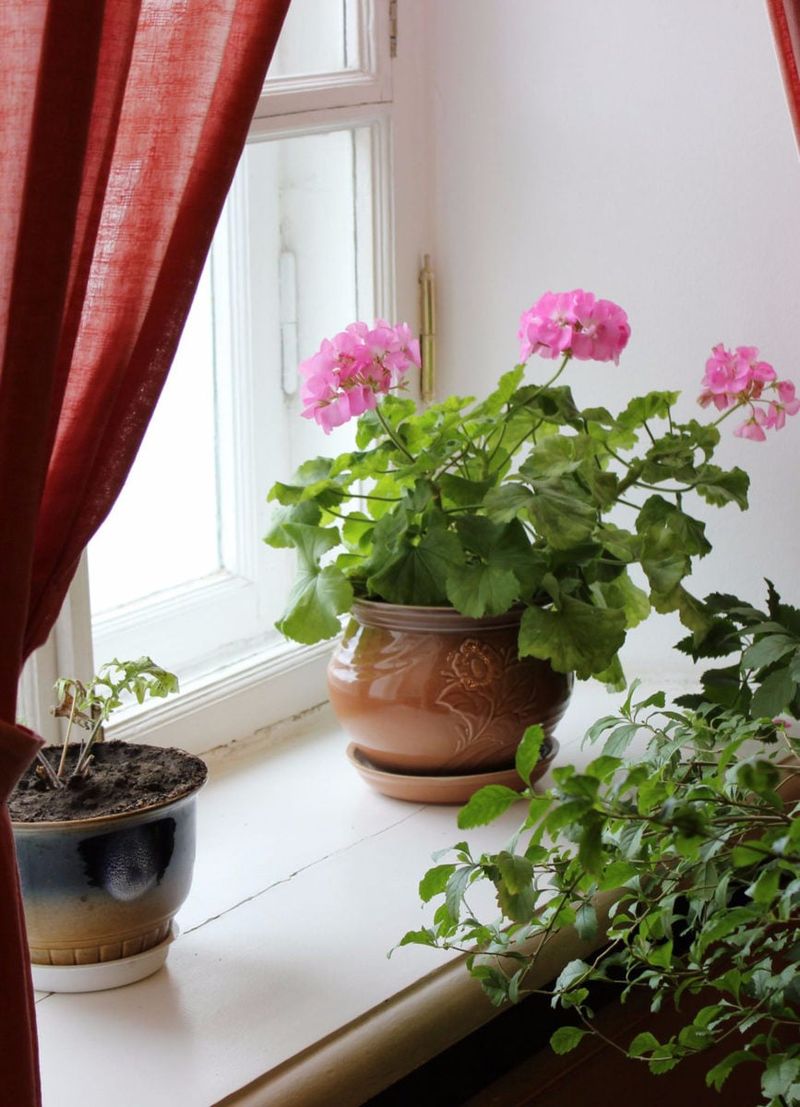
One hard frost can end a geranium’s season overnight, but a little planning lets you cheat the calendar. When nights start dipping toward the mid-40s, start thinking about moving your best plants inside.
Set container geraniums by a bright south-facing window and they will often keep blooming through the fall and even into winter with less water and no feeding. Check them over for pests before they come indoors so you are not inviting hitchhikers into the house.
You can also take cuttings from favorite plants and root them in water or damp soil to start fresh next spring. Beating that first frost is how a summer favorite becomes a year-round bloomer.
15. Rotate Pots So Every Side Gets Its Turn
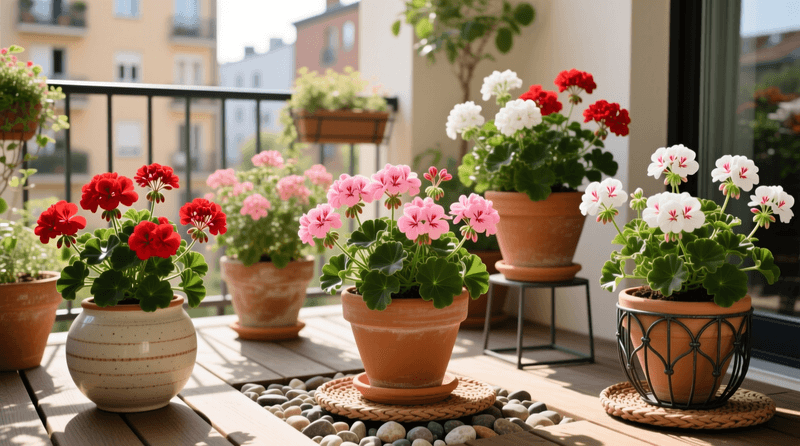
A geranium naturally leans and blooms toward the brightest light, which is why pots against a wall often flower hard on one side and stay bare on the other. A quick spin fixes the lopsided look and boosts overall bloom count.
Give each container a quarter turn every few days so all sides get equal time facing the sun. Every part of the plant then gets the light it needs to set buds instead of just the front row.
It takes about five seconds and costs nothing, yet the payoff is a fuller, more evenly flowered plant. By fall you will have a rounded burst of color instead of a one-sided lean, and the whole display looks twice as generous.