
17 Mistakes That Quietly Rot Your Tomatoes On The Vine Before They Ever Ripen
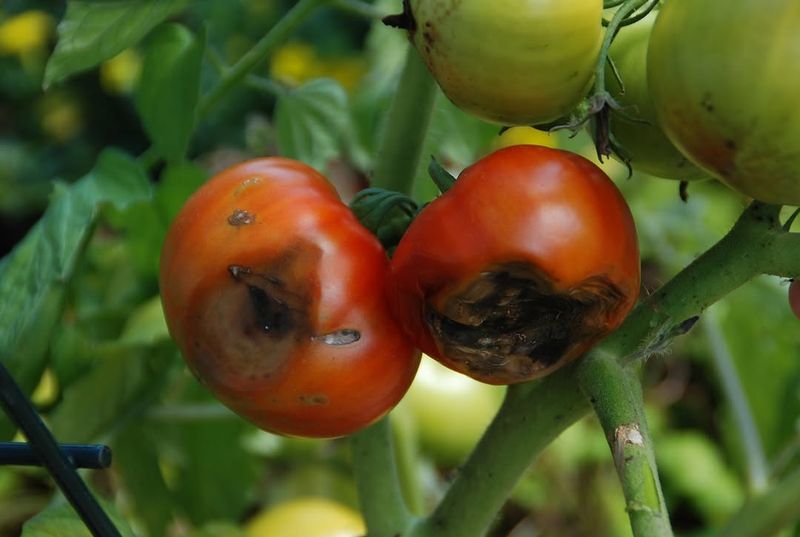
You water, you weed, you wait, and then one morning you spot that ugly brown patch spreading across a tomato that should have been dinner. Vine rot is sneaky because it rarely shows up all at once. Most of the time it starts with a small habit you never thought twice about, weeks before the fruit ever turns red. Here are 17 quiet mistakes that could be rotting your tomatoes right now, plus the simple fixes that keep more fruit on your plate.
1. Watering From Overhead Onto The Leaves
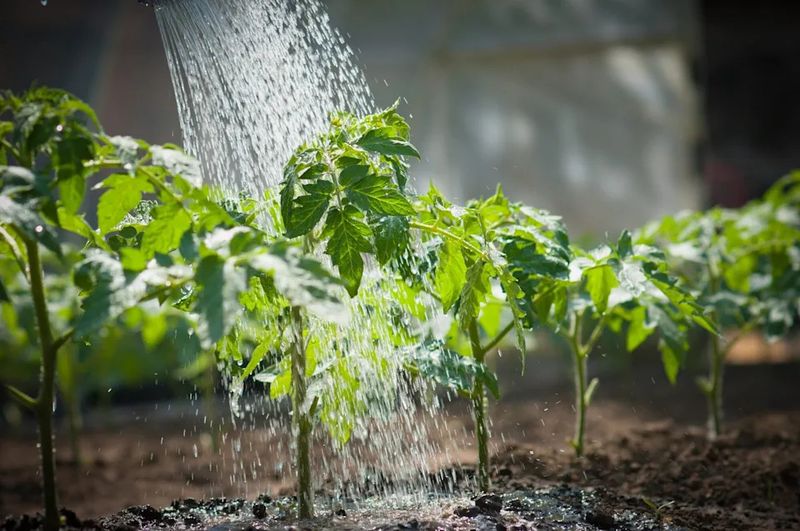
Grab a hose, spray the whole plant, and call it a day. That habit feels efficient, but it soaks the leaves and fruit and leaves them damp for hours.
Wet foliage is a welcome mat for fungal spores that cause early blight and gray mold. Once those spores settle on a tomato, they can rot it from the shoulders down long before it ripens. Splashing water also kicks soil-borne disease up onto the lowest fruit.
Aim the water at the soil instead. A slow trickle at the base, ideally in the morning so any stray splash dries fast, keeps roots happy and keeps your fruit dry where it counts.
2. Letting Fruit Touch Bare Soil
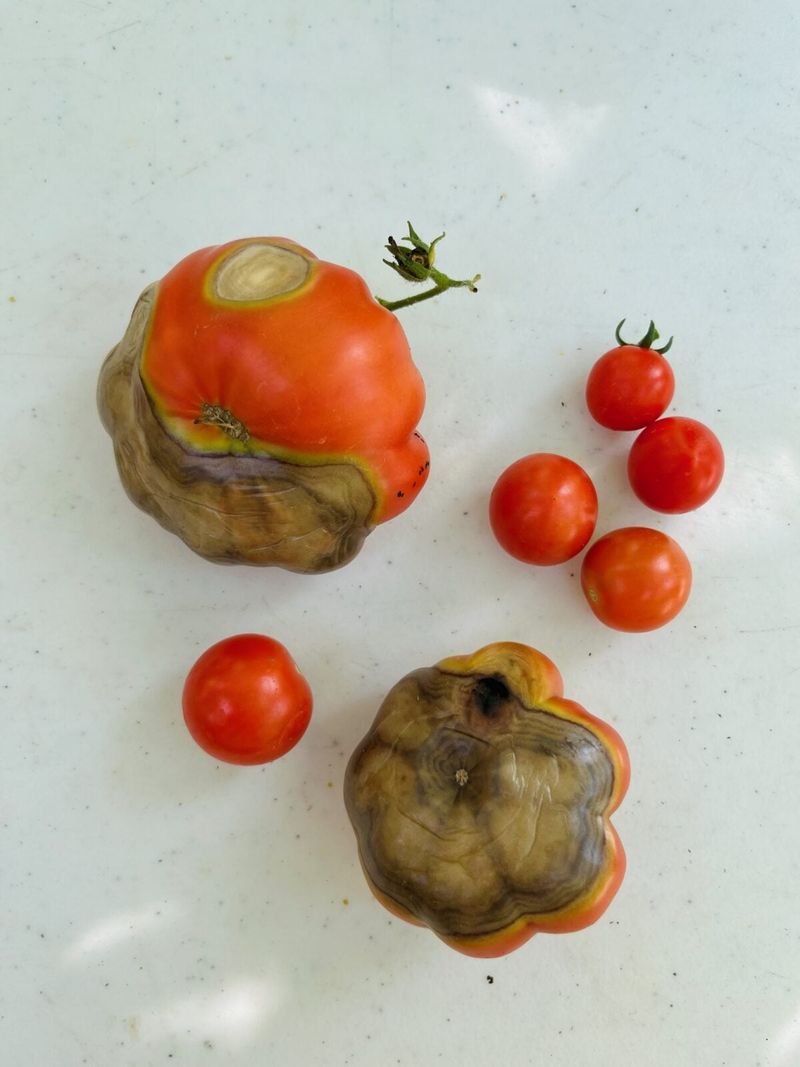
Ever notice how the tomatoes closest to the ground are always the first to go bad? When a heavy cluster pulls a branch down until fruit rests on the dirt, you have basically handed it to the rot.
Bare soil holds moisture, fungi, and bacteria that creep straight into the skin. A tomato lying on damp earth for a few warm days can develop soft, sunken rot on its underside without you ever seeing it from above.
Prop those branches up with stakes, cages, or a soft plant tie. Even slipping a bit of straw or a piece of clean mulch under a low cluster lifts the fruit off the ground and gives it a fighting chance.
3. Skipping Calcium And Inviting Blossom End Rot
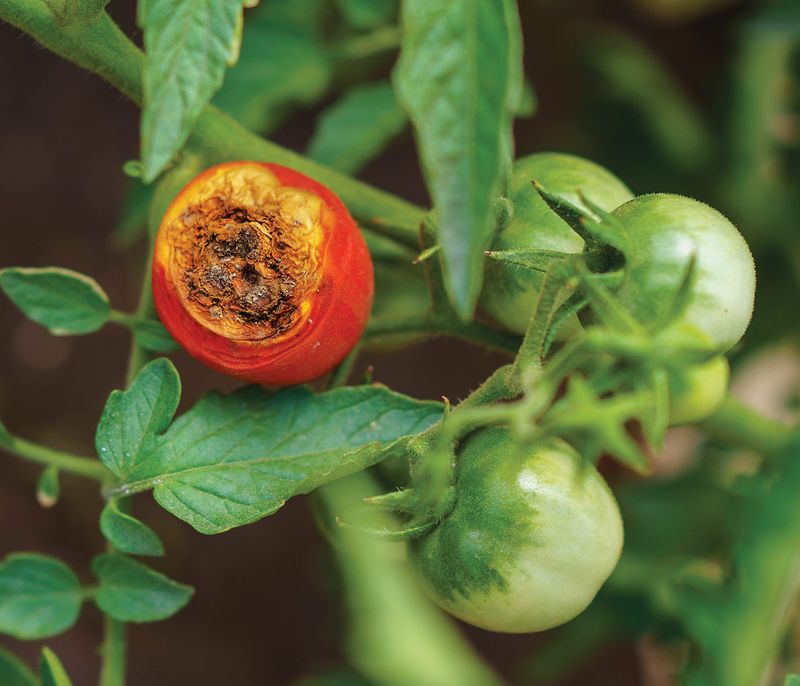
That dark, leathery patch on the bottom of an otherwise perfect tomato has broken a lot of gardener hearts. It looks like disease, but blossom end rot is really a calcium delivery problem inside the plant.
When calcium cannot reach the developing fruit fast enough, the far end of the tomato collapses and turns brown. Wildly uneven watering makes it worse because roots cannot pull nutrients from bone-dry then soggy soil.
Test your soil and add calcium if it runs low, but keep watering steady too, since consistency moves that calcium where it needs to go. Crushed eggshells worked in early or a calcium-rich amendment may help reduce the odds over a season.
4. Crowding Plants Too Close Together
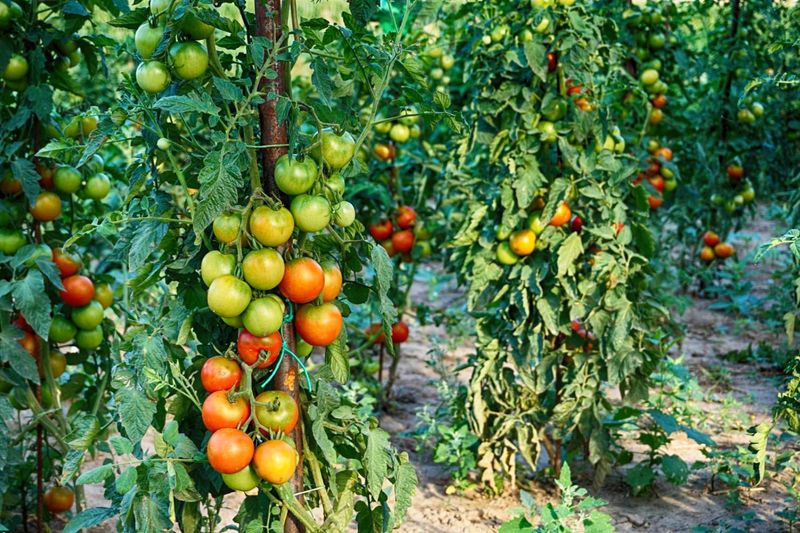
It is tempting to squeeze in one more seedling when you have limited bed space. Come July, though, those tightly packed plants turn into a jungle where air barely moves.
Stagnant, humid air between crowded leaves keeps moisture trapped against fruit and stems for hours. Fungal diseases love that dead air, and they spread plant to plant when the canopy is one solid tangle.
Give determinate tomatoes about two feet of elbow room and indeterminate types closer to three. Good spacing lets breezes dry the leaves quickly and slows any rot that tries to jump from one vine to the next.
5. Never Pruning The Lower Leaves
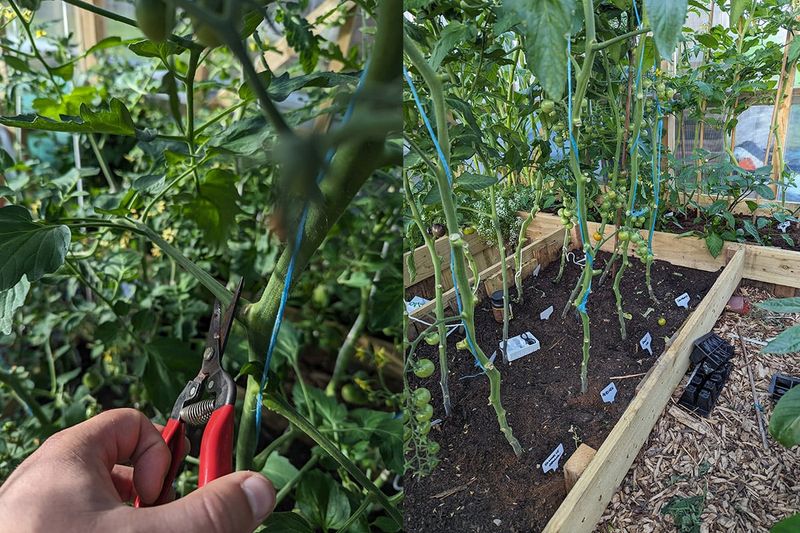
Some gardeners feel guilty snipping any green off a healthy plant. Leaving that leafy skirt at the bottom, though, is one of the quietest ways rot sneaks in.
Low leaves sit inches from the soil, catching every splash of dirt and fungal spore that bounces up when it rains or when you water. From there disease climbs the plant and reaches the fruit.
Clear the bottom eight to twelve inches of foliage once your plants are established. Opening up that gap between soil and leaves breaks the ladder that soil-borne diseases use to reach your tomatoes.
6. Ignoring Yellowing Or Spotted Leaves As Warnings
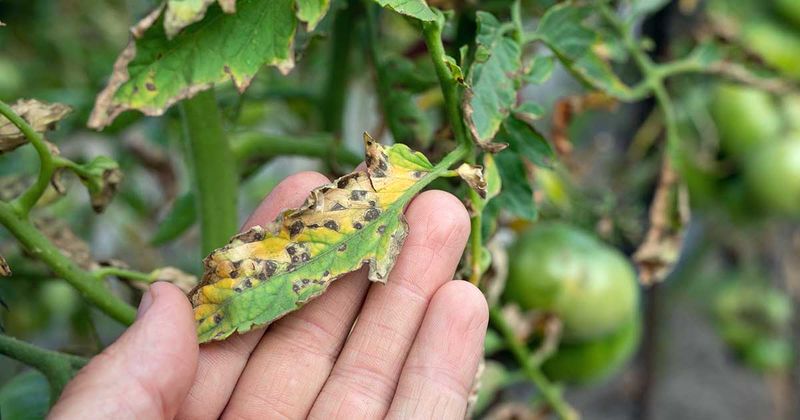
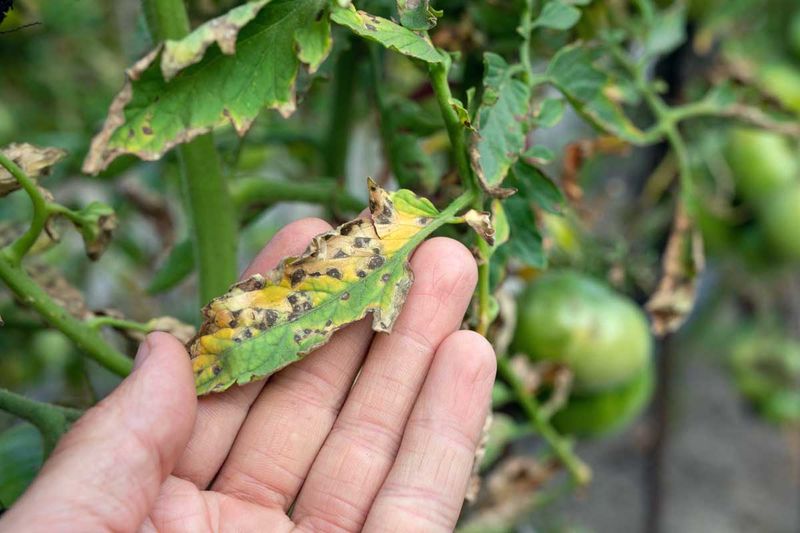
Leaves are the dashboard of a tomato plant, and they light up with trouble signs long before fruit rots. A ring of yellow around a brown spot, or bullseye patterns on the lower foliage, is the plant telling you a fungal problem has arrived.
Brushing off those early spots as normal aging is a costly miss. The same disease painting your leaves will eventually reach the fruit and turn ripening tomatoes soft and blotchy.
Walk your rows a couple times a week and read the leaves. Pull and toss any spotted foliage in the trash, not the compost, and you can catch a rot problem while it is still just a leaf problem.
7. Piling Mulch Right Against The Stem
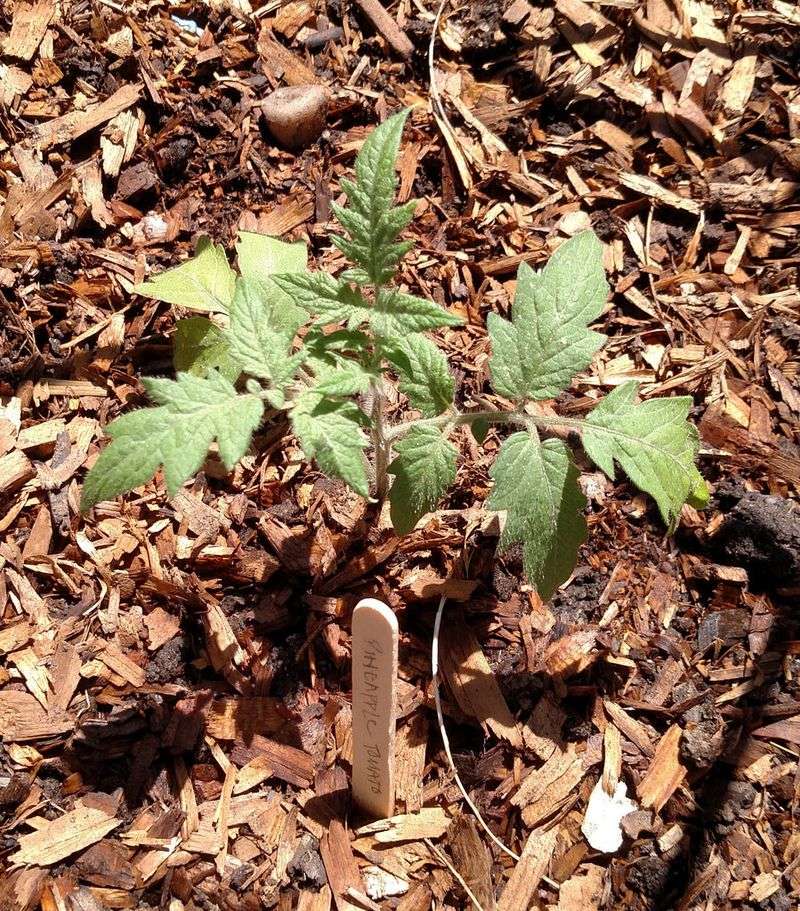
Mulch gets a lot of praise, and it earns most of it, but pushed up tight against the main stem it works against you. A damp collar of mulch hugging the base traps moisture exactly where the plant is most vulnerable.
Constant wetness at the stem invites rot and gives pests a shady tunnel to work in. That soft, waterlogged base can weaken the whole plant, and a struggling plant drops fruit or lets it rot early.
Keep a two-inch donut of clear space around the stem when you mulch. You still get the weed suppression and moisture control everywhere else, without smothering the one spot that needs to breathe.
8. Watering Inconsistently With Feast Or Famine Swings
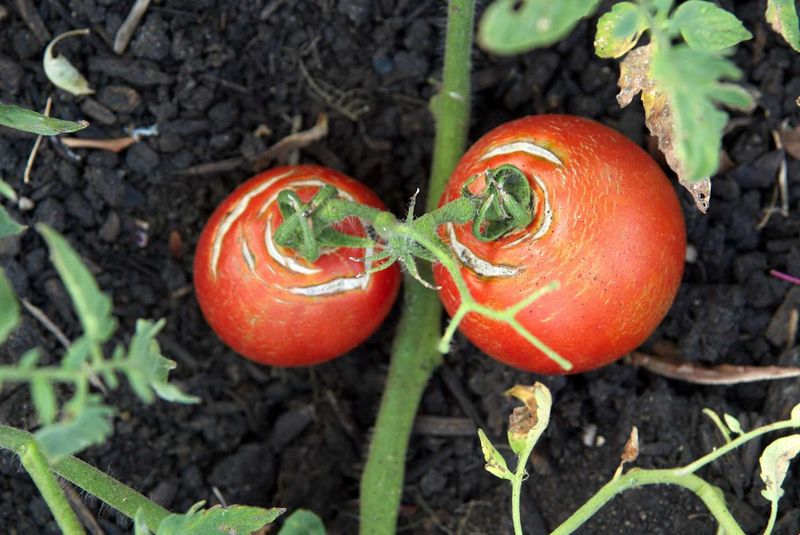
Forget the plants for a week, then drown them with guilt when you remember. Tomatoes hate that rollercoaster more than almost anything.
When soil swings from bone dry to soaking wet, the fruit skins crack under the sudden rush of water. Those splits are open doors, and rot and bacteria walk right through them into fruit that was days from ripe.
Aim for steady moisture instead of dramatic rescues. Roughly an inch to an inch and a half of water a week, delivered on a schedule, keeps fruit skins from cracking and keeps the rotting organisms locked outside.
9. Leaving Overripe Fruit Hanging Too Long
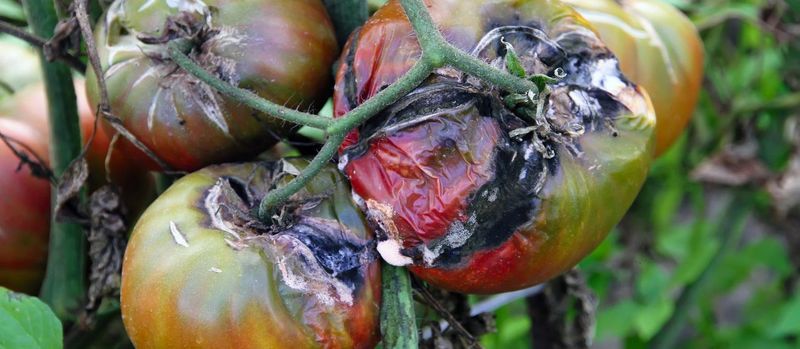
One forgotten tomato left dangling past its prime can undo a whole cluster. As it softens and splits, it becomes a buffet for fruit flies, mold, and bacteria that quickly move to its neighbors.
A rotting fruit on the vine also stresses the plant and pumps out spores and juices that coat everything nearby. What started as one lost tomato becomes three or four.
Harvest often, even a touch early, and pull anything that has clearly gone soft. Removing the mushy stragglers keeps the healthy fruit around them clean and gives you fewer surprises next time you visit the garden.
10. Reusing Disease-Contaminated Cages And Stakes
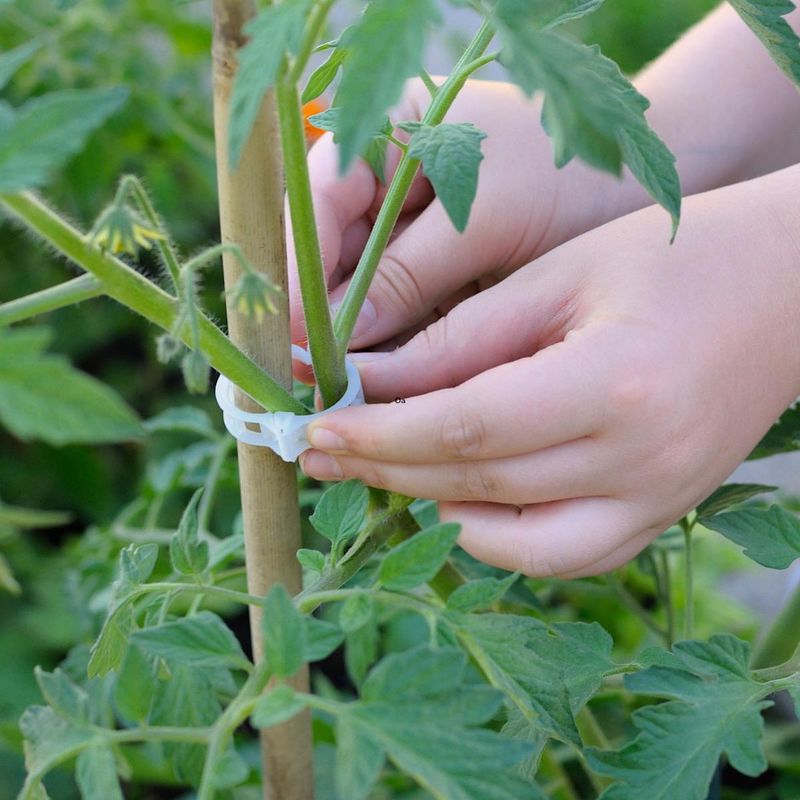
Those tomato cages you stashed in the shed all winter might be carrying last year’s problems into this year’s harvest. Fungal spores and bacteria can cling to metal and wood for many months.
Set a fresh, healthy plant against a contaminated stake and you have handed the disease a head start. It can move onto the stem and fruit before the plant even hits its stride.
Give your supports a scrub and a wipe-down with a diluted bleach or hydrogen peroxide solution before each season. A few minutes of cleaning may spare you a summer of chasing rot you accidentally invited back.
11. Planting Tomatoes In The Same Spot Every Year
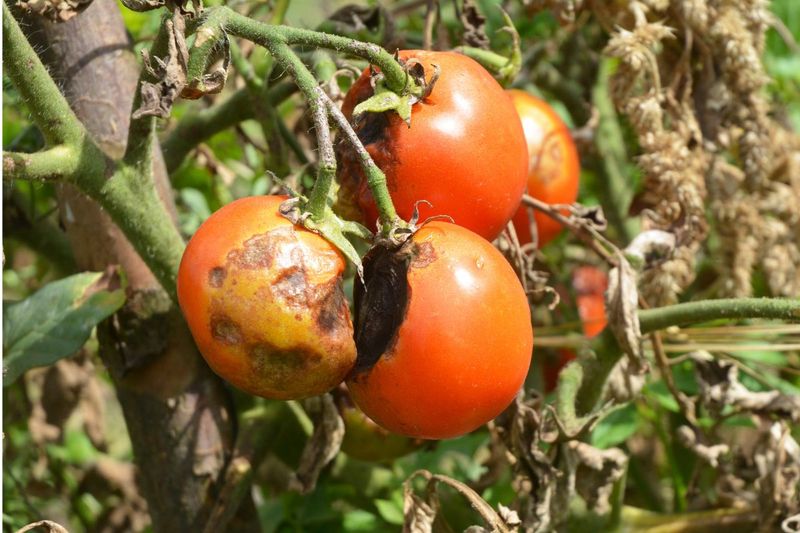
The corner of the garden that grew great tomatoes last summer feels like a lucky spot, so back they go. Meanwhile, the soil there has been quietly stockpiling disease that targets tomatoes specifically.
Verticillium, fusarium, and other soil-borne troublemakers build up when the same crop lands in the same dirt year after year. Eventually they attack the roots and stems, and the fruit rots because the plant can no longer feed it properly.
Rotate your tomatoes to a new bed and wait three or so years before they return to any given spot. Following them with beans, greens, or roots starves those tomato-loving pathogens and breaks the cycle.
12. Overloading The Soil With Nitrogen
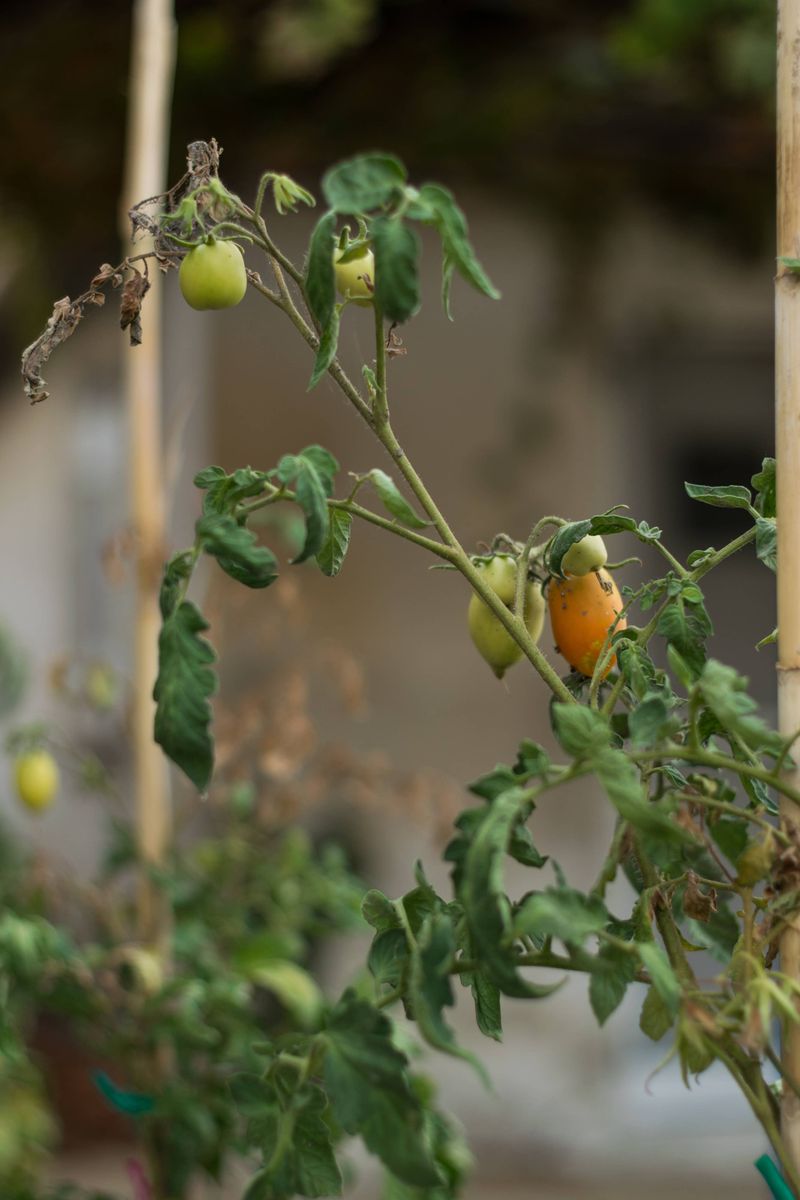
More fertilizer feels like more love, and nitrogen makes plants explode with lush green growth. All that leafy vigor comes at a hidden cost to your fruit.
A plant drunk on nitrogen pours its energy into leaves and stems instead of tomatoes, and the dense canopy traps humidity that fungus adores. Tender, fast-grown tissue also bruises and rots more easily than sturdy growth.
Ease off high-nitrogen feeds once flowers appear and switch to something richer in phosphorus and potassium. Steady, balanced feeding builds tougher plants and firmer fruit that resists the rot a nitrogen binge encourages.
13. Handling Wet Plants And Spreading Disease By Touch
There is something satisfying about wandering the garden after a rain, tying up vines and checking on fruit. Doing chores while the leaves are still wet, though, turns your own hands into a delivery service for disease.
Fungal and bacterial spores travel easily on damp foliage, and every leaf you brush and every stem you tie passes them along the row. One infected plant can seed the whole bed before the leaves ever dry.
Wait until the morning dew burns off and the foliage is dry before you prune, tie, or harvest. Keeping your hands and tools off wet plants may slow rot from hopping plant to plant on your fingertips.
14. Composting Diseased Plant Debris Back Into The Garden
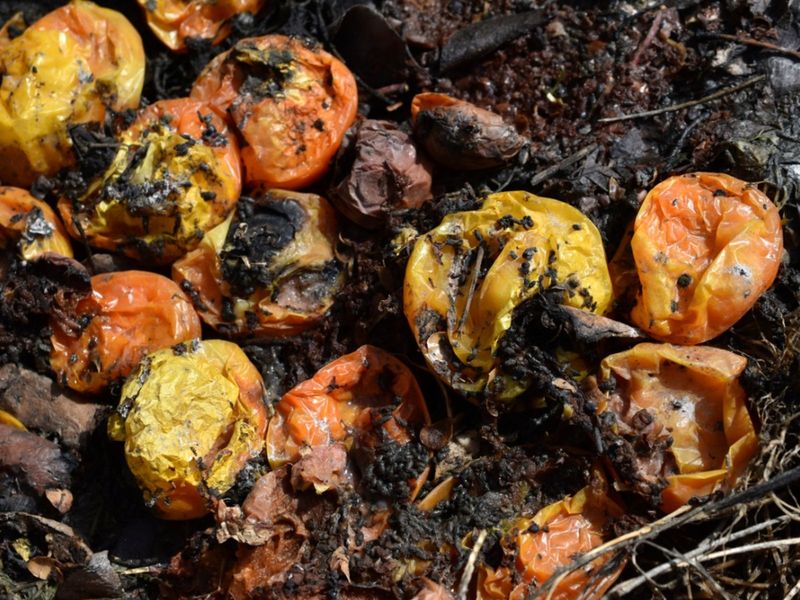
Tossing sick leaves and rotted fruit onto the compost pile feels responsible and thrifty. Unless your pile gets seriously hot, though, you are just saving disease for a future crop.
Many tomato pathogens survive a lukewarm compost pile and ride the finished compost right back into your beds. Spread that around next spring and you have reseeded the exact rot you thought you cleaned up.
Bag and trash any diseased tomato material instead of composting it, or burn it where local rules allow. Save the compost bin for clean trimmings, and keep last year’s blight out of this year’s soil.
15. Letting Weeds Choke The Base Of Your Plants
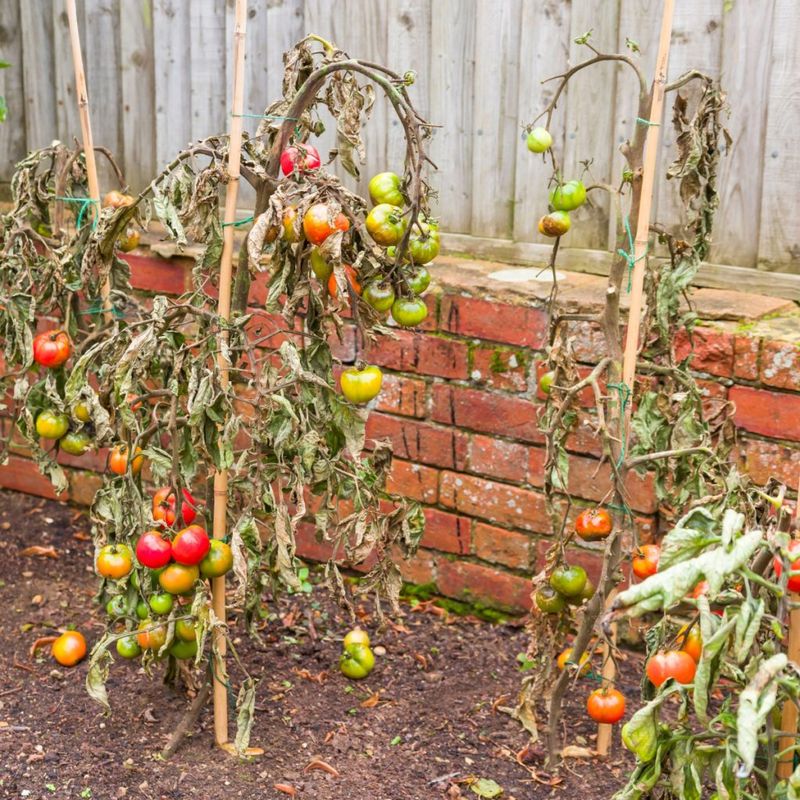
Weeds seem like a cosmetic annoyance more than a real threat, so they slide down the to-do list. Down at soil level, though, a thick weed collar around your tomatoes is doing quiet damage.
Dense weeds block airflow and hold humidity against the lower stem and fruit, creating the damp, still pocket rot needs to take hold. Many weeds also harbor the same pests and diseases that attack tomatoes, keeping the trouble parked right at the base.
Keep a clean, weed-free ring around each plant so air can sweep through and the ground can dry. Pulling weeds early also removes hiding spots for the insects that spread rot as they feed.
16. Bruising Fruit With Rough Handling And Careless Ties
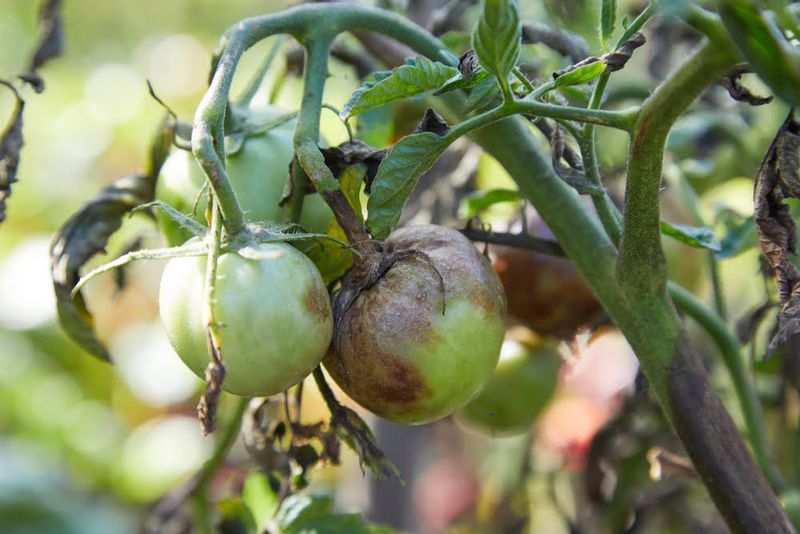
A quick squeeze to check for ripeness or a stake tie cinched a little too tight seems harmless in the moment. Every one of those small injuries leaves a bruise, and a bruise is an opening.
Damaged skin cannot keep bacteria and fungi out the way firm, unbroken skin can. What looks like a tiny dent today can soften into a spreading rot spot over the next few warm days.
Support fruit and branches with soft ties and a gentle touch, and check ripeness by color and give rather than a hard pinch. Treating your tomatoes like they bruise easily, because they do, keeps far more of them sound all the way to ripe.
17. Ignoring Pests That Punch Holes For Rot To Enter
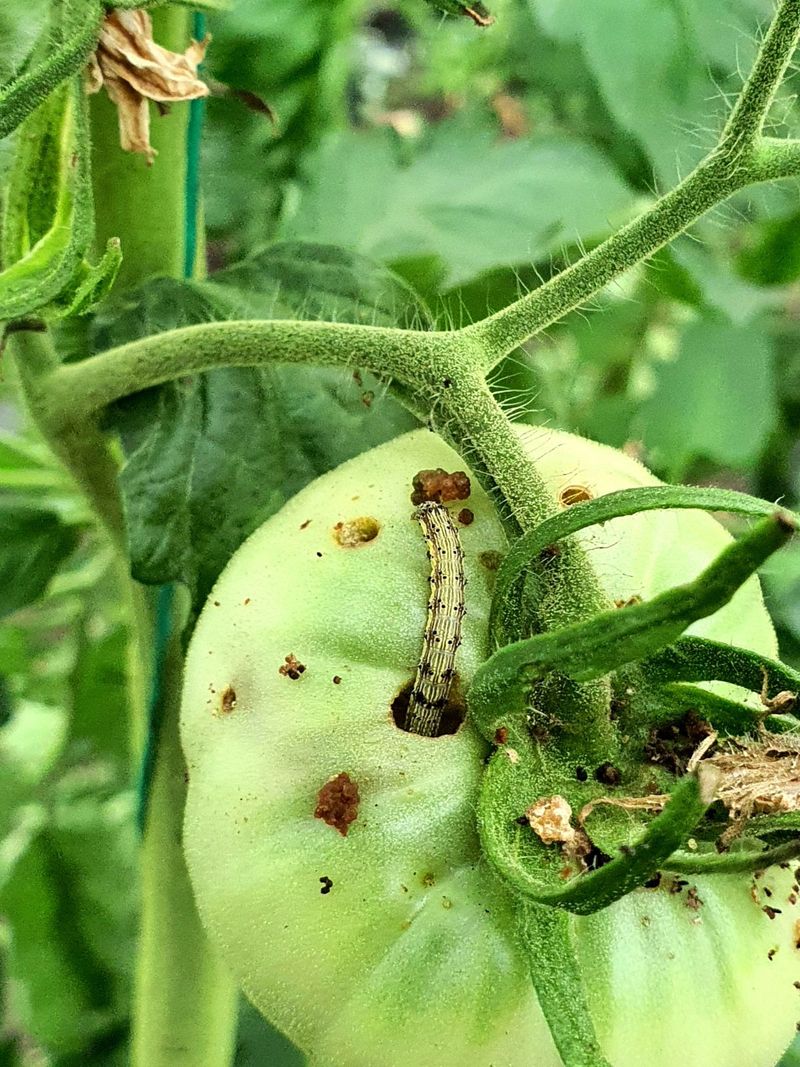
Hornworms, stink bugs, and fruitworms do more than nibble your harvest. Each bite and each puncture they leave behind is a fresh wound where rot organisms move straight into the fruit.
A stink bug’s feeding scars or a caterpillar’s chewed hole may look minor, but they crack the skin’s defenses wide open. Warm, humid weather then turns those tiny entry points into soft, rotten craters within days.
Scout for pests regularly, pick off the big ones by hand, and consider scent-based deterrents like planting basil or marigolds nearby, which some gardeners find can help keep certain insects at bay. Fewer bug wounds means fewer doorways for the rot that follows them in.