
If Chipmunks Keep Tunneling Through Your Beds, These Smells Send Them Packing Fast

Chipmunks look cute until you spot fresh tunnels weaving through your garden beds and roots pushed up from below. The good news is that these little diggers rely heavily on their noses, and certain strong smells make them turn around and leave. Instead of trapping or harming them, you can borrow scents that naturally tell them your yard is not a safe place to stay. Here are eight smells that help send chipmunks packing so your beds can finally recover.
1. Peppermint Oil
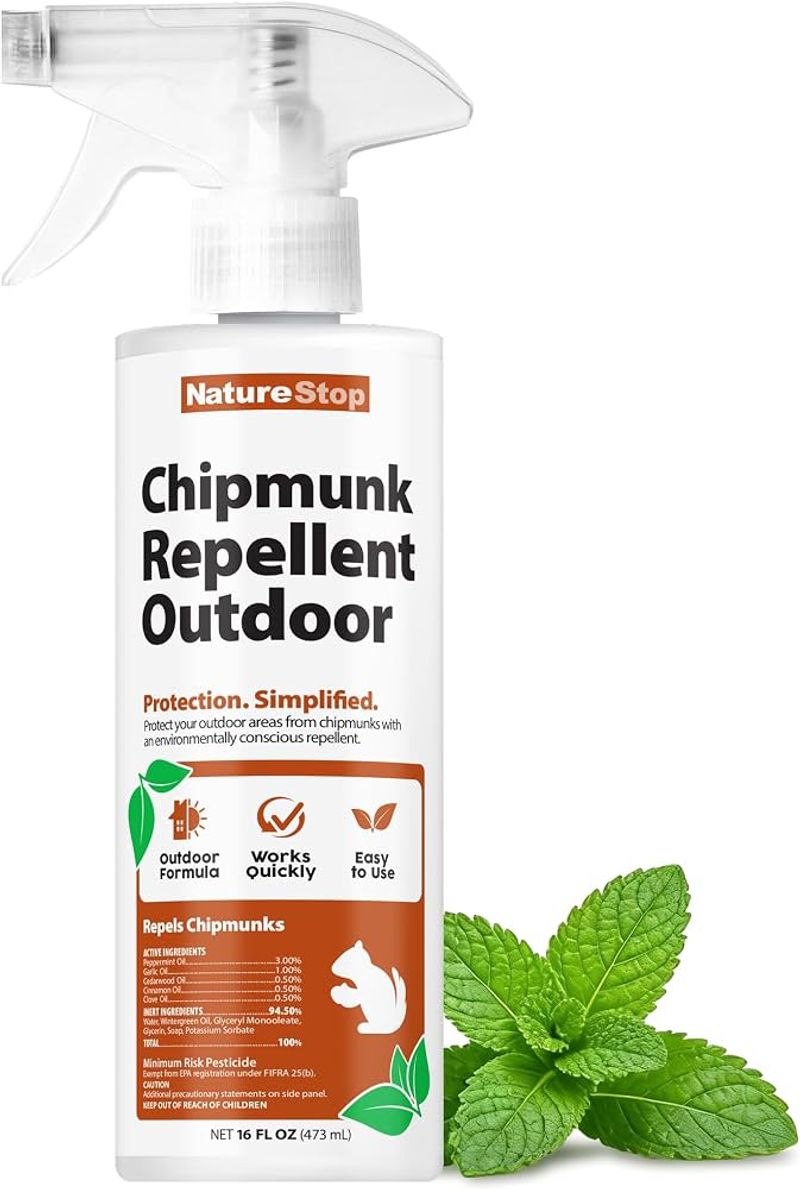
Ask any gardener who has battled rodents and peppermint oil almost always comes up first. The sharp, cooling scent that feels refreshing to us reads as overwhelming to a chipmunk, whose sensitive nose picks up far more than ours ever could.
A few drops on cotton balls tucked near tunnel openings, or a spray made from water and a splash of oil, can create an invisible wall around your beds. Refresh it every few days and after rain, since the smell fades fast in summer heat and humidity across most US backyards.
What makes peppermint different from the rest of this list is how easy it is to find and how many other pests it may bother too. Spiders, ants, and mice tend to dislike it as well, so you get a little bonus coverage. Just keep it away from curious pets, since concentrated essential oils can upset cats and dogs if they lick treated spots.
2. Garlic

Crush a few cloves of garlic and the pungent cloud that rises is exactly the kind of thing a chipmunk wants nowhere near its front door. That heavy, sulfur-rich odor lingers in soil and signals danger to small burrowing animals.
Many gardeners simmer chopped garlic in water, let it cool, and pour or spray the brew around bed edges and tunnel mouths. You can also bury whole crushed cloves right at the entrances you keep finding, replacing them once the smell weakens.
Garlic earns its own spot here because it doubles as a soil-friendly option that will not poison your plants the way harsh chemicals might. Fun bit of history: gardeners have paired garlic with roses and vegetables for generations as a companion plant, partly for its bug-chasing reputation. It may not clear every chipmunk overnight, but layered with other scents it adds real staying power.
3. Cayenne Pepper and Hot Spices
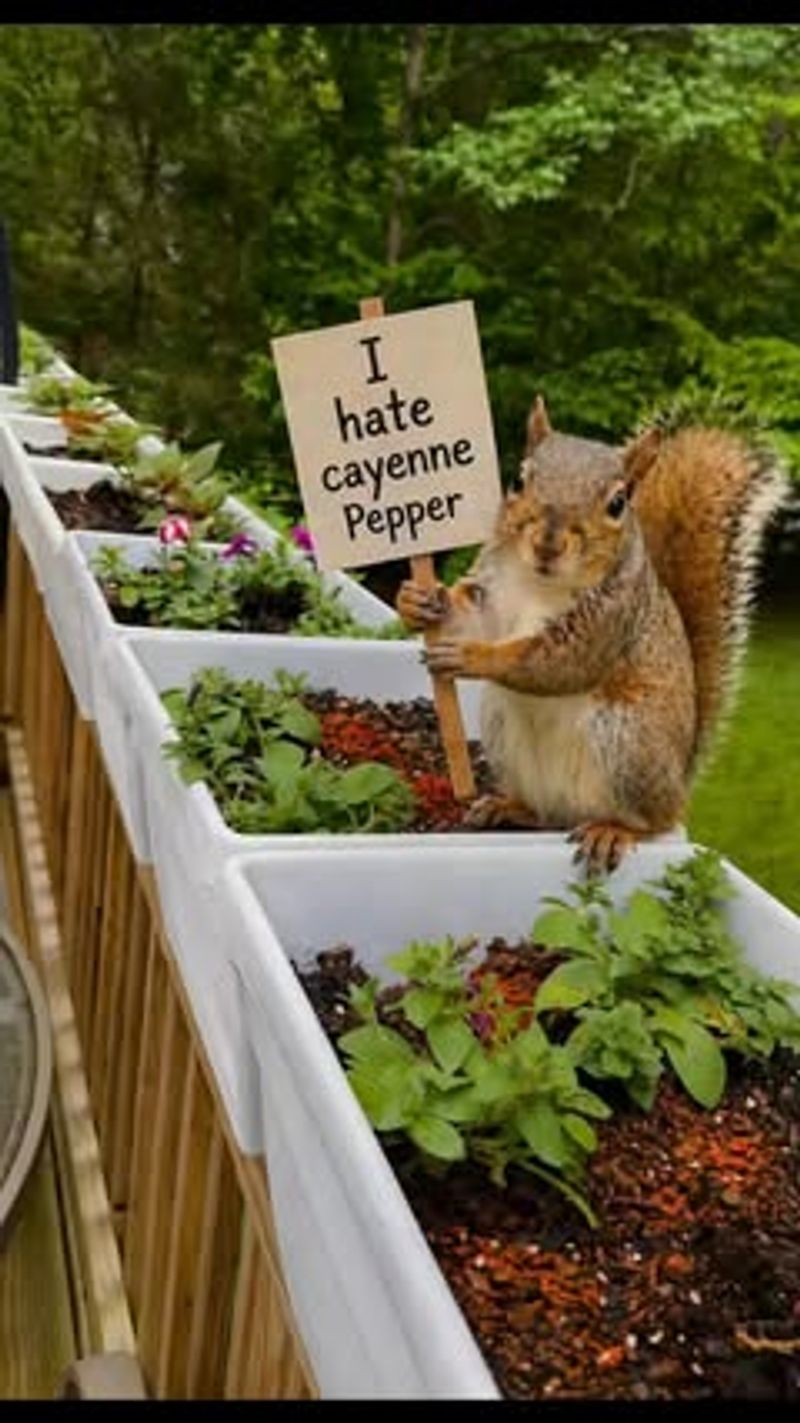
Heat is the whole trick with cayenne. The compound that makes chili peppers burn, called capsaicin, irritates a chipmunk’s nose and mouth, so a dusting of spicy powder turns your beds into an unpleasant place to dig.
Sprinkle cayenne, chili flakes, or a blend of hot spices directly over the soil and around tunnel openings. Some folks mix the powder into their garlic or pepper spray so it clings to leaves and mulch, giving a double punch of scent and sting.
Unlike a simple aroma, cayenne works on both smell and touch, which is why it earns a separate line on this list. That said, apply it thoughtfully. Wear gloves, avoid windy days so it does not blow into your own eyes, and reapply after watering or rain. Birds are not bothered by the heat, so a little scattered near feeders can protect that area too without scaring your songbirds away.
4. Coffee Grounds
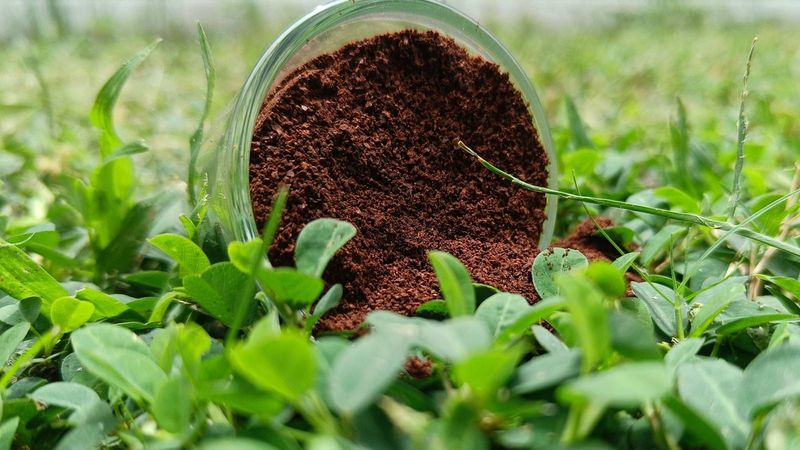
Before you toss those used coffee grounds, consider scattering them where chipmunks like to burrow. The bitter, roasted smell that wakes you up in the morning is off-putting to small rodents scouting for a calm place to nest.
Spread damp grounds in a thin layer over the soil and work a bit into the top inch near tunnel entrances. As a bonus, they slowly break down and add a touch of organic matter, so your beds get a small feeding while the odor does its job.
Coffee stands apart because it is essentially free and something most US households already produce daily. You are recycling waste into a mild deterrent instead of buying another product. The scent does weaken as the grounds dry out, so keep a container going by the sink and refresh your beds every week or so for the steadiest effect.
5. Marigolds
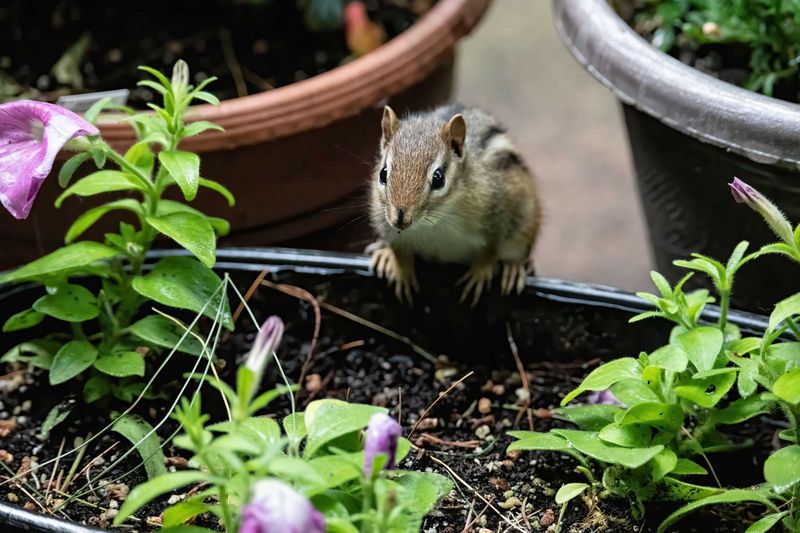
Bright orange and gold blooms do more than pretty up a border. Marigolds carry a distinctive musky scent in their leaves and flowers that many burrowing critters would rather avoid, which is why they show up in so many old-fashioned garden plans.
Plant a ring of them along the edges of your raised beds or between rows of vegetables. As living deterrents, they keep working all season without you needing to spray or refresh anything, and they attract pollinators at the same time.
What sets marigolds apart from the sprays and powders is that they are a set-it-and-grow-it solution built right into your landscape. Gardeners have leaned on them for ages to guard tomatoes and peppers, partly for that pungent foliage. They may not stop a determined chipmunk on their own, but as a fragrant border paired with other scents, they quietly hold the line.
6. White Vinegar
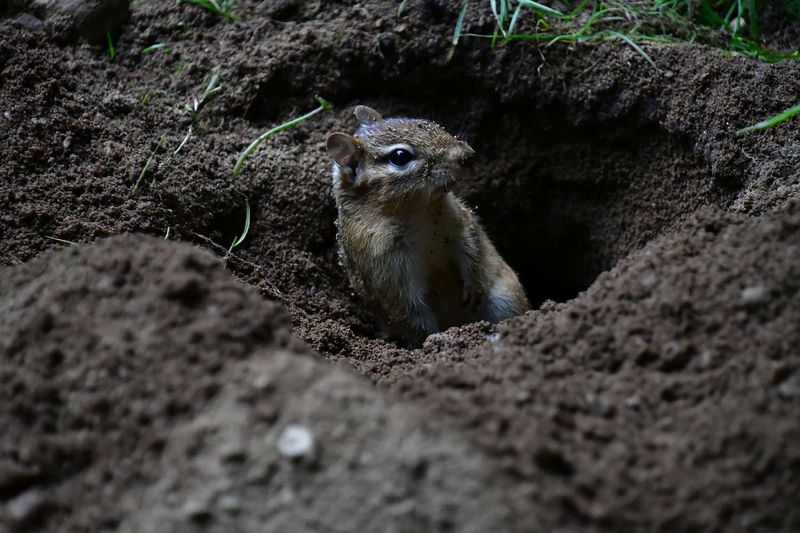
Pop the cap on a jug of white vinegar and the sour, acidic sting hits you right away. That same punch tells chipmunks a spot is not welcoming, making vinegar a cheap and handy scent to keep on hand.
Soak rags or cotton balls in it and place them near burrow openings, or mix a vinegar-and-water solution to spray along bed edges and fence lines. Avoid spraying it directly onto plant leaves, since the acidity can burn foliage, and aim instead for soil, stones, and hard surfaces.
Vinegar deserves its own mention because it doubles as a marker for the actual tunnel entrances. Refresh soaked rags every couple of days, especially in the heat, when the smell evaporates quickly. It works best as a fast, targeted nudge rather than a whole-yard treatment, so save it for the exact spots where you keep seeing fresh digging.
7. Predator Urine
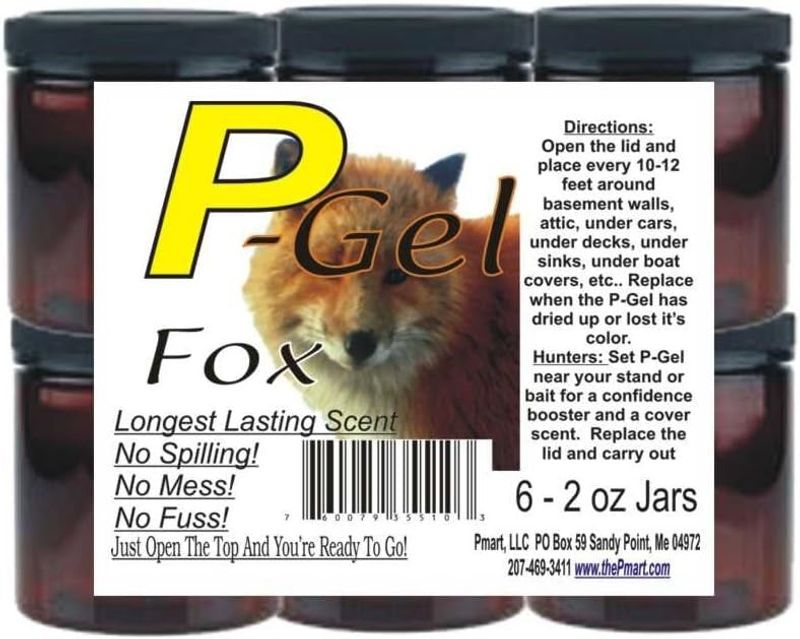
Nothing convinces a chipmunk to relocate quite like the smell of something that eats chipmunks. Predator urine, usually from foxes or coyotes and sold in granule or liquid form, taps into a deep instinct that says a hunter is nearby.
Sprinkle the granules or dab the liquid around the perimeter of your beds and near active tunnels. The scent tricks the little diggers into thinking the neighborhood has turned dangerous, so they often pack up and move somewhere quieter.
What makes this option unique is that it plays on fear rather than simple annoyance, which can make it especially convincing. It does need regular reapplication after rain, and some people find the smell strong up close, so place it away from patios and doors. Used along the outer edge of your yard, it forms a scent fence that many other pests take seriously too.
8. Daffodil and Allium Bulbs
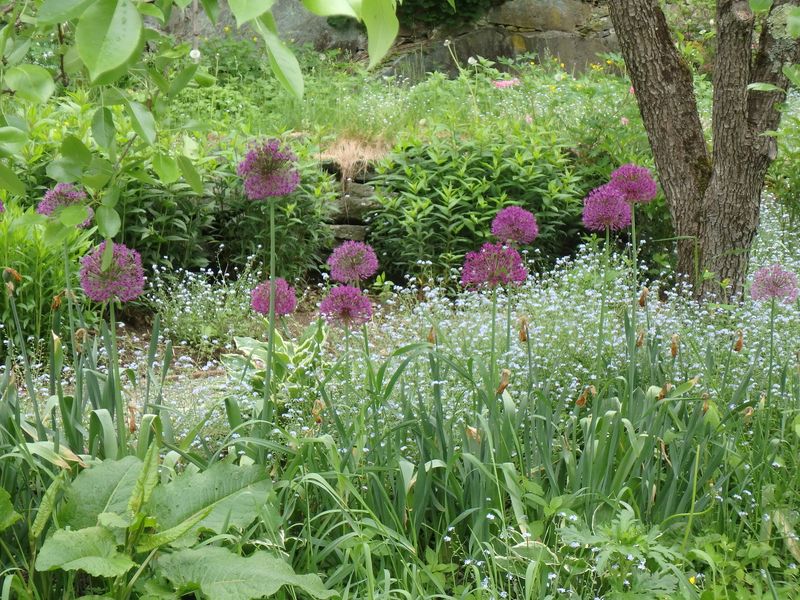
Here is a clever twist for gardeners who love spring color: certain flower bulbs actually smell and taste bad to chipmunks. Daffodils and alliums, the ornamental onion cousins, carry compounds that these rodents refuse to nibble or dig around.
Plant them among the bulbs you actually worry about, like tulips and crocuses, to form a fragrant shield underground. The chipmunks tend to steer clear of the whole patch rather than pick through the offensive-smelling neighbors to reach the tasty ones.
These bulbs stand out because they defend your beds from below the surface, right where the tunneling happens, while rewarding you with blooms above. Fun fact: daffodils contain a bitter substance called lycorine that most animals instinctively avoid, which is why deer skip them too. Tuck them in during fall planting and you build a scented barrier that returns and multiplies year after year.