
If Deer Keep Grazing Your Beds At Night, These Fragrant Plants Make Them Turn Around
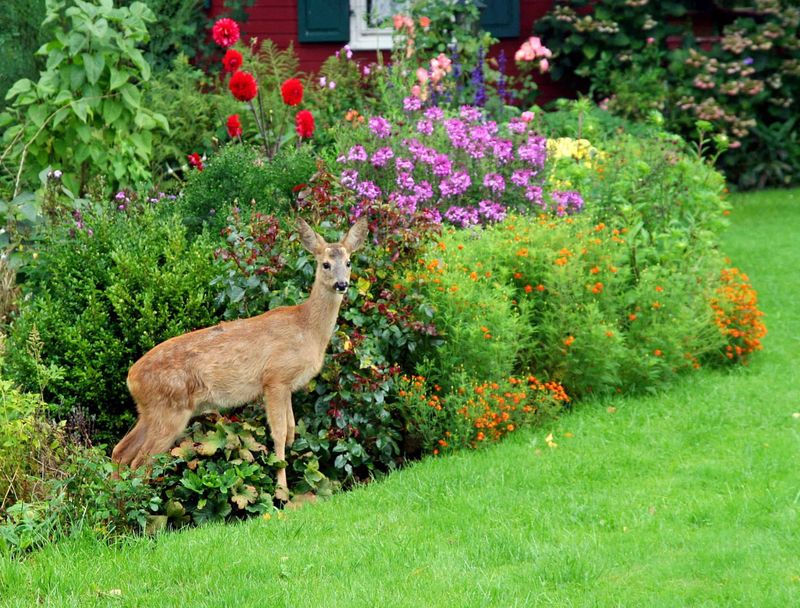
Waking up to find your flower beds chewed to nubs is enough to make any gardener groan. Deer are creatures of habit, and once they discover a tasty buffet in your yard, they keep coming back night after night. The good news is that their sensitive noses can work against them, because certain strong-smelling plants send them wandering off to graze somewhere else. Here are eight fragrant plants that can help turn your beds into a spot deer would rather skip.
1. Lavender
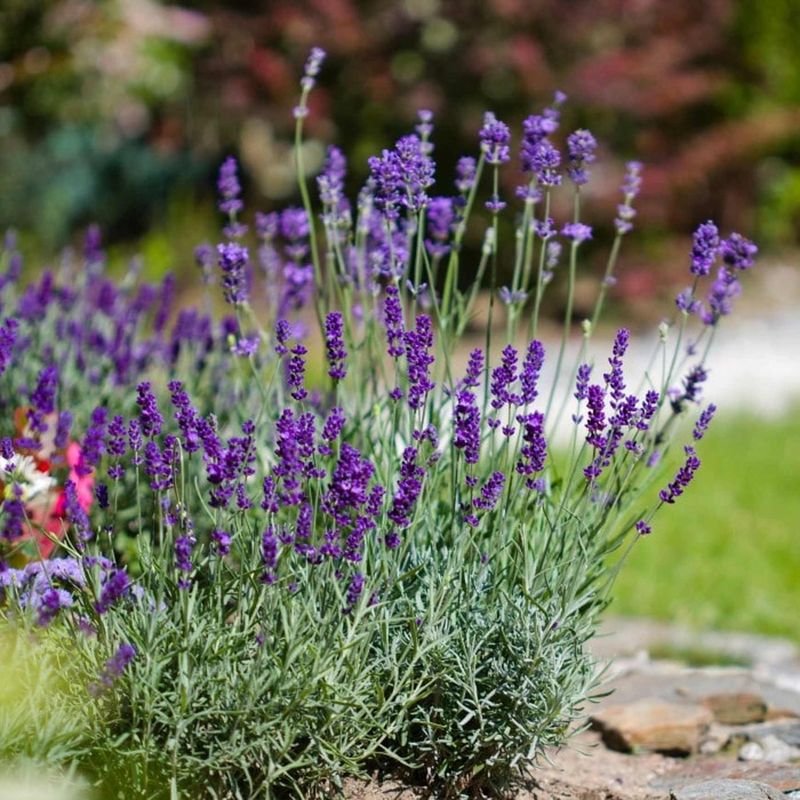
Picture a hazy purple hedge buzzing with bees while a herd of deer strolls right past it. That is lavender doing its quiet job. The oils that make this plant smell so wonderful to us are exactly what deer want nothing to do with, and the scent lingers strongest during warm summer evenings when deer tend to browse.
Lavender loves the same conditions many US backyards can offer: full sun, gritty soil, and not too much water. Once it settles in, it shrugs off drought and keeps pumping out fragrance from early summer into fall.
Plant it along the edges of beds you want protected, almost like a scented fence line. Deer often turn away before they even reach the plants growing behind it. As a bonus, you get cut flowers for the kitchen and a plant that pollinators adore.
2. Russian Sage
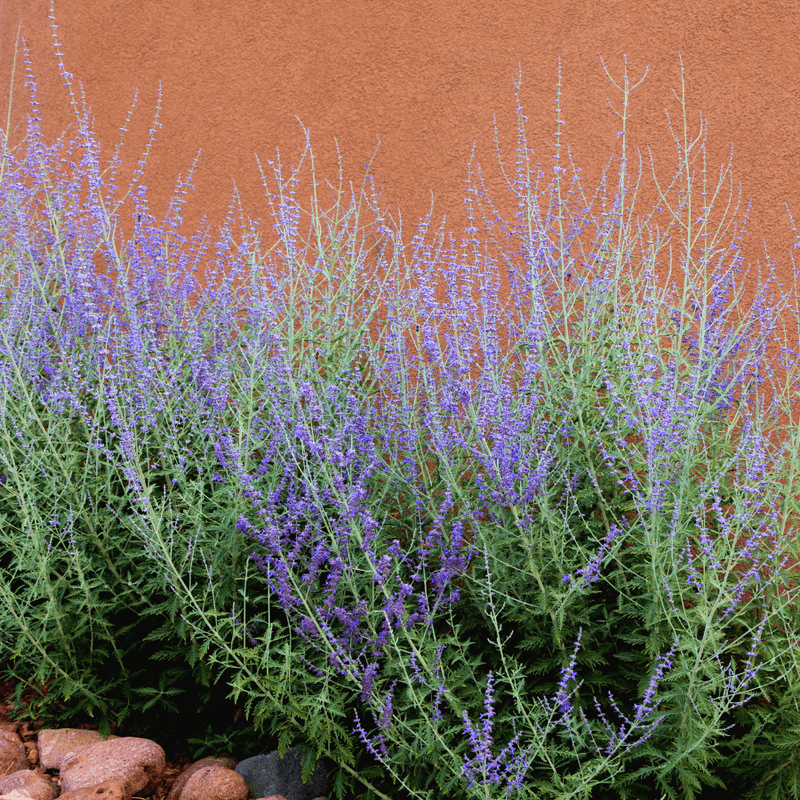
Airy, silvery, and tough as old boots, Russian sage brings a haze of lavender-blue flowers that sway on tall stems all summer long. Brush against it and you get a sharp, sage-like scent that deer find downright offensive.
What sets this plant apart is how little it asks of you. Poor soil, blazing heat, road salt, and long dry spells barely faze it, which makes it a favorite for those tricky spots where nothing else thrives.
Because it grows tall and wide, a few plants can screen a large area on their own. The strong aroma travels well, so deer may catch the warning before they wander close. Give it room, plenty of sun, and it will reward you with months of soft color and steady protection.
Fun bit of trivia: despite the name, Russian sage is neither a true sage nor originally Russian, tracing its roots to central Asia instead.
3. Catmint
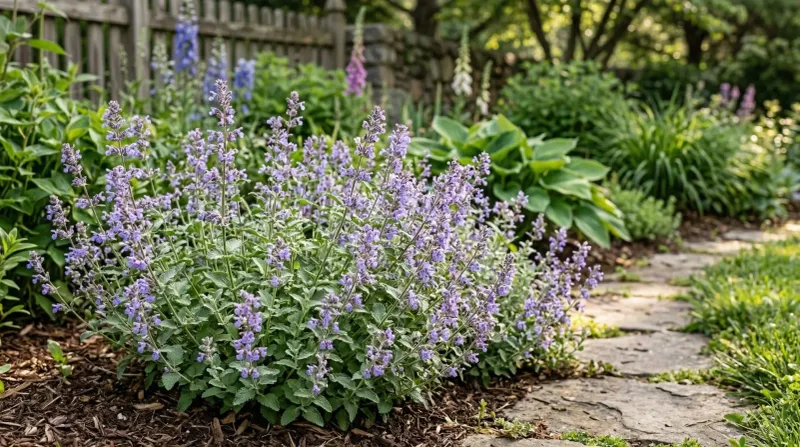
Don’t let the name fool you into thinking only cats care about this one. Catmint puts out a minty, herbal punch that deer usually decide is not worth the trouble, all while covering itself in soft blue-purple blooms for weeks on end.
Gardeners love it because it is nearly impossible to kill. It handles heat, tolerates dry soil, and bounces right back with a fresh flush of flowers if you shear it after the first bloom fades.
Use it as a low, billowing border in front of taller plants, and it doubles as both a fragrant deterrent and a tidy edging. The gentle gray-green foliage looks great spilling over walkways or the front of a raised bed. Bees and butterflies will thank you, even as the deer keep their distance.
4. Rosemary
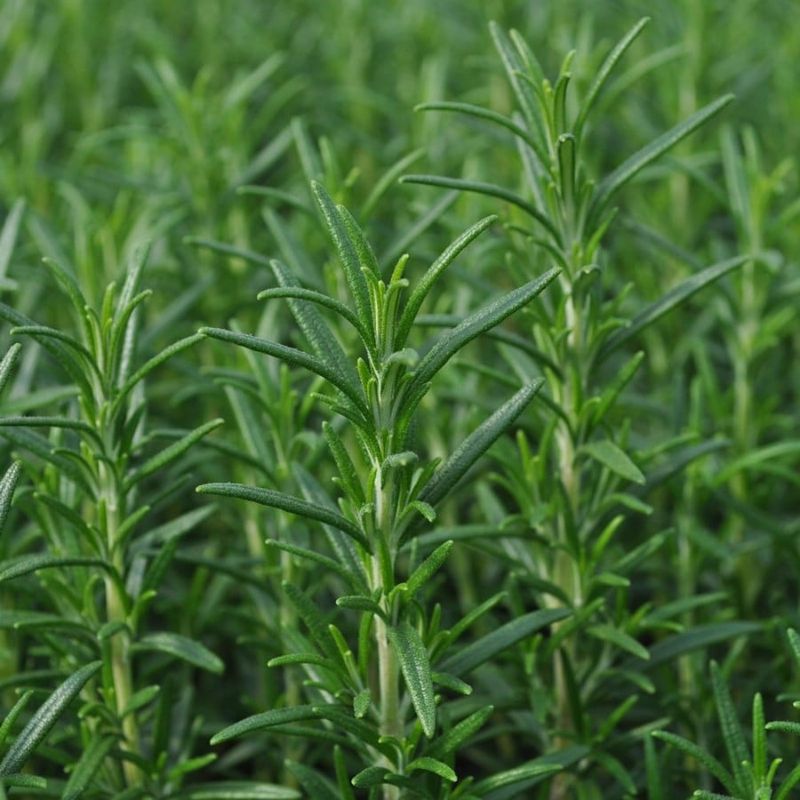
A pinch of rosemary can flavor a roast, but a whole shrub of it can flavor the air enough to send deer packing. The resinous, pine-like smell clings to your fingers and drifts across the garden, and deer would much rather graze somewhere without that heavy herbal fog.
In warmer US zones, rosemary grows into a sturdy evergreen shrub that guards your beds year-round. In colder regions, tuck it into a large container so you can pull it indoors before a hard freeze.
Set it near patios, doorways, and the edges of vegetable beds where deer damage stings the most. Every time you brush past, you release more of that aroma, keeping the deterrent fresh. And of course, dinner is always within arm’s reach.
5. Bee Balm
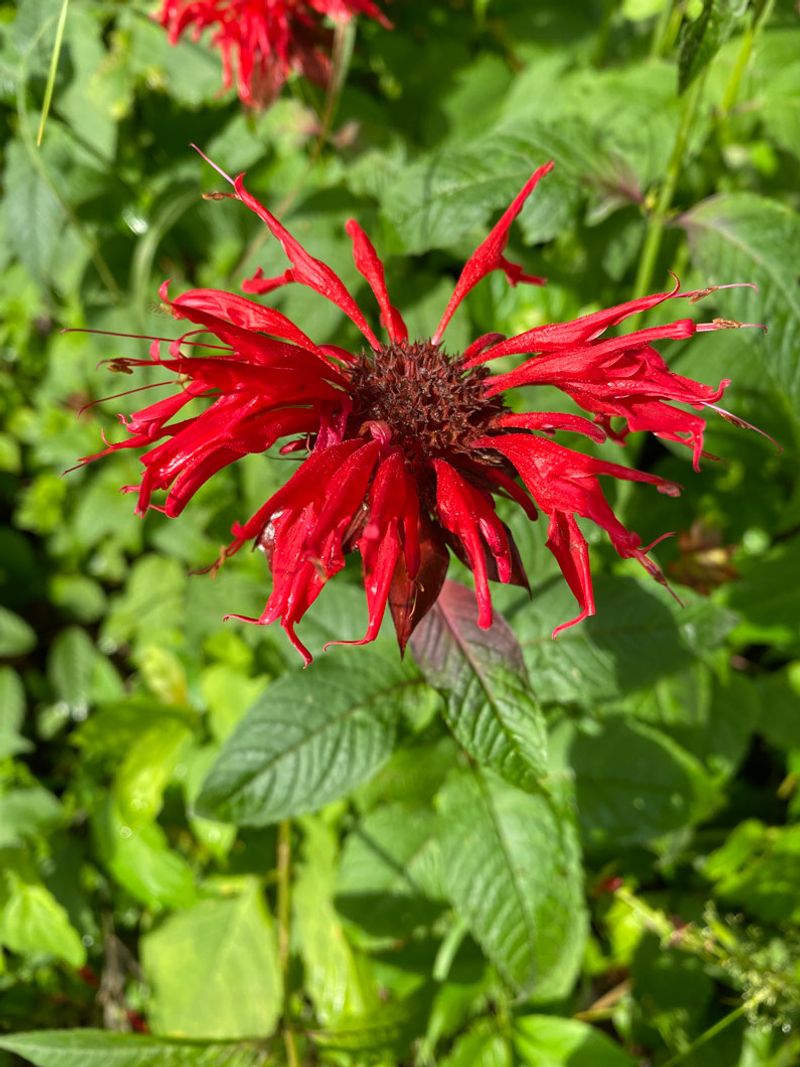
Wild, shaggy, and bursting with color, bee balm looks like a firework frozen mid-explosion. Behind those spiky red, pink, or purple blooms sits a leaf loaded with a spicy, oregano-like scent that deer tend to steer around.
Native to much of North America, it fits right into US backyards and asks for little beyond a sunny spot with decent moisture. It spreads happily, filling gaps and forming fragrant patches that double as a hummingbird magnet.
Plant it in clusters so the scent builds into something deer notice from a distance. The bold flowers add a splash of drama that most deer-resistant plants can’t match, proving that protection doesn’t have to be dull. Pinch off spent blooms and it keeps the show going deep into summer.
6. Salvia
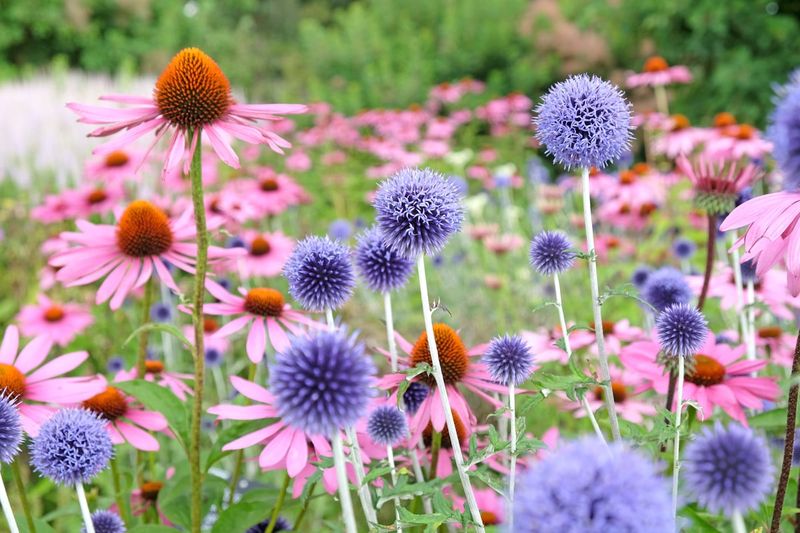
Tall spikes of blue, purple, or scarlet rising above textured leaves make salvia a showstopper, and its aromatic foliage happens to be a genuine turnoff for hungry deer. Run your hand along the leaves and you will catch a musky, herbal scent that keeps browsers moving.
There is a salvia for nearly every US garden, from heat-loving annuals to hardy perennials that return each spring. Most crave sun and drain-happy soil, and they laugh off dry spells once established.
Because the flower spikes stand upright, salvia works beautifully as a colorful middle layer in a bed, sandwiched between lower deterrents and taller shrubs. The nonstop blooms feed bees, butterflies, and hummingbirds while quietly telling deer to look elsewhere for dinner.
7. Marigold
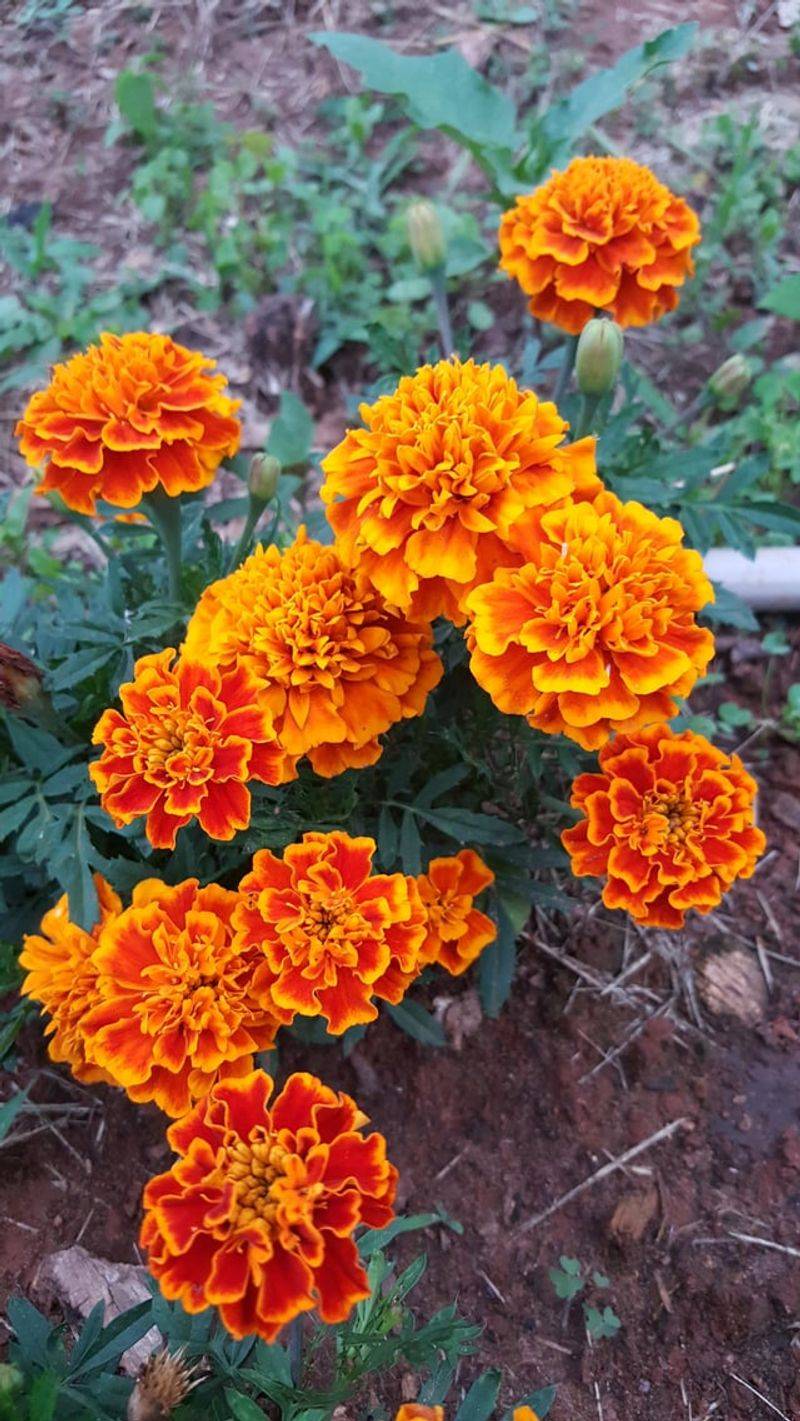
Cheerful little suns of orange and yellow, marigolds pack a surprisingly pungent punch for such a small flower. That sharp, slightly musky smell is why generations of gardeners have tucked them around beds and borders as a low-cost, fast-growing guard.
Marigolds sprout easily from seed and bloom their hearts out from late spring until frost, so you get a whole season of scent for pocket change. They thrive in the heat and keep flowering even when the weather turns brutal.
Ring your vegetable patch or flower bed with them and you create a fragrant perimeter that many deer would rather not cross. Some gardeners swear they help with other garden pests too, though results vary from yard to yard. Either way, few plants give you this much color and coverage so quickly.
8. Thyme
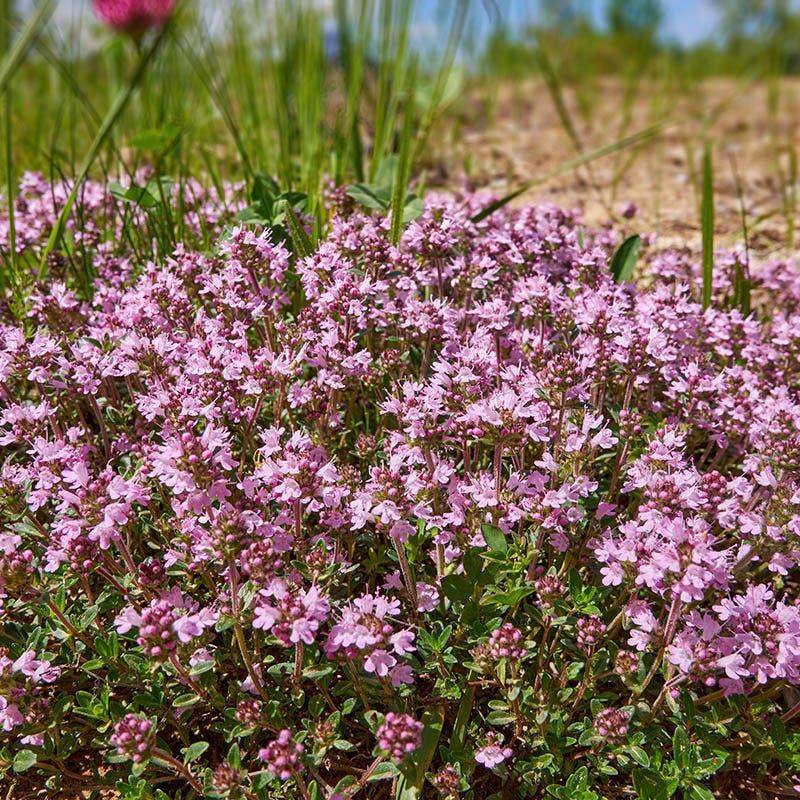
Small enough to walk on yet mighty enough to matter, creeping thyme forms a fragrant living carpet that deer find distinctly unappealing. Step on it or brush it and a warm, savory aroma rises up, spreading the deterrent across every inch it covers.
Thyme thrives in lean, well-drained soil and full sun, filling gaps between pavers, spilling over rock walls, and blanketing the ground where mulch usually goes. Once rooted, it needs almost no fuss and shrugs off drought like a champ.
Use it as an underplanting beneath taller deterrents so scent rises from both ground level and above. The tiny summer flowers draw bees while the leaves keep deer moving along. As a kitchen bonus, you can snip sprigs for soups and roasts anytime the mood strikes.