
13 Perennials To Cut Back Now For A Second Wave Of Late-Summer Blooms (And 4 To Leave Completely Alone)
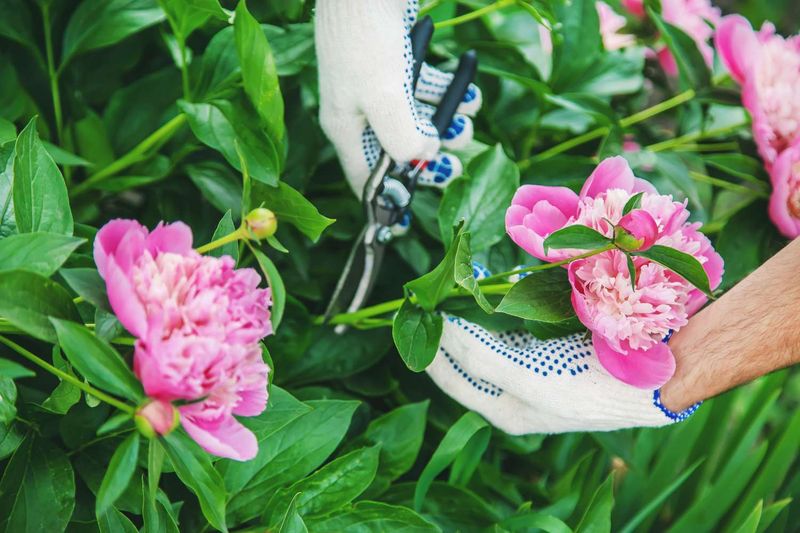
Your garden might look a little tired by mid-July, with faded flowers and leggy stems that have given their best. Here’s the good news: a lot of perennials will bloom all over again if you give them a smart trim right now. Cutting certain plants back at the right moment tricks them into pushing out fresh growth and a whole second round of color before fall. At the same time, a few plants should never feel the blades, because cutting them wastes your only show or robes the birds and pollinators of a feast.
1. Catmint (Nepenta)
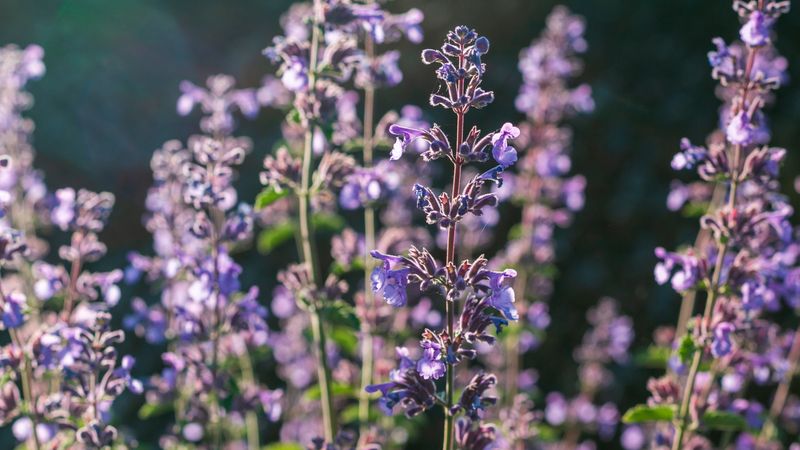
Few plants respond to a haircut as cheerfully as catmint. Once its first flush of lavender-blue spires starts to flop open and turn brown in the center, that sprawling mess is your cue to grab the shears.
Shearing the whole plant back by about half, right down to the fresh basal leaves you can see hiding underneath, resets it completely. Within two to three weeks you get a tidy mound covered in a fresh wave of blooms that often lasts into September.
Bees and hummingbirds will thank you for the encore, and the cats in your neighborhood might too. Don’t be shy with the cut, because catmint is one of the toughest perennials in the American backyard and bounces back fast even in the heat.
2. Salvia (Perennial Sage)
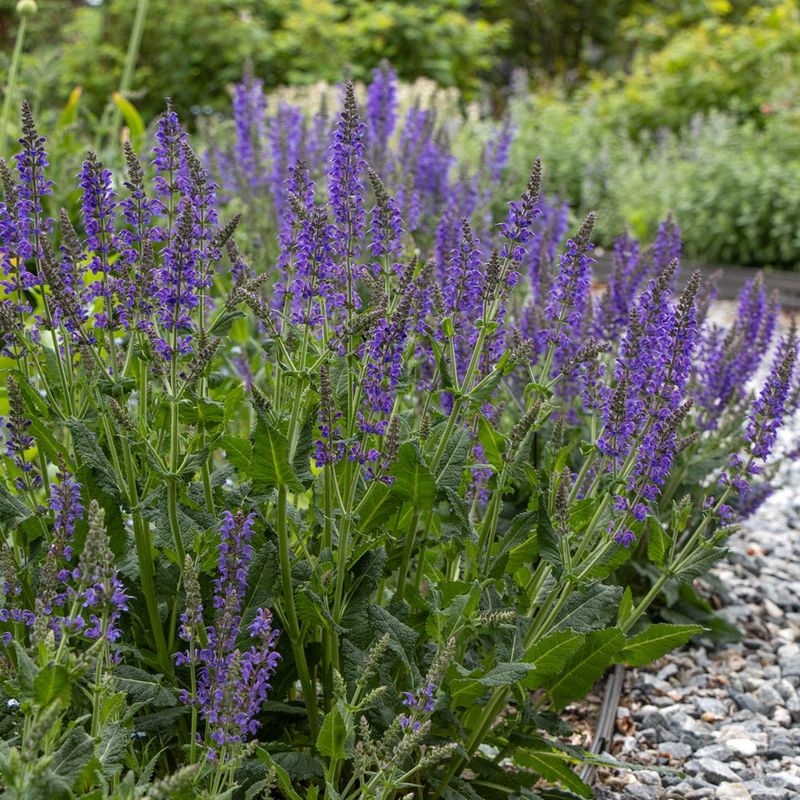
Those tall purple wands of perennial salvia put on a knockout show in early summer, then fizzle into brown seed spikes that just sit there. Snipping off each spent flower stem down to a set of healthy leaves is the trick that keeps the party going.
If the whole plant looks exhausted, you can shear the entire clump back by a third. New side shoots respond quickly, and many varieties like ‘May Night’ or ‘Caradonna’ will hand you a second and even third flush before frost.
Pollinators love the repeat performance, and the plant stays compact instead of splitting open in the middle. A little deadheading every couple of weeks keeps this one blooming almost all season long.
3. Shasta Daisy
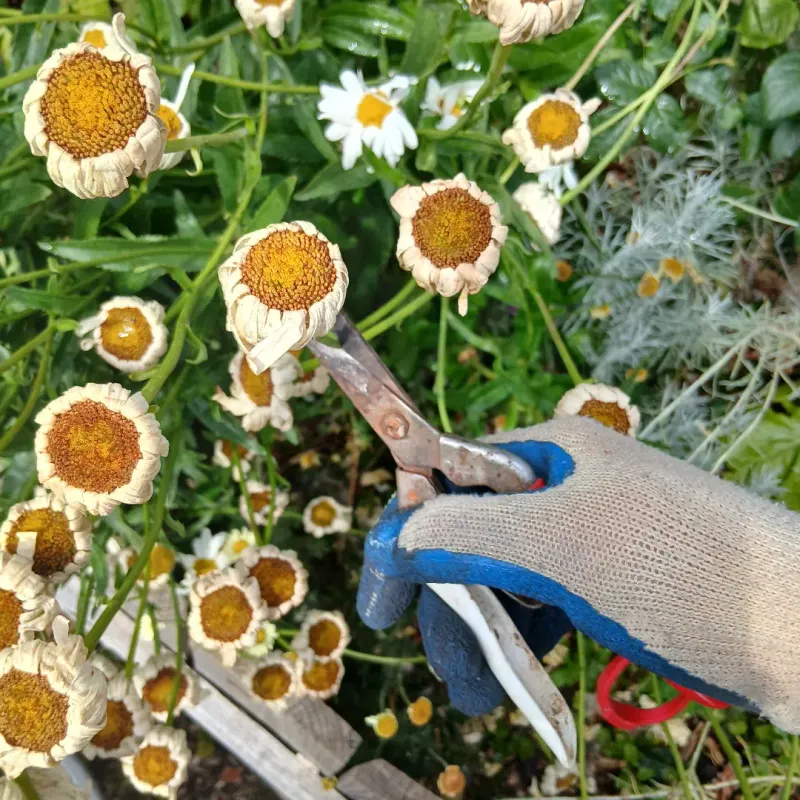
Cheerful white petals with sunny yellow centers make Shasta daisies a backyard classic, but they slow way down once the first blooms fade to brown buttons. Cutting each finished stem back to the leafy base signals the plant to keep producing rather than setting seed.
For a big patch, you can shear across the top to remove all the spent heads at once. Fresh buds usually appear within a few weeks, giving you a fuller second display right when late-summer beds start looking thin.
Regular deadheading also keeps the clump from getting floppy and top-heavy. Snip generously and you’ll stretch that crisp black-eyed-cousin daisy look well past its usual expiration date.
4. Coreopsis (Tickseed)
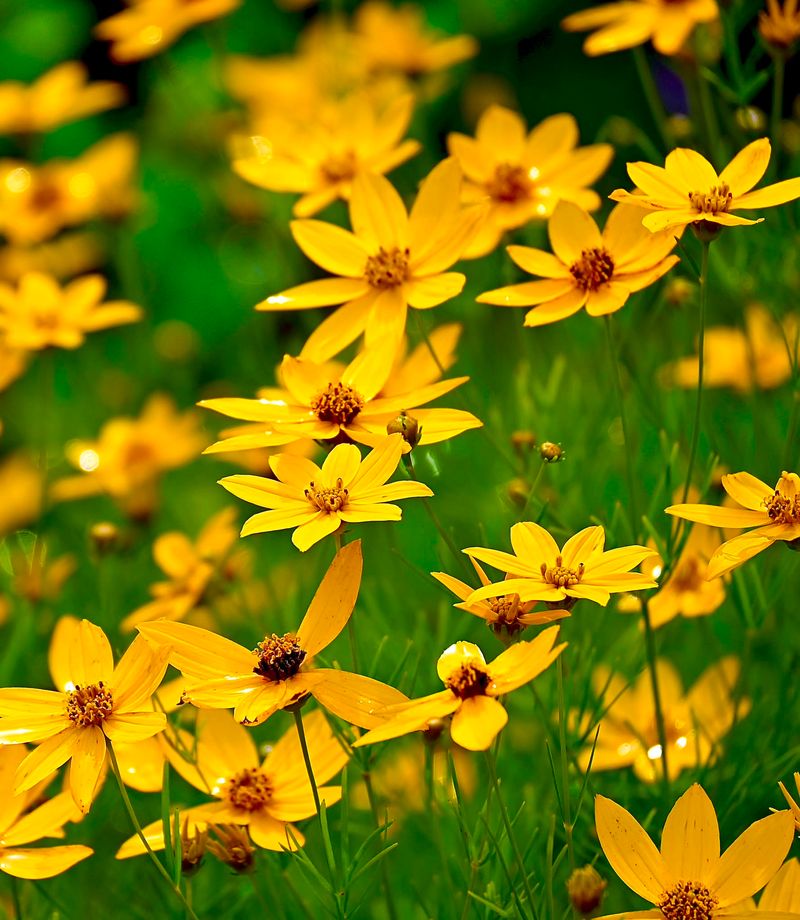
Coreopsis practically begs to be sheared, and it rewards you almost embarrassingly fast. By midsummer the plant is often a tangle of wiry stems topped with spent, papery blooms that hide the fresh buds underneath.
Rather than picking off individual flowers, most gardeners just grab a handful and shear the whole clump back by about a third. Threadleaf types like ‘Moonbeam’ bounce back with a cloud of golden daisies in a couple of weeks.
What makes tickseed special is how forgiving it is, thriving in poor soil and heat where fussier plants sulk. Give it that summer chop and you’ll have color humming with pollinators right up until cool weather arrives.
5. Hardy Geranium (Cranesbill)
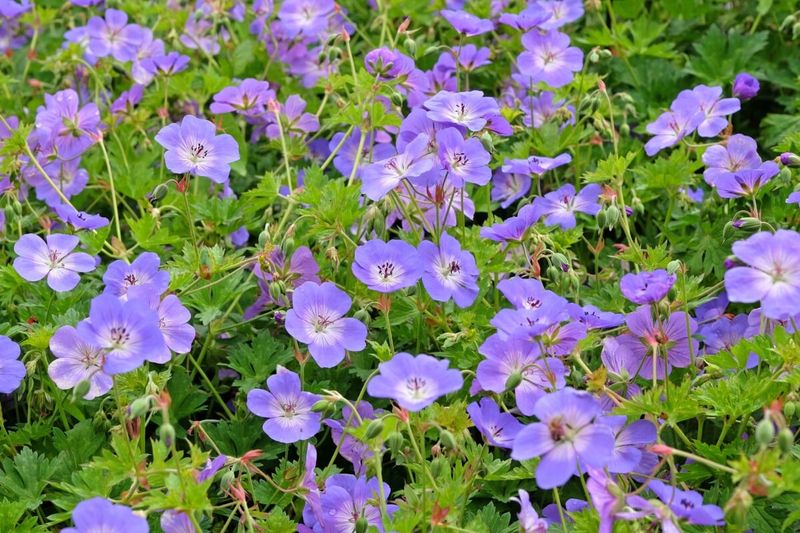
Come July, hardy geranium often collapses into a sprawling, yellowing heap that looks like it’s calling it quits for the year. Don’t believe it. Cutting the entire plant right down to a couple of inches above the ground works like magic on this one.
The clump looks bare and a little sad for a week or so, then erupts with a fresh mound of clean foliage and a whole new round of dainty saucer-shaped flowers. Varieties like ‘Rozanne’ will keep flowering into fall after this reset.
Because you’re removing the tired old growth completely, you also clear out any mildew or ratty leaves in one swoop. It feels drastic, but cranesbill is one of the most reliable comeback stories in the perennial world.
6. Yarrow (Achillea)
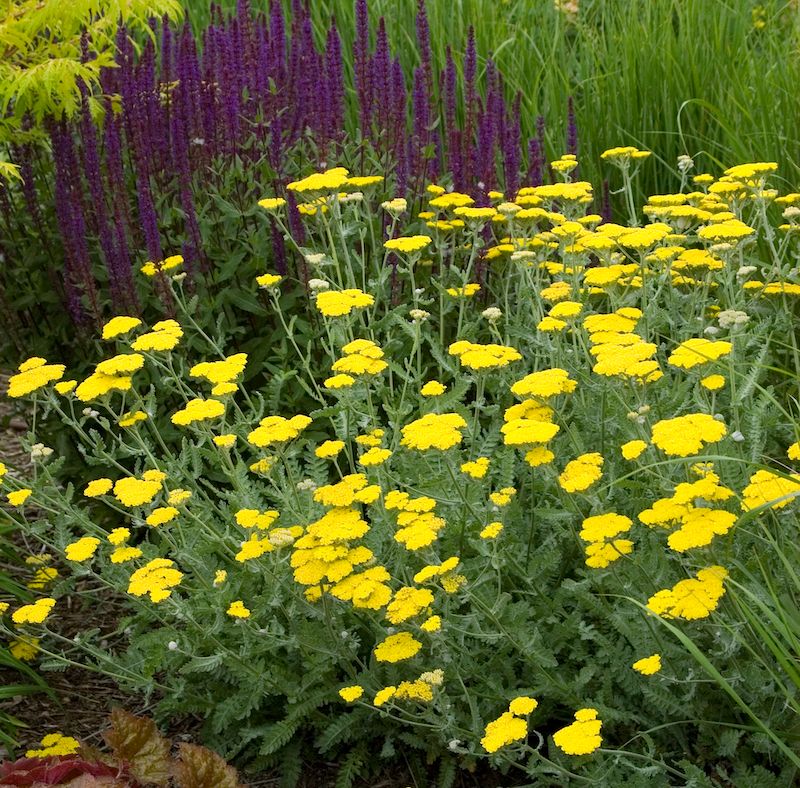
Flat-topped yarrow blooms hold their color for weeks, but once they brown out they can drag the whole plant down and cause it to flop. Trimming each spent flower stem back down into the ferny foliage encourages a fresh set of secondary blooms.
Yarrow spreads readily, and shearing after the first bloom also keeps it from seeding itself all over your beds. New flower clusters tend to be a bit smaller but still bring that flat, landing-pad shape butterflies adore.
A fun bit of history: yarrow was carried by soldiers for centuries to help stop bleeding, which is why one old nickname is soldier’s woundwort. Give this tough native-adjacent plant a midsummer cut and it’ll reward you with color and pollinators well into the warm months.
7. Delphinium
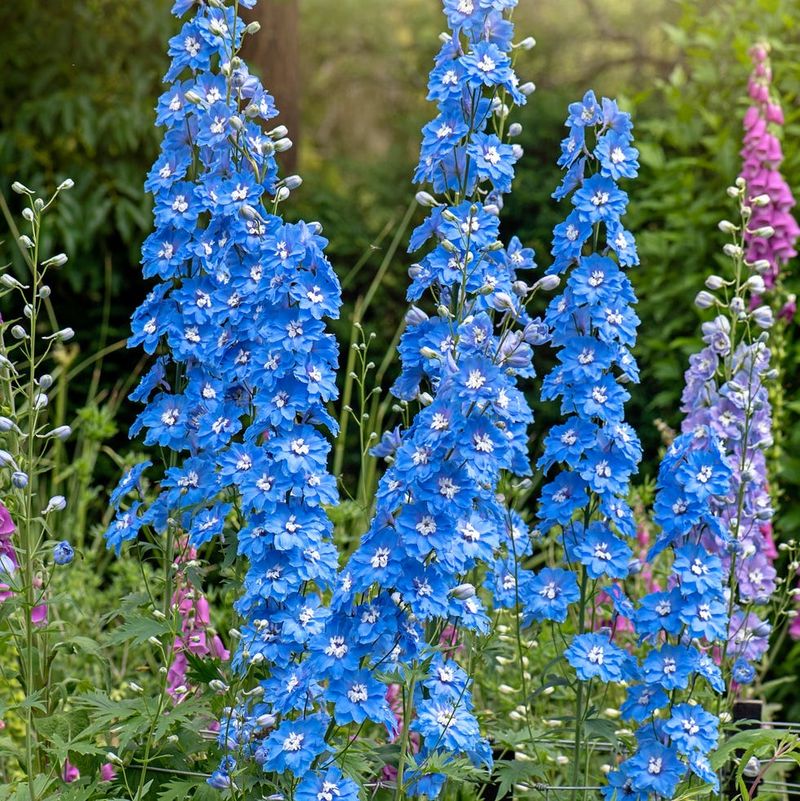
Those towering blue spires are the showstoppers of the early border, and when they finish they leave behind tall, gawky stalks. Here’s where a bold move pays off: cut the finished flower stalk all the way down to the fresh leaves sprouting at the base.
Feed and water the plant well afterward, and delphinium will often push up a second, shorter set of spikes in late summer. That encore won’t be quite as grand as the first, but stumbling on delphinium blue in August feels like a small miracle.
Keep the crown from sitting soggy, since these beauties dislike wet feet. Treat them right after the chop and you double your dose of that impossible sky-blue color.
8. Bee Balm (Monarda)
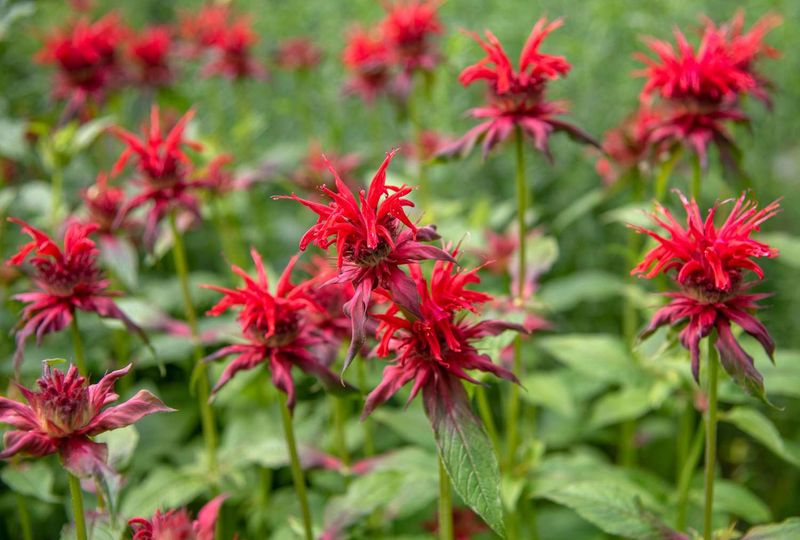
Shaggy, firework-shaped bee balm blooms draw hummingbirds like a magnet, but the plant is notorious for developing powdery white mildew on its lower leaves by midsummer. Cutting spent flower heads back to a leaf node encourages fresh buds, and thinning out crowded stems improves airflow at the same time.
If mildew has really taken hold, you can cut affected stems well down and let clean new growth replace them. Many gardeners get a modest second flush of those spiky red, pink, or purple blooms as a bonus.
Bee balm’s leaves smell wonderfully of citrus and mint when you brush them, and the plant is a beloved native pollinator magnet. A thoughtful summer trim keeps it healthy and flowering instead of turning into a dusty gray eyesore.
9. Blanket Flower (Gaillardia)
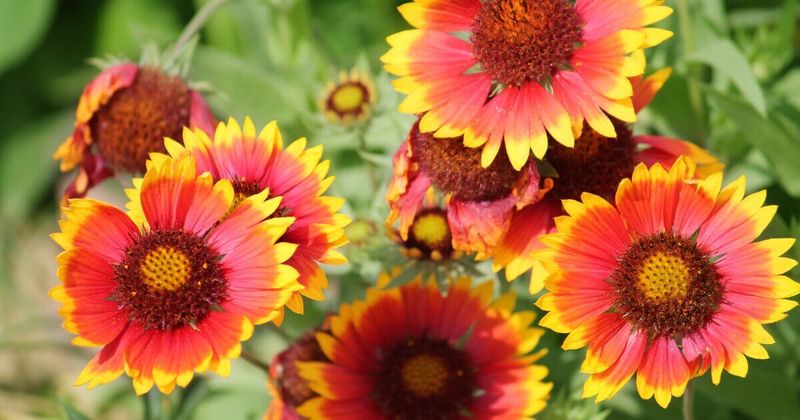
With its blaze of red and gold pinwheel petals, blanket flower looks like a slice of summer sunset dropped into your border. It blooms hard for weeks, but tends to slow down and get scraggly if you let the seedheads pile up.
Snipping spent blooms back to the next bud keeps a steady parade of new flowers coming, and a light overall shear rejuvenates a tired plant. Gaillardia thrives on neglect and heat, so this is a low-effort trim with a big payoff.
Leave a few final seedheads in fall if you want, since goldfinches enjoy them. But through the heart of summer, keep clipping and this prairie native will keep glowing right through the hottest stretch of the year.
10. Veronica (Speedwell)
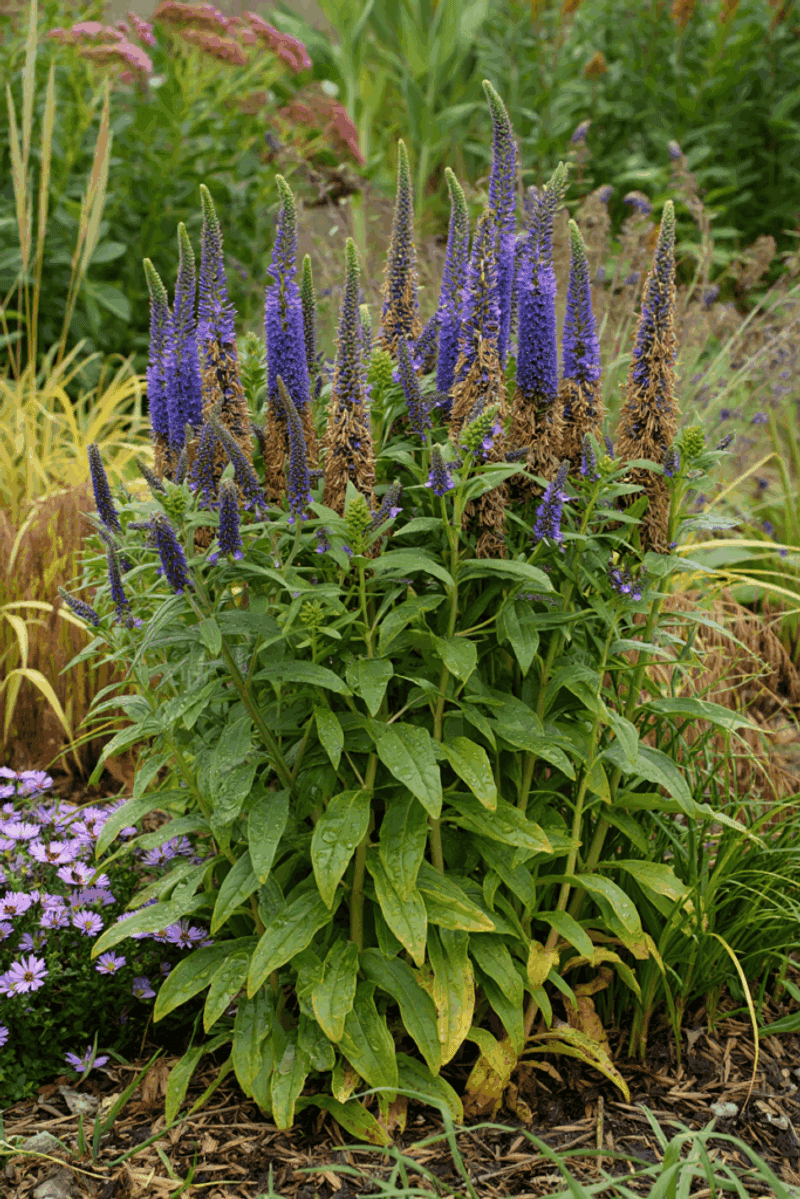
Slender veronica spikes stand up like little candles in shades of blue, pink, and white, and they fade from the bottom up. Once the bottom third of a spike has gone brown, snipping the whole stem back to a set of side leaves tells the plant to make more.
Speedwell responds quickly, throwing up shorter secondary spikes that keep the vertical interest going in your beds. The narrow flower shape is a favorite of butterflies and small native bees looking for an easy landing.
Because the plant stays fairly compact, this is one of the easier deadheading jobs on the list. A few minutes of snipping every couple of weeks stretches the bloom season noticeably longer.
11. Coneflower (Echinacea)
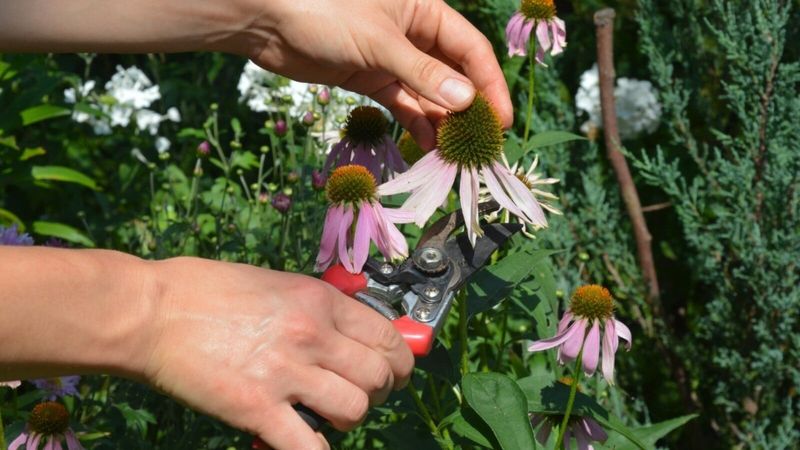
Purple coneflower plays both roles beautifully, and the timing of your cut decides which one you get. Deadheading spent blooms back to a fresh bud or leaf through midsummer pushes the plant to keep producing more of those daisy-like flowers with the spiky copper cones.
The catch is that you want to stop deadheading by late summer so the final seedheads can develop. Those cones become a winter buffet for goldfinches and other seed-eating birds.
So think of coneflower as a two-phase plant: snip for more blooms now, then let the last flush stand for wildlife later. Getting that balance right gives you color in August and busy birds in the colder months.
12. Phlox (Garden Phlox)
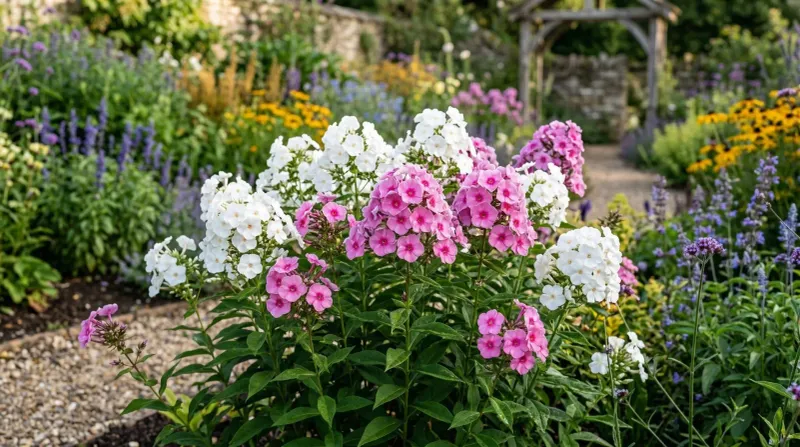
Fragrant clusters of garden phlox perfume the late-summer air, but each big flower head fades unevenly and can look tatty fast. Cutting the spent central cluster off just above the pair of side shoots waiting below coaxes those side branches into a second round of blooms.
Tall phlox is also prone to powdery mildew, so thinning a few of the weakest stems in a crowded clump improves airflow and cuts down on that dusty coating. The reward is a longer, cleaner show of pink, white, or lavender flowers.
Butterflies flock to phlox nectar, making the extra effort worthwhile for anyone who loves watching pollinators work. Keep after the spent heads and this old-fashioned favorite earns its spot in the border twice over.
13. Geranium ‘Rozanne’ and Annual-Style Perennial Geraniums
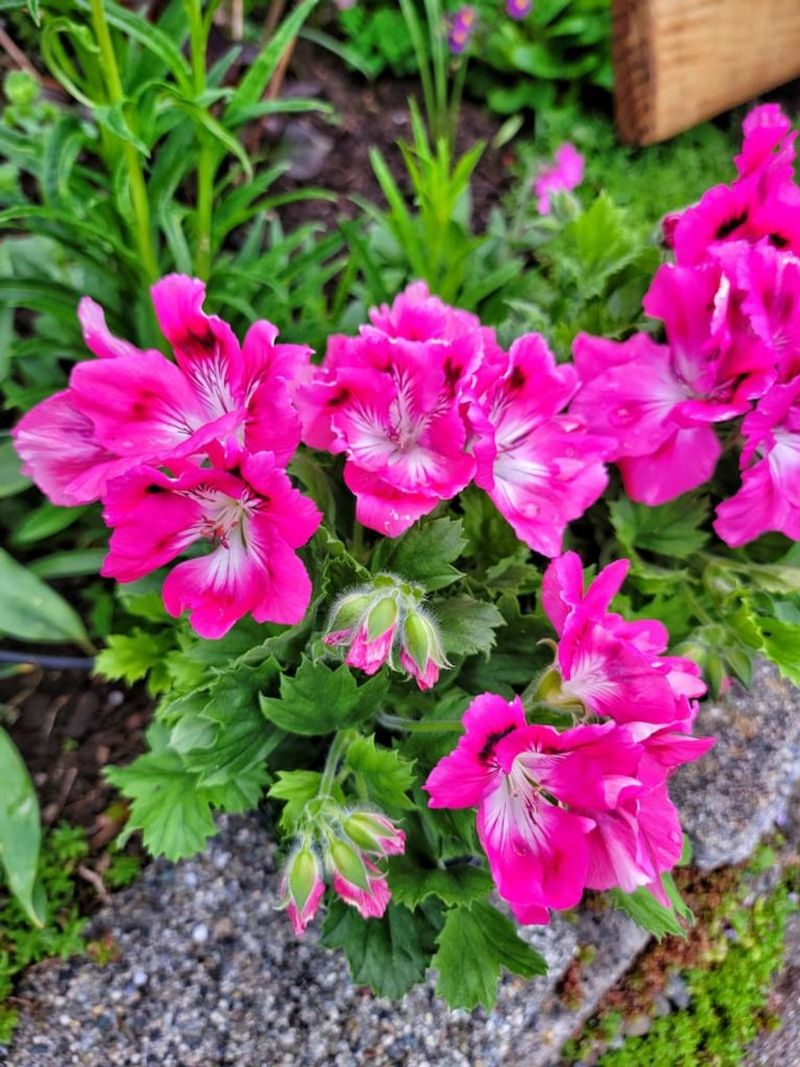
Petunia-style bedding geraniums and their long-blooming perennial cousins share one habit: they stall out if you leave dead flowers hanging on. Pinching or snapping off each faded flower head right at the base of its stalk keeps energy flowing into new buds instead of seed production.
Give the whole plant a light shaping trim when it starts looking leggy, and it fills back out with fresh growth and more blooms. The difference between a deadheaded geranium and a neglected one by August is night and day.
Because the job is so quick and satisfying, it’s an easy habit to build during a morning coffee walk through the garden. Stay on top of it and you’ll have color spilling from beds and containers straight through the warm season.
14. Russian Sage
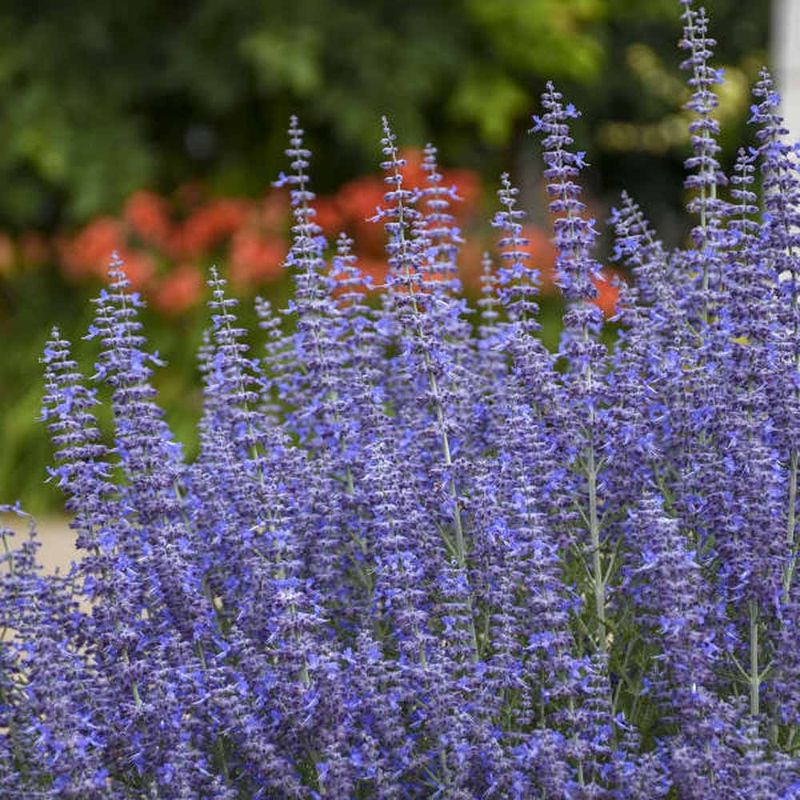
Now for the plants that would rather you put the shears down. Russian sage sends up a haze of silvery stems topped with tiny lavender flowers that keep going strong right through late summer with no help from you.
Chopping it back midsummer just removes the airy purple cloud you planted it for in the first place. Its blooms are still busy feeding bees deep into the season, so there’s no reward hiding behind a summer cut.
Save your pruning for late winter or very early spring, when you can cut the woody stems down hard to encourage strong new growth. Until then, let this drought-tough beauty do its thing and enjoy the show.
15. Ornamental Grasses
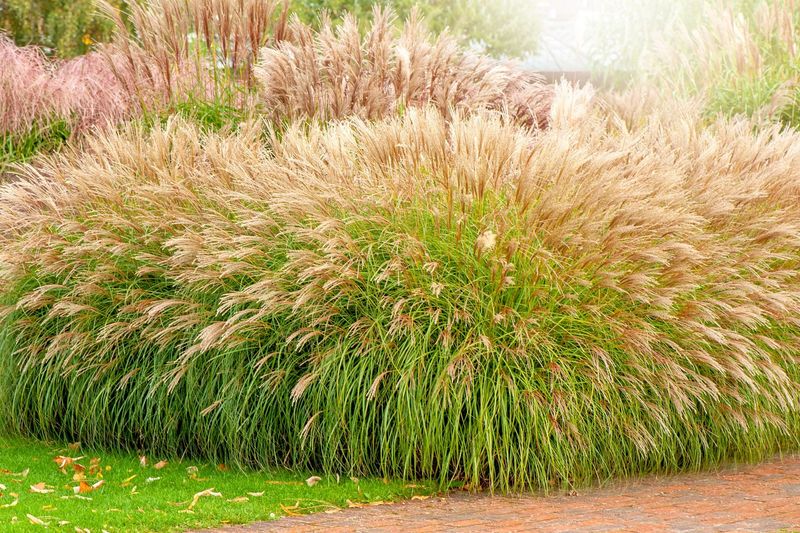
Feather reed grass, fountain grass, and miscanthus are just hitting their stride as summer winds down, sending up plumes and seedheads that catch the light beautifully. Cutting them now would erase the whole reason they exist in the garden.
Their arching blades and fluffy flower heads bring movement and texture exactly when many flowering plants are fading. Left standing, they also add structure and winter interest long after everything else has gone dormant.
Birds shelter in the clumps and nibble the seeds during the cold months, so the grasses keep earning their keep. Wait until late winter or early spring to cut them back to a few inches, right before new growth begins.
16. Sedum ‘Autumn Joy’
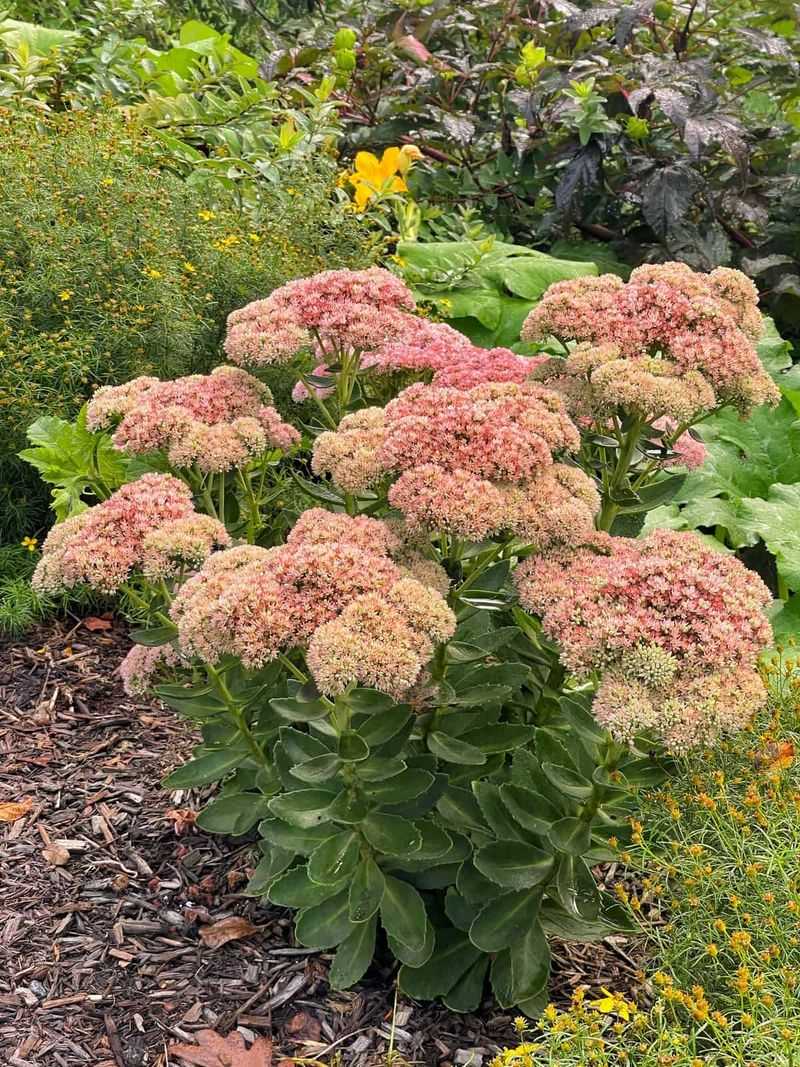
Patience pays off with sedum, because its whole magic is a late-season reveal. Those broccoli-like flower heads spend the summer building up, slowly shifting from pale green to dusty pink and finally to deep rusty red as fall approaches.
Cutting it back now would rob you of the very show it’s been working toward all season. Butterflies and bees crowd the flat blooms once they open, making it a pollinator hotspot right when other nectar sources dwindle.
Come winter, the dried seedheads hold snow caps and add sculptural interest to a sleeping garden. Leave the shears in the shed and let ‘Autumn Joy’ live up to its cheerful name.
17. Black-Eyed Susan (Rudbeckia)
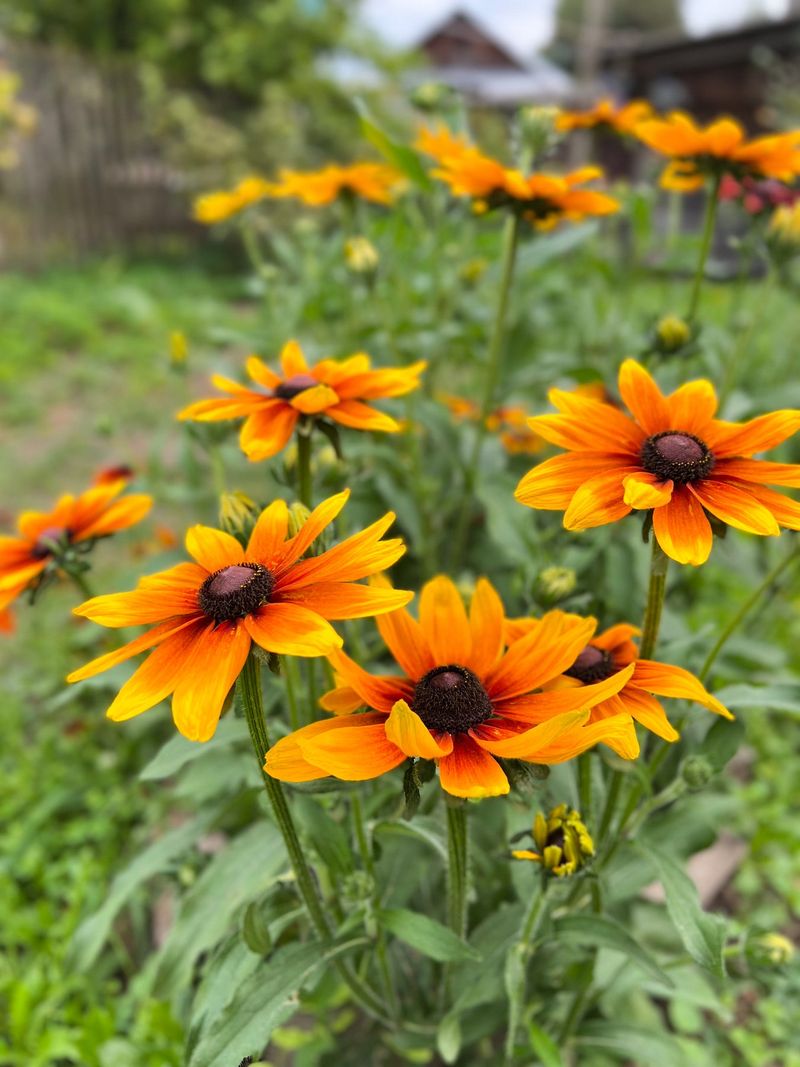
Golden black-eyed Susans are the workhorses of the late-summer border, blooming their hearts out from July into fall without needing a chop to keep going. Shearing them now would only cut short a display that’s just getting warmed up.
Their sunny petals and dark chocolate centers carry the garden through the season when spring perennials have long since quit. Pollinators visit steadily, and the flowers keep coming on their own schedule.
Once frost arrives and the blooms turn to dark seedheads, resist the urge to tidy up too soon. Goldfinches and chickadees feast on those seeds, so leaving the standing stalks turns your border into a winter bird feeder.