
If Your Fall Lettuce Turns Bitter And Bolts Early, Warm Soil Is Rushing It Out Of The Bed
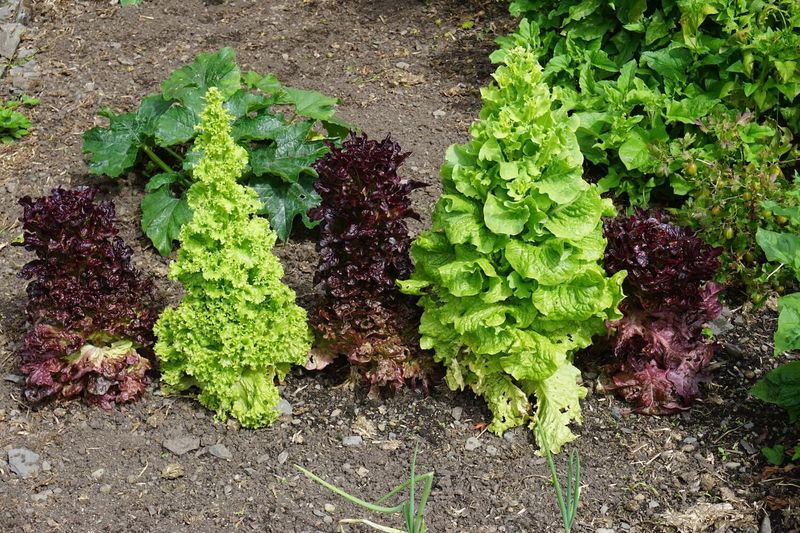
You planned for crisp, sweet fall lettuce, but what came up was sparse, bitter, and already reaching for the sky. Hot soil at sowing time is a real problem, but it tells only part of the story behind a failed fall crop. Heat, uneven moisture, long days, plant age, and cultivar genetics each play a role, and knowing which factor hit your bed first is the fastest way to fix it. This guide separates the causes so you can adjust your timing, care, and variety choices before the next sowing.
The seedbed may be too hot before the lettuce appears
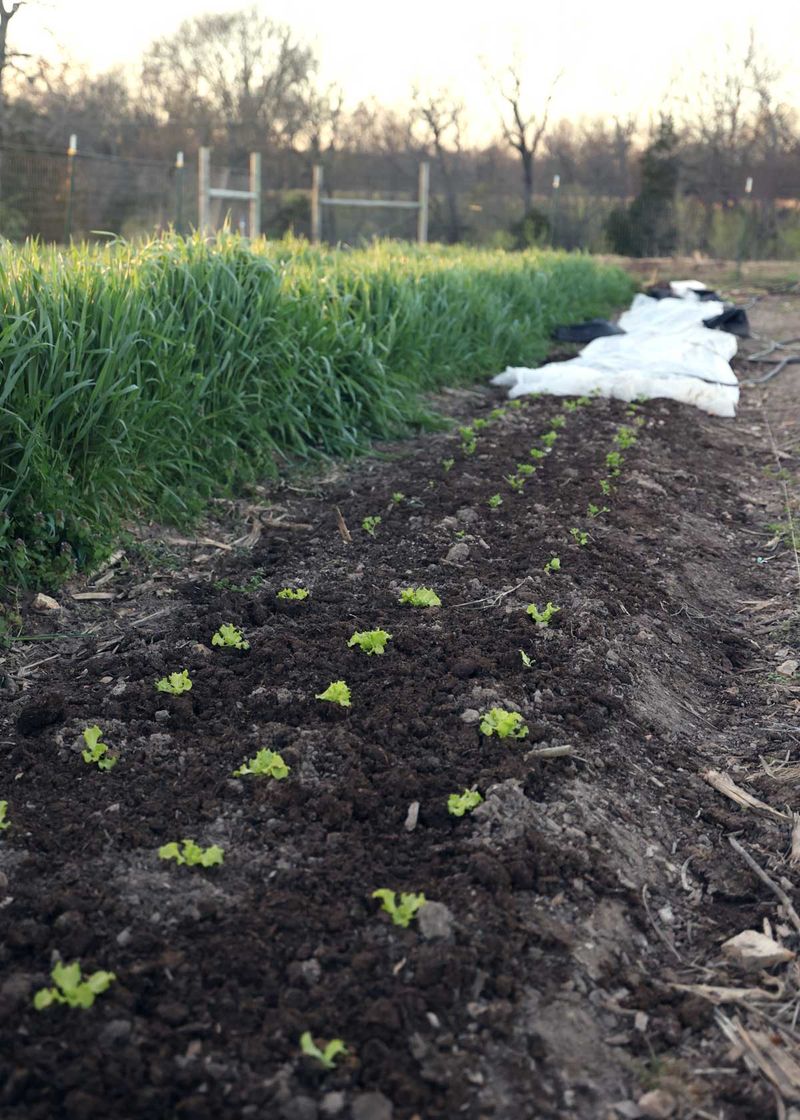
Lettuce seed sits very shallow in the ground, usually planted only about a quarter to half an inch deep. That top layer of soil heats up fast under late-summer sun, and it can reach temperatures well above what the rest of the bed registers on a thermometer probe. When the seedbed stays too hot, the seed may not sprout at all, or it may sit dormant until conditions cool on their own.
Utah State University Extension guidance on growing lettuce describes best germination occurring around 55 to 65 degrees F, with germination becoming unreliable above 80 degrees F. Above that range, seed can enter a dormant state rather than dying outright, which means a gardener who waits may eventually see a flush of seedlings once a cool spell arrives. This response, called thermoinhibition, varies by cultivar, so some varieties handle warmth better than others.
What this means practically: if you sowed fall lettuce in late July or early August and nothing came up within two weeks, hot soil is a reasonable first suspect. A patch that germinated unevenly, with clusters of seedlings in shaded corners and bare soil in the sunny middle, is another sign. Peer-reviewed research on genetic variation in lettuce seed thermotolerance confirms that this upper germination limit is not fixed and differs meaningfully across genotypes, which is why seed packet guidance and local extension recommendations are more reliable than a single temperature rule.
Hot soil explains a poor stand, but it does not explain why an established plant tastes bitter or sends up a flower stalk. Those symptoms have their own causes, covered in the next section. Treating them as the same problem leads to the wrong fix.
Bitter leaves and a seed stalk reveal different stresses
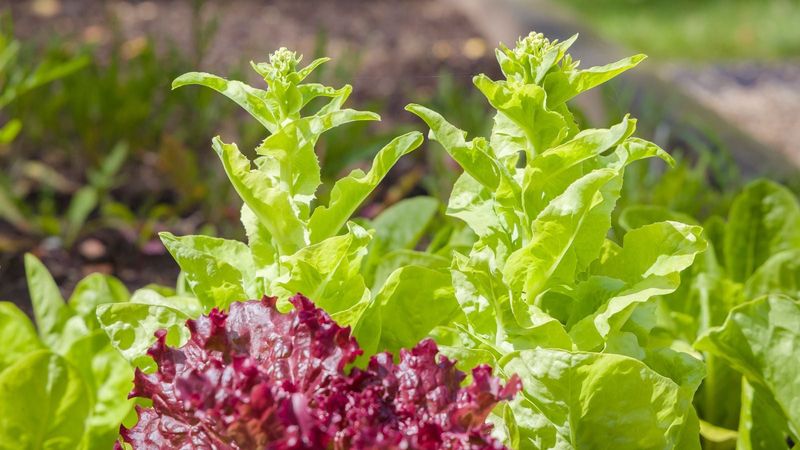
Bitterness and bolting look related, and they often arrive together, but they are not the same thing and do not always share the same cause. A lettuce leaf can taste sharp and unpleasant long before any seed stalk appears. That early bitterness usually traces back to heat stress, inconsistent moisture, or both, pushing the plant to produce more of the latex compounds that make leaves taste harsh.
University of Minnesota Extension notes on growing lettuce describe favorable daytime temperatures topping out around 68 degrees F, with multiple days above roughly 75 degrees F capable of triggering flowering. That 75-degree figure is a useful warning range rather than a hard cutoff; nighttime temperatures, day length, plant age, and cultivar genetics all shape whether a specific plant bolts at a given temperature or holds on a bit longer.
Bolting itself is the shift from leafy vegetative growth to flowering and seed production. Once a plant commits to that transition, it redirects energy away from leaves. The central stalk elongates, leaves become smaller and more bitter, and harvest value drops sharply. Minnesota Extension guidance on cool-season crop problems identifies heat and water stress together as contributors to tough, bitter leaves, not heat alone.
The practical distinction matters for diagnosis. Bitter leaves on a plant with no stalk visible yet point toward heat or moisture stress as the primary driver, and those conditions may still be correctable. A plant already sending up a flower stalk has crossed a threshold where cooling the soil cannot reverse the process. Minnesota Extension’s lettuce bitter-taste diagnostic tool lists heat, drought, and maturity as separate causes, reinforcing that bitterness and bolting deserve individual attention rather than a single blanket explanation.
Fall lettuce succeeds when the calendar follows the weather
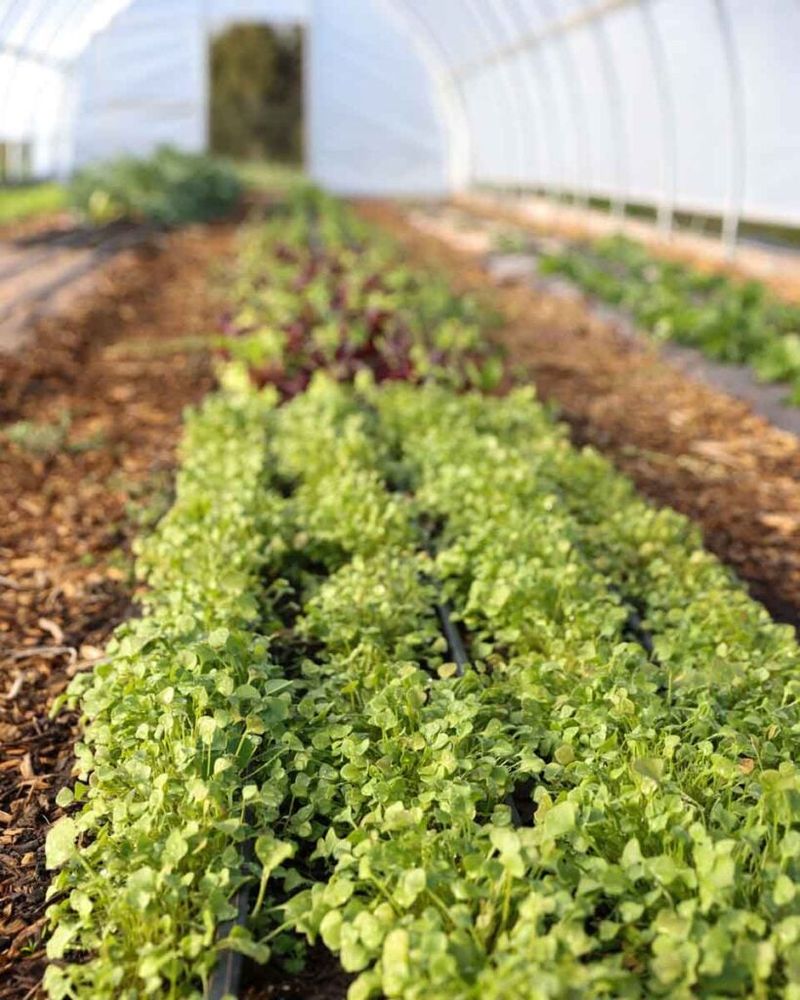
The label “fall lettuce” can be misleading. A seed sown too early in summer may technically be intended for fall harvest, but the plant spends its entire establishment period in summer heat, which is exactly the condition you are trying to avoid. The real goal is timing the crop so that germination and early growth happen as temperatures are trending downward, not while they are still climbing.
Start the calculation from your average first fall frost date, which you can look up through your local cooperative extension office or the USDA plant hardiness map. Count backward by the number of days to maturity printed on your seed packet, then add a buffer of roughly one to two weeks to account for slower growth as days shorten. Minnesota Extension’s midsummer planting guide recommends sowing about three months before the average first frost in northern regions and notes that July is the typical sowing window there. Warmer regions will calculate a later date; cooler regions may need to start sooner.
Adjust for what you are harvesting. Baby leaves from a cut-and-come-again planting mature much faster than a full butterhead or romaine head, so a baby-leaf crop can be sown later and still beat the frost. Full-head types need more lead time. Minnesota Extension’s lettuce growing guide recommends choosing early-maturing or slower-bolting cultivars for hot-weather plantings, which can buy a few extra days of quality before the plant transitions.
Succession sowing, meaning planting small amounts every week or two rather than one large batch, spreads your risk across changing weather. If one sowing catches a heat spike and germinates poorly, the next one may land in better conditions. That habit alone tends to produce more consistent fall harvests than any single perfectly timed planting.
Cool the establishment window with shade, moisture, and timing
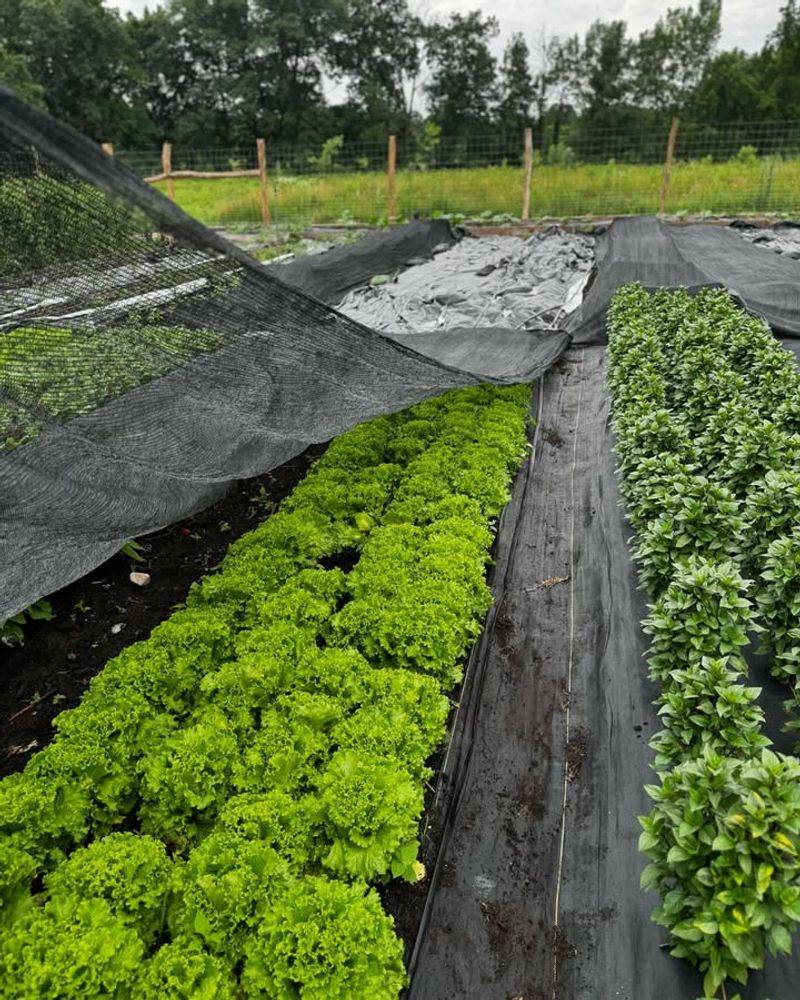
Getting seeds into the ground at the right calendar window is step one, but late-summer conditions can still work against a well-timed sowing. A few targeted steps during the establishment window, the period from germination through the first few true leaves, can make a meaningful difference in stand quality and early plant health.
Location matters more than most gardeners expect. A bed that catches afternoon shade from a fence, a trellis, or a taller crop nearby will run cooler at the soil surface than an open, south-facing bed. If you have the flexibility to shift your lettuce sowing to a spot with less direct afternoon sun, that single adjustment can lower soil temperature by several degrees during the hottest part of the day. Minnesota Extension’s heat-management guidance for home gardens recommends 30 to 40 percent shade cloth as a temporary tool for protecting cool-season greens during heat, and several extension programs describe shade cloth as a way to reduce heat stress and potentially slow the bolting clock.
Shade cloth reduces both light and temperature at the canopy and soil surface. Standard row covers work differently: they trap warmth and raise humidity, which is useful in cold weather but counterproductive during a late-summer heat spell. Keep that distinction in mind when choosing your tools.
Colorado State Extension’s vegetable garden hints describe organic mulch as a way to reduce summer soil temperatures and produce sweeter lettuce. Apply a thin layer of straw or shredded leaves after seedlings have emerged and developed their first true leaves, keeping mulch an inch or two away from the crown to allow airflow. Mulch moderates surface temperature and slows evaporation, but it cannot compensate for a sowing timed too early into peak summer heat.
When late-summer soil is too hot for reliable direct-sown emergence, Utah State Extension’s lettuce guide points to starting transplants in a cooler, controlled environment as a practical workaround. Seedlings started indoors or in a shaded spot can be moved to the garden bed once temperatures moderate, sidestepping the hottest soil conditions entirely.
Even moisture protects quality, but more water is not always better
Lettuce under moisture stress goes bitter faster than almost any other common garden stress. When the soil dries out between waterings, the plant experiences a version of drought pressure even if the gardener waters again the next day. Those repeated dry-wet cycles accumulate over time, increasing bitter latex compounds in the leaves and adding pressure toward early bolting.
Minnesota Extension guidance on cool-season crop problems specifically identifies inconsistent moisture as a contributor to bitterness and tough leaves, a finding echoed by Oregon State and Colorado State extension programs. The target is evenly moist, well-drained soil, not soil that is perpetually wet. Saturated soil creates its own problems, including root disease and poor oxygen exchange, and can be just as damaging as drought in a container or a raised bed with poor drainage.
Checking soil moisture before watering, rather than following a fixed daily schedule, produces better results across different weather patterns. Push a finger an inch into the soil near the plant base. If it feels dry at that depth, water thoroughly. If it still feels damp, wait and check again the following morning.
Watering frequency will change as temperatures shift through the season, so the schedule that worked in August may be too much or too little by October.
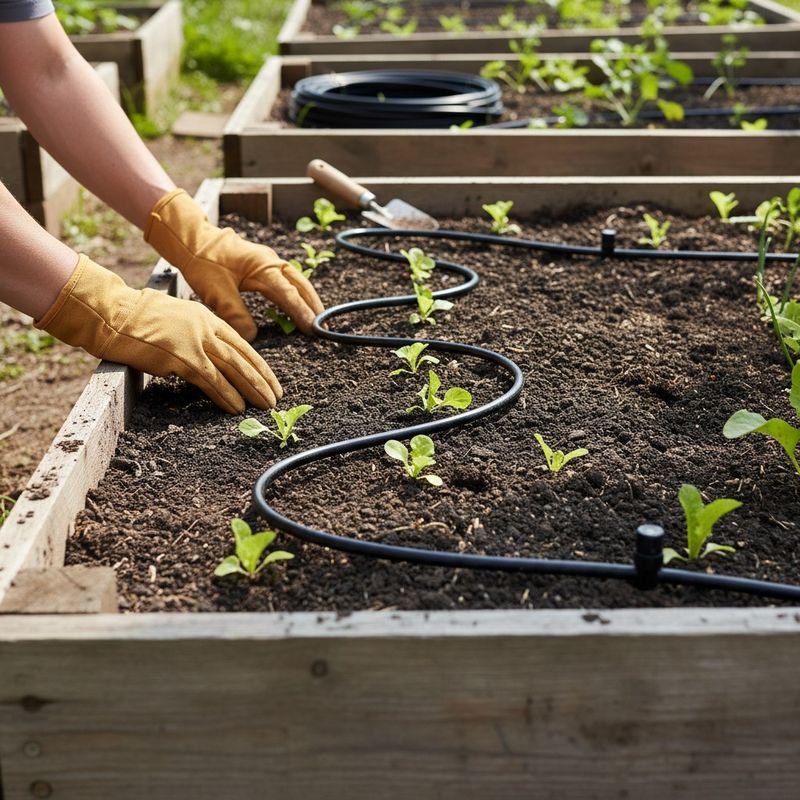
Colorado State Extension’s vegetable garden hints favor soil-level irrigation for vegetable crops, and Oregon State Extension’s heat wave garden guide cautions that wetting foliage can increase disease susceptibility when temperatures and humidity favor pathogens. A drip line or soaker hose delivers water directly to the root zone, keeps leaves dry, and applies moisture slowly enough for the soil to absorb it without runoff. For most home beds and containers, that is a safer and more consistent approach than overhead watering.
Containers and some raised beds can intensify heat and drying
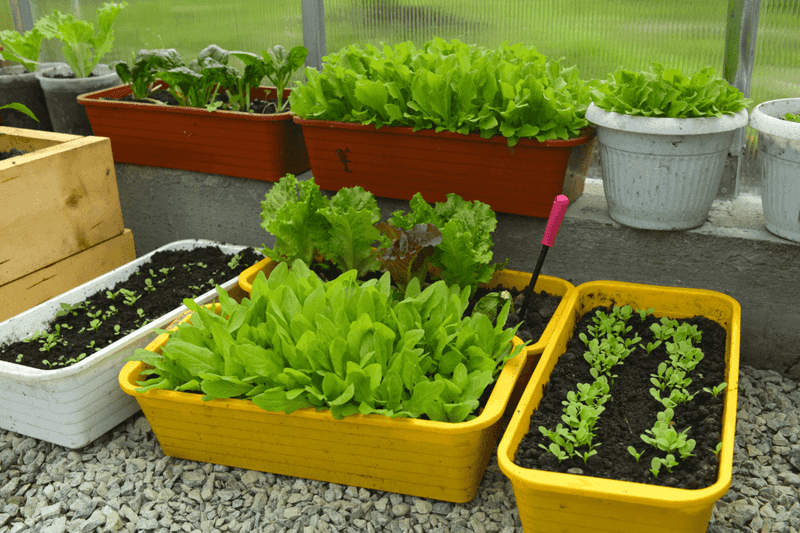
Containers behave differently from in-ground soil, and that difference becomes most obvious during a late-summer heat spell. The entire soil volume in a pot or grow bag is exposed to radiant heat from the sun and from nearby hard surfaces like patios, fences, and walls. Soil in a small container can heat up and dry out within hours on a hot afternoon, creating the exact moisture and temperature stress cycle that drives bitterness and bolting.
Colorado State Extension’s container vegetable gardening guide emphasizes adequate root depth, consistent moisture management, and protection from reflected heat as key factors for container success. For lettuce specifically, that means choosing a container with enough soil volume to buffer temperature swings, checking moisture more frequently than you would in a ground bed, and moving containers out of full afternoon sun during peak heat if the planting location allows it.
Raised beds sit between containers and in-ground soil in terms of heat exposure, but they are not all alike. A shallow raised bed built from dark metal and sitting on a south-facing concrete pad will heat faster and hold heat longer than a deep cedar bed filled with a high-organic-matter mix and shaded by a nearby structure. Soil volume, construction material, location, mulch coverage, and irrigation method all affect how a raised bed behaves in late summer. Treating every raised bed as automatically cooler than a container, or automatically warmer, leads to misjudged care.
The tool distinction from section four applies here too. Shade cloth placed over containers or raised beds during the hottest part of the day reduces light and heat at the canopy level. Row covers do the opposite: University of Maryland Extension’s row cover guidance notes that temperatures under standard row covers can rise 5 to 15 degrees F above ambient, and advises checking or removing covers during hot periods. University of New Hampshire Extension’s row cover overview reinforces that row covers are primarily a cold-protection and frost-extension tool, not a heat buffer.
Harvest before the next heat spell takes the crop
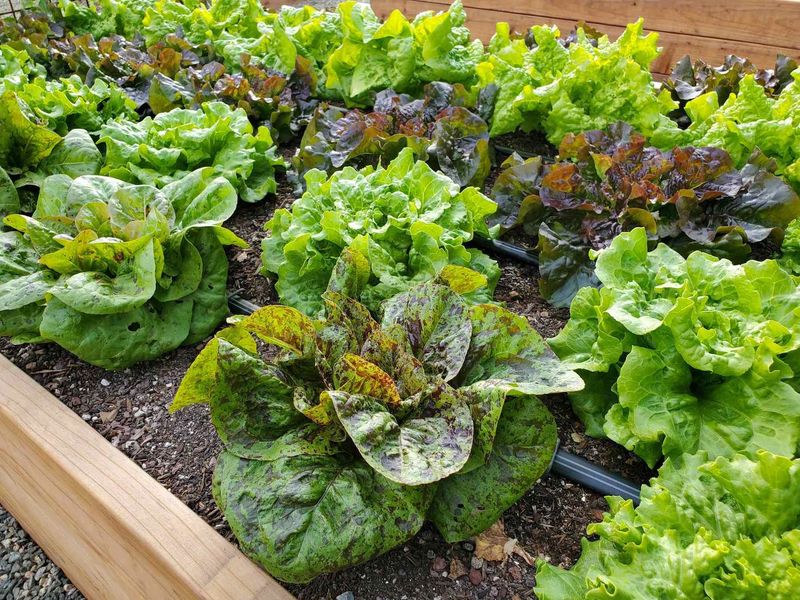
All the timing and care described in earlier sections builds toward one practical moment: knowing when to cut. Lettuce harvested young, before a heat wave arrives, will almost always taste better than lettuce left in the ground through several days of high temperatures. Oregon State Extension’s heat wave garden guide advises harvesting cool-season crops when a heat spell is forecast, because high temperatures can end the productive window quickly and reduce quality in ways that cannot be reversed after the fact.
For leaf types, harvest outer leaves regularly to encourage new growth and delay the transition to flowering. Once a seed stalk is visible, leaf quality declines fast and the window for a good harvest closes. Utah State Extension’s lettuce guide notes that bitterness may lessen after washing and refrigerating harvested leaves for a day or two, though refrigeration cannot restore the quality of a plant that has already committed to bolting.
The repeatable formula that holds across all of these sections is straightforward: count backward from your frost date to set the sowing window, aim for establishment during cooling conditions rather than peak heat, protect the seedbed with shade and even moisture, sow in small successions to spread weather risk, and harvest promptly before heat reduces what you grew. Minnesota Extension’s lettuce growing guide captures the underlying principle well: lettuce is a crop that rewards attentive timing more than almost any other intervention. Get the window right, and the plant does most of the work for you.