
If Your Potted Geraniums Get Leggy And Bloom Less By Late Summer, One Feeding Habit Is Behind It
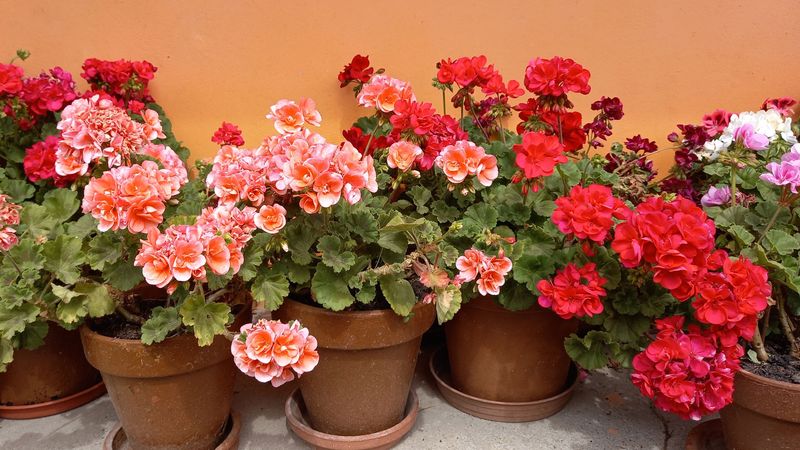
By late summer, many container geraniums that started the season full and bright have turned into stretched, sparse plants with fewer flowers than expected. Before reaching for the fertilizer bag, it helps to know that the fix is rarely as simple as one missed feeding. Light, heat, watering habits, and the type of fertilizer already in the pot all play a role, and guessing wrong can make things worse.
Leggy does not mean hungry
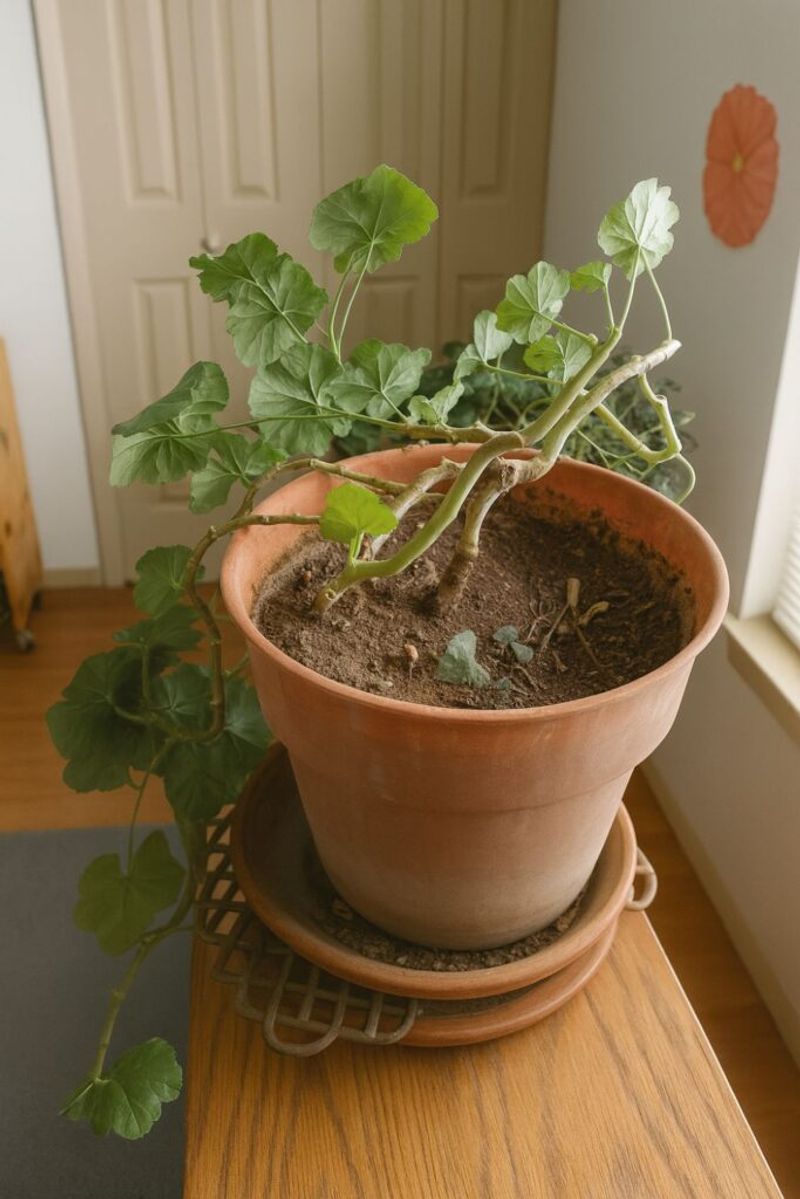
Stretched stems and sparse flowers on a potted geranium can feel like an obvious hunger signal, but the plant may be telling you something else entirely. University of Minnesota Extension identifies insufficient light as a direct cause of leggy growth and poor flower-bud production in container plants, and that distinction matters before you open any fertilizer bag. A plant reaching toward the light or growing long gaps between leaves is often responding to its environment, not crying out for nutrients.
Excess nitrogen can produce the same stretched, soft-stemmed look. Feeding a nitrogen-heavy product to a plant that is already in low light can push even more leafy growth at the expense of flowers, making the problem noticeably worse rather than better. The USDA ARS geranium fertility reference notes that nutrient imbalances show up in specific ways, and legginess alone is not a reliable sign of deficiency.
A quick inspection gives you much better information than guessing. Check which direction the plant is leaning, how much direct sun it receives each day, whether recent weather has been unusually cloudy or hot, and what fertilizer products have already been applied this season. NC State’s Pelargonium profile notes that these common container plants, often sold simply as geraniums, perform best in good light, and that growing conditions shape their appearance as much as nutrition does. Sorting out light, heat, and fertilizer history first puts you in a much stronger position to help the plant recover.
Container mixes can quietly run short
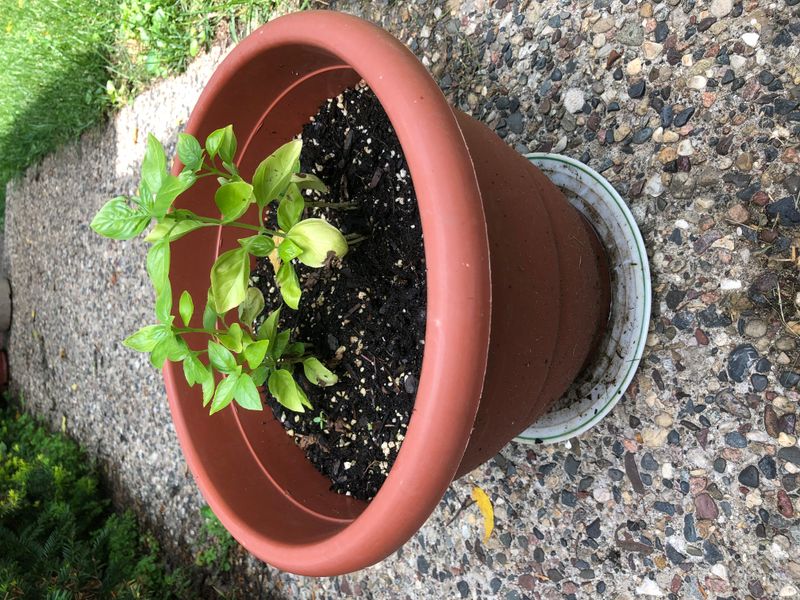
A geranium that thrived in May and started fading by August has not necessarily been neglected. Container soil works very differently from a garden bed, and one of the biggest reasons is drainage. Every time you water a pot thoroughly, some dissolved nutrients travel right out through the drainage holes, and over weeks and months that steady loss adds up.
University of Minnesota Extension explains that container plants require more deliberate fertilization than in-ground plants precisely because nutrients are depleted and leached more quickly from a confined volume of soil. A small pot holding a fast-growing plant in a hot summer loses fertility faster than a large planter holding a modest-sized specimen in mild weather. University of Illinois Extension reinforces that regular feeding is a normal part of container gardening, not a sign that something went wrong.
Before adding any fertilizer, check the bag your potting mix came in. Many commercial mixes include slow-release granules already blended in, and some include starter fertilizer charges that last several weeks. UGA Extension recommends waiting roughly two to three weeks after potting when fertilizer has already been incorporated into the mix, rather than immediately layering on a separate liquid program. Minnesota Extension notes that geraniums generally do not need heavy fertilization, so starting with what is already present before adding more is a reasonable first step.
Regular feeding typically makes sense beginning about two to six weeks after planting, depending on the mix, watering frequency, and how actively the plant is growing.
The same routine can become too strong
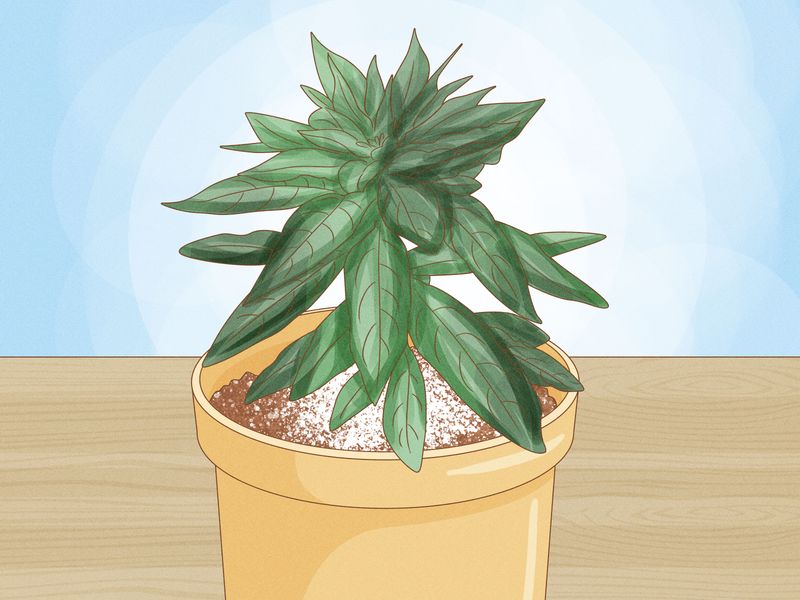
Overfeeding is a different problem from depletion, but it can look surprisingly similar from the outside. When gardeners combine a fertilized potting mix with slow-release granules and then add a regular liquid fertilizer on top, the nutrients accumulate faster than the plant can use them. Salts build up in the growing medium, and the roots begin to suffer.
UGA Extension’s indoor plant guide describes high fertilizer concentration as a cause of salt accumulation, root injury, leaf-tip or margin burn, wilting despite moist media, and stunted growth. A white or crusty deposit on the surface of the potting mix or along the rim of the pot is a visible clue that salts have been building. UGA’s transplant production bulletin similarly links excess fertilizer concentration to root damage and foliar symptoms that can be mistaken for other problems.
Flowering can also take a hit when feeding is too generous. Excess nitrogen in particular tends to push leafy, vegetative growth at the expense of flower production, so a plant that looks lush and green but refuses to bloom may actually be overfed rather than underfed. UC IPM’s Pelargonium resource lists nutrient disorders among several possible causes of poor plant performance, alongside water-related problems, root rots, and pests. A stalled geranium does not automatically need more fertilizer, and adding more without checking the signs first can push it further in the wrong direction.
Check light, heat, and roots before changing feed
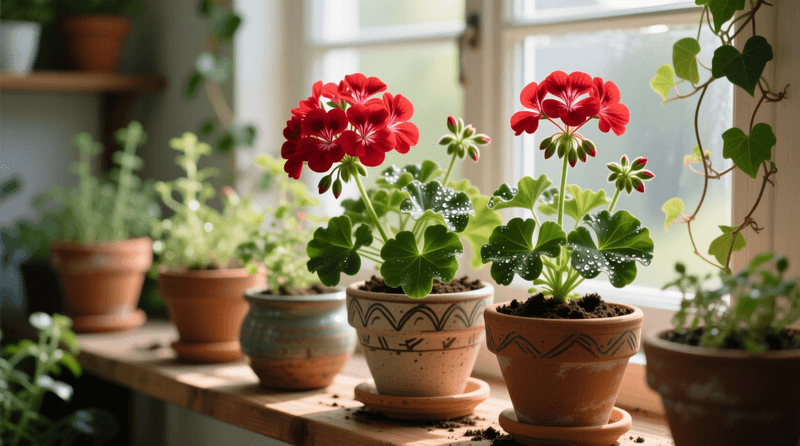
Running through a short checklist before adjusting fertilizer can save a plant from a correction that makes things worse. Start with light. Minnesota Extension links insufficient light directly to leggy growth and poor flower-bud formation, so if stems are stretching toward one side or internodes are noticeably long, moving the pot to a brighter spot should come before any feeding change. Outdoor container geraniums generally want full sun, and Minnesota Extension recommends a location with at least six hours of direct sun daily for best performance.
Heat is a separate variable. UC IPM advises that geraniums may benefit from some afternoon shade during periods of extreme heat, even though they are generally sun-lovers. UMass Extension notes that prolonged high temperatures can reduce growth and development in Pelargonium, which means a midsummer bloom slowdown is sometimes just the plant responding to heat stress rather than a nutrient problem. Fertilizing into heat stress will not speed recovery and may add root stress on top of it.
Watering and drainage deserve a look as well. Soggy roots from poor drainage can mimic nutrient deficiency symptoms, while drought-stressed plants will not respond to fertilizer until moisture is stable. Check whether water moves freely through the pot and whether the plant is getting consistent moisture between waterings. Finally, cultivar matters more than many gardeners realize.
Iowa State Extension explains that regal or Martha Washington geraniums require cool nighttime temperatures around 50 to 60 degrees Fahrenheit for flower formation, and they may simply stop blooming during a hot summer regardless of how well they are fed. NC State’s herbaceous ornamentals handbook notes that flower production in geraniums can decline during midsummer heat, which is a normal seasonal response, not a fertilizer failure.
Choose one measured feeding plan
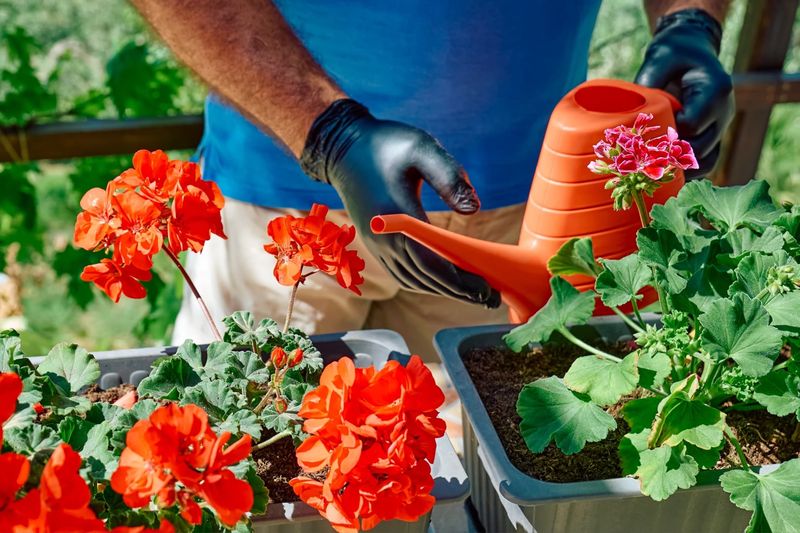
Once you have confirmed that light, watering, drainage, and cultivar are not the main limiting factors, a straightforward feeding routine is easier to manage than most gardeners expect. The most practical starting point is to pick one product and follow its label rather than combining programs. Choose either a labeled slow-release granular fertilizer applied at the rate recommended for container use, or a water-soluble fertilizer applied at the labeled rate and interval. Stacking both on top of a fertilized potting mix is where excess builds up.
Minnesota Extension suggests that a balanced fertilizer is a reasonable general option for container geraniums, though the best choice also depends on what is already in your potting mix, how often you water, and how actively the plant is growing. No single N-P-K ratio works perfectly for every pot in every garden. Illinois Extension reinforces that following the product label is the right foundation for a container feeding program rather than estimating doses by eye.
When applying liquid fertilizer, always water the pot first so the media is already moist, then apply the fertilizer solution and water until some liquid drains from the bottom of the pot. UGA Extension recommends watering until solution runs from the drainage holes to help distribute nutrients evenly and reduce the chance of localized salt buildup. Never apply fertilizer to a bone-dry, wilted, or heat-stressed plant. Minnesota Extension offers a useful example: applying half the labeled concentration more frequently, such as weekly instead of every two weeks, can reduce nutrient loss through drainage.
That approach is a sensible option worth trying, but treat it as one workable method rather than a rule that every container geranium requires.
Reset salt-stressed plants and skip the bloom booster
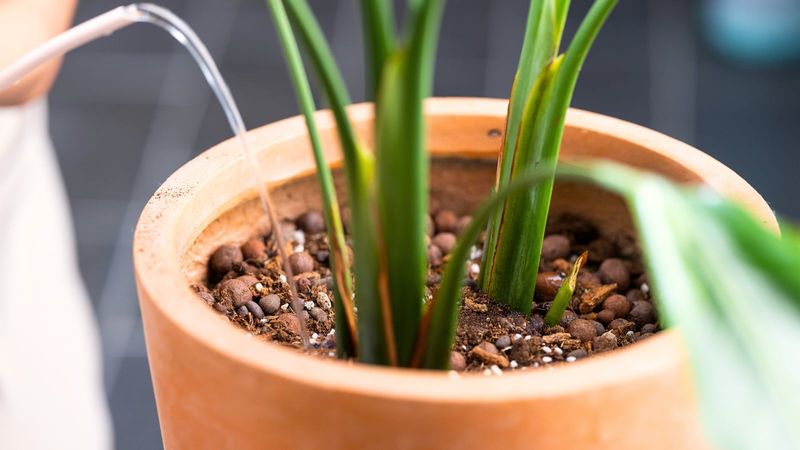
When white crust on the potting mix, brown leaf margins, wilting despite moist soil, or a history of stacked fertilizer products point toward overfertilization, the reset is straightforward. Stop feeding entirely, then flush the container with plain water, letting it drain completely through the pot. UGA Extension recommends flushing thoroughly and allowing full drainage to help move accumulated salts out of the root zone. Give the plant time to stabilize before resuming any fertilizer, and when you do resume, start at the label rate rather than trying to compensate with a heavier dose.
Many gardeners reach for a high-phosphorus bloom booster at this point, expecting extra phosphorus to push the plant into flowering. NDSU Extension explains that high-phosphorus fertilizers do not reliably increase flower numbers when phosphorus is already adequate in the growing medium. A field experiment reported in the NACAA journal found that additional phosphorus did not improve bloom number, bloom quality, or vegetative quality in plots where soil phosphorus was already at sufficient levels. Adding more phosphorus to a pot that is not phosphorus-limited is unlikely to trigger a new flush of flowers.
Bloom recovery after a salt flush depends on more than fertilizer. Suitable light, reasonable temperatures, consistent watering, and good drainage all need to be in place for the plant to respond. UGA’s transplant bulletin notes that root systems stressed by excess fertilizer concentration need time to recover before the plant can resume normal growth, so patience after a flush is part of the process.
Trim and deadhead while the plant recovers
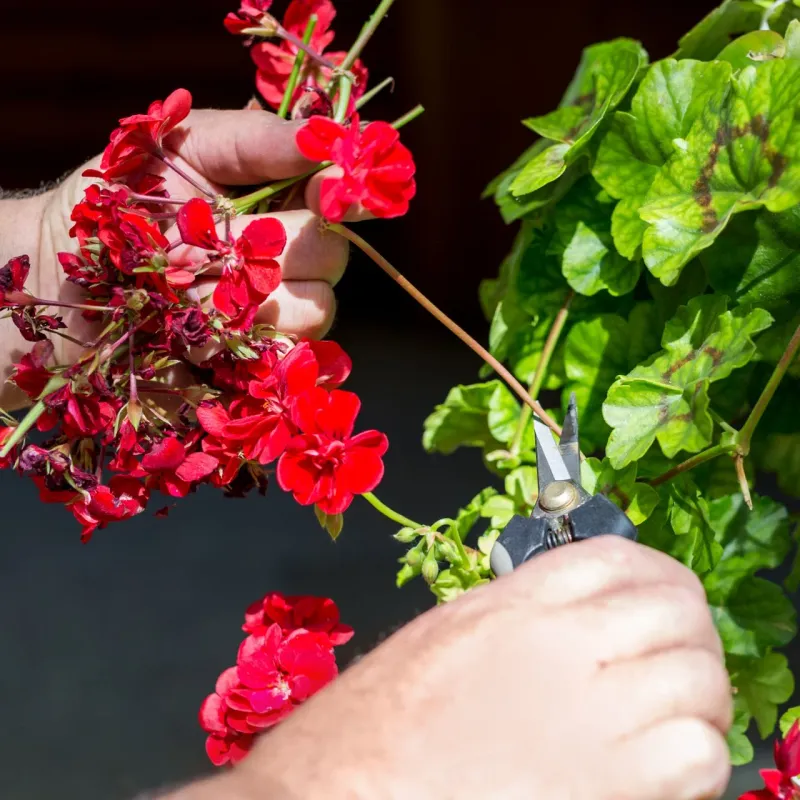
Physical maintenance works alongside any feeding correction to help a tired geranium recover its shape and flowering. Oregon State University Extension recommends weekly deadheading and trimming back leggy growth as a regular part of keeping geraniums productive. Removing spent flower heads redirects the plant’s energy toward new bud formation rather than seed development, and it also reduces the moisture that can collect around old blooms and invite Botrytis fungal problems. Illinois Extension similarly recommends deadheading to maintain good blooming and reduce disease risk through the growing season.
Selective trimming of the longest, weakest stems helps restore a more compact shape without shocking the plant. Cut back to a healthy leaf node rather than removing entire branches all at once, and spread the trimming over a week or two if the plant is already under stress. Minnesota Extension notes that geraniums respond well to pruning and can be shaped to encourage bushier, more floriferous growth.
Set realistic expectations for the recovery timeline. Correcting light, watering, drainage, and fertilizer gives the plant the conditions it needs, but a new flush of flowers still depends on cultivar, current temperatures, and how much stress the plant has accumulated. A geranium that gets the right conditions in late summer may produce a pleasing late-season display, but the real reward often shows up in the following season when the plant starts fresh. A well-maintained plant going into fall is the best investment you can make for next year’s blooms.