
That Hot, Bare Strip Along Your Driveway Doesn’t Have To Stay Dead – These 9 Tough Bloomers Take It Over
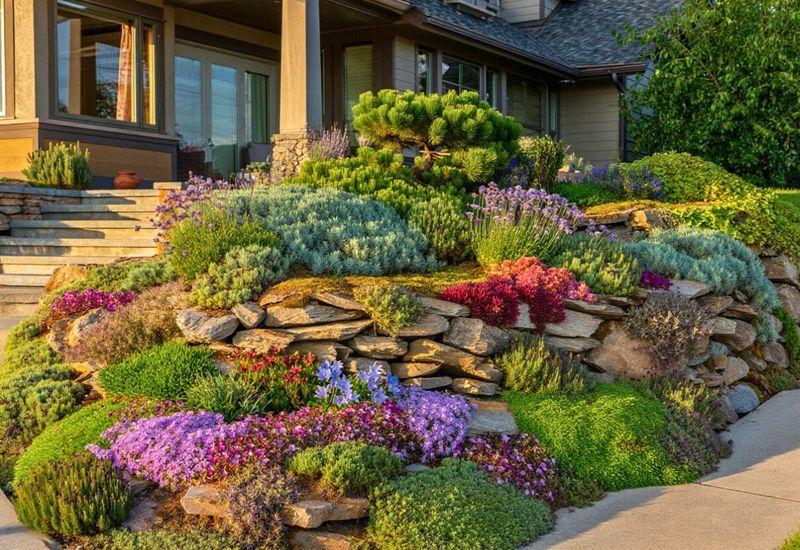
That skinny strip of dirt between your driveway and the lawn takes a beating. It bakes under reflected heat off the pavement, drinks up almost no water, and often turns into a crusty patch of nothing. The good news is that plenty of tough, colorful plants actually love those brutal conditions. Here are nine hardy bloomers that will turn that dead zone into the best-looking part of your yard.
1. Blanket Flower (Gaillardia)
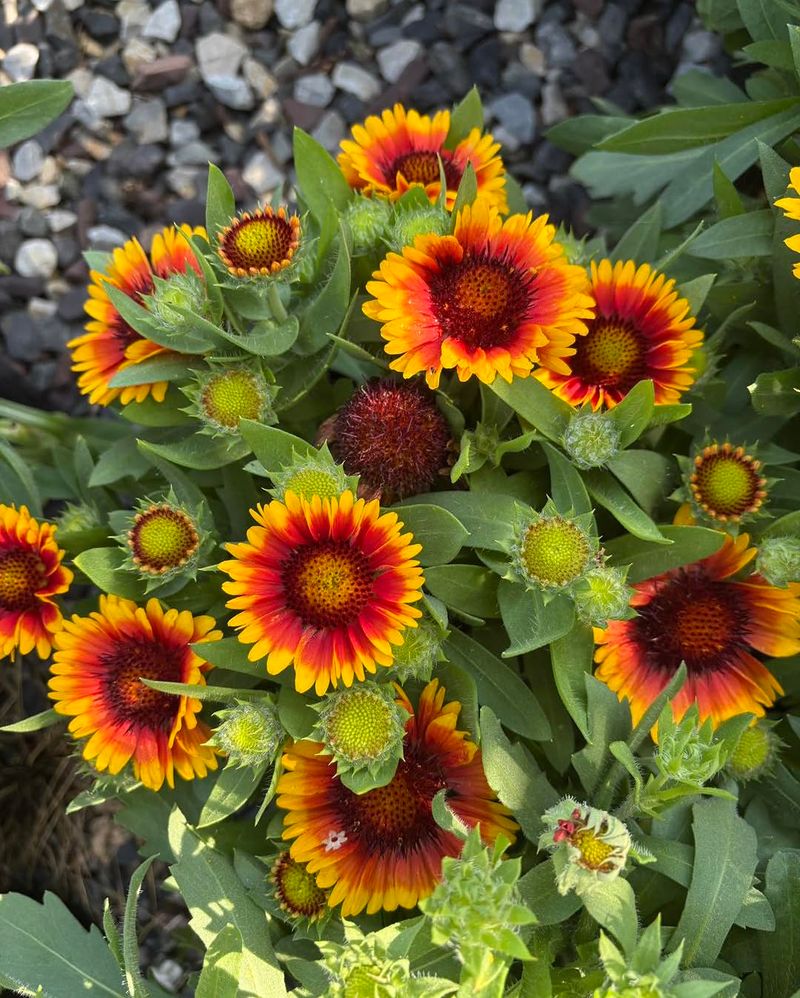
Picture a sunset squeezed into a single flower and you have got blanket flower. The petals blaze in bands of red, orange, and gold, and they keep coming from early summer straight through the first frost. Few plants shrug off driveway heat this cheerfully.
Native across much of the US prairie, gaillardia is built for lean, gravelly soil and blazing sun. It actually blooms harder when you neglect it, so rich soil and heavy watering do more harm than good. A quick shear in midsummer keeps the show going into fall.
Pollinators pile onto it too, with bees and butterflies working the flowers all day. Leave a few spent blooms in autumn and goldfinches will pick at the seeds. For a strip that reflects heat like an oven, this one thrives where fussier flowers give up.
2. Creeping Thyme
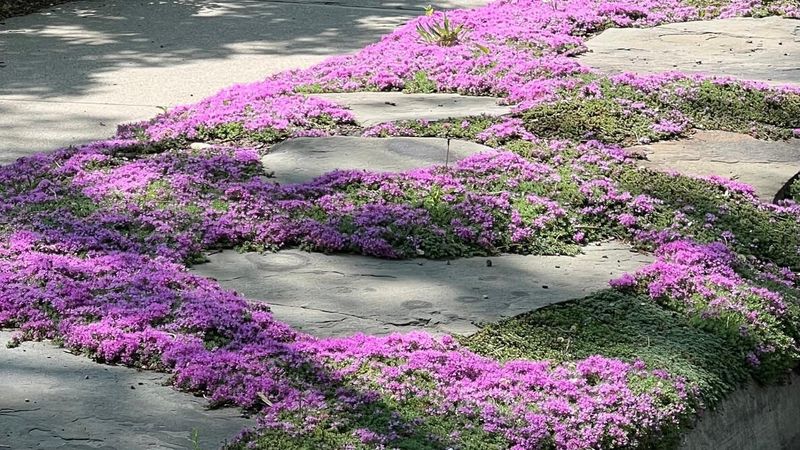
Step on it and it forgives you, then rewards you with a puff of herby fragrance. Creeping thyme hugs the ground in a dense green mat that spills over pavement edges and smothers weeds before they get a foothold. Come early summer, it erupts in a haze of tiny pink or purple flowers.
Because it stays only an inch or two tall, it never blocks a car door or catches on a mower. It laughs off foot traffic, drought, and the radiant heat coming off asphalt.
Bees adore the bloom, and the scent may help deter a few of the bugs that drift through your yard. Fun bit for the herb lovers: this is the same thyme family that flavors soups, so brushing past it near the driveway releases that same kitchen aroma. Plant it once and it slowly knits itself into a living carpet.
3. Black-Eyed Susan (Rudbeckia)
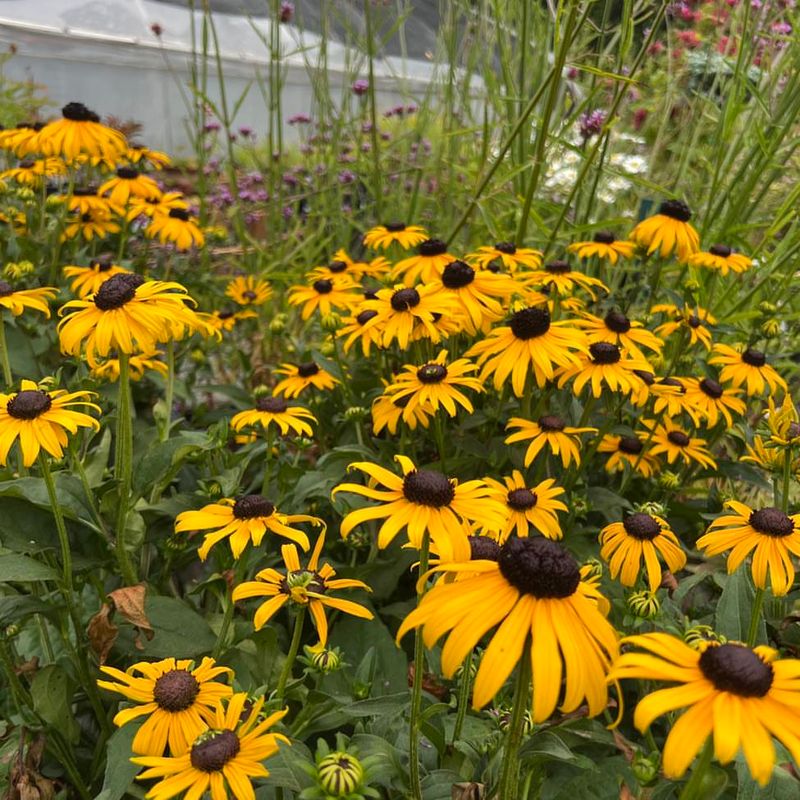
Golden petals fanning out around a dark button center make black-eyed Susan instantly recognizable, and it delivers that classic look with almost zero effort. A backbone of American meadows, it stands tall and unbothered while the summer sun cooks everything around it.
What sets it apart on a driveway strip is sheer staying power. One clump multiplies year after year, and the blooms run from midsummer well into fall when a lot of other flowers have quit.
It handles clay, sand, and the compacted junk that often lines a driveway, asking only for sunshine and decent drainage. Butterflies feed on the flowers and birds work the seed heads in winter, so leaving the stalks standing feeds wildlife through the cold months. If you want a plant that reads as pure summer and refuses to sulk in the heat, this is the workhorse.
4. Sedum (Stonecrop)
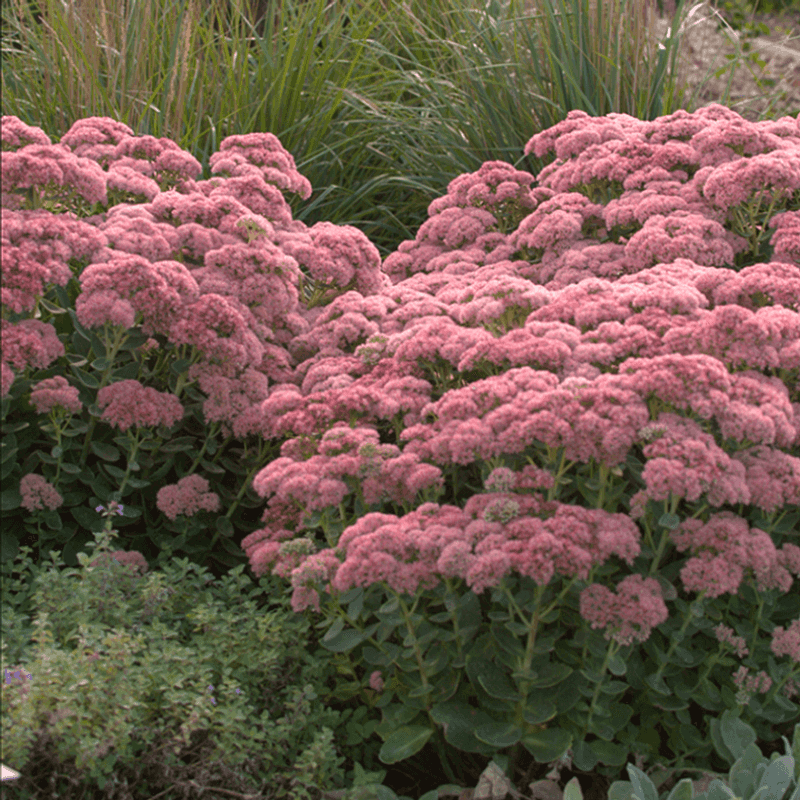
If a plant could store water like a camel, sedum would be it. Those thick, juicy leaves hold moisture so the plant coasts through weeks without rain, making it a natural fit for the driest, sunniest sliver of your property.
Low, creeping types spread into tidy mats, while upright varieties like Autumn Joy build up to knee height and finish the season with dusty pink flower clusters that darken to rust. That late bloom is the trick, arriving just as summer flowers fade and giving bees one last big meal before frost.
Poor soil suits it fine, and rich, damp ground can actually cause it to flop. Snap off a piece, lay it on bare dirt, and it usually roots on its own with no fuss. For the strip that never gets watered and bakes all afternoon, stonecrop practically volunteers for the job.
5. Russian Sage
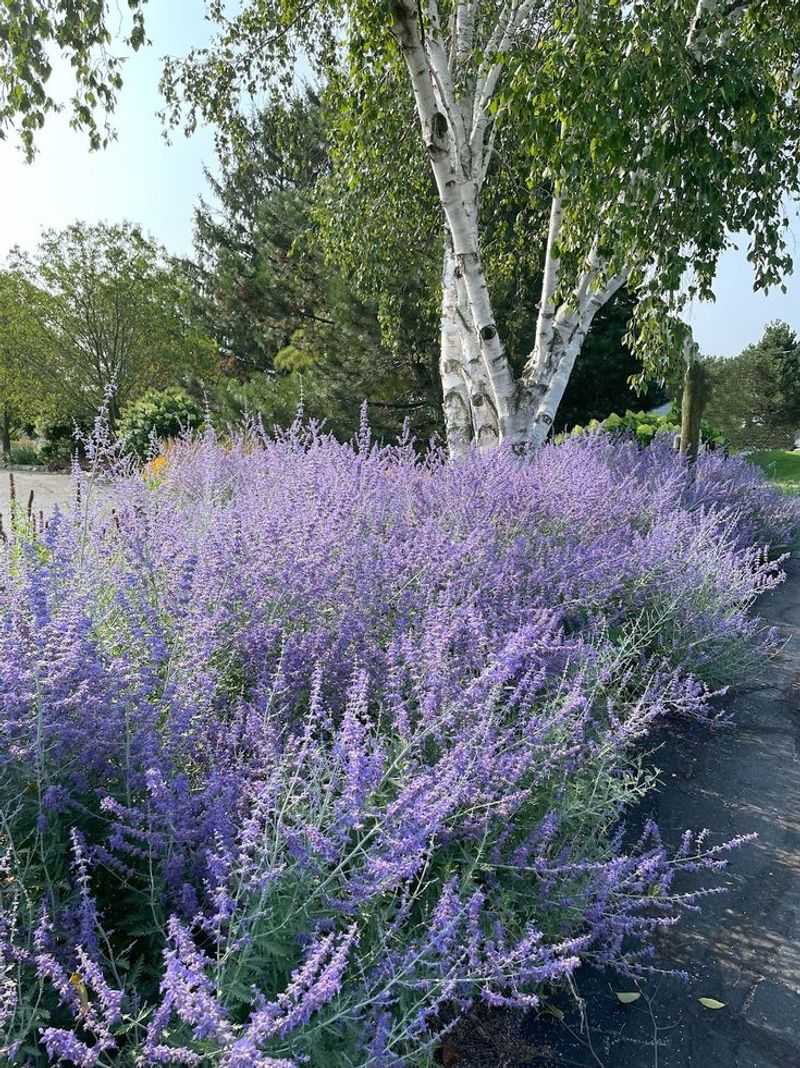
From a distance it looks like a lavender-blue cloud floating above the pavement. Russian sage sends up airy, silvery stems topped with tiny violet flowers that sway in the slightest breeze and glow for months on end.
Heat and drought are exactly where it shines. The silvery, aromatic foliage reflects sunlight and resists wilting, and the scent tends to keep browsing deer and rabbits moving along to easier snacks.
Give it room, because a happy plant can stretch three feet wide and four feet tall, filling a bare strip with texture and motion. Cut it back hard in early spring and it bounces up fresh and full every year.
Bees and butterflies swarm the flowers all summer, turning a dead patch of ground into a buzzing little roadside garden. For height and haze in a spot nothing else will tolerate, few plants match it.
6. Coneflower (Echinacea)
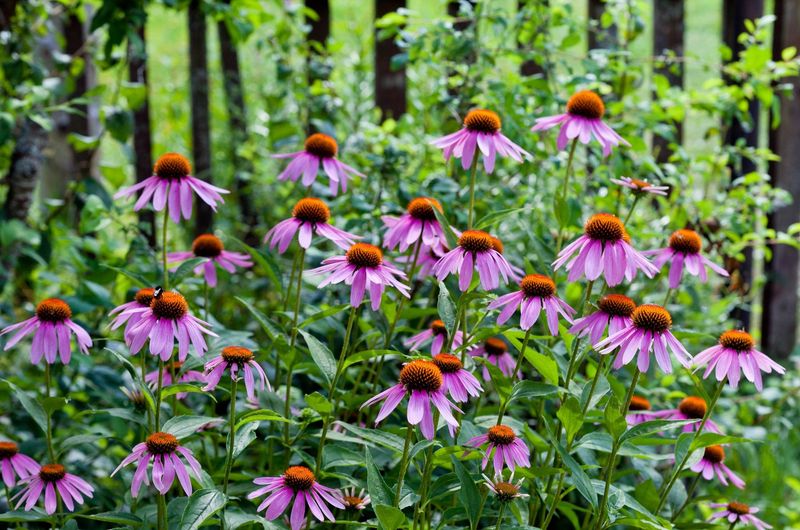
Sturdy stems, big daisy-like blooms, and a spiky copper cone in the middle give coneflower a bold, prairie-tough look. It stands up straight in wind and heat without staking, which matters in the exposed strip along a driveway.
Classic purple is only the start these days, with breeders offering orange, coral, white, and even lime-green versions that stretch your color options. Whatever the shade, the plant sinks a deep taproot that lets it drink from far underground during dry spells.
Did you know echinacea has a long history as a medicinal herb used by Native American communities? That heritage aside, its modern job is feeding pollinators, and butterflies cannot seem to leave the flowers alone.
Leave the seed heads through winter and goldfinches will thank you. Dependable, drought-hardy, and full of color, coneflower earns its place in the harshest strip you can offer.
7. Lantana
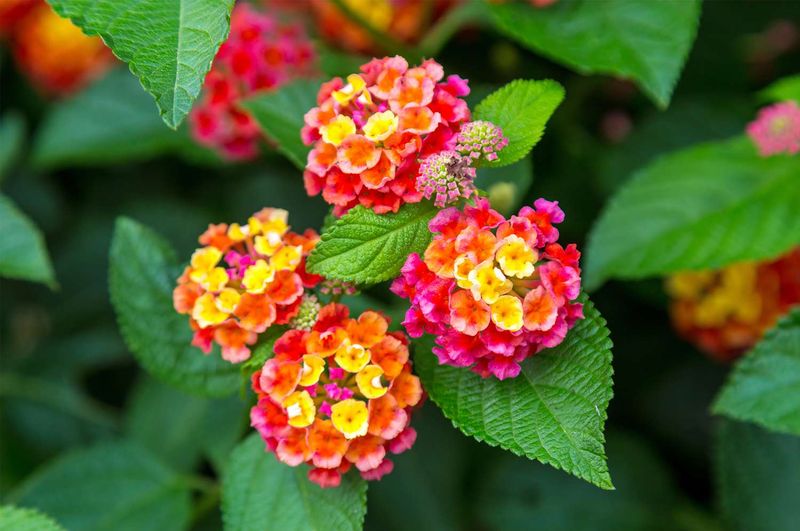
Few plants pack this many colors into one flower cluster. Lantana blooms in little bouquets that shift from yellow to orange to pink as they age, so a single plant can look like a whole box of crayons melted together.
Heat is where it truly comes alive. The hotter and sunnier the spot, the more flowers it pumps out, blooming nonstop from spring until frost with barely a drink of water.
Butterflies treat it like a buffet, and hummingbirds swing by too. The pungent foliage may help deter certain pests that nibble on softer plants nearby, an extra bonus for a tough spot.
In warmer southern zones it comes back year after year, while northern gardeners grow it as a fast, cheap annual that fills a strip in a single season. For maximum color from a plant that begs for driveway heat, lantana is hard to beat.
8. Yarrow
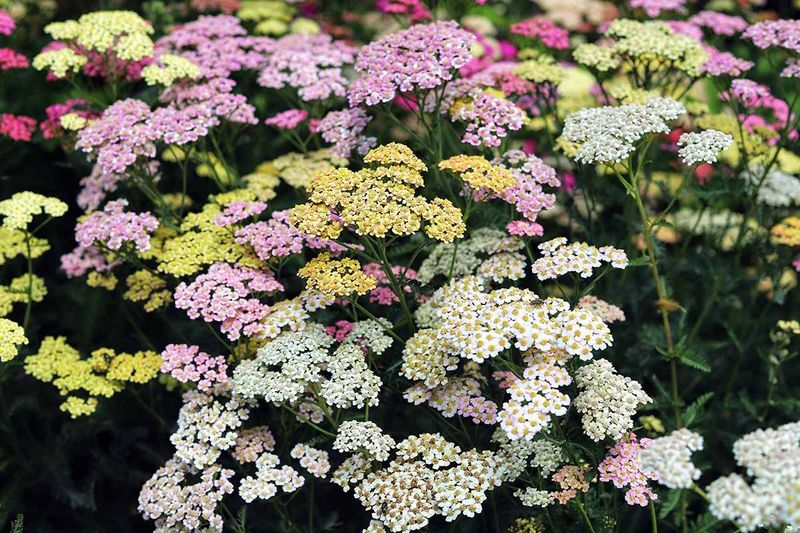
Flat-topped flower clusters sitting on top of feathery, fern-like leaves give yarrow a soft, lacy texture that plays nicely against hard pavement. Colors range from creamy white to gold, red, and salmon, and the blooms last for weeks without fading fast.
Tough barely covers it. Yarrow spreads by underground roots to fill gaps, tolerates poor and rocky soil, and shrugs off drought once it settles in.
Pollinators love the wide landing pads, and the cut flowers dry beautifully for indoor arrangements, so you get bouquets straight from the driveway. A quick deadheading in midsummer nudges a second flush of bloom.
Because it can wander, give it a strip where a little spreading is welcome rather than a tidy formal bed. For a soft, meadowy feel in a brutally sunny spot, yarrow fills space fast and asks almost nothing in return.
9. Daylily
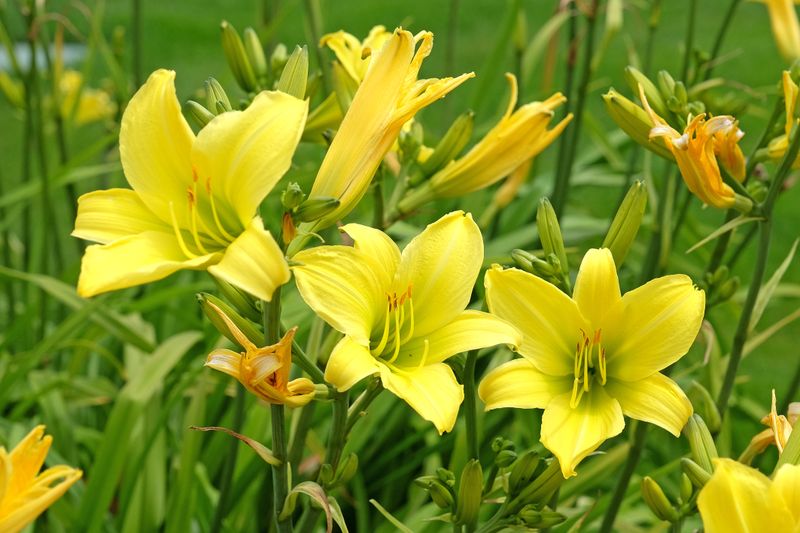
Nearly impossible to kill, the daylily has earned nicknames like the perfect perennial for good reason. Each trumpet-shaped bloom opens for a single day, but the plant cranks out so many buds that the show rolls on for weeks.
Fleshy roots store water and energy underground, letting it power through heat, drought, and the compacted soil so common along a driveway. It grows in a thick clump that crowds out weeds and holds the edge of a bed in place.
Colors span nearly the whole rainbow now, from buttery yellow to deep burgundy and ruffled bicolors. Reblooming types like the famous Stella d’Oro keep flowering long past the one-and-done varieties.
Plant them, water them the first season, then mostly forget about them. For steady color and zero drama in the harshest strip of your yard, the daylily quietly delivers year after year.