
If Cardinals Only Pass Through Your Yard, These 9 Additions Give Them A Reason To Stay And Nest
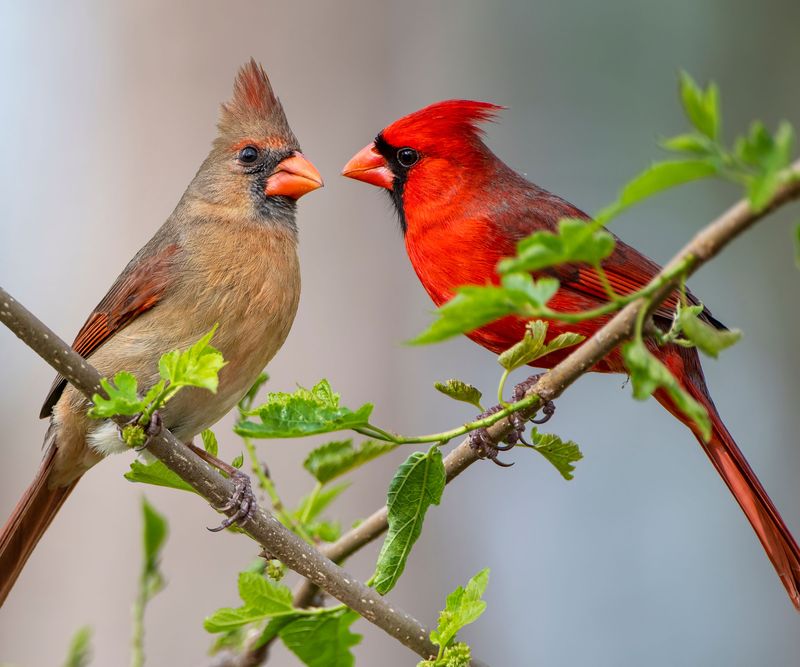
Northern cardinals are the bright red flash of color that makes any backyard feel alive, but getting them to actually settle down and raise a family is a whole different game. Plenty of yards get quick visits and nothing more, mostly because they are missing the food, cover, and safe spots cardinals look for before they commit to nesting. The good news is that a few smart changes can turn your yard from a rest stop into a permanent address. Here are nine additions that give these ruby-colored birds a real reason to build a nest and stick around.
1. Dense Evergreen Shrubs and Thickets
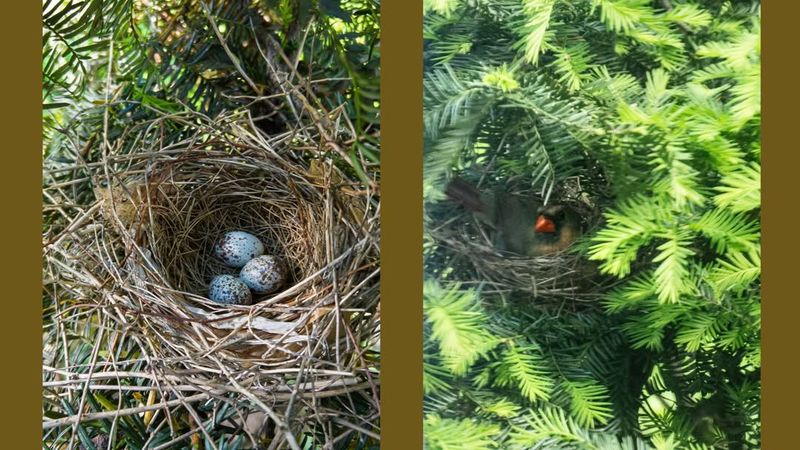
Cardinals are picky about where they build, and they love tangled, thorny cover more than almost anything else. A cluster of dense shrubs gives a nesting pair the hidden, protected pocket they need to feel safe from hawks and prowling cats.
Good choices for US backyards include eastern red cedar, holly, dogwood, and native viburnum. Thorny options like hawthorn or a wild rose thicket add an extra layer of defense that predators hate pushing through.
Plant these in a loose group rather than a single lonely bush. Cardinals often build their nests just three to ten feet off the ground, so shrubs in that height range are prime real estate.
If you already have overgrown corners, resist the urge to prune them into neat little balls. That messy, twiggy look is exactly the kind of shelter a cardinal reads as a safe place to raise chicks.
2. A Sturdy Platform or Hopper Feeder
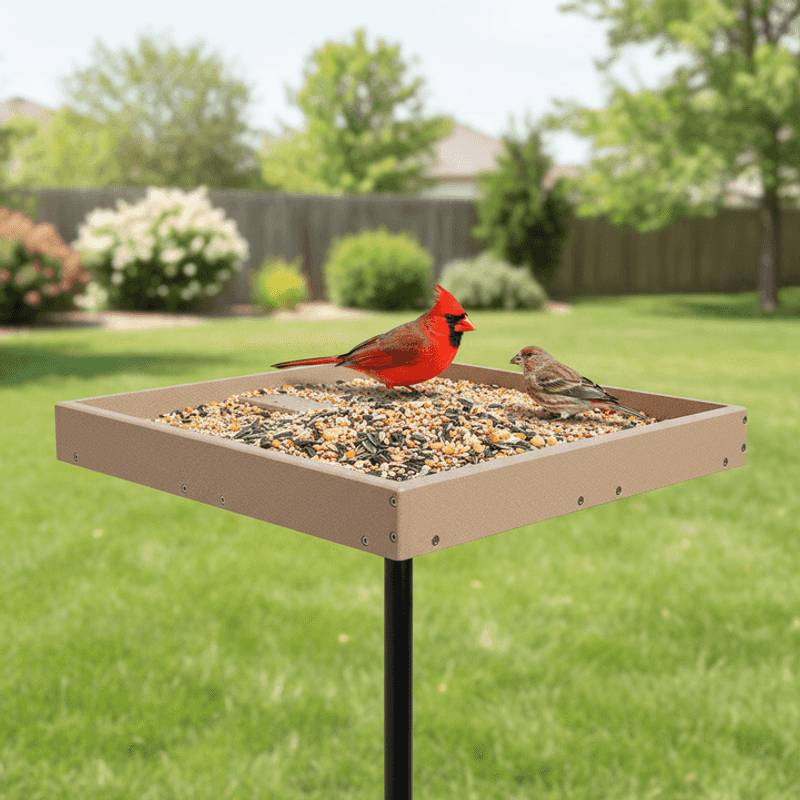
Here is a quirk worth knowing: cardinals have short, thick beaks built for cracking seeds, and they do not cling well to skinny tube feeders. Give them a wide, stable perch and you instantly become their favorite diner.
Platform feeders and hopper feeders with a broad landing tray let a cardinal sit comfortably and eat at its own pace. That comfort matters, because a pair that feeds reliably in your yard is far more likely to nest nearby.
Position the feeder within a short flight of those shrubs you planted, so birds can dart to cover if a hawk swoops in. Ten to fifteen feet from protective shelter hits a nice balance between convenience and safety.
Keep the tray clean and dry, since damp seed molds fast and can chase birds away. A quick weekly wipe-down keeps your regulars coming back day after day.
3. Black Oil Sunflower Seeds
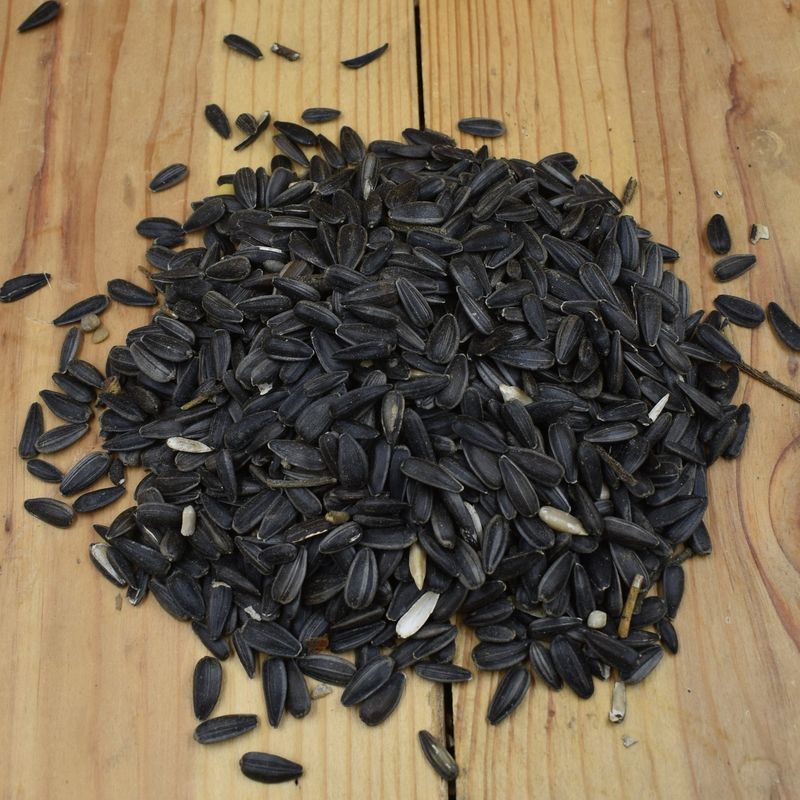
If cardinals had a favorite food, this would top the list every single time. Black oil sunflower seeds have thin shells and rich, fatty meat inside, making them easy to crack and packed with the energy a nesting pair burns through.
Cardinals will eat other seeds, but stock a feeder with black oil sunflower and you will notice the difference in visits within days. During breeding season, that steady calorie source helps parents keep up with hungry chicks.
Safflower seed is a smart companion choice too. Cardinals happily eat it, while squirrels and grackles tend to turn up their noses, so you spend less feed on freeloaders.
Buy seed in smaller bags you can use up quickly, and store it in a sealed metal container. Fresh seed simply pulls in more birds than a bag that has gone stale in the garage.
4. A Ground-Level Water Source
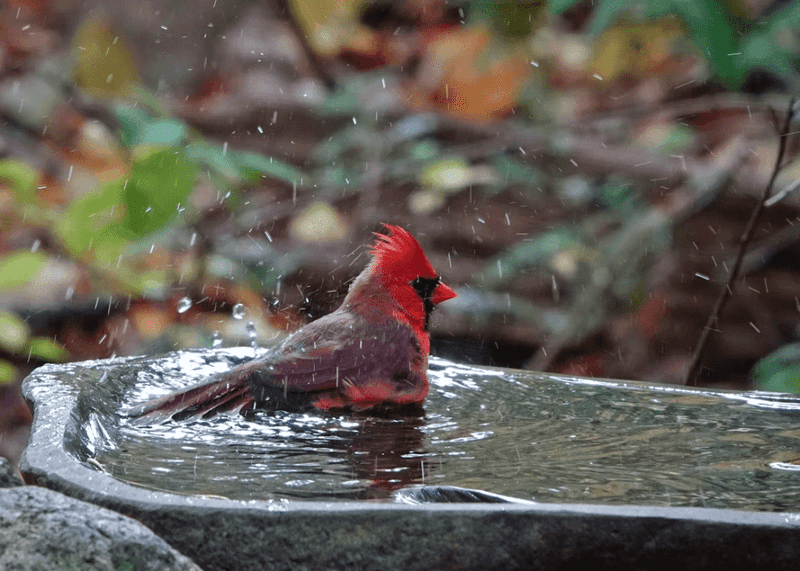
Birds need water for drinking and bathing, and cardinals are no exception, especially through hot US summers and dry winter stretches. A reliable water spot can be the deciding factor between a yard they pass over and one they call home.
Shallow is the magic word here. Cardinals prefer basins only an inch or two deep, with a rough surface for gripping, so a wide ground-level bath or a low pedestal works better than a deep bowl.
Moving water is a genuine magnet. A small dripper, bubbler, or solar fountain creates ripples and sound that catch a bird’s attention from across the yard.
Set the bath near shrubs but leave a little open space around it, so cardinals can spot approaching danger while they drink. Scrub it out every few days to keep the water clean and mosquito-free.
5. Native Berry-Producing Plants
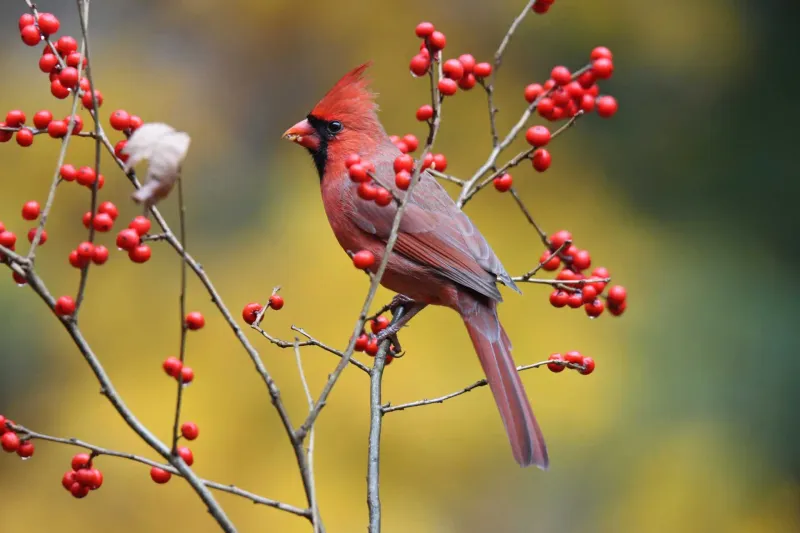
Feeders are great, but a yard that grows its own food feels far more like a true habitat to a cardinal. Native shrubs and small trees that produce berries offer natural forage that keeps birds fed even when your feeder runs empty.
Dogwood, serviceberry, wild grape, sumac, and elderberry all earn their keep in a US backyard. These plants fruit at different times, spreading out the buffet across the seasons.
There is a bonus most folks overlook: berry plants also draw insects. Cardinals feed their nestlings a protein-rich diet of caterpillars and bugs, so an insect-friendly plant doubles as a baby-food station.
Choosing natives means less watering and fewer chemicals, which suits both your weekend schedule and the birds’ health. Skip pesticides on these plants entirely, since a poisoned bug can poison the cardinal that eats it.
6. Tall Grasses and Ornamental Cover
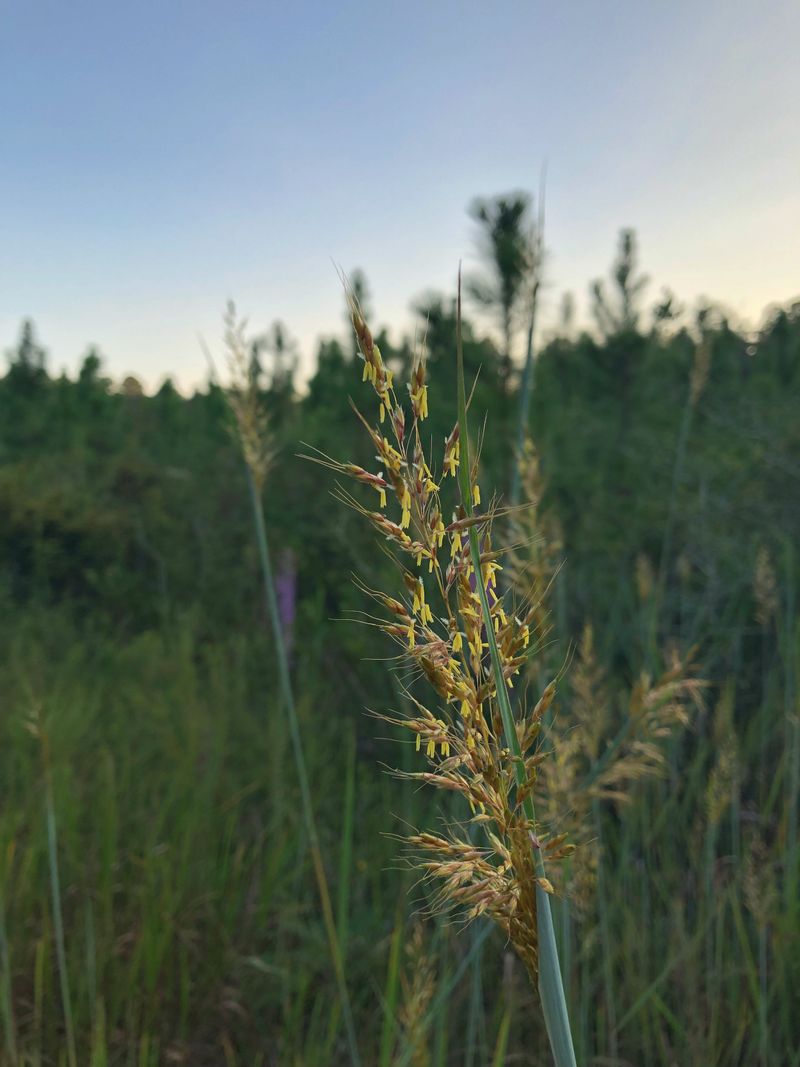
Not every hiding spot has to be a shrub. Clumps of tall native grasses give cardinals low cover for foraging and a quick place to duck when a shadow passes overhead.
Little bluestem, switchgrass, and prairie dropseed add height and texture while doubling as seed sources come fall. Cardinals will work through these grasses searching for seeds and hiding insects.
Grasses also soften the edges of a yard, connecting your shrubs and trees into one continuous corridor of cover. Birds move more confidently when they can travel from shelter to shelter without crossing wide open ground.
Leave the grasses standing through winter instead of cutting them back in fall. The dried stems shelter overwintering insects and give cardinals both food and windbreak during the coldest months.
7. A Predator-Safe Yard Layout
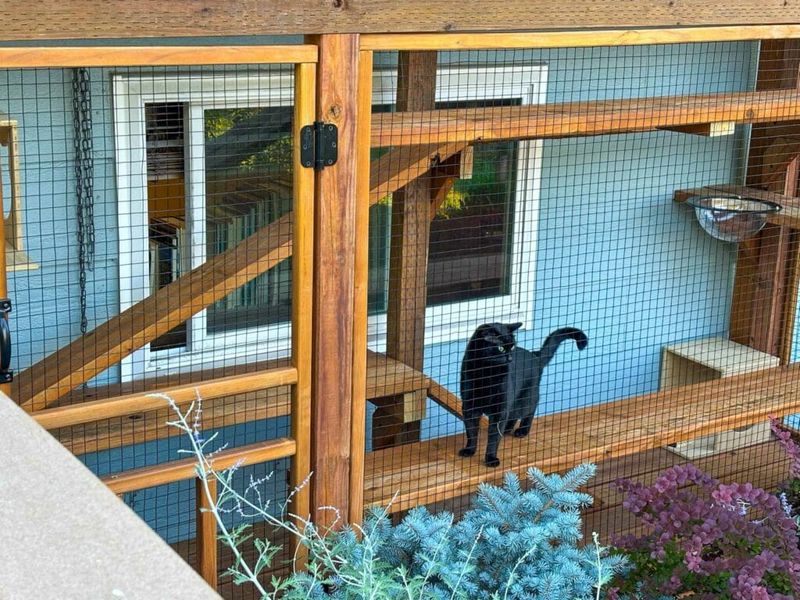
You can offer the best food and shrubs in the neighborhood, but if cats roam freely, cardinals will keep their distance. Safety ranks right alongside food when a pair decides where to nest.
Free-roaming and feral cats are the single biggest threat to backyard songbirds in the US, killing billions of birds each year. Keeping pet cats indoors or in a catio is one of the kindest things you can do for nesting cardinals.
Place feeders and baths either close to cover or well out in the open, avoiding that middle zone where a predator can ambush from a few feet away. Ten feet of clear space around a feeder gives birds room to react.
Motion-activated sprinklers and removing low hiding spots near feeders can also discourage cats and other prowlers. A yard that feels secure is a yard where cardinals raise their young.
8. Nesting Material Left Within Reach
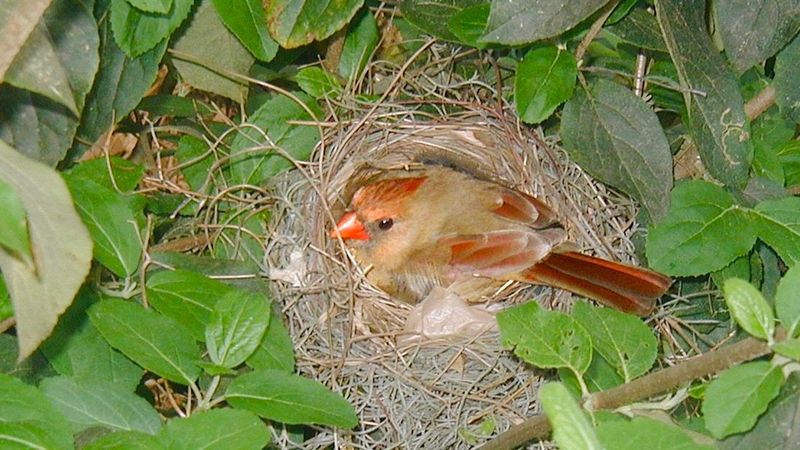
Building a nest is hard work, and cardinals appreciate a yard stocked with the right supplies. A female builds a cup nest from twigs, bark strips, grasses, and rootlets, so making those materials easy to find nudges her to build close by.
Let a corner of the yard go a little wild with small twigs, dried grass, and thin plant stems. Pine needles and shredded bark also make excellent nest lining that cardinals grab readily.
Skip the temptation to offer dryer lint or long strands of string. Lint falls apart when wet, and string can tangle around tiny legs, so natural materials are always the safer bet.
A cardinal typically finishes a nest in three to nine days, weaving it low in a shrub or vine tangle. Having supplies nearby shaves time and stress off that busy building stretch.
9. A Quiet, Low-Traffic Corner
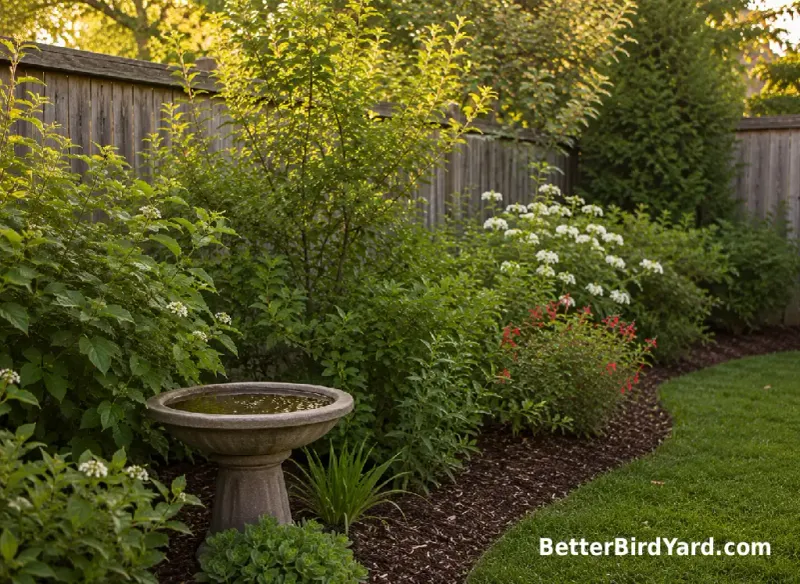
Ever notice how the shyest guest at a party finds the calmest corner? Cardinals think the same way when scouting for a nest site, favoring peaceful spots away from constant noise and foot traffic.
Set aside a low-disturbance zone in your yard, maybe a back fence line or a shrubby edge you rarely walk past. The less human commotion, the more comfortable a pair feels settling in.
Keep mowers, string trimmers, and loud projects away from that area during spring and early summer, when nesting is in full swing. Even well-meaning gardeners can accidentally scare a pair off by trimming too close.
Once a cardinal picks a spot, try to admire from a distance rather than checking the nest up close. Give them room and privacy, and there is a solid chance they will return to the same yard season after season.