
If Your Christmas Cactus Leaves Turn Soft And Wrinkled Indoors, The Fix Starts Below The Soil Line
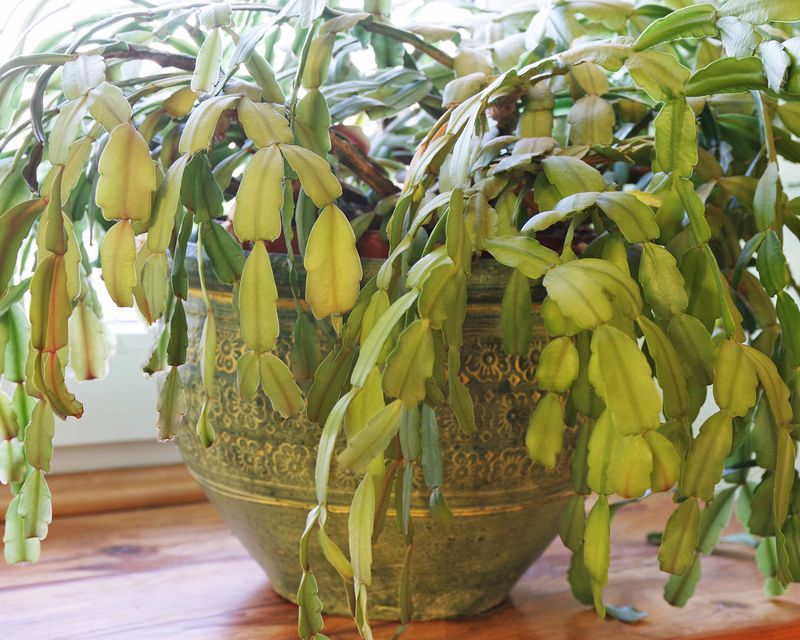
Your holiday cactus looked healthy just a week ago, and now the segments are soft, wrinkled, and drooping like they desperately need a drink. Before you reach for the watering can, stop – pouring more water onto the wrong problem is one of the fastest ways to lose this plant. Soft, wrinkled segments can mean the plant is thirsty, but they can also mean the roots are already damaged and struggling to deliver water no matter how wet the soil gets. Knowing which situation you are dealing with starts not at the surface, but several inches below it.
Wrinkled segments do not tell you to water again
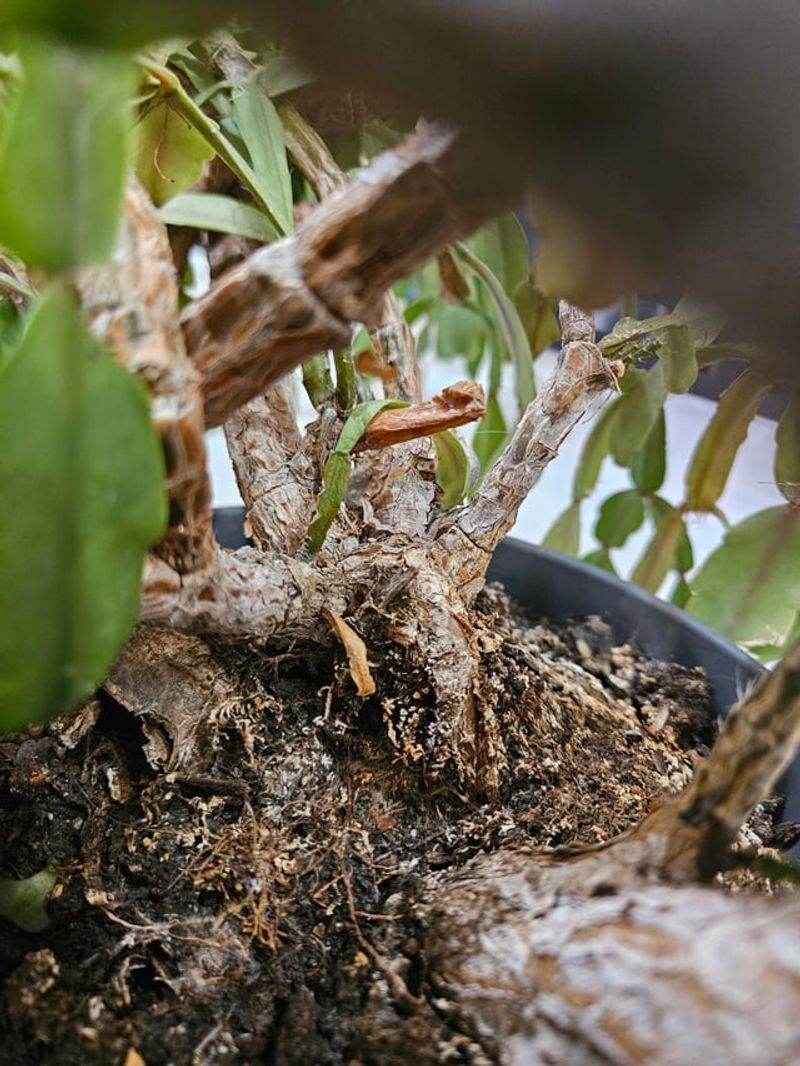
Picking up a watering can the moment you notice soft, wrinkled holiday cactus segments is a completely understandable reaction. The plant looks deflated, and watering is the most familiar fix. The problem is that the same visual symptom can come from two very different causes, and treating one as the other can push a struggling plant past the point of recovery.
University of Illinois Extension guidance notes that wilted, shriveled, and wrinkled segments can result from either underwatering or from overwatering that has compromised the roots. A plant that has gone too long without water will wrinkle because the stem segments lose moisture faster than the roots can replace it. A plant sitting in soggy soil can look almost identical because waterlogged roots lose their ability to function, leaving the stems just as water-starved even when the mix is soaking wet.
So the first question is not “how much water does it need?” but “what is actually happening in the pot right now?” Check the moisture level and drainage situation before you do anything else. That single step separates a plant that needs a good drink from one that needs a very different kind of help.
One quick note on terminology: what most people call the leaves on a holiday cactus are technically flattened stem segments, sometimes called cladodes or phylloclades. And the plant itself may not be a true Christmas cactus at all. Many plants sold during the holiday season are Thanksgiving cacti, which have sharper, more pointed teeth along the segment edges, while true Christmas cactus segments are generally more rounded. Care requirements are broadly similar for both, so the distinction matters more for bloom-timing expectations than for solving a moisture or root problem.
Keep the focus on what is happening below the soil, not on getting the species label exactly right.
Why a wet pot can still produce a thirsty-looking plant
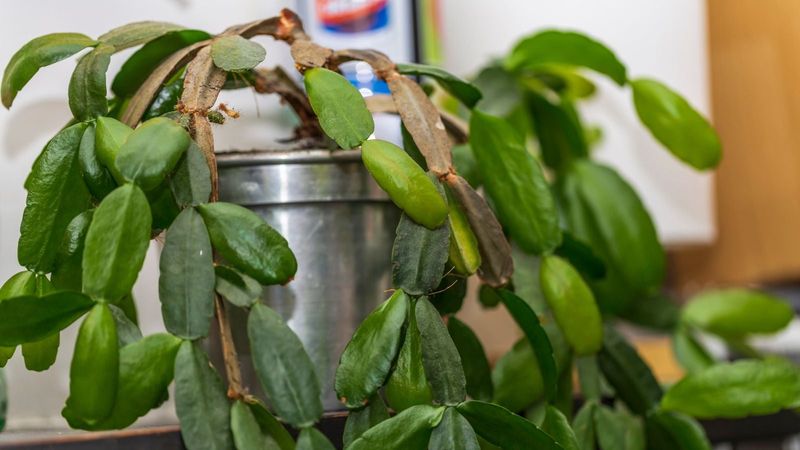
Here is something that catches a lot of gardeners off guard: a holiday cactus can look desperately thirsty even when the potting mix is thoroughly wet. The segments stay limp and wrinkled, and the instinct is to water again. But when root damage is involved, adding more water does not help and almost always makes things worse.
Roots do the actual work of pulling water and nutrients up into the plant. When they are healthy, they absorb moisture from the surrounding medium and push it upward into the stems. When they are damaged or rotting, that pathway breaks down. The stems go without water regardless of how saturated the soil is, which is why the plant can look exactly like a drought victim while sitting in a wet pot.
Understanding why holiday cacti are vulnerable to this situation starts with where they come from. These plants are rainforest epiphytes, meaning they naturally grow tucked into tree branches or rocky crevices filled with loose organic debris, not in dense ground soil. Their roots are built for a growing environment that drains quickly, holds some moisture, and stays airy between rains. A heavy, compacted potting mix in a container with limited airflow is the opposite of that.
Several common container situations can trap roots in wet conditions for too long. A pot without drainage holes is the most obvious culprit, but University of Minnesota Extension also points to standing water in saucers or decorative cachepots, compacted or water-retentive media, and oversized containers where the large volume of soil stays wet long after the plant has used the moisture near the roots. Any of these can keep roots wet enough, long enough, to cause damage. The wrinkling you see above the soil is a downstream effect of a problem that started in the medium below.
Check deeper moisture before choosing the fix
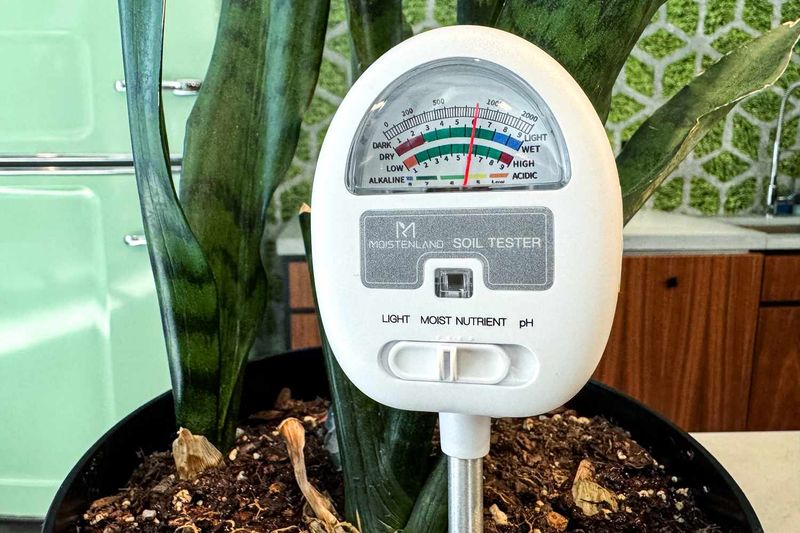
A dry surface is not a reliable guide. The top layer of potting mix can feel completely dry while the lower portion of the root ball is still quite wet, especially in a larger pot or one with compacted media. Conversely, soil that has dried out severely can become hydrophobic, meaning water poured on top will run around the edges and out the drainage hole without ever fully rewetting the root zone. Neither situation is obvious from a glance or a light surface touch.
Start by pushing two or three fingers several inches into the mix, or pick up the pot and notice its weight. A pot that feels surprisingly heavy for its size almost certainly has significant moisture lower down, even if the top inch looks dry. North Carolina Cooperative Extension guidance recommends watering when roughly the top inch or two has dried, then watering thoroughly until water runs freely from the drainage holes. That is sound general practice, but the top-inch rule is a starting point, not an infallible test, which is why checking deeper matters when the plant is already showing stress.
Also check what is happening at the bottom of the pot. Lift it and look at the drainage holes. If water is pooled in the saucer or trapped inside a decorative cachepot, the roots have likely been sitting in that moisture. University of Minnesota Extension is direct on this point: excess water should be emptied from saucers and cachepots after each watering, because holiday cacti do poorly when repeatedly kept in wet soil.
Once you have a clear picture of the moisture situation, the path forward splits. If the mix is genuinely dry all the way through, water slowly and thoroughly, let the pot drain completely, and empty any collected water from the saucer. Give the plant a day or two to respond before worrying further. If the mix is wet and the segments are still limp and wrinkled, checking below the surface for root trouble becomes the next logical step, not another round of watering.
Wet soil and limp segments justify a root inspection
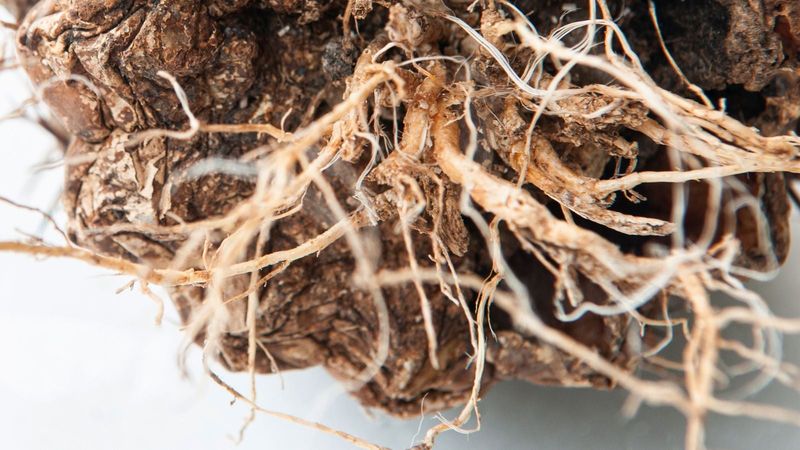
When the potting mix is wet and the segments stay soft and wrinkled after a day or two, it is time to look at what the soil has been hiding. Removing a plant from its pot to inspect the roots feels like a drastic step, but it is far less drastic than continuing to guess from the outside while the damage progresses.
Work over a table or newspaper so you can see what you are dealing with. Gently slide the plant out, shake away loose mix, and take a close look at the root system. Healthy roots on a holiday cactus are typically firm and light-colored, ranging from white to tan. University of Minnesota Extension describes dark, soft, or mushy roots as consistent with root rot, and notes that other signs include gray-green wilting, a plant that seems to be collapsing at the base, and rot at the soil line.
These observations together point toward fungal root or stem rot, though a definitive diagnosis of the specific pathogen is beyond what a home grower can confirm without lab testing.
Look carefully at the base of the stem segments where they meet the soil. Black, wet, or slimy lesions that appear at or just above the soil line and seem to be moving upward are a different and more urgent warning sign. Penn State Extension’s disease guidance distinguishes bacterial soft rot, which tends to produce wet, foul-smelling lesions, from fungal root and stem rot. Both are serious, but the presence of soft, discolored tissue at the stem base rather than just the roots warrants extra caution about whether the plant can be saved at all.
Ordinary limpness from thirst looks very different up close: the roots are intact, the stem base is firm, and there is no discoloration or foul smell. If the roots look healthy and the mix was simply too dry, you have your answer and the fix is straightforward. If significant root damage is present, do not apply chemical treatments casually. Severely infected plants may be better discarded than treated, and saving healthy cuttings at that point becomes the priority.
Correct the moisture trap without guessing at pot size
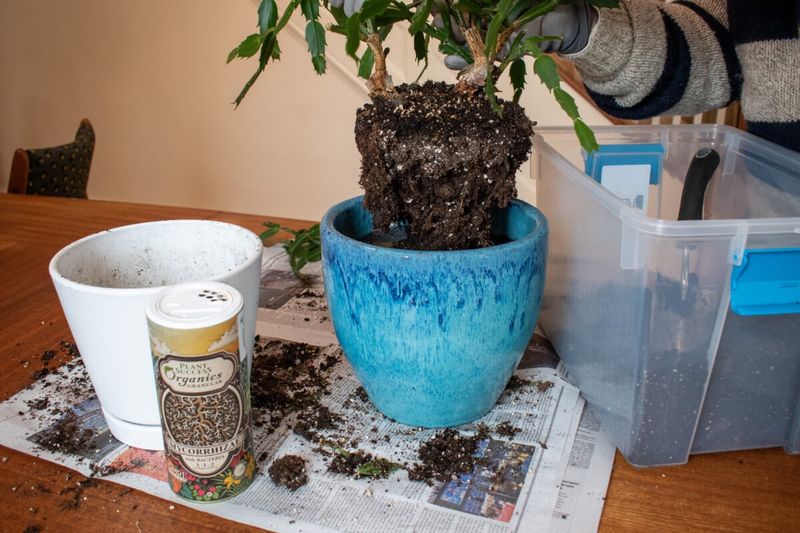
Finding damaged roots changes the goal from “give it more water” to “fix the environment that caused the damage.” That means addressing whatever trapped moisture around the roots in the first place, whether that was a pot without drainage, a compacted or water-retentive mix, a saucer full of standing water, or a container so oversized that the surrounding soil stayed wet long after the plant used what it needed.
A container with drainage holes is non-negotiable. If the current pot lacks them or is too damaged to use, move the plant into one that drains freely. For the growing medium, the key property is not the label on the bag but how the mix actually behaves. University of Minnesota Extension recommends a loose, well-aerated mix for holiday cacti.
Some commercial cactus mixes work well, but others can still retain too much moisture, particularly in a large container. Adding perlite or coarse material to improve drainage and air movement around the roots is a reasonable adjustment when the existing mix feels dense or holds water visibly.
Pot size deserves careful thought. A common instinct is to move a struggling plant into a noticeably smaller pot, but the right choice depends on what you found during the inspection. University of Illinois Extension notes that holiday cacti actually bloom well when slightly pot-bound, so an oversized container is a genuine problem, but a container that fits the remaining healthy root system is what you are aiming for, not necessarily the smallest one available. After trimming away dark, mushy roots with clean scissors, match the pot size to what is left.
On timing: Penn State Extension guidance on repotting notes that spring is generally the preferred season for routine repotting of houseplants. For a holiday cactus with active rot, trapped water, or a severely unsuitable medium, waiting until spring is not the right call. Corrective repotting to stop ongoing damage is a different decision from routine maintenance, and it can happen whenever the plant needs it. Once the plant is in a suitable container with fresh, airy mix, resume watering based on how the mix actually dries, not on a fixed schedule.
Healthy cuttings can preserve a badly damaged plant
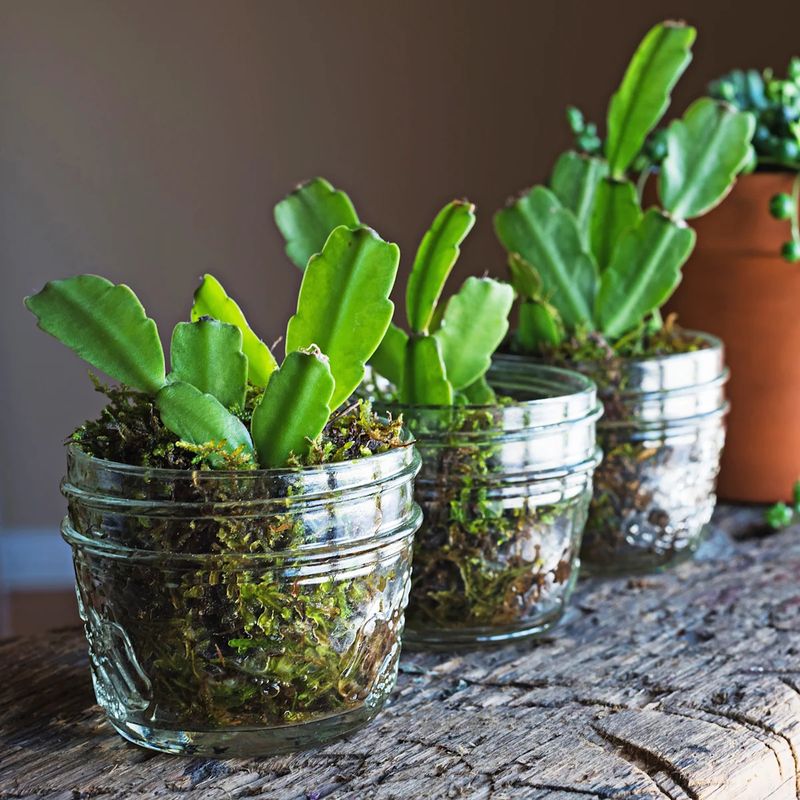
Not every holiday cactus with significant root damage will pull through, and being realistic about that early on gives you the best chance of keeping the plant’s genetics alive. If the root inspection turned up extensive rot or soft-rot lesions moving up the stem, take healthy cuttings before the damage spreads further. Cuttings are not a sign of failure; they are practical insurance.
Choose segments that look firm, green, and completely free of soft spots or discoloration. A cutting of two to four segments is a workable size. UC Agriculture and Natural Resources recommends allowing the cut end to dry and callus for several days before placing it into a growing medium. That brief drying period reduces the chance of rot at the cut site, which matters especially when you are already dealing with a plant that had moisture problems.
Once the end has callused, place the cutting about an inch deep into a clean, moist, well-draining medium in a pot with drainage holes. University of Minnesota Extension advises keeping the medium moist but not wet and checking for roots after about two weeks. A gentle tug that meets light resistance is a good sign that roots are forming. Keep the cutting out of direct sun while it is rooting, and avoid the temptation to overwater during this period.
Healthy cuttings give you a fresh start with a plant that has no root history of rot or drainage problems. They do not prove that removing damaged tissue will save the original plant, especially if soft rot or severe fungal infection has reached the stem base. Think of them as a parallel track: work on the parent plant if it has viable healthy roots remaining, and propagate cuttings at the same time so you have something to fall back on either way.
Root recovery supports future blooms but cannot guarantee them
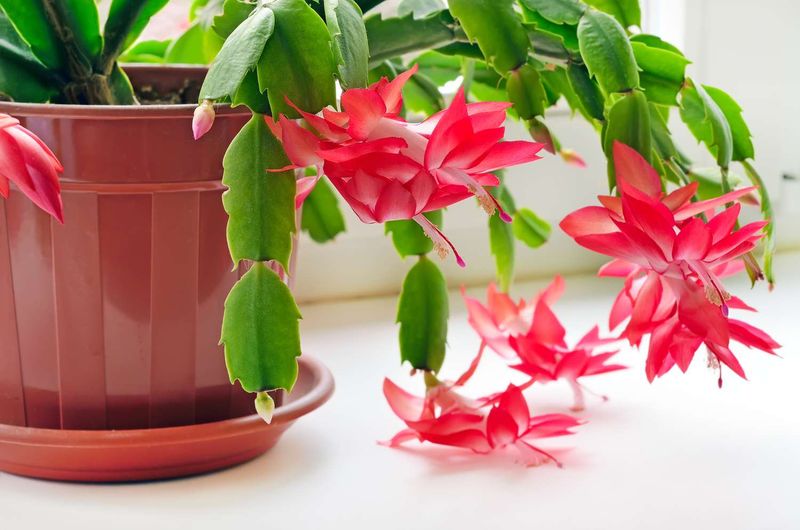
Getting the roots healthy again is genuinely worth the effort, and a plant that comes through this kind of trouble can absolutely bloom again. But root health is one piece of a larger picture, and it helps to go in with clear expectations so you are not disappointed if the next holiday season passes without flowers.
University of Minnesota Extension guidance explains that holiday cacti need three conditions working together to initiate flower buds: bright indirect light, cool temperatures, and an uninterrupted dark period of roughly 12 hours each night sustained for about five to six weeks. A plant kept near a lamp that stays on late, or in a room that gets streetlight through the window, may skip flowering entirely even when it is otherwise in good condition. Root recovery does not override those environmental requirements.
Bloom timing also varies by cultivar and growing conditions. Many plants sold as Christmas cactus are actually Thanksgiving cacti that naturally bloom several weeks earlier. Illinois Extension notes that bloom timing depends on the specific Schlumbergera type, so the plant may flower outside the holiday window you are expecting, particularly after a stressful season. That is not a sign that recovery failed.
The practical sequence to carry forward is straightforward: check moisture several inches down before watering, treat wet soil paired with limp segments as a reason to inspect the roots rather than add more water, correct drainage and medium problems with an appropriately sized pot, and keep healthy cuttings as a backup when damage is severe. A plant that recovers well and gets the light, cool temperatures, and dark period it needs has a real chance at flowers. Sound roots make everything else possible, even if they cannot do the whole job alone.