
If Your Backyard Only Draws A Few Butterflies, These 11 Perennials Turn It Into Their Favorite Stop
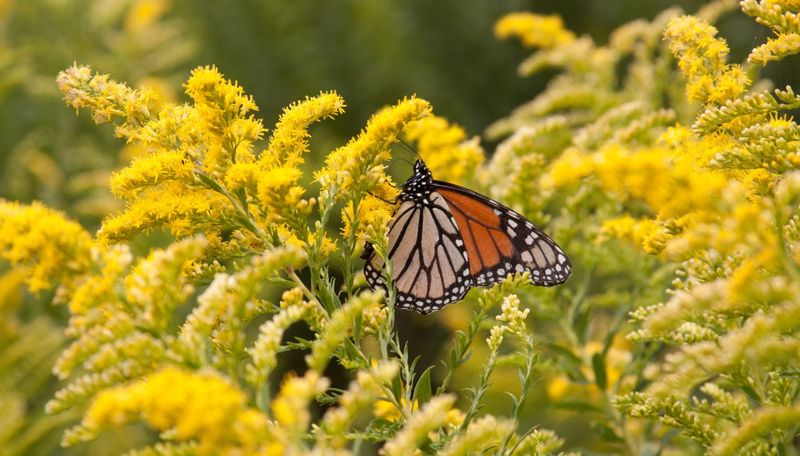
Butterflies do not just wander into a yard by accident. They follow color, scent, and the promise of a reliable meal, so a garden with the right plants becomes a landing pad they return to all season. The good news is that you do not need a special talent or a huge budget to make that happen. Plant a few of these hardworking perennials, and you will watch your quiet backyard turn into a fluttering hotspot that comes back stronger every year.
1. Butterfly Weed (Asclepias tuberosa)
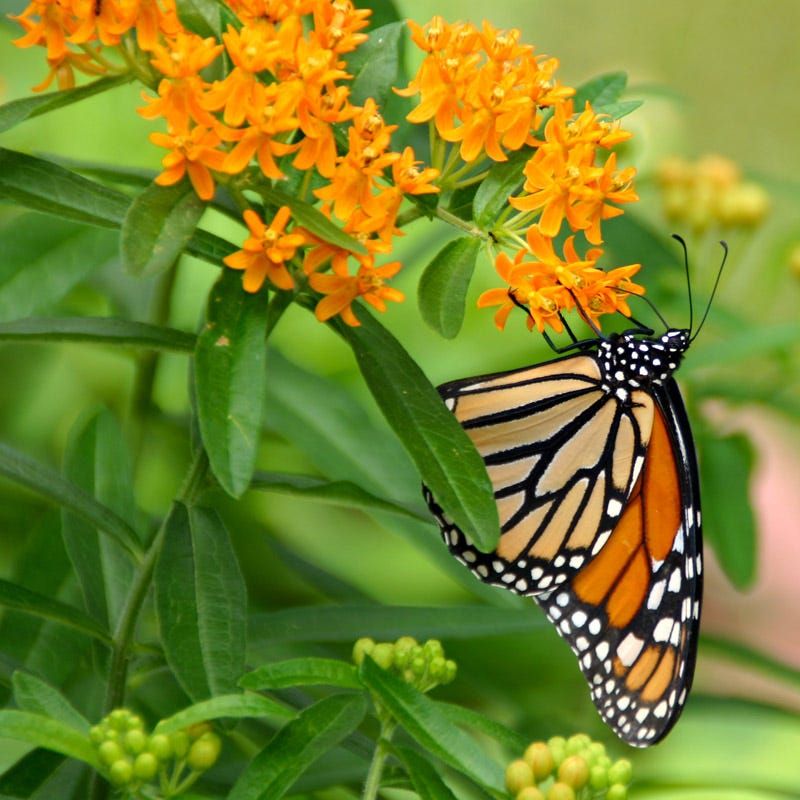
Monarchs treat this plant like a roadside diner they simply cannot pass up. Its bright orange clusters glow against a summer bed, and unlike some fussy flowers, it thrives in the dry, sandy spots where other plants sulk.
What sets it apart is its double duty. The nectar feeds adult butterflies, while the leaves are one of the few foods hungry monarch caterpillars will actually eat, making it a nursery and a snack bar rolled into one.
Give it full sun and poor-to-average soil, then leave it alone. Deep taproots mean it hates being moved, so pick the spot carefully the first time. Once settled, it shrugs off heat and drought like a champ.
Fun bit of history: it earned the nickname pleurisy root because early American settlers brewed its roots as a folk remedy for lung trouble. These days its real job is keeping the monarch migration fueled across the US.
2. Purple Coneflower (Echinacea purpurea)
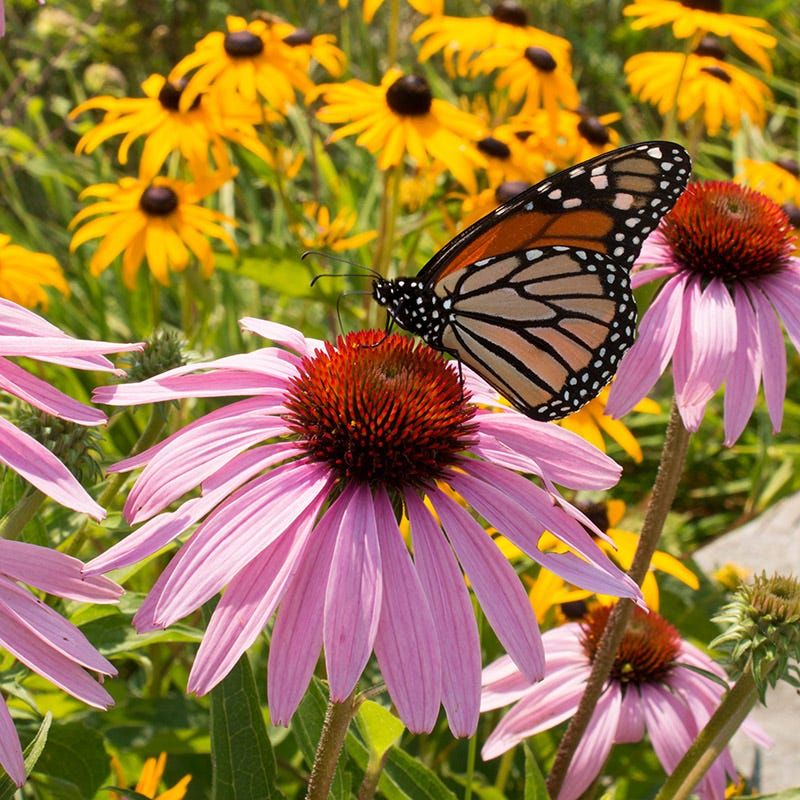
Sturdy, unbothered, and always dressed in dusky pink, coneflower is the plant that keeps working when the July heat has everything else drooping. Its raised, spiky center gives butterflies a natural landing perch, almost like a built-in seat at the table.
Swallowtails, fritillaries, and painted ladies crowd around the blooms from midsummer well into fall. That long flowering window is a big reason it belongs on this list, since a garden that feeds butterflies for months beats one that peters out in August.
Leave the spent flower heads standing through winter and you get a second gift. Goldfinches strip the seeds while the dried cones add structure to a sleepy off-season bed.
It handles clay, drought, and neglect, which makes it forgiving for anyone still learning what their backyard soil can grow.
3. Bee Balm (Monarda)
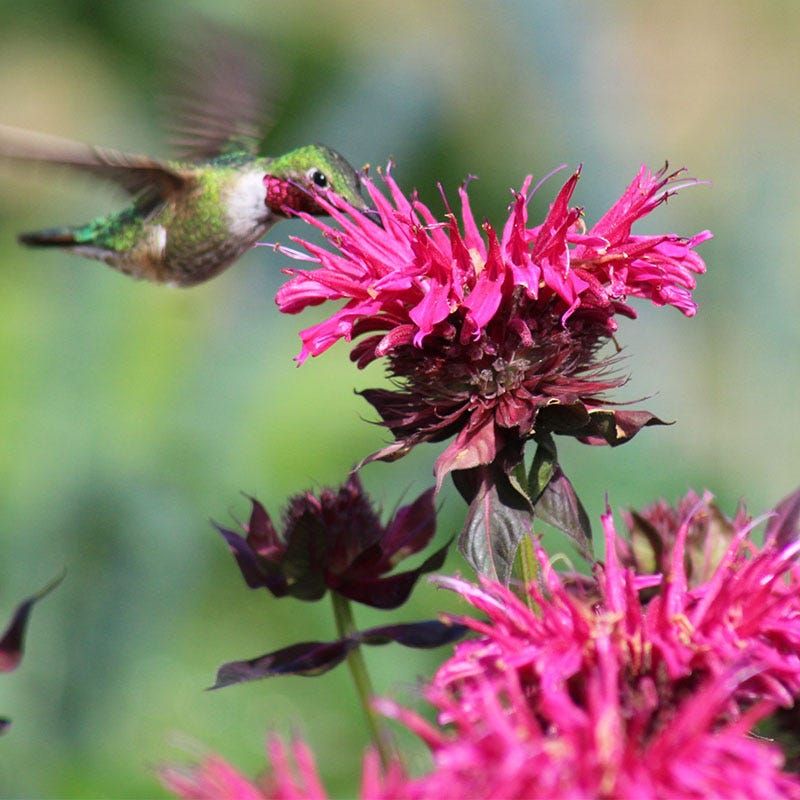
Crush a leaf of bee balm and you get a whiff of oregano and mint, a scent that hints at how much life this plant pulls in. Its shaggy, firework-shaped blooms in red, pink, and purple look almost too wild to be planted on purpose.
Tiger swallowtails and skippers love the tubular flowers, and hummingbirds often show up to the same party. Few perennials multitask this well between pollinators.
Give it room to breathe. Bee balm can spread by underground runners and appreciates good air circulation, since crowding invites powdery mildew on the leaves. Newer mildew-resistant varieties solve most of that headache.
Plant it toward the middle or back of a bed where its tall, loose habit adds movement. A patch swaying in the breeze with butterflies clinging on is the kind of scene that makes neighbors slow down and stare.
4. Blazing Star (Liatris spicata)
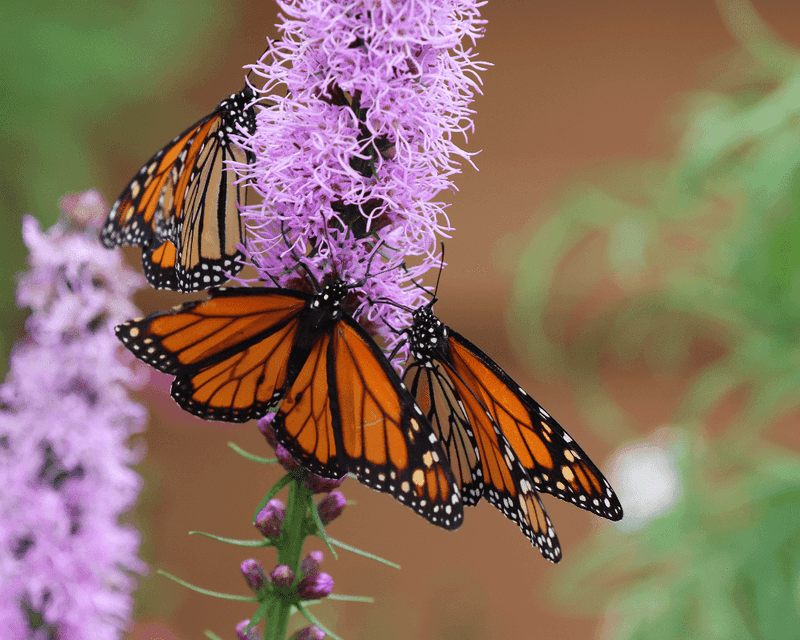
Picture a purple bottlebrush standing straight up out of the flower bed, and you have blazing star. Its vertical spikes bloom from the top down, which is unusual, and they act like magnets for monarchs and swallowtails looking for an easy fuel stop.
The upright shape is exactly why it deserves a spot here. Most nectar plants spread wide and low, so a tall vertical accent adds height and gives butterflies a fresh angle to feed from.
It grows from a corm, tolerates poor soil, and laughs off drought once established. Cut a few stems for a vase and they last surprisingly long indoors, a bonus most butterfly plants cannot claim.
Native to American prairies, it has fed pollinators across the Midwest for thousands of years, long before anyone thought to plant it in a suburban border.
5. Black-Eyed Susan (Rudbeckia)
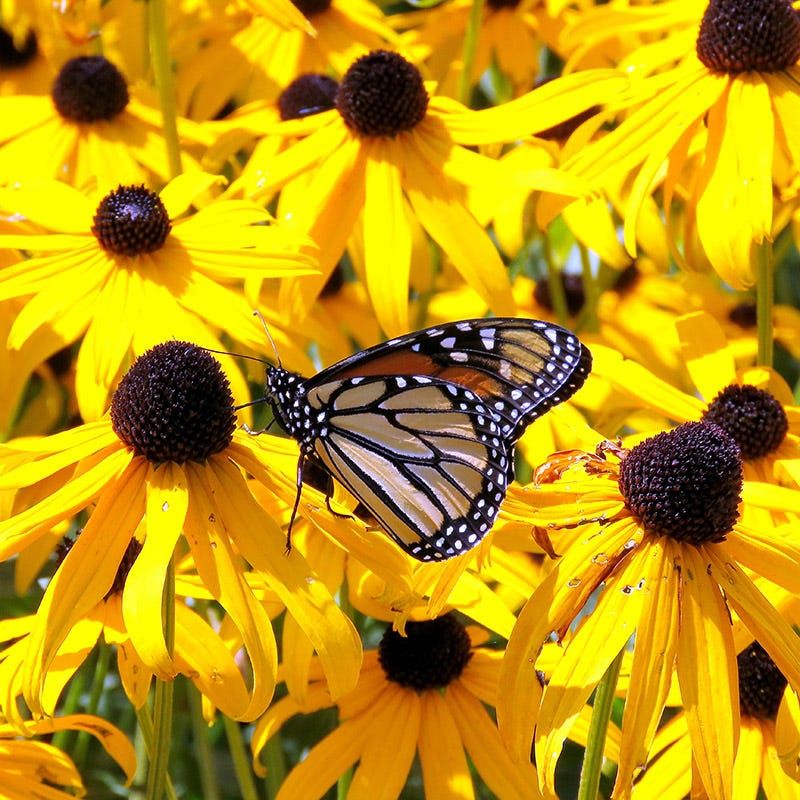
Cheerful and impossible to kill, black-eyed Susan is the golden workhorse of a butterfly garden. Its sunny yellow petals ringing a dark brown eye brighten a bed from midsummer until frost, giving late-season butterflies a dependable last call.
Silvery checkerspots and skippers gather on the flat, open blooms, and the shape makes for effortless landing. When a plant this tough also feeds pollinators for months, it earns its keep twice over.
Drought, heat, poor soil, humidity, it takes all of it in stride. That resilience is what makes it a smart pick for beginners who want reliable results without babysitting.
Let the seed heads stand into autumn and finches will thank you. A single clump often self-sows into a golden drift within a couple of seasons, filling gaps for free.
6. Joe-Pye Weed (Eutrochium)
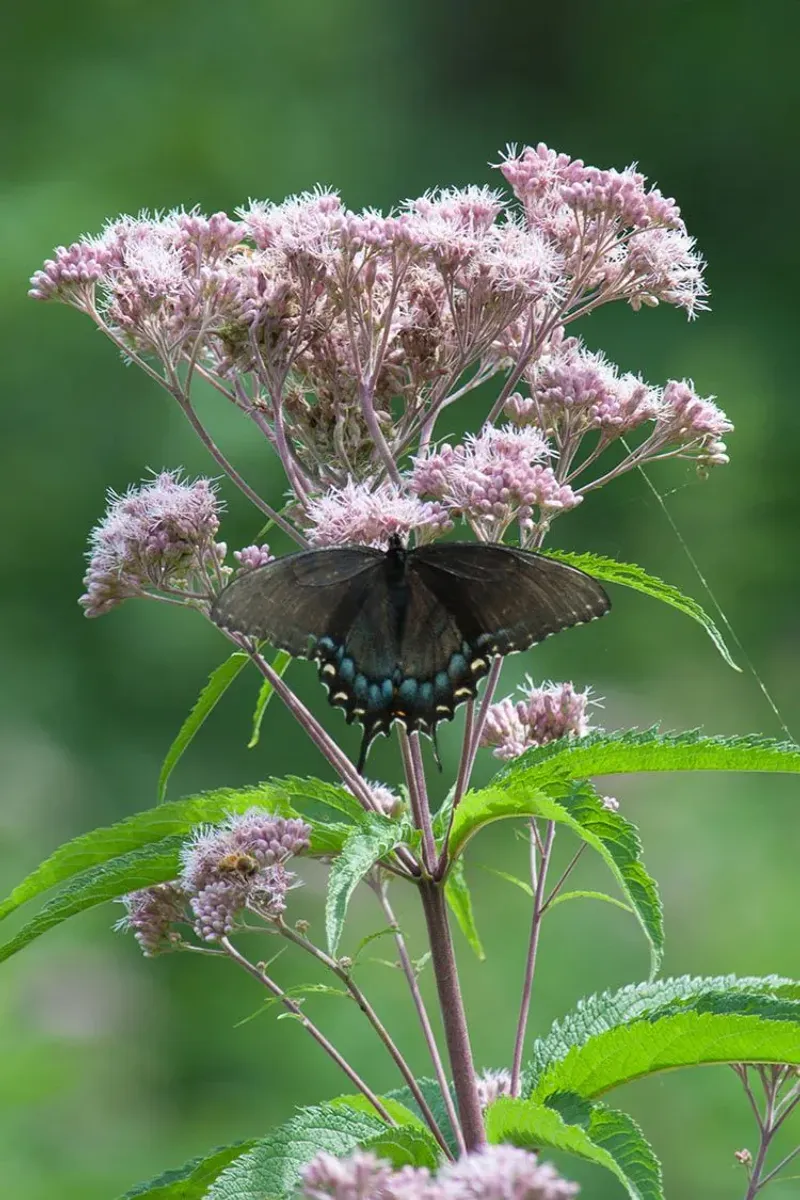
Do not let the word weed fool you. This towering native can reach seven feet, topped with dusty rose flower clusters the size of dinner plates, and it draws butterflies the way a lit porch draws moths.
Late summer is its moment, exactly when many gardens fade. That timing fills a hungry gap in the season, offering monarchs and swallowtails a huge nectar buffet right before the fall migration kicks in.
It likes a little more moisture than the drought-lovers on this list, so tuck it into a low spot or a rain garden where the ground stays damp. In return you get a dramatic back-of-border giant humming with wings.
The vanilla-scented blooms and hollow stems even shelter native bees, making this plant a genuine wildlife hotel that happens to look stunning.
7. Aster (Symphyotrichum)
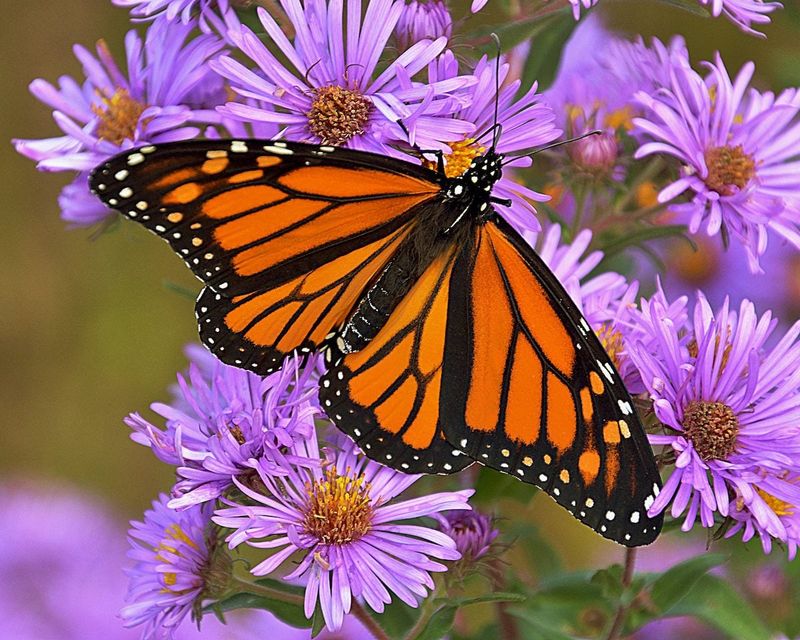
When almost everything else has quit for the year, asters roll in with waves of purple, blue, and pink daisy-like blooms. That autumn timing makes them the closing act butterflies count on before winter.
Late-season monarchs stocking up for migration lean heavily on aster nectar, so having a patch in bloom during September and October can be the difference between a passing visitor and a lingering guest.
They pair beautifully with goldenrod and sedum, creating a fall tapestry that feels intentional rather than tired. Pinch them back in early summer for bushier, more flower-packed plants.
Most asters are native across the US and adapt to a wide range of soils. Once the frost finally arrives, you will have squeezed every last week of butterfly activity out of your yard.
8. Coreopsis (Tickseed)
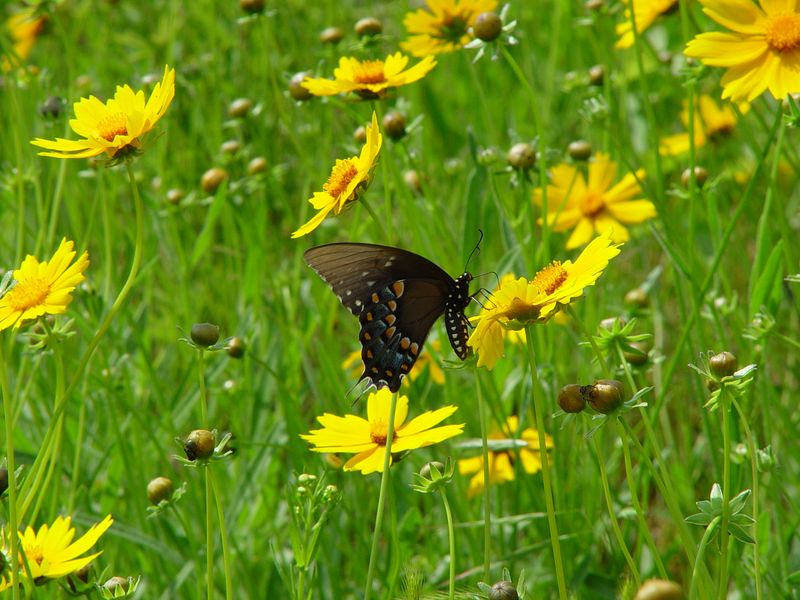
Small, sunny, and endlessly generous, coreopsis pumps out yellow and gold blooms so steadily it barely takes a breath all summer. That nonstop flowering gives butterflies a steady supply of nectar rather than a brief flash.
Skippers and small butterflies especially favor its compact, open blooms, which sit at a comfortable feeding height. Deadhead now and then and it rewards you with even more flowers, sometimes right up to frost.
It stays neat and tidy, so it fits happily along a walkway, in a container, or at the front edge of a bed where taller plants would flop. For anyone with limited space, that compact habit is a real selling point.
Tough as nails in heat and poor soil, it asks for almost nothing while giving pollinators a reliable spot to refuel day after day.
9. Phlox (Phlox paniculata)
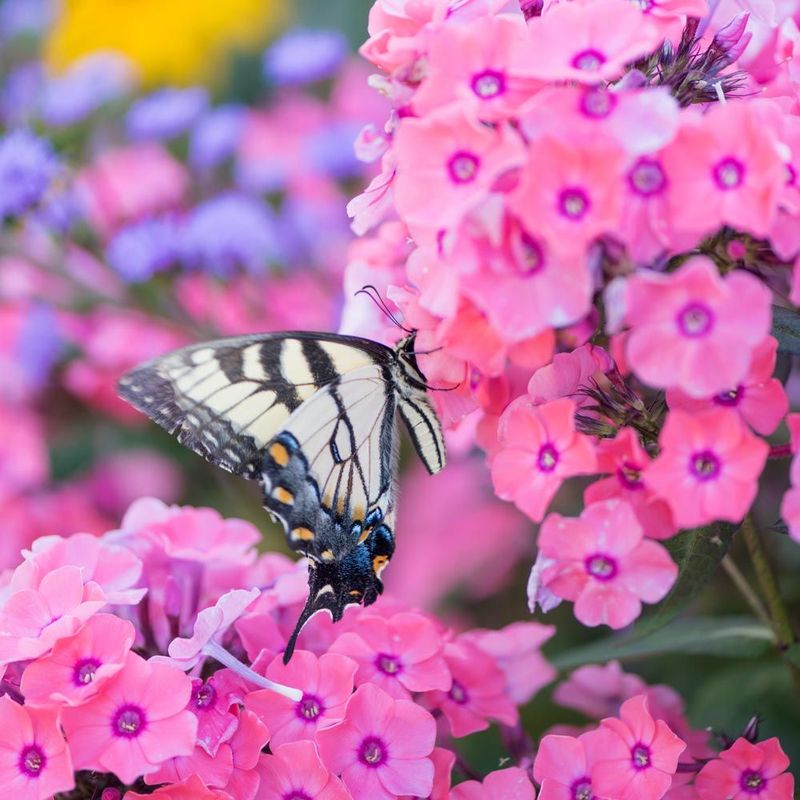
Sweetly fragrant and clustered into big rounded heads, garden phlox perfumes a summer evening while feeding butterflies by day. Its scent alone helps lead pollinators straight to your beds.
The long, narrow flower tubes are perfect for the coiled tongues of swallowtails and fritillaries, which is what earns phlox its place. Butterflies with long proboscises can reach nectar that shorter-tongued insects miss, so this plant serves a crowd others cannot.
Tall varieties bring color to the middle of a border in pink, white, lavender, and magenta. Choose mildew-resistant types and space them well, since crowded phlox can develop that dusty gray leaf coating.
Grandma likely grew it, and for good reason. Reliable, showy, and welcoming to wings, phlox bridges old-fashioned charm with real ecological value.
10. Yarrow (Achillea)
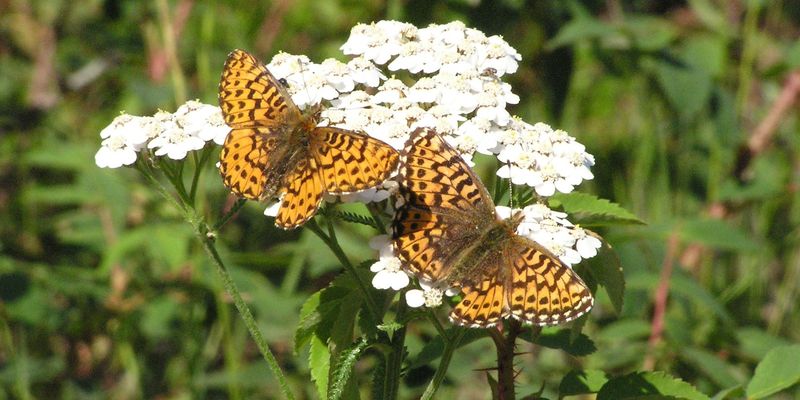
Flat as a helicopter pad and packed with tiny florets, yarrow gives butterflies exactly what they crave, a stable surface with hundreds of little nectar wells in one spot. Painted ladies and skippers can perch and feed without ever leaving the same bloom.
Its ferny, aromatic foliage sets it apart, releasing a herbal scent that some gardeners say may help deter certain nibbling pests from nearby plants. That combination of pollinator draw and possible protective side effect is hard to beat.
Colors run from creamy white to gold, coral, and deep red, and it laughs at drought, heat, and lean soil. Overwatering or rich ground actually makes it flop, so treating it rough keeps it upright.
Legend claims the Greek hero Achilles carried it to treat soldiers’ wounds, which is where the name Achillea comes from. Centuries later it is still pulling double duty in the garden.
11. Sedum Autumn Joy (Hylotelephium)
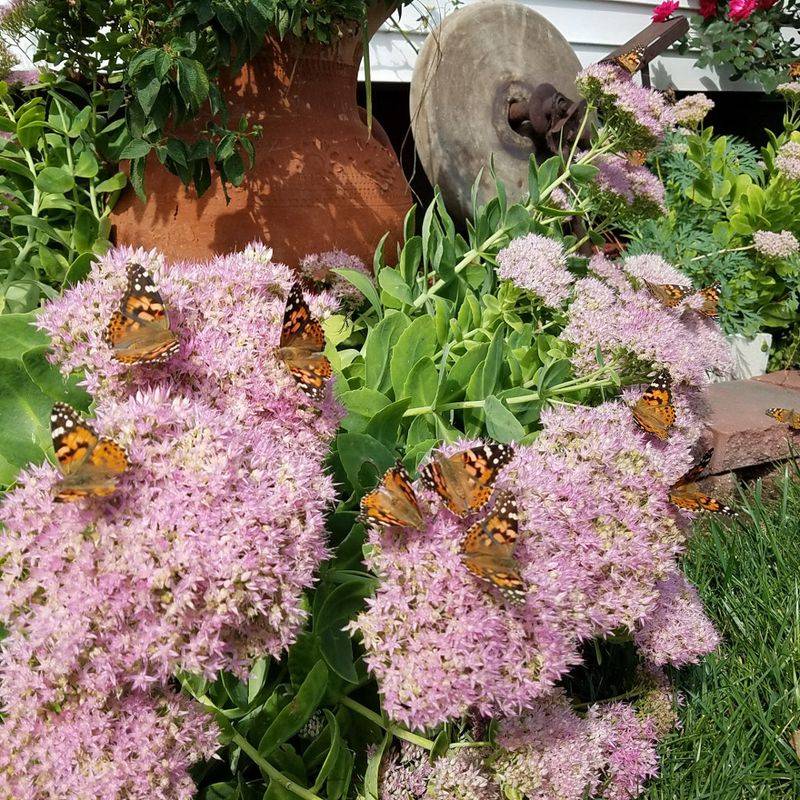
Late in the year, when nectar grows scarce, sedum quietly steps up with broad, rosy flower plates that swarm with wings. Its succulent leaves store water, so it stays plump and fresh while thirstier plants fade.
The timing is the whole point. Blooming from late summer into fall, it feeds migrating monarchs and settling butterflies right when the buffet elsewhere is closing down, making it a crucial bookend to the season.
Those thick flower heads offer a broad, sturdy platform that even heavier butterflies can rest on comfortably. Watch a clump on a warm October afternoon and you may count several species at once.
It practically thrives on neglect, needing little water and no coddling. Leave the dried seed heads standing and they add sculptural interest to a frosty winter bed, a small gift long after the butterflies have moved on.