
18 Low-Water Perennials That Keep Blooming All Summer (And How To Keep Them Going)
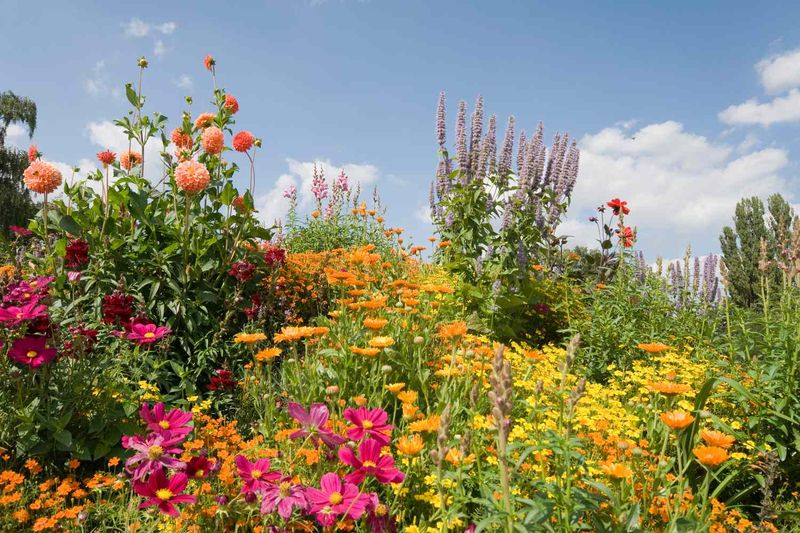
Nothing feels worse than watching a flower bed shrivel every time the summer sun cranks up. The good news is that some perennials barely notice the heat, blooming week after week on very little water once their roots settle in.
Below you will find 18 tough, thirsty-resistant bloomers, plus the simple fixes that keep each one flowering instead of fizzling out. Whether your plant has stopped blooming, flopped over, or turned leggy, there is a quick rescue waiting in every section.
1. Coreopsis (Tickseed)
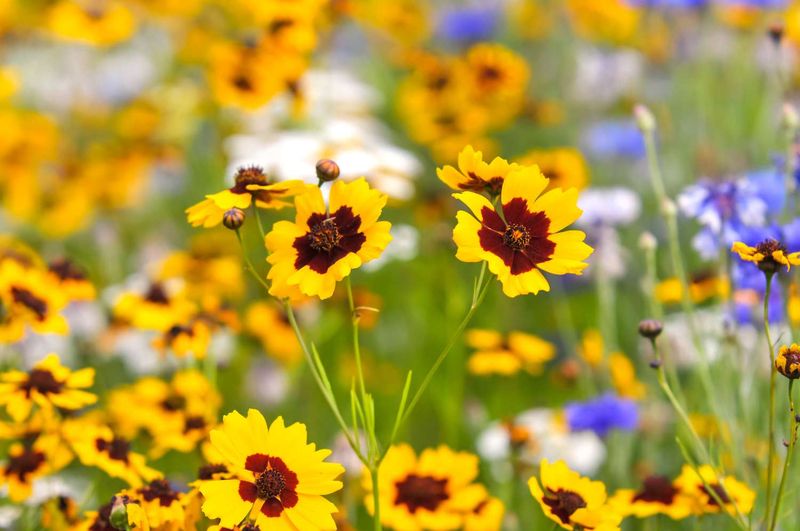
Few plants throw out cheerful daisy-like blooms as generously as coreopsis, yet many gardeners watch that early burst suddenly stall. The reason is built right into the plant: once it pumps out a heavy flush of early summer flowers, it wants to switch gears and make seeds instead of more blooms.
If your coreopsis has slowed down, deadheading is your best friend. Pinch off spent flowers weekly, and when the whole plant starts looking tired, shear it back by up to half in mid-to-late summer to trigger a fresh wave of color.
Give it at least six hours of direct sun, because too much shade quietly cuts your bloom count. It shrugs off drought once established, but a deep weekly soak after shearing helps break the heat-and-dry dormancy that stops budding.
Go easy on fertilizer, especially high-nitrogen types that grow leaves at the expense of flowers. In average soil, a little spring compost is usually all it ever needs.
2. Perovskia (Russian Sage)
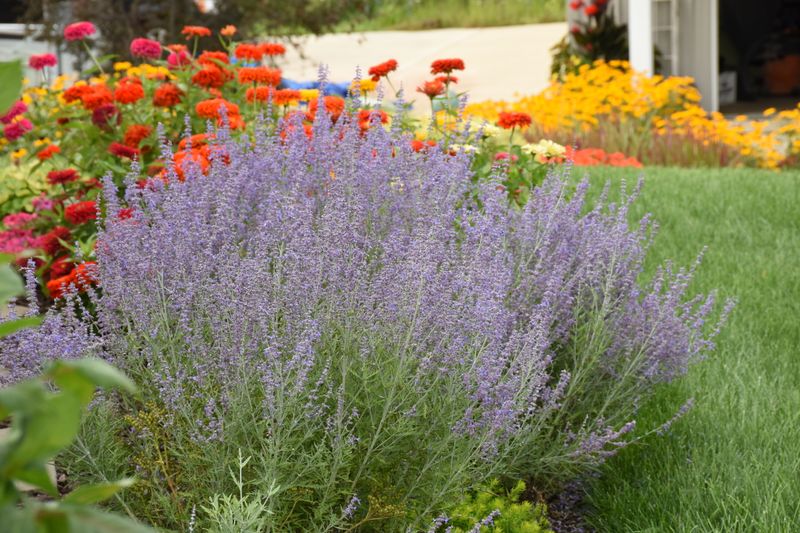
Picture a hazy cloud of silvery stems topped with lavender-blue spires swaying in July heat, and you have Russian sage at its best. It practically begs for a hot, dry corner where fussier plants would sulk.
Yellowing leaves, wilting, or weak growth usually point to one culprit: too much water sitting around soggy roots. Plant it in well-drained soil, and if your ground is heavy, work in sand, grit, or perlite before you ever set it in.
Sun matters just as much. With six to eight hours of direct light, stems stay upright, but in partial shade the plant stretches and flops open in the middle.
Come early spring, cut last year’s stems back to about six to twelve inches above the ground. That yearly haircut keeps it from turning woody and pushes vigorous new growth loaded with blooms.
Skip the fertilizer, since feeding mostly buys you floppy foliage and fewer flowers.
3. Gaillardia (Blanket Flower)
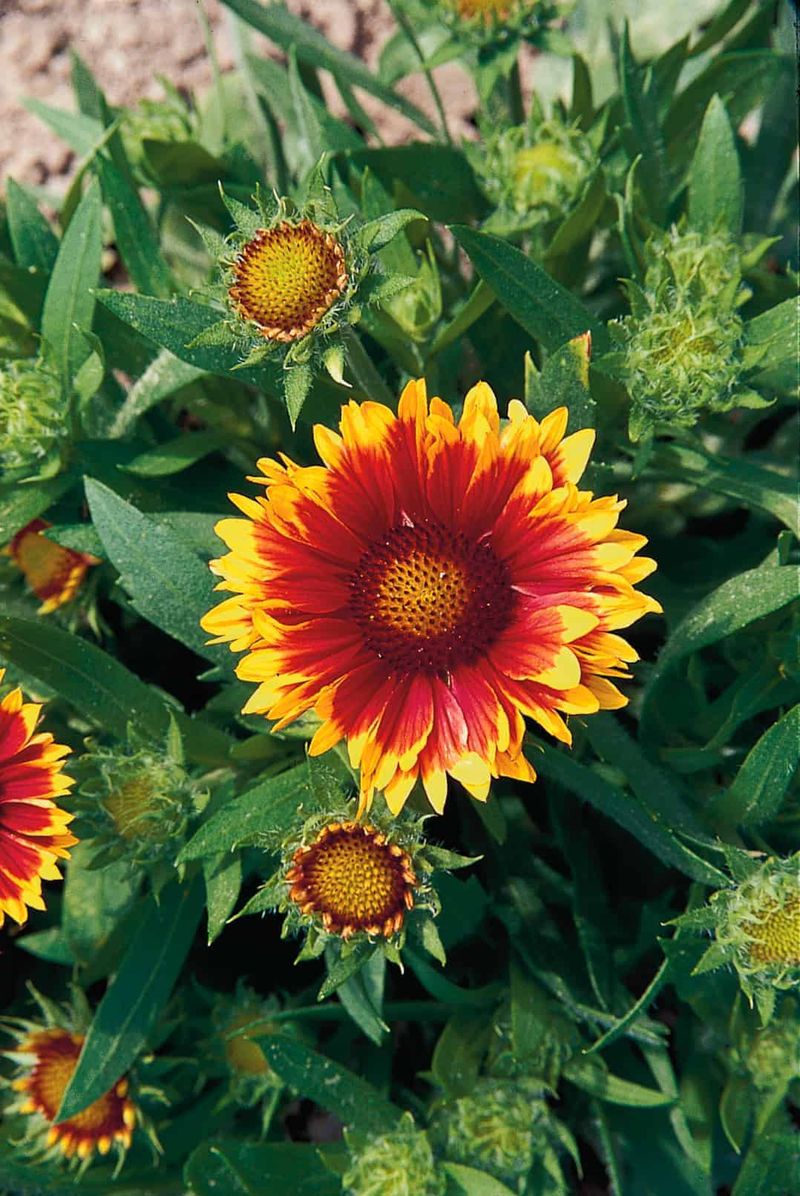
Warm, fiery bands of red and gold give blanket flower its name, and it just keeps coming as long as you keep up your end of the deal. When blooms start fading fast or slowing down, high temperatures and skipped deadheading are usually to blame.
Snip off spent blooms often so the plant spends its energy on new flowers instead of seeds. One important warning: do not cut it back hard during summer heat, because a heavy chop in hot weather can actually kill it.
Full sun keeps it flowering, and lean soil keeps it happy. Blanket flower loves poor ground, so resist the urge to pile on compost or fertilizer, which only delays flowering.
If it gets leggy, wait for cooler fall or spring weather, then cut back half the plant. Once that half reblooms, trim the other.
Water newcomers steadily, but once established, it only wants a drink when the top three inches of soil dry out.
4. Salvia
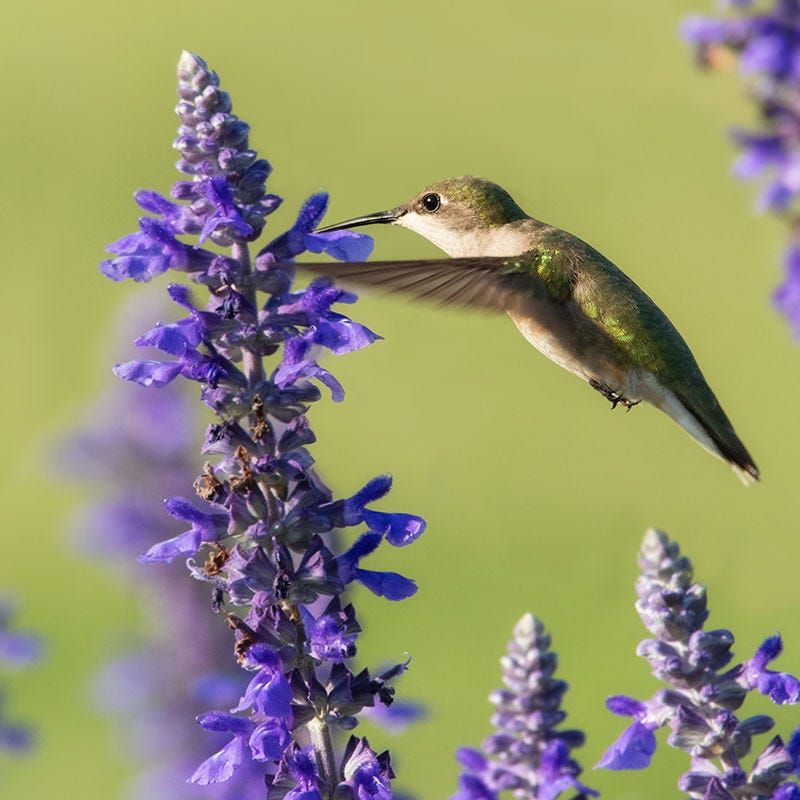
Spiky wands of purple, blue, or red make salvia a magnet for bees and hummingbirds, and it keeps that show running with almost no coddling. When it goes quiet, stops blooming, or turns leggy, the usual suspects are shade, no deadheading, and too much nitrogen.
As soon as a flower spike fades, cut it back to the first set of healthy leaves or a developing side shoot. That single habit stops seed-making and pushes fresh spikes for repeat blooms.
Plant it where it gets at least six hours of direct sun, since dim spots are the number one reason for missing flowers. Feed it lightly with a balanced or potassium-rich formula after the first flush, and steer clear of high-nitrogen products that build leaves instead of blooms.
For herbaceous types, cut them back near ground level in mid-summer once the first flush fades. You will be rewarded with a second round of foliage and flowers before frost.
5. Sedum (Stonecrop)
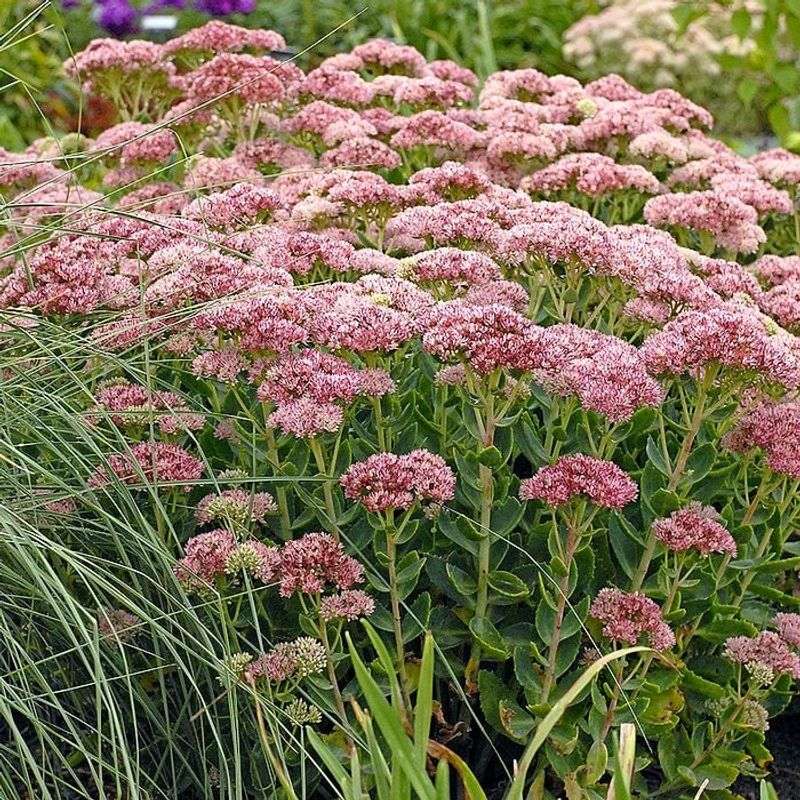
Thick, water-filled leaves make sedum the camel of the flower bed, storing its own moisture so it can coast through dry spells. Late summer brings dense flower clusters that fade slowly into fall, giving you weeks of interest.
Weak growth, mushy foliage, or shy blooming almost always trace back to two things: not enough sun and too much water. Give it a sunny spot with six or more hours of direct light, and let the soil dry out completely between waterings.
Drainage is non-negotiable. Sedum sulks in rich, wet clay, so amend heavy ground with sand, grit, or perlite, or grow it in a raised bed or on a slope where water runs off.
Hold back on fertilizer too, because overfeeding leaves you with floppy, weak stems that splay open. A little slow-release food in spring is plenty.
Snip spent blooms if you like a tidy look and a nudge toward more flowers.
6. Penstemon (Beardtongue)
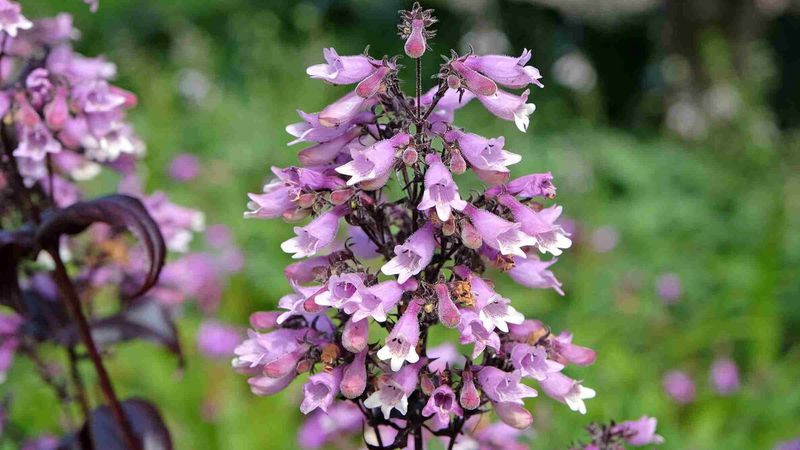
Tubular blossoms lined up along tall stems make penstemon look delicate, but this native beauty is tough as nails in lean, rocky ground. When flowers are few and far between, it is usually starved of sun or stuffed with the wrong food.
Tuck it into the sunniest spot you have, aiming for at least six hours of direct light so it can bloom to its full potential. Deadhead spent flowers regularly to stop seed production and keep new buds coming.
Watering is a balancing act here. Established plants handle drought, but they still need steady moisture to set new flower buds, so avoid both bone-dry stretches and soggy roots, especially while buds are forming.
Feed it like the lean-soil lover it is. High-nitrogen fertilizers just grow leaves, so offer a bloom-leaning feed after deadheading instead.
A tidy-up prune in late winter or early spring helps stimulate the next round of flowering.
7. Yarrow (Achillea)
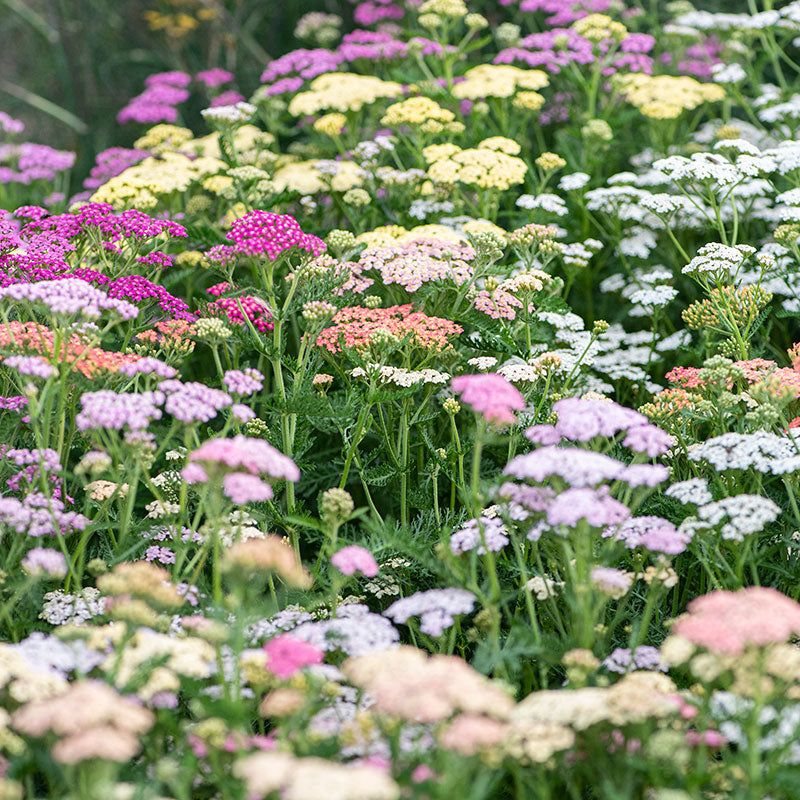
Flat-topped clusters of tiny flowers give yarrow an old-fashioned, meadow charm, and it thrives on neglect better than almost anything. Give it what it wants and it hums along in colors from butter yellow to deep rose.
The classic complaint is flopping, and the fix is almost funny: stop being so nice to it. Yarrow tends to sprawl and fall over in rich soil, so plant it in lean ground where it stays sturdy and upright.
Full sun brings the most blooms, so pick your brightest bed. Once established, it is genuinely drought tolerant and content with only moderate, infrequent watering.
Fun bit of history: yarrow was once carried onto battlefields to help stop bleeding, which is why old names for it include soldier’s woundwort. That toughness shows in the garden, where it asks for little and gives back plenty.
8. Catmint (Nepeta)
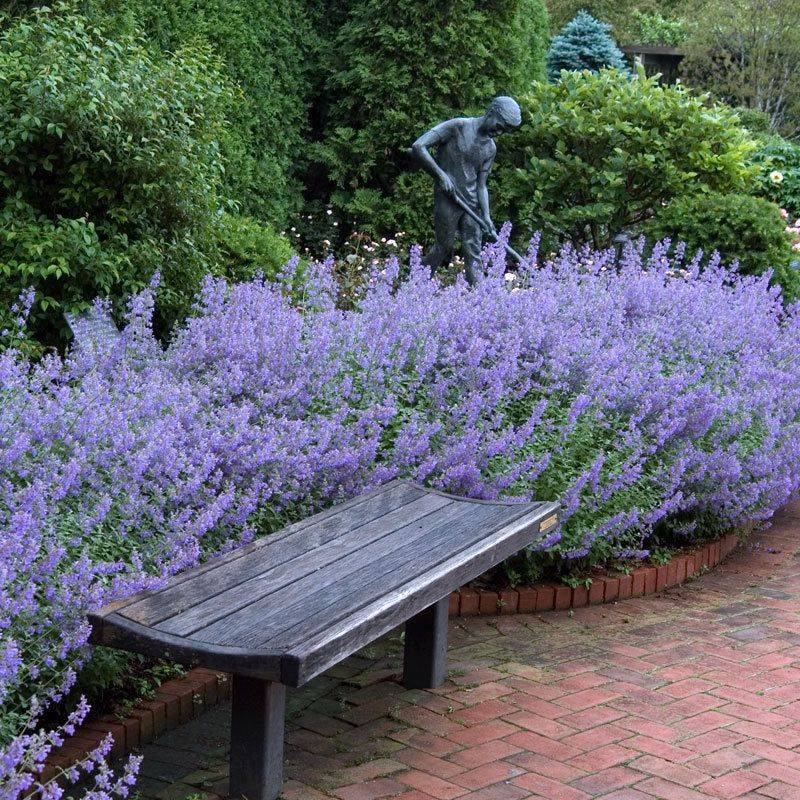
Soft mounds of gray-green leaves smothered in lavender-blue haze make catmint one of the easiest long bloomers around. Pollinators adore it, and it keeps a neat shape without much fuss.
If your catmint quits early, its bloom season is simply shorter than it needs to be, and the cure is one well-timed haircut. Shear it back once in midsummer after the first flush fades, and it rebounds with fresh flowers that can run all the way to frost.
Sun is the secret ingredient for heavy blooming, so give it a full-sun home. Once its roots are settled, it laughs off drought and summer heat like they are nothing.
That midsummer shearing does double duty, tidying up the sprawl while resetting the flower show. It is about the lowest-effort reward in the whole perennial world.
9. Agastache (Hummingbird Mint)
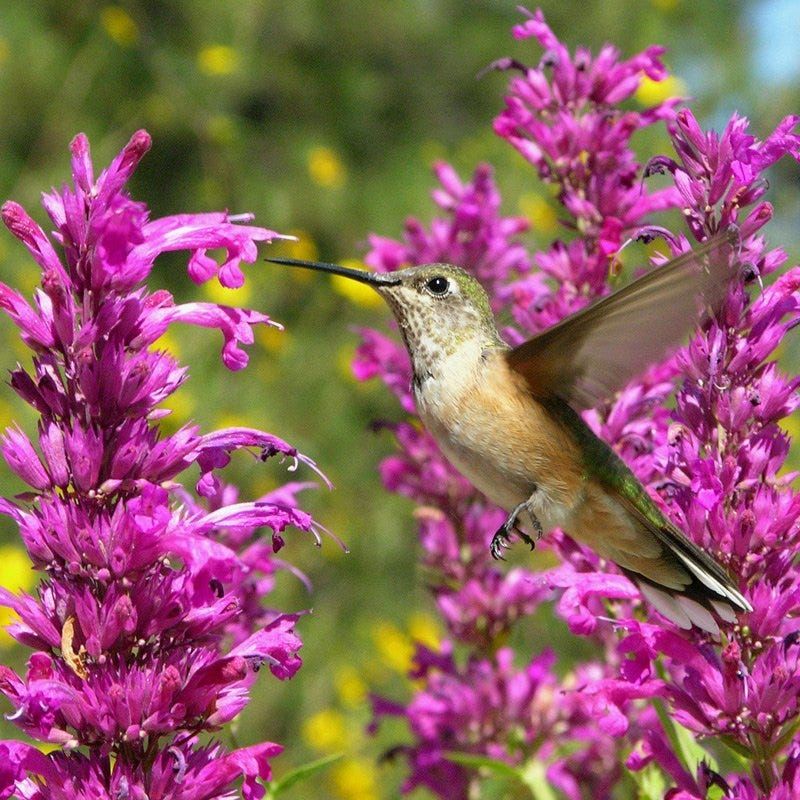
Fragrant spikes buzzing with hummingbirds and bees from midsummer to frost, that is agastache in a nutshell. Crush a leaf and you get a whiff of licorice or root beer, a fun surprise tucked into a hardworking plant.
The one thing it truly cannot forgive is wet feet. Agastache demands sharp drainage and struggles fast in soggy ground, which is the single most common way gardeners lose it.
Set it up high in a rock garden or a raised bed where water drains away quickly, and it rewards you with months of bloom. Full sun keeps the flower spikes coming strong through the hottest stretch of the year.
Watering should be sparing once it settles in. Treat it a bit like a plant that would rather be too dry than too wet, and it will thrive where thirstier perennials collapse.
10. Echinacea (Purple Coneflower)
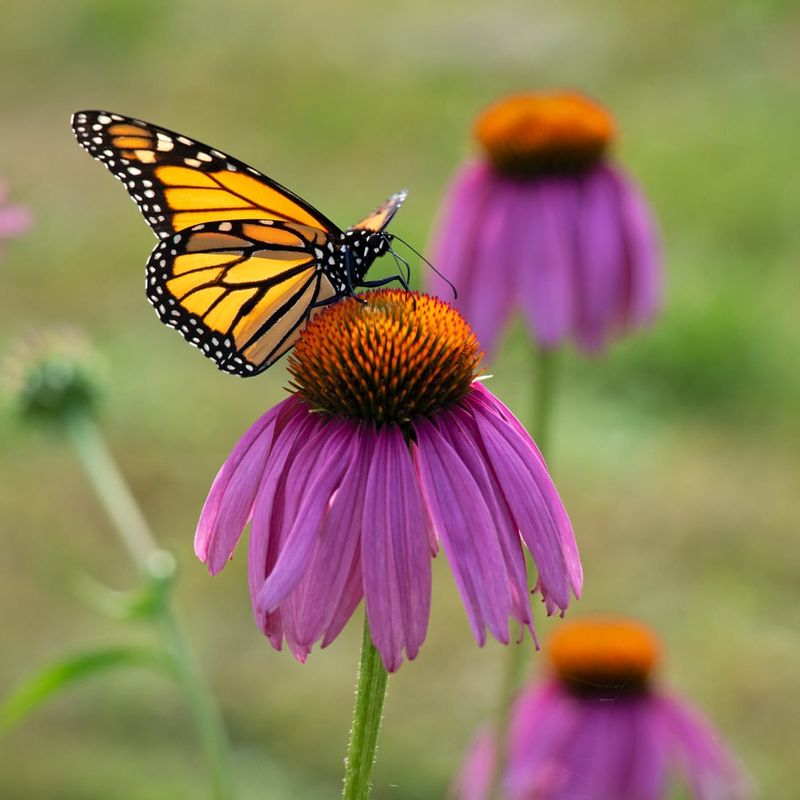
Bold, daisy-shaped flowers with raised copper cones give purple coneflower its unmistakable prairie look. It stands tall in heat, feeds pollinators all summer, and later hands seeds over to hungry finches.
When blooms feel a little thin, deadheading is the quiet trick that turns things around. Removing spent flowers nudges the plant to push out more, though you can always leave the last round of seed heads standing for the birds.
Plant it in full sun, where it flowers most freely and holds its stems upright. Once its roots have dug in, it handles drought like the tough native it is.
Here is a neat piece of trivia: echinacea has long been brewed into teas and tinctures, and its name comes from the Greek word for hedgehog, a nod to that spiky central cone. Beauty and backbone in one plant.
11. Lavender (Lavandula)
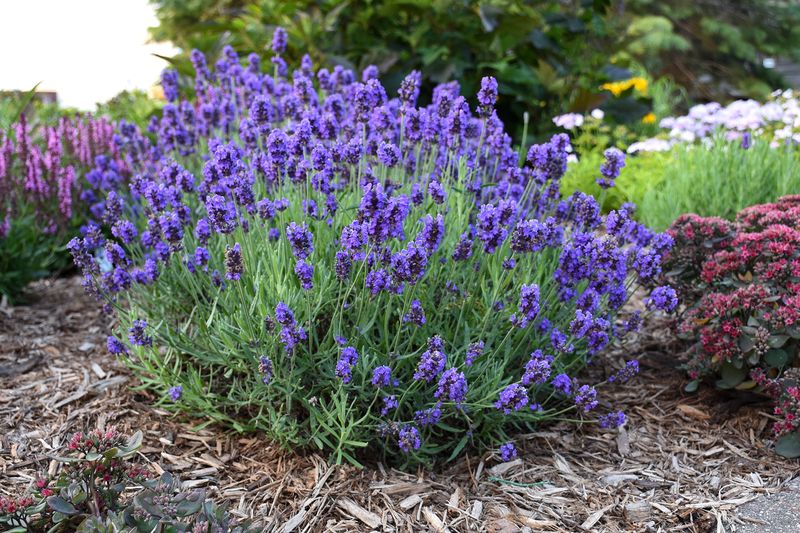
Silver foliage, purple wands, and a scent that stops you in your tracks make lavender the fragrant star of any dry, sunny bed. It handles heat beautifully once established and asks for surprisingly little.
Reduced blooming usually comes down to skipped deadheading. Snip faded flowers regularly and you encourage fresh growth and repeat flushes through the summer instead of one and done.
Sun is everything for lavender, so give it a full-sun spot to bloom prolifically and take the heat in stride. Skimp on water rather than overdo it, since established English varieties are genuinely drought tolerant.
Beyond looks, those blooms are useful. Cut and dried, they hold their scent for months, so a quick deadheading session can double as a harvest for sachets or a jar on the windowsill.
12. Gaura (Whirling Butterflies)
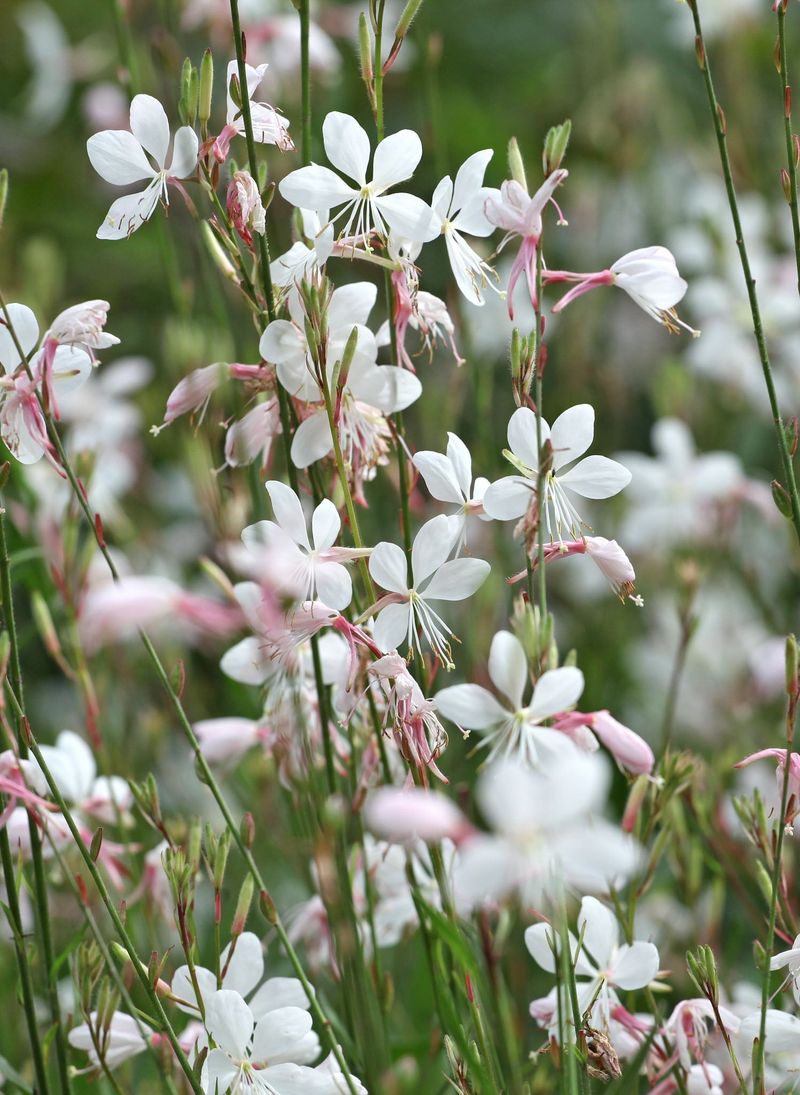
Delicate blossoms dance on wiry stems at the slightest breeze, which is exactly how gaura earned the nickname whirling butterflies. From a distance the airy white and pink flowers really do look like a cloud of insects hovering over the bed.
It shines where drainage is good and sun is plentiful, thriving on the same lean, dry conditions that stress fussier perennials. Soggy ground is its main enemy, so avoid heavy clay that stays wet.
Keep it blooming by shearing it back partway in mid-summer if it starts to sprawl or slow down. That reset brings a tidier shape and a fresh round of flowers into fall.
Once it has settled in, watering can be light. Gaura would rather dry out between drinks than sit damp, making it a low-effort filler that keeps motion and color in the garden all season.
13. Rudbeckia (Black-Eyed Susan)
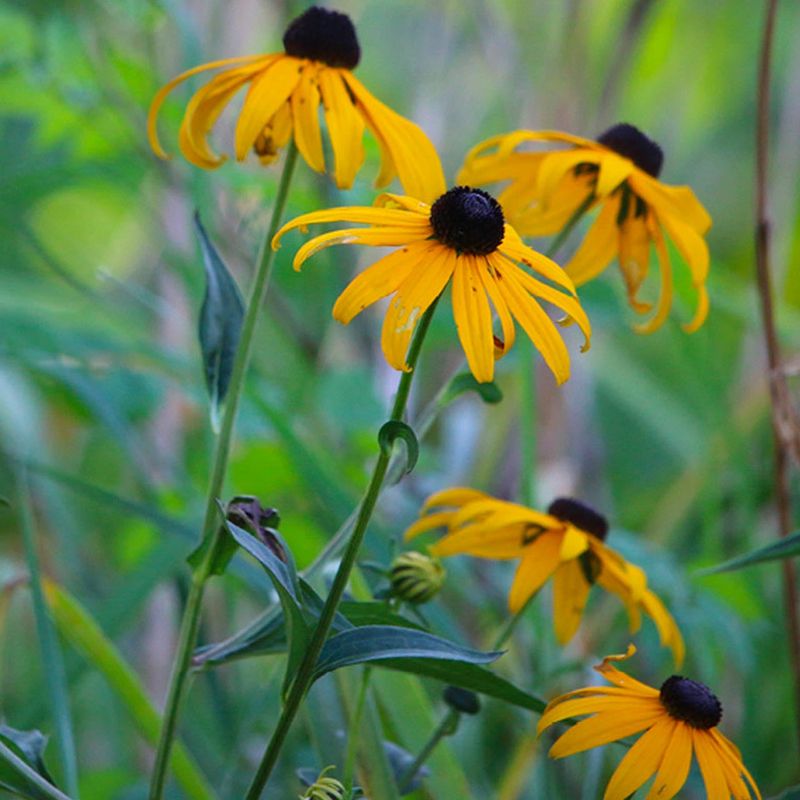
Golden petals wrapped around a dark chocolate center make black-eyed Susan the sunny face of late summer. It blooms with such enthusiasm that a single clump can carry a whole border through the dog days.
To keep the show rolling, deadhead spent flowers so the plant keeps setting buds instead of racing to seed. A midseason tidy also keeps the clump looking fresh rather than ragged.
Full sun and average, well-drained soil are all it really wants. Overly rich ground and too much water can make stems soft and floppy, so lean conditions actually suit it better.
Once established, rudbeckia handles drought without complaint and keeps flowering through heat that wilts weaker plants. Leave a few final blooms standing in fall and songbirds will thank you by picking the seed heads clean.
14. Coreopsis Threadleaf Types
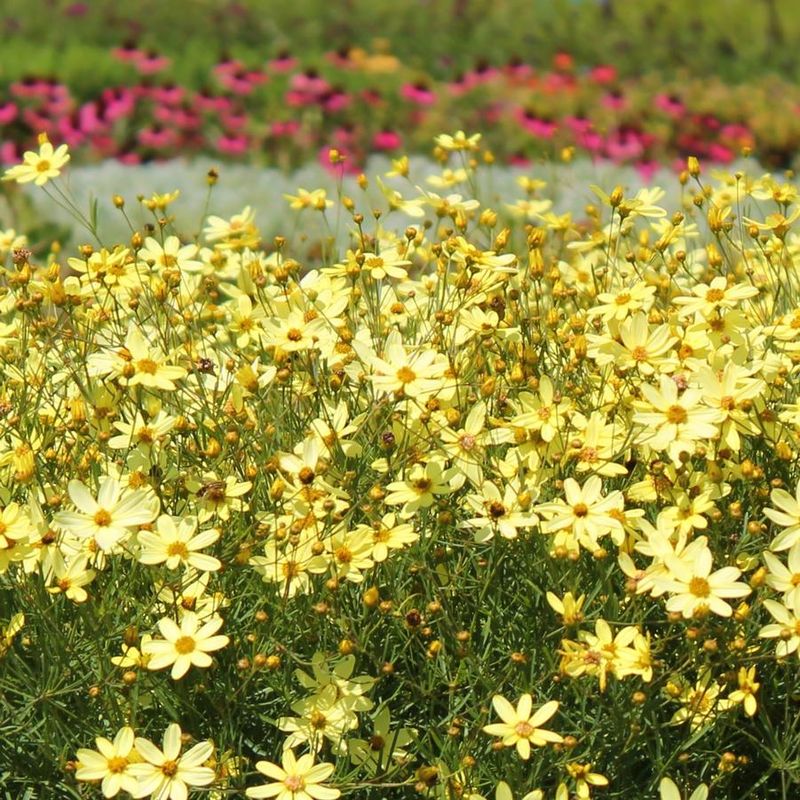
Feathery, fine-textured foliage sets threadleaf coreopsis apart from its broader-leaved cousins, giving the plant a soft, ferny look even between blooms. Varieties like Moonbeam drip with pale lemon flowers for weeks on end.
Its long bloom season is a gift, but it still benefits from a mid-to-late summer shearing if flowering thins out. Cut the whole mound back by a third to a half, and a fresh flush follows within a couple of weeks.
Plant it in full sun and lean, well-drained soil for the sturdiest growth. Rich ground and heavy feeding tend to produce more leaves than flowers, so keep the fertilizer light.
Drought tolerance is one of its best traits once roots establish. A deep weekly soak during scorching, dry spells keeps buds forming, while everyday watering can simply mean letting the soil dry between drinks.
15. Coneflower Hybrids (Colorful Echinacea)
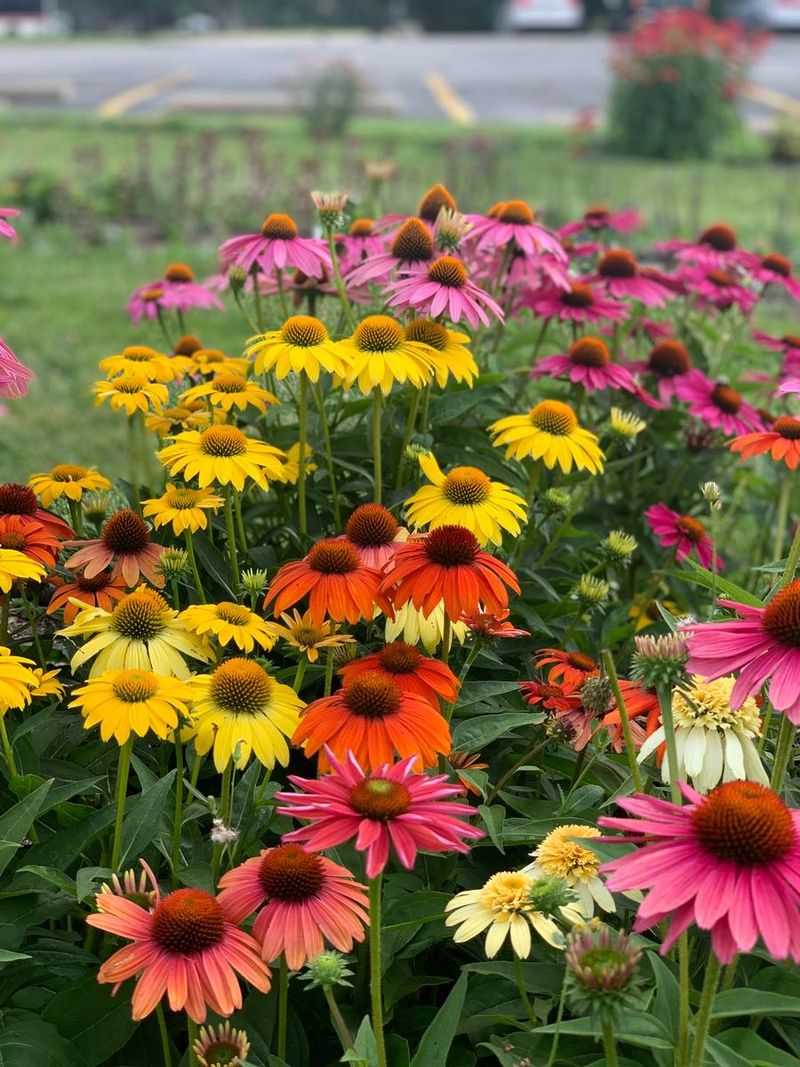
Beyond the classic purple, newer echinacea hybrids explode in mango, tangerine, and deep red, turning a low-water bed into a paint box. They bring the same tough prairie roots with a much wider color range.
Keep them blooming longer by deadheading faded flowers throughout summer, which pushes the plant toward more buds. If you want to feed the birds, leave the final flush of cones standing in autumn.
Full sun is essential for strong stems and rich color, so avoid tucking these into shade. Once established, they handle dry stretches well, though the first season needs steadier watering to build a good root system.
Because some fancy hybrids can be shorter-lived than the straight species, a spring cleanup and a light spring compost help keep them vigorous. Treat them a touch better than plain coneflowers and they reward you with a bolder display.
16. Salvia Nemorosa (Woodland Sage)
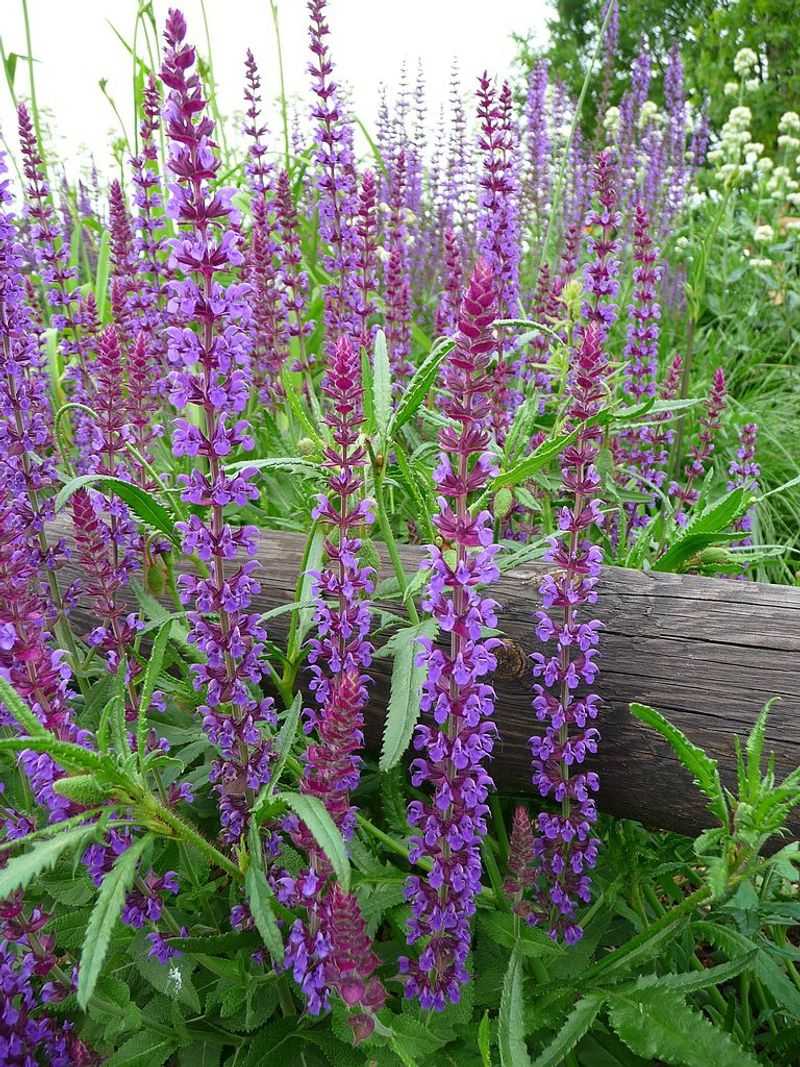
Compact and reliable, woodland sage sends up tight violet-blue spikes that look tidy in even the smallest bed. It is the kind of plant you can plant once and lean on for years of dependable summer color.
The moment the first flush of spikes starts to brown, cut them back to the base foliage. That quick shear resets the plant and coaxes a strong second wave, sometimes even a third, before the season winds down.
Full sun keeps it dense and floriferous, while shade makes it stretch and skimp on flowers. It sips water once established, so let the soil dry between deep, infrequent drinks.
Bees and butterflies swarm those blue spikes, so planting a drift of woodland sage turns a dry corner into a buzzing hotspot. Little care, big payoff.
17. Lavender Hidcote (Compact English Lavender)
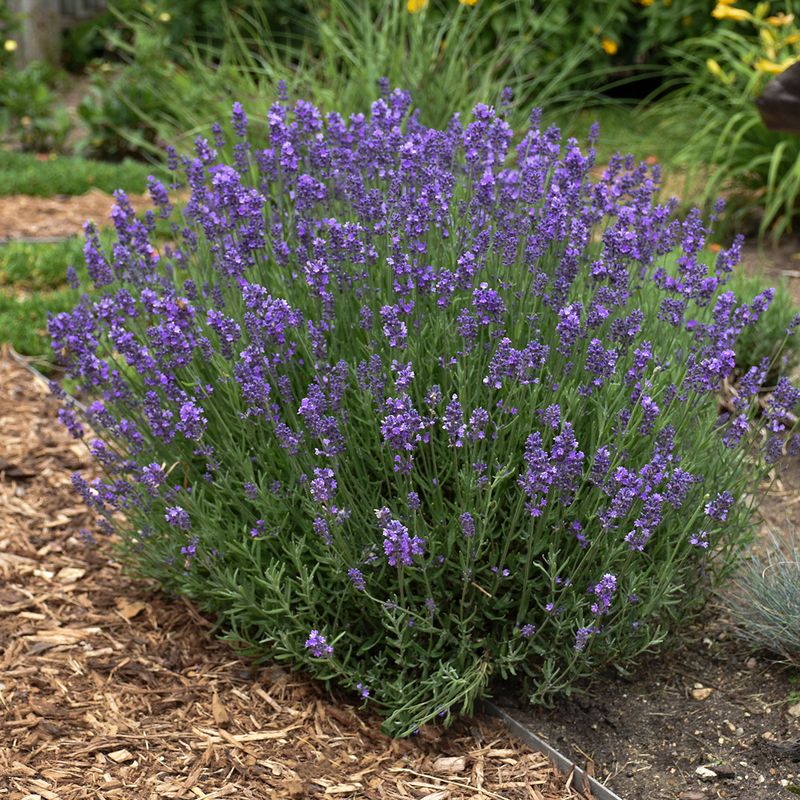
Deep purple flowers on a neat, low mound make Hidcote a favorite for edging paths and lining sunny walkways. Its tight habit means it stays handsome without sprawling into its neighbors.
Like all lavenders, its blooming stalls if you leave spent flowers on the plant. Deadhead regularly through summer to nudge fresh flushes, then give it a light shaping trim after the main flowering to keep the mound from turning woody.
Sharp drainage and full sun are the make-or-break conditions here. Heavy, wet soil is the fastest way to lose it, so amend clay with grit or plant it slightly raised.
Being a hardy English type, Hidcote shrugs off cold winters better than many lavenders while still thriving on dry summers. Water it sparingly once established and it just keeps performing, filling the air with that unmistakable scent.
18. Sedum Autumn Joy (Tall Stonecrop)
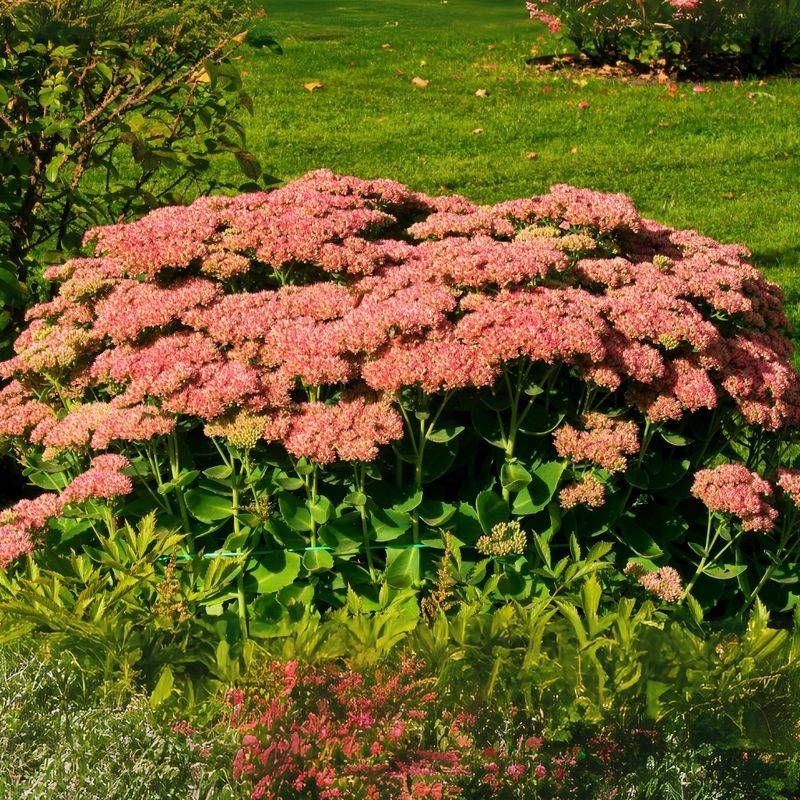
Chunky flower heads that shift from soft pink to rich rust give Autumn Joy a slow-motion color show stretching into fall. Even as the blooms age, the dried heads add structure long after other flowers fade.
Floppy, splayed-open clumps are the usual gripe, and the fix is refreshingly simple: cut the plant back by about half in late spring or early summer. That trim keeps it sturdy and upright so it does not fall apart under the weight of its own flowers.
Full sun and lean, well-drained soil keep stems strong, while rich ground and overwatering encourage that flop. Water deeply but rarely, letting the soil dry out fully between drinks.
Bees and butterflies flock to the wide flower heads in late season when other nectar is running short. Leave the spent heads standing over winter for texture, then cut them down as new rosettes emerge in spring.