
10 Perennials That Reward Your Patience By Getting More Spectacular Every Single Year
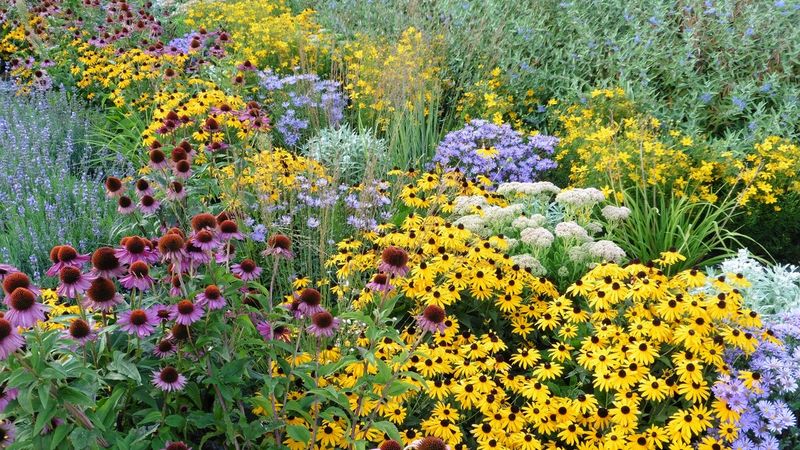
Some plants make you wait before they really show off, and that patience pays off big time. Instead of fizzling out after a season or two, these perennials get bigger, bushier, and more loaded with blooms every single year.
If you have ever felt nervous about a slow-starting plant, relax and give it time to settle its roots. Here are ten dependable perennials that reward your patience by turning into the stars of your garden.
1. Peonies
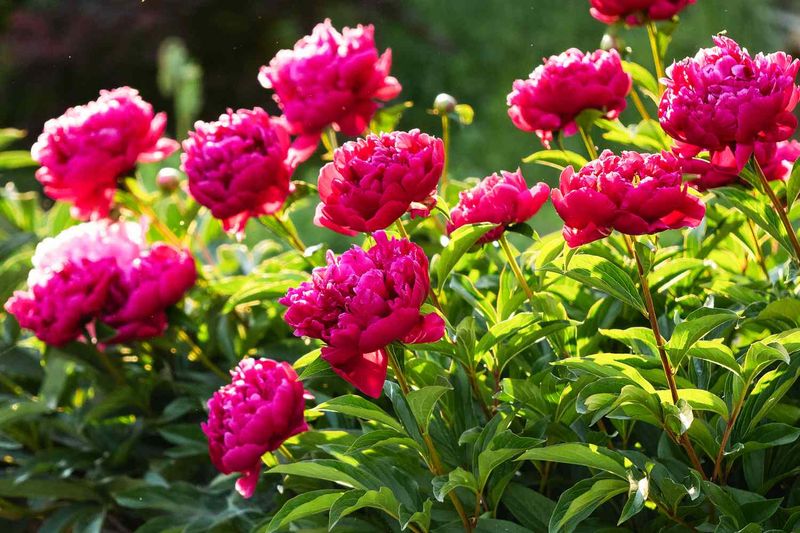
Grandma’s peonies are probably still blooming in that old yard, and there’s a good reason for that. Once a peony settles in, it can keep flowering for fifty years or more without anyone fussing over it.
A young peony often gives you just a handful of flowers in its first couple of springs, which can make you think you did something wrong. You didn’t.
The plant is busy building strength underground, and mature clumps eventually pour out dozens of huge, ruffled blooms each spring.
Two small mistakes hold peonies back. Plant them where they soak up plenty of sun, and be careful not to bury the crown too deep, since eyes set more than two inches down may never bloom.
Leave the clump undisturbed and it only gets more jaw-dropping with age.
2. Bearded Iris
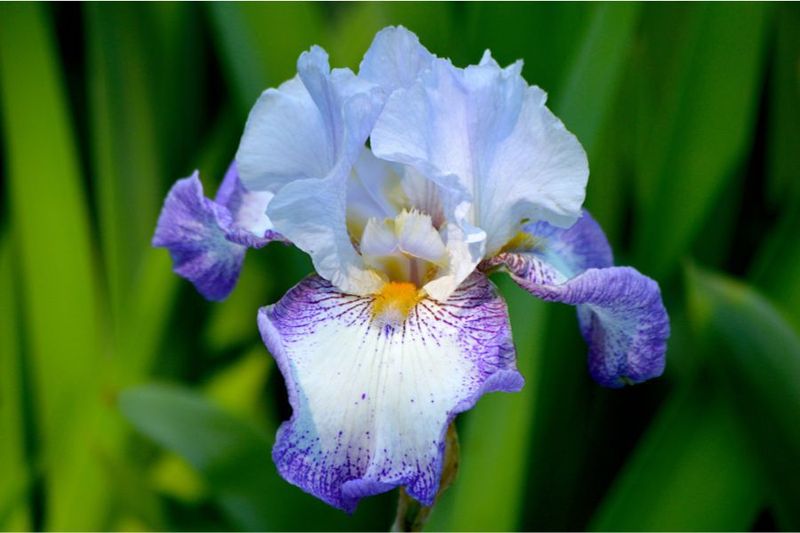
Picture a fan of sword-like leaves that quietly doubles itself every year, and you’ve got the bearded iris. Each season it grows new rhizomes, the fat root-like stems that creep along the soil surface, and those turn into more flower stalks.
A single starter plant slowly builds into a fuller, showier clump packed with ruffled blooms in nearly every color you can imagine. The display keeps improving in the years between divisions.
Here’s the trick people miss with iris. The rhizomes want to sunbathe, so plant them shallow with their tops barely peeking out of the soil in full sun.
Bury them too deep and they sulk instead of blooming. Divide the clumps every three to five years to keep them vigorous, and you’ll have plenty to share with neighbors.
3. Hardy Geraniums (Cranesbill)
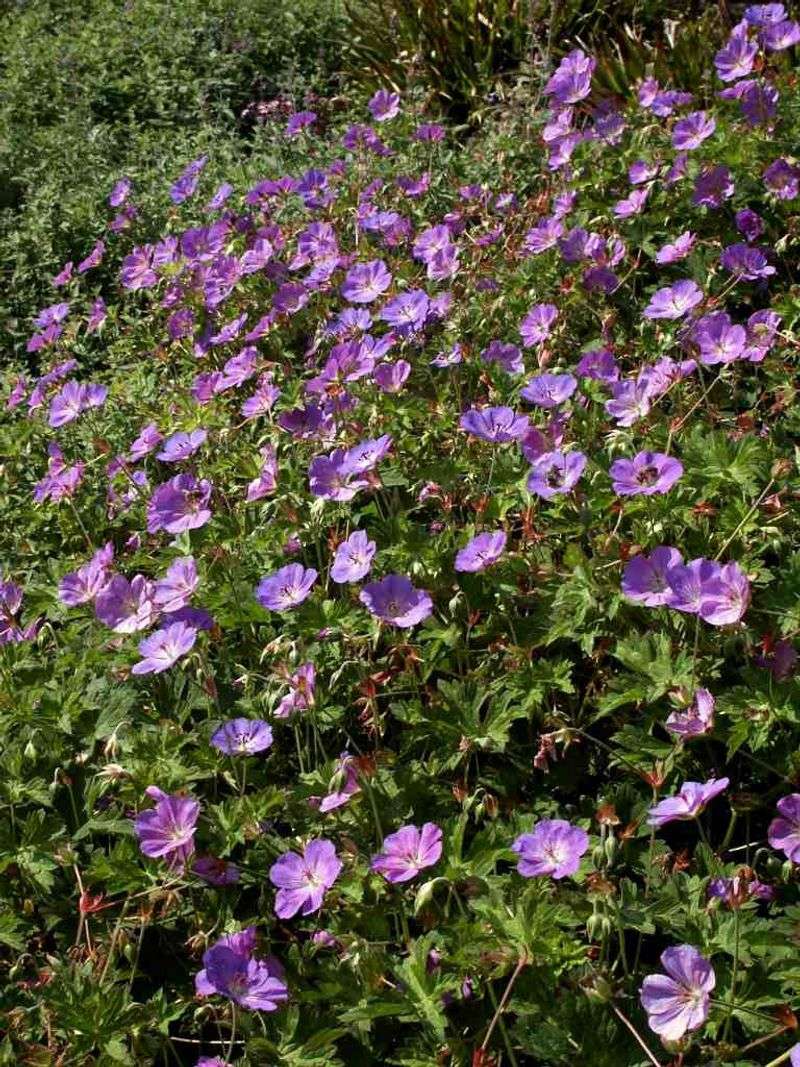
Don’t confuse these tough perennials with the potted geraniums you buy every spring, because cranesbill is a whole different, hardier animal. It comes back on its own year after year and asks for almost nothing in return.
What starts as a modest little plant slowly spreads into a generous, rounded mound covered in small flowers. Those mounds do real work, smothering weeds and softening the hard edges of a border so everything looks fuller.
The payoff gets better with a simple habit. After that first big flush of blooms fades, give the plant a light trim, and it often rewards you with fresh leaves and a second round of flowers.
Each year the mound comes back wider and more loaded with color, making it one of the most dependable choices on this list.
4. Hostas
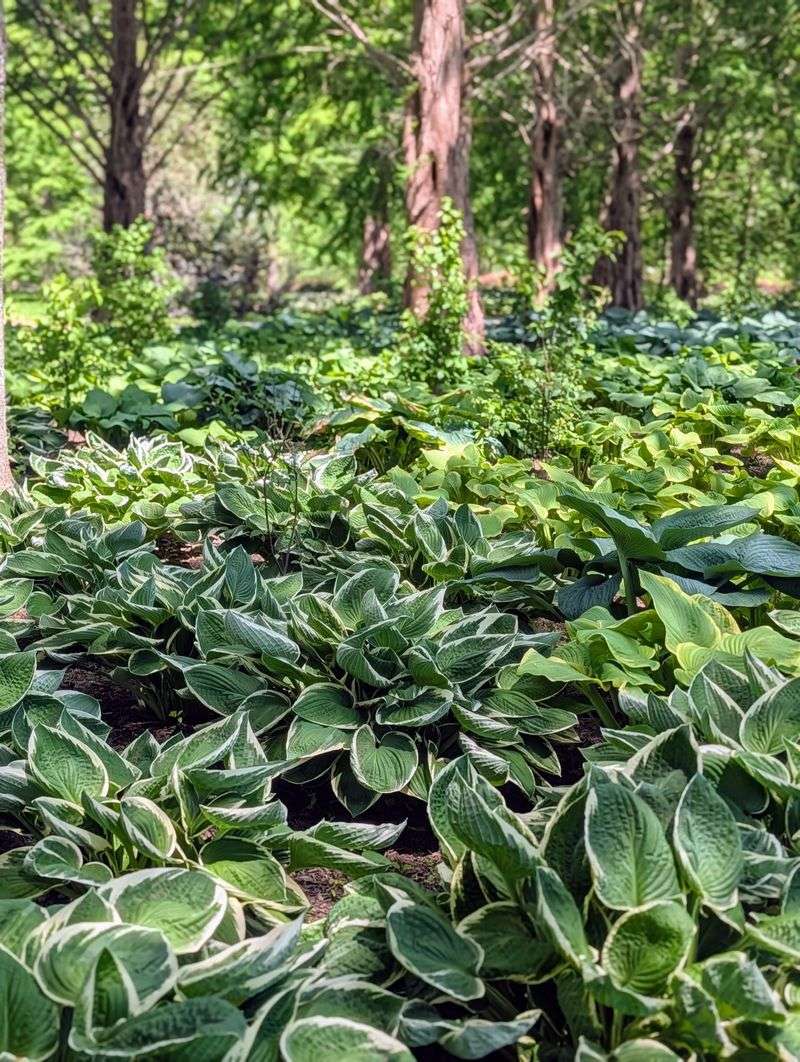
For anyone battling a shady corner where flowers refuse to grow, the hosta is a quiet hero. It skips the flashy blooms and wins you over with layers of bold, textured leaves instead.
Year after year the clump fills out, sending up more leaves in shades of green, blue, gold, and creamy variegation. A skimpy first-year plant can become a dramatic, knee-high mound of foliage once it feels at home.
Best of all, an established hosta pretty much runs itself. Give it shade, decent soil, and steady moisture, and it keeps expanding into a lush anchor for your shade garden.
Watch out for slugs, which love to nibble the leaves, but otherwise these plants just keep getting grander.
5. Daylilies
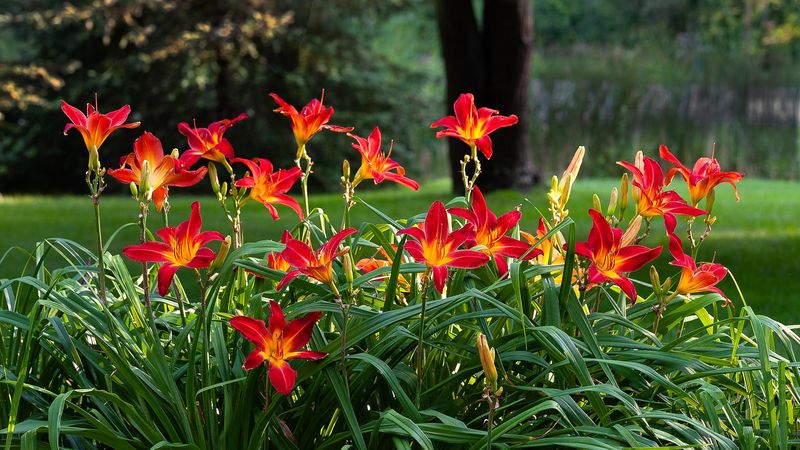
Ever notice how old farmhouses often have ditches full of daylilies still blooming long after the house went quiet? That stubborn longevity tells you everything about how tough these plants are.
Daylilies settle in fast and get better with age, returning each summer with a reliable flush of trumpet-shaped flowers. Each bloom lasts only a day, but a healthy clump pumps out so many buds that the show rolls on for weeks.
As the years pass, the clump thickens and produces more fans and more flower stalks. They shrug off heat, drought, and poor soil, so even a forgetful gardener ends up with a bigger, brighter display every season.
Divide them every few years if you want even more plants for free.
6. Daffodils
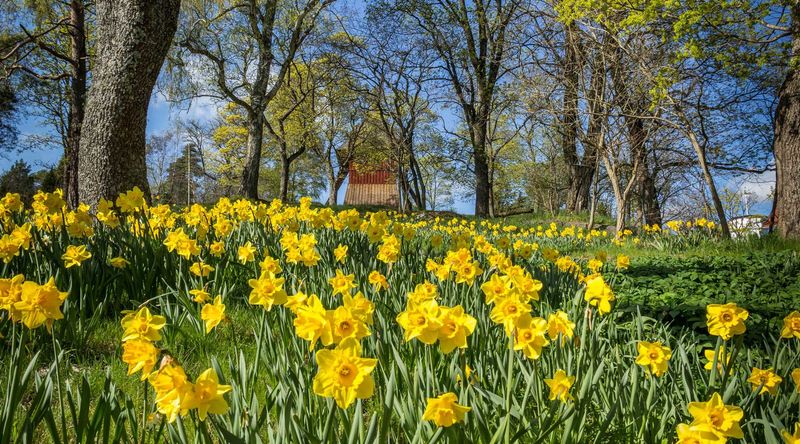
Plant a small cluster of daffodil bulbs once, and future springs will surprise you with more golden trumpets than you ever put in the ground. These cheerful bulbs multiply underground and spread into sweeping drifts over time.
Unlike some fussy bulbs that fade out, daffodils naturalize easily and often improve with age. In the right spot they can keep coming back almost indefinitely, welcoming spring before most other plants have woken up.
One kindness makes all the difference. Let the leaves die back naturally after blooming instead of cutting them off, because those green leaves feed next year’s flowers.
Give them that time and a sunny to partly shaded home, and a modest handful of bulbs slowly becomes a river of gold.
7. Baptisia (False Indigo)
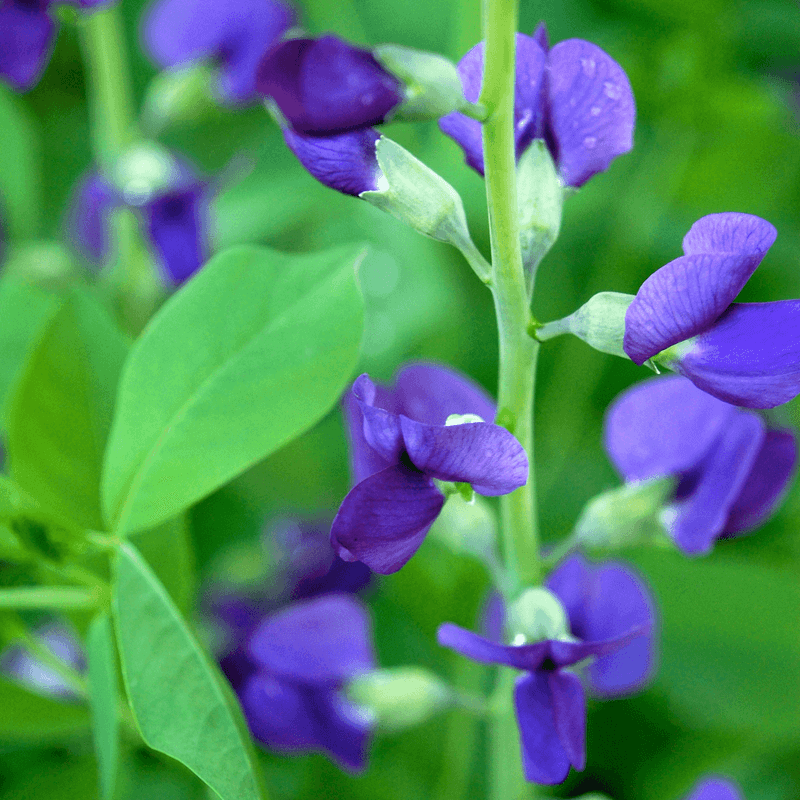
Nicknamed false indigo because early settlers used it as a dye substitute, baptisia carries a bit of history along with its good looks. It’s a slow starter that turns into a serious showstopper once mature.
Give this perennial a few years and it develops into a tidy, shrub-like mound reaching several feet tall and wide. Tall spikes of pea-shaped, sweetly scented flowers rise above blue-green foliage, and the display grows more generous each season.
Because baptisia sends down deep roots, it dislikes being moved, so pick its spot carefully and let it stay put. Reward that patience and you get a long-lived, low-maintenance anchor that looks better with every passing year, plus interesting seed pods that rattle in the fall breeze.
8. Japanese Anemone
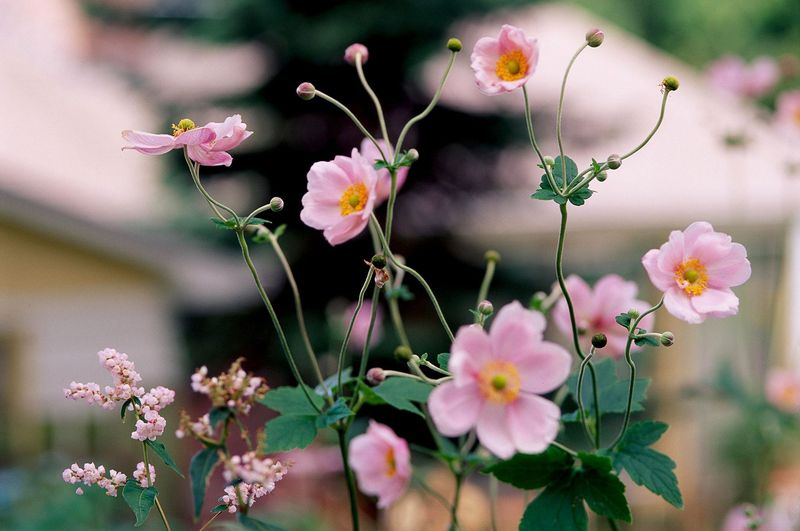
Late summer and fall can leave a garden looking tired, and that’s exactly when Japanese anemone steps into the spotlight. Delicate cup-shaped flowers float on tall, wiry stems just as many other plants call it quits.
The first year can feel underwhelming because the plant spends its energy building a strong root system before it does much above ground. Once those roots are settled, though, it starts to spread and fill in.
Each following season brings a wider patch and a bigger cloud of pink or white blooms dancing in the breeze. Plant it in part shade with steady moisture and give it that patient first year, and Japanese anemone becomes a graceful, spreading highlight that keeps growing more spectacular.
9. Russian Sage
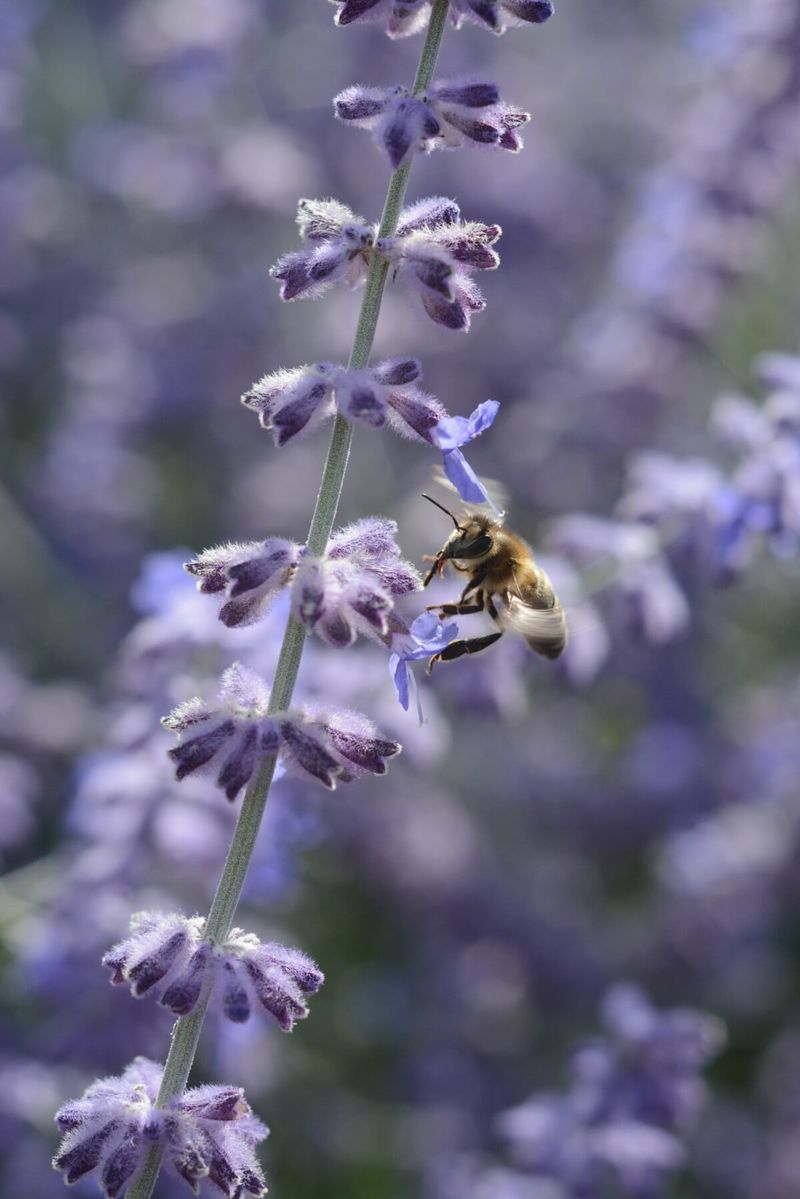
Run your hand through a Russian sage on a hot afternoon and you’ll release a wave of fragrance from its silvery, feathery leaves. This airy perennial brings a cool, hazy look to the garden when summer heat is at its peak.
Clouds of tiny purple flowers rise on upright stems from midsummer straight through fall, keeping the color going long after many perennials have quit. Each year the plant expands in every direction, filling more space and becoming a bigger, more eye-catching presence.
Heat and drought barely faze it, and pollinators adore the blooms. Cut it back hard in early spring to keep it tidy, then step aside and let it grow.
Give a young plant a season or two and it swells into a shimmering, shrub-sized cloud that only gets more impressive.
10. Catmint (Nepeta Walker’s Low)
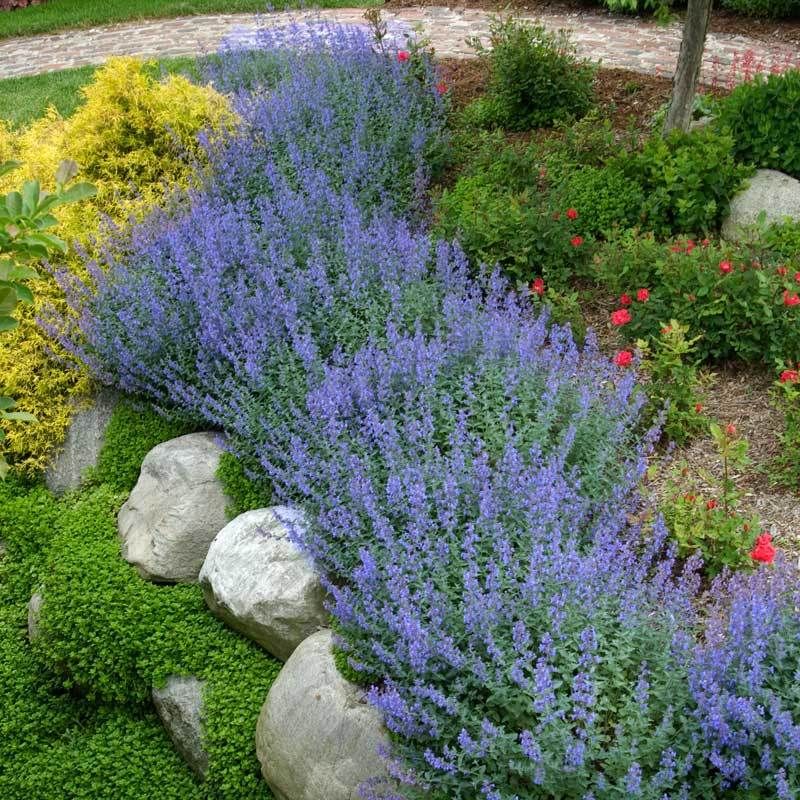
Don’t let the name fool you, because Walker’s Low actually grows fairly tall and spills out in soft, lavender-blue waves. This catmint is a true garden workhorse that shows up every year without any replanting on your part.
From late spring onward it produces a long, hazy carpet of purple-blue flowers buzzing with bees. As the seasons roll by, each plant grows lusher and fuller, covering more ground with that dreamy color.
The secret to keeping the show going is one quick chore. Shear the whole plant back after its first big flush of blooms, and it bounces back with a fresh haze of flowers that can last into fall.
Tough, drought-tolerant, and increasingly generous, catmint is a reliable finish to any patient gardener’s list.