
9 Petunia Alternatives That Actually Thrive In The Hot Spots Where Petunias Fry
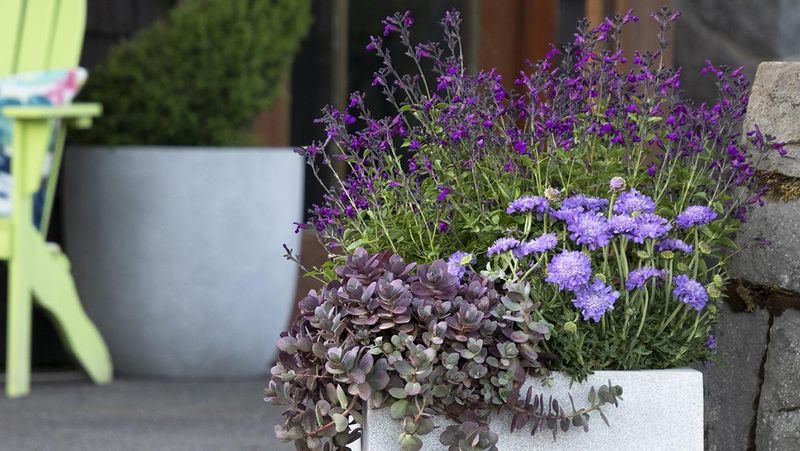
You babied your petunias all spring, and then July hit and they turned crispy and stopped blooming. It happens to a lot of us, because petunias just melt down when the thermometer pushes past 90 degrees and the sun beats on them all afternoon.
The good news is that plenty of flowers actually love that kind of punishment and keep blooming right through it. Here are nine tough, colorful swaps that can take the heat your petunias could not.
1. Calibrachoa (Million Bells)
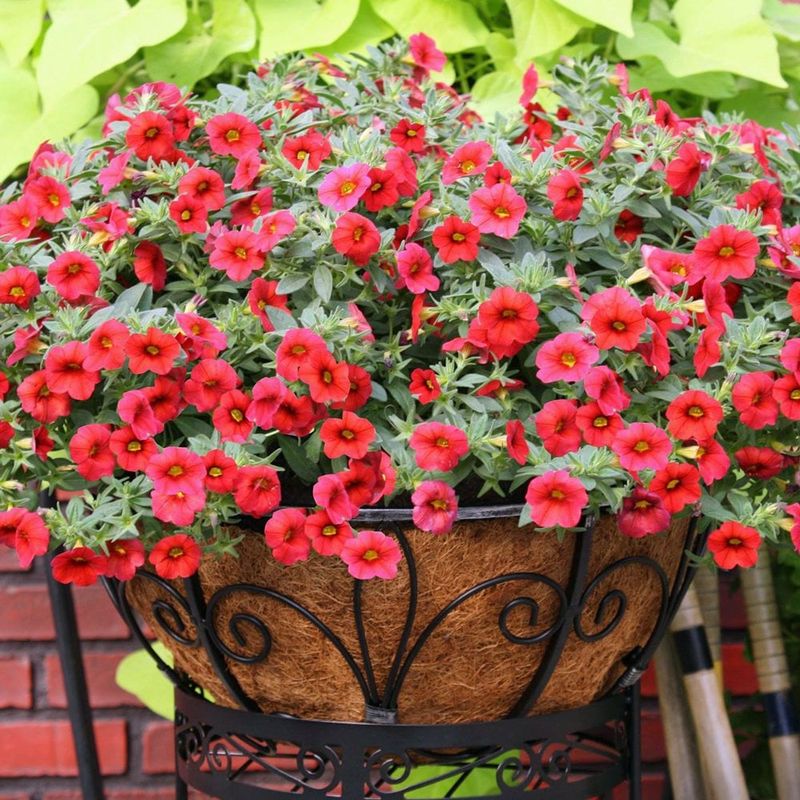
If you love the tumbling, trumpet-shaped look of petunias but hate how they fizzle in the heat, Calibrachoa is the swap that will feel the most familiar. Often sold as Million Bells, it pumps out the same overflowing waterfall of blooms, just in a smaller, tidier size.
What sets it apart from the rest of this list is how closely it mimics a petunia while dodging the petunia’s biggest weaknesses. It cleans up after itself, so you never have to pinch off spent flowers, and it shrugs off dry spells far better.
In hot, dry weather, petunias often rot at the stem, but Calibrachoa keeps its cool and just keeps blooming. Give it a spot with good drainage and a splash of fertilizer, and it may reward you with color from spring straight through fall.
2. Lantana
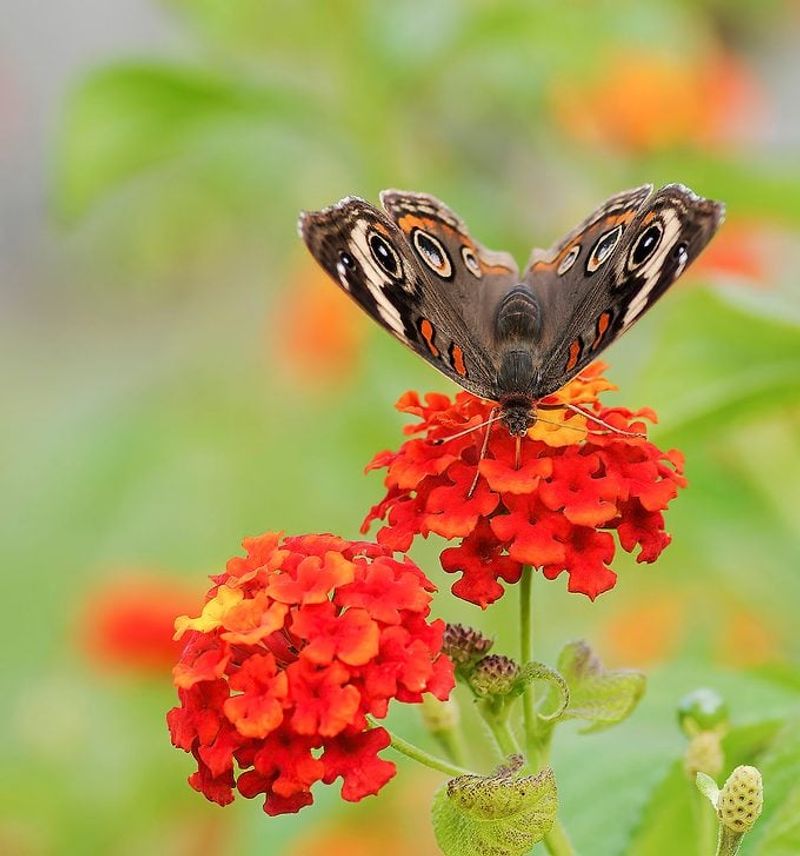
Some plants merely survive a heat wave. Lantana practically throws a party during one.
The hotter and drier it gets, the richer its little clustered flowers seem to glow, which is the opposite reaction to a fried petunia. That is exactly what earns it a place here as the plant for your absolute worst, sun-baked hot spot.
Once established, it asks almost nothing of you, sailing through drought that would flatten fussier flowers. As a bonus, it doubles as a magnet for butterflies and hummingbirds, so your toughest corner can become the liveliest one in the yard.
Keep in mind it likes to spread and stay bushy, so give it a little room to show off.
3. Verbena
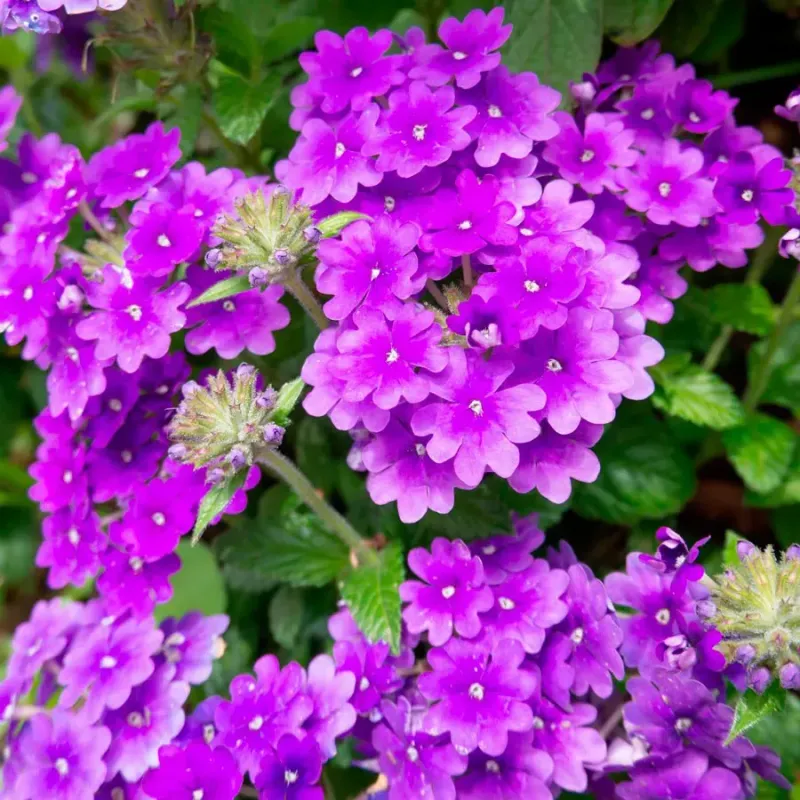
Trailing verbena is the workhorse you call in when the growing conditions are just plain rough. Varieties like Homestead Purple and EnduraScape spread into carpets of petunia-like blooms without complaint.
Poor soil, sticky humidity, and long dry stretches barely register with this plant. That toughness in bad dirt and muggy air is its claim to fame on this list, since it holds its color where pickier flowers give up.
Once it settles in, verbena keeps steady color coming from spring all the way to the first frost. Plant it along a border or let it trail from a container, and it will fill in fast and stay dependable.
4. Angelonia (Summer Snapdragon)
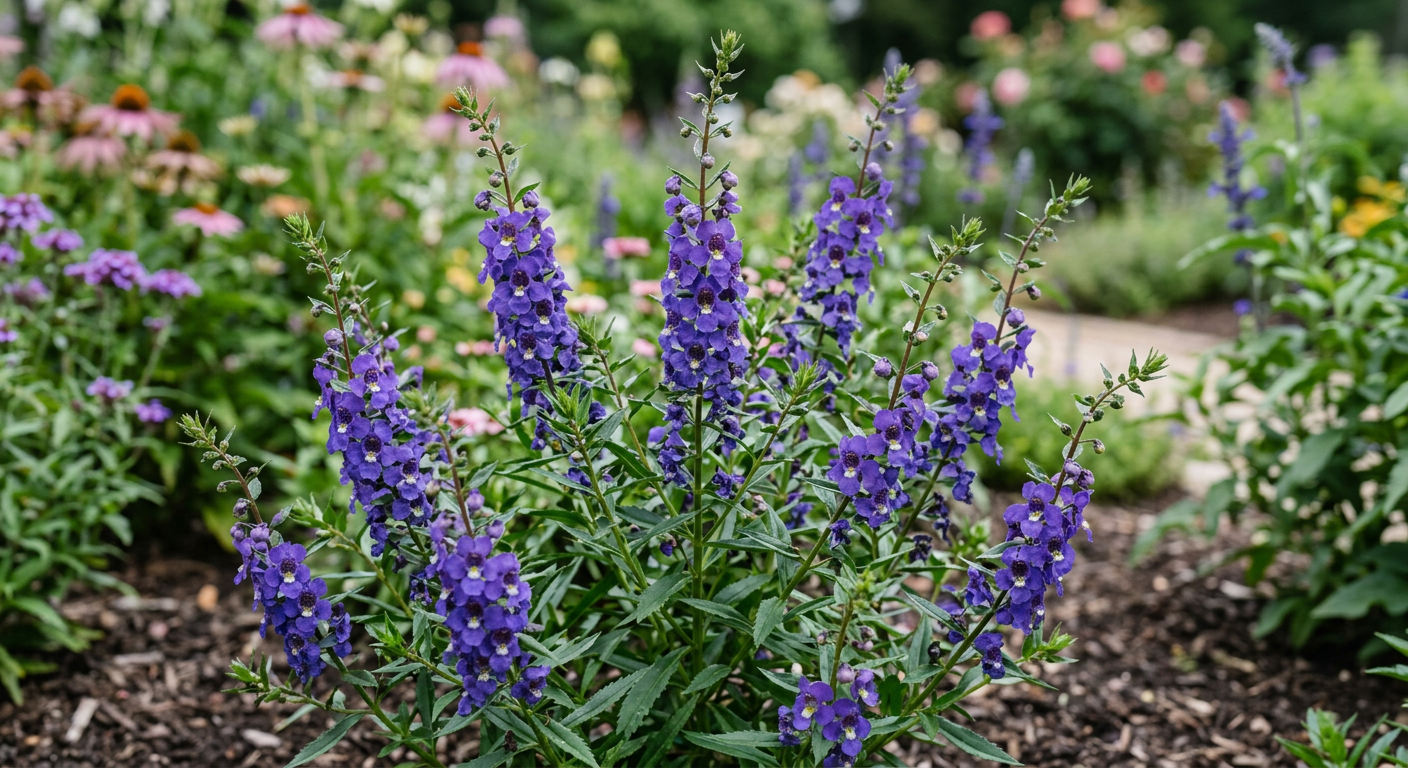
Nicknamed the summer snapdragon, Angelonia brings something the other swaps on this list do not: height and vertical drama. Instead of trailing or mounding, it sends up graceful spikes packed with little flowers.
Heat that scorches petunias only seems to encourage it, and it holds its upright shape even through the muggiest stretch of summer. It will bloom in full sun, yet it also tolerates a bit of afternoon shade, which gives you flexibility for those tricky part-sun spots.
Expect steady color in purple, pink, and white all season long. If you want that classic cottage-garden look without the meltdown, these spikes deliver structure and staying power in one plant.
5. Moss Rose (Portulaca)
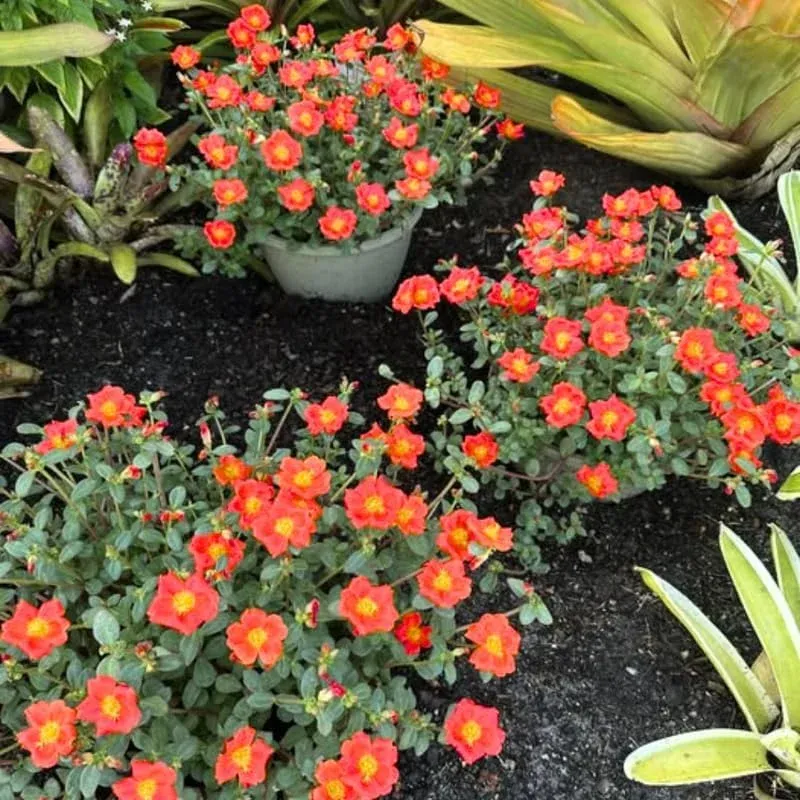
Picture the driest, sunniest, most neglected strip of your yard, the kind of spot where a petunia would be toast by noon. Moss rose looks at that spot and calls it home.
Its secret is fleshy, succulent-like foliage that stores water, so it can keep blooming through hot, dry stretches without constant watering. That built-in drought armor is what makes it the star of parched edges, rock gardens, and containers that dry out fast.
The blooms open in cheerful jewel tones and just keep coming as long as the sun is shining. For anyone who forgets to water or gardens in blazing conditions, portulaca is a forgiving little powerhouse.
6. Scaevola (Fanflower)
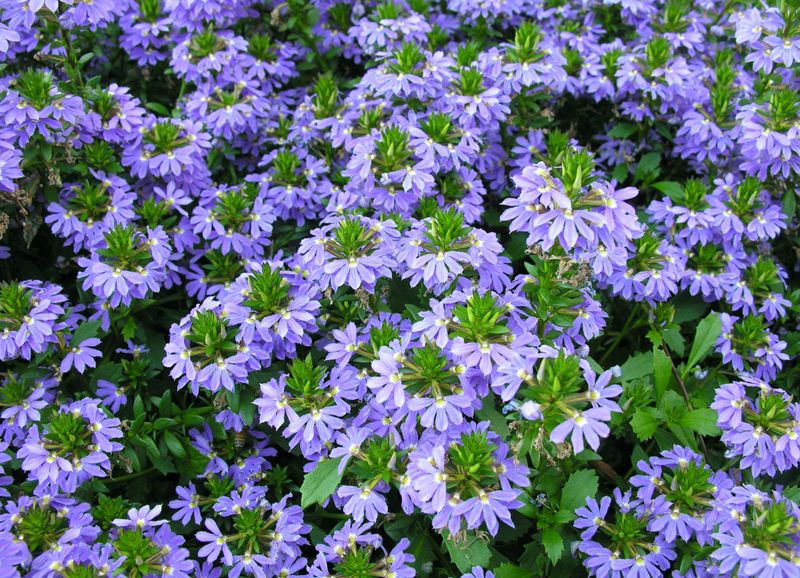
Ever notice how the flowers on a Scaevola look like tiny hand-held fans? That quirky, one-sided bloom shape gives fanflower an instant personality no other plant here shares.
Beyond the fun looks, it cascades beautifully, which makes it a natural pick for hanging baskets and container edges. Long, hot stretches that stall out other flowers do not seem to bother it, and it keeps blooming right through them.
Best of all for busy gardeners, it is largely self-cleaning, so you can skip the deadheading chores. Hang a basket of it where petunias used to sulk, and enjoy the low-fuss show.
7. Zinnia
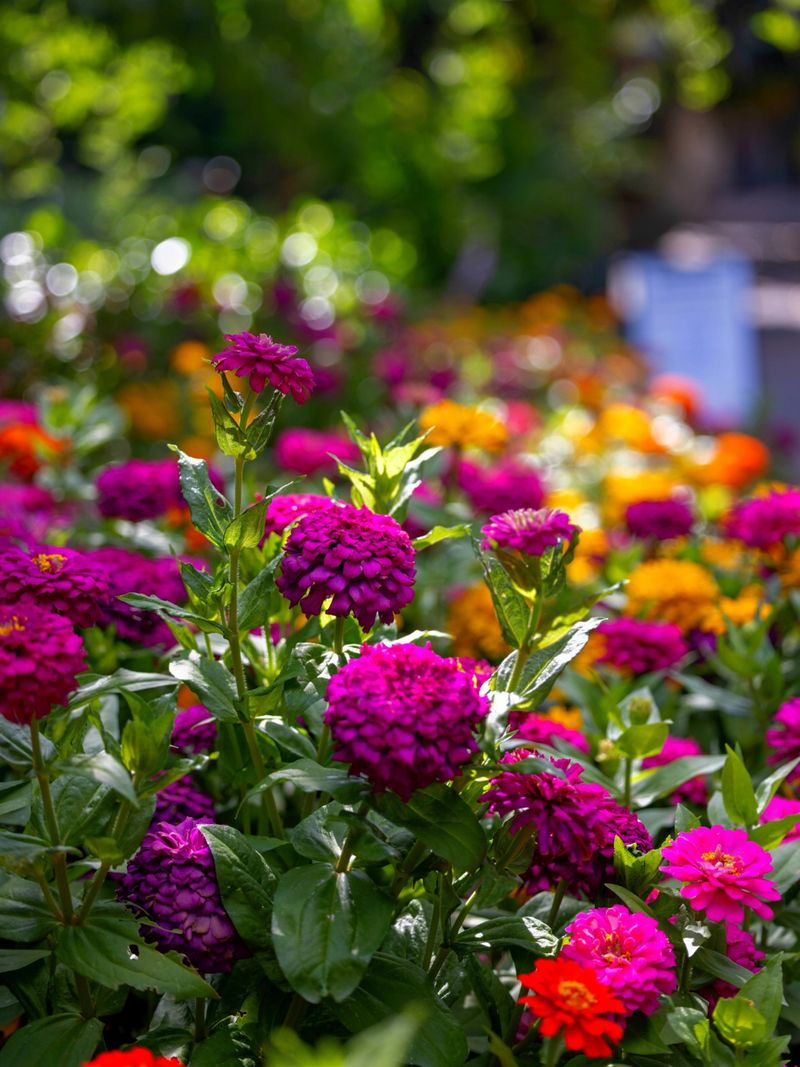
Want maximum color for almost zero effort? Zinnias are the answer, and they might be the easiest plant on this entire list to grow from a cheap packet of seeds.
Their daisy-like blossoms come in a rainbow of colors and thrive on full sun and well-drained soil. Heat and drought that punish petunias just make these low-fuss annuals keep cranking out flowers.
They also happen to be a favorite of bees and butterflies, so your beds will hum with visitors all summer. Cut a few stems for a vase and the plant will bloom even harder to make up for it, which makes zinnias a gift that keeps giving.
8. Evolvulus ‘Blue My Mind’
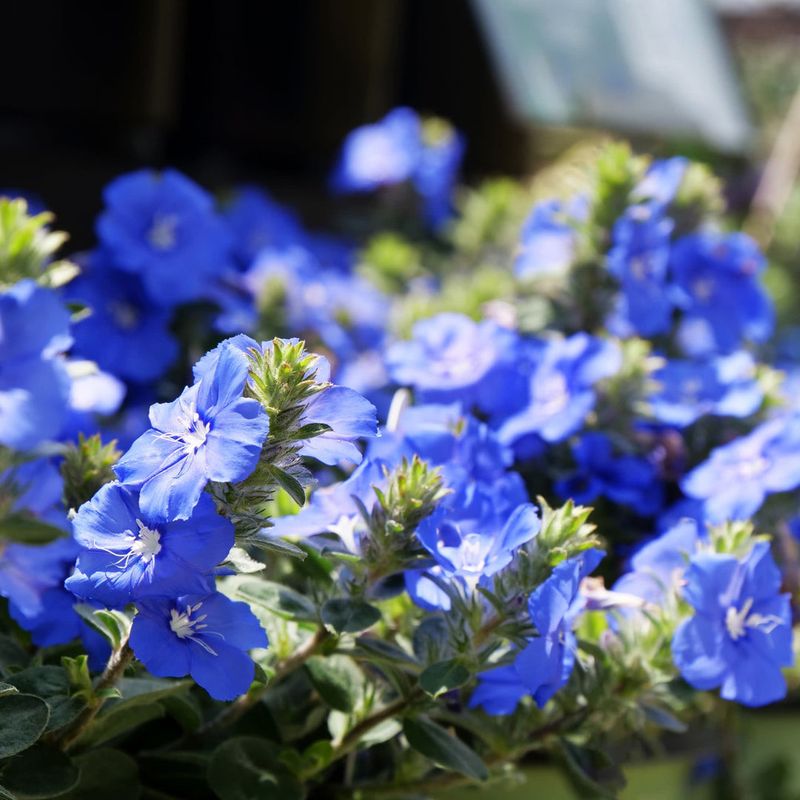
True blue is one of the hardest colors to find in the flower world, and Evolvulus ‘Blue My Mind’ hands it to you in the purest sky-blue shade imaginable. Paired with soft silvery foliage, those blooms are a showstopper.
That rare, honest blue is exactly why it earns a spot here, since most heat-tough flowers lean toward hot reds, oranges, and pinks. Once it is established, it takes drought and heat in stride, making it a smart pick for a bright, sunny nook.
Tuck it into a container or the front of a bed where the color can really pop. It stays low and mounding, so it plays nicely with taller companions.
9. Sweet Potato Vine
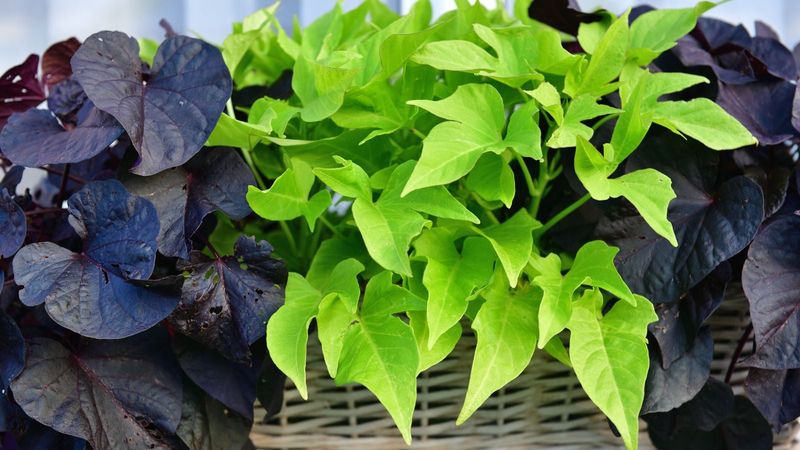
Here is the rule-breaker of the group: you grow sweet potato vine not for its flowers, but for its bold, cascading leaves. Chartreuse-green or near-black purple, those heart-shaped leaves bring drama that no bloom can match.
Its role on this list is the spiller, the plant that tumbles over the edge of a pot and softens everything around it. And when the temperature climbs, it does not sulk.
It actually grows faster.
Easy, vigorous, and almost impossible to kill through heat or drought, it fills containers and covers bare ground in a hurry. Pair it with any of the bloomers above and you have got a hot-spot combo that looks full and lush all summer.