
These 7 Pruning Slip-Ups Are The Real Reason Your Hydrangeas Grow Leaves But No Flowers
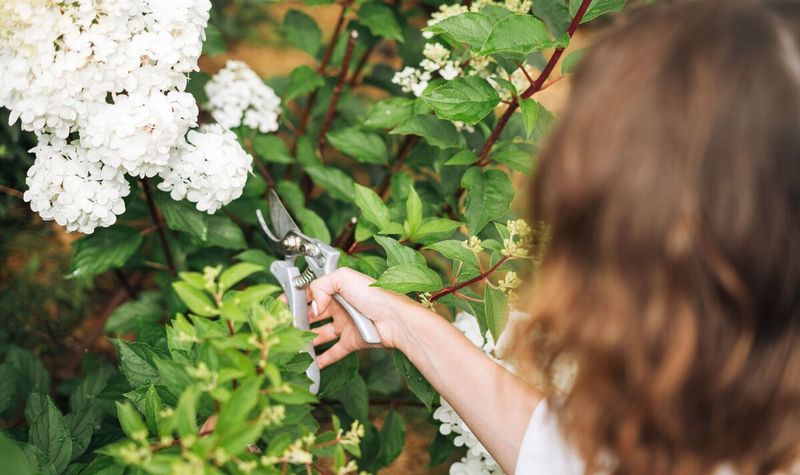
Your hydrangea is bursting with big green leaves, but where are the flowers? Chances are the problem isn’t your soil or the weather, it’s how and when you reached for the pruners.
Cutting at the wrong time or too hard can snip off next year’s blooms before they ever open. Fix these seven pruning mistakes and you’ll give your hydrangea the flowers it’s been trying to grow all along.
1. Pruning Old Wood Hydrangeas in Winter or Early Spring
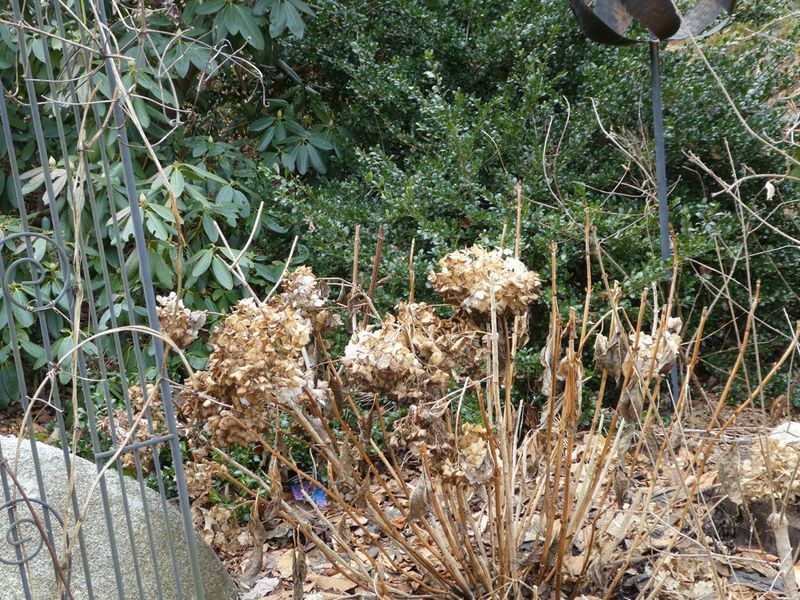
Picture your Bigleaf hydrangea quietly building next summer’s flower buds all through late summer and fall. Those buds ride out the cold on last year’s stems, the ones gardeners call “old wood.” Mophead, Lacecap, Oakleaf, Mountain, and Climbing hydrangeas all follow this schedule.
Grab the pruners during the dormant season, though, and you slice off every bud that was ready to bloom. The plant survives just fine and pushes out plenty of leaves, but the flowers you were counting on are already lying on the ground in your clippings.
It’s the single most common reason a healthy-looking shrub stays stubbornly bare.
The fix is all about timing. Prune these types right after they finish flowering in summer, which gives the plant enough runway to set fresh buds before winter arrives.
If an older plant has grown leggy and stopped blooming well, you can cut up to one-third of the oldest stems down to the ground in late summer to spark new growth without sacrificing the whole season.
2. Pruning New Wood Hydrangeas Too Late in Spring
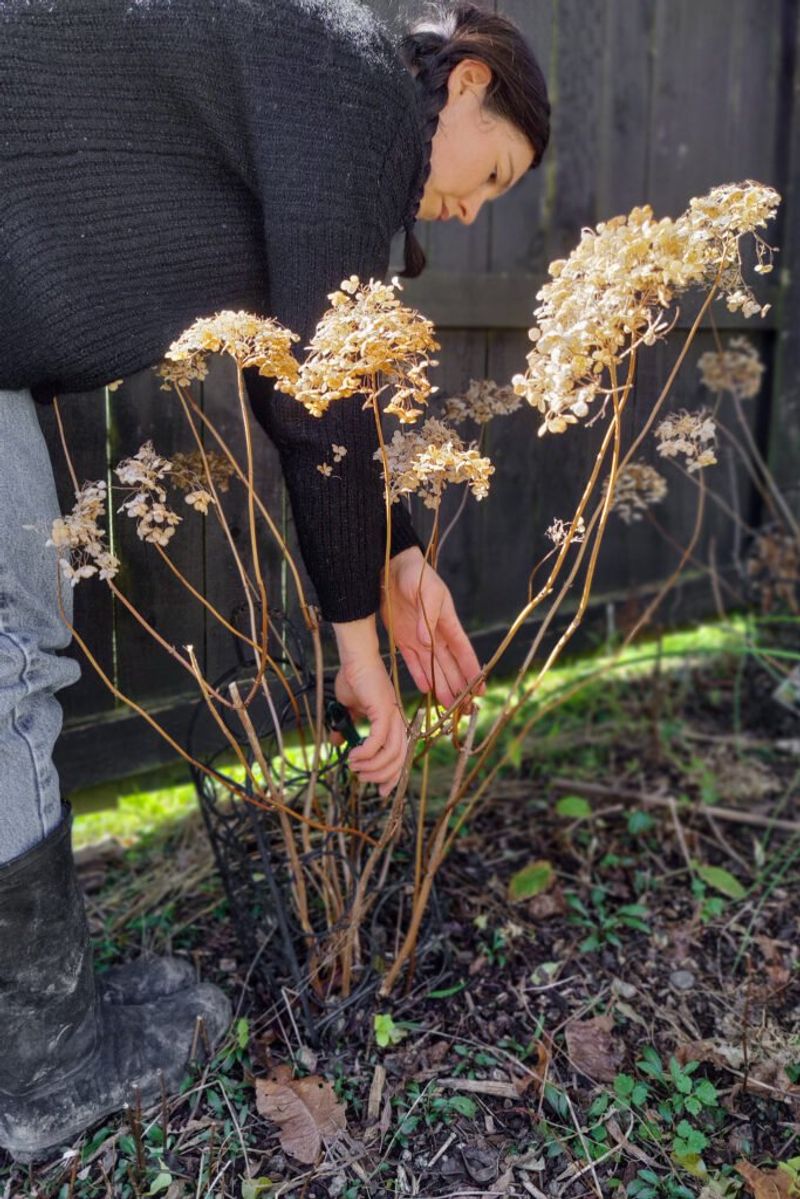
Panicle and Smooth hydrangeas play by a different rulebook. They bloom on “new wood,” meaning the growth that shoots up fresh each spring carries the flowers.
That makes them far more forgiving, which is exactly why so many people get lazy about their timing.
Wait until new shoots have already stretched out several inches, then start cutting, and you force the plant to spend its energy rebuilding leaves instead of loading up on flower buds. You end up with a bushy, green shrub that blooms sparsely, if at all.
Aim your cuts for late winter or very early spring, before those new stems wake up and start extending. Pruning while the plant is still dormant tells it to send up strong, sturdy stems that can hold big blooms come summer.
Beat the growth, and you’ll be rewarded with fuller flower heads later in the year.
3. Pruning Re-Blooming Hydrangeas Too Aggressively
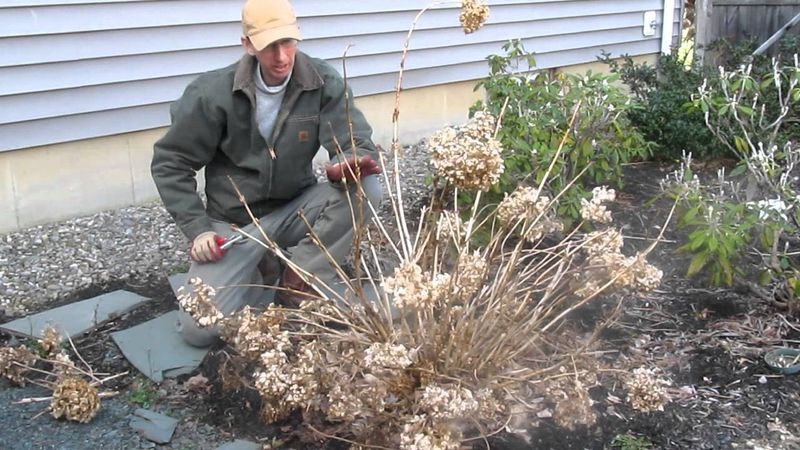
Re-bloomers like the popular ‘Endless Summer’ varieties feel like a gardener’s dream because they flower on both old and new wood. That double talent gives you more chances at blooms across the season, but it also lulls people into thinking they can hack away without consequences.
Overdo it, and you clip off the old-wood buds that would have given you that gorgeous early flush. The plant still limps along and produces some new-wood flowers, yet the show is a shadow of what it could have been.
Keep your hands light with these. In early spring, once winter dieback is obvious, remove only the dead or weak stems and leave the rest alone.
If the plant grows too big or needs shaping, do that lightly after the first wave of blooms fades, so you protect both rounds of flowering instead of trading one away.
4. Cutting Back Hydrangea Stems Too Hard
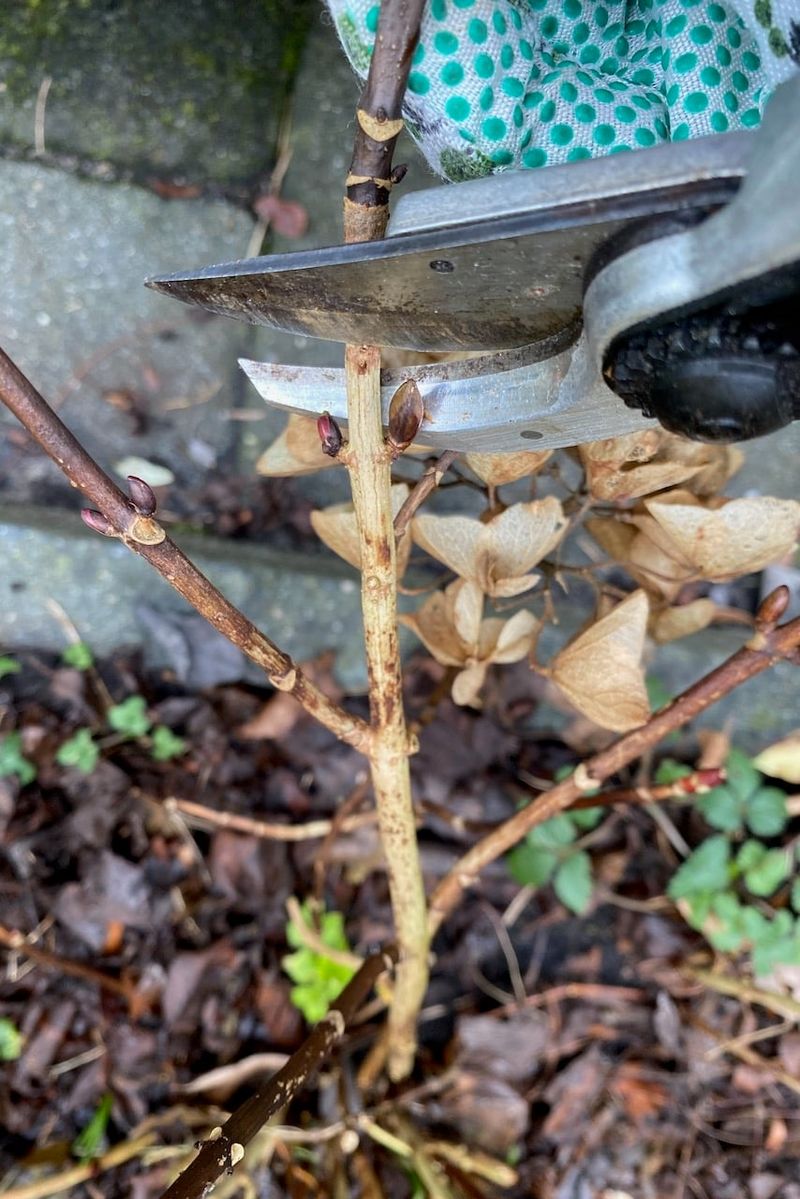
There’s a temptation, especially with an overgrown shrub, to just cut everything way back and start fresh. On a hydrangea, that heavy hand often erases a whole year of flowers in a single afternoon.
Even the tough new-wood bloomers, which can take a harder trim than most, only want about one-third of their length removed. Go further and you sacrifice bloom count for the sake of a tidy shape.
On old-wood types, a drastic cut is even more brutal, wiping out every flower the plant had prepared.
Match your cut to your plant’s habit. For old-wood hydrangeas, skip hard pruning altogether unless you’re renovating a truly neglected shrub, and accept that you’ll lose that year’s blooms if you do.
For new-wood types, trim individual stems back by roughly a third, cutting to a healthy bud or side branch to steer the plant toward strong stems and bigger flowers.
5. Failing to Identify Your Hydrangea Type
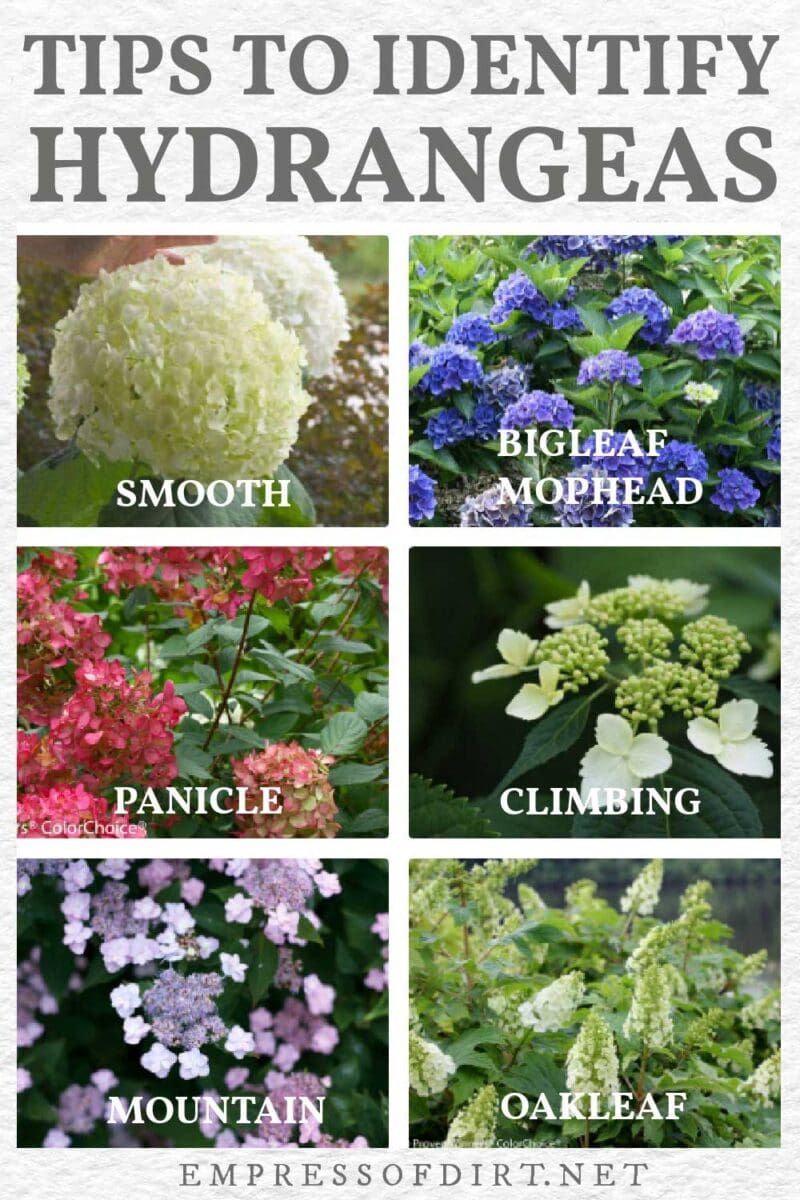
Here’s the mistake that quietly powers all the others: pruning blind. If you don’t know whether your hydrangea blooms on old wood, new wood, or both, every cut is a coin flip, and the odds are stacked against your flowers.
Get the identity wrong and you’ll follow the right instructions for the wrong plant, season after season, wondering why nothing changes. Leaves keep coming, blooms keep skipping, and the culprit is a case of mistaken identity.
Before a single cut, figure out what you’re growing. Mophead and Lacecap (Bigleaf) hydrangeas bloom on old wood, and so do Oakleaf and Mountain types.
Panicle and Smooth hydrangeas bloom on new wood, while re-bloomers flower on both. Check the plant tag if you saved it, snap a photo for a plant ID app, or match the leaf and flower shape against a trusted online guide.
Nail the identity and every other tip on this list finally clicks into place.
6. Deadheading Spent Flowers Too Late in the Season
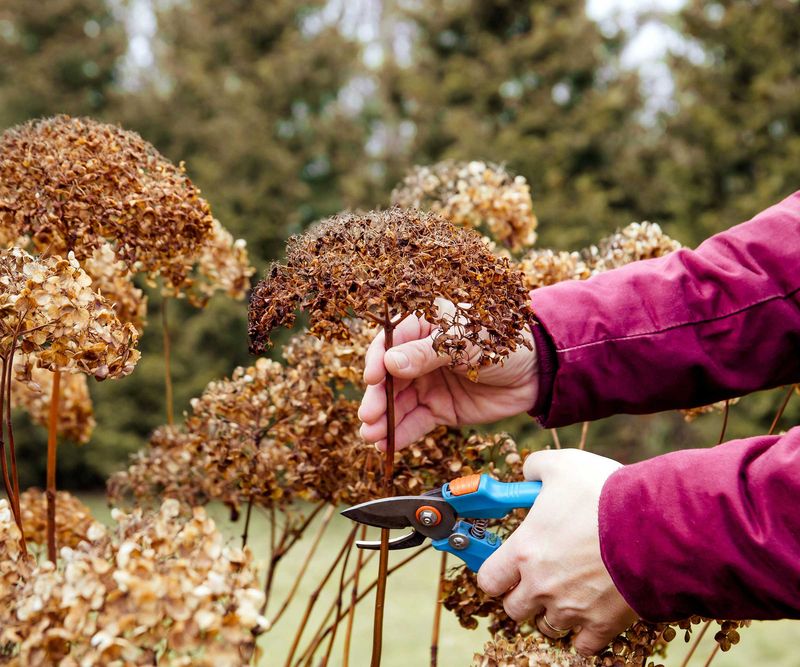
Snipping off faded blooms feels harmless, even helpful, and often it is. Do it too late in the season, though, and that friendly little chore starts working against you.
Cutting spent flowers after about August 1 can wake the plant up and coax out tender new growth that never hardens off before frost hits. Those soft shoots are easy pickings for winter cold.
On top of that, the dried flower heads act like tiny umbrellas, shielding next year’s buds through the freezing months, so removing them too soon strips that natural protection away.
Handle each type on its own schedule. For old-wood hydrangeas, leave the spent blooms standing over winter for frost protection and tidy them up in early spring instead.
If you’re deadheading new-wood or re-blooming varieties, do it earlier in summer so you’re not inviting fragile late-season growth right before the cold arrives.
7. Not Removing Dead, Damaged, or Weak Stems
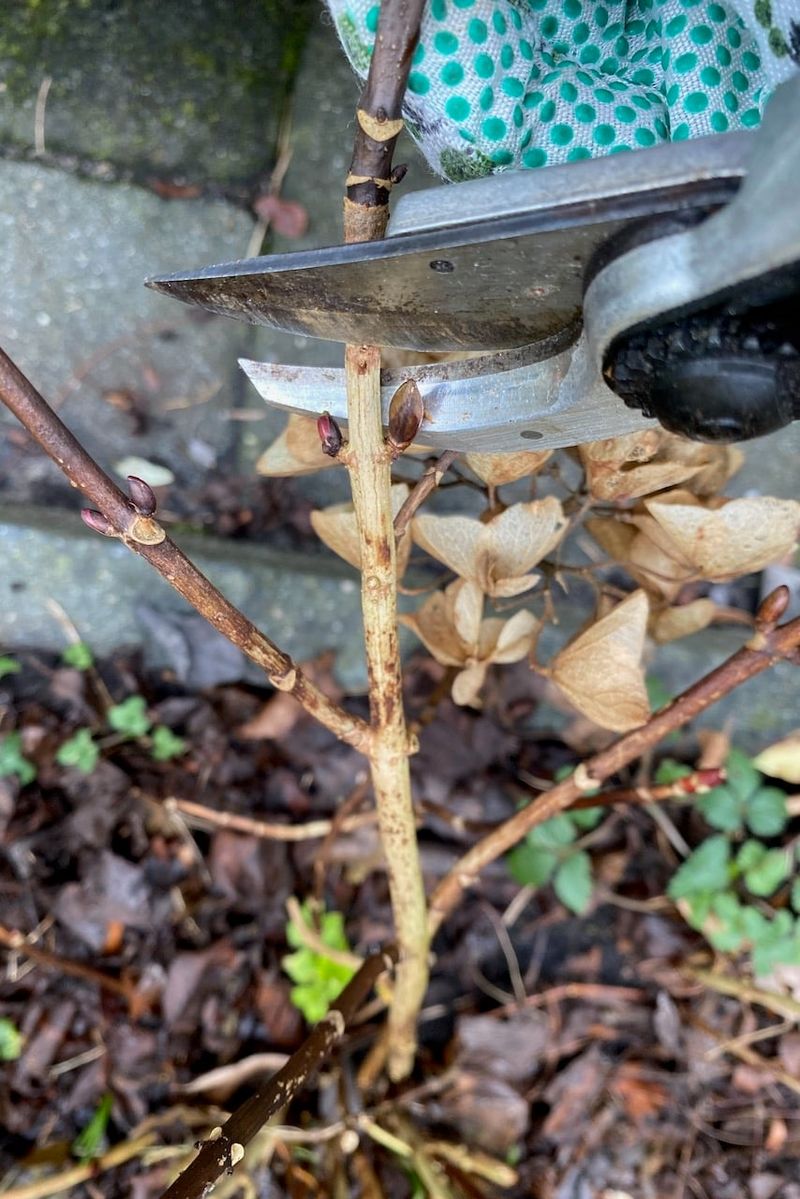
On the flip side of overzealous cutting sits a sneakier problem: leaving the wrong stems in place. Dead, damaged, and spindly weak stems drain energy the plant would rather pour into flowers.
Let them linger and they can invite disease, block airflow through the shrub, and quietly sap the vigor that fuels blooming. The tricky part is telling this necessary cleanup apart from the aggressive pruning that hurts bloom-producing wood.
Many gardeners either skip it entirely out of fear or lump it in with hard pruning and take out healthy stems by mistake.
No matter your hydrangea’s type or schedule, always clear out anything dead, diseased, or clearly damaged. Cut those stems back to the ground or to a healthy bud with clean, sharp tools, so you open up air circulation and redirect the plant’s energy toward the growth that can actually flower.
Think of it as targeted housekeeping, not a haircut.