
If These 18 Birds Show Up In Your Backyard, You’re Doing Everything Right
Ever wonder if your backyard is truly healthy, or if you’re secretly doing something wrong? The birds that visit can tell you more than you think.
When certain species start showing up, it’s a sign your garden is thriving with fewer pests, healthier soil, and better balance. Here are 18 birds that quietly prove you’ve built a yard that works with nature instead of against it.
1. Bluebirds
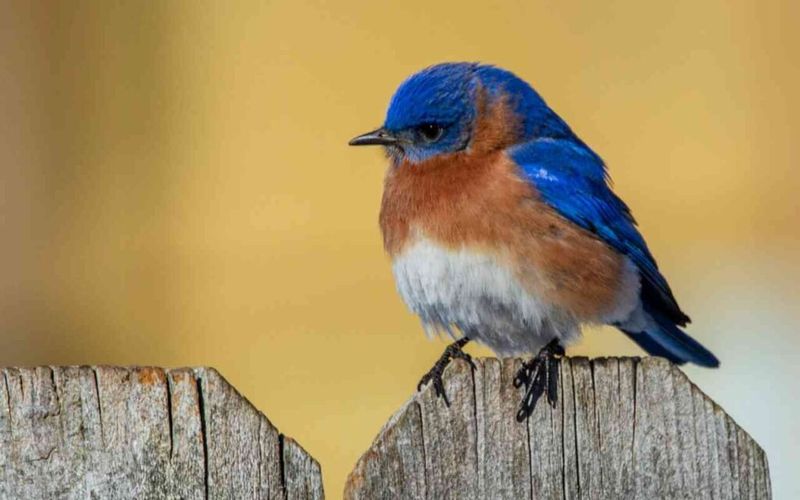
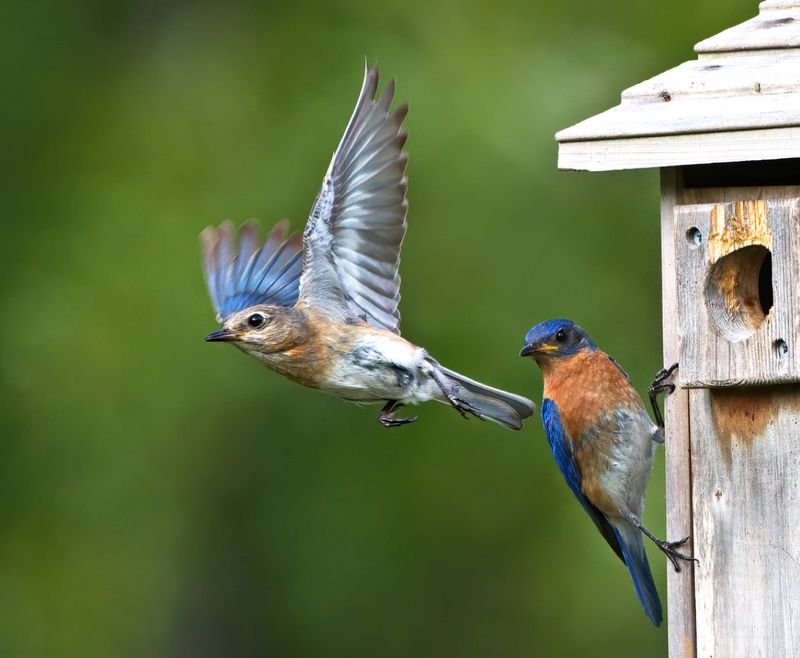
Spotting a flash of brilliant blue darting toward a fence post is one of gardening’s quiet rewards. Bluebirds, whether Eastern, Western, or Mountain, are among the most reassuring visitors you can host.
Their real gift is appetite. A single bluebird plows through grasshoppers, beetles, weevils, crickets, caterpillars, ants, and even snails and sowbugs.
That means the pests chewing holes in your leaves are becoming someone’s lunch instead.
When bluebirds settle in, they’re voting for your yard with their bellies. Their presence usually signals open space, low pesticide use, and a steady insect supply, all things that also keep your plants growing strong.
2. Chickadees
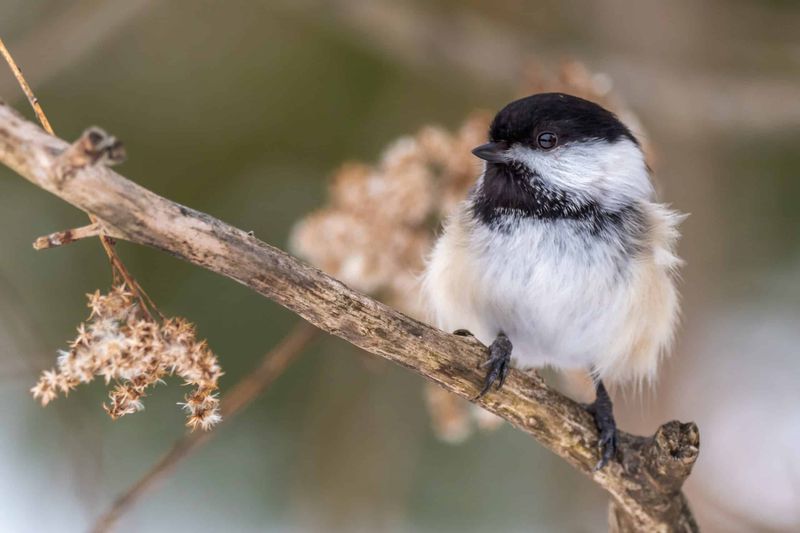
Tiny, bold, and endlessly busy, the Black-capped Chickadee acts like a full-time security guard for your plants. Don’t let the size fool you, because these little birds punch far above their weight in pest control.
They hunt moths, caterpillars, flies, beetles, aphids, scale insects, leafhoppers, and tree hoppers with impressive focus. Even in the dead of winter, chickadees keep patrolling, picking off hibernating insects and their eggs before spring lets them hatch.
A yard that keeps chickadees around all year is a yard with layered shelter and a reliable food chain. When you hear their cheerful chickadee-dee-dee call, take it as a compliment.
3. Common Nighthawks
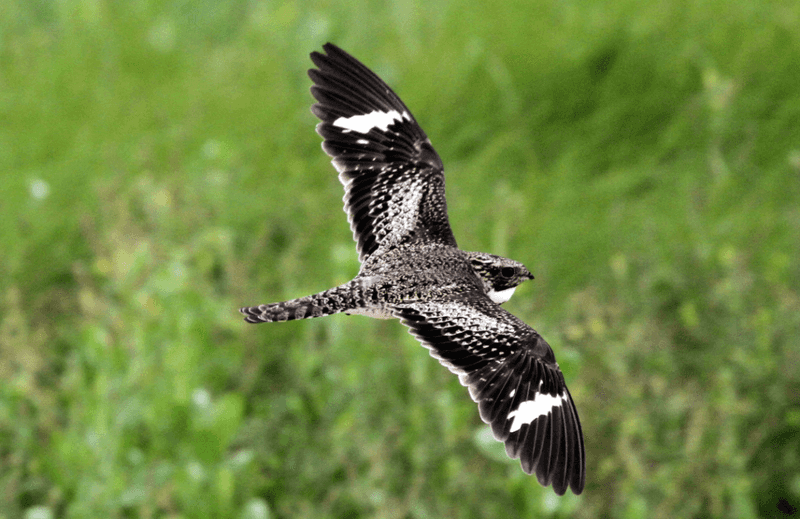
As the sky dims at dusk, keep an eye out for a swooping silhouette overhead. Common Nighthawks feed during twilight, and their aerial acrobatics mean your yard is buzzing with flying insects for them to catch.
Call them insect-eating superheroes if you like. They gobble flying ants, mosquitoes, moths, grasshoppers, leaf chafers, and notorious troublemakers like Colorado potato beetles, cucumber beetles, and squash bugs.
If nighthawks are working the evening shift above your garden, it usually points to a robust, chemical-light environment. Their visits help knock back the exact pests that ruin tomatoes, squash, and cucumbers.
4. Nuthatches
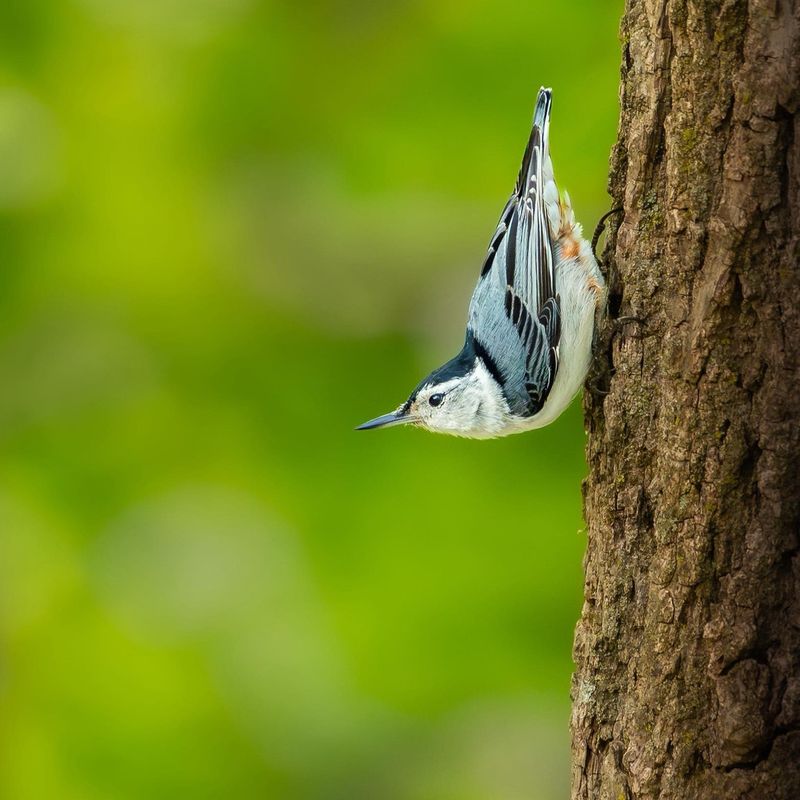
Watch a nuthatch travel headfirst down a tree trunk and you’ll never forget it. That upside-down hunting style lets them find pests other birds miss.
They comb bark crevices for ants, scale insects, beetles, moth eggs, caterpillars, and cocoons tucked into the wood. By clearing out these hidden hitchhikers, nuthatches protect your trees and shrubs from slow, quiet damage.
Their loyalty to your woody plants says something good about your yard. Healthy trees with plenty of insect life to forage tend to be the ones nuthatches choose, so their presence is a nod to your maturing landscape.
5. Phoebes
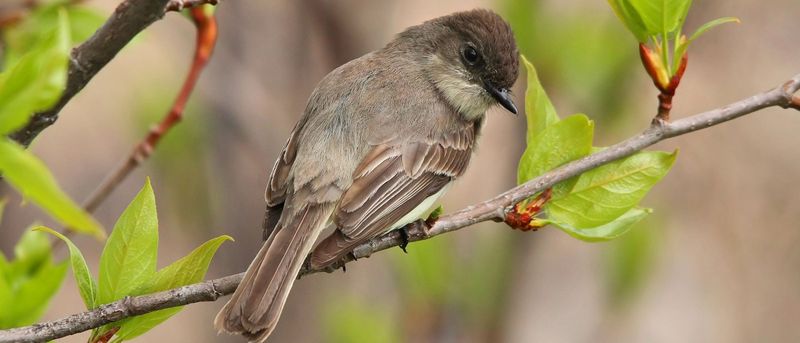
There’s something charming about a phoebe bobbing its tail from a low perch, waiting patiently for its next meal to fly by. These flycatchers are quiet workers who rarely get the credit they deserve.
Phoebes make their living snapping up insect pests mid-air and from the ground. When they hang around, it usually means your garden offers a steady buffet of bugs, and they’re helping thin those numbers before the insects can multiply.
Their tail-wagging habit makes them easy to recognize once you know the trick. A phoebe that returns to the same perch day after day is a sign your yard has become part of its regular hunting route.
6. Native Sparrows
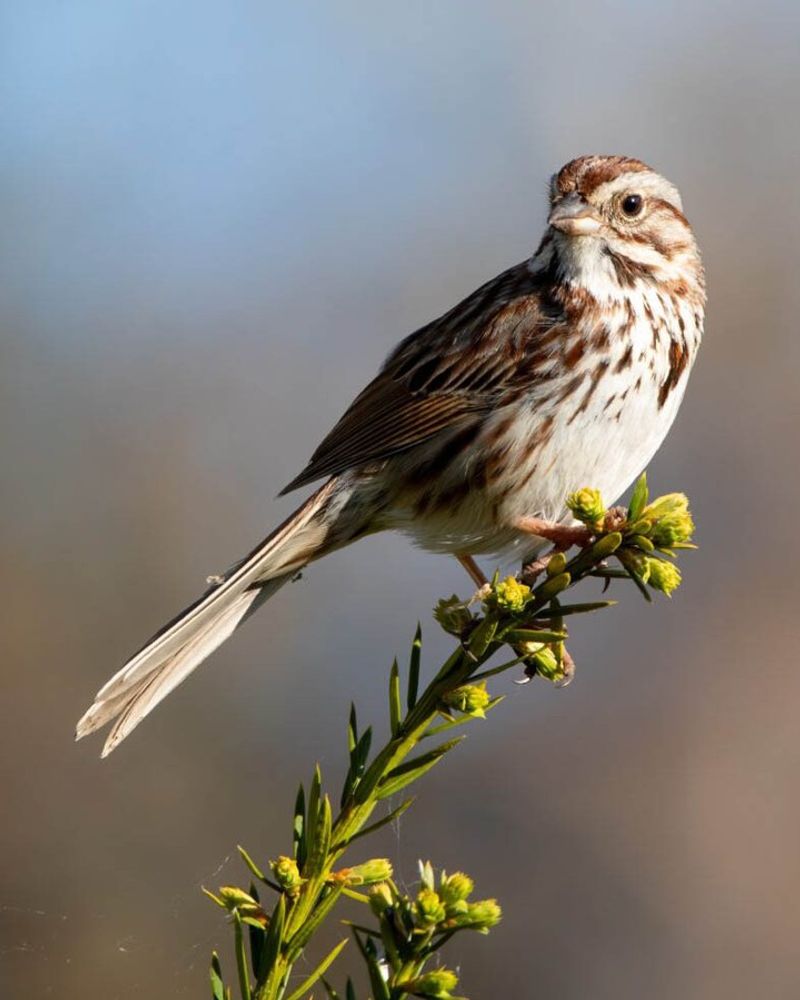
Not all sparrows are created equal, and the native ones are quiet allies worth welcoming. Song Sparrows, Chipping Sparrows, and Field Sparrows earn their keep in ways the invasive House Sparrow never will.
These little brown birds do double duty. They snap up destructive grasshoppers, beetles, and ants while also feasting on weed seeds, which means fewer unwanted plants crowding out the flowers and vegetables you actually planted.
Their seed appetite is a bonus most gardeners overlook. By thinning thistle and other weed seeds before they sprout, native sparrows quietly cut down on next season’s weeding chores.
7. Swallows
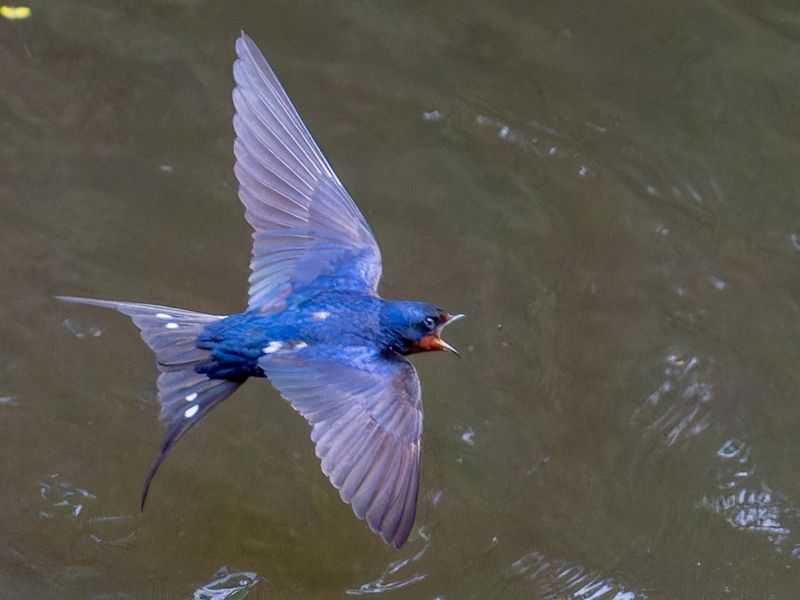
Few sights match the joy of swallows carving loops through the summer air over your garden. Purple Martins and their cousins are pure motion, and every twist is a pest being caught.
As aerial insectivores, they devour mosquitoes, flies, and moths by the hundreds. Their swooping passes translate directly into fewer bites for you and fewer plant-damaging insects on the wing.
Did you know a healthy swallow colony can dramatically cut local mosquito populations? When swallows claim your airspace, it often means clean water nearby and an insect supply steady enough to feed a whole flock.
8. Vireos
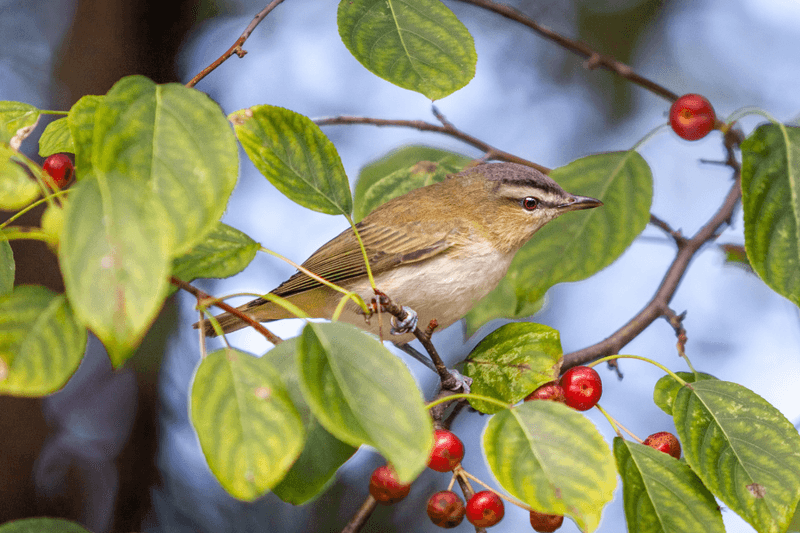
Easy to hear but tricky to spot, vireos work through the leafy canopy with steady patience. Their persistent singing often gives them away long before you catch a glimpse.
These birds are careful foragers, methodically searching foliage for caterpillars and other insects. Their presence points to a natural balance, where enough bugs exist to feed them without overwhelming your plants.
Because vireos favor leafy, layered plantings, their arrival hints that your shrubs and trees have grown into welcoming habitat. A garden that keeps vireos fed is one with a well-rounded, self-regulating insect population.
9. Woodpeckers
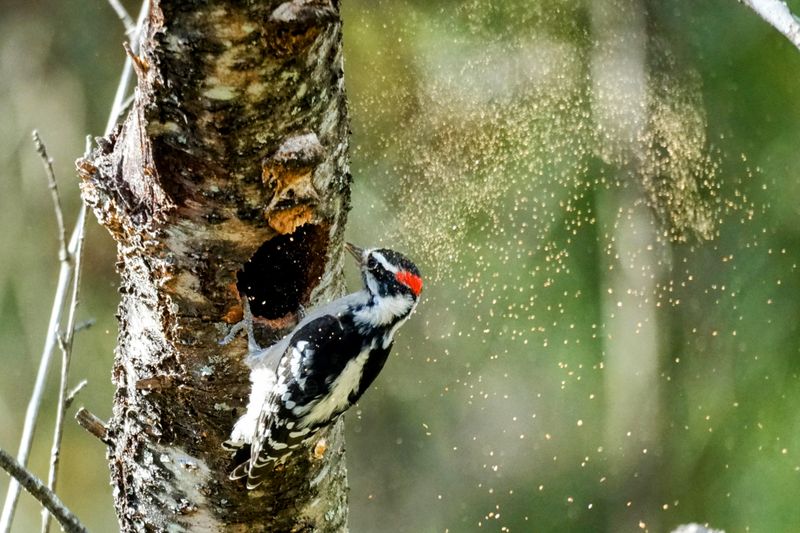
The rhythmic knocking of a woodpecker somewhere in your yard is more than a woodland soundtrack. Downy, Red-bellied, Flicker, and Pileated Woodpeckers are all after the same thing: pests hiding in the wood.
They chisel out beetles, ants, and wood-boring caterpillars that quietly weaken trees from the inside. By reaching pests buried beyond most predators, woodpeckers stop infestations before they spread.
Their drumming actually serves double duty as both feeding and communication. When woodpeckers frequent your trees, it usually means you have mature, insect-rich wood worth defending, and they’re doing the defending for you.
10. Wrens
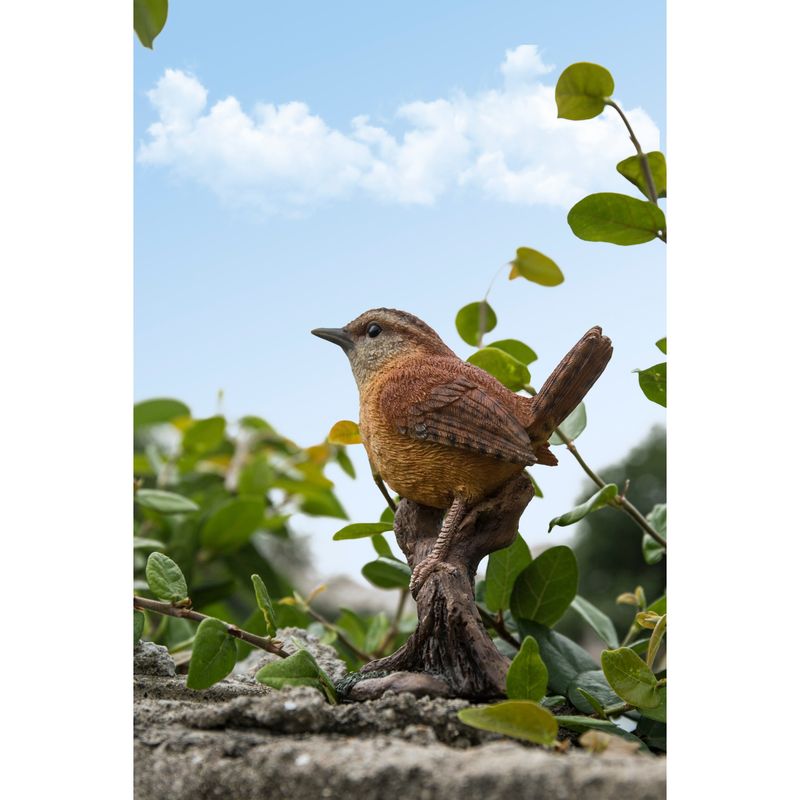
Small bodies, enormous voices, and boundless energy make wrens some of the most entertaining birds you can attract. House Wrens and Carolina Wrens bring personality along with real garden benefits.
They have a special fondness for spiders, caterpillars, worms, and moths, poking into every nook to root them out. A yard full of wrens is a yard where these small pests get controlled almost as fast as they appear.
Carolina Wrens in particular signal a healthy, layered ecosystem with dense shrubs and plenty of cover. If they’re nesting near your porch or shed, take it as proof your yard offers both food and shelter.
11. American Robins
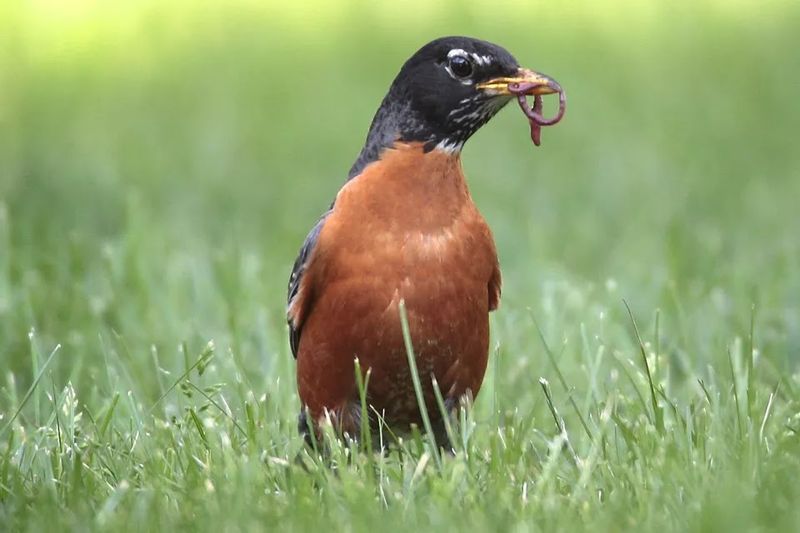
The sight of a robin tugging a worm from the lawn is practically the definition of a healthy backyard. Familiar as they are, robins do far more than hunt earthworms.
They also eat a surprising number of insects and larvae, along with slugs and snails that would otherwise chew through your seedlings. A lawn that keeps robins fed is usually one free of harsh pesticides.
Their reliance on soft, living soil makes them a natural report card for your yard. When robins keep returning, it’s a strong hint that your lawn is alive and healthy all the way down.
12. Hummingbirds
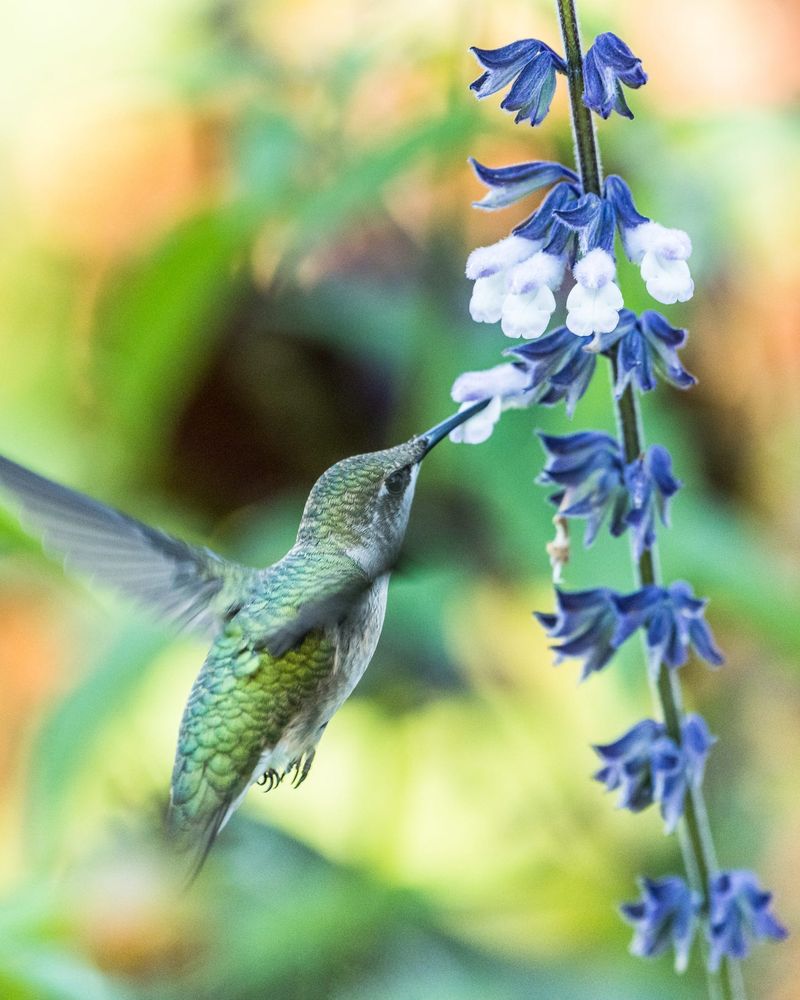
Blink and you might miss the tiny blur of a hummingbird hovering at a bloom. These jewel-toned dynamos are proof your garden is pulling its weight as a pollinator haven.
Every time they sip nectar, they carry pollen from flower to flower, helping wildflowers and fruiting plants reproduce. Their pollination work quietly boosts the harvest and beauty of everything they visit.
They also snack on small insects for protein, so they’re not just pretty faces. A yard buzzing with hummingbirds usually has plenty of tubular, nectar-rich blooms and a healthy insect base to match.
13. American Goldfinches
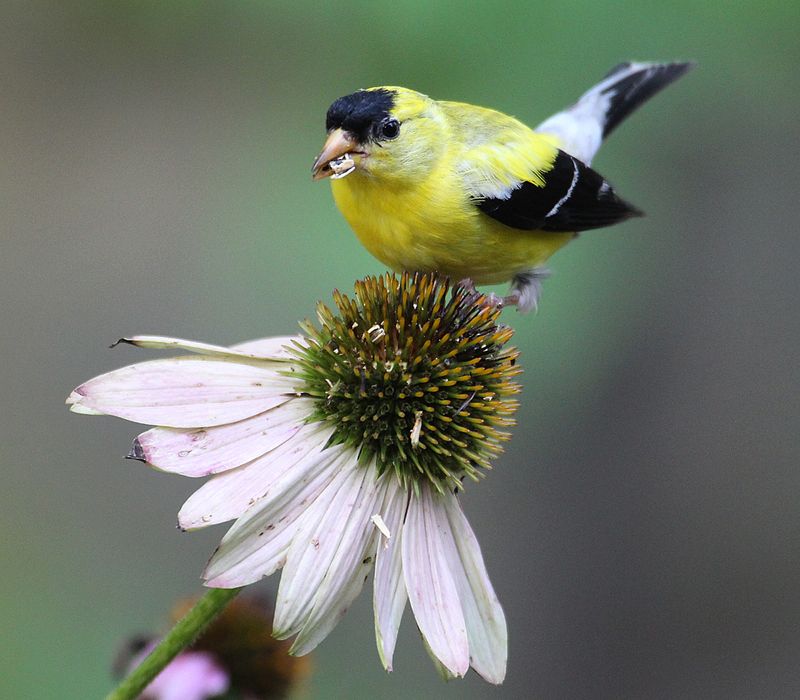
A splash of lemon-yellow bouncing between seed heads means the goldfinches have arrived, and your weeds are in trouble. These cheerful finches are natural weed managers with a taste for exactly the plants you don’t want.
Seeds make up the bulk of their diet, especially those from thistles, coneflowers, and coreopsis. By eating weed seeds before they scatter, goldfinches help curb unwanted growth without you lifting a finger.
They famously nest late in summer to time their broods with peak seed season. If goldfinches linger in your yard, it’s a sign you’ve got a seed-rich, pesticide-light space they can trust.
14. Titmice
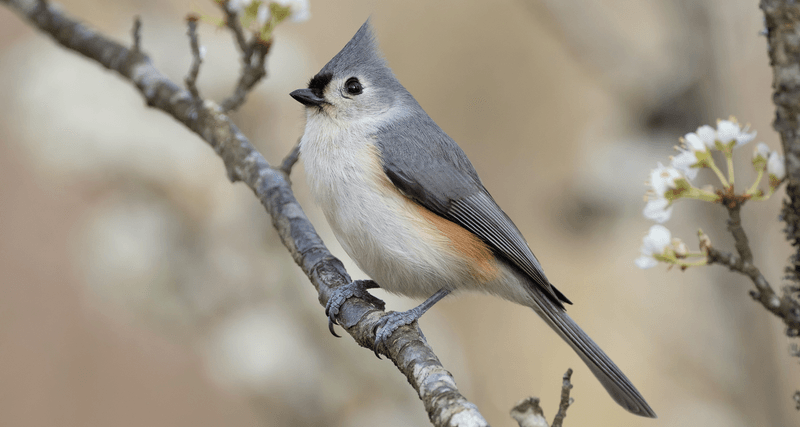
Perky crests and big dark eyes give the Tufted Titmouse a curious, almost cartoonish charm. As close cousins of chickadees, they share the same hardworking approach to pest control.
Aphids, caterpillars, and scale insects all end up on the menu, making titmice reliable guardians of tender new growth. They tend to work the same shrubs and trees day after day, keeping problem insects in check.
Their whistled peter-peter-peter song carries far across a quiet morning. When titmice make your yard part of their daily rounds, it’s a good sign your plantings offer both cover and a steady bug supply.
15. Orioles
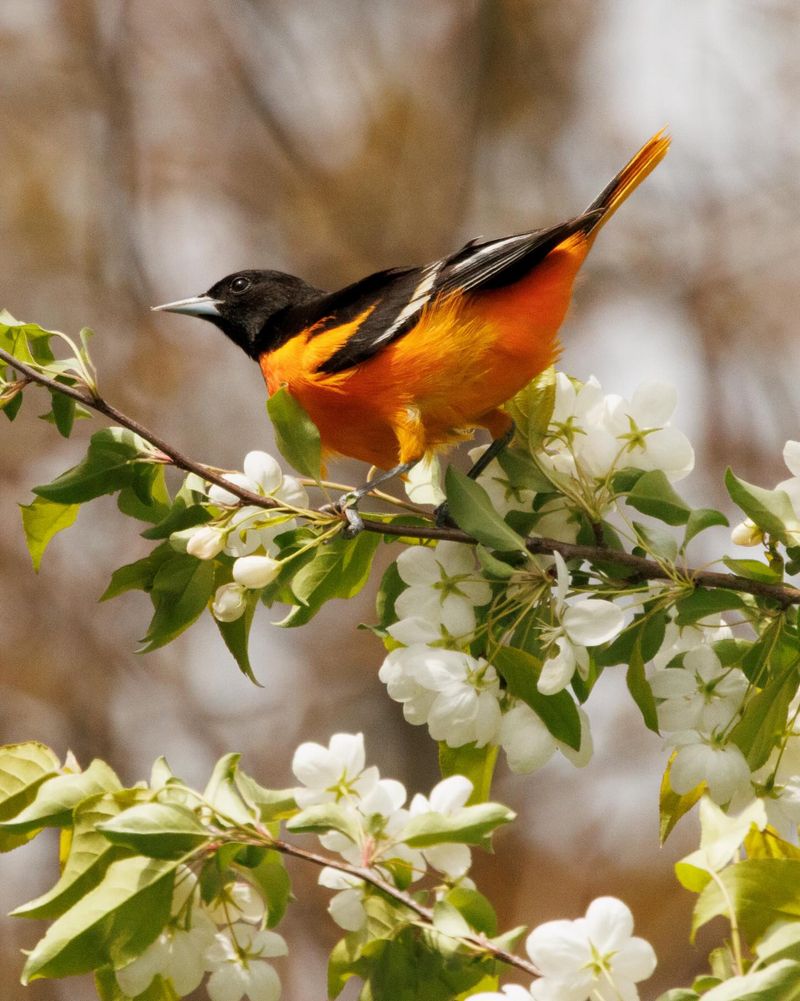
Few birds stop conversation quite like a Baltimore Oriole blazing orange against green leaves. Bullock’s and Orchard Orioles bring the same jaw-dropping color, and they earn their place in the garden too.
Insects make up a big part of their diet, so they help thin out the bugs bothering your plants. When they sip nectar from flowering trees, they can even double as pollinators, moving pollen as they feed.
Orioles are famously drawn to orange halves and grape jelly, but they only stay where the habitat suits them. Their arrival often means flowering trees and a diverse insect population share your space.
16. Owls
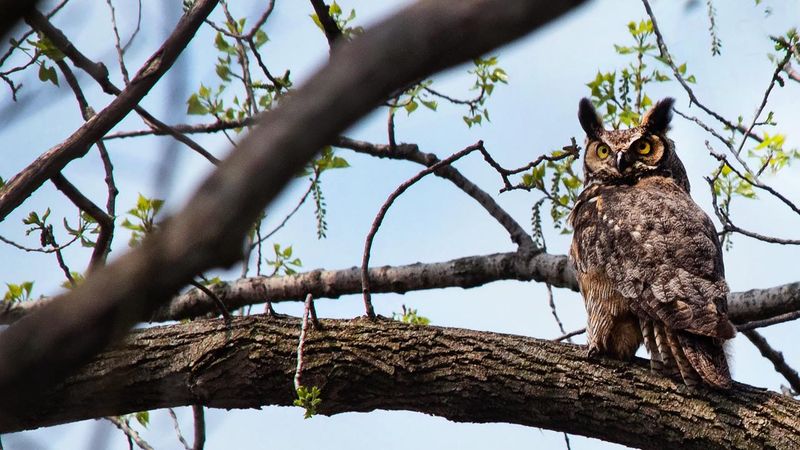
You may never actually see one, but a soft hoot after dark tells you an owl has claimed your yard. Their quiet presence is one of the strongest signs of a thriving, undisturbed ecosystem.
These skilled night hunters specialize in rodents like mice and rats. A resident owl provides natural control of the pests that gnaw roots, raid seeds, and burrow into garden beds and structures.
Because owls need calm, low-disturbance surroundings, their arrival suggests your yard offers real peace and shelter. If you spot pellets under a tree or hear calls at dusk, count yourself lucky.
17. Northern Cardinals
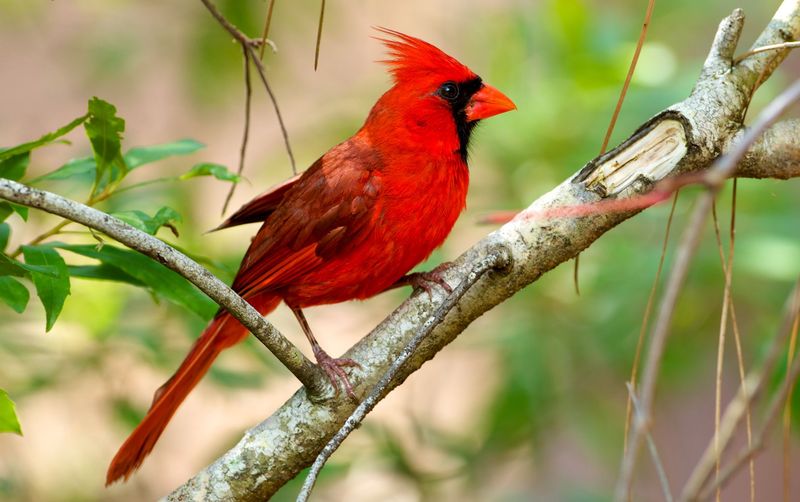
Bright red against a winter hedge, the Northern Cardinal is the bird nearly everyone hopes to see. Beyond the beauty, these year-round residents pull double duty in the garden.
Cardinals eat both seeds and insects, so they help with weed control and pest cleanup at the same time. That flexible diet means they stay useful through every season, not just during summer bug season.
Their loud, clear whistling makes them easy to recognize even before they appear. When a pair of cardinals settles into your shrubs, it usually means dense cover and a dependable food source have made your yard home.
18. Blue Jays
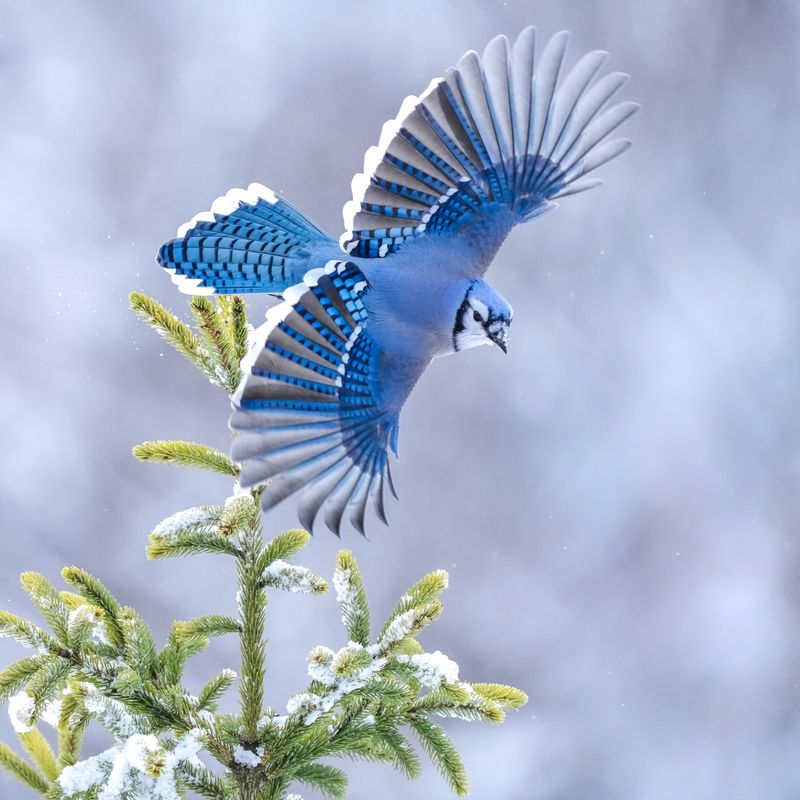
Loud, clever, and impossible to ignore, Blue Jays bring both attitude and value to a backyard. Their bold personality often overshadows just how helpful they really are.
As omnivores, they eat insects and seeds, including spicebush berries, while also scattering seeds that grow into native plants. That seed-spreading habit quietly boosts the biodiversity that keeps your whole yard resilient.
Here’s a fun fact: Blue Jays are known to plant future oak trees by burying acorns they forget to retrieve. Their presence signals a rich, varied ecosystem where they can find plenty to eat and plant along the way.