
15 Shade-Loving Plants You Swore Needed Full Sun (And 5 That Truly Do)

Ever stared at a droopy hydrangea baking in the afternoon sun and wondered why it looks miserable in the “perfect” sunny spot you gave it? A lot of plants we assume are sun-worshippers actually beg for a little afternoon shade, while a few truly do need every ray they can get.
Getting this right is the difference between crispy, scorched leaves and a garden that stays lush all summer. Here are 15 plants you can safely tuck into the shade, plus 5 that genuinely need full sun to thrive.
1. Hydrangeas
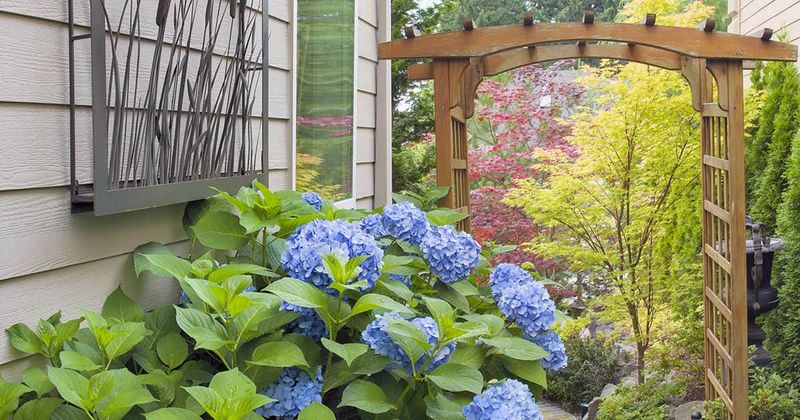
Nothing breaks a gardener’s heart quite like watching those big mophead blooms flop over by noon. If your hydrangea keeps wilting and fading in the same sunny bed where you thought it would shine, the sun itself is usually the culprit.
Most hydrangeas actually crave morning sun paired with afternoon shade, especially in warmer climates where the harsh midday rays scorch leaves and drain moisture fast. Some varieties handle filtered shade beautifully, and only in cooler northern areas can they take more direct light without protest.
The fix is simple and free: give your hydrangea a spot that catches gentle morning light and gets shaded once the day heats up. You will see stronger stems and blooms that hold their color for weeks instead of collapsing by lunchtime.
2. Coleus
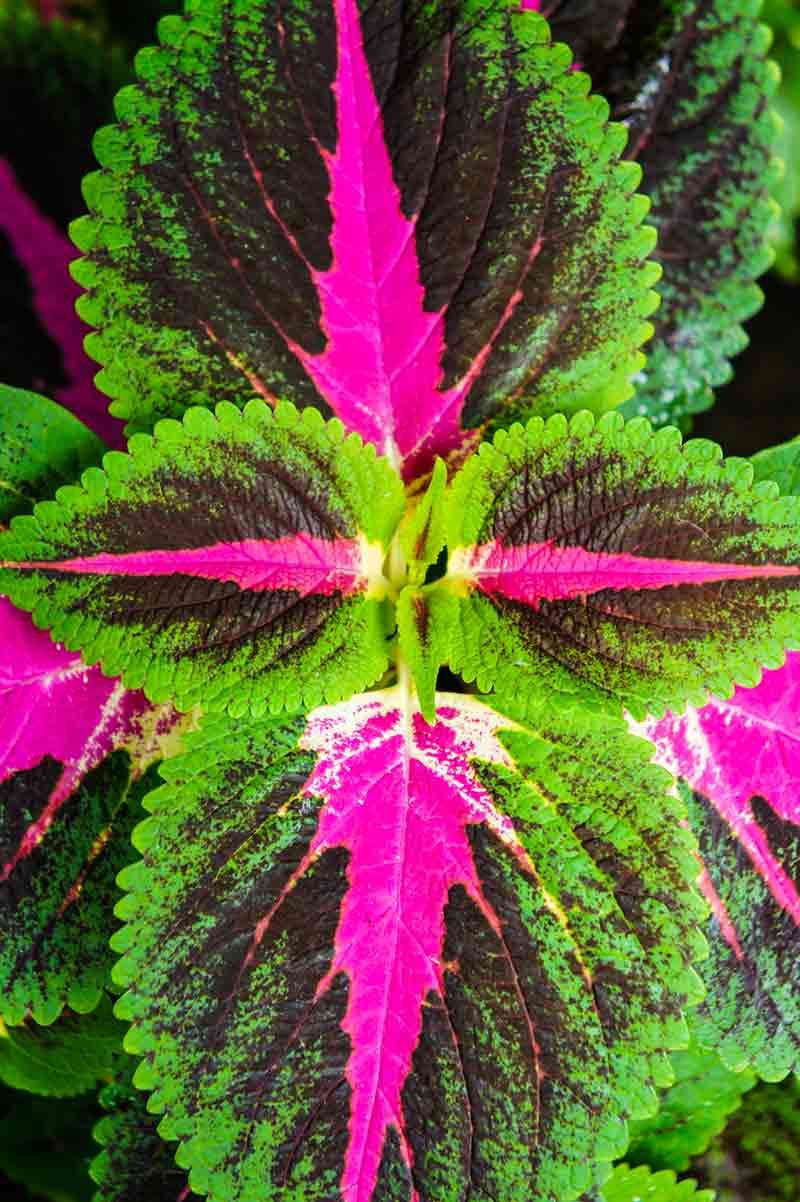
Prized for foliage in colors no crayon box could match, coleus was long considered a strictly shade-loving plant. Newer varieties have been bred to take more sun, but the classic ones still tell you loud and clear when they have had too much.
Most coleus flourish in dappled shade with direct sun limited to the morning hours. Darker-leaved cultivars can handle brighter spots, while pale or lime-colored foliage sunburns and fades quickly under intense midday light.
Want that rich, saturated color? Plant coleus where it gets soft morning sun and shade through the hot afternoon, and keep the soil consistently moist if you push it into a sunnier spot.
Skip the harsh light and the leaves reward you with jewel-toned drama.
3. Astilbe
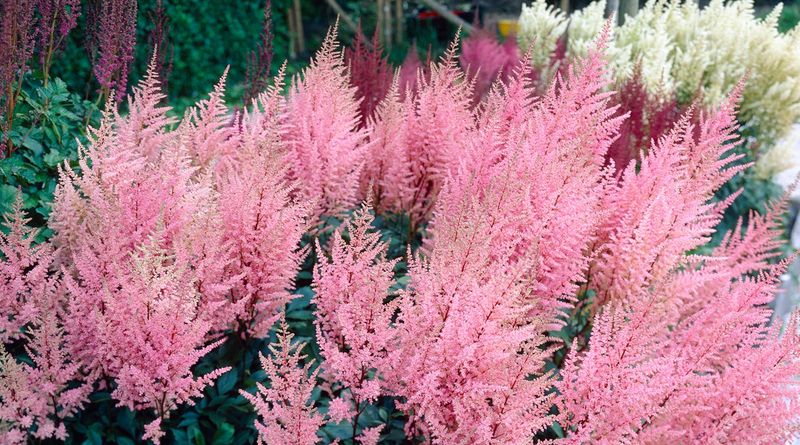
Feathery plumes in pink, red, and white make astilbe look like a firework frozen mid-burst. Gardeners often assume such showy blooms demand full sun, but this beauty is happiest tucked into the shadows.
Partial shade suits astilbe best, and it genuinely needs afternoon shade to keep its deep, saturated hues. It will even grow in full shade, though you may trade some flowers for the privilege.
In cool northern climates it can handle full-day sun, but only with steady moisture.
Here is the catch that trips people up: astilbe is unforgiving in dry soil, and the leaves brown fast when it dries out. Plant it in partial shade with rich, consistently moist soil, add a layer of mulch, and it thrives where sun-lovers would sulk.
4. Bleeding Heart
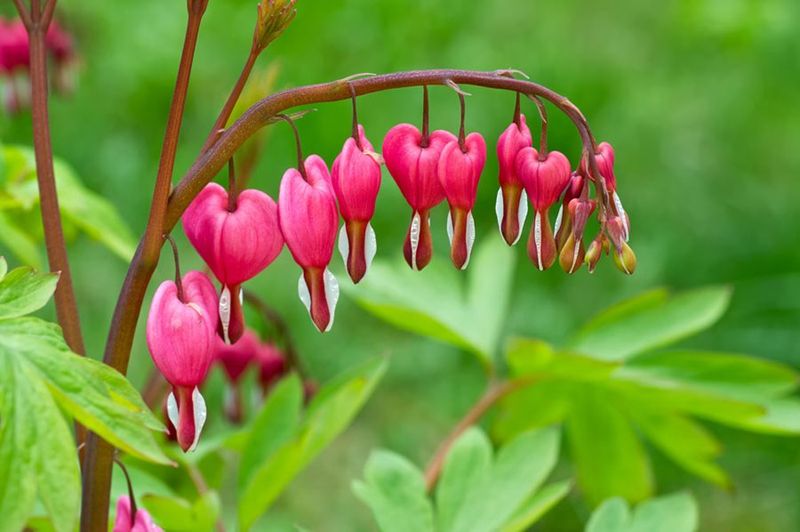
Those dangling, heart-shaped blossoms look so delicate you would swear they need pampering in a sunny border. Truth is, bleeding heart is a woodland dweller that would rather hide from the afternoon glare.
Part to full shade is where this plant shines, and while morning sun is fine, hot afternoon rays send it into stress and premature dormancy. In cooler, moister spots it happily takes filtered light without complaint.
Give it a shaded corner with loose, organic-rich soil and protection from that scorching midday sun. Do that, and you get arching stems strung with romantic little hearts long before your sun plants even wake up for the season.
5. Lungwort
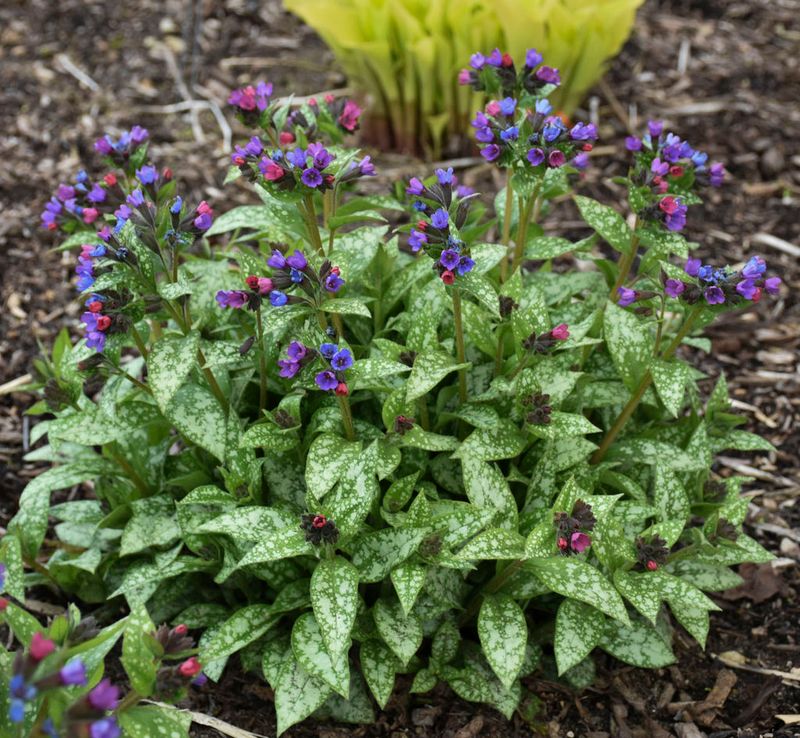
Do not let the unglamorous name fool you: lungwort brings early spring color and silver-speckled leaves that light up the darkest corners. Among shade plants, this one is the real deal, actively preferring the shadows rather than merely tolerating them.
Bright, dappled shade is ideal, like the gentle light under deciduous trees. Cooler zones let it handle a bit of morning sun, but intense afternoon rays scorch those spotted leaves in a hurry.
Even deep shade works, though you may see fewer blooms.
To keep it looking its best, plant lungwort in partial to full shade and shield it from hot afternoon sun, particularly if your summers run warm. It rewards you with cheerful pink-to-blue flowers when little else is blooming.
6. Toad Lily
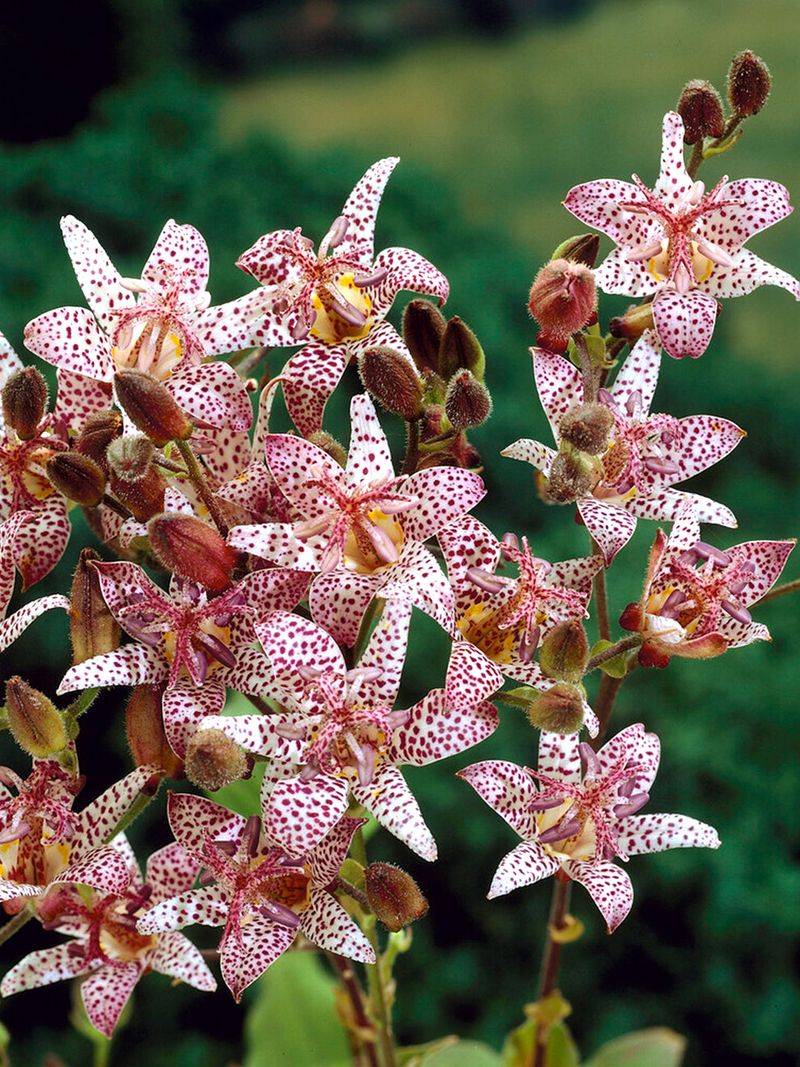
Odd name, gorgeous flowers. Toad lily produces orchid-like, speckled blooms in late summer and fall, exactly when most shade gardens have gone quiet, which makes it a secret weapon for the dim corners of your yard.
Partial sun keeps it thriving, roughly three to six hours a day, and it loves morning sun followed by afternoon shade. Full shade is tolerated too, though you will notice slower growth and fewer of those intricate blossoms.
Tuck it beneath a tree canopy where it gets soft morning light and shelter from the harsh afternoon, which otherwise scorches the leaves. Come autumn, those freckled flowers steal the show while everything else fades.
7. Foamflower
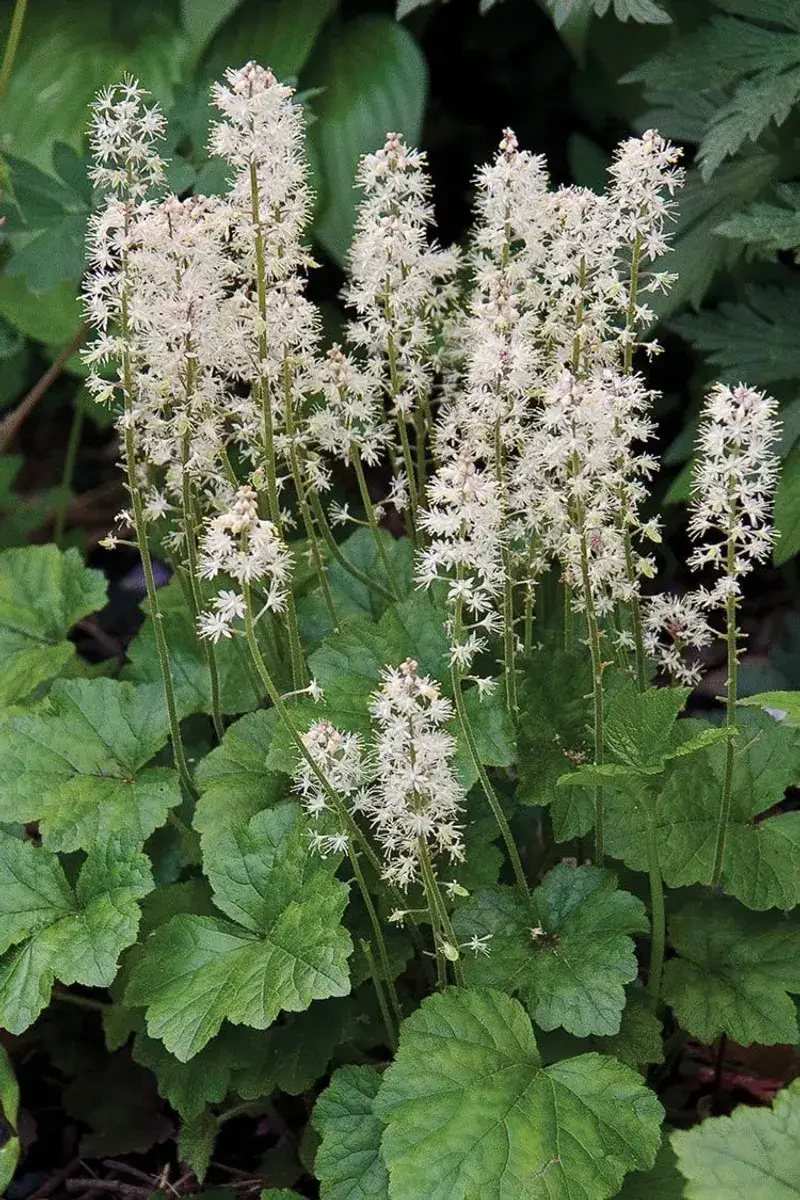
Soft, frothy spikes of tiny star-shaped flowers give foamflower its name, and its maple-like leaves make a handsome groundcover even when it is not blooming. Native to woodland floors, it wants nothing to do with a blazing sunny bed.
Dappled sunlight or part shade suits it perfectly, and it happily tolerates full shade and gentle morning sun. Push it into full sun and dry soil, though, and the leaves scorch while flowering grinds to a halt.
Use foamflower as a carpet for partly or fully shaded areas, or pop it into containers for a shady patio. It fills in bare, gloomy ground where grass and sun-lovers refuse to grow.
8. Sweet Woodruff
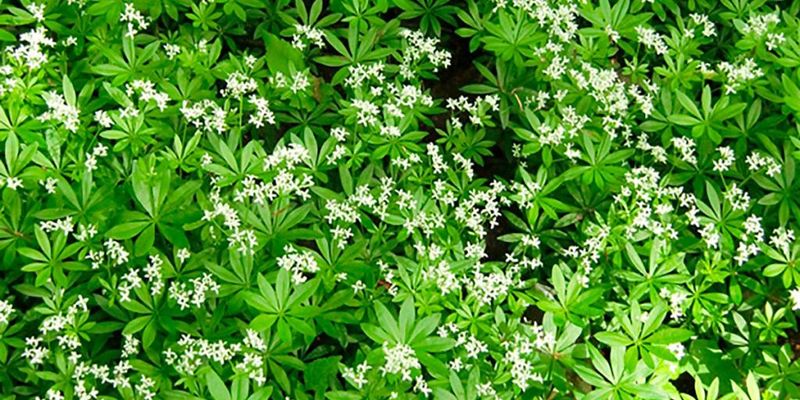
Whorls of bright green leaves topped with tiny white flowers make sweet woodruff spread like a fragrant living carpet. This European woodland native evolved in the dim understory, so it is right at home where sun barely reaches.
Partial to full shade brings out its best, and it even copes with deep shade, though flowering thins out considerably there. It can manage full sun if kept well-watered, but it clearly prefers indirect light and cool ground.
Give it shade that mimics a forest floor and keep the soil consistently moist, and it fills in fast. The variegated types are a bit more sun-sensitive, so keep those out of full afternoon sun especially.
9. Jacob’s Ladder
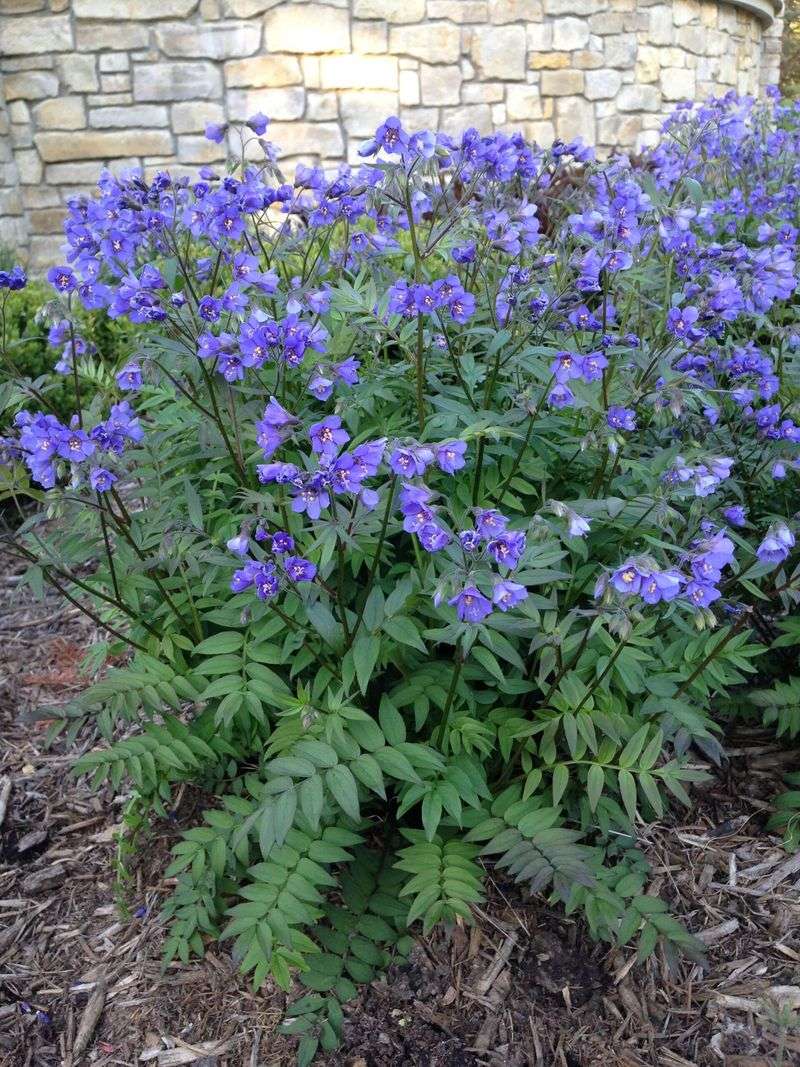
The ladder-like arrangement of its leaflets gives this charming perennial its biblical name, and its clusters of bell-shaped blue flowers add a cool, calming touch to shady beds. Many gardeners plant it in full sun and then wonder why it looks so stressed.
Moist, well-drained soil in partial to full shade is where Jacob’s Ladder truly thrives. It can survive full sun, but scorching summer heat leaves it wilting, curling, and speckled with brown spots as the leaves dry out.
Protect it with partial shade or even a shade cloth during intense stretches, and morning sun over afternoon glare. Keep it cool and moist, and you get delicate blue blooms without the sunburn drama.
10. Rhododendrons and Azaleas
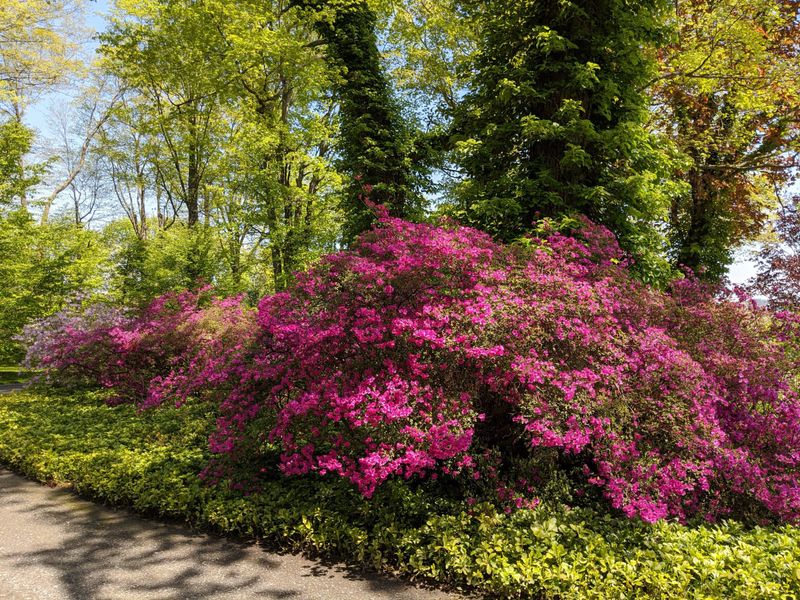
Spring would not be the same without the explosive color of rhododendrons and azaleas blanketing a yard. Because they bloom so boldly, folks assume they want maximum sun, but most actually perform best with a little shelter.
Partial shade is their sweet spot, and they generally dislike both deep shade and relentless sun. Filtered light or gentle morning sun keeps them happy, while some varieties need midday shade to stop their foliage from yellowing or burning.
Azaleas tend to take more sun than rhododendrons.
Watch for yellow leaves, scorched foliage, or even bark splitting as signs of too much exposure. Plant them in dappled shade or a morning-sun spot, shield them from cold, drying winds, and they light up your garden every spring.
11. Hostas
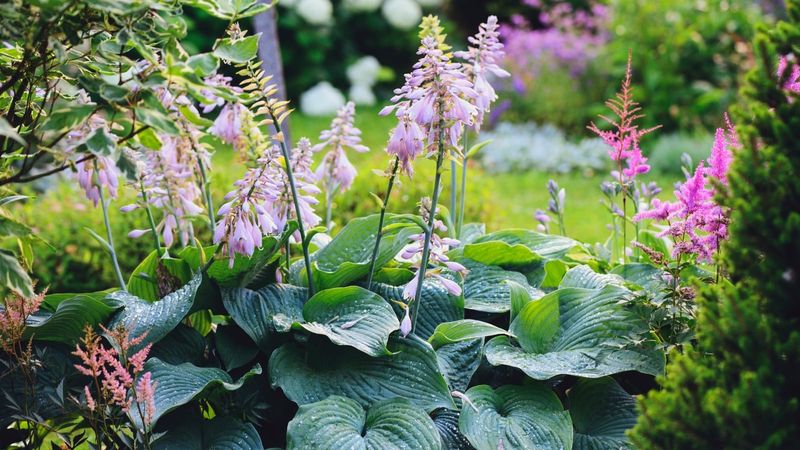
If there is a poster child for shade gardening, it is the humble hosta with its bold, sculptural leaves. Yet its natural home is the edge of the woods, not pitch-black shade, which surprises a lot of gardeners.
Most hostas actually enjoy morning sun but need real protection from the hot afternoon. Blue-green types are the fussiest, holding their color only in cool, shady spots, while gold, green, and chartreuse varieties tolerate more sun as long as their roots stay moist.
Blast one with strong light all day and you get bleached, burned leaves, especially during a heat wave. Plant hostas where they catch morning sun and afternoon shade, keep the soil evenly moist, and those lush leaves fill your borders beautifully.
12. Impatiens
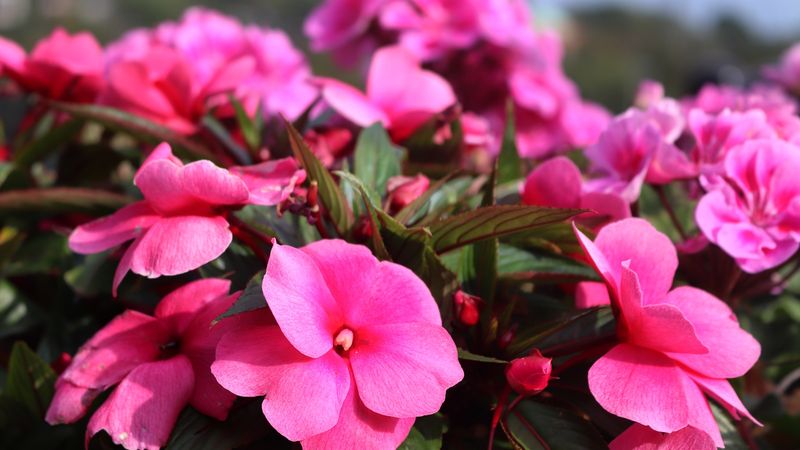
For decades, impatiens have been the go-to answer for gardeners staring at a shady spot and wanting instant color. The classic types positively glow in filtered light and need shelter from the hot afternoon to keep their vivid hues.
Older varieties thrive in partial or filtered shade, while newer New Guinea impatiens handle more sun but still bloom best with morning light and afternoon shade. In deep shade they survive but give you few flowers.
Direct afternoon sun triggers rapid leaf scorch, flower drop, and stunted growth, and those soft, fleshy stems wilt the moment they get thirsty. Plant them in light to medium shade, keep them watered, and they bloom their hearts out all season.
13. Caladiums
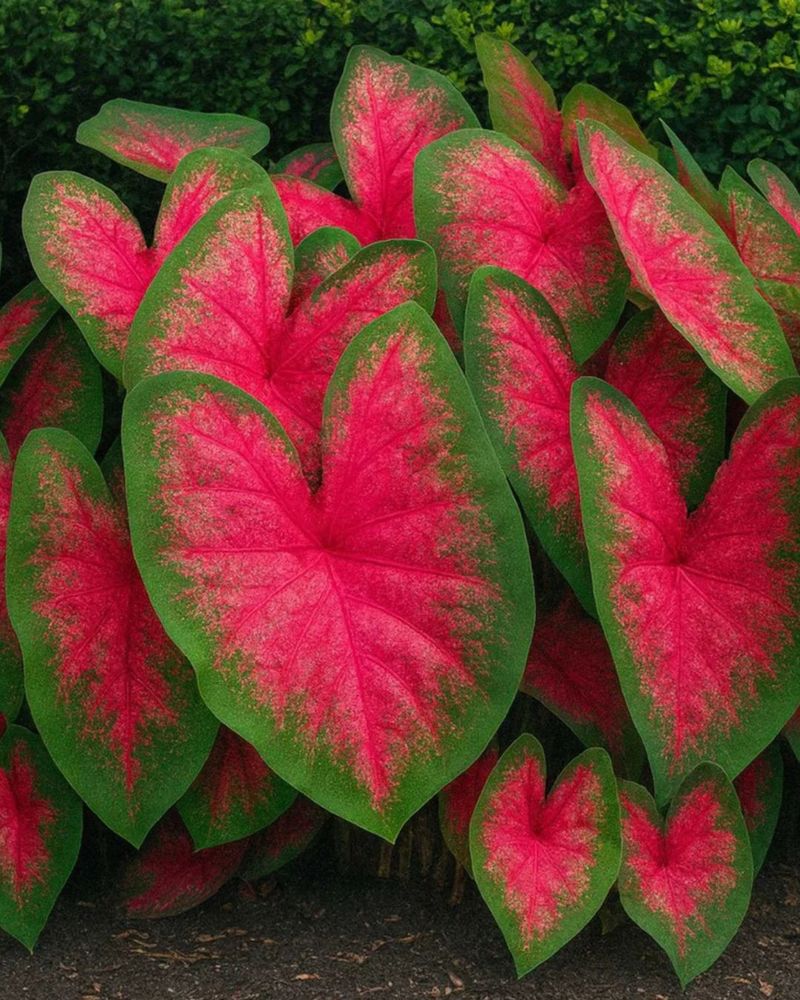
Heart-shaped leaves splashed with pink, red, white, and green make caladiums look almost tropical, and they bring color to shade without needing a single bloom. Many gardeners plant them in bright beds and end up puzzled by the damage.
Partial shade is the goal, with just two to four hours of direct sun daily. Some newer cultivars take more, but for most, morning sun followed by afternoon shade keeps the foliage at its most vibrant.
A telltale sign of too much sun is melting, where holes rimmed with brown appear between the leaf veins, along with scorched patches. Move a struggling plant to a shadier spot with bright, indirect light and those painterly leaves bounce right back.
14. Heuchera (Coral Bells)
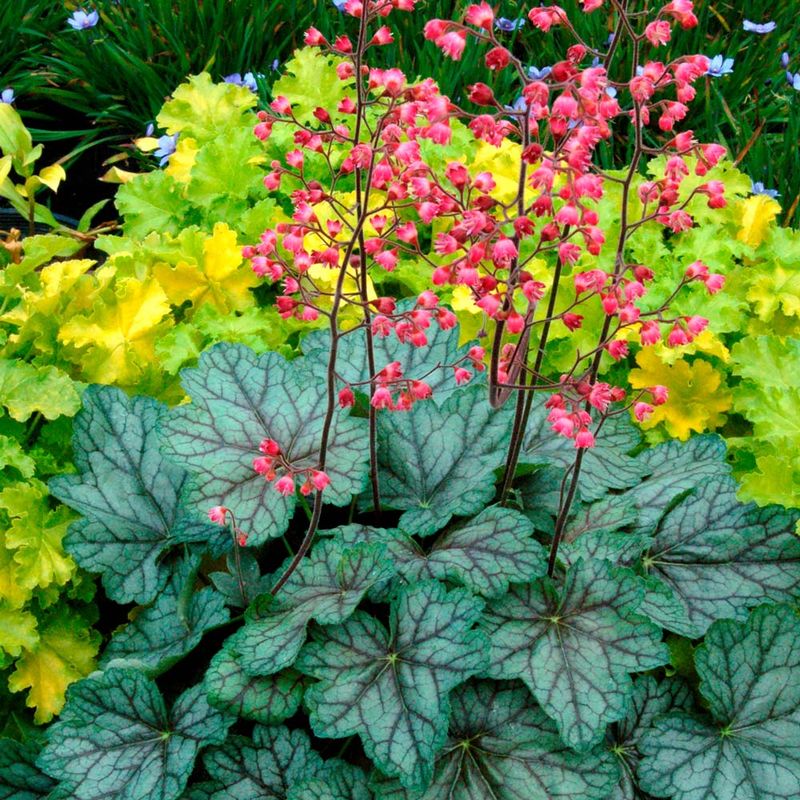
Few plants offer year-round leaf color like heuchera, with foliage ranging from lime and amber to deep burgundy and near-black. Their delicate flower spikes hint at sun-lover, but these coral bells prefer to keep it cool.
Partial or dappled shade is where their leaf colors truly earn their keep. Darker cultivars can take more sun, which sometimes deepens their tone, but pale-leaved plants bleach and scorch easily in a bright spot.
Grow them in full sun and you risk crispy brown edges unless you water diligently. Give heuchera part shade, protect the lighter varieties from harsh rays, and you get a tapestry of leaf color that lasts from spring well into fall.
15. Violets
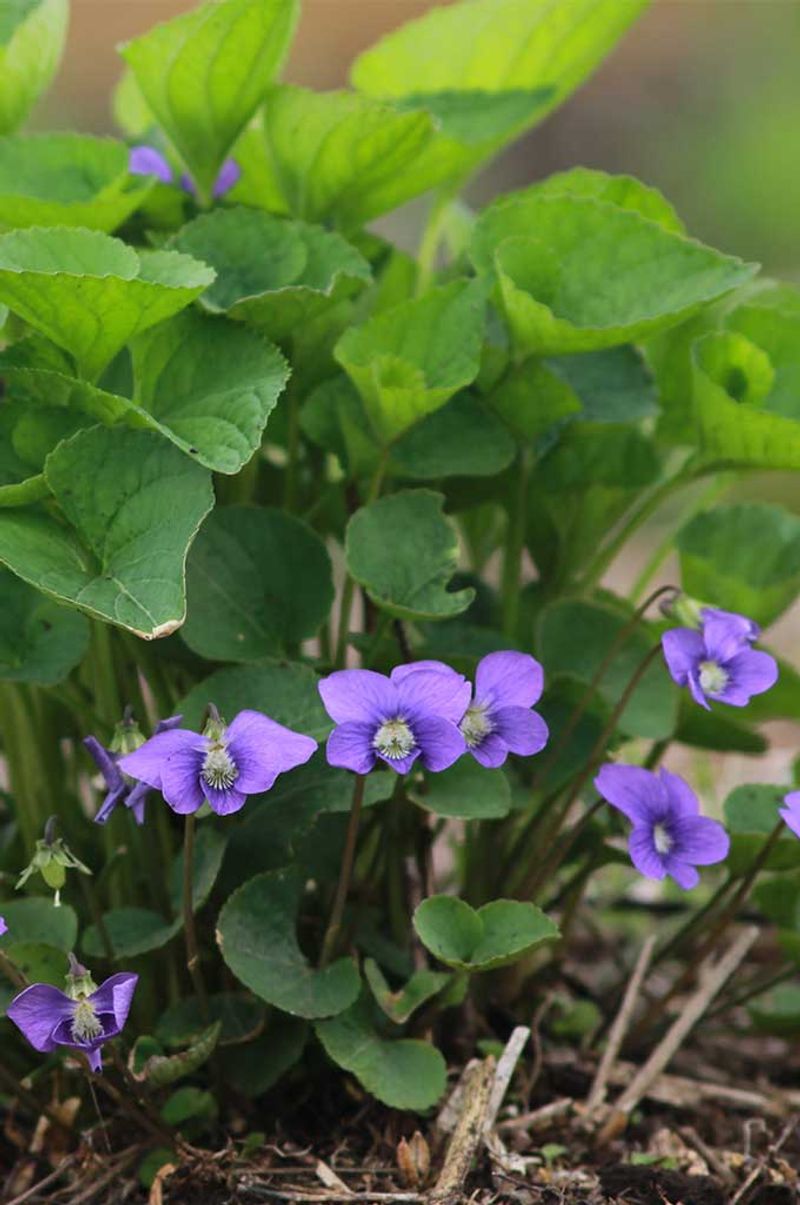
Sweet, low-growing, and impossibly cheerful, violets carpet the ground with tiny blooms that seem to appear out of nowhere. Their woodland roots mean they would much rather have dappled light than a scorching open bed.
Partial shade suits most violet species best, echoing the filtered sunlight of the forests they come from. They especially love morning sun with afternoon shade in warmer climates, though some can take full sun where summers stay cool and moisture is steady.
Under harsh summer sun, violas fade, wither, and scorch quickly, while deep shade leaves them thin and shy on flowers. Aim for around six hours of bright, dappled light, and consider moving sun-baked plants into gentler shade for a happier show.
16. Tomatoes
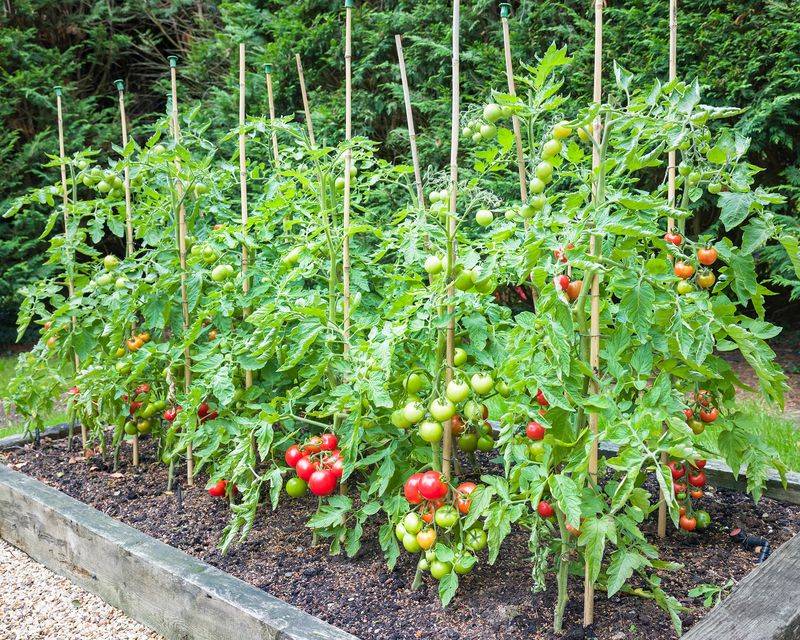
Here is where the shade myth ends and the sun-worshippers begin. Ask any gardener chasing that first juicy, sun-warmed tomato of summer, and they will tell you these plants are unapologetic light hogs.
Tomatoes need at least six to eight hours of direct sun daily for strong growth and the best flavor. In regions with brutal summers they appreciate morning sun with a little afternoon shade, but in northern gardens they soak up sun all day long.
Skimp on light and you get a leafy plant with disappointingly few tomatoes to show for it. The fix is straightforward: hand your tomatoes the sunniest, prime real estate in your yard and let them bask their way to a heavy harvest.
17. Petunias
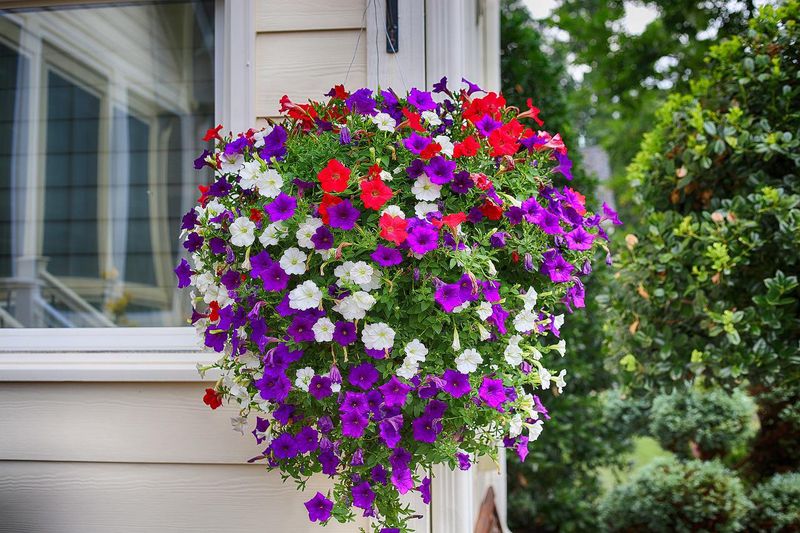
Spilling out of hanging baskets and window boxes all summer, petunias are the workhorses of nonstop color. That relentless blooming comes at a price, though: they are true sun-lovers through and through.
Full sun, meaning six to eight hours of direct light daily, produces the most flowers. Petunias will tolerate a little light shade, but the trade-off is fewer blooms, shorter plants, and painfully slow flower production.
If your petunias look sparse and stretched, they are almost certainly starving for light. Move them into a sunny spot to maximize the show, and where some shade is unavoidable, aim for afternoon shade so they still get a strong dose of morning sun.
18. Geraniums
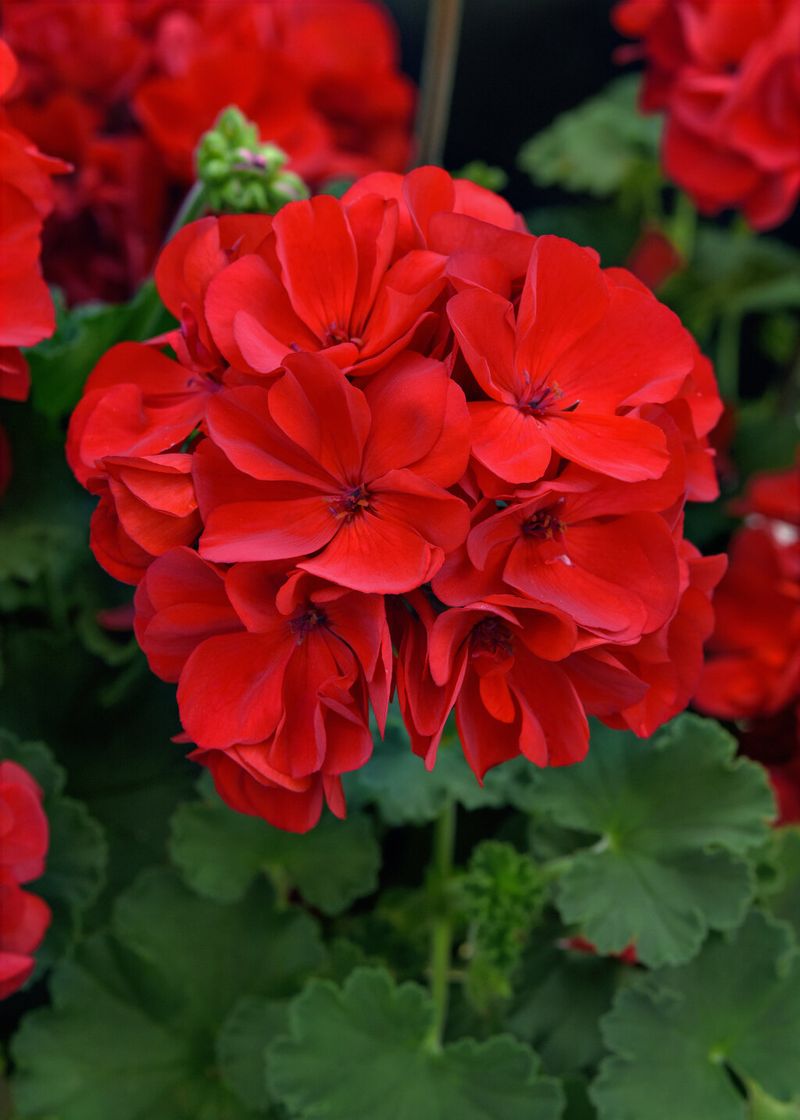
Classic geraniums have graced porches and window boxes for generations, and their bold red, pink, and white clusters practically shout summer. Behind that reliable charm is a plant that genuinely needs its time in the sun.
At least six hours of direct sunlight daily keeps geraniums blooming profusely and looking healthy. In very hot climates a bit of midday shade helps, but shortchange them on light and they turn leggy, with pale leaves and stingy flowering.
Spot a stretched-out geranium with barely a bloom? Not enough sun is almost always the reason.
Give it a bright, sunny home with at least six hours of direct light, and it rewards you with round after round of cheerful color.
19. Hollyhocks
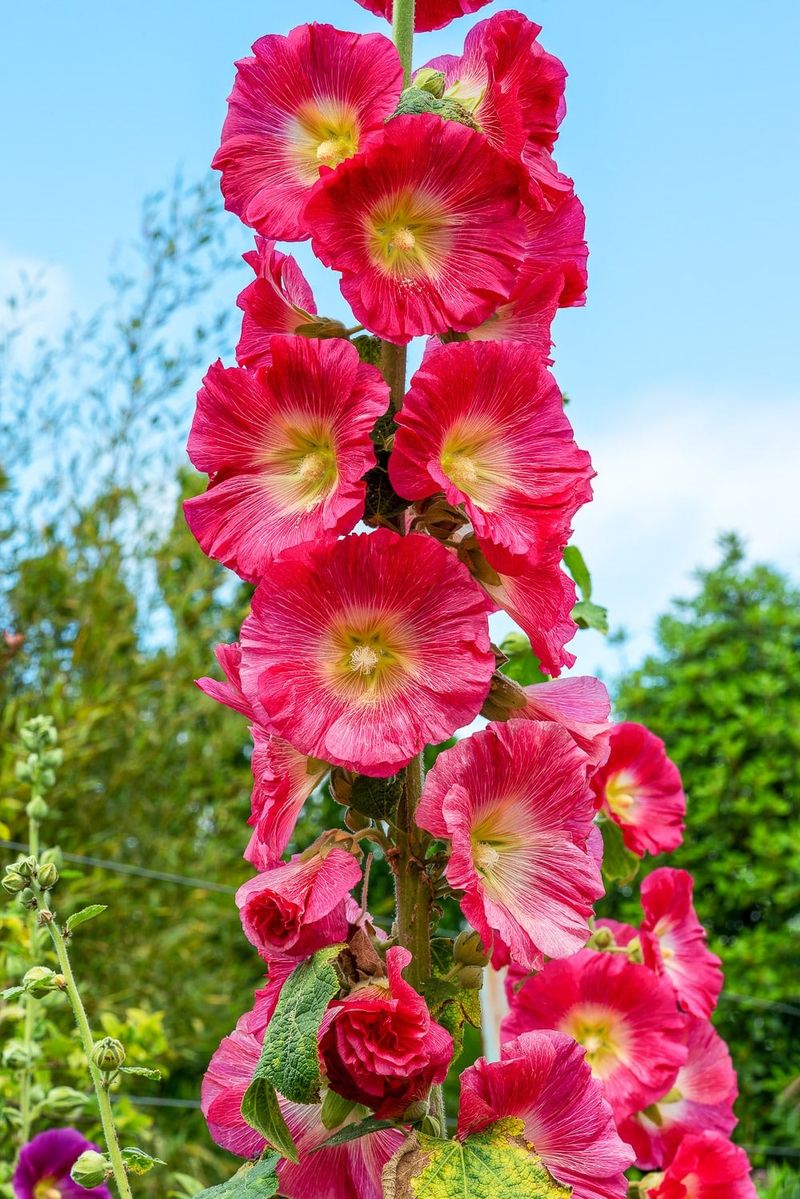
Towering stalks studded with saucer-sized blooms make hollyhocks the drama queens of the cottage garden. Reaching for the sky the way they do, it is no shock that they want a full serving of sunlight.
Six to eight hours of direct sun per day is the target, though they will accept light shade and a break during the very hottest hours. Give them too much shade, and they grow leggy with fewer flowers.
The bigger problem with shade is structural: the central stalk never grows strong enough in low light, so the whole plant bends and flops. Choose a full-sun location and you get sturdy, upright spires packed with color all summer long.
20. Clematis
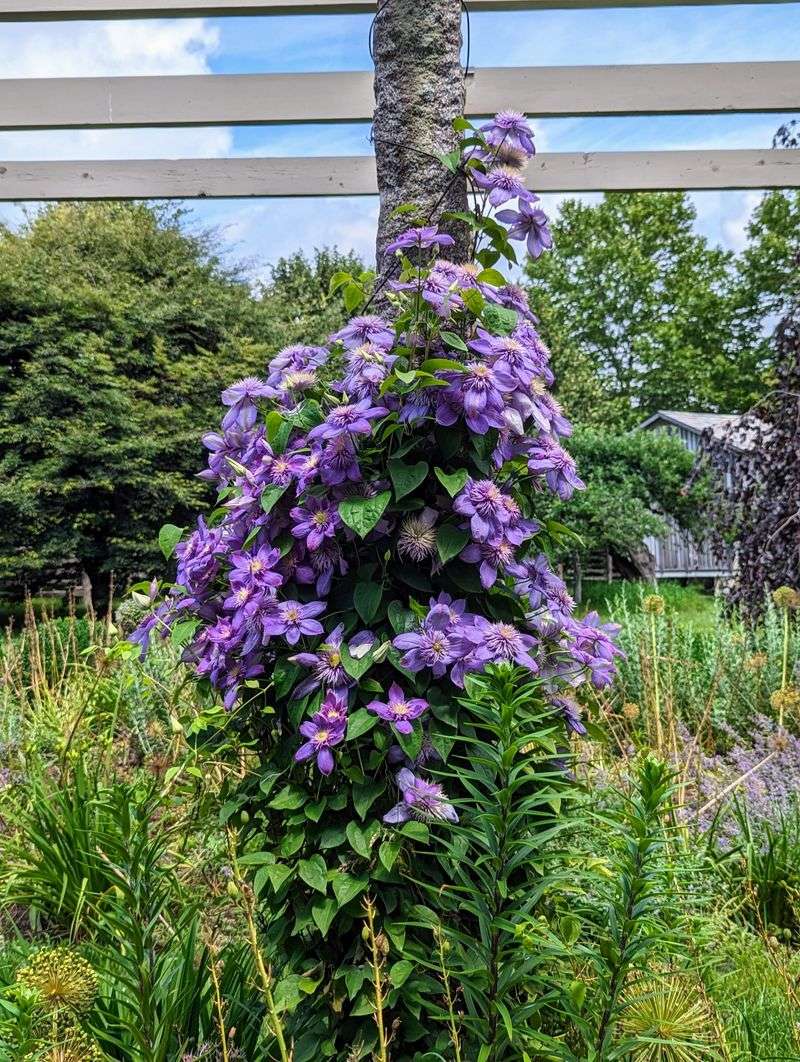
Climbing vines dripping with star-shaped flowers, clematis is the plant that rewards patience with a wall of color. Gardeners often love its quirky demand: heads in the sun, feet in the shade.
Most varieties flower best with at least six hours of sunlight daily on their vines and foliage. Some cultivars handle partial shade, but drop below four hours of direct sun and you get few blooms or none at all.
The trick that keeps clematis thriving is cool, shaded roots even while the top basks in light. Give it a sturdy trellis in a sunny spot, keep the root zone shaded and moist with mulch or low plants, and it climbs into a spectacular flowering display.