
17 Budget Plants That Fill Bare Garden Spots Fast Before Summer Fades
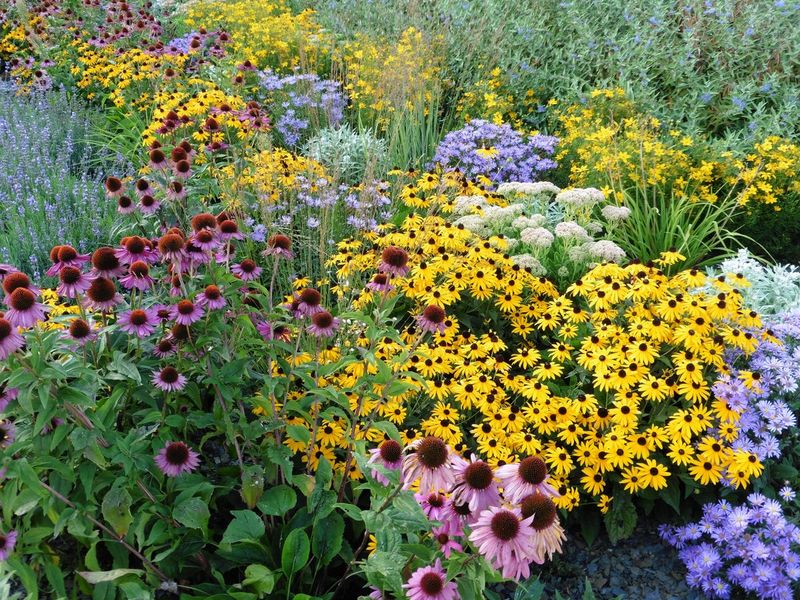
Blank patches in the garden have a way of showing up right when summer starts slipping away, and staring at bare soil can feel a little discouraging. The good news is you do not need a big budget or months of waiting to fix it.
Plenty of cheap, fast-growing plants can turn those empty gaps into color and greenery in just weeks. Here are 17 wallet-friendly picks that fill space quickly and keep your beds looking full until the season fades.
1. Sweet Alyssum
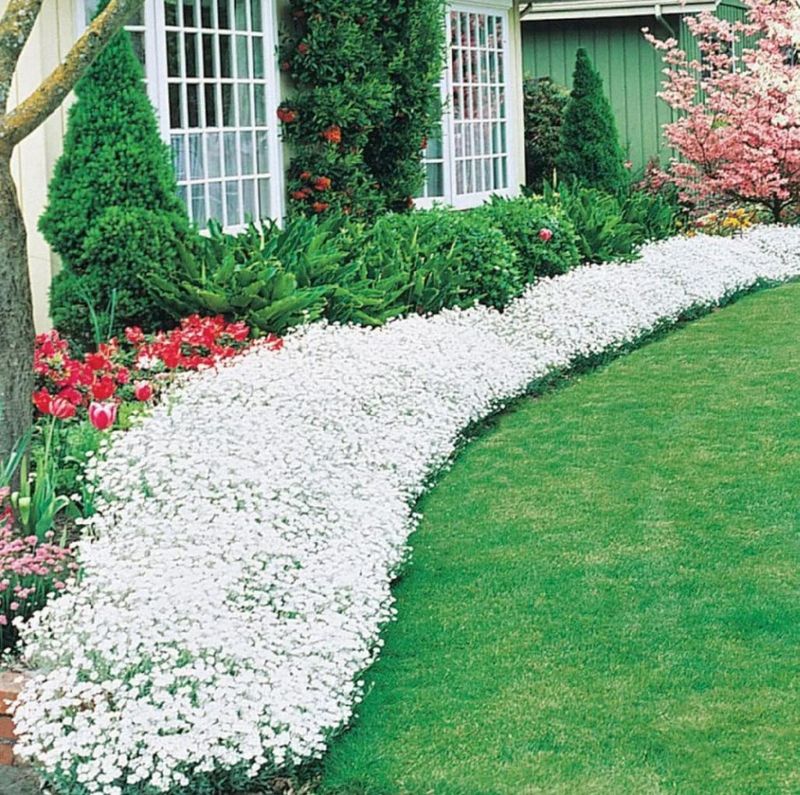
Toss a pinch of these tiny seeds down and within about two months you have got a low, frothy carpet of blooms that smells faintly of honey. Sweet alyssum only reaches 3 to 9 inches tall but spreads much wider, so a few plants cover more ground than you would expect for the money.
What makes it such a handy gap-filler is how it weaves between taller plants without crowding them out. It keeps flowering right through the season and shrugs off short dry spells, though it looks its best with steady moisture.
Give it full sun in cooler areas, but if your summers run hot, tuck it where it gets a little afternoon shade. Use it as edging, as a filler, or planted in masses as seasonal ground cover, and it will quietly do its job all summer long.
2. Nasturtium
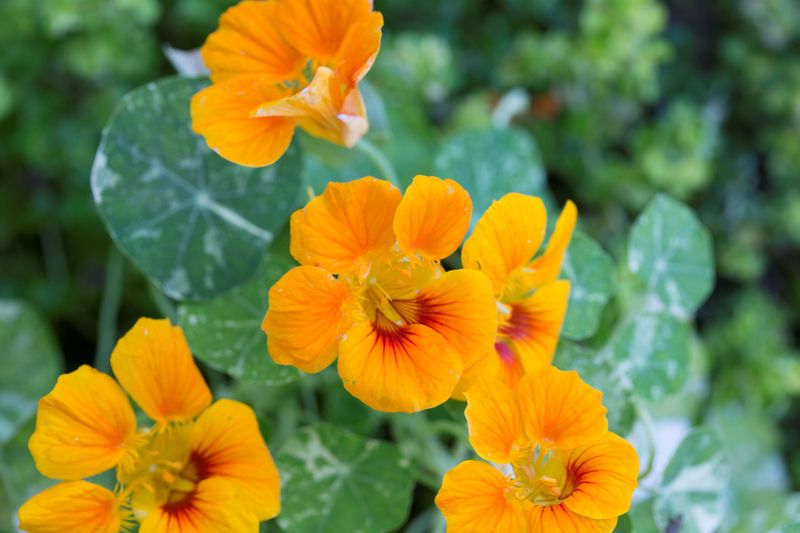
Few plants reward lazy gardeners quite like nasturtiums. Their seeds are big enough for kids to poke into the soil, and in warm ground they sprout fast, sending out round lily-pad leaves and jewel-toned blooms in red, yellow, and orange.
You can pick a trailing type to scramble across bare ground and hide border edges, or a bushy type to mound up in a tidy patch. Either way they thrive on neglect, tolerating drought and poor soil so well that fertilizer actually makes them all leaf and no flower.
Sow them as late as June and they will roll out fresh color into late summer, holding on until the first frost knocks them back. Pests mostly leave them alone, and as a bonus, the leaves and flowers are edible with a peppery bite.
3. Zinnias
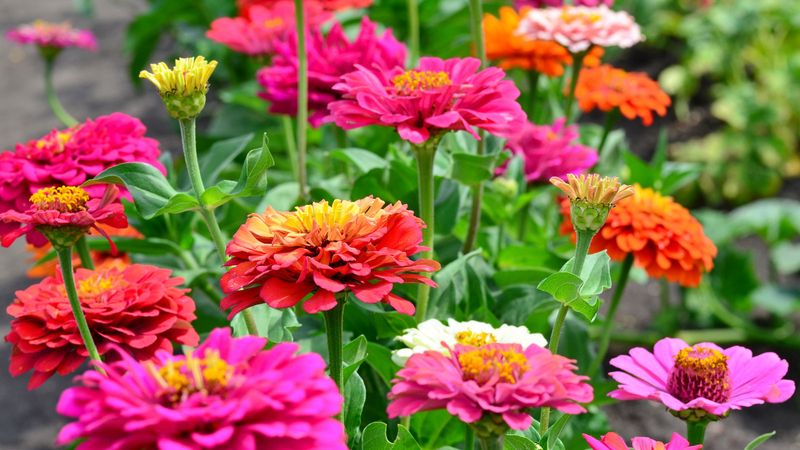
Want color in a hurry? Zinnias can race from seed to first bloom in as little as six weeks, which is close to instant gratification in the plant world.
They soak up full sun and warm soil, making them a natural choice for those hot, sunny gaps where fussier flowers sulk. Once their roots take hold they laugh off heat and drought, so they forgive the occasional missed watering better than most.
Here is the trick worth knowing: skip the transplants and sow zinnias directly where you want them, because they resent having their roots disturbed. And the more you cut for a vase on the kitchen table, the harder they work, pushing out fresh buds from midsummer all the way to frost.
4. Portulaca (Moss Rose)
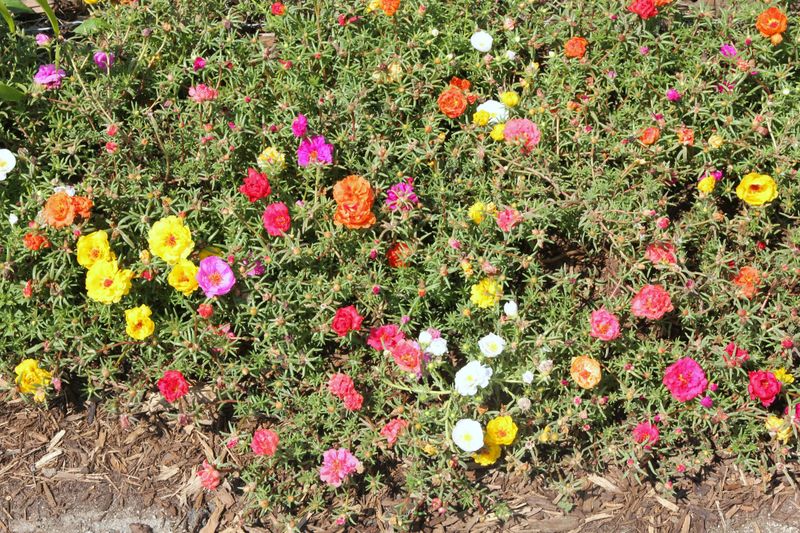
If you have a spot that bakes in the sun and dries out fast, portulaca was practically made for it. Also called moss rose, this warm-season annual actually enjoys the heat, humidity, drought, and thin soil that would fry other flowers.
It grows quick and low, just 3 to 12 inches tall but spreading up to two feet wide, knitting itself into a dense mat studded with rose-like blooms in candy colors. That habit makes it a favorite for rock gardens, edging, and spilling over the lip of a container.
Best of all, it keeps the show going from summer straight through to frost with almost no help from you. Start it from seed or grab a cheap starter tray and it fills in fast.
5. Marigolds
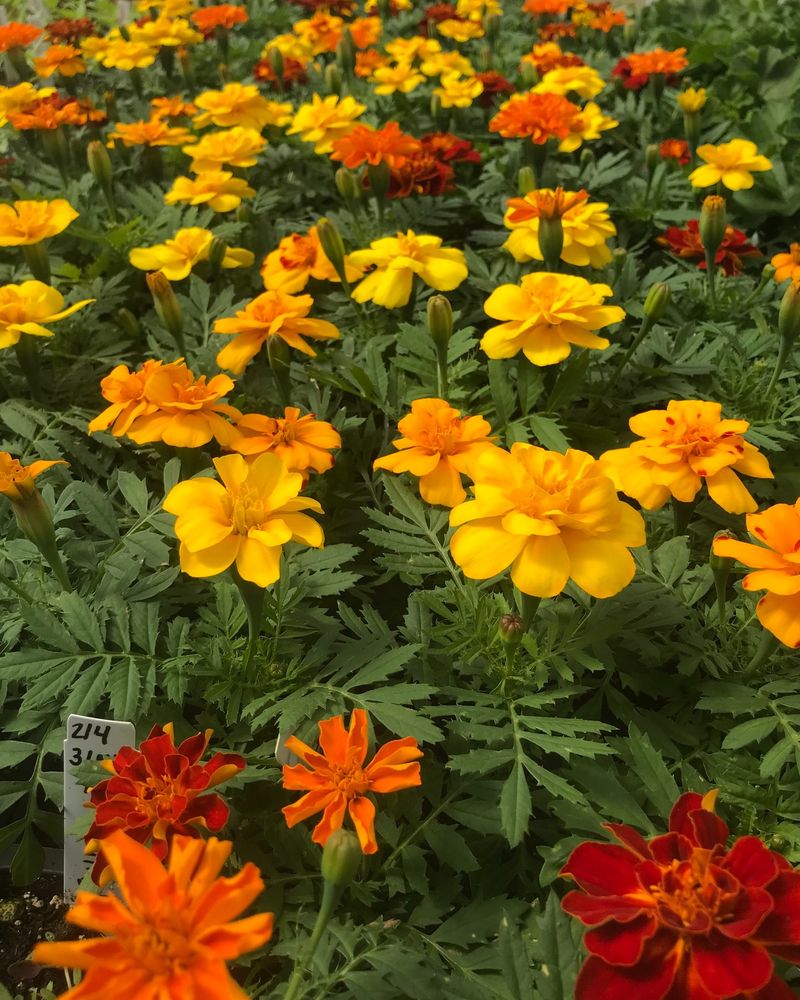
Grandma-garden reliable, marigolds are about as foolproof as flowers get. Seeds pop up in a week or two and plants often hit full bloom in eight to ten weeks, filling gaps with warm golds, oranges, and rusty reds.
They ask for little more than full sun and warm soil, then keep blooming from summer well into fall. Line them along a path, plug them into a bare patch, or drop a few into a pot on the porch.
Here is a little bonus: that unmistakable marigold smell is one many pests dislike, so a ring of them may help nudge deer and rabbits toward the neighbor’s yard instead of yours.
6. Cosmos
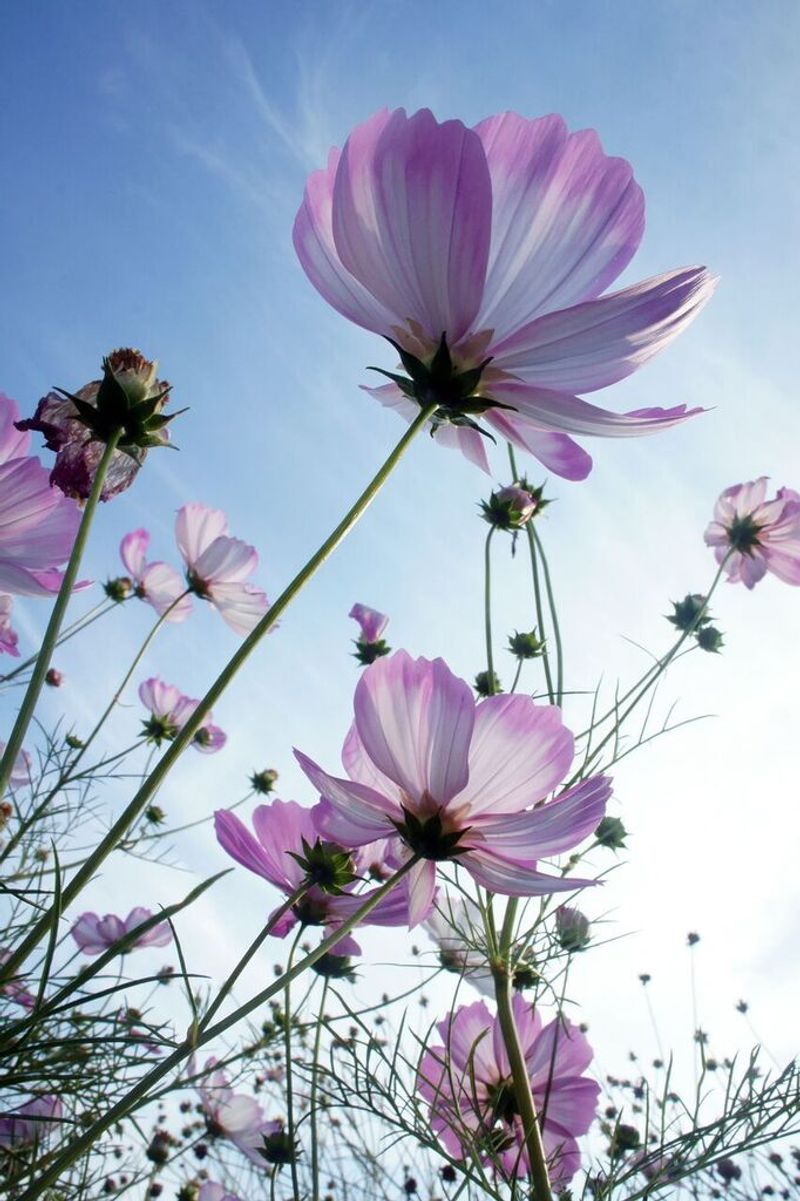
Cosmos have a wildflower charm that belies how little effort they take. Scatter seed in a sunny patch and some varieties will be waving daisy-like flowers at you in about 45 days.
Their airy, feathery foliage fills space without looking heavy, and butterflies and bees can rarely resist the blooms. Once established they take warm, dry weather in stride, so they hold up when summer turns brutal.
For color that never quits, sow a fresh batch every few weeks and snip off spent blooms as you go. Do that and cosmos will keep flowering right up until frost, all from a seed packet that costs less than a coffee.
7. Spreading Petunias
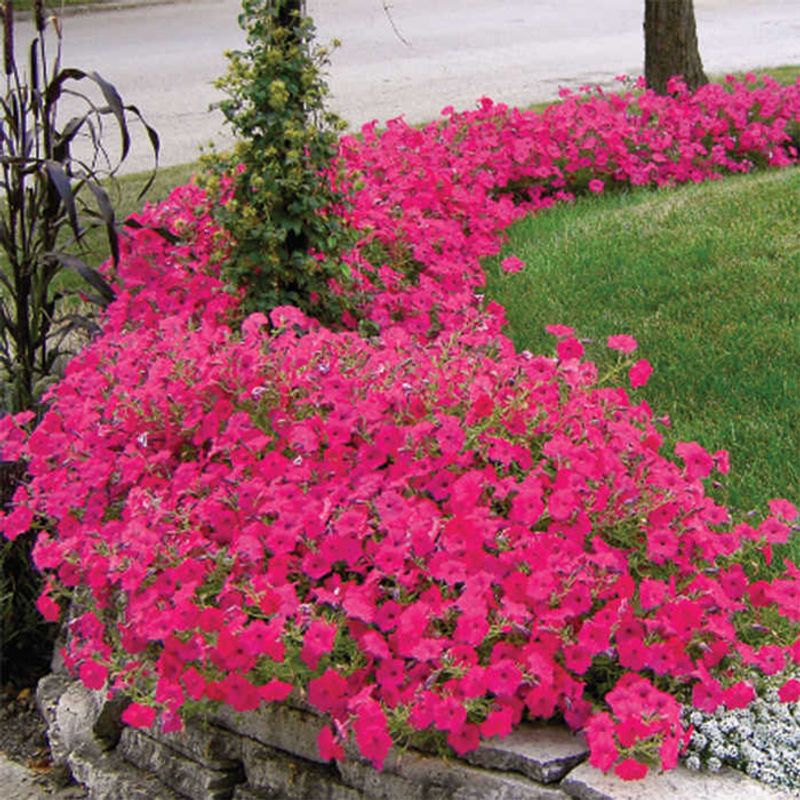
When you need to blanket a big bare area fast, spreading petunias are the heavy hitters. Vigorous types like the Supertunia Vista and Wave series flower early, grow tall and wide, and can stretch two to three feet across a single summer.
That galloping growth makes them ideal for mass plantings, ground cover, and tumbling out of hanging baskets and containers. They flower from spring right up to frost, throwing out big splashes of color the whole time.
They are also tougher than their delicate looks suggest, taking heat and rough weather in stride. If your regular petunias tend to fizzle in the heat, the spreading kinds are the sturdier swap worth trying.
8. Creeping Thyme
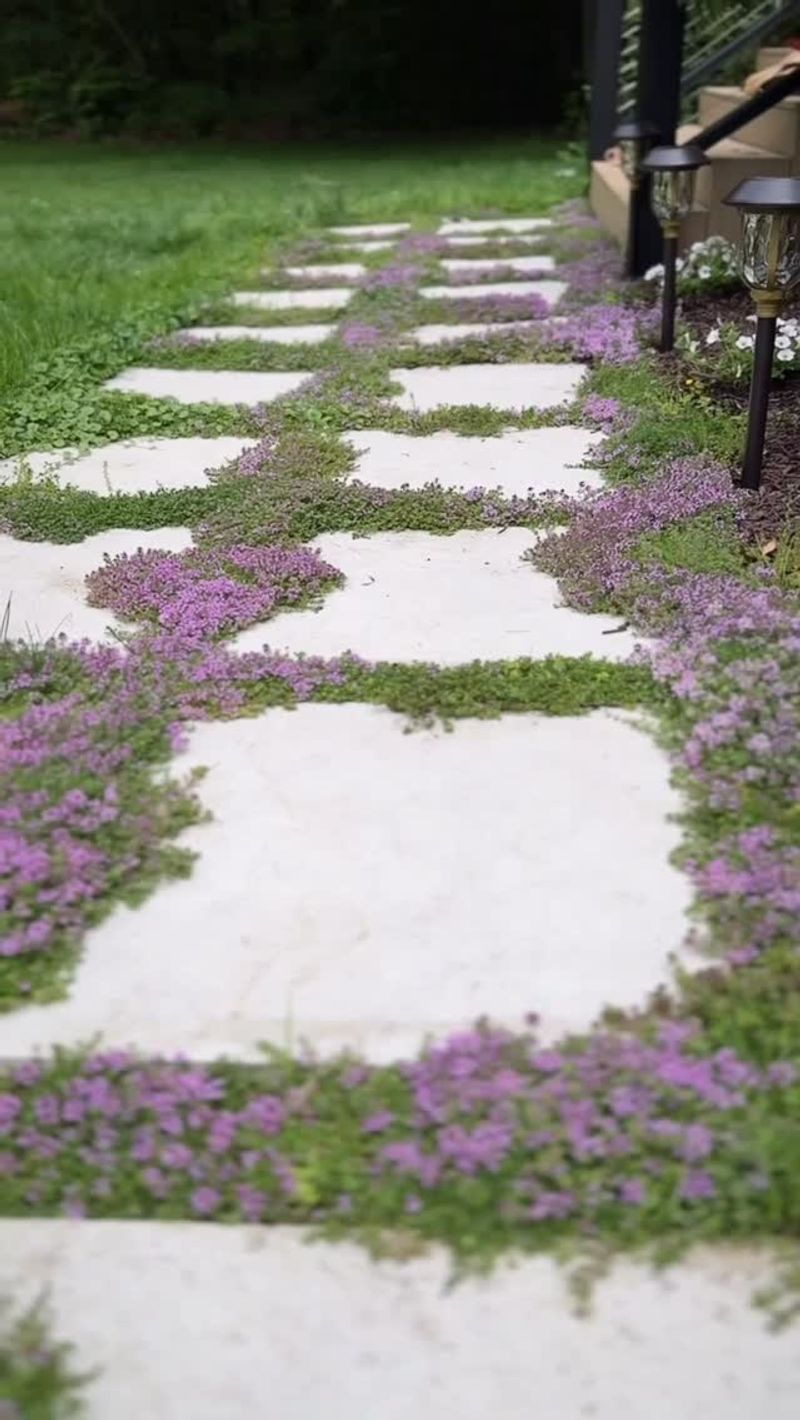
For those awkward cracks between stepping stones or the ragged edge of a raised bed, creeping thyme is a quiet problem-solver. It hugs the ground in a low mat and releases a lovely scent when you brush or step on it.
Unfussy to a fault, it shrugs off dry spells and poor soil, which makes it a smart pick for hot, sun-baked corners where grass gives up.
It is not the instant gratification of an annual from seed, but a small, inexpensive plant will knit outward and cover its patch by late summer. As a perennial, it comes back and spreads a little further every year, so that small investment pays off season after season.
9. Sunflowers
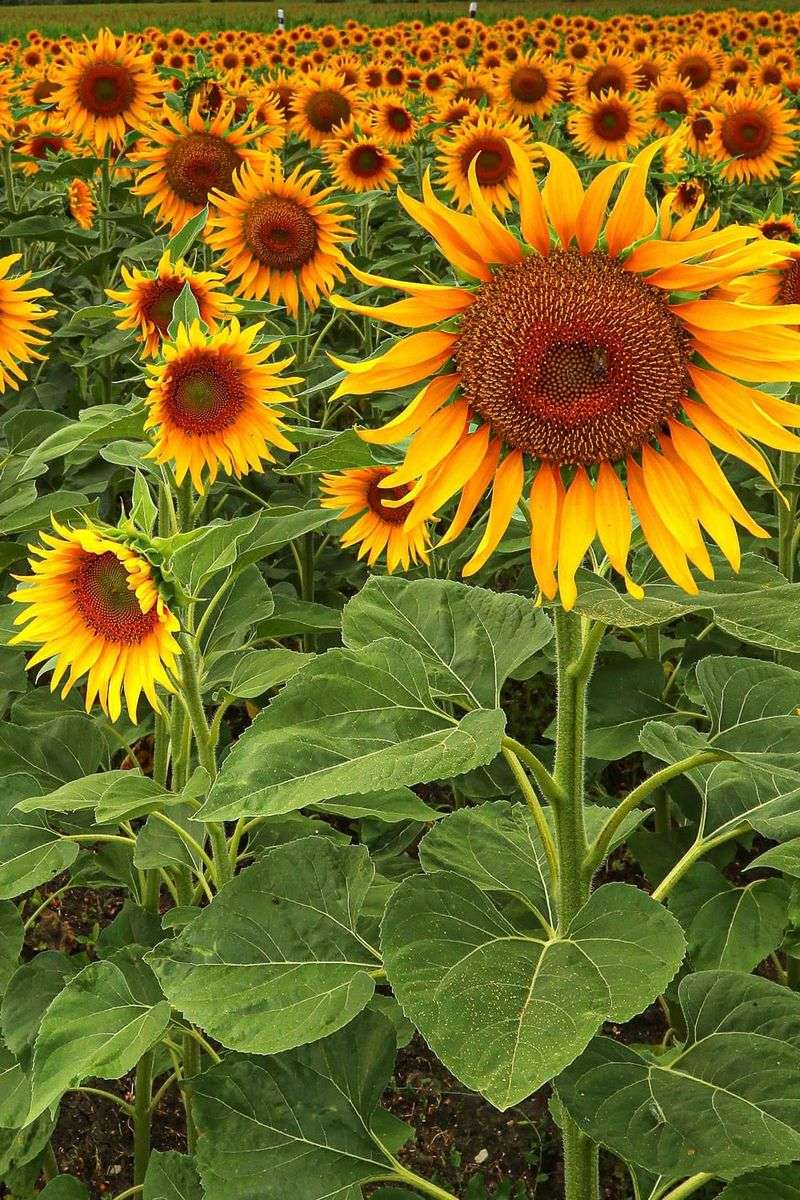
Nothing fills a blank corner with drama quite like a sunflower shooting skyward. Certain varieties gain several feet in just a few weeks, turning an empty spot into a bold vertical statement almost overnight.
The seeds cost next to nothing and go straight into the ground with no special fuss, which is part of the appeal for budget-minded gardeners.
Reach for dwarf types if you want to fill a container or a shorter gap, and the towering kinds when you need a quick living screen to block a view. They crave full sun and genuinely thrive in summer heat, so the hotter the spot, the happier they are.
10. Coreopsis
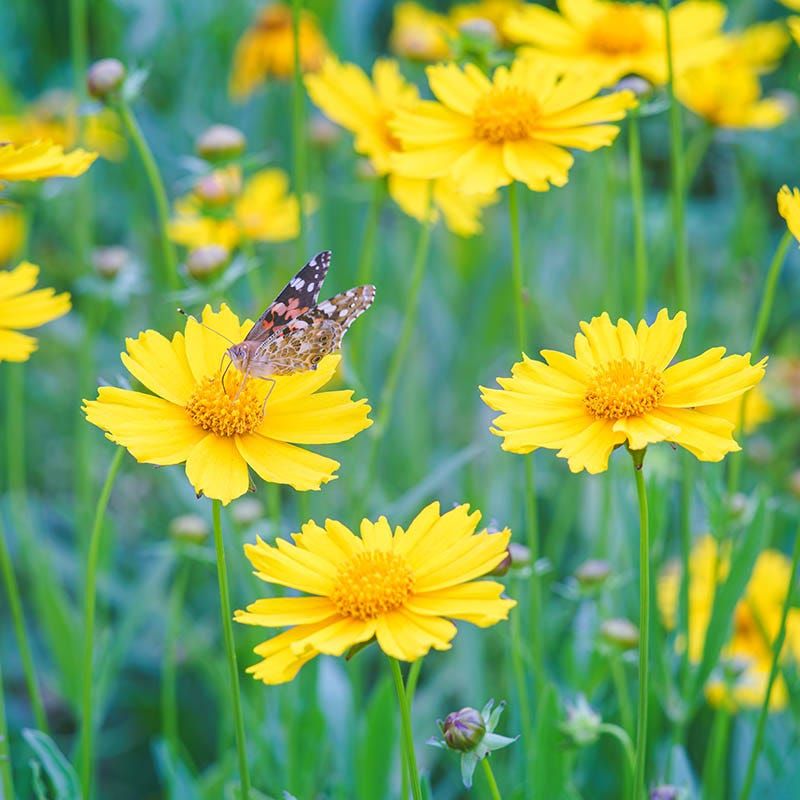
Here is a plant that pays you back for years from a single purchase. Coreopsis is a fast-growing perennial and a North American native wildflower, so it belongs in our gardens and knows how to thrive here.
It scatters sunny yellow across planting gaps from early spring through late fall, giving one of the longest bloom seasons on this list. Borders instantly look brighter with a few clumps woven in.
Drought and heat barely faze it, and it self-seeds freely, quietly widening its own coverage each season. Plant it once and it keeps filling in on its own, which is about the best value a bare spot can ask for.
11. Basil
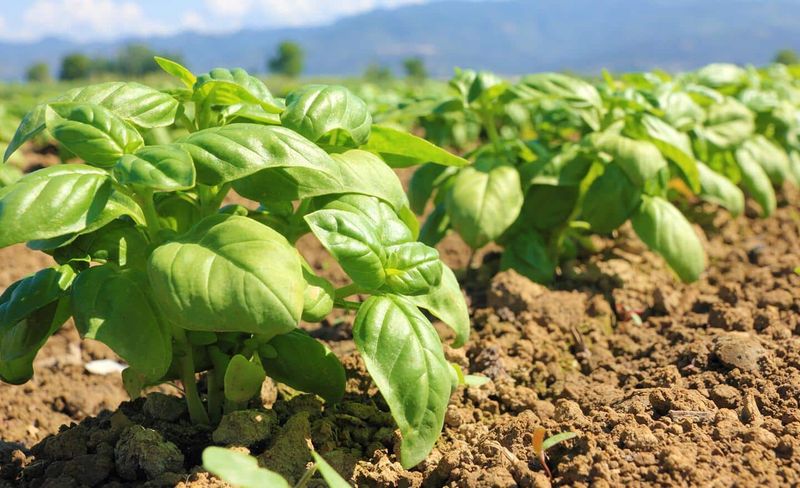
Who says a gap-filler cannot end up in dinner? Basil is a fast-growing herb you can tuck into almost any open pocket of soil, and in warm ground the seeds sprout within just a few days.
It bushes out quickly into lush green foliage, so a small bare patch turns leafy in no time. Smaller-leaved varieties handle more direct sun, while the big-leaf types appreciate a little afternoon shade when the weather turns scorching.
Cheap to start and endlessly useful, basil lets you fill space and stock the kitchen at the same time. Pinch it back often to keep it full, and it just keeps giving.
12. Beans (Bush and Pole)
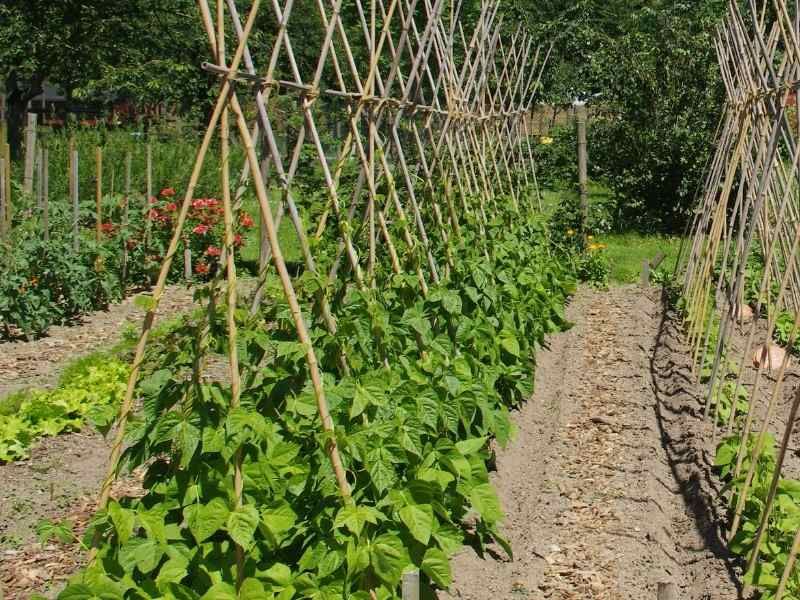
Beans are the kind of plant that makes you feel like a gardening pro on your first try. The seeds are large and easy to handle, and they germinate and take off with impressive speed.
Choose bush types to blanket open ground with leafy growth, or pole types to race up a trellis and fill vertical space in a flash. Either way, you get quick coverage and a harvest to boot.
There is a hidden bonus underground, too: as legumes, beans pull nitrogen from the air and enrich your soil while they grow. So they fill a bare spot now and leave the dirt better than they found it.
13. Kale and Swiss Chard
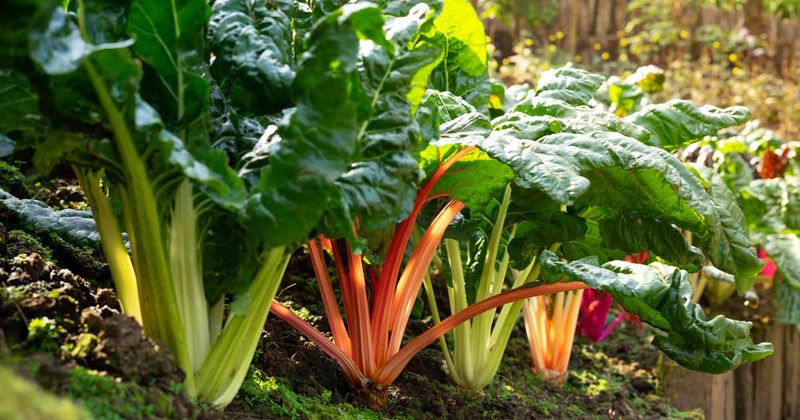
When you want leafy heft in a hurry, kale and Swiss chard earn their keep. Started from inexpensive plant starts, these quick-growing greens fill bare spots with substantial foliage almost right away.
Both are biennials that tough it out through the heat of summer, so they hold their ground and keep looking full when other plants wilt. Swiss chard in particular brings ribbons of pink, red, and gold stems that double as ornamental color.
Because they stick around across a couple of seasons, they give you a genuinely good return on a small investment. Fill the gap, then keep harvesting leaves for the kitchen for months.
14. Arugula
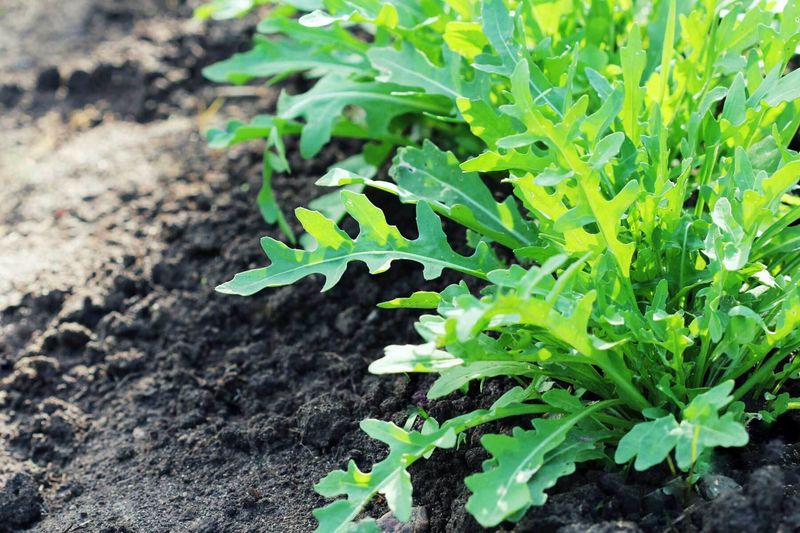
Impatient? Arugula is your plant.
This fast leafy green can be ready to harvest in as little as 30 days, making it one of the speediest ways to green up an empty patch.
The seeds germinate quickly in warm soil, so you are looking at tiny sprouts within days of sowing. Before long you have a low, ruffled stand of peppery leaves filling that once-bare corner.
It costs almost nothing to start from a seed packet, and you can keep snipping the outer leaves for salads while it keeps growing. Sow a little more every couple of weeks for a steady supply and steady coverage.
15. Squash and Zucchini
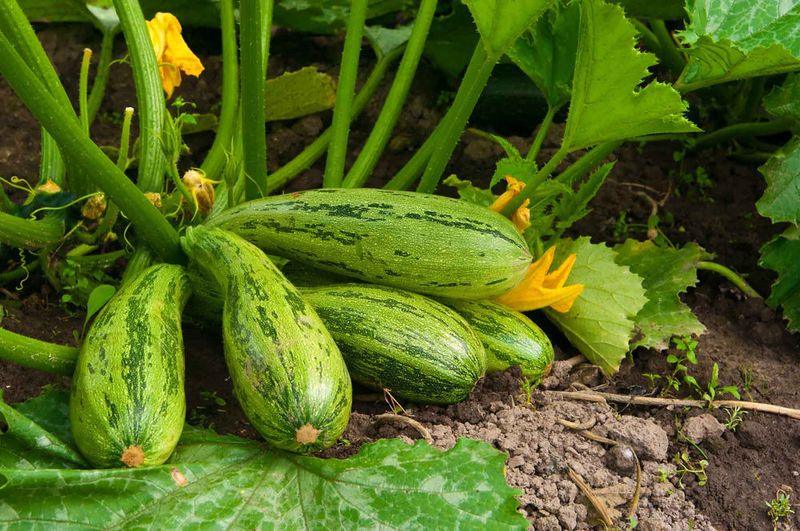
Give summer squash and zucchini a warm bed and stand back, because they do not mess around. Their big seeds sprout quickly and the plants sprawl outward fast, covering surprisingly large areas of bare ground in a matter of weeks.
Broad leaves shade the soil and smother weeds while the plants pump out a steady stream of fruit in warm weather. For sheer square footage filled per seed, few plants compete.
Sow them directly in the garden once the soil has warmed up, since these heat lovers resent cold feet. Then get ready, because a couple of healthy zucchini plants can keep your kitchen very well supplied.
16. Okra
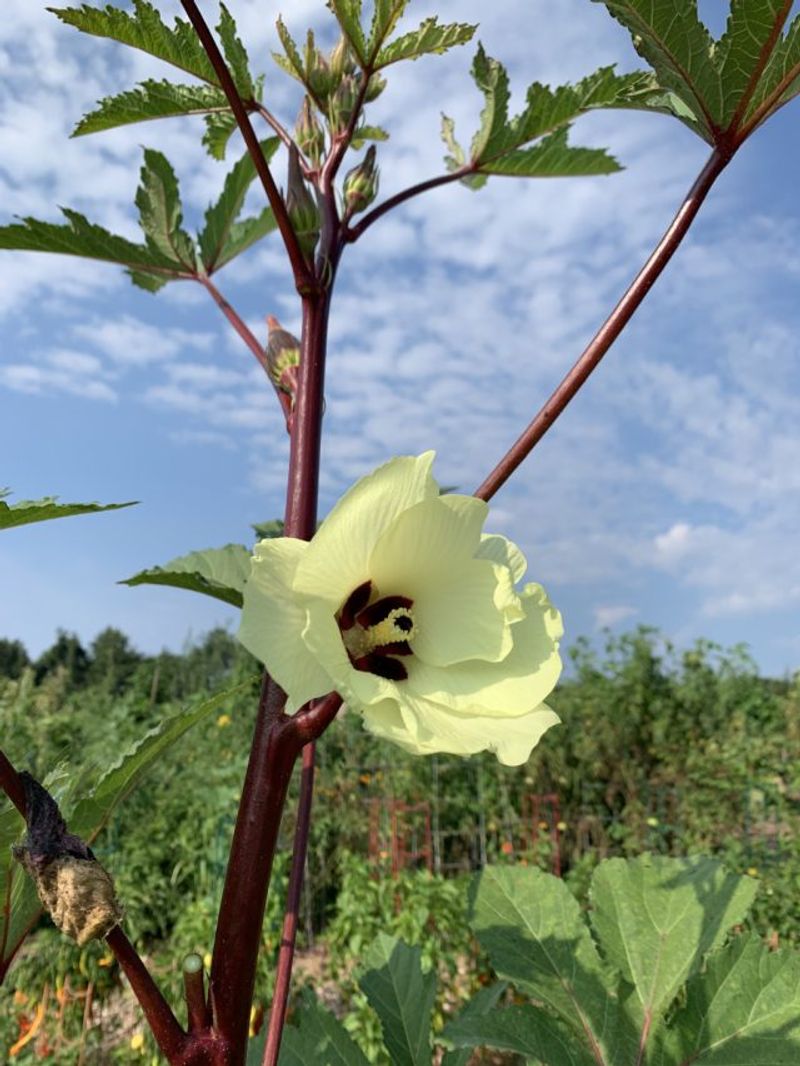
In a hot summer garden, okra hits its stride when other plants start to flag. The seeds sprout quickly in warm soil, and after a short settling-in period the plants really take off.
They grow tall and leafy, filling vertical space with bold foliage and topping it with pretty, hibiscus-like flowers before the edible pods form.
Once established, okra becomes a dependable producer that keeps churning out pods through the hottest stretch of the year. If your summers are long and sizzling, this is a low-cost way to fill a bare spot with a plant that actually loves the heat.
17. Cucumbers
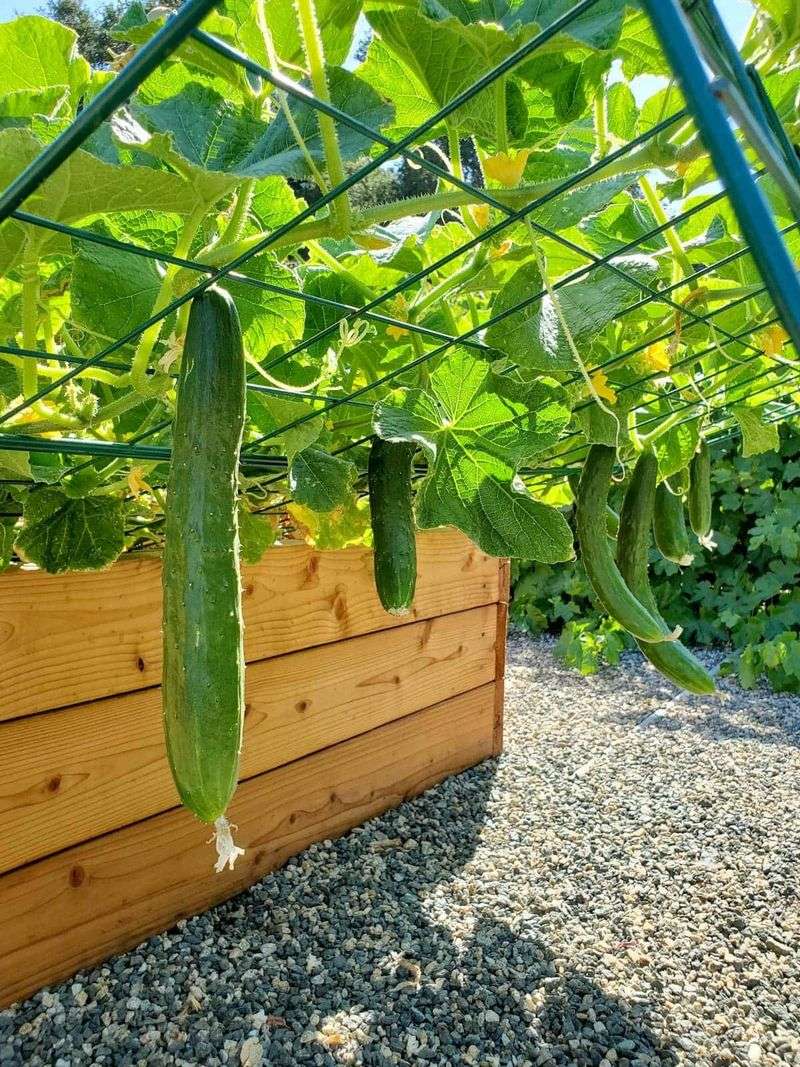
Rounding out the list, cucumbers bring flexible, fast coverage wherever you need it. Started easily from seed, they either sprawl across bare ground with their vining stems or scramble up a trellis to fill vertical space.
That two-way habit makes them handy for awkward spots: let them ramble to smother an empty patch, or train them upward to screen a fence or save room.
They grow best in the warm months, rewarding you with quick green coverage and a crisp harvest at the same time. Cheap seed, fast growth, and dinner on the vine make cucumbers a satisfying way to close out a bare-spot rescue.