
Your Geraniums Bloom Twice As Long When You Stop Making These 15 Common Mistakes
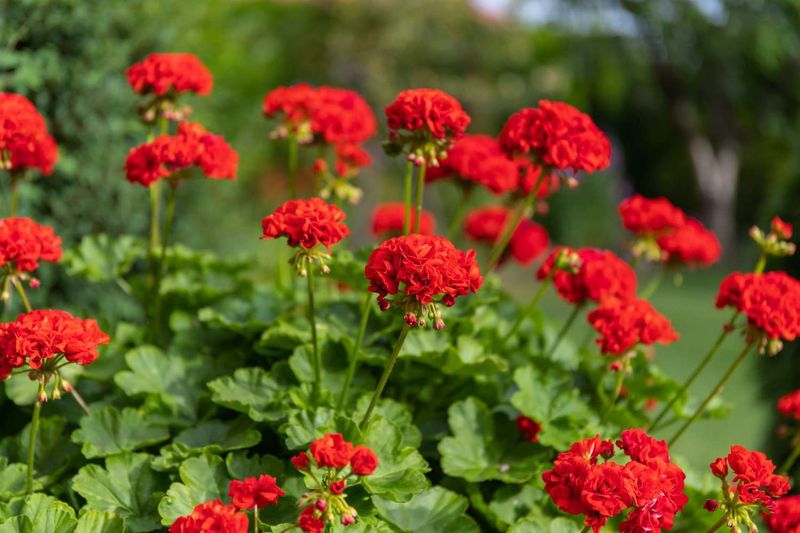
Geraniums are one of those flowers that look like they should be easy, yet so many gardeners watch their blooms fizzle out weeks too early. The good news is that almost every short-blooming geranium is fixable, and the problem is usually something small you can change today.
Below are the 15 most common mistakes that quietly cut your flowering season in half. Fix even a few of these and your plants will reward you with color that keeps going and going.
1. Not Giving Them Enough Sunlight
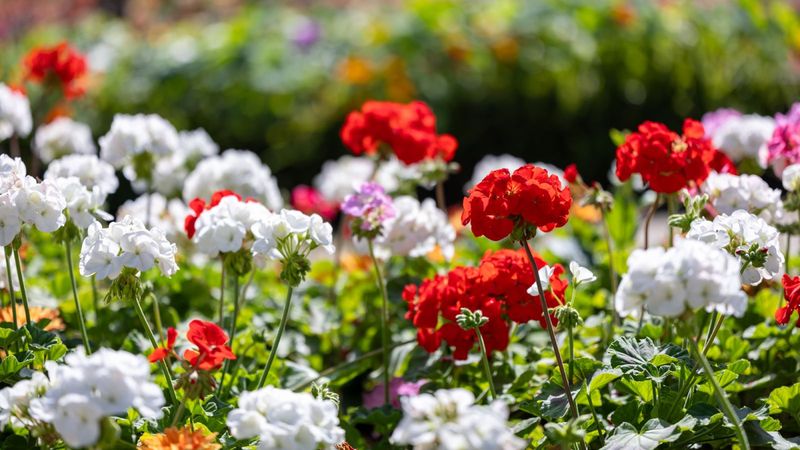
Tuck a geranium into a shady corner and it will grow leaves for days while stubbornly refusing to flower. Sunlight is the fuel behind every bloom, and these plants are sun-lovers to their core.
Aim for at least 6 to 8 hours of direct light each day. If your geranium is stretching toward a window or looking pale and leggy, that is its way of begging for a brighter spot.
In areas with brutal summer heat, a little afternoon shade actually helps. You get the strong morning light that powers flowering without frying the plant during the hottest part of the day.
2. Overwatering and Poor Drainage
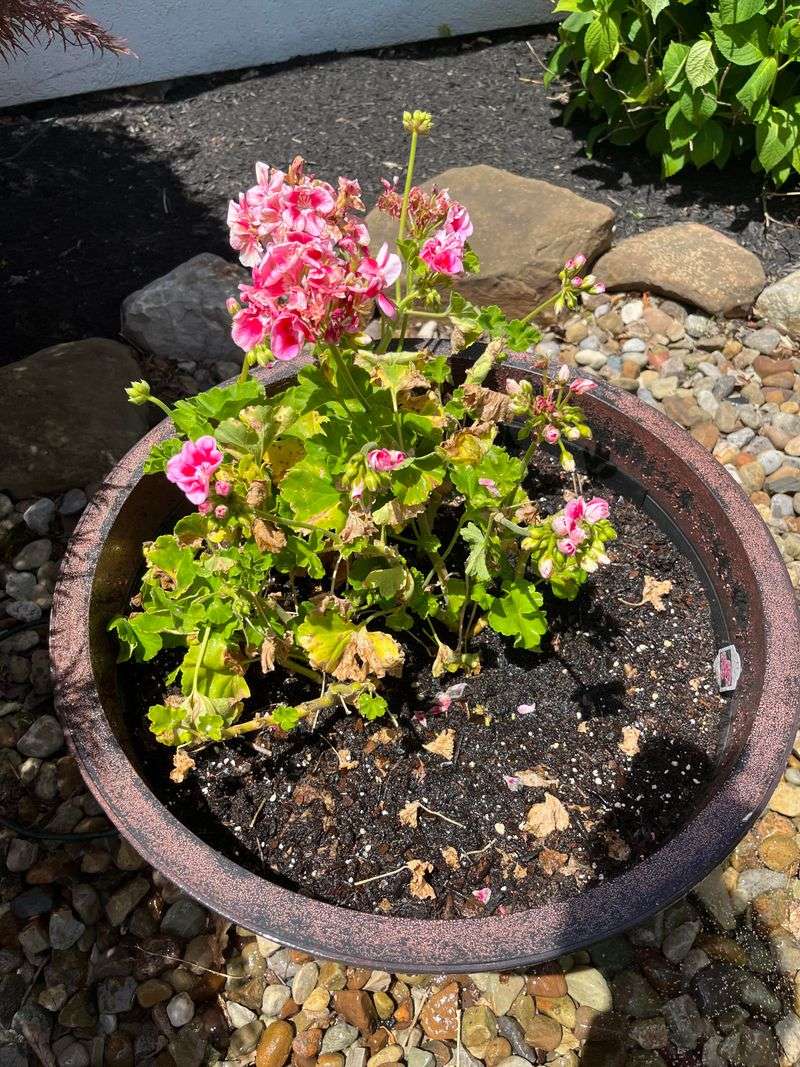
Drowning is a far more common killer than thirst when it comes to geraniums. Soggy roots sitting in waterlogged soil rot quietly underground, and a rotting root system has no energy left for flowers.
Let the top few centimeters of soil dry out before you reach for the watering can. Try the finger test: push your finger about 2 to 3 cm into the soil, and only water if it comes out dry.
Water deeply, then make sure the excess can escape. Pots need real drainage holes, and no plant should ever sit in a saucer of standing water.
3. Watering Over the Leaves and Flowers
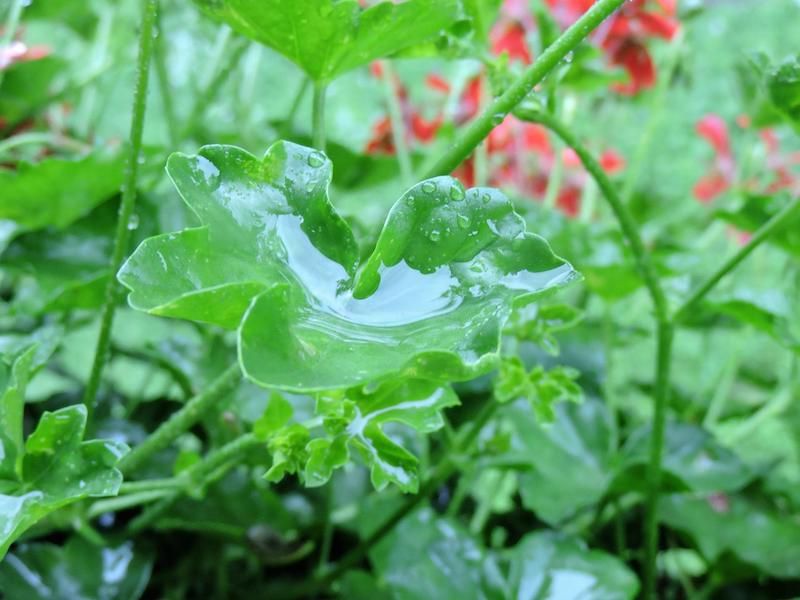
Splashing water across the top of your geranium feels harmless, but wet foliage is an open invitation to fungus. Damp leaves and blooms create the exact conditions that mold and rust love.
Direct your water straight to the soil, right at the base of the plant, and keep it off the leaves. Early morning watering also gives any stray droplets time to dry before evening.
Your reward is cleaner foliage, healthier flowers, and far fewer of those frustrating brown spots that show up out of nowhere.
4. Watering On an Inconsistent Schedule
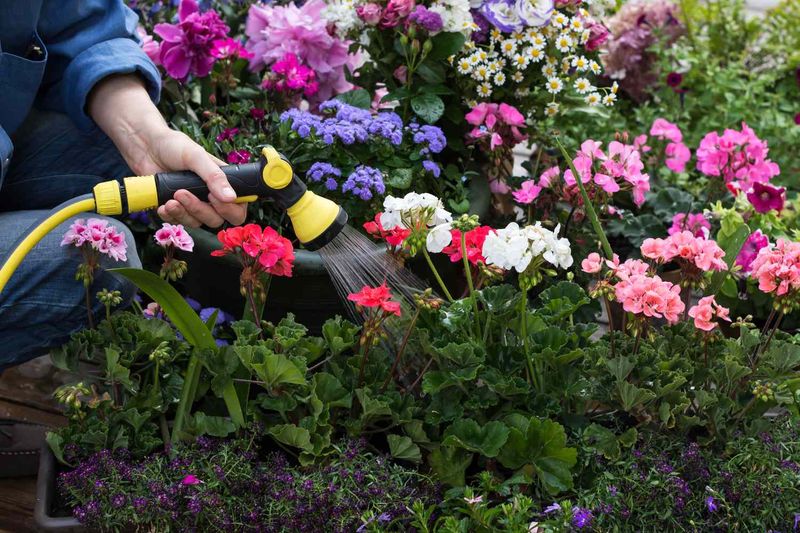
Feast-or-famine watering stresses geraniums, and stressed plants stop putting out flowers. A bone-dry spell followed by a sudden flood teaches your plant to focus on survival instead of blooming.
Consistency matters more than a rigid calendar. During peak summer, container geraniums may need a drink every single day, while those planted in the ground often do fine with a deep soak once or twice a week.
Check the soil before you water rather than watering out of habit. A quick moisture check keeps you from swinging between drought and deluge.
5. Feeding Too Much Nitrogen
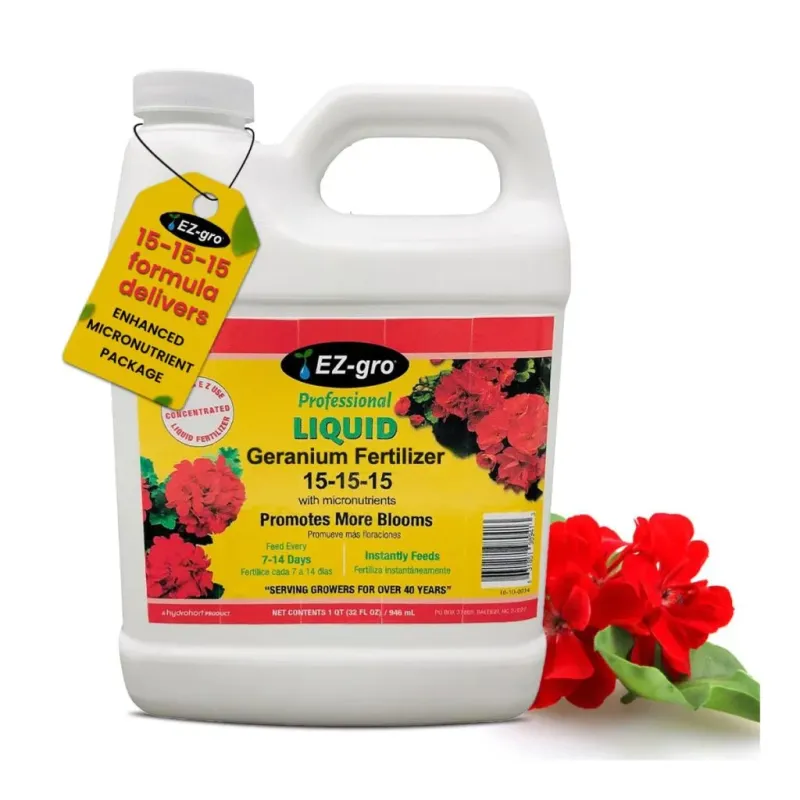
Reach for a lawn-style, high-nitrogen fertilizer and you will get a jungle of gorgeous green leaves with barely a flower in sight. Nitrogen pushes foliage, not blooms, and geraniums happily take the shortcut.
During the growing season, feed every couple of weeks with a balanced liquid fertilizer such as a 10-10-10 blend. Once buds start forming, switch to something richer in phosphorus and potassium to keep the flowers coming.
Think of it as steering the plant’s energy. Less leaf-pushing nitrogen and more bloom-boosting phosphorus can transform a leafy dud into a flowering machine.
6. Starving Them of Nutrients
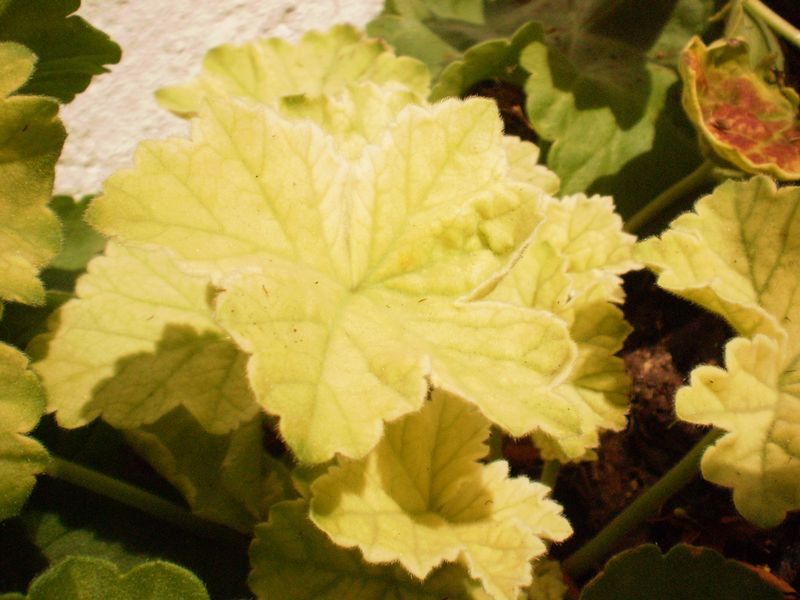
On the flip side, a geranium that never gets fed will fade into pale leaves, stunted stems, and a stingy handful of blooms. These are heavy feeders, and an empty tank shows up fast.
Regular feeding through the growing season, roughly May through October for annual types, keeps their metabolism humming. Well-fed plants have the resources to build flower after flower.
If your geranium looks tired and washed out despite decent light and water, hunger is often the missing piece. A steady feeding routine usually brings the color right back.
7. Skipping the Deadheading
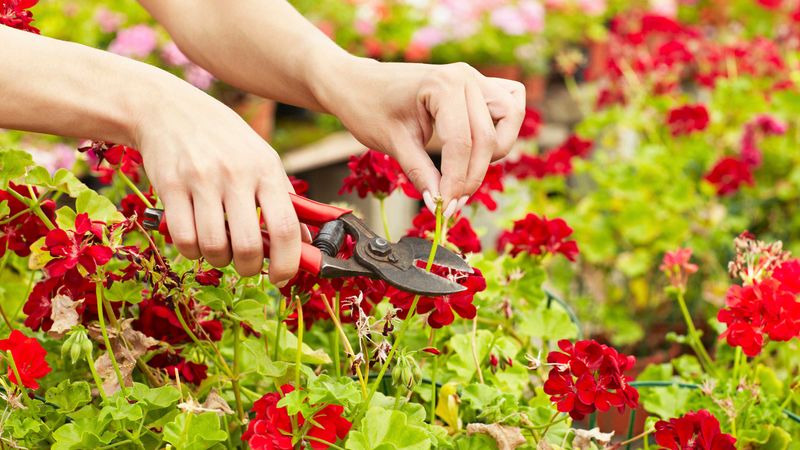
Leave a faded flower on the stem and your geranium quietly shifts gears from blooming to seed-making. Once it thinks its job of reproducing is done, new flowers become an afterthought.
Deadheading flips that switch back. Pinch or snip the spent bloom cluster all the way down at its base, where the flower stem meets the main stem or a leaf node, rather than just plucking off the petals.
Do this every few days and the plant redirects its energy straight into fresh buds. It is the single easiest habit that keeps geraniums blooming week after week.
8. Pruning at the Wrong Time or Not at All
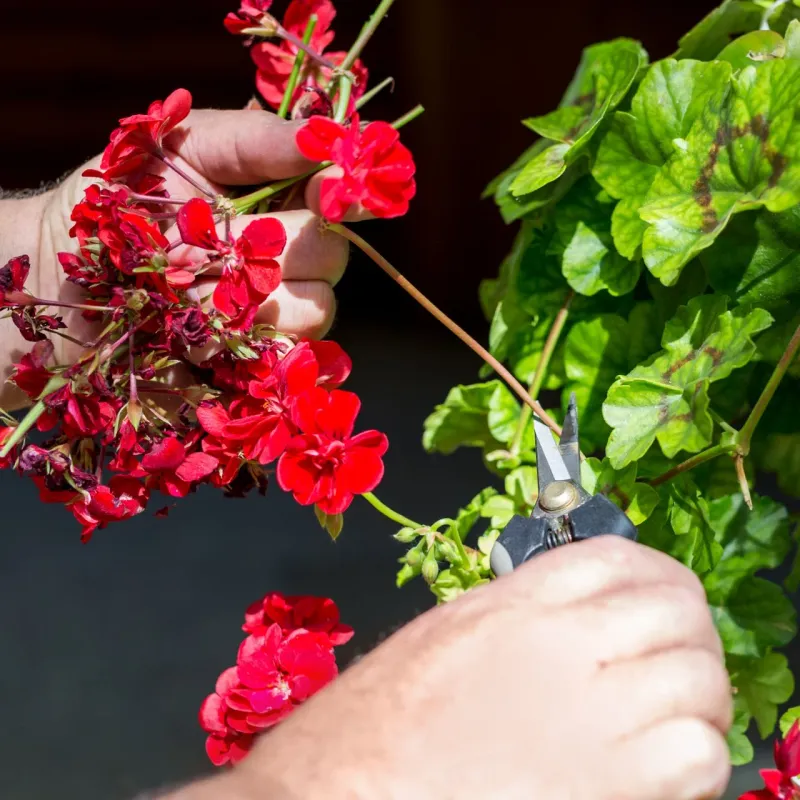
A geranium left to sprawl becomes all long, bare stems with a few flowers stranded on the tips. Leggy plants simply cannot produce the way bushy ones do.
For annual geraniums, pinch back those stretched-out stems regularly to encourage fuller, branchier growth. Hardy geraniums respond well to a good shearing in mid-summer or right after their first flush, which often triggers a whole second round of blooms.
If you overwinter your plants, prune them hard in both fall and spring to clear out the old woody growth. Timing matters, so avoid cutting so late that you accidentally snip off developing buds.
9. Planting in Heavy, Undraining Soil
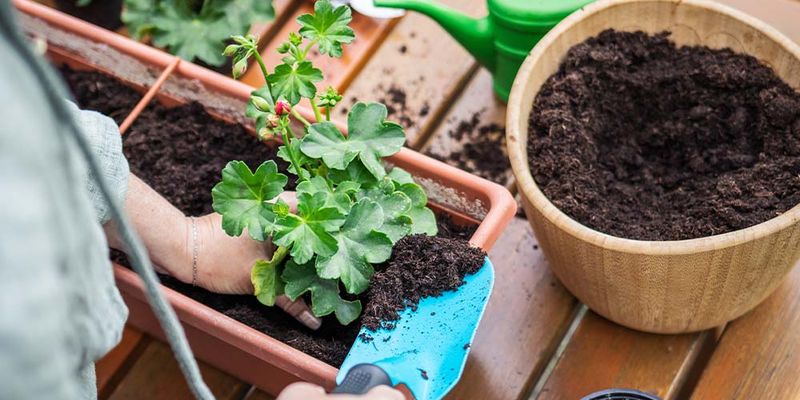
Dense, compacted soil is basically a bathtub for your geranium’s roots. Water pools instead of draining, and the roots that should be feeding your flowers slowly suffocate.
For containers, start with a light, high-quality potting mix that drains freely. In garden beds, work in compost or other organic matter to loosen heavy clay and get water moving through.
And never underestimate the humble drainage hole. Every pot needs one so excess water has somewhere to go besides the root zone.
10. Letting Them Get Root-Bound
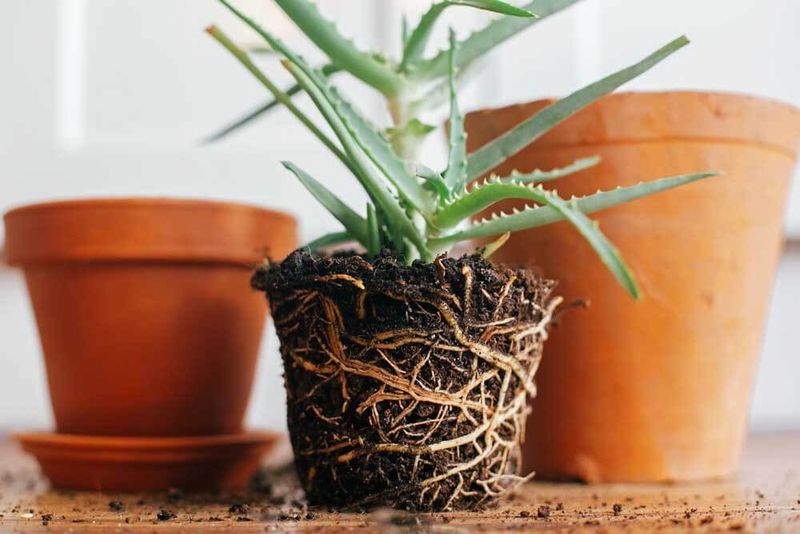
Peek under a struggling potted geranium and you may find a solid mass of roots circling the container with nowhere left to grow. A root-bound plant spends all its effort just staying alive.
Cramped roots cannot pull in the water and nutrients needed for a big bloom show. You will often see slowed growth and shrinking flower counts as the first clues.
Repotting container geraniums each year into a slightly larger pot with fresh mix gives the roots room to stretch. More room below usually means more flowers above.
11. Leaving Young Plants Without Mulch
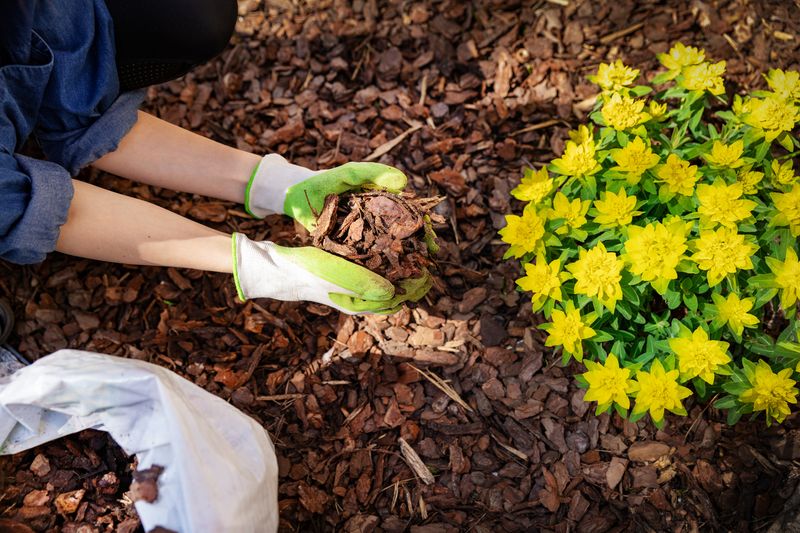
Young geraniums have shallow, tender roots that dry out and overheat faster than you would expect. Bare soil around them swings from wet to bone-dry and from cool to scorching in a single afternoon.
A light layer of mulch smooths out those extremes. It holds moisture in the soil and keeps root temperatures steady, so your seedlings can settle in and focus on growing.
Keep the mulch thin and pulled back slightly from the stems to avoid trapping too much dampness against the plant. A little goes a long way here.
12. Exposing Them to Cold Temperatures
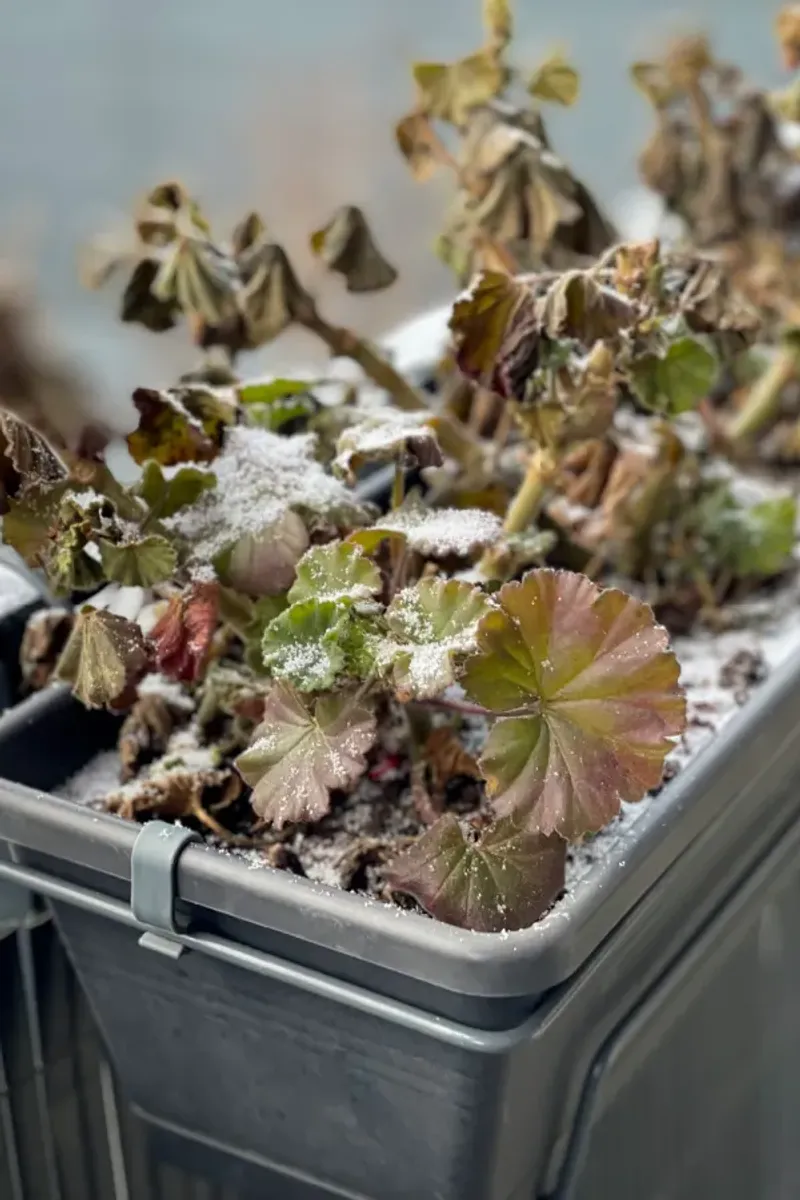
Geraniums love warmth, and a chilly night can slam the brakes on flowering. Once temperatures dip below about 60°F (15°C) at night, blooming tends to stall.
Keep an eye on the forecast in spring and fall, and shield your plants from cold snaps or move containers to a sheltered spot when frost threatens. A single hard chill can undo weeks of progress.
If you bring geraniums indoors for winter, aim for a cool but safe range of about 45 to 65°F (10 to 18°C). Comfortable temperatures keep them ready to bloom again when the season turns.
13. Letting Extreme Heat Stress Them

It sounds odd for a sun-lover, but geraniums can also hit a wall when heat becomes extreme. Blistering afternoons cause them to pause blooming and focus on simply hanging on.
In very hot climates, position your plants where they catch bright morning sun but get some relief from the harsh afternoon rays. That balance keeps them productive without the meltdown.
Pair that placement with steady moisture during heat waves, and you sidestep the mid-summer bloom slump that catches so many gardeners off guard.
14. Ignoring Pest Infestations
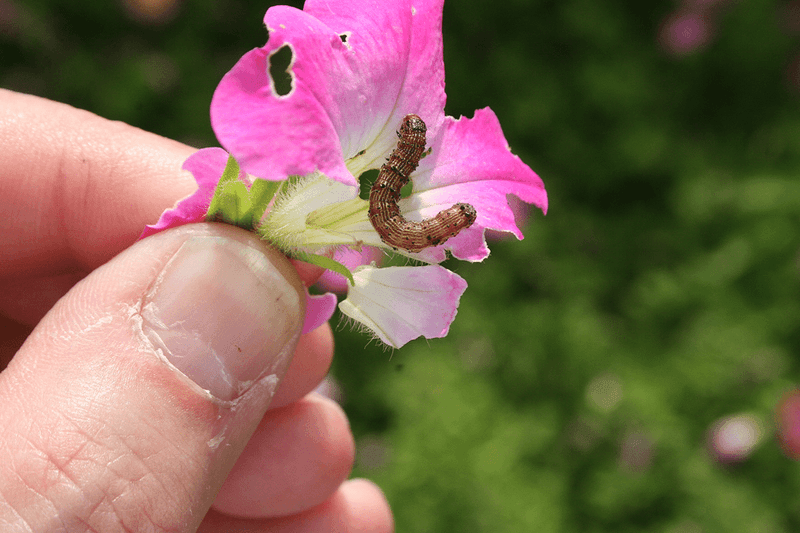
Sometimes the culprit behind vanishing flowers is munching its way through the buds. Geranium budworms, aphids, and whiteflies all target the tender parts of the plant, and budworms in particular feast on flower buds before they ever open.
Check your plants regularly, peering into the buds and under the leaves where trouble likes to hide. Catching pests early makes them far easier to handle.
For budworms, a caterpillar-specific product containing Bacillus thuringiensis (Bt) can help without harsh chemicals, and hand-picking the caterpillars you spot works too. Staying watchful is your best defense.
15. Letting Fungal Diseases Take Hold
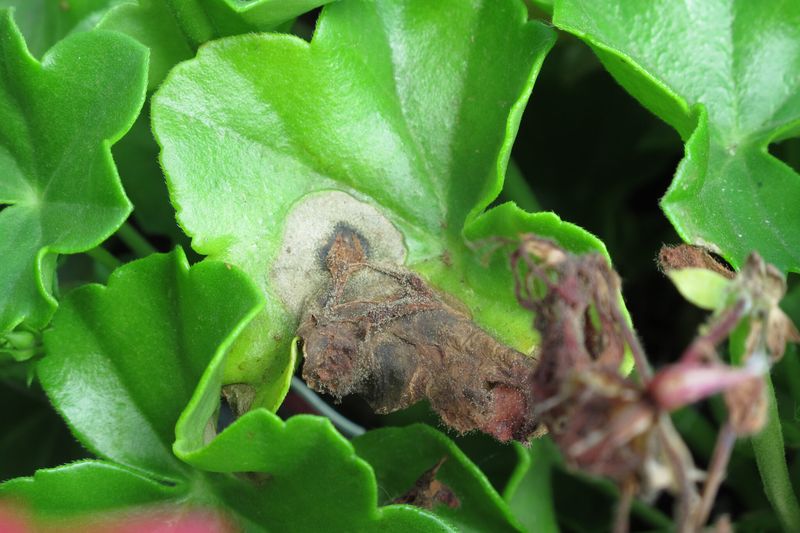
Grey mold and rust can creep in quietly, weakening a geranium until flowering grinds to a halt. Overhead watering and stagnant, crowded air are usually what invite them in.
Give your plants breathing room so air can move freely around the foliage, and always water at the soil line instead of over the top. Good airflow may prevent many fungal problems before they start.
If you spot affected leaves, snip them off promptly to slow the spread, and reach for an organic fungicide if the issue persists. A clean, well-ventilated plant simply has more energy to put into blooms.