
Your Geraniums Bloom Twice As Long Once You Fix These 15 Common Care Slip-Ups
Geraniums are supposed to be the easygoing flower on your porch, so when they stop blooming it feels personal. The good news is that almost every stalled geranium can be traced back to one small habit you can fix today.
From watering the wrong way to skipping a quick pinch of spent flowers, these little slip-ups add up fast. Sort out the 15 problems below and your plants will reward you with color that lasts weeks longer.
1. Insufficient Sunlight
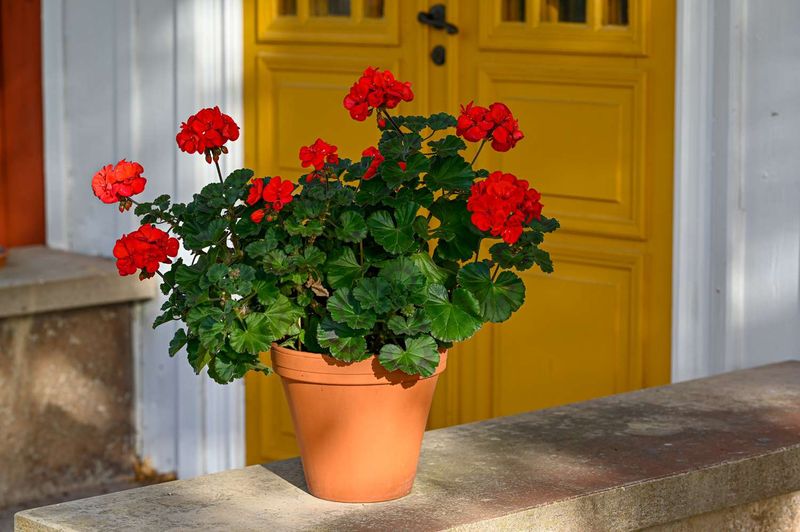
Ever notice how a geranium tucked behind a shady shrub sulks while the one on the sunny railing bursts with color? Light is the fuel these plants burn to make flowers, and skimping on it is the fastest way to a leafy plant with no blooms.
Geraniums want six to eight hours of direct sun every single day. Anything less and they pour their energy into stretching toward the light instead of setting buds.
Move potted plants to your brightest spot and watch what happens over the next couple of weeks. In scorching southern climates, a little afternoon shade actually helps, keeping the flowers from frying during the hottest stretch.
Read your plant: pale, floppy growth usually means it is begging for more sun.
2. Overwatering and Poor Drainage
Kindness can drown a geranium. Reaching for the watering can every day feels like good parenting, but soggy soil is the number one killer of these plants.
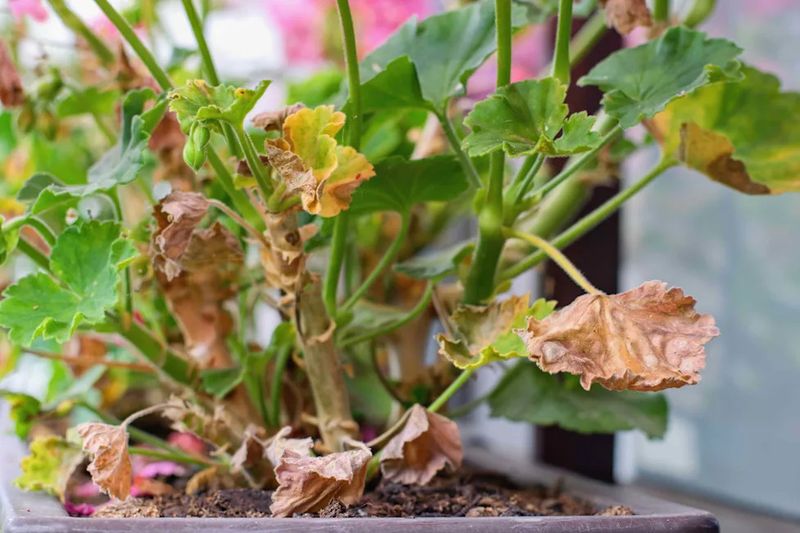
Geraniums hate wet feet. When roots sit in waterlogged soil they rot, and you get yellowing leaves, droopy stems, and stubbornly few flowers.
The fix is simple and free: poke your finger into the soil, and only water when the top inch or two feels dry. Let the pot dry out between drinks rather than keeping it constantly damp.
Make sure every container has drainage holes and never let one sit in a saucer full of standing water. In garden beds, avoid low spots where puddles linger after rain.
3. Fertilizing with Too Much Nitrogen
Picture a geranium that is all muscle and no bloom, thick green leaves everywhere and barely a flower in sight. That lush jungle is usually a sign you have been feeding it the wrong number.
Nitrogen, the first number on a fertilizer label, drives leaf growth. Load your plant up with it and you get gorgeous foliage at the direct expense of flowers.
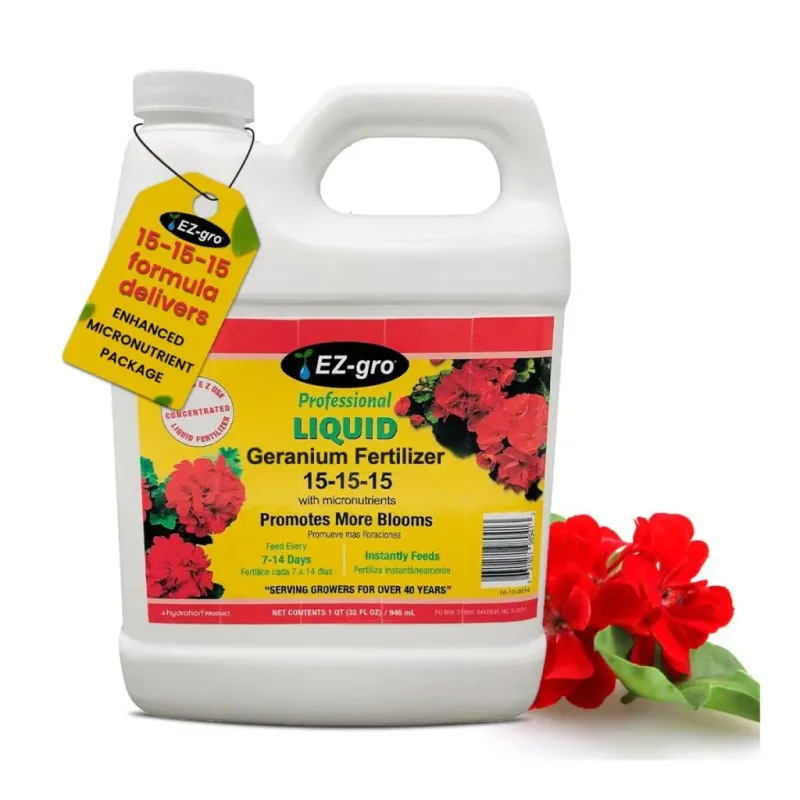
Switch to a fertilizer higher in potassium, sometimes labeled as potash, or a balanced blend made for flowering plants. That shift tells the geranium to spend its energy on buds instead of greenery.
Check your bottle before your next feeding. If that first number towers over the others, it is time to trade it out for something bloom-friendly.
4. Neglecting to Deadhead Spent Blooms
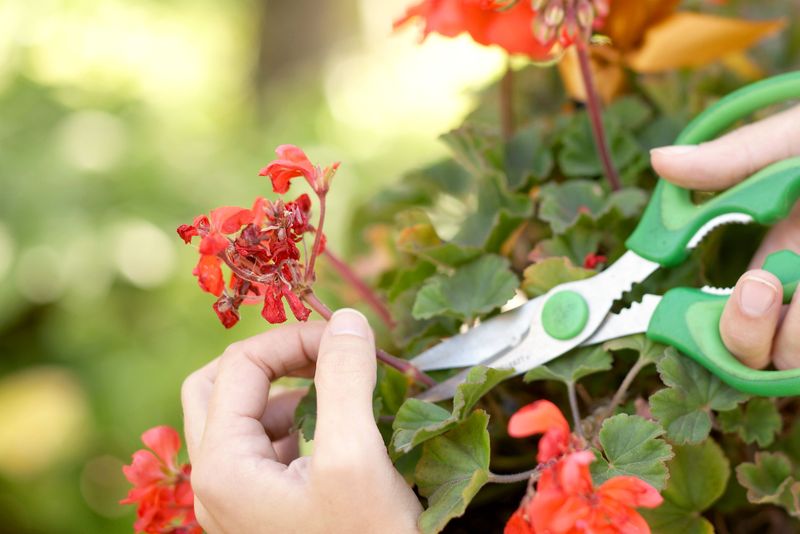
Leave a faded flower on the plant and your geranium quietly switches jobs. Instead of making more blooms, it starts pouring energy into forming seeds, and that is when the show grinds to a halt.
Deadheading is the little chore that pays the biggest dividend. Snap or snip the spent flower stem right down near its base, where the fresh growth begins, not just the shriveled petals.
You are basically tricking the plant into thinking it still has work to do, so it keeps cranking out new buds. A few minutes of tidying every few days can double how long a plant flowers.
Keep a small pair of snips near your pots so it becomes a habit rather than a project you keep putting off.
5. Not Pruning Leggy Growth
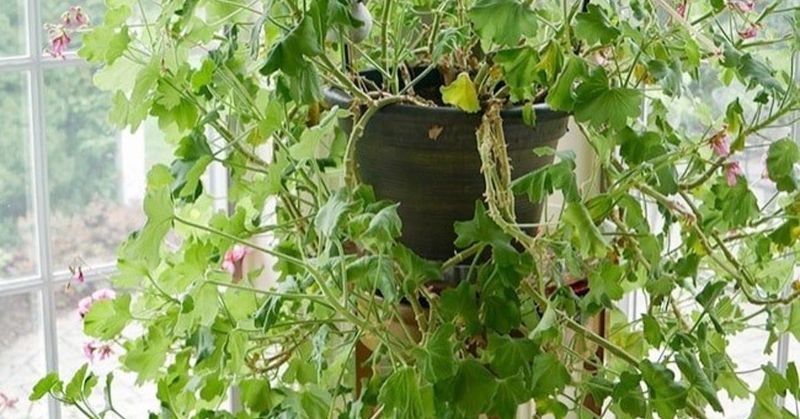
Over a long season, geraniums can turn into gangly, bare-legged plants with a few flowers stranded at the tips. Perennial types are especially prone to going leggy and thin.
Cutting them back feels brutal, but a good prune is exactly what wakes up bushier, fuller growth. Trim leggy or crowded stems and the plant responds by branching out, giving you more leaves and far more flowers.
For geraniums you overwintered indoors, a serious spring haircut sets them up for a knockout summer. Do not be shy; these plants bounce back with enthusiasm.
Think of pruning as an investment. You trade a little instant fullness now for a denser, flower-packed plant a few weeks down the road.
6. Cold Temperatures
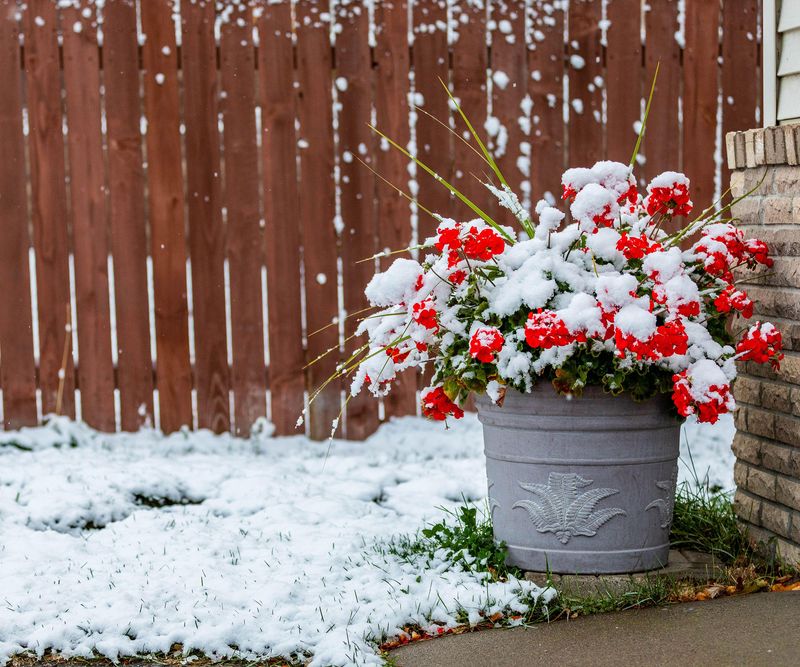
Geraniums and cold weather simply do not get along. Rush them outside during a chilly spring and you will watch them stall out, refusing to bloom until things warm up.
These plants slow way down below 60 degrees Fahrenheit, suffer real damage under 45, and frost can kill them outright. A single cold snap can undo weeks of progress.
Wait until all danger of frost has passed and nighttime lows sit steadily above 55 degrees before planting outdoors. Patience here saves heartbreak later.
When fall temperatures start dropping, bring tender geraniums indoors before the cold catches them. A sunny windowsill can carry a favorite plant straight through to next spring.
7. Compacted or Poor-Quality Soil
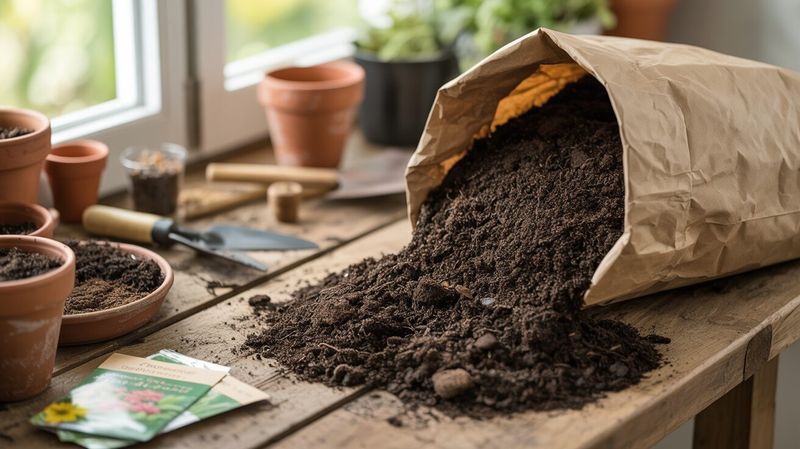
Roots need room to breathe, and dense, packed-down dirt suffocates them. When soil turns hard and heavy, water and nutrients cannot reach the roots, and the whole plant limps along with weak growth and stingy blooms.
Geraniums do their best work in loose, fertile, well-draining soil. For garden beds, mix in a generous helping of compost or other organic matter to lighten heavy ground.
Container growers should skip the dense garden dirt entirely and reach for a light, fluffy potting mix designed to drain freely. Your roots will spread happily and the flowers will follow.
If water pools on the surface or drains painfully slowly, that is your cue the soil needs loosening up.
8. Incorrect Soil pH
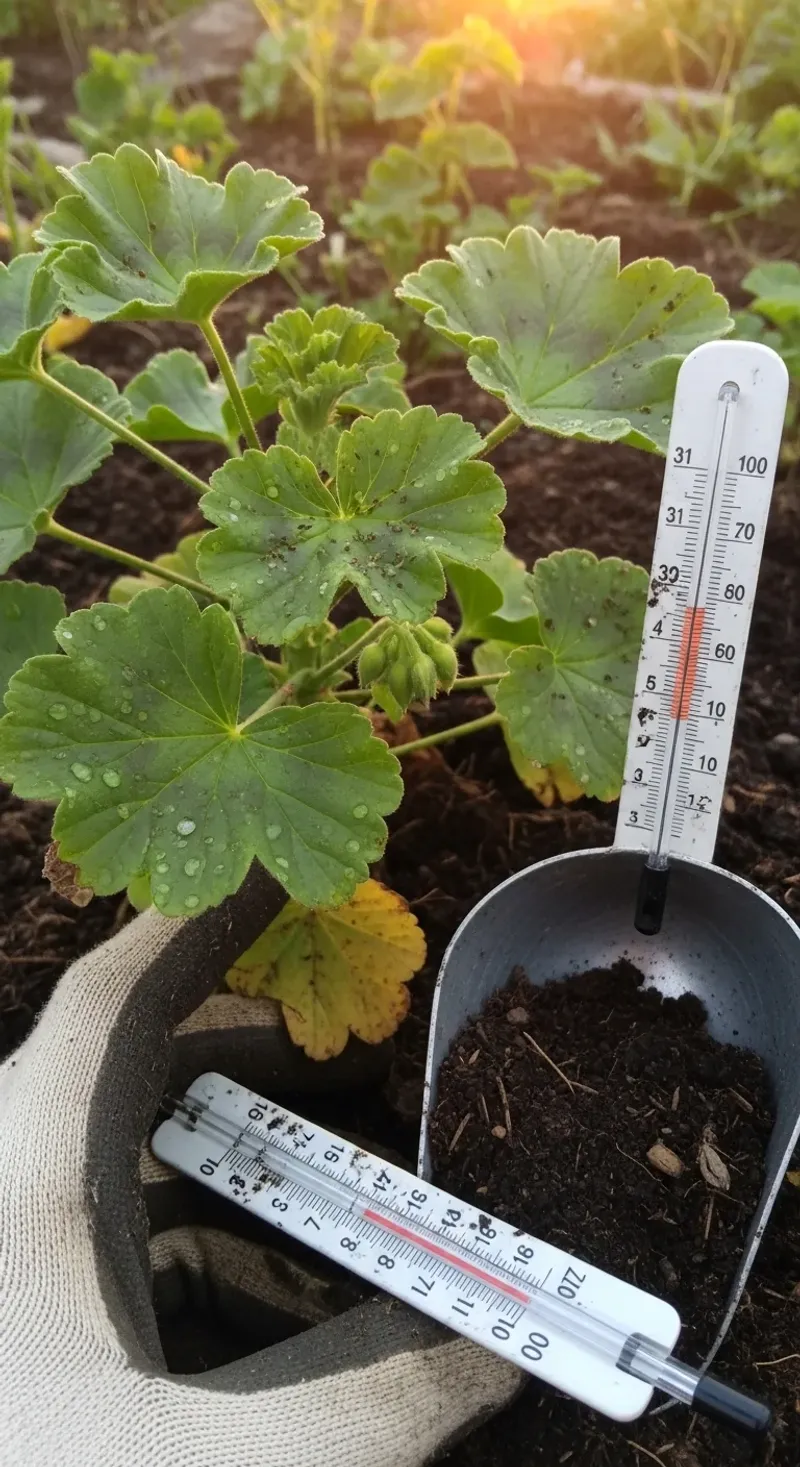
Soil chemistry sounds like a lab-coat problem, but it can quietly wreck your geranium’s flowering. These plants like a neutral to slightly alkaline pH, and overly acidic ground throws everything off.
When the pH drops below about 5.5, iron and manganese can build up to toxic levels. You will often spot the trouble as brown spots peppering the leaves, along with a plant that just refuses to flower.
A cheap soil test kit takes the guesswork out. If your reading comes back acidic, sweeten it up with a little garden lime, crushed oyster shells, or wood ash.
Adjust slowly and retest, since you want to nudge the pH into range rather than overcorrect it in one shot.
9. Lack of Space in Pots
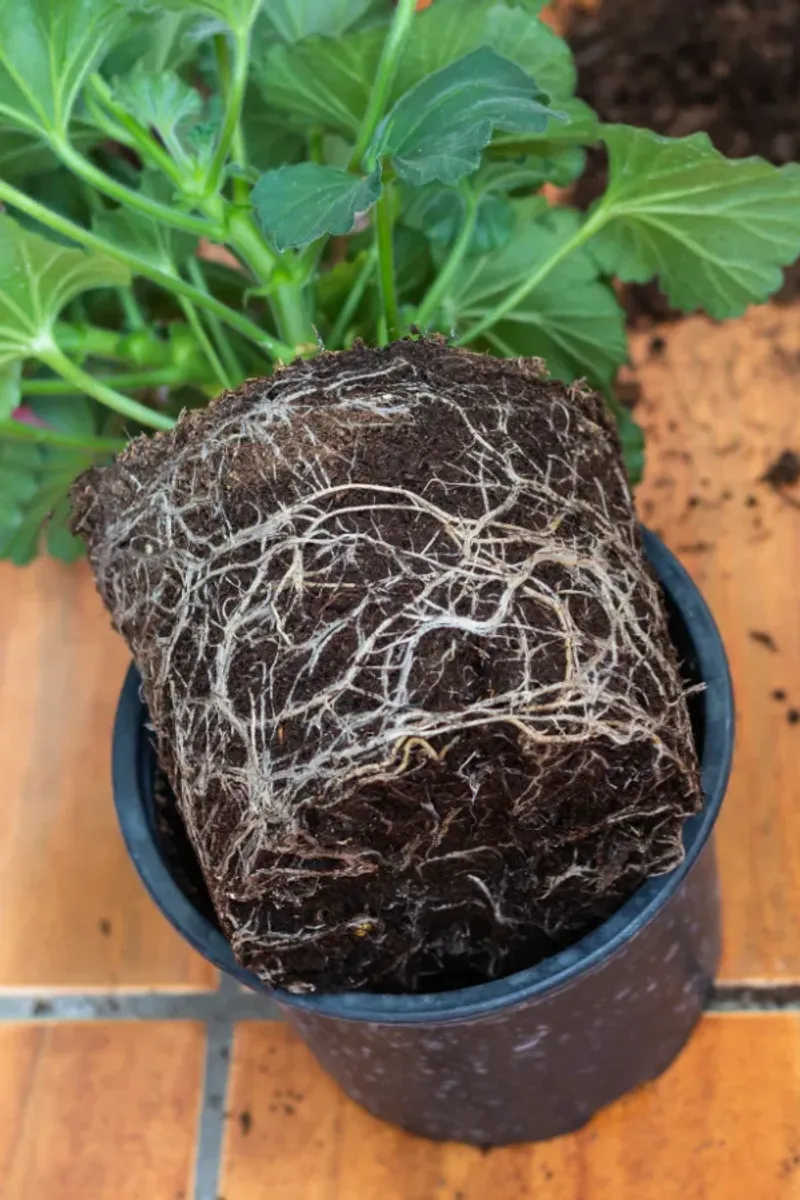
A geranium that stops blooming may simply be running out of room. Container plants gradually fill their pots with a tangled mass of roots, and once they go root-bound, they can barely take up water or nutrients.
You might notice water rushing straight through the pot, or roots creeping out the drainage holes. Both are signals the plant has outgrown its home.
Repot each year into a container roughly one size larger, aiming for at least a 12-inch diameter for a single plant. Fresh mix and elbow room give the roots what they need to fuel new flowers.
Spring is the ideal moment to bump up pot size, right as the plant is gearing up for its big season.
10. Watering Foliage
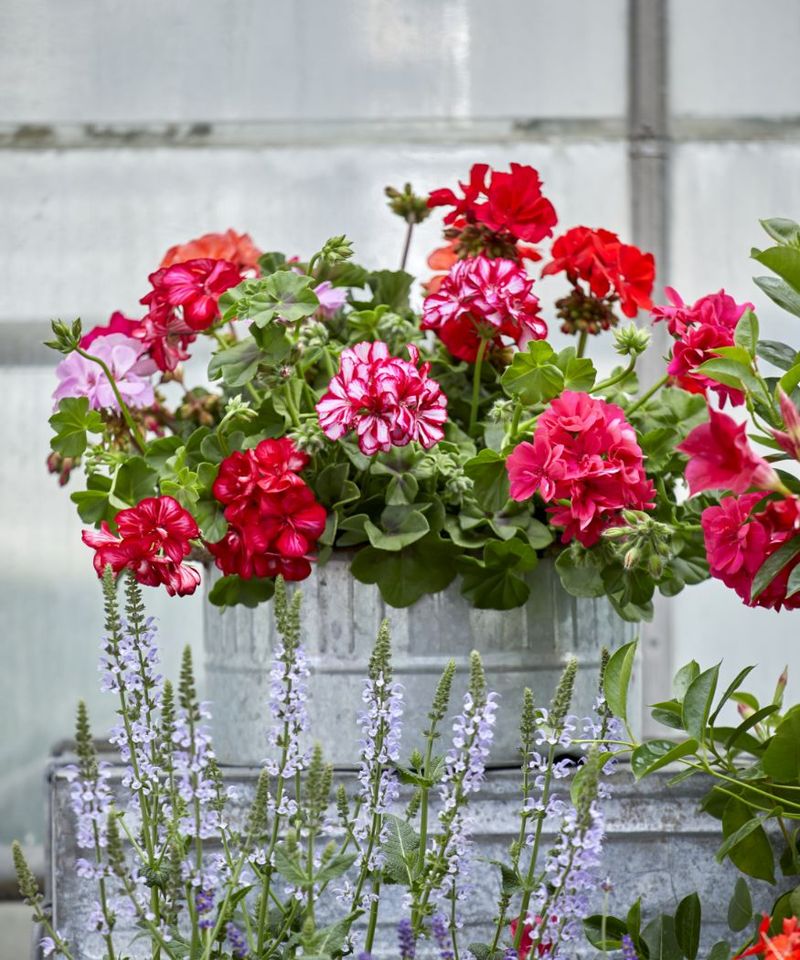
How you aim the water matters just as much as how often you pour it. Splashing water all over the leaves and flowers sets the stage for fungal trouble, especially when the air is warm and humid.
Damp foliage invites grey mold and other diseases that spot the leaves, mar the flowers, and drag down blooming. Overhead sprinkling is a common culprit.
Aim the spout at the base of the plant and let the water soak into the soil while the leaves stay dry. A long-necked watering can makes this easy to control.
Watering in the morning helps too, giving any stray droplets time to evaporate before the cooler, damper evening hours settle in.
11. Ignoring Pest Infestations
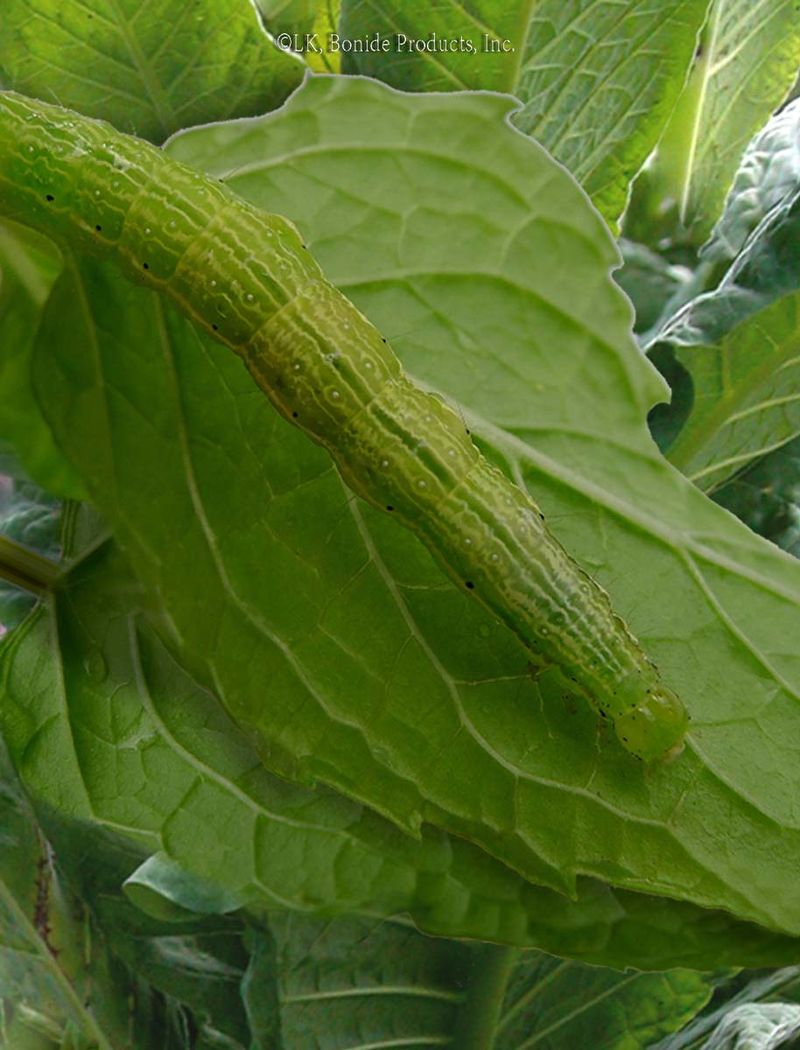
Tiny freeloaders can sabotage your blooms before the flowers even open. Aphids cluster on tender new growth, and budworms burrow straight into developing buds, chewing away your future color.
Left unchecked, these pests weaken the plant and gobble up the very buds you have been waiting on. By the time you notice missing flowers, the damage is already done.
Get in the habit of flipping over a few leaves and peeking into the buds during your regular check-ins. Catching an infestation early makes it far easier to handle.
When you spot trouble, act quickly with an organic spray or an appropriate control, and rotate where you plant to keep stubborn pests from settling in year after year.
12. Not Providing Adequate Air Circulation
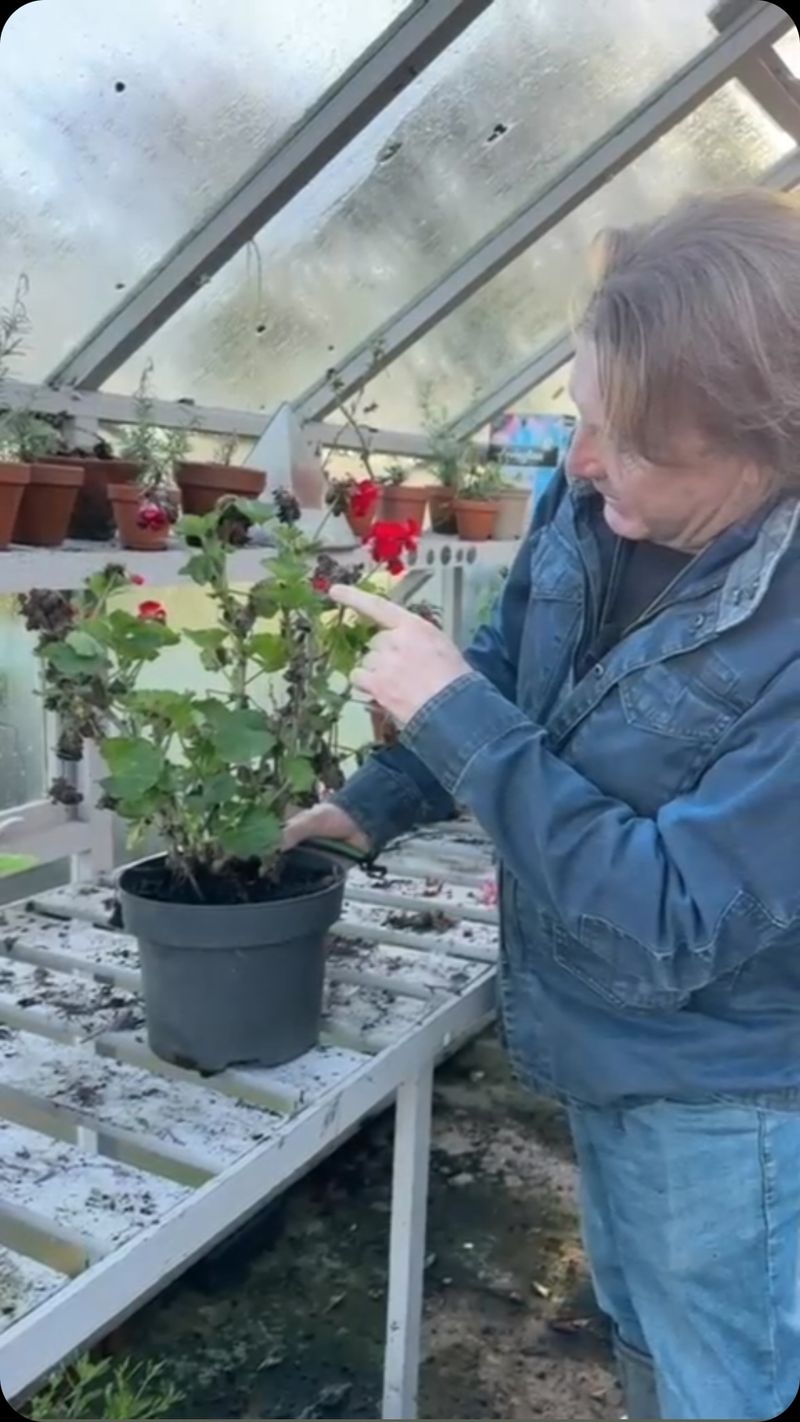
Crowd your geraniums together and you create a muggy little pocket where diseases love to move in. Stagnant, humid air trapped around the leaves is a recipe for mildew and botrytis.
Fungal problems thrive when foliage stays damp and air cannot move freely. Packed-in plants also compete for light, which does bloom production no favors.
Give each plant enough elbow room so a breeze can flow between them and dry the leaves. That simple spacing does more to prevent disease than most sprays.
Growing indoors or in a greenhouse? Crack a window, run a small fan, or improve ventilation so the air keeps gently moving around your plants.
13. Over-fertilization
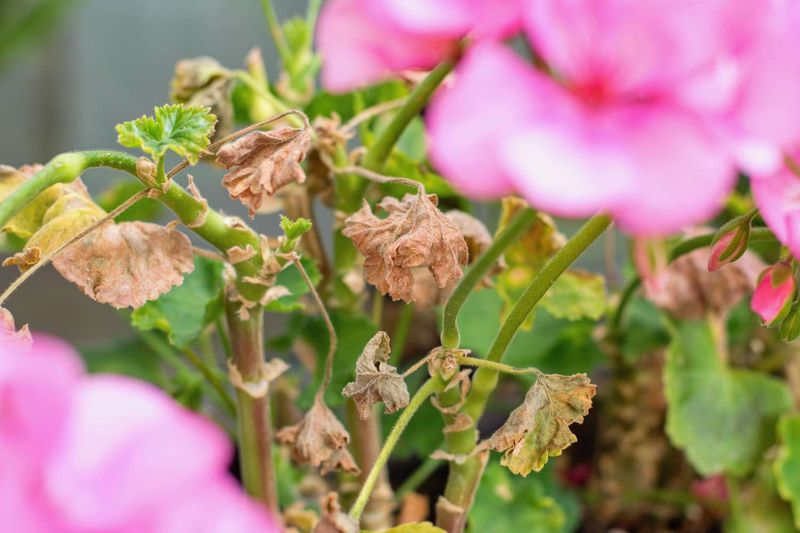
More food does not equal more flowers, and geraniums will tell you when you have gone overboard. Push too much fertilizer and you get yellowing leaves, scorched brown edges, and a surprising drop in blooming.
Fertilizer salts build up in the soil and start burning the roots. That stress pulls the plant’s focus away from making flowers.
If those warning signs appear, flush the pot thoroughly with plain water to wash the excess nutrients out. Then dial back your routine.
Stick to the recommended dose on the label and a sensible schedule rather than feeding on impulse. With geranium nutrition, steady and moderate beats generous every time.
14. Transplant Shock or Early Planting
Fresh from the garden center, a geranium sometimes seems to just sit there doing nothing. That pause is usually the plant quietly building roots and settling in rather than rushing to flower.
Yanking a plant straight from a toasty greenhouse into a cool, breezy yard can send it into shock. Instead of blooming, it spends its energy simply trying to recover.
Give newly planted geraniums a little patience while they establish; the flowers will come once the roots are ready. Rushing them rarely helps.
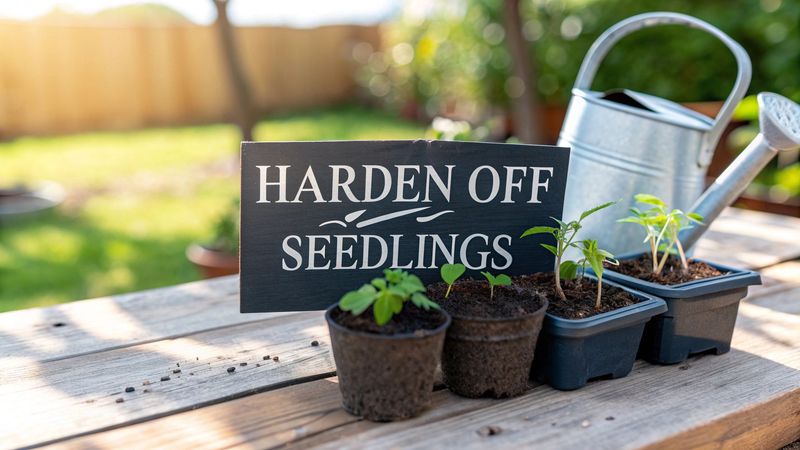
Ease the transition by hardening off, setting plants outdoors for a few hours at a time and gradually increasing exposure over a week or so. That slow introduction spares them the stress.
15. Using Ineffective Homemade Fertilizers
The internet is full of kitchen-scrap plant food, from milk to eggshells to banana peels, and it is tempting to believe your geraniums will thrive on leftovers. The reality is a bit less magical.
These homemade brews rarely deliver nutrients in the right amounts or proportions. Instead of a bloom boost, you can end up with deficiencies or even funky soil problems that hold the plant back.
For reliable, season-long flowering, reach for a quality commercial fertilizer made for geraniums or flowering plants. It gives your plant a balanced, ready-to-use mix without the guesswork.
Save the banana peels for your compost pile, where they can break down properly, and feed your geraniums something formulated to make them bloom.