
9 Beautiful Flowering Shrubs To Plant When Your Hydrangeas Keep Letting You Down
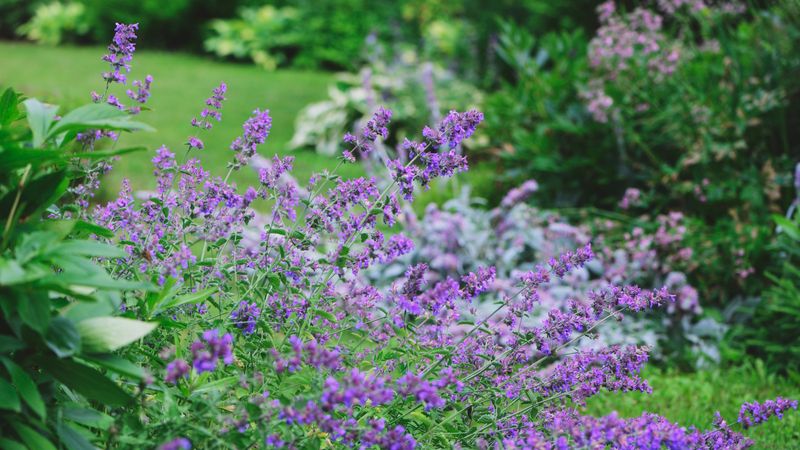
You baby your hydrangeas all season, and still they wilt, skip their blooms, or crisp up in the afternoon sun. If you are tired of fussing over water levels, soil pH, and pruning timing just to get a few flowers, you are not alone.
The good news is that plenty of other flowering shrubs give you that same lush, colorful payoff with far less drama. Here are nine easygoing bloomers that can pick up right where your hydrangeas keep leaving you hanging.
1. Viburnum
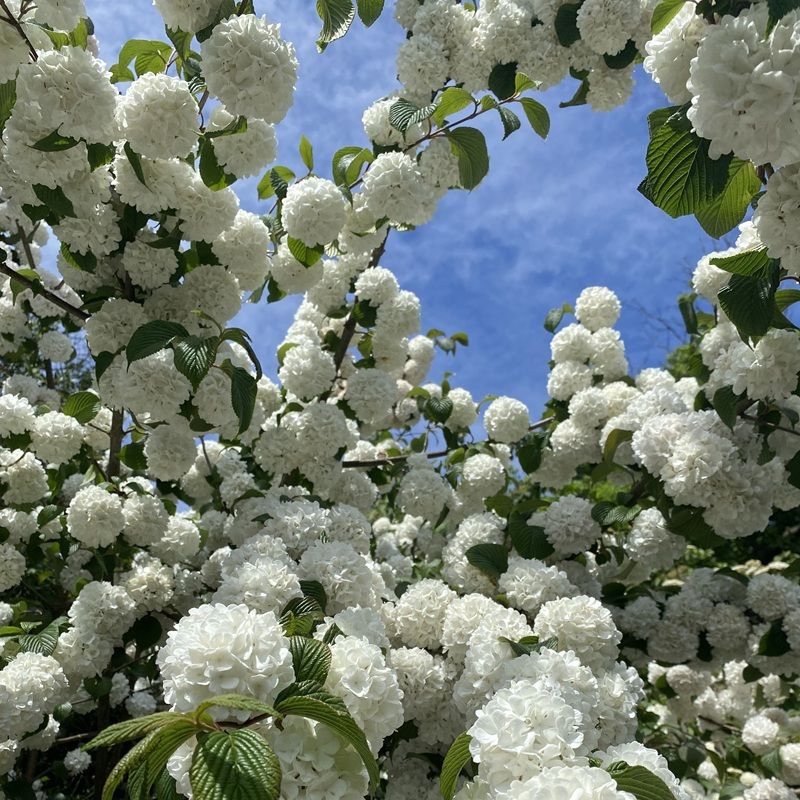
If you fell for hydrangeas because of those big, round snowball blooms, viburnum is the plant that quietly does the same thing without the meltdown. The variety Viburnum opulus, nicknamed the Snowball Tree, pushes out huge spherical white flower heads that look almost identical to a mophead hydrangea from across the yard.
What sets viburnum apart is its toughness. Many types shrug off drought once their roots settle in, and they happily take part shade instead of demanding the perfect light window that hydrangeas insist on.
Korean Spice Viburnum earns a spot for a different reason entirely. It stays a tidy 4 to 6 feet tall and wide, colors up nicely in fall, and fills the air with a spicy-sweet perfume you can smell before you even see the blooms.
That mix of fragrance, compact size, and low fuss makes it a forgiving swap for a plant that keeps testing your patience.
2. Spirea
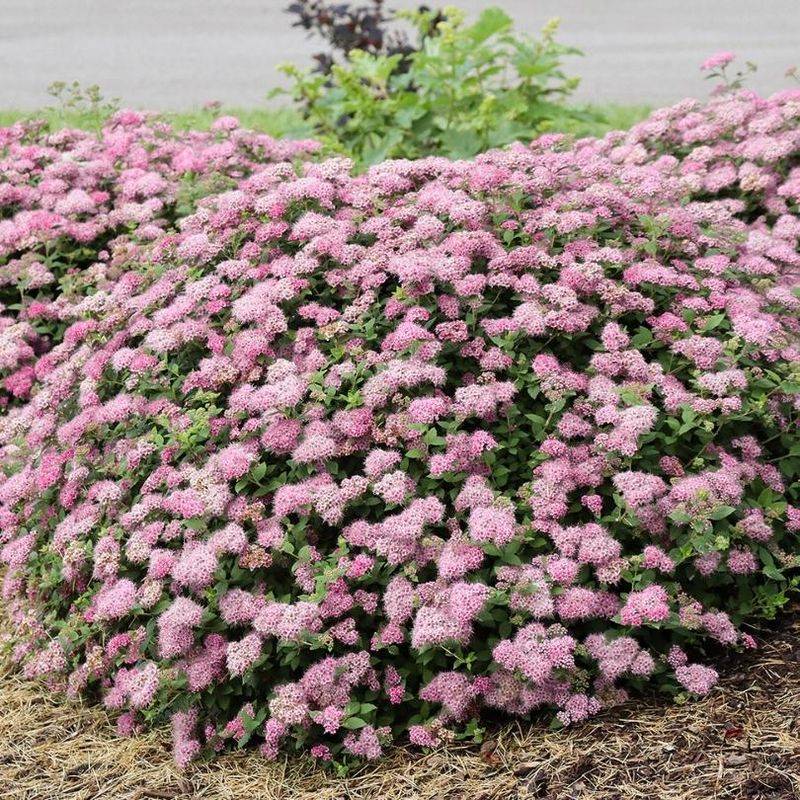
Beginners, this one is for you. Spirea has a reputation for being nearly impossible to disappoint, adapting to different soils and taking anything from full sun to part shade in stride.
Color arrives in soft drifts of white or pink that can last for weeks, and some varieties will bloom a second time if you snip off the spent flowers. Deadheading here is a nice bonus, not the life-or-death chore it feels like with old-wood hydrangeas.
White Meadowsweet keeps the deer at bay and rolls out the welcome mat for butterflies, while Bridal-wreath Spirea drips with pom-pom clusters that arch gracefully over the border. Both handle heat and drought like champs.
When your hydrangeas are sulking through a dry spell, spirea is out there doing its thing without a single complaint.
3. Encore Azalea
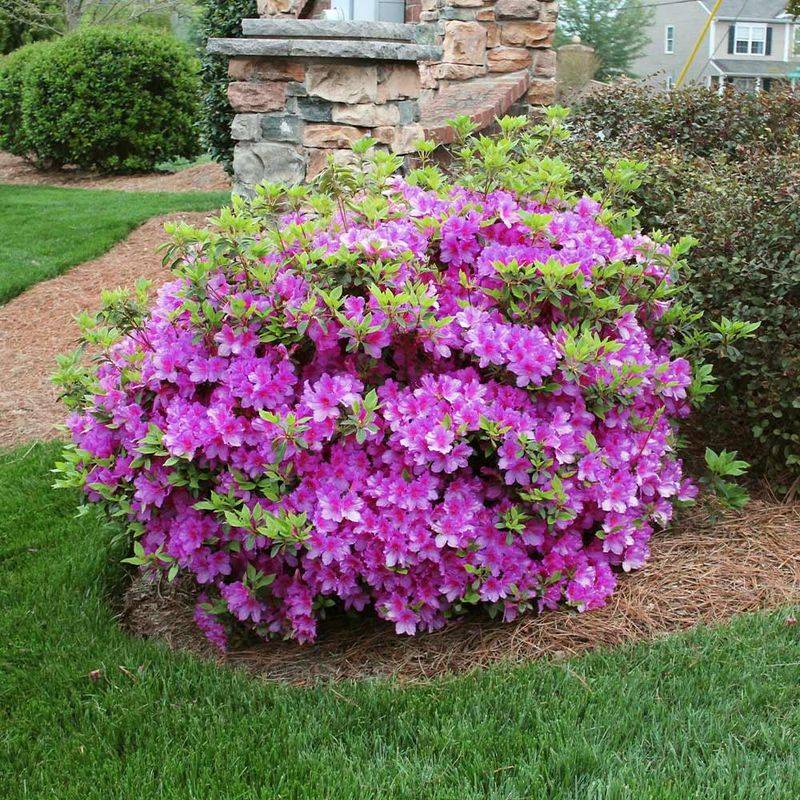
Most azaleas flower once and then call it a year, but Encore Azaleas rewrote that rule. These clever shrubs re-bloom up to three times, showing off in spring, again in summer, and one more time in fall.
That repeat performance is exactly what makes them shine when hydrangeas go dormant and leave a gap in your beds. Even between flushes, the glossy evergreen leaves keep the garden looking dressed rather than bare.
They enjoy the same partial shade your hydrangeas crave, so you can often slot them right into the same spot. Give them four to six hours of sun with a little afternoon shade and some acidic, well-draining soil, and they will reward you again and again.
Low effort, high color, three times over. Hard to argue with that.
4. Rhododendron
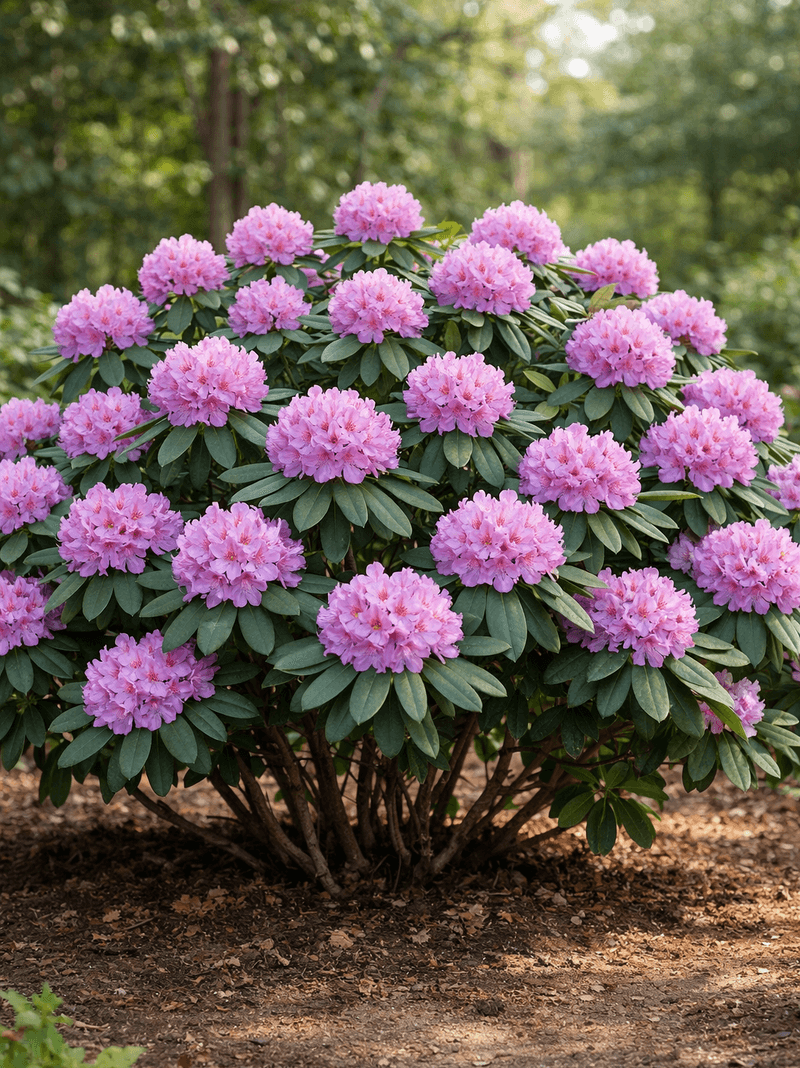
For gardeners who want drama and structure in one plant, rhododendrons deliver a spring show that stops people in their tracks. Big, bold flower clusters open in shades of pink, purple, and white above thick evergreen leaves that hold the garden together all year.
Unlike thirsty hydrangeas, an established rhododendron asks for very little water and actually prefers dappled shade over blazing sun. That makes it a natural fit for those tricky spots under trees where hydrangeas tend to flop or fade.
The variety ‘Roseum Elegans’ is native to the southeastern U.S. and carries generous clusters of pink blooms that butterflies adore, while the branches offer shelter for birds. You get year-round greenery plus a jaw-dropping spring moment, all with less babysitting than your hydrangeas demand.
5. Ceanothus (California Lilac)
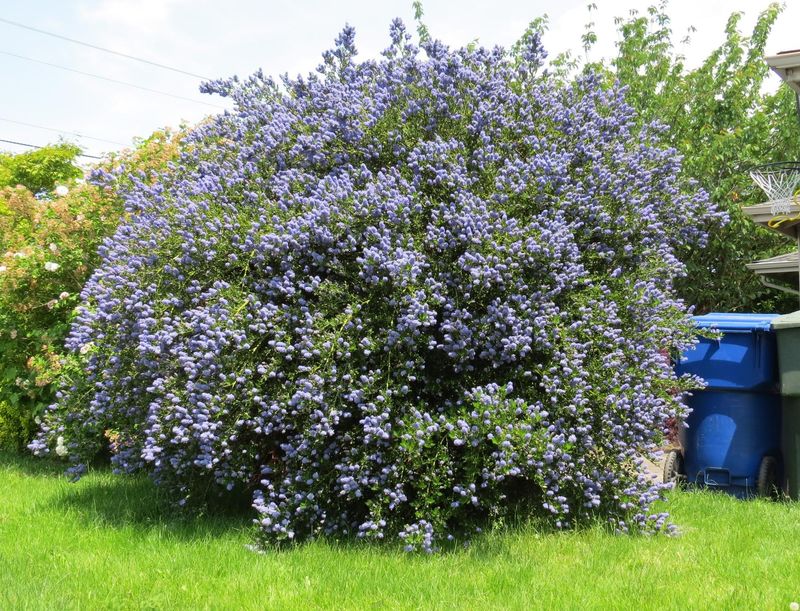
True blue flowers are rare in the shrub world, and that alone makes California Lilac worth a look. Ceanothus blankets itself in blooms ranging from soft azure to deep sapphire, a color your hydrangeas can only fake with careful soil-pH juggling.
Here, there is no pH chart to memorize. This shrub simply wants full sun and well-draining soil, then thrives in the hot, dry conditions that leave hydrangeas gasping.
Many varieties stay evergreen, so the plant looks good even after the flowers fade. And once those blue clusters open, bees and butterflies show up in droves.
If you have a scorching, low-rain corner where hydrangeas would fry, Ceanothus turns that liability into your garden’s boldest splash of color.
6. Glossy Abelia
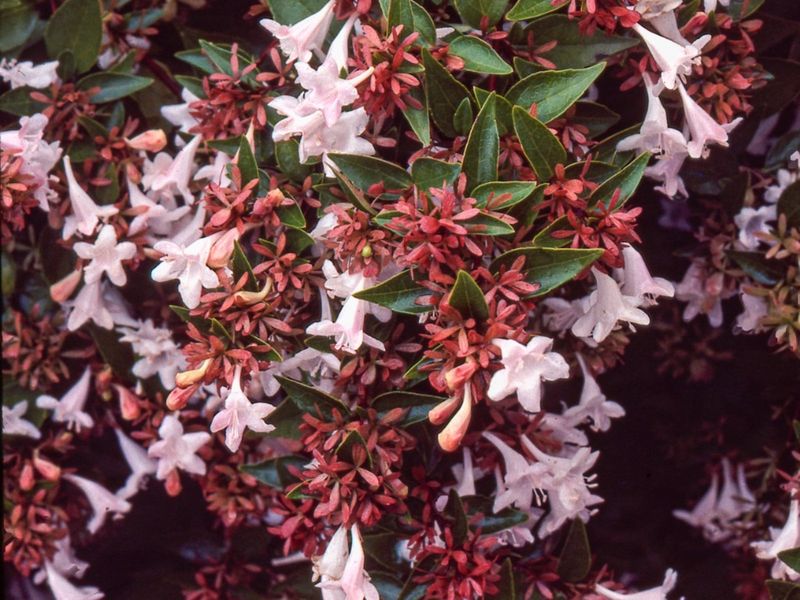
Some shrubs bloom for a moment; Glossy Abelia keeps the party going from late spring all the way to the first frost. Those months of nonstop, sweetly fragrant, bell-shaped flowers make it a standout for anyone tired of hydrangeas that bloom once and quit.
Pollinators and hummingbirds treat it like a favorite diner, stopping by all season long. Deer and rabbits, on the other hand, tend to leave it alone.
Beyond the flowers, the foliage stays glossy and semi-evergreen, then often turns rich colors as the weather cools. It settles into full sun or part shade and is not picky about soil as long as drainage is decent.
Practically pest-free and endlessly blooming, Abelia is the kind of low-maintenance workhorse that makes you forget your hydrangea headaches ever existed.
7. Butterfly Bush (Buddleia)
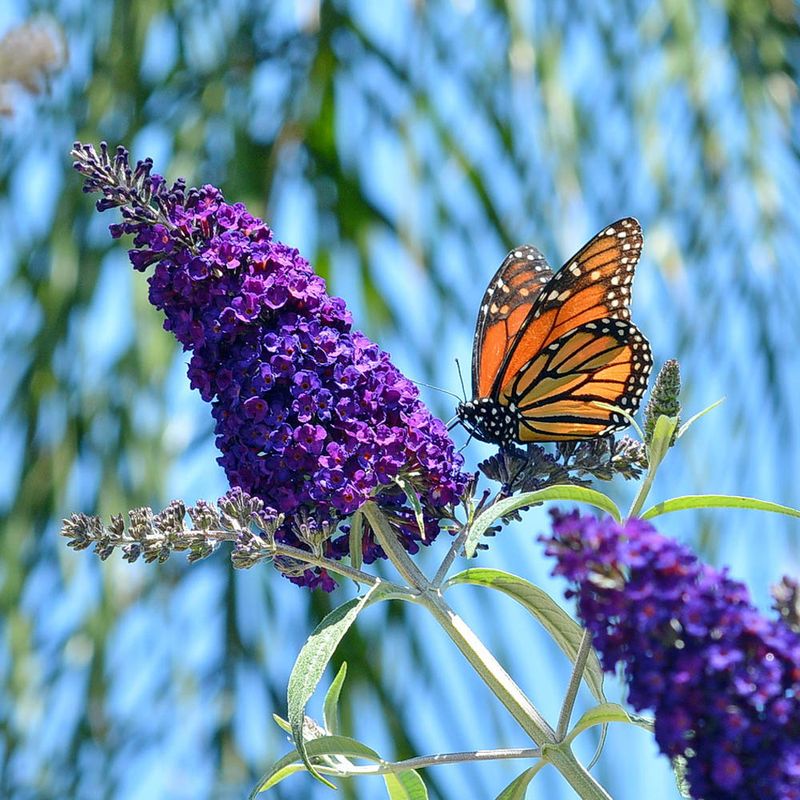
Plant one Butterfly Bush and your yard basically turns into a butterfly buffet. Long, tapering flower spikes in purple, pink, and white pull in pollinators from all over, giving you movement and life that a static hydrangea just cannot match.
Once established, Buddleia laughs off heat and drought as long as it has full sun and well-drained soil. No two-inches-a-week watering schedule required.
Big-flowered hydrangeas famously flop after a heavy rain, but compact cultivars like ‘Pugster Periwinkle’ hold their blooms up on sturdy stems that stay put. One heads-up worth knowing: in some regions the older types can spread where they are not wanted, so pick a sterile cultivar to keep things polite.
Do that, and you get months of color plus a front-row seat to the pollinator show.
8. Mountain Laurel (Kalmia latifolia)
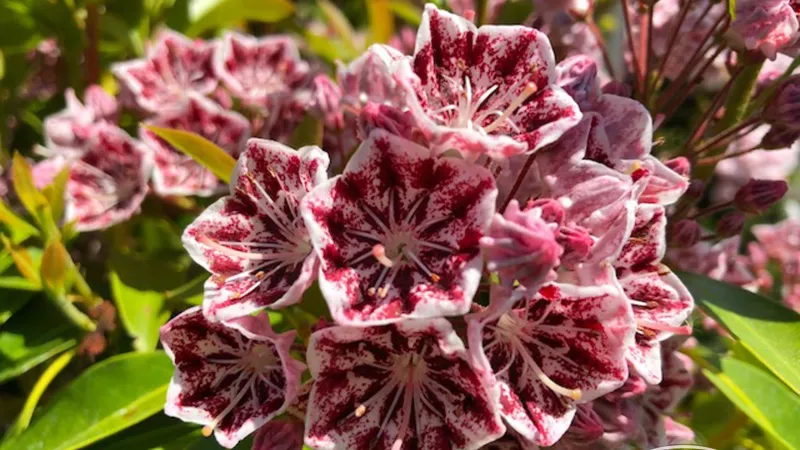
Look closely at Mountain Laurel’s flowers and you will notice they are almost architectural, with little cup-shaped blooms that seem too intricate to be real. This evergreen native of the eastern U.S. covers itself in pink and white clusters each spring, offering a look no hydrangea can copy.
Because it belongs here naturally, it tends to be an easy keeper once you plant it in the right spot. It leans toward part shade but will handle more sun, especially gentle morning light.
The main thing it asks for is steady moisture and a good layer of mulch over its roots to keep them cool. Give it those basics and Kalmia rewards you with evergreen structure all year and that dazzling, detailed bloom show when spring rolls around.
For a plant with genuine regional roots and standout flowers, it is tough to beat.
9. Ornamental Dogwood Shrub (Cornus)
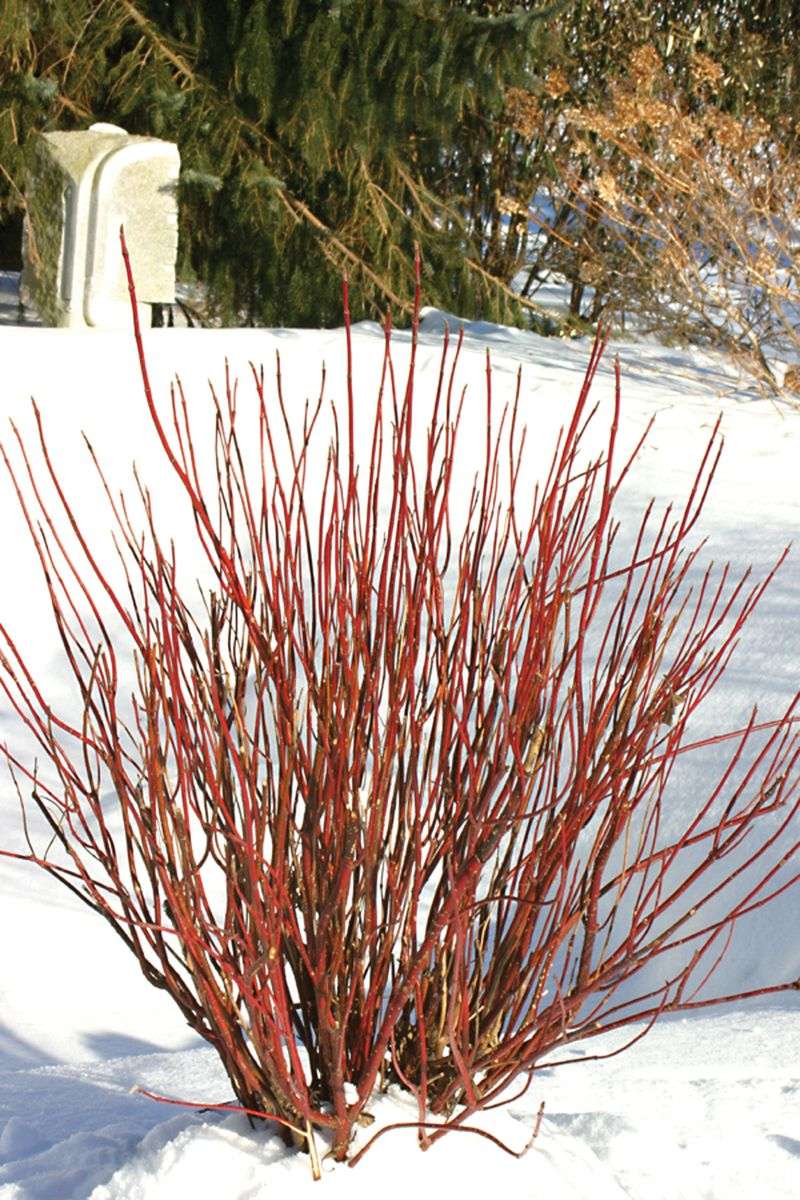
Talk about a plant that earns its keep in every season. Shrub-form dogwoods flower in late spring to early summer, then follow up with fall berries that birds love and, in winter, bright red stems that glow against the snow.
That year-round interest is the real hook. When your hydrangeas are just bare sticks in the cold months, a dogwood is still giving you something to look at.
These shrubs are wonderfully easygoing about light, growing happily in sun or partial shade, which takes a lot of the guesswork out of finding the right home for them. Add in their tolerance for a range of conditions, and you have a versatile, laid-back alternative that keeps your garden interesting long after the hydrangeas have checked out for the year.