
What Your Lantana Really Needs To Keep Flowering When The Heat Climbs
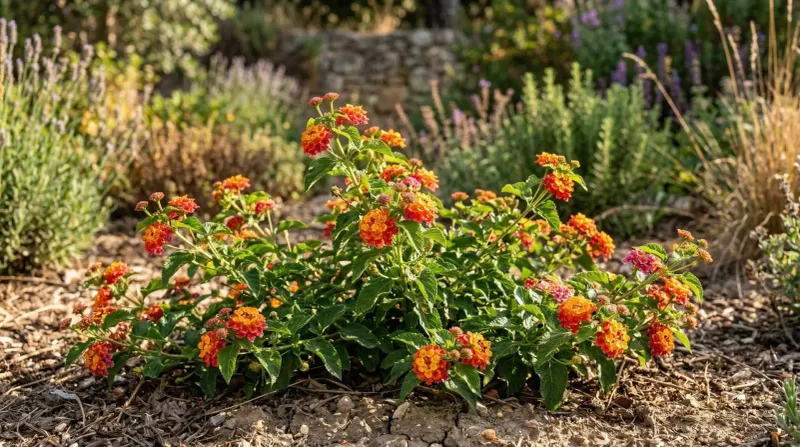
Lantana puts on some of the most reliable color in a summer garden, but even this tough plant can slow down or stall when the heat gets serious. Many gardeners assume a drooping or bloom-free lantana just needs more water, but the real answer is a little more nuanced than that.
Knowing what your plant actually needs during hot weather, rather than guessing, is what separates a lantana covered in blooms from one that just sits there looking tired.
Drought tolerance does not guarantee peak summer flowering
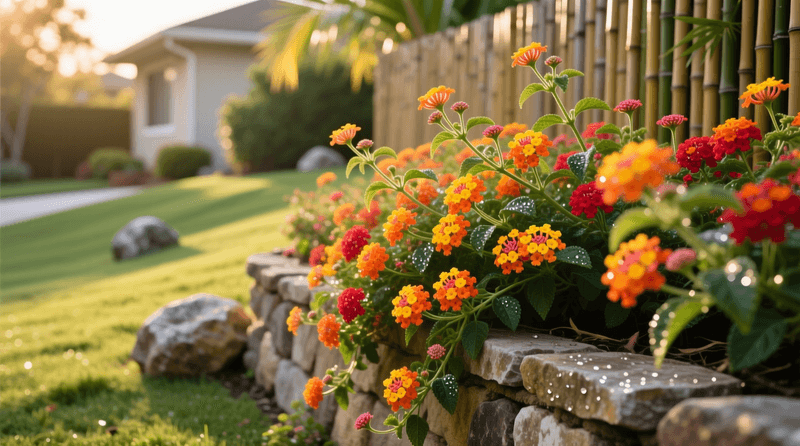
Plenty of gardeners have heard that lantana is drought tolerant, and that reputation is well earned. Established plants can push through dry stretches that would finish off more delicate flowers.
But surviving a dry period and producing your best flush of blooms are two very different things, and mixing them up is one of the most common reasons a summer lantana disappoints.
Clemson Extension’s lantana factsheet makes the distinction clear: prolonged dryness can reduce flowering, slow growth, and take the shine off a plant’s overall appearance even when it does not kill the roots. Think of drought tolerance as a survival trait, not a performance guarantee.
Your lantana may hang on through a dry July, but it probably will not look its best doing it.
Before you reach for the hose, though, check the soil and drainage. A wilting plant or a patch of missing blooms is not automatic proof of underwatering.
Roots sitting in soggy, poorly drained soil can produce the same symptoms, and so can too much shade, a fertilizer imbalance, lace bug damage, or the kind of punishing heat that temporarily shuts a plant down regardless of moisture. UC Cooperative Extension guidance on lantanas similarly notes that good drainage and appropriate watering both matter for keeping plants healthy and blooming.
Moisture management is a foundational priority for keeping lantana flowering through summer heat, not a single cure that overrides everything else. Getting it right means checking what the soil is actually doing, then deciding whether water, drainage, light, or something else is the real limiting factor.
That sequence, check first and then act, is the habit that keeps lantana performing rather than just surviving.
Let the soil decide when lantana needs water
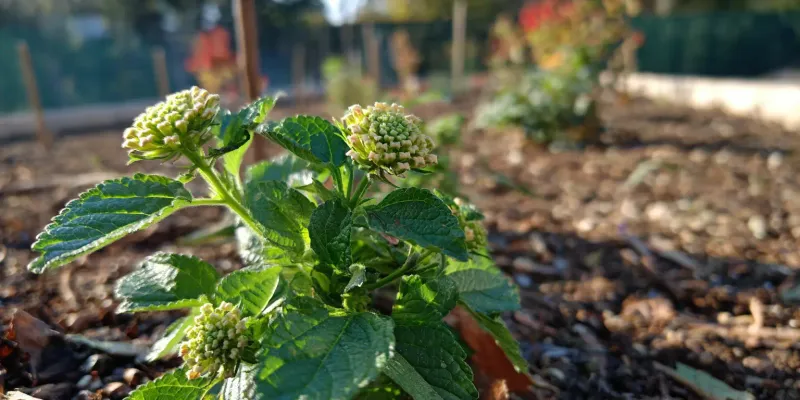
Calendars are convenient, but soil moisture is a far better guide for watering lantana. The most reliable method is simple: push a finger about an inch to two inches into the soil near the plant’s root zone.
If that layer feels dry, the plant is ready for water. If it still feels moist, hold off and check again in a day or two.
University of Minnesota Extension specifically recommends checking whether the top 1 to 2 inches of soil have dried before watering lantana, rather than following a fixed schedule. That guidance reflects a basic truth about gardens: soil type, wind exposure, sun intensity, and plant size all affect how quickly the root zone dries out, and no single timetable fits every yard.
Sandy soils drain and dry fast, sometimes within a day or two during a heat wave. Clay-heavy soils hold moisture longer but can stay wet enough to harm roots if you water on a rigid schedule.
A plant sitting in a windy spot or a south-facing bed will lose moisture faster than one tucked against a wall. Newly planted lantana needs the most attention here because its roots have not yet spread far into the surrounding soil, so the small root zone can dry out quickly even when nearby ground still feels damp.
Rainfall changes the calculation entirely. If your area received close to an inch of rain in the past week, the soil may not need any supplemental water at all.
Check before you water rather than assuming the heat means the plant is thirsty. Heat and wilting can both appear when roots are waterlogged just as easily as when they are dry, so the finger test protects the plant in both directions.
Soil moisture is the signal; everything else is just context.
Give established in-ground lantana a thorough root-zone soak
When the soil check tells you it is time to water, the goal is to soak the root zone thoroughly rather than apply a quick sprinkle over the surface. Shallow, frequent watering wets only the top inch or two of soil, which encourages roots to stay near the surface where they are most vulnerable to heat and drying.
A deep soak pushes moisture down to where the roots are actually working.
Clemson Extension offers a practical starting benchmark for established in-ground plants during the blooming season: aim for about 1 inch of water per week when rainfall has not provided it. That roughly weekly schedule works for many established landscape plants in average conditions, but it is a starting point, not a rule carved in stone.
Sandy or fast-draining soil may require more frequent attention. Extreme heat, persistent wind, a large or vigorous plant, and very low humidity can all shorten the interval.
Clay soil or a site with naturally higher moisture may stretch it.
UC Cooperative Extension’s lantana guidance aligns with this general approach, describing roughly 1 inch of water per week or watering when the soil surface dries as a reasonable support for bloom during heat. The consistent thread across both sources is thoroughness: water enough to wet the full root zone, then let the soil drain and partially dry before watering again.
After watering, excess water must be able to drain away. Lantana is quite vulnerable to root problems when soil stays saturated, so a site with poor drainage can undermine even well-timed watering.
If water pools around the base and takes a long time to disappear, the drainage situation deserves attention before the watering schedule. A thorough soak on well-drained soil is the combination that keeps roots healthy and flowers coming.
Containers can dry out before garden beds do
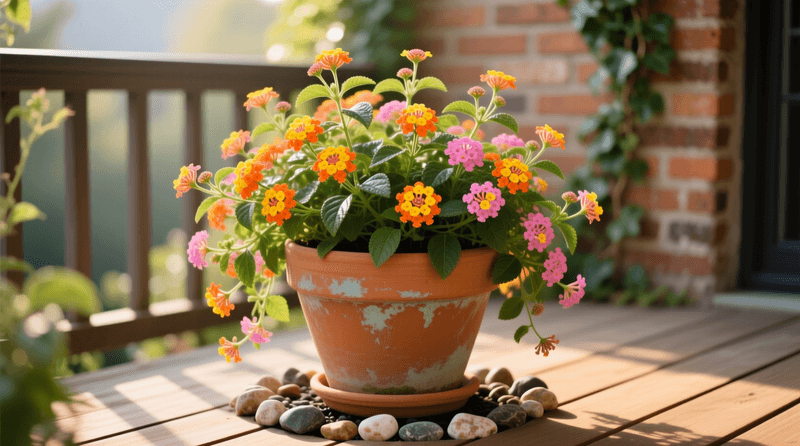
A lantana growing in a pot or hanging basket lives by different rules than one planted in the ground. The limited volume of potting mix in a container loses moisture much faster than surrounding garden soil, especially during the kind of hot, sunny weather lantana loves.
A pot that felt adequately moist in the morning can be bone dry by late afternoon when temperatures climb.
Because of that rapid drying, container lantanas need to be checked more often than in-ground plants. During a hot spell, daily checks are reasonable, and daily watering may be necessary.
University of Minnesota Extension notes that container plants may need water every day in hot weather, while University of Missouri Extension guidance on container plants reinforces that the potting mix itself should determine timing, not a fixed schedule. Press your finger an inch into the mix; if it feels dry at that depth, water thoroughly until moisture runs freely from the drainage holes.
Those drainage holes are not optional. A container without them, or one where the holes are blocked by compacted mix or a saucer full of standing water, keeps roots sitting in moisture they cannot escape.
That leads to the same root problems that excess water causes in the ground: poor flowering, wilting, and eventual decline even though the plant looks like it should be thriving.
Hanging baskets face an even steeper challenge because air circulates around all sides of the container, pulling moisture out faster than a pot sitting on a surface. In peak summer heat, a hanging basket may need water every day.
The principle stays the same regardless of the container type: let the mix tell you when to water, keep drainage free and open, and never let roots sit in standing water between cycles.
Preserve moisture without creating soggy roots
Getting water to the root zone is only half the job. Keeping it there long enough to be useful, without letting the soil stay wet, is the other half.
A few practical habits make a real difference in how long each watering session lasts and how healthy the roots stay between sessions.
Water at the soil line rather than overhead. Repeatedly wetting the foliage does not add meaningfully to root-zone moisture, and wet leaves create conditions that can encourage mildew and some foliar diseases.
Direct the water to the base of the plant where it can soak straight down to the roots. Clemson Extension emphasizes thorough root-zone watering and avoiding chronically wet foliage as part of sound lantana care.
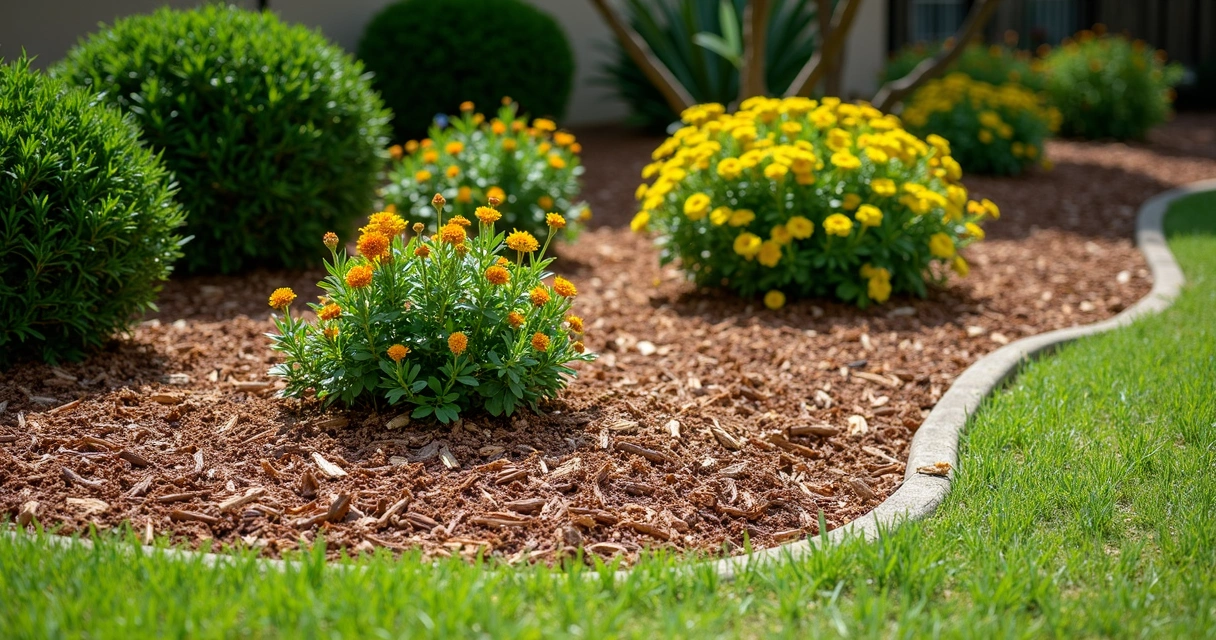
Mulch is a straightforward tool for slowing evaporation and moderating soil temperature around the root zone. Texas A&M Water Resources Institute guidance on summer landscape care recommends about 2 to 3 inches of organic mulch for landscape moisture conservation.
Apply it so it covers the root zone but keep it pulled back from the plant’s stems. Mulch piled against the base holds moisture against the stem, which can cause rot and create habitat for pests.
The goal is a protective layer over the soil, not a mound around the plant.
Also make sure the mulch layer does not form a crust or mat that sends water running sideways instead of soaking in. Oregon State Extension guidance on summer heat and drought preparation notes that mulch should help water reach the root zone, not block it.
Check occasionally that water is actually penetrating the mulch and entering the soil below. Well-drained soil under a proper mulch layer, watered at the root zone, gives lantana the moisture it needs without the soggy conditions that damage roots and stall flowers.
When moisture is adequate, check the other bloom blockers
Once you have confirmed the soil moisture is reasonable and drainage is working, a lantana that still refuses to bloom has something else going on. Several common problems can stall flowering even when water is not the issue, and identifying the right one saves time and avoids fixes that make things worse.
Full sun is the single biggest non-moisture factor in lantana flowering. Most lantana varieties need roughly 6 to 8 hours of direct sun per day to flower well, depending on the species, cultivar, and region.
Clemson Extension lists inadequate light as a recognized cause of poor blooming, and University of Minnesota Extension similarly notes that lantana performs best in a full-sun location. If a tree has filled in overhead since planting, or a structure now shades the bed for part of the day, the light situation may have changed enough to affect flowering.
Fertilizer is worth examining too. Excess nitrogen, especially in already fertile soil, pushes leafy growth at the expense of flowers.
UC IPM’s lantana guidance notes that lantana generally needs little fertilizer in the ground. If you have been feeding heavily, backing off may actually help more than adding a bloom booster.
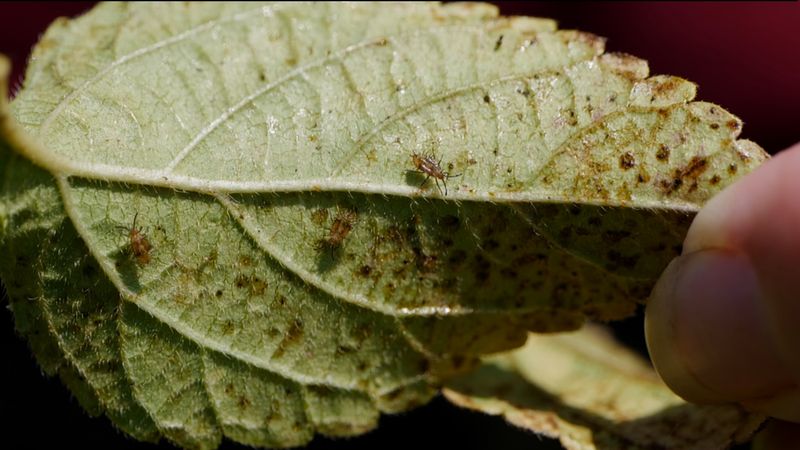
Lace bugs are a specific pest that surges during hot weather and can cause rapid, confusing decline. University of Georgia Extension reporting on summer lace bug activity describes how these insects cause stippled or bronzed foliage, black specks on leaf undersides, and sudden loss of blooms.
Flip a few leaves and look closely before assuming the problem is cultural.
During an extreme heat wave, hold off on hard pruning, transplanting, or fertilizing entirely. Oregon State Extension heat-wave plant guidance advises removing only dead flowers or clearly dead material until conditions moderate, and their post-heat-wave care guidance supports waiting for cooler conditions before any aggressive intervention.
Light trimming of spent flower clusters can encourage fresh growth once the worst heat passes, but it is a secondary step, not a guaranteed bloom fix, and sterile cultivars may not need deadheading at all to continue flowering.
Use a moisture check to guide summer care
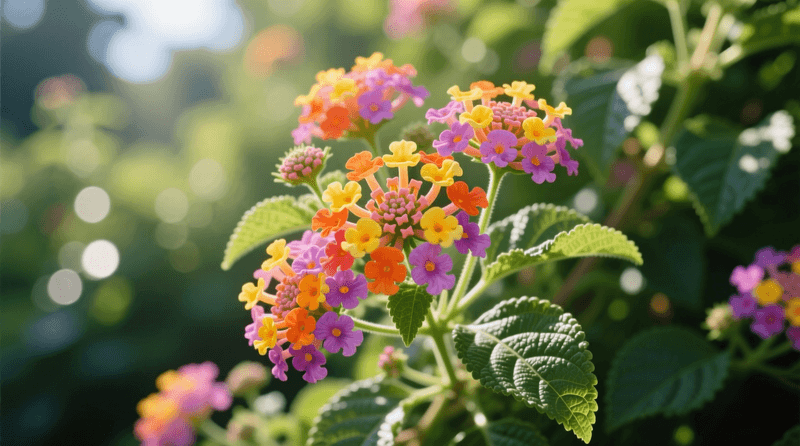
A reliable summer routine for lantana starts with one question: is this plant in the ground or in a container? That determines how often you need to check and how quickly the situation can change.
In-ground plants in most conditions need a thorough check every few days, while containers may need attention daily when temperatures are high.
From there, the process is straightforward. Check the top 1 to 2 inches of soil.
If it is dry and rainfall has been short of roughly an inch that week, water thoroughly at the root zone and let the excess drain away. Adjust the interval based on your soil type, recent weather, wind, and how the plant looks.
Clemson Extension and University of Minnesota Extension both support this soil-check approach as the practical standard for timing lantana irrigation.
Keep both boundaries in mind: do not let the root zone stay chronically dry, and do not keep it saturated. If flowering still lags after moisture is consistently adequate, shift your attention to light, drainage, pests, fertilizer load, cultivar traits, or heat stress as the next things to investigate.
UC IPM reinforces that multiple factors shape lantana’s performance in summer. A lantana that gets the basics right tends to reward you steadily, and the soil check is the habit that keeps all the other decisions grounded in what the plant actually needs.