
These 9 Stunning Birds Pick One Yard Over Another—And Here’s Why They Choose Yours
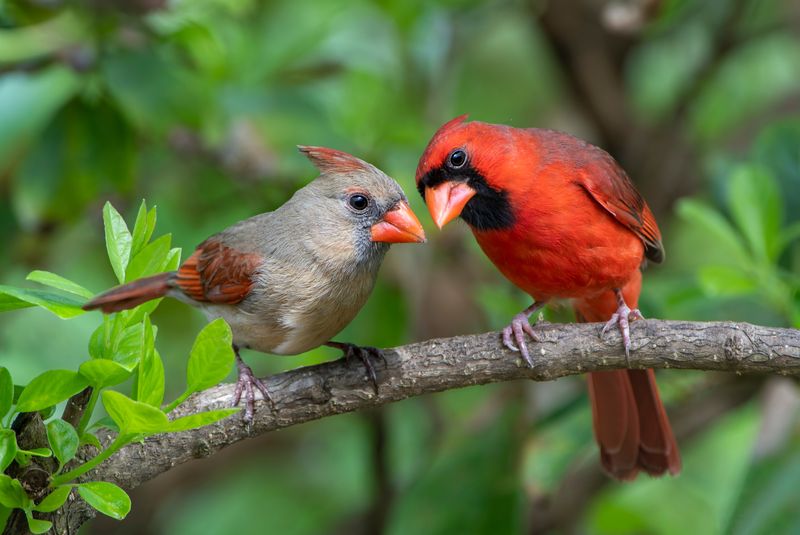
Ever notice how some yards seem to buzz with colorful birds while the yard next door stays quiet? It isn’t luck or magic.
Birds are picky, and they choose spaces that give them food, water, cover, and safe places to raise their young. Once you know what these nine standout birds are looking for, you can make your own yard the one they can’t resist.
1. Northern Cardinal
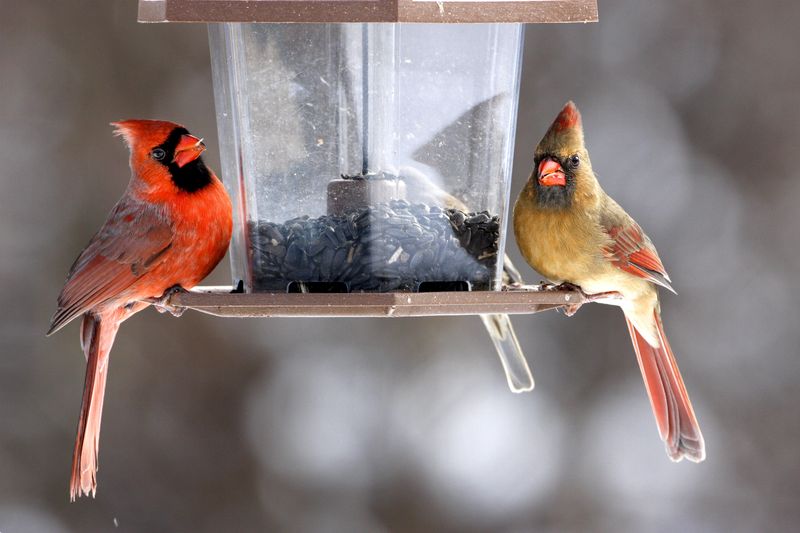
Few birds turn heads like a male cardinal, glowing bright red against a green hedge or a snowy branch. That flash of color is exactly why so many gardeners fall in love with them, and the good news is cardinals are homebodies who stick around all year.
What pulls them into a yard is a mix of dense shrubs and reliable food. They love thick cover like holly, dogwood, or a tangle of viburnum where they can hide from hawks and build their nests low to the ground.
For food, they go crazy for black oil sunflower seeds and safflower, and a sturdy platform or hopper feeder suits their chunky beaks better than a tiny tube.
Fun fact: unlike most songbirds, female cardinals sing too, often right from the nest. If you hear a clear, whistling birdy-birdy-birdy at dawn, a pair may already be scouting your yard.
Keep a feeder stocked through winter and plant a berry bush or two, and you will likely have cardinals brightening your mornings for seasons to come.
2. American Goldfinch
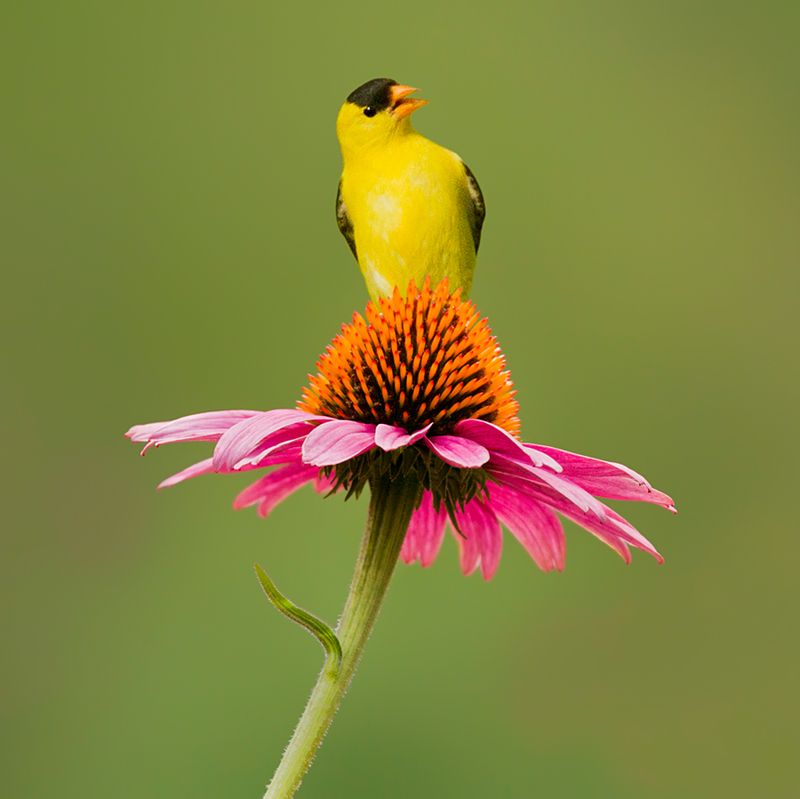
Picture a tiny burst of sunshine bouncing across your garden, and you have the American goldfinch in summer. The males turn brilliant lemon-yellow with black caps, and they travel in cheerful little flocks that make any yard feel alive.
Goldfinches are seed specialists, so the fastest way to win them over is planting what they naturally crave. Coneflowers, black-eyed Susans, sunflowers, and native thistle offer seeds they will pick at all season, and leaving spent flower heads standing in fall gives them a free buffet.
At feeders, they adore nyjer (thistle) seed served from a mesh or tube feeder built for their small, pointed bills. They cling and feed even upside down, which is fun to watch.
Here is something that sets them apart: goldfinches nest later than almost any other songbird, waiting until midsummer when thistle down is ready to line their nests. So keep those feeders full into July and August, and you may catch a whole family visiting together.
3. Ruby-throated Hummingbird
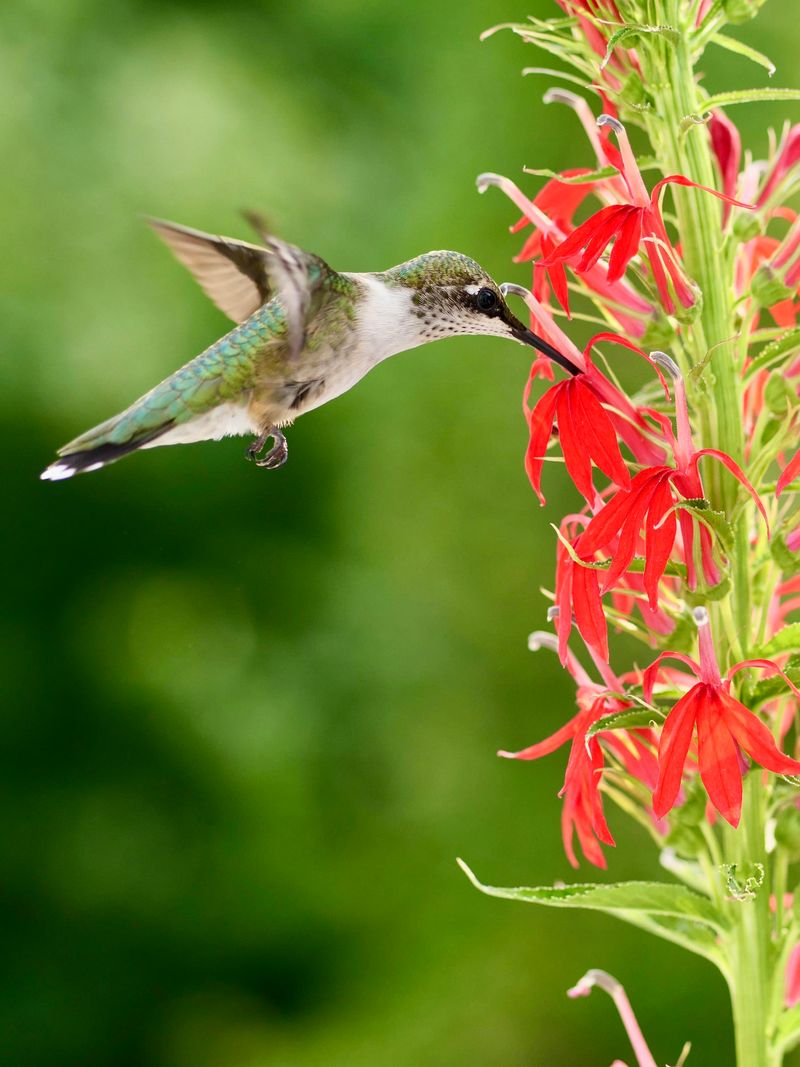
Blink and you might miss one, but the shimmer of a ruby-throated hummingbird is worth the wait. These flying jewels hover mid-air, beat their wings dozens of times per second, and defend their favorite flower patch like tiny feathered guardians.
To earn a spot on their route, think nectar. They are drawn to tubular, brightly colored blooms, especially red and orange ones like bee balm, cardinal flower, trumpet vine, and salvia.
Plant a few and you create a natural fuel station.
A sugar-water feeder helps too, filled with a simple mix of four parts water to one part plain white sugar, no red dye needed. Clean it every few days in hot weather so the nectar stays fresh and safe.
Did you know a ruby-throat can remember every flower it has ever visited and even knows how long each takes to refill with nectar? Give them a steady supply and these little acrobats may treat your yard as a regular stop on their travels.
4. Eastern Bluebird
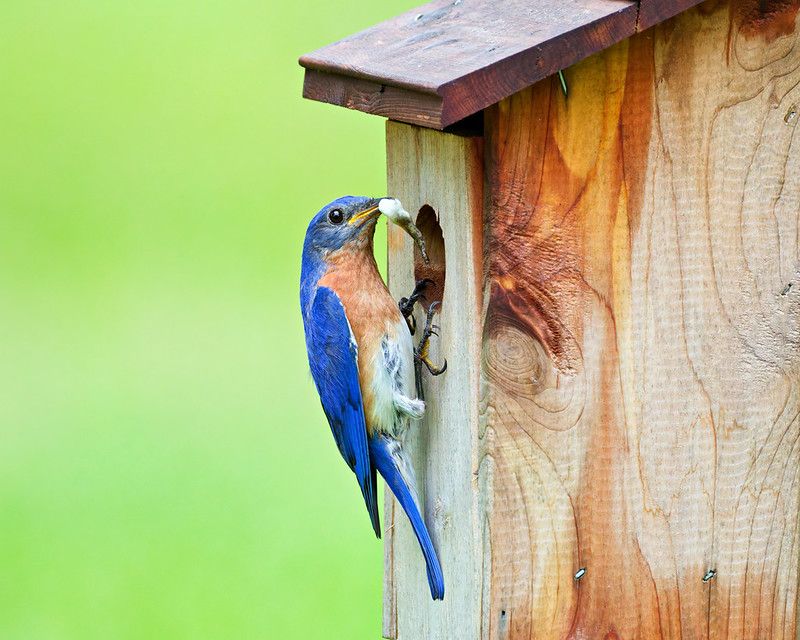
Soft blue backs and warm rusty chests make the eastern bluebird look almost too pretty to be real. Gardeners treasure them not just for their looks but for their gentle, useful habits, since they gobble up beetles, caterpillars, and grasshoppers by the dozen.
Bluebirds are open-country birds, so they favor yards with mowed grass or meadow edges where they can spot insects from a perch. A single fence post or low branch to hunt from can make all the difference.
The real key, though, is a nest box. Bluebirds happily raise their young in properly sized birdhouses mounted about five feet up, facing an open area, with an entrance hole that keeps bigger birds out.
Skip the perch on the box, which mostly invites unwanted guests.
Offer mealworms in a small dish and you may see them return again and again. Provide the right home and open space, and a bluebird pair might just adopt your yard as their nursery.
5. Baltimore Oriole
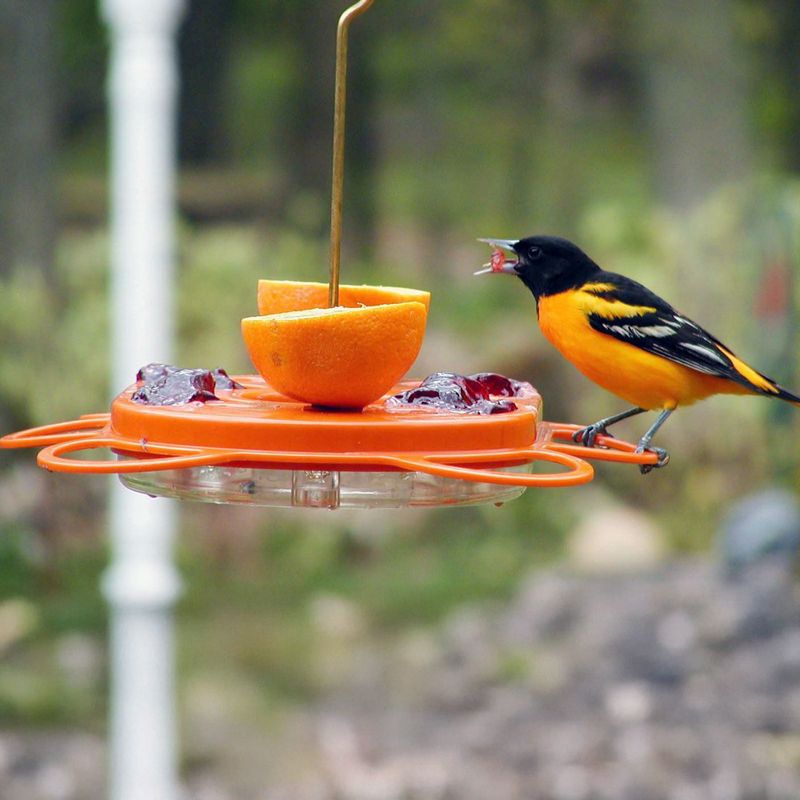
Flaming orange and jet black, the Baltimore oriole looks like it flew straight out of a tropical postcard. When one drops into a spring yard, it feels like a genuine event, and there are a few clever tricks to make that happen more often.
Orioles have a serious sweet tooth. Halved oranges skewered on a branch or feeder peg, along with grape jelly served in a shallow dish, are almost irresistible to them, especially in late April and May when they first arrive.
They also sip nectar, so a hummingbird-style feeder with larger ports made for orioles gives them another reason to linger. Tall shade trees nearby help too, since orioles weave remarkable hanging, sock-shaped nests high in the branches.
Timing matters more with orioles than most birds. Put your oranges and jelly out right as they migrate through in spring, before they settle elsewhere, and you stand a real chance of keeping this dazzling visitor all summer.
6. Blue Jay
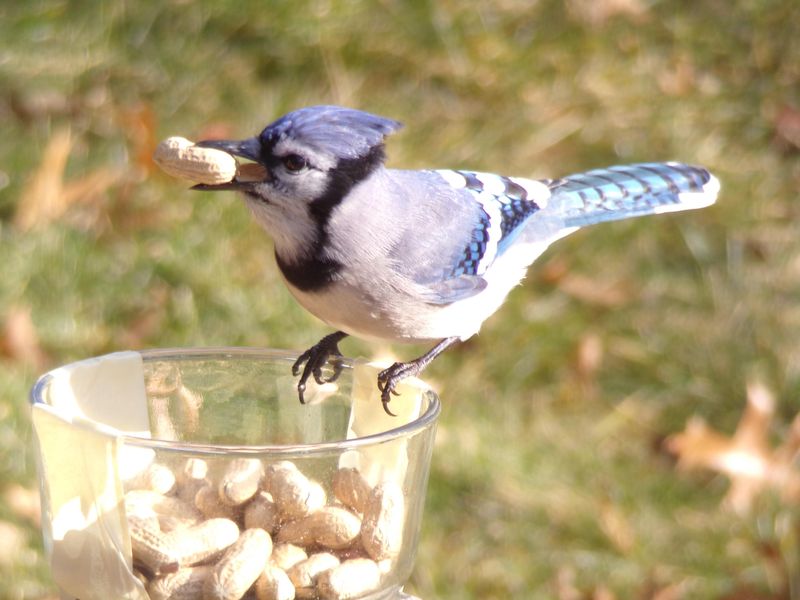
Bold, loud, and impossible to ignore, the blue jay struts through yards like it owns the place. Some folks find them bossy at the feeder, but their brilliant blue crests and clever personalities make them a favorite for anyone who enjoys a bird with attitude.
Jays are nuts about, well, nuts. Whole peanuts in the shell, acorns, and sunflower seeds all draw them in, and they will happily carry off extras to bury for later, sometimes planting oak trees by accident in the process.
Give them a roomy platform feeder or a spread on a flat surface, since jays are big and dislike squeezing onto small perches. A birdbath with a bit of depth suits them too, as they like to splash.
Here is a surprising perk: blue jays act like backyard alarm systems, screeching loudly when a hawk or cat prowls nearby, which warns the smaller birds to scatter. Welcome a jay or two and you gain a flashy, watchful neighbor.
7. Painted Bunting
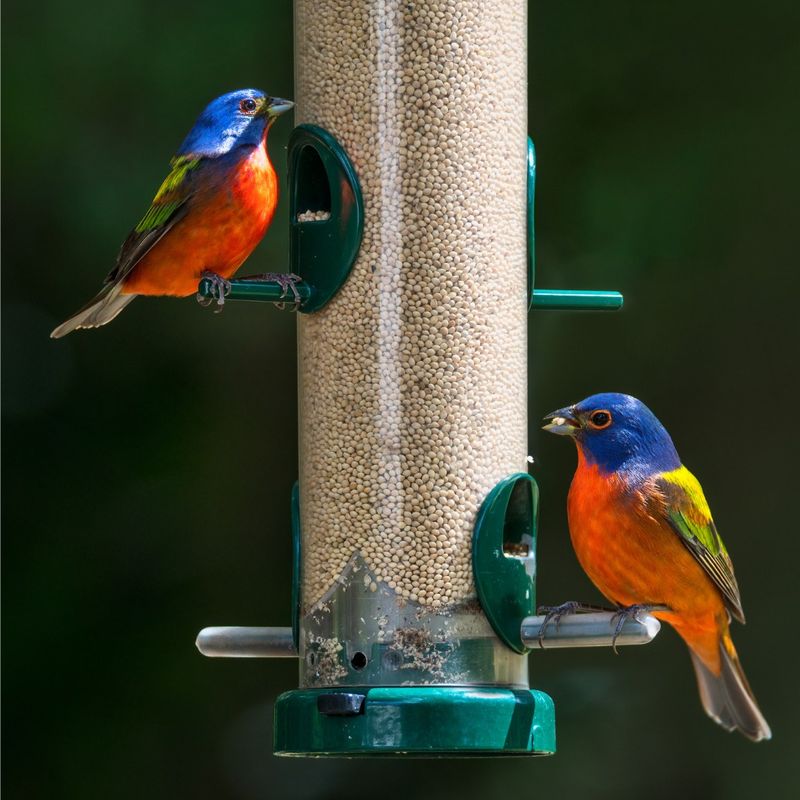
If a rainbow had feathers, it would look like a male painted bunting, splashed with blue, green, red, and yellow all at once. Birders drive for hours hoping to glimpse one, so having them choose your yard feels like winning a small lottery.
Found mostly across the southern and south-central states, painted buntings are shy and prefer a bit of privacy. Dense shrubs and brushy edges near a feeder give them the cover they need to feel safe enough to come out.
White millet is their top request, offered from a tube or hopper feeder set close to that protective greenery. Keep the area quiet and let a few weeds go to seed, and you make the space more inviting.
Because they are secretive, patience pays off. Set your feeder out in spring and early summer within their range, resist the urge to trim every bush, and you might be rewarded with the most colorful songbird in North America hopping through your yard.
8. Cedar Waxwing
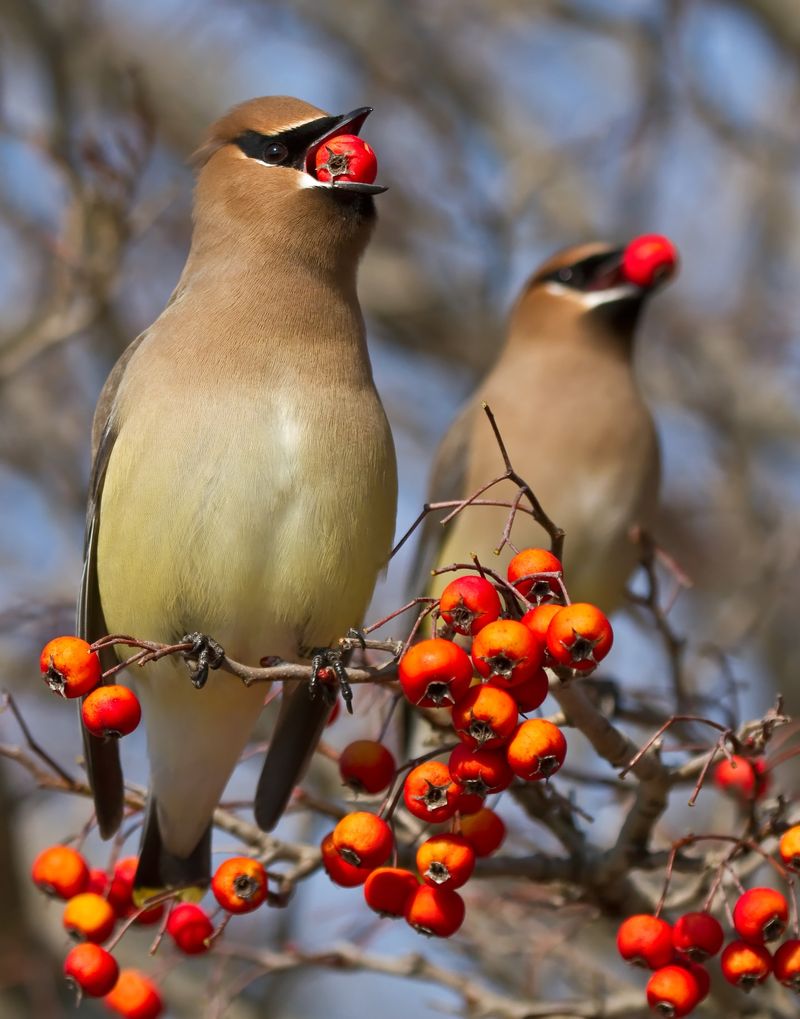
Smooth, sleek, and dipped in colors that look airbrushed, cedar waxwings almost seem too elegant to be wild. A soft brown crest, a black mask, and bright waxy red tips on their wings give them a polished, almost formal look.
Unlike seed-loving feeder birds, waxwings live for fruit. They arrive in chatty flocks and strip berry bushes clean in minutes, so planting serviceberry, dogwood, cedar, holly, or crabapple is the surest way to catch their attention.
Water tempts them as well. A birdbath or small fountain often draws a whole traveling flock down for a drink and a bath, turning your yard into a lively rest stop.
One odd and charming detail: waxwings are so social they have been seen passing a single berry down a row from beak to beak until one bird finally eats it. Grow the fruit they crave and you may host an entire well-mannered flock at once.
9. American Robin
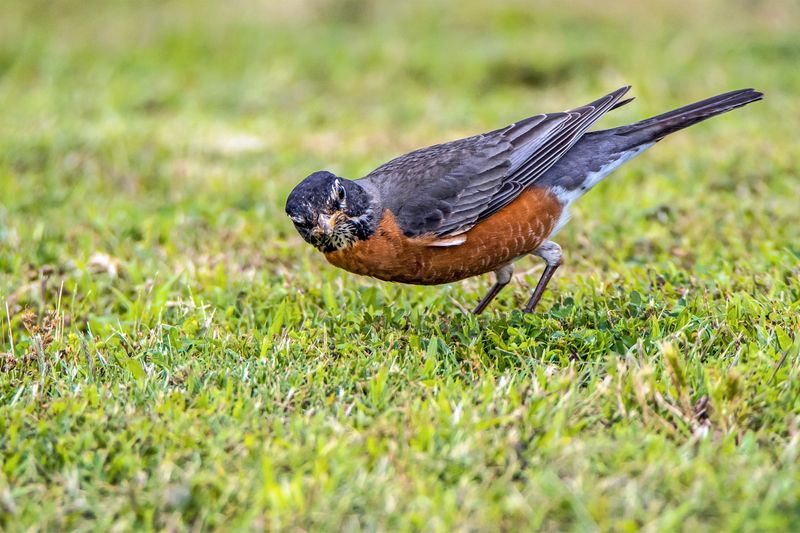
Round, red-breasted, and endlessly busy, the American robin is the friendly face of spring in yards across the country. Watching one cock its head and yank a worm from the lawn is a classic backyard moment almost everyone recognizes.
Robins hunt on the ground, so an open, chemical-free lawn full of earthworms and insects is their idea of paradise. Skipping harsh pesticides keeps their food supply healthy and keeps them coming back.
They also love fruit, feasting on berries from dogwood, holly, and juniper, especially in late fall and winter when worms are hard to find. A shallow birdbath is a big draw too, since robins bathe often and drink daily.
Offer a mix of open grass, berry plants, and fresh water, and give them a leafy tree or a sheltered ledge for their tidy mud-lined nest. Do that and robins may raise several broods in your yard from one season to the next.