
What Your Lantana Really Needs To Keep Flowering When The Heat Climbs
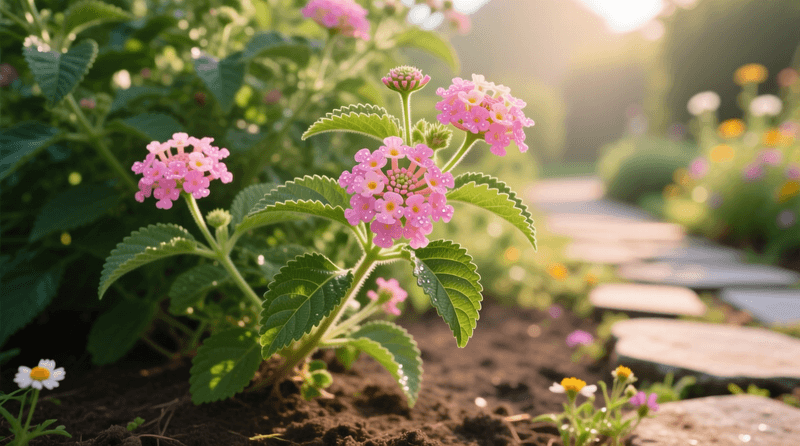
Your lantana was putting on a show, and then the heat arrived and the blooms slowed down or stopped altogether. Before you blame the temperature, it helps to know that lantana is actually built for hot, sunny conditions.
A flowering pause during summer usually means something else is going on, and finding that something is easier than you might think. A quick look at your plant can point you toward a fix.
Heat may reveal a problem rather than cause it
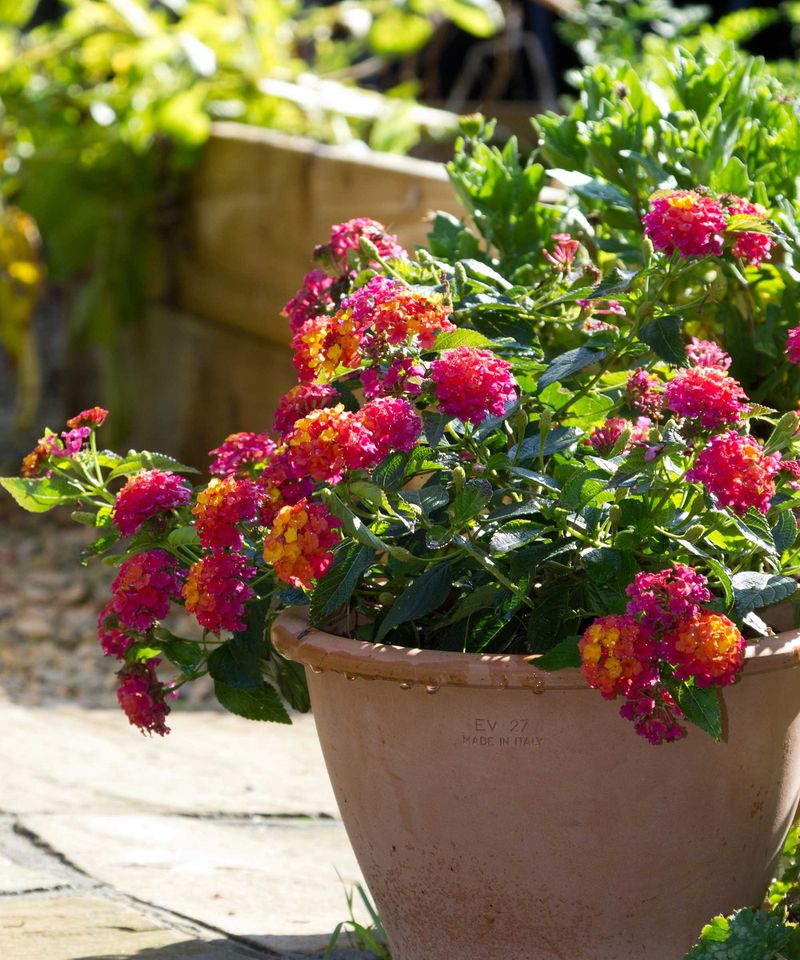
Lantana earned its reputation as a tough, sun-loving plant for good reason. Most established plants push through high temperatures without missing a beat, so when flowering slows during a heat wave, the temperature itself is rarely the direct culprit.
A bloom pause is better treated as a signal to look more closely at the plant rather than a reason to assume summer heat has overwhelmed it.
One possibility that gardeners often overlook is seed setting. On cultivars that produce berries or visible seed heads, leaving spent flower clusters in place may be associated with reduced flowering.
Clemson Cooperative Extension notes that berry-producing plants may show a decline in bloom, making seed management one of the first things worth checking.
Seed setting is not the only possibility, though. Hot weather can expose or intensify other conditions that limit bloom.
Prolonged dryness, poor drainage, excess soil moisture, too much fertilizer, too little sun, and lace-bug damage can all reduce flowering, and high temperatures can make each of these problems more noticeable or more harmful. University of Maryland Extension guidance on drought and heat stress confirms that restoring appropriate soil moisture can relieve heat-related stress, though it cannot reverse flowers that have already been damaged.
A useful first step is a brief inspection rather than an immediate intervention. Walk up to the plant, look at the spent flower clusters, check the soil near the roots, observe how much direct sun the plant receives, and flip a few leaves to examine their undersides.
What you find will point you toward the right response.
Look for seed-setting clusters among the spent blooms
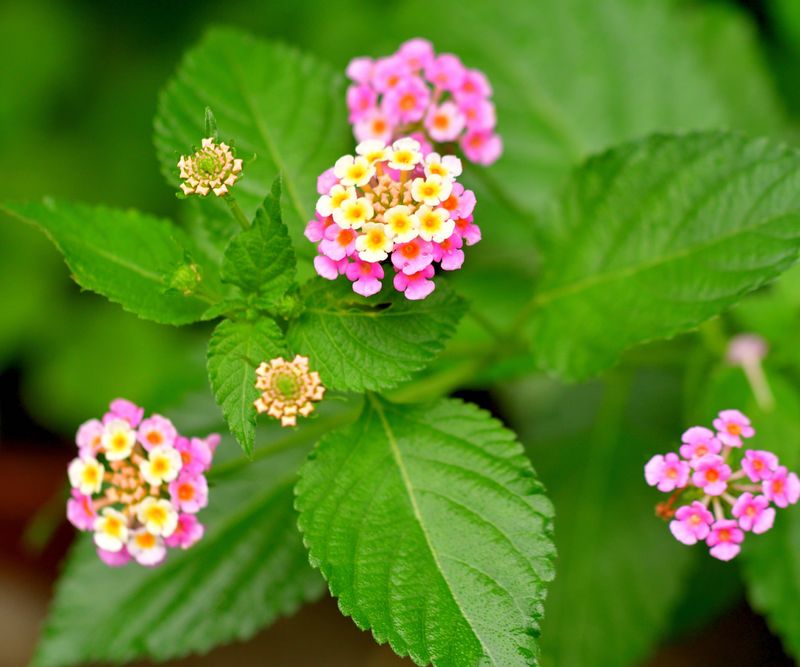
Spent lantana flowers do not all look the same once they fade. On some cultivars, the faded cluster simply dries out and falls away or stays put without developing anything further.
On others, you can spot small, rounded berries forming at the center of the old flower head. Fresh berries tend to be green, then shift toward blue-black or very dark purple as they ripen.
Finding those berries is the key diagnostic step. Clemson Extension reports that berry-producing plants may show reduced bloom, suggesting that seed development on these cultivars is worth paying attention to when flowering slows.
The relationship is an association and a practical clue, not a guaranteed explanation for every plant in every situation.
Cultivar differences matter enormously here. Newer breeding programs have produced sterile or self-cleaning varieties that either do not form berries at all or drop spent material on their own.
If your plant never shows berries or seed-like structures at the center of old clusters, seed setting is probably not contributing to the slowdown, and this particular inspection step can be set aside.
University of Arkansas Cooperative Extension points out that self-cleaning varieties may not need deadheading at all, reinforcing why it matters to look first rather than assume every plant needs the same treatment. Spending two or three minutes examining several spent clusters across the plant will tell you whether seed formation is happening and whether it deserves a response.
One more reason to look carefully: lantana berries, especially unripe ones, are toxic to people, pets, and livestock. Knowing what those clusters look like helps you handle them safely during any follow-up care.
Deadhead developing seed clusters when the cultivar needs it
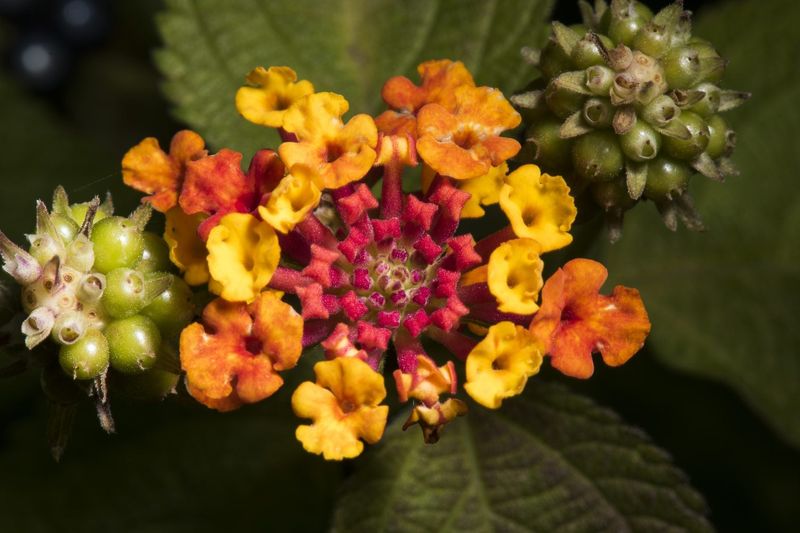
Once you have confirmed that your lantana is forming berries or seed heads, targeted removal is a reasonable next step. Focus on clusters that show visible seed development rather than every faded bloom on the plant.
Pinch or snip the spent cluster where the stem meets the main branch, taking the developing seeds with it.
Arkansas Extension recommends checking seed-setting plants about once a week rather than attempting daily removal of every faded flower. Weekly attention is usually enough to stay ahead of seed development without turning lantana care into a daily chore.
This practice may help maintain or improve flowering on cultivars that set abundant seed, though results will vary by plant and growing conditions.
Contrast this with the routine deadheading advice sometimes given for flowering annuals. Lantana does not require you to snap off every faded bloom the moment color fades.
The intervention is most useful when seed clusters are actually forming, and it is unnecessary on plants that are not producing them.
Sterile and self-cleaning cultivars are the clearest example of when to skip this step entirely. University of Minnesota Extension notes that newer lantana varieties have been selected for reduced or no seed production, and those plants often continue flowering without any deadheading at all.
If you are unsure which type you have, look at the plant tag or check the cultivar name against your supplier’s description.
Safe handling matters throughout this process. Lantana berries, particularly the unripe green ones, are toxic to people, children, pets, and livestock, as confirmed by UF/IFAS.
Wear gloves when removing berry-bearing clusters, dispose of removed material in a sealed bag rather than leaving it on the ground, and keep children and pets away from the work area until cleanup is complete.
Use a light summer trim for leggy or stalled growth
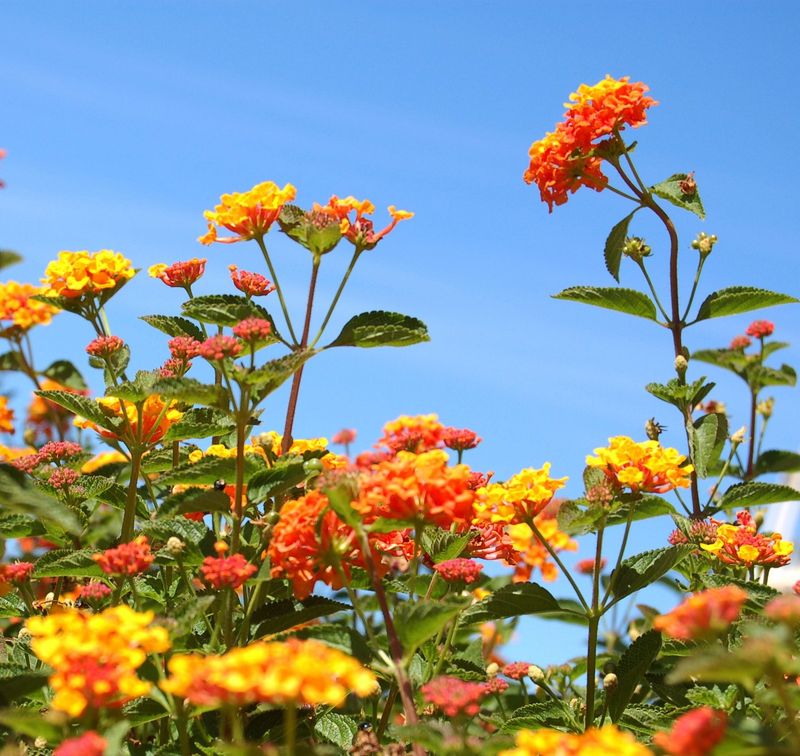
Some lantana plants get stretched and sparse by midsummer, especially if they put out a strong early flush and then seemed to run out of energy. Long, bare stems with flower clusters only at the tips are a reliable sign that the plant could benefit from a light structural trim, not just seed-cluster removal.
A light summer pruning can encourage the plant to push out new growth from lower on the stem, which often leads to a fuller shape and a fresh round of flowering. Clemson Extension recommends pruning back no more than about one-third of the plant during the growing season to avoid putting it under unnecessary stress.
Mississippi State University Extension similarly recommends light summer pruning to keep lantana compact and productive.
Keep the distinction clear between this structural trim and the seed-cluster removal described earlier. Deadheading targets spent flower heads that are setting seed.
A summer trim addresses the overall shape and length of the stems, and it is appropriate when the plant looks leggy or has clearly stalled after its first bloom cycle.
Not every lantana needs this treatment. A plant that is compact, actively branching, and still producing flower buds at multiple points does not need to be cut back.
Reserve the trim for plants that have visibly outgrown their productive shape or gone quiet after a heavy early flowering period. Cut just above a leaf node or side branch, use clean pruning shears, and water the plant well after trimming if the soil is dry.
Match watering to the root zone, soil, and container
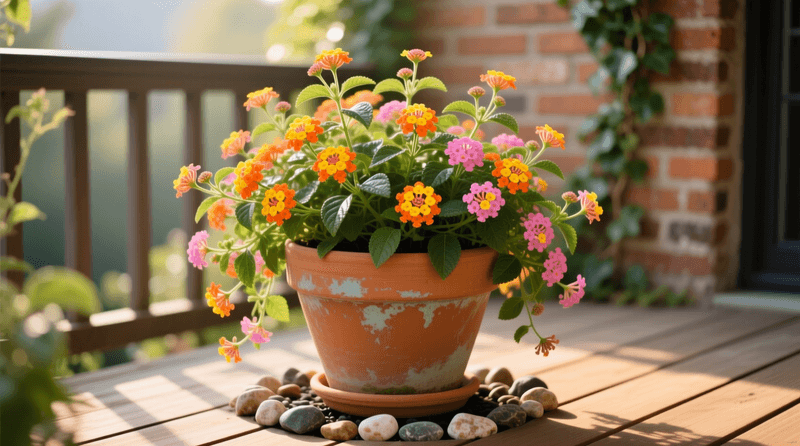
Drought tolerance is one of lantana’s best-known traits, but that reputation can lead gardeners to underwater a plant that genuinely needs moisture. Established lantana can survive dry spells, but prolonged dryness can reduce bloom and slow overall performance.
The goal is to keep the root zone adequately moist without letting the soil stay soggy.
A reliable way to decide when to water is to push a finger one to two inches into the soil near the base of the plant. If the soil feels dry at that depth, a thorough watering is warranted.
Clemson Extension suggests a deep watering when weekly rainfall falls below about one inch for plants growing in the ground, while Minnesota recommends watering when the top one to two inches of soil are dry. Both are reasonable guidelines, not rigid schedules, because soil type, local rainfall, plant size, and heat all change how quickly the root zone dries out.
University of Minnesota Extension notes that container lantana may need daily watering during hot weather, provided the pot drains freely. Containers lose moisture far faster than garden beds, so a plant that seems fine in the morning can be stressed by afternoon.
Check container soil daily during heat waves rather than relying on a fixed schedule.
Overwatering is just as capable of reducing bloom as underwatering. Soil that stays persistently wet, or a pot or bed with poor drainage, can damage roots and limit the plant’s ability to produce flowers.
Water the soil directly rather than repeatedly soaking the foliage, which can increase the chance of fungal problems. University of Maryland Extension reinforces that restoring appropriate moisture relieves stress, but cannot undo flowers or buds that have already been damaged by severe drought.
Catching dryness early gives the plant a better chance to recover and continue blooming.
Check sunlight, fertilizer, and leaves before escalating care
Strong, direct sun is not optional for dependable lantana flowering. University of Minnesota Extension specifies at least eight hours of full sun for best performance, and Clemson Extension echoes the need for full sun and well-drained soil.
A plant growing under increasing summer shade from a nearby tree or fence may produce fewer flowers even when watering and other care are correct. If the planting spot now receives noticeably less sun than it did earlier in the season, reduced light is a likely factor.
Fertilizer is another area where a well-meaning response can backfire. Reaching for a high-nitrogen product when flowering slows is a common instinct, but excess fertilizer can actually push the plant toward leafy growth at the expense of blooms.
Clemson Extension cautions that excessive fertilizer can reduce flowering, and Minnesota notes that established lantana in the ground generally needs no additional fertilizer after planting. Recommendations do vary by setting and cultivar, so follow your local extension service’s guidance or the product label rather than adding fertilizer reflexively.
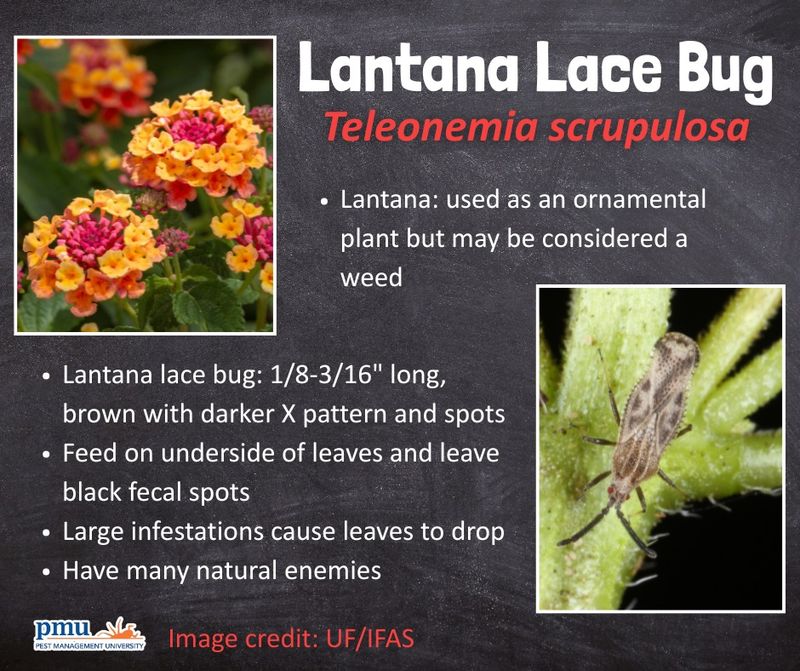
If bloom reduction comes with other visible symptoms, inspect the leaves before doing anything else. Flip several leaves and look at the undersides.
A pattern of pale, silvery, or bleached speckling on the top surface of leaves, combined with dark, tar-like residue on the undersides, is a strong indicator of lantana lace bugs. Mississippi State University Extension identifies lantana lace bug as a significant pest capable of reducing flowering through heavy feeding, and notes that severe infestations can also cause defoliation.
Treatment decisions for lace bugs deserve careful thought because lantana is a major pollinator plant. Blanket systemic insecticide use poses risks to visiting bees and butterflies.
Confirm the identification first, then consult your state extension service or the product label before choosing any treatment approach. A targeted, label-compliant response protects both the plant and the pollinators it supports.
Run a quick summer bloom check
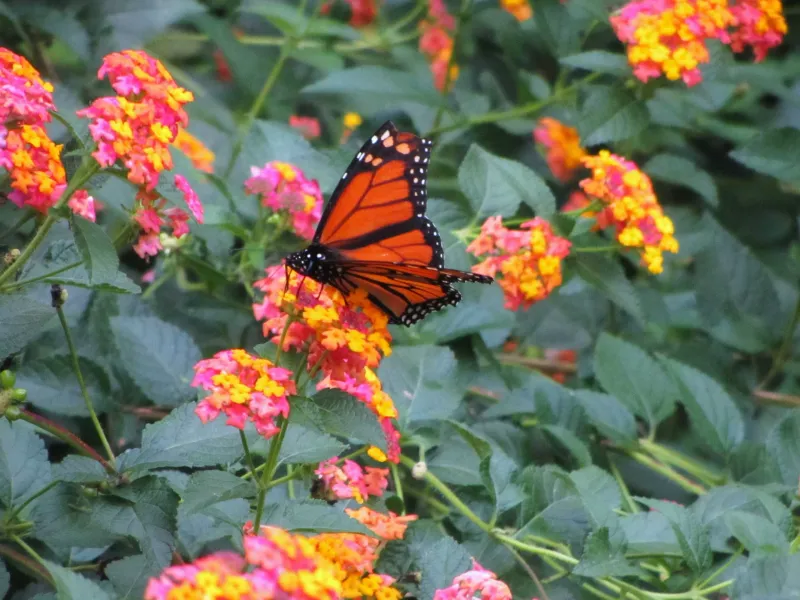
A flowering slowdown on a heat-tolerant plant like lantana rarely has a single universal cause, so a short, methodical look at the plant is more useful than any single intervention. Start at the spent flower clusters and check whether berries or seed heads are forming.
If they are, and your cultivar is known to set seed, weekly removal of those clusters is worth trying. Clemson Extension and Arkansas Extension both support this as a practical step for seed-setting plants, while noting that sterile or self-cleaning types may need little or no deadheading.
After checking the clusters, press a finger into the root-zone soil to gauge moisture. Water thoroughly if it is dry, and confirm that the planting area drains freely.
Then look up: count the hours of direct sun the plant actually receives now, not just when you planted it. Reduced sun exposure is an easy detail to miss as the season progresses.
Skip the extra fertilizer unless you have a clear reason to apply it, and flip a few leaves to look for lace-bug signs before concluding that the plant simply needs more inputs. University of Minnesota Extension reminds us that established lantana in the ground often needs no fertilizer at all.
What the plant shows you in that five-minute walkthrough should guide the response – seed-set management is one real possibility among several, and the plant itself will tell you which one applies.